Stepping off the plane into the warm, tropical breeze of Japan’s southernmost prefecture instantly shifts your family into vacation mode. With its vibrant coral adventures, sweeping sandy beaches, and a distinct culture that beautifully blends Japanese, indigenous Ryukyuan, and international influences, this island is a dream destination for families. Planning a weekend in Okinawa with kids requires a bit of strategic mapping—the island is long, and traffic can be surprisingly dense—but with the right itinerary, you can easily balance thrilling excursions with peaceful seaside relaxation.
This three-day guide is designed to help you maximize your time, grouping activities geographically so you spend less time in the car and more time building sandcastles, exploring jungles, and marveling at marine life. If you want a deeper dive into the island's overall offerings, be sure to bookmark our comprehensive City Guide: /city/okinawa.
Why a Weekend in Okinawa with Kids is the Perfect Getaway
Okinawa offers a completely different rhythm compared to mainland Japan. Instead of navigating crowded subway trains and towering skyscrapers, your days here revolve around the tides, the sun, and the natural landscape. For parents, this means a chance to slow down while still providing endless entertainment for active children.
To make a short trip work, renting a car is absolutely essential. Public transportation exists, but relying on buses will eat up hours of your precious weekend. Because the island stretches over 65 miles from north to south, the secret to a successful itinerary is dividing your days by region: the rugged and nature-heavy North, the resort-dense Central coast, and the culturally rich South near Naha.
When deciding where to stay, we highly recommend booking a hotel in the central part of the island (around Onna or Yomitan). This positions you perfectly to strike out in any direction without enduring exhausting daily commutes. A central base camp allows you to easily retreat for mid-day naps if you have toddlers, while keeping you close enough to the major nighttime dining hubs when the older kids inevitably start asking for dinner.
Day 1: Ocean Wonders and Northern Adventures
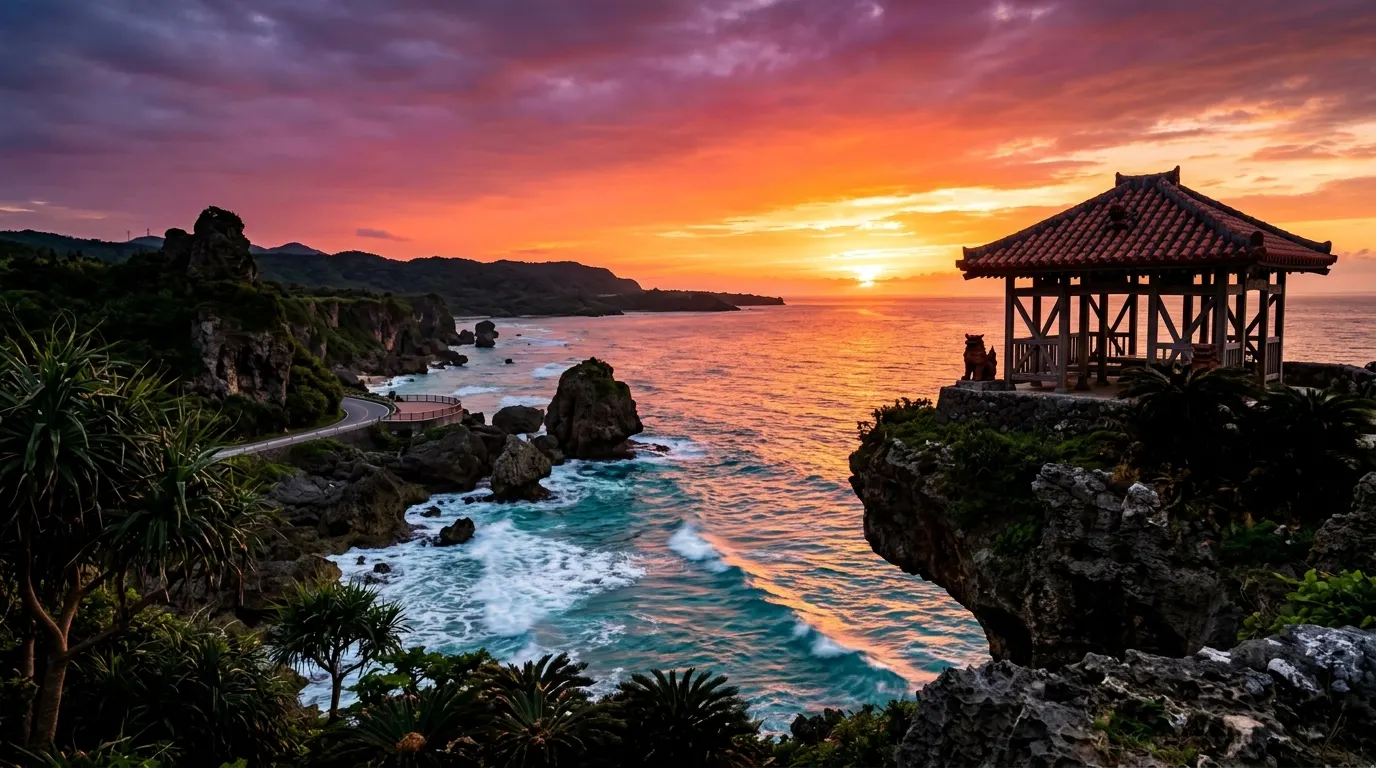
The northern part of the island, known as Yanbaru, is lush, wild, and home to some of Okinawa’s most famous attractions. We recommend dedicating your first full day here to take advantage of the spectacular marine exhibits and natural beauty.
Morning at Okinawa Churaumi Aquarium & Ocean Expo Park
Start your day bright and early at the Okinawa Churaumi Aquarium. Widely considered one of the best aquariums in the world, this massive facility is famous for its Kuroshio Sea tank, where colossal whale sharks and manta rays glide gracefully past the glass. Arriving right at the 8:30 AM opening time is crucial; you will beat the massive tour bus crowds that descend around 10:00 AM. Admission is highly reasonable at ¥2,180 (about $14 USD) for adults, ¥710 ($5 USD) for elementary/middle school students, and free for children under 6. The entire facility is incredibly stroller-friendly, with wide ramps and spacious elevators.
The aquarium is just one piece of the massive seaside complex known as Ocean Expo Park. After marveling at the fish, take some time to explore the expansive grounds. Families often overlook the Oceanic Culture Museum Planetarium (Ocean Expo Park), which is a fantastic hidden gem inside the park. It pairs massive, traditional Pacific island voyaging canoes with a stunning planetarium show. It’s air-conditioned, beautifully curated, and provides a quiet, awe-inspiring break if the kids are getting overheated outside.
🎟️ Book family tickets & skip-the-line tours →
Lunch at a Historic Noodle Shop
By late morning, you’ll be ready for some local flavor. Just a short drive from the aquarium is きしもと食堂 (Kishimoto Shokudo), a legendary 120-year-old noodle shop in Motobu. They serve what many consider the island's absolute best Okinawa soba—a hearty, comforting bowl of thick wheat noodles in a rich pork and bonito broth, topped with melt-in-your-mouth braised pork belly. It is cash only, and a bowl costs around ¥800 to ¥1,000 ($5-$7 USD). Because it is so famous, lines form quickly. We suggest arriving right when they open at 11:00 AM to grab a table before the lunchtime rush. The casual, bustling environment is very forgiving of noisy kids.
Afternoon Stroll at Bise Fukugi Tree Path
After a filling lunch, drive a few minutes up the coast to the Bise Fukugi Tree Path. This is a serene, shaded escape consisting of sandy paths lined with thousands of ancient windbreak trees that form a natural green tunnel. It feels like stepping back in time. You can rent bicycles (including ones with child seats attached) at the entrance for a few hundred yen, or simply take a leisurely walk. The tree canopy provides excellent protection from the afternoon sun, and the path occasionally opens up to stunning, quiet stretches of beach where kids can search for shells and hermit crabs in the shallow tide pools.
Day 2: Snorkeling, Floating Parks, and Seaside Entertainment
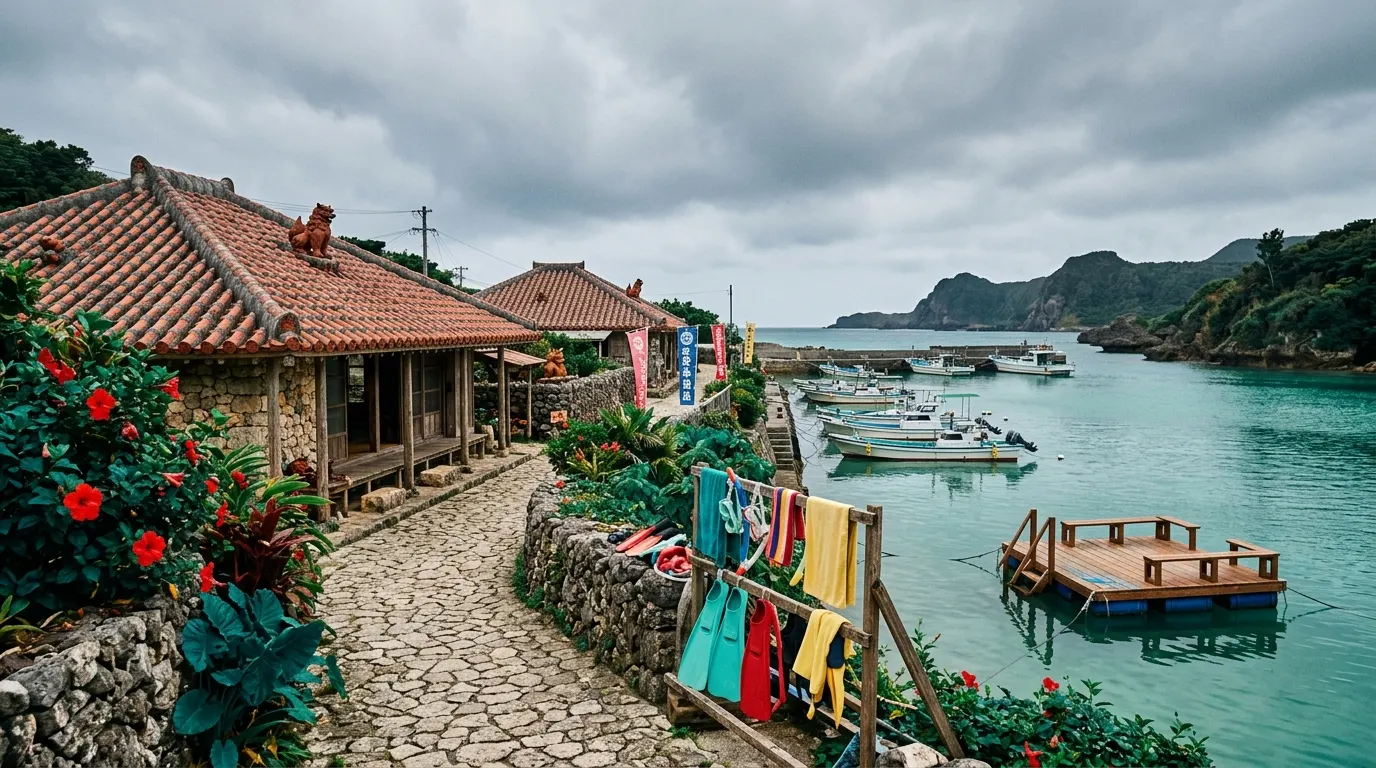
Your second day is all about the water. The central western coast of Okinawa is famous for its bright turquoise seas, soft sand, and excellent family-friendly infrastructure.
Morning Snorkel at Maeda Point
If your kids are comfortable in the water (typically ages 5 and up), start your morning at 真栄田岬 青の洞窟 (Maeda Point / Blue Cave). This is Okinawa's most iconic snorkeling spot, where sunlight reflects off the white limestone floor to create a mesmerizing, glowing blue effect inside a half-submerged cave. Because of its popularity, the parking lot (¥100 per hour) fills up extremely fast, and the cave can become a traffic jam of snorkelers by mid-morning. Arrive by 7:30 AM or 8:00 AM. You can book family-friendly guided boat tours that provide wet suits, life jackets, and floatation rings for younger kids, ensuring everyone feels safe and supported while spotting butterflyfish and Moorish idols.
🎟️ Find family-friendly tours & activities →
Mid-Day Energy Burn at Manza Ocean Park
After drying off and grabbing a quick bento box lunch from a local convenience store, head over to Manza Ocean Park. Located at the ANA InterContinental Manza Beach Resort, this is a massive, floating inflatable obstacle course anchored in the turquoise waters of the bay. It features slides, trampolines, and climbing walls right on the ocean. It is an absolute blast for older kids and teens to race across, and they also have a designated shallower area that is safe for children as young as three. Day passes run about ¥3,500 ($23 USD) per person. Parents can join in the chaos or relax on the pristine resort beach while watching the kids burn off every last ounce of energy.
Evening at American Village
As the sun begins to set, drive south to American Village (Mihama) in Chatan. This vibrant, seaside entertainment district feels like a mashup of a California boardwalk and a Japanese pop-culture hub. It is heavily stroller accessible, bursting with colorful photo opportunities, and packed with dining options that cater to picky eaters—from casual taco rice stands to burger joints and sushi spots. The coastal boardwalk is the perfect place to grab dinner, watch a spectacular sunset over the East China Sea, and let the kids browse the quirky shops for souvenirs.
Day 3: Southern Culture, Caves, and Sweet Treats
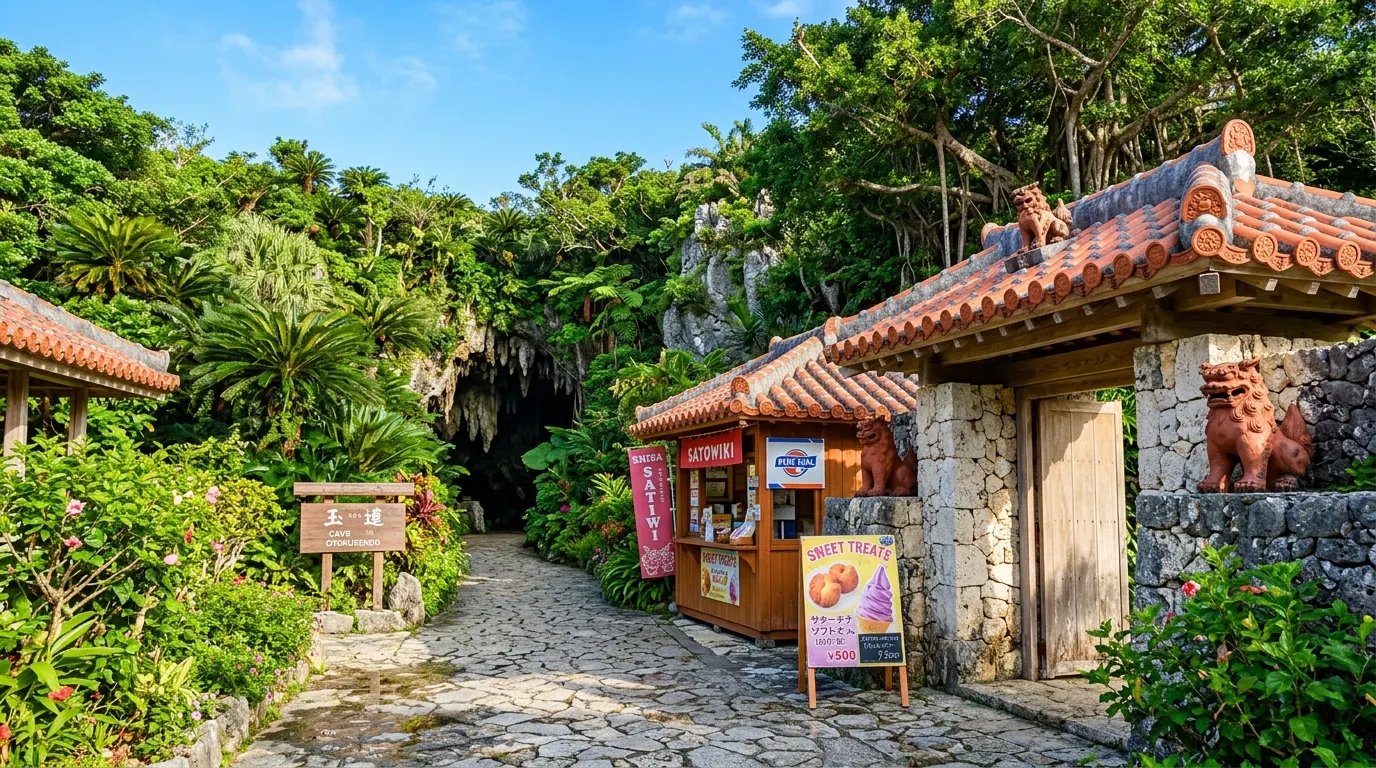
For your final day, head toward the southern end of the island. This area is rich in Ryukyuan history, fascinating geology, and excellent proximity to the airport for your journey home.
Morning Trek at Valley of Gangala
Begin your morning with an atmospheric guided trek through ガンガラーの谷 (Gangala Valley / Valley of Gangala). This is a collapsed limestone cave system featuring massive ancient banyan trees and lush subtropical jungle. The walking tour takes about 80 minutes and costs ¥2,500 ($16 USD) for adults (students are cheaper, and young children are free). It feels like an Indiana Jones adventure that will easily captivate school-aged kids and teens. A quick note for parents of toddlers: the paths are uneven and involve stairs, so strollers are not permitted. You will definitely need to bring a comfortable baby carrier. The tour concludes at a stunning cafe set entirely inside a massive cave, which is an unforgettable spot to grab a cold tropical juice.
Make your way toward the coast to 瀬長島ウミカジテラス (Senagajima Umikaji Terrace). This stunning, white-washed Mediterranean-style shopping and dining terrace is perched on the edge of Senaga Island, just minutes from Naha Airport. The terraced layout offers panoramic views of the ocean, but the real highlight for kids is the proximity to the runway—you can watch commercial jets roaring in for a landing right over the water while you eat. There are dozens of small eateries here serving everything from Okinawa soba to fluffy Japanese pancakes. Expect to spend about ¥1,500 to ¥2,000 ($10-$14 USD) per person for lunch. The ramps make it moderately easy to navigate with a stroller, though weekends can get quite crowded.
Afternoon Custom Ice Cream at Blue Seal Ice Park
End your trip on a sweet note at the Blue Seal Ice Park. Blue Seal is an iconic Okinawan ice cream brand ("Born in America, Raised in Okinawa"), and at this specific facility, kids can do more than just eat ice cream; they can design and decorate their own custom ice cream bars. The workshop costs about ¥1,800 ($12 USD) and must be booked in advance. Kids get to choose their base flavor, chocolate coating, and a variety of colorful toppings to create their masterpiece. It takes about an hour, providing a fun, air-conditioned, and delicious final memory before you head to the airport.
🎟️ Book family tickets & skip-the-line tours →
What to Skip During Your Weekend in Okinawa with Kids
Not every famous attraction translates to a great family experience. When time is tight, we highly recommend passing on these spots:
- Kokusai Dori Shopping Street: While it's Naha's most famous landmark, it is essentially a 1.6km gauntlet of repetitive souvenir shops. It is loud, crowded, and exhausting for young children. Unless you desperately need a last-minute keychain, your time is much better spent at American Village or Umikaji Terrace.
- Cape Manzamo: The 'elephant trunk' rock formation is heavily featured in Okinawa guidebooks, but it is essentially a 10-minute photo opportunity that requires a long walk from the parking lot. Kids generally find it incredibly boring, and there is no beach access for them to play.
- OKINAWAフルーツらんど (Okinawa Fruits Land): Often marketed heavily to families, this is a dated, underwhelming attraction that charges ¥1,200 for a 30-minute walk through a tired greenhouse. The interactive games are often broken, and the fruit samples are sparse.
- 海の見えるカフェ 浜辺の茶屋 (Hamabe no Chaya / Seaside Teahouse): While the floor-to-ceiling ocean views you see on Instagram are stunning, the tiny wooden interior is not built for families. The 30-60 minute wait times in the heat are brutal for kids, and the menu is very limited.
- 旧海軍司令部壕 (Former Japanese Navy Underground Headquarters): This is a somber, claustrophobic site where 4,000 Japanese soldiers died during the Battle of Okinawa. The narrow tunnels and heavy history make it entirely inappropriate and unsettling for a lighthearted family vacation.
Age-Specific Tips for an Okinawan Family Trip
Toddlers (Ages 2-3): Heat and humidity can drain a toddler fast. Plan your outdoor beach time for before 10:00 AM or after 3:00 PM. The Churaumi Aquarium is fantastic for this age, as are the shallow, calm tide pools at Nagahama Beach, a rugged, uncrowded alternative to the busy resort strips. Bring a lightweight travel stroller, but also pack a carrier for uneven sandy paths.
Preschoolers (Ages 3-5): This is the perfect age for the shallower sections of Manza Ocean Park and glass-bottom boat tours. Be aware that traditional Okinawan Eisa dance performances—while culturally thrilling—involve massive, booming drums that can severely overwhelm sensitive young ears. Bring noise-canceling headphones if you plan to attend a cultural show.
School-Age (Ages 6-10): Kids this age will thrive in Okinawa. They are old enough to handle the Blue Cave snorkeling and the full obstacle course at the floating water parks. For an off-the-beaten-path adventure, look into ター滝 (Ta-Taki / Ta Waterfall). It’s a raw, adventurous river trek through the jungle that ends in a stunning 10-meter waterfall. They will love wading through the water and climbing over rocks.
Tweens & Teens (Ages 11-14): Give older kids some autonomy at American Village, where they can safely browse the vintage clothing stores and record shops on their own. If you are visiting in the winter months (January to March), book one of the ホエールウォッチング (Whale Watching Tours, Zamami/Naha departure). It’s a thrilling boat expedition to spot migrating humpback whales that will score you major cool points with your teenagers.
Pro Tips from Parents for a Smooth Trip
Get an ETC Card for Your Rental Car: The Okinawa Expressway is by far the fastest way to travel between Naha in the south and the attractions in the north. However, the cash lanes at the toll booths often have long, frustrating queues. Request an ETC (Electronic Toll Collection) card from your rental car provider to breeze through the automated lanes and save precious vacation time.
Avoid the Highway 58 Commute: Traffic on Highway 58 (the main coastal road) is notoriously heavy. Commuting from Naha to the central beaches can easily take over 90 minutes each way in stop-and-go traffic. To maximize your time, avoid staying in Naha for a beach-focused trip; book your accommodation in the central coastal areas like Onna instead.
Beware the Habu Jellyfish: From May to October, the dangerous, venomous Habu Jellyfish inhabits Okinawan waters. For absolute peace of mind, only allow your children to swim at designated resort beaches or public beaches that have protective jellyfish nets installed in the water. Never let kids wade into unguarded, wild waters during these warmer months.
Embrace the Michi-no-Eki: When hunger strikes on a road trip, skip the standard convenience stores and look for "Michi-no-Eki" (roadside stations). These local outposts are far superior, offering incredibly clean nursing rooms, cheap and delicious local produce, fresh bento boxes, and unique Okinawan snacks like purple sweet potato tarts that the kids will love.
Have an Indoor Backup Plan: Tropical storms and sudden downpours are common in Okinawa. If the weather grounds your outdoor plans, head to a large shopping center like Aeon Mall Okinawa Rycom. It offers a massive indoor aquarium tank of its own, a dedicated Pokemon Center, and extensive food courts to easily kill a rainy afternoon.
Conclusion
Taking on a weekend in Okinawa with kids is all about embracing the island's laid-back rhythm and natural wonders. By strategically planning your days geographically, skipping the overcrowded tourist traps, and prioritizing interactive experiences like snorkeling in blue caves and crafting custom ice cream, you’ll create memories that last far longer than the flight home. Pack plenty of sunscreen, rent that car, and get ready for a spectacular family adventure in Japan’s tropical paradise!