Planning a family beach vacation often feels like a high-stakes balancing act. You want powdery sand and crystal-clear water, but you also need accessible restrooms, reliable shade, gentle waves, and engaging activities for when the kids inevitably declare they are "bored of building sandcastles." Finding the best beaches for kids means looking beyond the glossy travel brochures to understand the daily logistics of traveling with children. It requires knowing whether a beach is stroller-accessible, if the local restaurants welcome loud toddlers, and whether the ocean currents are safe for your ten-year-old to practice bodyboarding.
Through years of packing reef-safe sunscreen, dragging collapsible wagons across the sand, and discovering which destinations genuinely cater to families, a few standout locations have emerged as clear winners. Whether you are looking for exotic cultural encounters in Southeast Asia, the laid-back surf culture of California, or the warm, shallow waters of the Caribbean, there is a shoreline out there that fits your family’s unique rhythm.
Here is a curated look at seven of the best beaches for kids worldwide, packed with practical details, verified recommendations, and honest advice to help you plan an unforgettable coastal escape.
1. Bali, Indonesia: The Ultimate Tropical Playground and One of the Best Beaches for Kids
Bali is far more than a honeymooners' paradise; it is a remarkably family-centric island where children are revered, and the infrastructure for family travel is excellent. Beyond the stunning coastlines, the island offers a mix of floating breakfasts, playful monkeys, and beginner surf waves that create the perfect family escape. For a deep dive into the island, you can explore our comprehensive guide to Bali.
Where to Play and Swim
For a classic beach day, head to Canggu Beach (Batu Bolong Beach). While it features dark volcanic sand rather than white powder, it is the high-energy social heart of Canggu and is world-famous for its beginner-friendly surf breaks. You can easily rent soft-top boards and hire local instructors for kids as young as five. If you have toddlers, the Sanur area is a much better fit. Sanur features a long, paved beachfront boardwalk that is unique in Bali. It is the most stroller-friendly area on the island, and a protective reef keeps the water incredibly calm and shallow.
When you need a break from the saltwater, Bali delivers world-class attractions. Waterbom Bali is consistently ranked as the best waterpark in Asia. This 12-acre tropical oasis features world-class slides, a massive lazy river, and extensive shade canopies. For an unforgettable animal encounter, book the Elephant Mud Fun at Bali Zoo, a hands-on, ethical encounter where families get waist-deep in mud to "sunscreen" Sumatran elephants.
🎟️ Book family tickets & skip-the-line tours →
Beyond the Sand
Bali is rich in culture and nature. Older kids will be mesmerized by the Uluwatu Kecak & Fire Dance (at Uluwatu Temple), a mesmerizing sunset performance on a cliff's edge featuring a chorus of 50+ men chanting and a dramatic fire display. If your kids love wildlife, the Sacred Monkey Forest Sanctuary in Ubud is a lush, 30-acre jungle sanctuary where over 1,000 long-tailed macaques roam freely among ancient 14th-century temple ruins.
For an educational detour, Green Camp Bali is a world-class eco-education hub offering immersive day camps where kids learn bamboo building and sustainable farming. And if you have chocolate lovers, the Pod Chocolate Factory and Cafe offers a hands-on chocolate experience where kids follow the 'tree to treat' process in a lush jungle setting.
Where to Eat
Dining in Bali with kids is remarkably easy. Head to Pirates Bay Bali (Nusa Dua), a beachfront open-air dining area featuring a massive pirate ship, treehouses, and a lookout tower that kids can climb while you wait for your food. For a more local experience, the Gianyar Night Market (Pasar Malam Gianyar) is an authentic, sensory-rich food market that is significantly cleaner and more approachable for families than other street markets, offering delicious sweet martabak (stuffed pancakes) that kids will devour.
Practical Details:
- Costs: Surf board rentals run about 50,000-100,000 IDR ($3-$6 USD) per hour. Meals at local warungs are extremely affordable, often under 75,000 IDR ($5 USD) per person.
- Stroller Accessibility: Excellent in Sanur and Nusa Dua; very poor in Canggu and Uluwatu due to narrow, broken sidewalks.
- Getting Around: Avoid the stress of haggling with street taxis by using Grab or Gojek for fixed-price, air-conditioned cars. These apps are reliable and cheap.
2. Maui, Hawaii: Gentle Waves and Sea Turtles
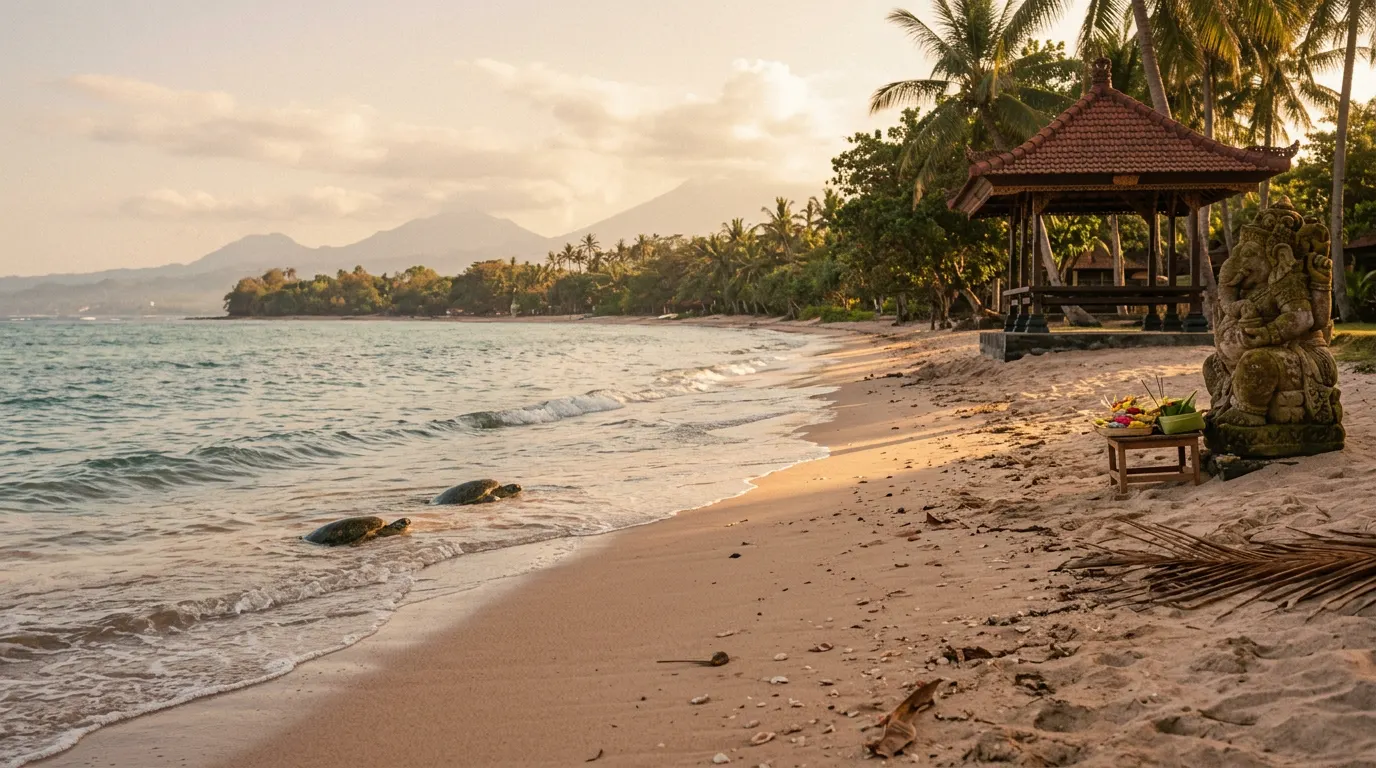
Maui consistently ranks highly for families because it strikes a beautiful balance between wild natural beauty and accessible resort-level amenities. The island's leeward (western and southern) coasts are shielded from heavy winds, creating perfectly calm swimming conditions for younger travelers. Check out our Maui family travel guide for more island specifics.
Why it Works for Families
Baby Beach in Lahaina is legendary among traveling parents. A large exposed reef creates a natural wading pool that is entirely protected from the open ocean waves. The water here rarely gets above a toddler's waist, making it incredibly relaxing for parents who usually have to hover over their little ones in the surf. Down in Wailea, Ulua Beach offers fantastic, beginner-friendly snorkeling where older kids have a high chance of spotting Humuhumunukunukuapua'a (the state fish) and gentle Hawaiian green sea turtles grazing on the rocks.
🎟️ Find family-friendly tours & activities →
Practical Details:
- Costs: Beach access is free, but parking at popular spots can cost up to $25 USD. Shave ice, a mandatory daily treat, runs about $6-$8 USD.
- Best Time to Visit: Early morning. The trade winds typically pick up around 1:00 PM, which can whip up the sand and make the water choppy.
- Facilities: Most major beaches in West and South Maui have excellent public restrooms and outdoor showers for rinsing off sandy feet.
3. San Diego, California: Endless Sunshine and Tide Pools
Southern California beach culture is iconic, and San Diego is arguably its most family-friendly hub. With 70 miles of coastline and a mild, sunny climate year-round, it is a destination where outdoor living is the default. Read more in our San Diego family guide.
Why it Works for Families
Coronado Beach is a massive, incredibly wide stretch of sand that sparkles with natural mica. The gentle shore break is perfect for boogie boarding, and there is always plenty of room to spread out, fly a kite, or throw a frisbee without bumping into your neighbors. For a different kind of coastal experience, head to the tide pools at Cabrillo National Monument during low tide. Kids can spend hours scrambling over the rocks, discovering hermit crabs, sea anemones, and small octopuses. La Jolla Shores is another fantastic option, offering wide, flat sand and an adjacent grassy park with a playground.
Practical Details:
- Costs: Free public beaches. Surfboard or boogie board rentals cost around $20-$30 USD per day.
- Water Temperature: The Pacific Ocean here is cold, averaging 60-68°F (15-20°C). If your kids plan to stay in the water for long periods, renting a thin wetsuit is highly recommended.
- Food: La Jolla Shores has several family-friendly taco stands just a block from the sand, perfect for a quick, messy, and delicious lunch.
4. Gold Coast, Australia: Surf, Sand, and Theme Parks
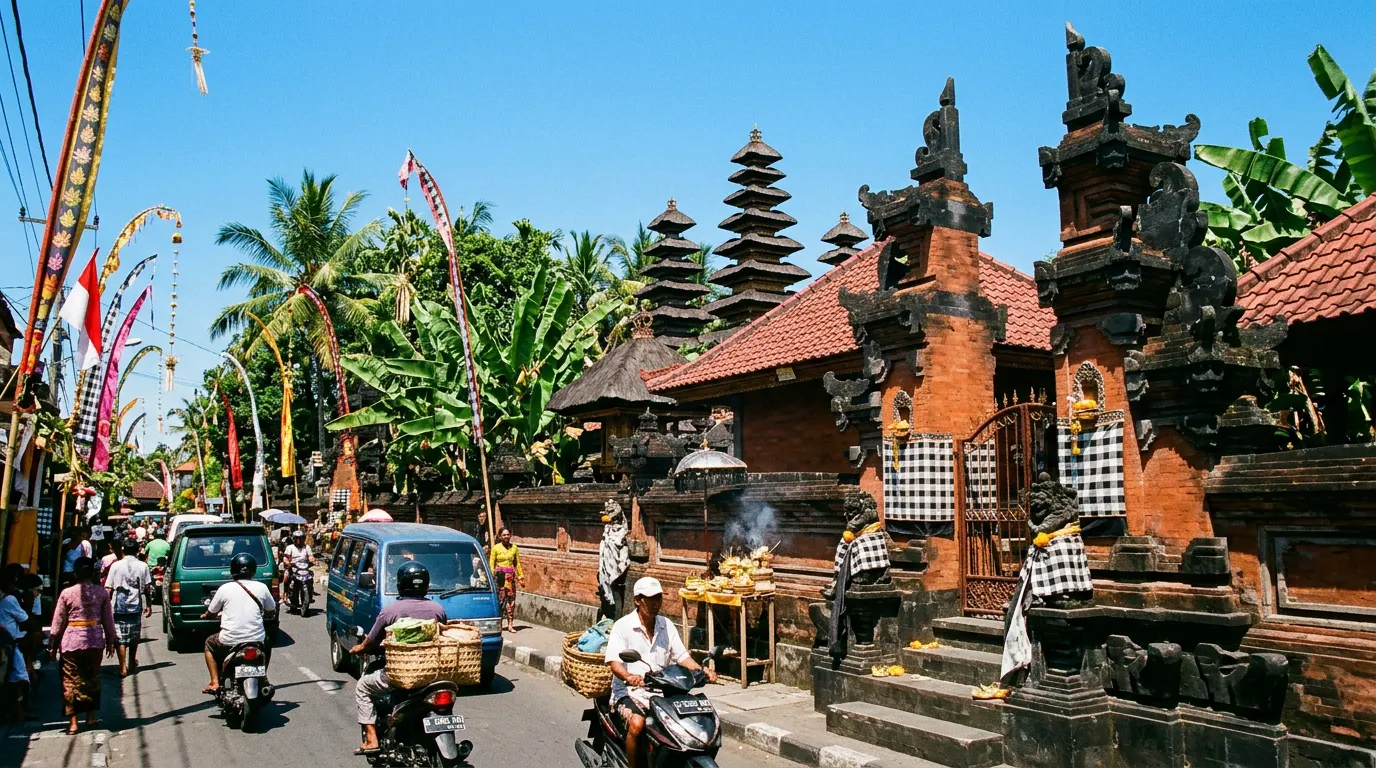
If your family likes their beach vacations with a side of high-energy entertainment, the Gold Coast in Queensland, Australia, is unmatched. It combines spectacular natural beaches with a dense concentration of family attractions. You can find more details in our Gold Coast itinerary guide.
Why it Works for Families
Australians take beach safety very seriously, which brings tremendous peace of mind to parents. Beaches like Burleigh Heads and Coolangatta are patrolled by highly trained surf lifesavers; you simply set up your towels between the iconic red and yellow flags, knowing someone is keeping an eye on the water. Burleigh Heads also features a stunning national park right next to the sand, offering an easy, stroller-friendly coastal walk where you might spot breaching humpback whales during the winter migration. When the kids need a break from the waves, the Broadwater Parklands offers a massive, free splash pad and bouncy pillows right on the calm estuary.
Practical Details:
- Costs: Fish and chips by the beach will cost around $15-$20 AUD ($10-$13 USD). Sunscreen is heavily regulated in Australia and is excellent quality, so buy it locally for about $15 AUD.
- Sun Protection: The UV index in Australia is fierce. Rash guards (called "rashies" locally) and wide-brimmed hats are non-negotiable for kids.
- Accessibility: Most major Gold Coast beaches have beach matting rolled out to the hard sand, making wagon and stroller access a breeze.
5. Phuket, Thailand: Calm Bays and Island Hopping
Phuket offers families an incredible mix of rich Thai culture, mouth-watering food, and stunning tropical beaches. While some parts of the island are known for nightlife, the southern and western bays are tranquil havens for families. Discover more in our Phuket travel guide.
Why it Works for Families
Kata Beach is a crescent of soft, white sand bordered by casuarina trees that provide excellent natural shade—a crucial detail for parents of napping toddlers. The water here is incredibly calm during the dry season, sloping gently into the Andaman Sea. You can rent a pair of padded beach loungers with a large umbrella for the entire day, giving you a comfortable home base. Vendors frequently walk the beach offering fresh, ice-cold coconuts, carved mangoes, and even gentle beach massages. For older kids, taking a traditional longtail boat from Rawai Beach to nearby coral islands for a half-day of snorkeling feels like a true adventure.
🎟️ Book family tickets & skip-the-line tours →
Practical Details:
- Costs: Two beach chairs and an umbrella cost about 200 THB ($6 USD) for the day. A massive plate of Pad Thai from a beachside restaurant is roughly 150 THB ($4.50 USD).
- Best Time to Visit: November to April is the dry season, offering calm, clear water. The monsoon season (May to October) brings heavy surf and dangerous rip currents that are not safe for children.
- Getting Around: Tuk-tuks are fun for short hops, but for longer trips across the island, use the Grab app for air-conditioned cars.
6. Barbados: Caribbean Charm and Shallow Waters
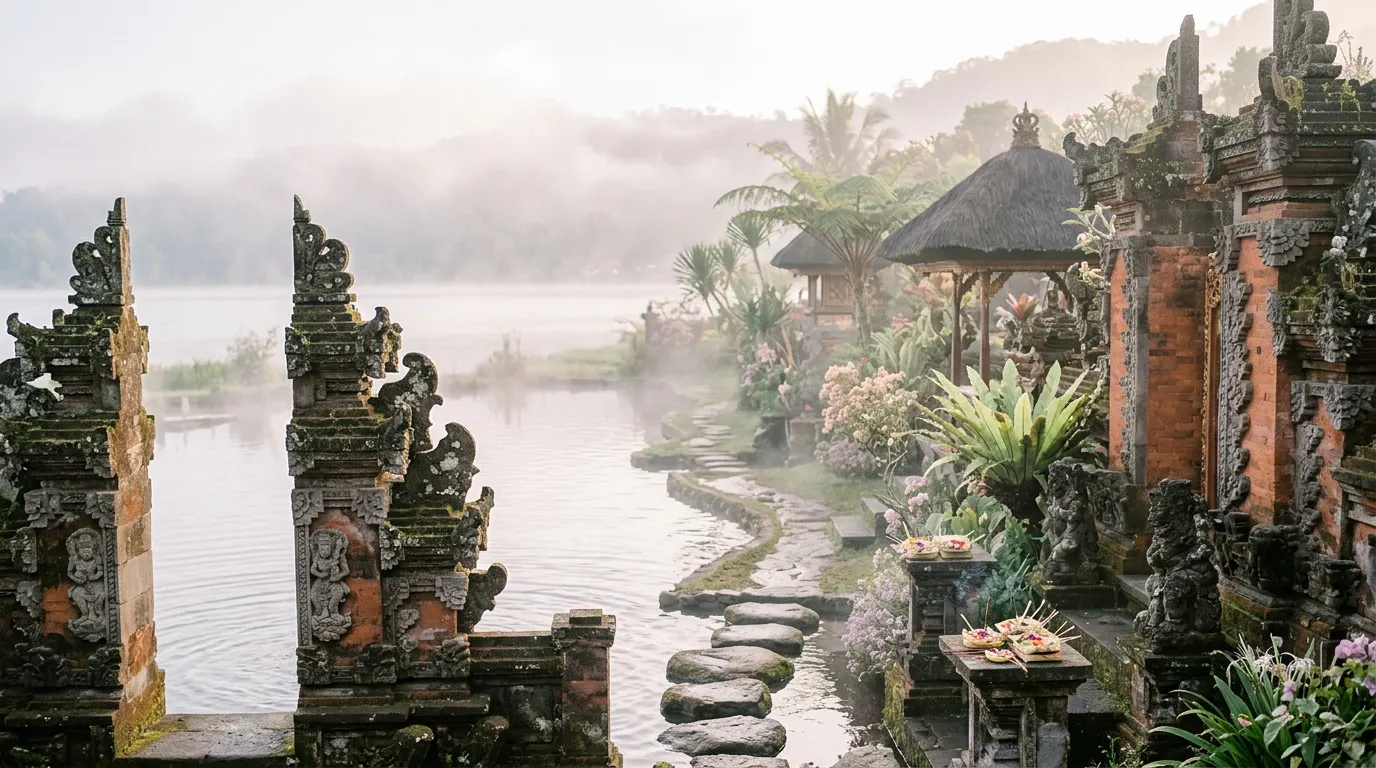
The Caribbean is dotted with beautiful islands, but Barbados stands out for families due to its safety, incredibly friendly locals, and the distinct difference between its coastlines. You can read more about it in our Barbados family guide.
Why it Works for Families
The platinum west coast of Barbados faces the Caribbean Sea, resulting in water that is famously flat, clear, and warm like bathwater. Mullins Beach is a fantastic spot where kids can easily spot colorful fish just steps from the shore. Down south, Carlisle Bay is famous for its resident sea turtles. You can swim out from the beach with older kids, or take a short, inexpensive glass-bottom boat ride to float right above the turtles and shipwrecks. The island's infrastructure is excellent, the tap water is safe to drink, and the local flying fish sandwiches are a hit with even the pickiest eaters.
Practical Details:
- Costs: Currency is tied to the US Dollar (2 BBD = 1 USD). A casual beach lunch will run about 30 BBD ($15 USD).
- Facilities: Paynes Bay and Carlisle Bay have good public facilities, including changing rooms and showers.
- Pace: Embrace "island time." Service at beachside restaurants can be slow, so bring a deck of cards or some coloring books to keep kids occupied while waiting for food.
7. Sardinia, Italy: European Elegance with a Family Vibe
If you want to combine European culture, phenomenal food, and some of the most striking beaches in the Mediterranean, Sardinia is the answer. It is a favorite summer destination for Italian families, which means children are welcomed everywhere with open arms. Explore our Sardinia family guide for a deeper look.
Why it Works for Families
The beaches in Sardinia, particularly in the south around Chia and Villasimius, look like they belong in the Caribbean. The sand is blindingly white, and the water is a vibrant, transparent turquoise. Beaches like Spiaggia di Campana feature water so shallow you have to wade out fifty yards before it reaches an adult's waist, making it a stress-free environment for toddlers. After a morning of swimming, you can retreat to a local trattoria where the staff will happily whip up a simple pasta pomodoro for the kids while you enjoy fresh seafood and local Vermentino wine.
Practical Details:
- Costs: Renting "lettini" (sunbeds) and an "ombrellone" (umbrella) at a managed beach club can be pricey, ranging from €30 to €60 ($32-$65 USD) per day depending on the row, but it guarantees shade, clean restrooms, and food service.
- Timing: Italians eat late. Restaurants often don't open for dinner until 7:30 PM. Utilize late afternoon beach naps so the kids can handle the later schedule.
- Transport: Renting a car is absolutely essential in Sardinia to reach the best, tucked-away coves.
Finding the Best Beaches for Kids: Age-Specific Travel Tips
A beach that is perfect for a three-year-old might be incredibly boring for a thirteen-year-old. Here is how to tailor your beach days to your kids' current developmental stage.
Toddlers (Ages 2-3)
For this age group, the beach is a massive sensory bin. Focus on beaches with zero-entry, wave-free shorelines (like Baby Beach in Maui or the Sanur boardwalk in Bali).
- The Inflatable Pool Trick: Bring a cheap, small inflatable baby pool in your luggage. Dig a shallow hole next to your towel, inflate the pool, and fill it with a few buckets of ocean water. Throw in some toys, and your toddler has a safe, contained, and warm place to splash right next to you while you relax.
- Shade is Critical: Toddlers overheat quickly. Always opt for destinations where you can rent thick, UV-blocking umbrellas or where natural tree shade is abundant.
Preschoolers (Ages 3-5)
Preschoolers want to explore, dig, and run.
- Tide Pools Over Big Waves: Look for beaches with rocky outcrops that create tide pools at low tide (like San Diego). This age group loves hunting for tiny crabs and shells far more than getting knocked over by the surf.
- Bring the Right Tools: Ditch the flimsy plastic shovels that break in five minutes. Buy a sturdy, metal-handled trowel from a local hardware store; it will make digging massive moats for sandcastles infinitely easier.
School-Age (Ages 6-10)
This is the golden age of beach travel. They can swim independently, carry their own gear, and stay awake for evening activities.
- Introduce Snorkeling: Start in calm, clear water where they can stand up if they panic. Use a full-face snorkel mask if they struggle with the traditional mouthpiece.
- Boogie Boarding: Look for beaches with a long, gentle shore break. Invest in a proper boogie board with a wrist leash.
Tweens and Teens (Ages 11-14)
Teens need autonomy and action to stay engaged. A quiet, secluded beach will likely result in them staring at their phones.
- Surf Culture: Destinations like Canggu in Bali or the Gold Coast in Australia are perfect. Book them a private surf lesson; it builds confidence and burns off endless energy.
- Social Beaches: Choose beaches that have a vibrant boardwalk or town right behind them. Let your teens walk with their siblings to grab a slice of pizza or an ice cream by themselves.
What to Skip: Overhyped Traps at Beach Destinations
Not every famous spot is suited for a family. In fact, some of the most Instagram-famous locations are logistical nightmares with kids. If you are heading to Bali, for example, here are a few things to cross off your list:
- Finns Beach Club: Finns is Bali’s most famous party destination. While they allow kids during the day, the Beach Club is a sensory overload of loud house music, crowded pools, and heavy drinking. It is entirely unrelaxing for parents trying to keep track of wandering children.
- Lempuyang Temple (Gate of Heaven): You are essentially paying for a 3-4 hour wait in a crowded, hot line just to get a 30-second photo that uses a mirror trick to look like water. The 2-3 hour drive from the beach hubs makes this a miserable day out for children.
- Kelingking Beach (Nusa Penida): The "T-Rex" cliff view is iconic, but the reality for families is a logistical nightmare involving a rough fast boat crossing, incredibly bumpy and narrow island roads, and a steep, dangerous dirt path that is entirely unsafe for children to hike down.
Pro Tips from Parents for Flawless Beach Days
To elevate your beach vacation from "surviving" to "thriving," keep these hard-won parent tips in your back pocket:
- Arrive Before Sunset for Dinner: When dining at beachfront seafood spots, arrive an hour before sunset. The children can run and play in the sand right in front of your table while you wait for your food, turning a normally stressful waiting period into a relaxed, open-air environment.
- Rethink the Sunrise Trek: In mountainous beach destinations (like Bali's Mount Batur or Maui's Haleakalā), the 2:00 AM wake-up calls for sunrise treks are too grueling for most children. Book a 4WD Jeep sunrise tour instead to reach the volcanic views without the meltdowns.
- Seek Out Cooler Climates for a Break: If the tropical heat gets to be too much, look inland. In Bali, head to the Bedugul highlands for strawberry picking and significantly cooler temperatures. It is a refreshing break from the intense coastal sun.
- Use Talcum Powder for Sand: Keep a travel-sized bottle of baby powder in your beach bag. When it is time to leave, rub the powder on your kids' wet, sandy legs and feet. The powder absorbs the moisture, and the sand brushes off instantly without scratching their skin.
- Skip the Dolphin Chasing: Many popular sunrise dolphin tours (in places like Bali or Phuket) involve dozens of motorized boats aggressively "chasing" pods. This can be distressing for the animals and stressful for sensitive children to watch. Opt for snorkeling or reputable turtle conservation centers instead.
Conclusion: Ready to Explore the Best Beaches for Kids?
Traveling to the coast with your children is an investment in their sense of wonder. Yes, there will be sand in the rental car, and yes, someone will inevitably drop their ice cream in the dirt. But there will also be the sheer joy of watching them catch their first wave, the quiet peace of a shared sunset, and the deep, restorative sleep that only comes after a long day in the salt and sun. By choosing destinations that naturally support family logistics, you give yourself the mental space to actually enjoy the vacation alongside them. So grab the reef-safe sunscreen, pack the extra snacks, and start planning your escape to the best beaches for kids—the ocean is calling.