When you first start planning a major international trip with children, your mind naturally drifts toward logistics: safe drinking water, stroller-friendly sidewalks, and finding accommodations that offer more than a single cramped hotel room. But once those basics are covered, the real magic of travel begins. Exploring the best family cities in latin america offers an incredible opportunity to introduce your kids to rich histories, vibrant biodiversity, and interactive learning environments that go far beyond standard textbooks.
The beauty of this region is that a "museum" rarely means a quiet, stuffy building where children are repeatedly shushed. Instead, cultural preservation happens everywhere—from interactive science centers in bustling capitals to living, breathing ecological reserves on Caribbean islands. Whether you are wandering the colorful, historic streets detailed in our City Guide: /city/cartagena or diving into the natural wonders found in our City Guide: /city/barbados, you will find that hands-on learning is deeply woven into the local culture. Here are the top five kid-friendly museums and cultural centers across the region that genuinely welcome families.
Rethinking "Museums" in the Best Family Cities in Latin America
Before we dive into the specific destinations, it is helpful to adjust your expectations of what a museum day looks like in this part of the world. In North America or Europe, a museum is typically a heavily curated indoor space. Across Latin America and the Caribbean, cultural heritage and natural history are often celebrated outdoors, in active archaeological sites, or through community-led conservation projects.
For kids, this is a massive advantage. It means less time worrying about them touching priceless artifacts and more time encouraging them to engage their senses. They can feel the texture of ancient stone, taste traditional recipes passed down through generations, and observe endangered wildlife in natural habitats rather than behind glass. We have selected these five spots because they excel at this kind of immersive, high-energy education.
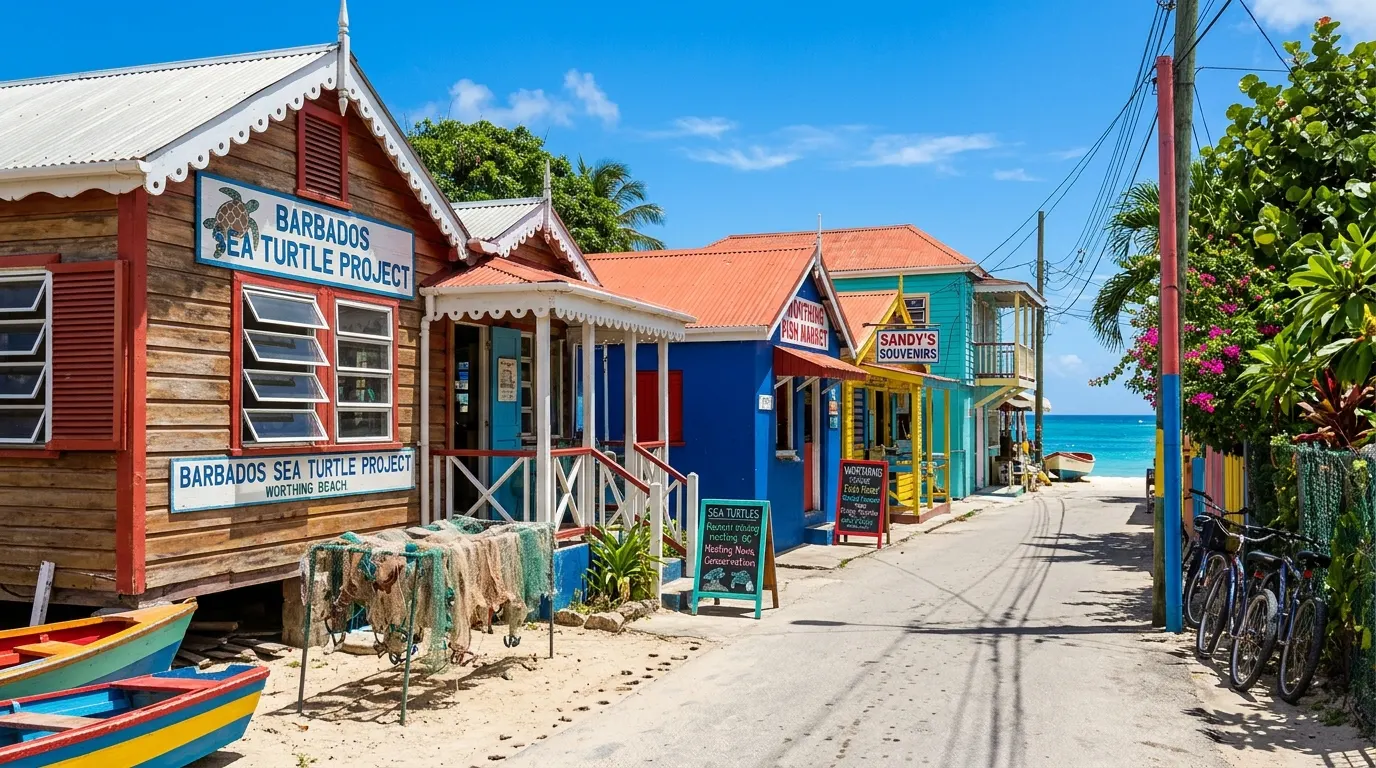
While not a traditional building with ticket counters, this conservation initiative functions as a spectacular, real-world natural history museum. The project offers a rare opportunity for families to join marine biologists on nighttime beach patrols to witness endangered hawksbill and leatherback turtles nesting or hatching. For children, the experience of quietly observing a massive sea turtle digging a nest under the moonlight is far more impactful than looking at a static diorama.
Because this is a living environment, flexibility is key. The turtles do not run on a strict schedule, so parents need to prepare for a potentially late night. However, the educational value is unmatched. The biologists are incredibly generous with their knowledge, explaining the life cycle of the turtles, the impact of light pollution, and the importance of marine conservation in ways that resonate deeply with school-aged kids and teens.
Practical Details for Families
- Opening Hours: Night patrols typically run from 8:00 PM to midnight, depending on the season and turtle activity.
- Cost: Free, though donations to the conservation project are highly encouraged and essential for their ongoing work.
- Accessibility: This is a natural beach environment at night. It is not stroller-friendly, and you will be walking on soft, uneven sand in the dark. Baby carriers are a must for infants.
- How Long to Spend: Plan for at least 2-3 hours.
- Pair it With: During the day, visit Carlisle Bay, a stunning crescent-shaped marine park featuring crystal-clear, calm waters where you can often spot turtles swimming naturally in the daylight.
🎟️ Find family-friendly tours & activities →
2. The Interactive Science Hub: Museo de los Niños (Bogotá, Colombia)
When visiting high-altitude capitals, having a reliable, engaging indoor space is crucial for days when the weather turns rainy or the kids simply need a break from intense sightseeing. As highlighted in our City Guide: /city/bogot, the Museo de los Niños (Children's Museum) is specifically engineered for active, tactile learning.
This museum focuses heavily on science, technology, and civic engagement. Instead of reading plaques, children learn about physics by manipulating giant water tables, understand aerodynamics by interacting with real aircraft components, and learn about road safety by driving miniature cars through a scaled-down city block. The exhibits are designed to cross language barriers; even if your children do not speak fluent Spanish, the intuitive, hands-on nature of the activities means they will not miss out on the fun.
Practical Details for Families
- Opening Hours: Tuesday to Sunday, 9:00 AM to 4:00 PM. Closed on Mondays (unless it is a national holiday).
- Cost: Approximately 30,000 COP (roughly $7.50 USD) per person.
- Accessibility: Highly stroller-friendly with wide ramps, spacious elevators, and dedicated family restrooms on every floor.
- How Long to Spend: You can easily spend 3-4 hours here without the kids getting bored.
- Nearest Food: The museum has a basic cafeteria, but you are better off packing your own substantial snacks or eating a hearty meal before you arrive, as the on-site options are limited to simple sandwiches and packaged chips.
🎟️ Book family tickets & skip-the-line tours →
3. The Chocolate Museum: Museo del Chocolate Havanna (Bariloche, Argentina)
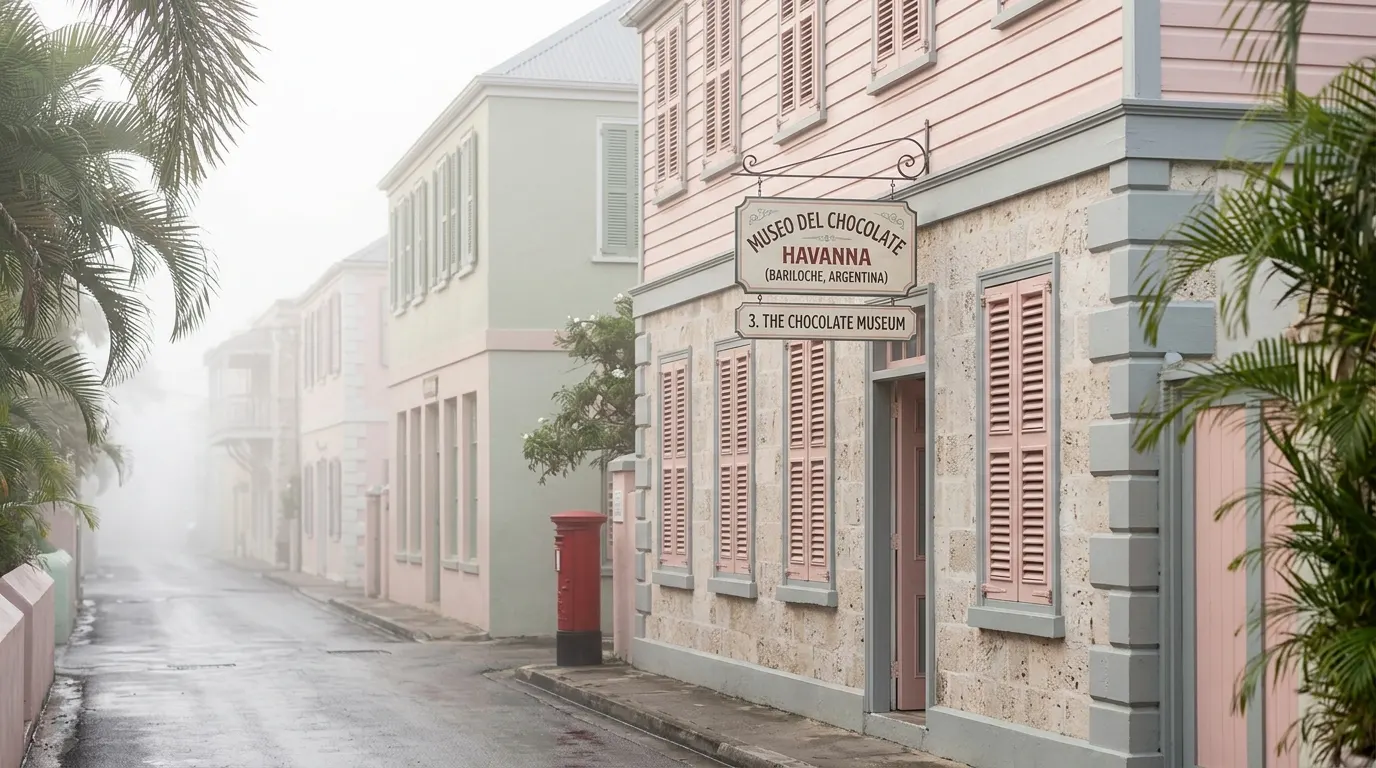
Nestled in the heart of Patagonia, Bariloche is famous for its alpine architecture, stunning lakes, and booming chocolate industry. For families referencing our City Guide: /city/bariloche-argentine-lake-district, a visit to the Museo del Chocolate is an absolute must.
This museum traces the history of cacao, from its origins with indigenous cultures in Central and South America to its transformation into the sweet treats we know today. The exhibits include incredible chocolate sculptures (which always elicit gasps from younger kids) and vintage chocolate-making machinery. The highlight, of course, is the sensory element. The entire building smells heavenly, and the guided tour culminates in a tasting session where kids can sample different percentages of cacao and watch chocolatiers actively tempering and molding fresh batches.
Practical Details for Families
- Opening Hours: Daily, 10:00 AM to 8:00 PM.
- Cost: Around 4,000 ARS (roughly $4.50 USD, though exchange rates fluctuate rapidly). The entry fee is often credited toward purchases in the gift shop.
- Accessibility: The main floor and factory viewing areas are accessible, but some historical exhibits require navigating short flights of stairs.
- How Long to Spend: 1 to 1.5 hours. It is a compact experience, making it perfect for a morning outing before a larger hike.
- Pair it With: After the sugar rush, head outdoors. The town offers incredible, family-friendly walking trails around the lakes where kids can burn off that chocolate energy.
4. The City Built for Kids: Museo de los Niños Abasto (Buenos Aires, Argentina)
Located inside the massive Abasto Shopping Mall, this museum is a sprawling, multi-level interactive city built entirely to a child's scale. If you are following our City Guide: /city/buenos-aires, this is the ultimate reward for your kids after days of touring historical monuments.
The concept is brilliant: children get to role-play in a fully functional mini-metropolis. They can "work" as a cashier in a realistic supermarket, broadcast the news in a television studio, act as a sailor on a cargo ship, or serve as a doctor in a medical clinic. It fosters independence and imagination in a secure, enclosed environment. The attention to detail is staggering, and it provides a fascinating cultural lens, as the mini-city reflects the daily life and infrastructure of Buenos Aires itself.
Practical Details for Families
- Opening Hours: Tuesday to Sunday, 1:00 PM to 8:00 PM.
- Cost: Approximately 5,000 ARS (roughly $5.50 USD). Adults pay a reduced entry fee.
- Accessibility: Completely barrier-free. Ramps and elevators are everywhere, and the mall location means amenities like clean bathrooms and nursing rooms are top-tier.
- How Long to Spend: Expect to be here for at least 3 hours. It is very difficult to pry kids away from the supermarket exhibit.
- Nearest Food: Being inside the Abasto Mall means you have access to a massive food court with options ranging from traditional Argentine empanadas to familiar global fast food, making lunch logistics effortless.
5. The Geological Wonder: Harrison's Cave Eco-Adventure Park (Barbados)
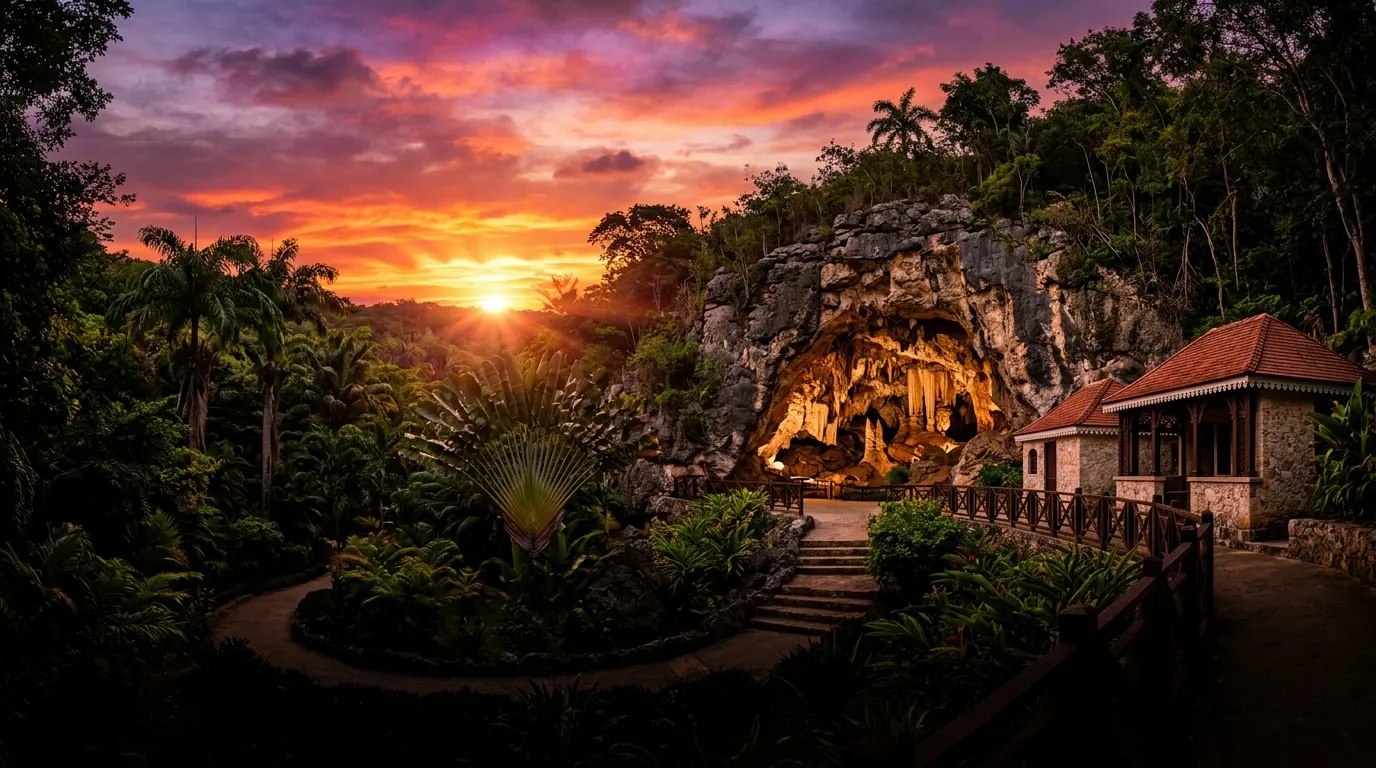
Returning to the concept of natural museums, Harrison's Cave offers an unparalleled geology lesson hidden beneath the surface of Barbados. Instead of looking at rocks in a glass case, families journey through a massive, crystallized limestone cavern system via a motorized tram.
The tram ride is a sensory feast: water drips continuously from the stalactites, underground streams rush past in the dim light, and the sheer scale of the caverns (especially the "Great Hall," which is over 50 feet high) is awe-inspiring. The guides are exceptional at tailoring their geological explanations to the kids on board, making concepts like calcium carbonate deposits and tectonic shifts exciting and easy to grasp. It is a thrilling, Indiana Jones-style adventure wrapped in a highly organized, safe educational tour.
Practical Details for Families
- Opening Hours: Daily, 9:00 AM to 4:00 PM.
- Cost: Around $60 BBD ($30 USD) for adults, and $30 BBD ($15 USD) for children.
- Accessibility: The visitor center and the tram itself are fully accessible. However, you must wear provided hard hats, which toddlers sometimes resist.
- How Long to Spend: The tram tour takes about an hour, but allow 2-2.5 hours total to explore the visitor center and the surrounding botanical gardens.
- Pair it With: To continue the cultural education, book a session at the Weston (Bajan Cooking Class) nearby. It is a hands-on, intimate culinary experience where families learn the secrets of Bajan staples like flying fish.
🎟️ Book family tickets & skip-the-line tours →
Age-By-Age Guide to Museums in the Best Family Cities in Latin America
Tailoring your museum days to your child's developmental stage is the secret to avoiding meltdowns and maximizing engagement. Here is how to approach these cultural spaces based on age.
Toddlers (Ages 2-3)
At this age, museum visits must be tactile and allow for constant movement. Traditional galleries will end in frustration. Focus on wide-open spaces and sensory experiences. In Barbados, pair a short morning outing with an afternoon at Brandons Beach, a quieter, more local alternative to the bustling cruise port beaches, offering calm turquoise water perfect for wading. When visiting indoor spaces like the Museo de los Niños in Bogotá, stick strictly to the water play and soft-block building areas.
Preschoolers (Ages 3-5)
Preschoolers thrive on role-play and short, punchy activities. The Museo de los Niños Abasto in Buenos Aires is practically built for this demographic. They will spend hours playing pretend in the mini-supermarket. Keep museum visits to two hours maximum, and always follow up with physical play. For instance, after a cultural outing, head to Batts Rock Beach, a parent's dream featuring calm, shallow waters and a rare shaded playground right on the sand.
School-Age (Ages 6-10)
This is the golden age for interactive science and natural history. They have the attention span for guided tours like Harrison's Cave and will actively engage with the marine biologists at the sea turtle nesting sites. They are also old enough to appreciate cultural events. If you are traveling in late summer, the Crop Over Festival (July-August) offers weeks of music and visual arts that serve as a vibrant, living museum of Bajan history and the end of the sugar harvest.
Tweens and Teens (Ages 11-14)
Older kids need autonomy and experiences that feel authentic rather than "kiddie." They will appreciate the historical depth of the Chocolate Museum in Bariloche and the profound conservation message of the night turtle patrols. To keep them engaged with local culture, pivot to skill-based learning. Book a session at Barry's Surf School (Drill Hall Beach), a family-run surf school specializing in beginner-friendly lessons in waist-deep water. It is an active, thrilling way to connect with the local environment.
What to Skip: Overhyped Spots for Families
Not every famous landmark translates into a good family day out. When building your itinerary, give yourself permission to skip attractions that look good on postcards but fail in practice with kids in tow.
- Bridgetown Cruise Terminal: Unless you are actively boarding or disembarking a ship, avoid this area. It is a high-traffic industrial port surrounded by aggressive souvenir hawking. It is crowded, hot, and offers zero authentic cultural value for your kids.
- Mount Gay Rum Distillery Visitor Centre: While it is the world's oldest rum distillery and a major historical site, this is fundamentally an adult-oriented experience centered around alcohol tasting. Kids will be incredibly bored during the long historical lectures, and there is no space for them to play while parents sample the rum.
- Bottom Bay: While it is arguably the most beautiful beach on the island and heavily photographed, it is functionally useless for families. The undertow is violently strong, there are no lifeguards, and the waves crash directly onto the shore, making it dangerous for children to even wade near the water line.
Pro Tips from Parents for Latin American Museum Days
To make your cultural excursions as smooth as possible, keep these hard-learned lessons in mind:
- Skip the Crowded Friday Nights: You might be tempted by the famous local food markets, but use caution. For example, while the atmosphere at the Oistins Fish Fry is iconic, the crowds become shoulder-to-shoulder and the smoke from the grills can be overwhelming for younger kids. Visit on a quieter weeknight instead.
- Optimize Airport Arrivals: Grantley Adams International (BGI) can have long, humid immigration lines that are incredibly tough on children after a long flight. Booking a fast-track arrival service is worth every single penny to bypass the queues and start your trip on a positive note.
- Time the Wildlife Encounters: If you are visiting wildlife reserves, timing is everything. The animals roam free and can be hard to spot in the morning heat. Always aim to arrive just before the scheduled feeding times (often around 2:00 PM) when dozens of animals emerge from the brush.
- Use the Right Public Transit: When navigating islands like Barbados, choose the large blue government buses. Unlike the white-and-yellow 'ZR' vans, which are often crowded, drive erratically, and blast loud music, the blue buses offer a much safer, calmer ride for families with strollers.
- Plan Around Sunday Closures: Across much of Latin America and the Caribbean, Sunday is strictly for rest. The capital cities virtually shut down on Sundays. Most shops, indoor markets, and even some museums will be closed. Plan to use Sundays for beach days or exploring hotel amenities like the sprawling pools at the Hilton Barbados Resort (beach access at Needham's Point).
Taking your children to explore the best family cities in latin america is a profound gift. By stepping away from the traditional, quiet museum format and embracing interactive science centers, sprawling kid-sized cities, and hands-on ecological reserves, you are teaching them that history and science are vibrant, exciting, and meant to be experienced firsthand. Pack plenty of snacks, embrace the unpredictable nature of living museums, and get ready to watch your kids fall in love with the world.