Traveling to Europe with children requires a delicate balance. You want to soak in centuries of art, history, and culture, but you also need environments where your kids can touch, explore, and move freely without earning sharp looks from gallery security guards. Finding the best family cities in europe means seeking out destinations that understand this specific dynamic. After years of navigating cobblestone streets with strollers in tow and managing jet-lagged toddlers in historic capitals, we have learned that the most memorable trips happen when education feels entirely like play. Rather than dragging reluctant kids through silent, formal galleries, we focus our itineraries on institutions built with young minds at the forefront.
Europe is home to some of the most innovative, hands-on, and awe-inspiring museums in the world. From massive science centers where children can build their own dams to towering centuries-old cathedrals that feel like stepping into a fantasy novel, the continent offers endless opportunities for cultural enrichment that won't result in meltdowns. Here are our top five kid-friendly museums across Europe, plus a deep dive into how we balance these indoor educational days with outdoor "living museums" in regions like Portugal's Algarve.
Why the Best Family Cities in Europe Prioritize Interactive Learning
The days of European museums being purely observational spaces are largely behind us. Modern cultural institutions across the continent have realized that engaging the next generation requires a tactile, multi-sensory approach. The best family cities in europe have heavily invested in family-centric programming, ensuring that while parents appreciate the architecture or historical significance, children are actively engaged in scavenger hunts, physics experiments, or interactive storytelling.
When planning your European itinerary, we highly recommend anchoring your city stays around one major kid-friendly museum or historical site per day. This provides a structured, engaging activity that burns mental and physical energy, leaving the rest of the day open for relaxed cafe lunches and park visits.
1. NEMO Science Museum (Amsterdam)
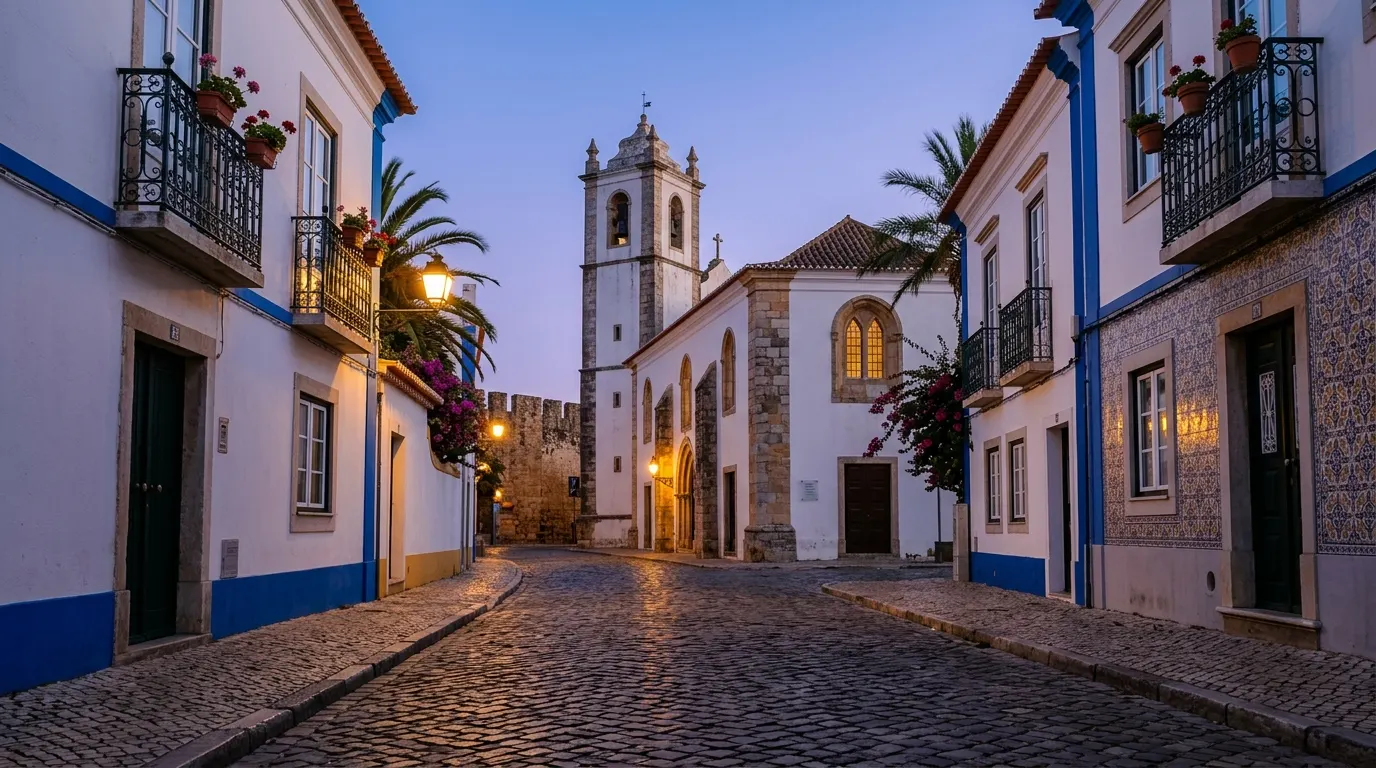
Amsterdam is incredibly welcoming to children, but the crown jewel of its family offerings is the NEMO Science Museum. Housed in an iconic, ship-like green copper building designed by Renzo Piano, this museum rises dramatically from the city's eastern docklands.
Why Kids Love It
NEMO is designed entirely around the concept of learning by doing. Children can spend hours in the water purification exhibit, building dams and directing currents to understand how the Netherlands manages its complex relationship with water. The chemistry lab allows older kids (equipped with safety goggles and lab coats) to conduct real, guided experiments involving baking soda volcanoes and color-changing liquids. The engineering sections feature massive chain-reaction displays that captivate toddlers and teens alike.
Practical Details
- Opening Hours: Tuesday through Sunday, 10:00 AM to 5:30 PM (Open Mondays during school holidays).
- Rough Cost: €17.50 (approx. $19 USD) for everyone ages 4 and up. Children under 4 are free.
- Stroller Accessibility: Excellent. Wide ramps, large elevators, and plenty of space to park strollers.
- Food Options: The rooftop cafe offers standard kid-friendly fare (sandwiches, fruit, pasta) and features a stunning outdoor terrace with interactive water features. It's the perfect spot for lunch on a sunny day.
- Time Needed: Plan for at least 3 to 4 hours.
For more tips on navigating the Dutch capital, check out our City Guide: /city/amsterdam.
🎟️ Book family tickets & skip-the-line tours →
2. CosmoCaixa (Barcelona)
Barcelona's premier science museum, CosmoCaixa, is a masterclass in immersive education. Located slightly away from the bustling city center at the foot of the Collserola mountain range, it offers a spacious, relaxed environment that feels like a breath of fresh air after navigating the crowded Gothic Quarter.
Why Kids Love It
The absolute highlight is the Flooded Forest (Bosc Inundat), an exact recreation of an Amazonian rainforest ecosystem inside a massive greenhouse. Kids can walk through tunnels looking up at massive arapaima fish, spot capybaras resting on the shores, and watch tropical rainstorms roll through the enclosure. The geological wall and the interactive physics exhibits are brilliant, but nothing beats the sensory impact of stepping into a living, breathing jungle in the middle of a Spanish city.
Practical Details
- Opening Hours: Daily from 10:00 AM to 8:00 PM.
- Rough Cost: Incredibly budget-friendly at just €6 (approx. $6.50 USD) for adults. Children under 16 are completely free.
- Stroller Accessibility: Fully accessible with sweeping spiral ramps connecting the floors.
- Food Options: There is a large, reasonably priced cafeteria on the ground floor with plenty of high chairs and a great outdoor seating area near a small playground.
- Time Needed: 3 to 4 hours, though you could easily spend a whole day here.
Discover more family favorites in our City Guide: /city/barcelona.
3. Seville Cathedral (Seville / Algarve Day Trip)
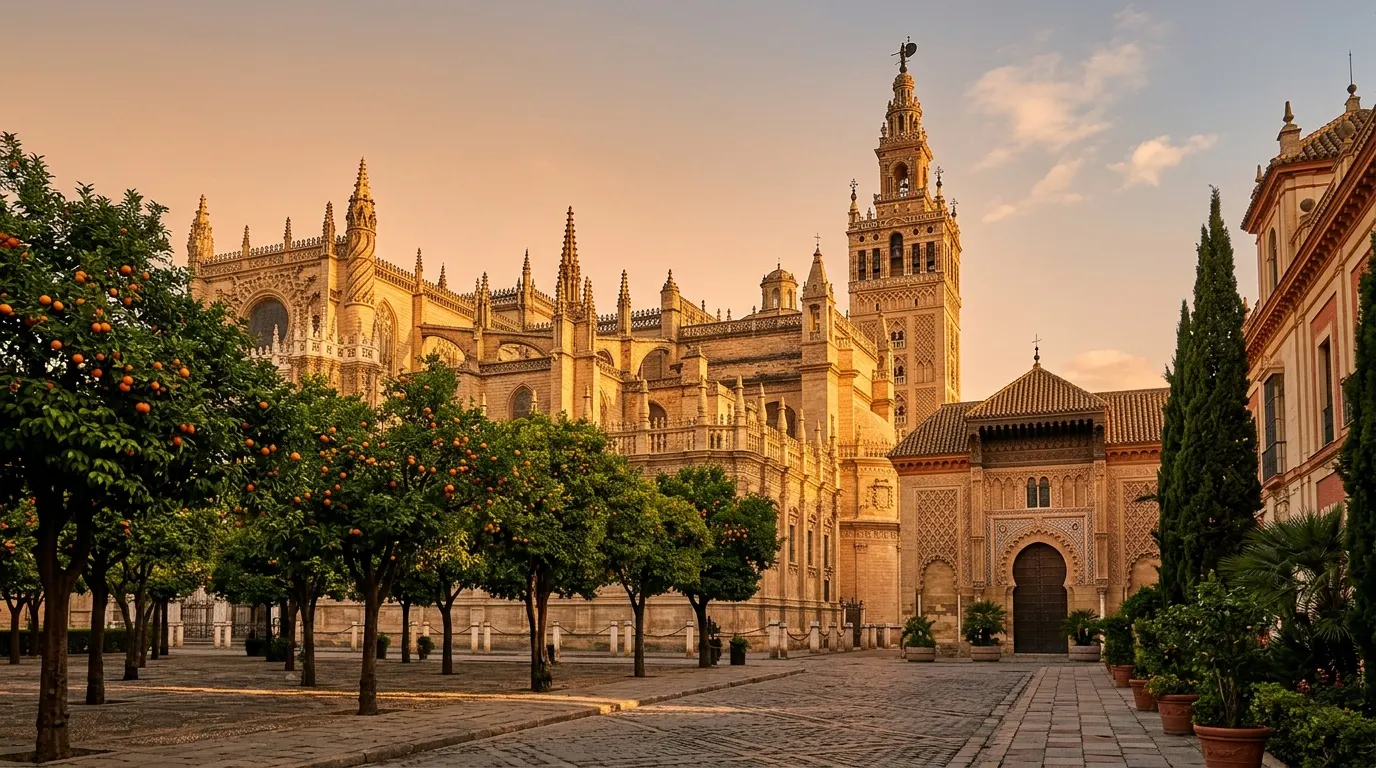
While not a traditional science or children's museum, Seville Cathedral (Catedral de Santa María de la Sede) functions as a jaw-dropping historical museum that absolutely captivates children. It is a massive, awe-inspiring Gothic cathedral that houses Christopher Columbus’ tomb and a famous bell tower. We frequently visit Seville as a Day Trip to Seville (Spain) while basing our family in the neighboring Portuguese region of the Algarve.
Why Kids Love It
The sheer scale of the building makes kids feel like they have walked into a giant's castle. The tomb of Christopher Columbus is carried by four massive stone statues representing the kingdoms of Spain, which sparks great conversations about exploration and history. The true highlight for kids, however, is the Giralda bell tower. Instead of stairs, the tower is ascended via 35 wide, sloping ramps. These were originally designed so guards could ride their horses to the top, but today, they make for an incredibly fun (and stroller-accessible, if you have the stamina) race to the summit for a panoramic view of the city.
Practical Details
- Opening Hours: Generally Monday to Saturday 10:45 AM to 5:00 PM, Sundays 2:30 PM to 6:00 PM.
- Rough Cost: €12 (approx. $13 USD) for adults. Kids under 14 are free.
- Stroller Accessibility: The main floor is entirely flat. The Giralda tower ramps are stroller-accessible, though pushing a stroller up 35 ramps requires a solid level of fitness.
- Food Options: The area immediately surrounding the cathedral is packed with tapas bars. Look for spots offering croquetas and Spanish omelets, which are universally loved by toddlers.
- Time Needed: 1.5 to 2 hours.
🎟️ Find family-friendly tours & activities →
4. Acropolis Museum (Athens)
Taking kids to the actual Acropolis can be hot, crowded, and exhausting. The Acropolis Museum, however, is a cool, spacious, and incredibly well-designed space that brings ancient history to life in a way that children can actually digest.
Why Kids Love It
The building itself is an architectural marvel built over an active archaeological excavation. Much of the ground floor features glass floors, allowing kids to look directly down into the ruins of ancient Athenian neighborhoods—it feels like walking on air above a hidden city. The museum also provides free "Family Backpacks" filled with games, puzzles, and scavenger hunts designed to help children engage with the statues and artifacts on display. There is even a massive Lego model of the Acropolis that helps kids visualize what the ruins looked like in their prime.
Practical Details
- Opening Hours: Daily, typically 9:00 AM to 5:00 PM (hours extend to 8:00 PM in summer).
- Rough Cost: €15 (approx. $16.50 USD) in summer, €10 in winter. Children under 18 from EU countries are free; non-EU children under 5 are free.
- Stroller Accessibility: Exceptional. Wide aisles, large elevators, and a very smooth layout.
- Food Options: The second-floor restaurant has a kids' menu and an outdoor terrace with a direct, stunning view of the Parthenon.
- Time Needed: 2 hours.
For more on navigating ancient history with kids, read our City Guide: /city/athens.
5. VilVite Science Center (Bergen)
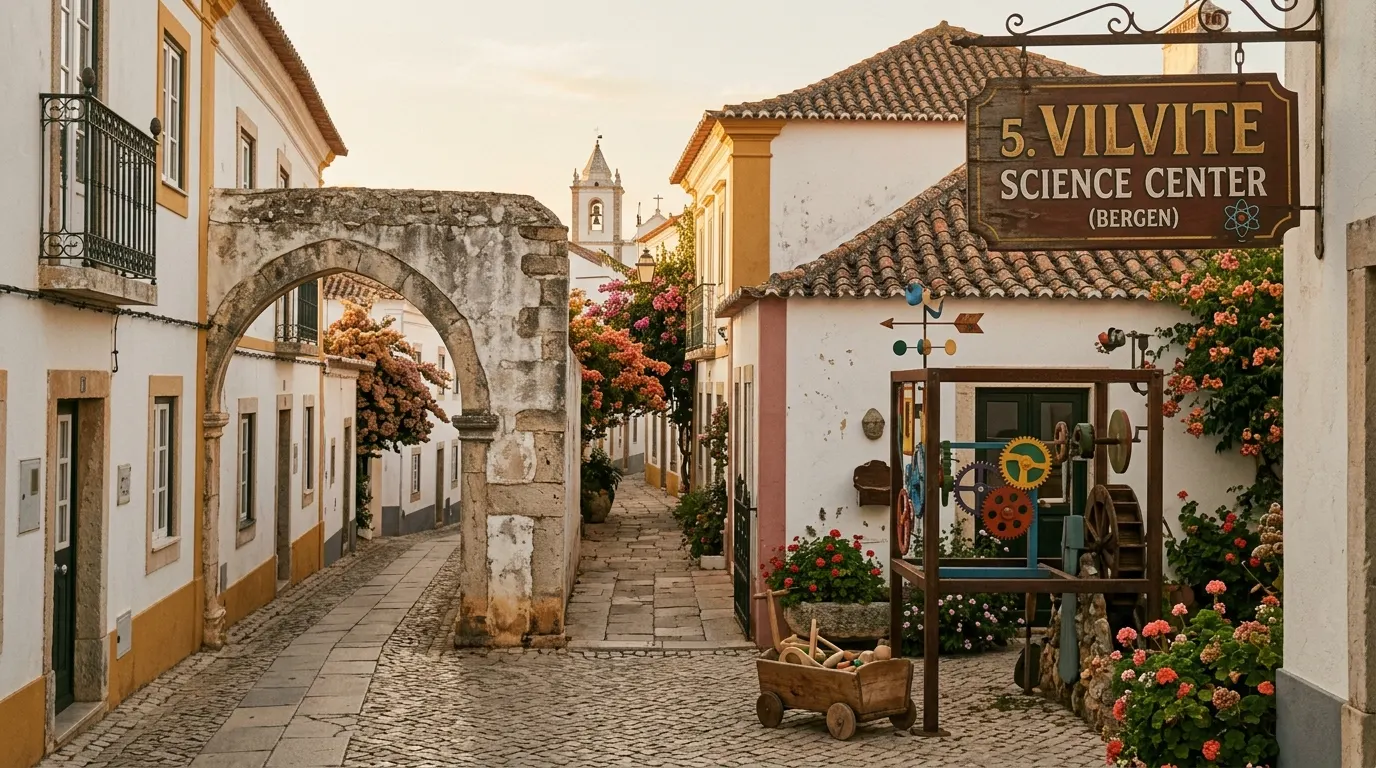
Norway is famous for its fjords and dramatic landscapes, but the coastal weather can be famously unpredictable. When the rain sets in, VilVite in Bergen is the absolute best place for families to spend a day.
Why Kids Love It
VilVite is a high-energy interactive center focusing on weather, oceans, and energy. Kids can forecast the weather in a mock television studio, navigate a simulated ship through the Norwegian fjords, and experiment with renewable energy models. The most famous exhibit is the 360-degree bicycle loop—older kids (and brave parents) can pedal a bike completely upside down around a massive track, learning about centrifugal force in the most thrilling way possible.
Practical Details
- Opening Hours: Tuesday to Friday 9:00 AM to 3:00 PM, Weekends 10:00 AM to 5:00 PM.
- Rough Cost: 215 NOK (approx. $20 USD) for adults, 185 NOK (approx. $17 USD) for children.
- Stroller Accessibility: Fully accessible throughout.
- Food Options: A bright, airy cafe on site serves healthy Norwegian sandwiches, hot dogs, and pastries.
- Time Needed: 3 hours.
Explore more rainy-day and outdoor solutions in our City Guide: /city/bergen.
Balancing Indoor Museums with Outdoor "Living Museums" in the Algarve
While traditional museums are fantastic, children inevitably reach a saturation point. To prevent museum fatigue, we always recommend pairing culturally dense city visits with outdoor exploration in regions that act as "living museums." The Algarve in southern Portugal is our favorite destination for this exact purpose. Instead of paintings and statues, the Algarve offers natural architecture, marine biology, and maritime history out in the open air. See our full City Guide: /city/algarve for a comprehensive overview.
Natural Architecture and Marine Biology
Instead of looking at geology in a glass case, families can explore the Benagil Sea Cave, a breathtaking natural cathedral with a massive skylight 'eye' and a hidden beach. We highly recommend accessing these coastal wonders via a Kayak Tour to Ponta da Piedade (from Lagos). It’s an active, guided paddle through the Algarve's most iconic golden sea caves and rock arches. For marine life, skip the indoor aquariums and opt for Dolphin Watching with Dream Wave Algarve (Vilamoura), a high-speed marine adventure that combines the thrill of a jet boat with the educational value of seeing wild dolphins in their natural habitat.
Historical Immersion and Beaches as Sensory Bins
For a dose of history without the museum walls, take a family walk through Lagos Old Town (Centro Histórico de Lagos). It is a charming, pedestrian-friendly maze of whitewashed buildings and cobblestone streets enclosed by ancient Moorish walls.
When it comes to pure sensory play, the beaches here are unparalleled. Praia da Falésia is a stunning 6km stretch of golden sand backed by dramatic ochre cliffs, offering some of the safest swimming for kids. Praia de Odeceixe is a stunning 'two-for-one' beach where the Seixe River loops around a massive sandbar to meet the Atlantic—perfect for toddlers who want calm, shallow river water. Other favorites include the pine-fringed Praia Verde, the iconic Praia da Marinha, and Praia do Evaristo, a ruggedly beautiful cove famous for its dramatic rock formations and natural tide pools that kids love to explore.
High-Energy Attractions
When you need a break from education entirely, the Algarve delivers. Zoomarine Algarve is Portugal's premier family attraction—a massive hybrid of a marine life park, water park, and traditional theme park. Older kids often rave about the Dolphin Emotions at Zoomarine experience. For pure theatrical fun, book the Leaozinho Pirate Ship (Vilamoura Marina), a high-energy coastal cruise on a replica pirate ship featuring a live pirate show and treasure hunt.
🎟️ Book family tickets & skip-the-line tours →
Museum & Attraction Traps: What to Skip
Not every attraction marketed to families is worth your time or money. When planning your European trip, especially if you are using the Algarve as a base or taking day trips, be wary of logistical nightmares and overpriced tourist traps. Here is what we actively avoid:
- Museu de Cera dos Descobrimentos (Lagos Wax Museum): This is a very small, overpriced attraction where the wax figures are of mediocre quality and the educational value is surprisingly low. Your time is much better spent walking the actual historical walls of Lagos Old Town.
- Albufeira Tourist Train: While it looks like a fun novelty to young kids, this 'train' is actually just a tractor-pulled carriage that gets constantly stuck in heavy traffic. It’s hot, bumpy, and frustrating. Walk or take a standard local bus instead.
- Praia de Benagil (The Beach) & Benagil Cave Swimming Access: While the cave itself is stunning, the adjacent beach is not for relaxing; it's a chaotic, high-traffic transit hub for motorboats and kayaks. Furthermore, attempting to swim to the cave from the beach is extremely dangerous due to powerful Atlantic currents and heavy boat traffic. Always book a proper boat or kayak tour.
- Aqualand Algarve Big One Ride: The 'Big One' and similar extreme slides are logistical traps for families, featuring massive lines for a three-second thrill. Stick to the wave pools and family raft rides to maximize your time.
- Cais do Sodré-style party cruises (Albufeira 'Sunset Party Boat' operators) & The Big One (Albufeira Strip Nightclub): Avoid any boat tours or central Albufeira evening activities that cater to the rowdy stag/hen party crowds. They feature loud music, open bars, and are entirely inappropriate for children.
- Albufeira Marina Parasailing (various operators): The hassle-to-fun ratio is poor for families. You'll pay a premium for a very short flight, and you spend most of your time sitting on a boat waiting for other strangers to take their turns.
Age-Specific Tips for European Museum Hopping
Children of different ages require vastly different approaches when visiting cultural institutions. Here is how we adapt our museum strategies as our kids grow:
Toddlers (2-3 Years)
At this age, it is all about timing and sensory input. Plan your museum visit for the morning when they are freshest, and aim to leave before the afternoon nap. Utilize the stroller for containment during busy transit times, but find the interactive, tactile zones (like the water tables at NEMO) where they can safely roam. Keep visits strictly under 90 minutes to avoid meltdowns.
Preschoolers (3-5 Years)
Preschoolers love a mission. Before entering a museum like CosmoCaixa, look up three or four specific things you want them to find (e.g., "We need to find a giant fish, a blue frog, and a piece of shiny rock"). Scavenger hunts keep them moving forward and prevent them from dragging their feet. Make sure to schedule a snack break immediately after the visit.
School-Age (6-10 Years)
This is the golden age for European museums. School-age kids can manage audio guides (always ask if the museum has a specific children's version, which many now do) and can read informational plaques independently. Encourage them to ask questions and take their time at interactive exhibits like the physics stations at VilVite. Bring a small sketchbook so they can draw their favorite statues or exhibits when they need a quiet moment.
Tweens and Teens (11-14 Years)
Give them agency. Hand the museum map to your tween and let them navigate the family to the exhibits they find most interesting. Connect the museum to what they are learning in school—seeing the tomb of an explorer at Seville Cathedral hits differently when they just studied the Age of Discovery. Give them a little independence to wander a safe, enclosed exhibit hall on their own while you sit on a bench nearby.
Pro Tips from Parents for the Best Family Cities in Europe
- Always Pre-Book Tickets: Waiting in a ticket line for 45 minutes with a restless toddler is a recipe for disaster before you even enter the building. Always book skip-the-line tickets online days or weeks in advance.
- Strategic Timing is Everything: Arrive exactly when the museum opens to beat the tour bus crowds, or go during the late afternoon "lull" (around 3:30 PM) when the morning crowds have dispersed and the lighting is softer.
- The Golden Rule of Snacks: European museums are strict about eating in galleries. Always know exactly where the museum cafe is located, or feed your kids a substantial snack immediately before entering the building. A hungry child will not care about ancient Greek architecture.
- Divide and Conquer: If you have children of varying ages, don't force them to stick together the entire time. One parent can take the toddler to the sensory play area while the other takes the tween to the detailed historical exhibits. Meet up later at the cafe.
- Know When to Leave: The most important skill a traveling parent can develop is knowing when to call it a day. If you planned for three hours but everyone is cranky after 90 minutes, leave. It is better to end on a neutral note than to push through to a miserable conclusion.
Exploring the best family cities in europe is an incredibly rewarding experience that shapes how your children view the world. By choosing interactive institutions, balancing indoor learning with outdoor adventures, and keeping your expectations flexible, you can foster a lifelong love of travel and culture in your kids. Pack your comfortable shoes, load up on snacks, and get ready to watch your children discover the magic of Europe on their own terms.