Traveling with children completely changes how you view the world, especially when it comes to education and exploration. When you start researching the best family cities in caribbean, your mind likely goes straight to powdery white sand, endless sunshine, and all-inclusive resorts. However, the Caribbean offers profoundly enriching educational experiences that easily rival traditional indoor galleries. For active, curious kids, standing quietly in a stuffy room looking at artifacts behind glass simply does not work. They need to touch, feel, hear, and immerse themselves in their environment.
That is why we are redefining the "museum" experience for traveling families. Throughout the islands, history, ecology, and culture are alive and waiting to be explored outdoors. Instead of hushed halls, your children can learn marine biology in a vibrant coral reef or study geology while bouncing along a volcanic coastline. In this guide, we are focusing heavily on Aruba, an island that perfectly exemplifies how the entire landscape can serve as a massive, interactive learning environment for your children.
Why the Best Family Cities in Caribbean Offer "Living Museums"
When traveling with kids ranging from toddlers to young teens, you quickly learn that the most memorable educational moments happen organically. While destinations like Willemstad in Curaçao and the historic forts of Nassau offer excellent traditional museums, sometimes the best way to learn about an island's heritage is to physically interact with it. The best family cities in caribbean understand this, offering protected parks, cultural street fairs, and guided excursions that teach children about the world without them even realizing they are in a "classroom."
Aruba is a brilliant example of this concept. Beyond the famous pink flamingos and tranquil waters, the island is a treasure trove of ecological and cultural history. By treating the island's natural wonders and cultural events as interactive exhibits, you can provide your children with a deeply enriching vacation. Here are the top five "living museums" you must experience with your family.
1. The Ecological Museum: Arikok National Park & Conchi Natural Pool
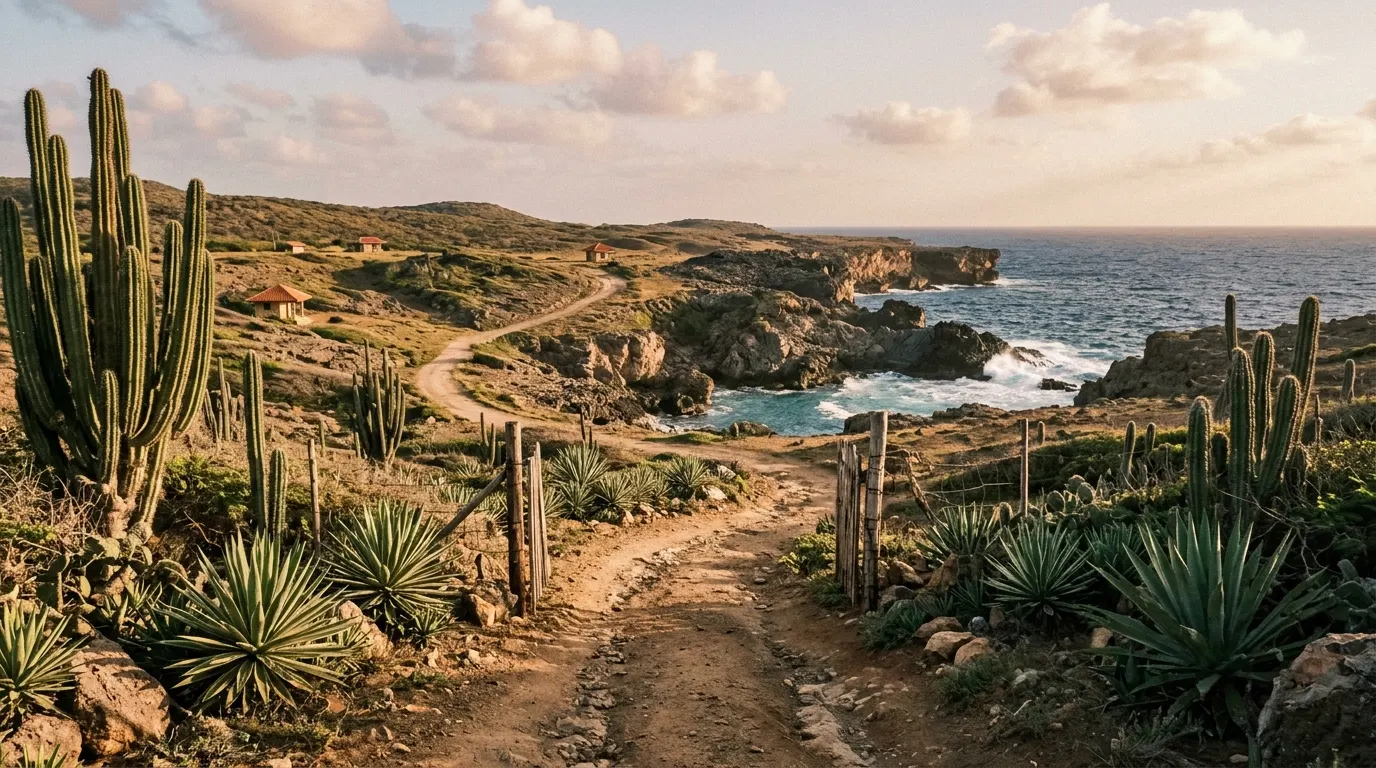
Almost twenty percent of Aruba's landmass is dedicated to Arikok National Park, making it one of the most significant ecological preserves in the region. This is a sprawling, rugged, and breathtaking "museum" of natural history, geology, and desert flora. The absolute crown jewel for families here is the Conchi Natural Pool (Arikok National Park).
Carved entirely out of dark volcanic rock, this stunning, secluded swimming hole offers a safe haven protected from the crashing Caribbean surf just feet away. For kids, it is a hands-on geology lesson. They can safely observe how the volcanic rocks form a barrier against the powerful ocean, creating a calm, crystal-clear pool teeming with small fish and crabs. It is a sensory-rich environment that teaches respect for nature's immense power while providing a wildly fun swimming experience.
Practical Details for Families
- Opening Hours: The park is generally open daily from 8:00 AM to 4:00 PM.
- Rough Costs: Park conservation fee is $15 USD (approx. 27 AWG) per adult; children under 17 are completely free.
- Stroller Accessibility: Zero. Do not bring a stroller here. You will need a sturdy baby carrier for infants and toddlers.
- Nearest Food Options: There are no food stands immediately at the pool. You must pack your own heavily insulated water bottles and substantial snacks.
- Best Time of Day: Early morning (arrive by 8:30 AM) to beat both the intense midday heat and the larger tour groups.
- How Long to Spend: Plan for about 3-4 hours, including the rugged transit time to get to the pool and back.
🎟️ Find family-friendly tours & activities →
2. The Marine Biology Museum: Snorkeling at Boca Catalina
You do not need a textbook to teach your children about marine ecosystems when you have Boca Catalina. This small, somewhat secluded bay is famous among locals and seasoned travelers for its exceptionally calm, crystal-clear water and world-class snorkeling that is accessible right from the beach.
Unlike deep-water snorkeling excursions that require jumping off a boat—which can be terrifying for younger children—Boca Catalina allows kids to wade in at their own pace. Within just a few feet of the shoreline, the water comes alive. Your children will spot schools of vibrant tropical fish, sea stars, and very often, gentle sea turtles gliding through the water. It is an unparalleled opportunity to talk to your kids about coral reef conservation, marine habitats, and the importance of protecting our oceans.
Practical Details for Families
- Opening Hours: Public beach, open 24/7.
- Rough Costs: Free to access. If you need to rent snorkel gear locally, expect to pay around $15-$20 USD (27-36 AWG) per day.
- Stroller Accessibility: The sand is soft, so a standard stroller will sink, but the walk from the parking area to the water is very short.
- Nearest Food Options: There are no permanent facilities or restaurants directly on the beach. Pack a cooler, or plan to drive 10 minutes to the West Deck Island Grill for a laid-back family meal afterward.
- Best Time of Day: 8:00 AM to 10:00 AM. The water is calmest, visibility is highest, and the sea turtles are most active.
- How Long to Spend: 2 hours is usually the sweet spot before kids get chilly or tired of swimming.
🎟️ Book family tickets & skip-the-line tours →
3. The Cultural History Museum: Caribbean Festival (Carubbian Festival)
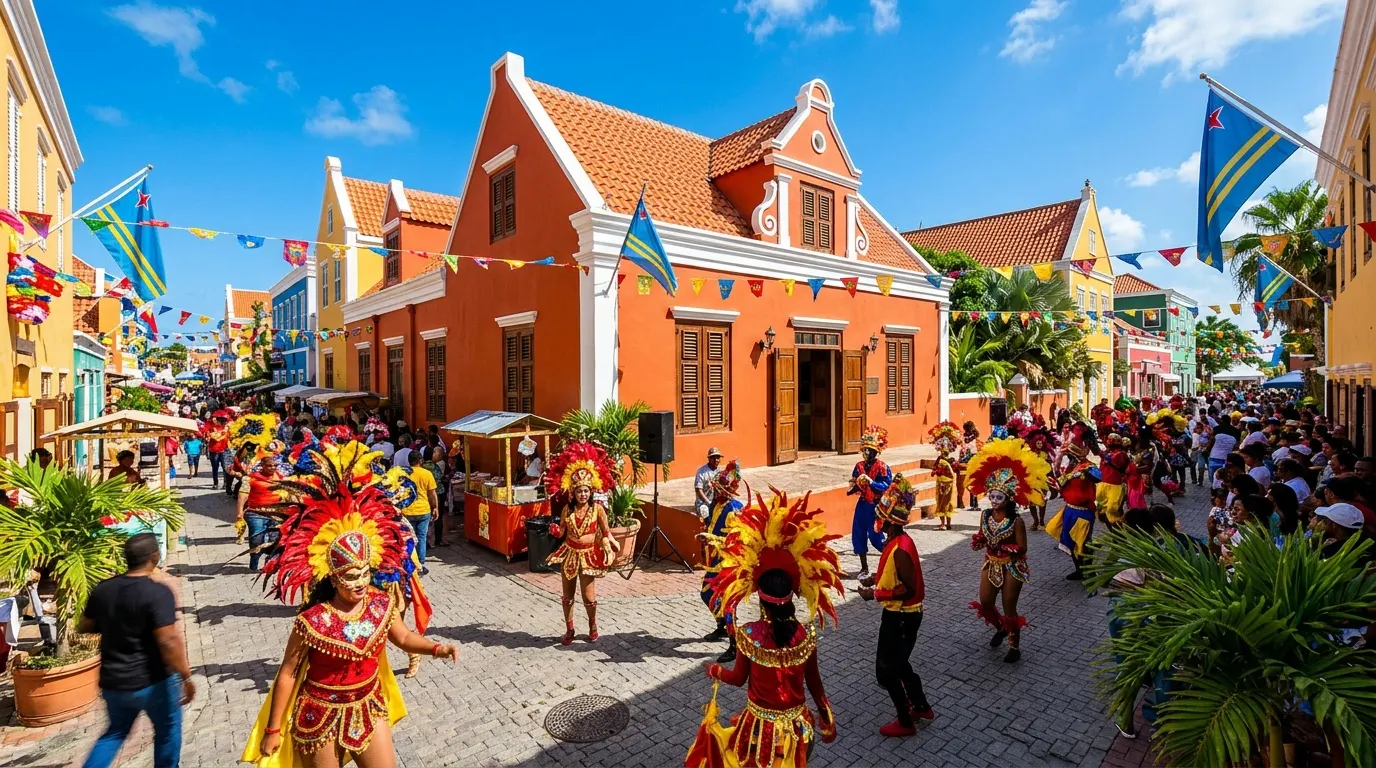
To truly understand an island, you have to experience its culture, music, and food. The Caribbean Festival (Carubbian Festival) in San Nicolas is a vibrant, weekly Thursday night street festival that acts as a living, breathing museum of Aruban heritage.
San Nicolas is the cultural heart of Aruba, and this festival offers families a much more authentic, local experience than the highly commercialized resort areas. The streets are closed to traffic and fill with local artisans, colorful parade floats, stilt walkers, and steel drum bands. Kids can learn about traditional Carnival costumes, watch local dance performances, and taste authentic Aruban dishes like pan bati (a sweet flatbread) and keshi yena (stuffed cheese). It is a joyous, multi-sensory education in Caribbean culture.
Practical Details for Families
- Opening Hours: Thursdays only, typically running from 6:00 PM to 10:00 PM.
- Rough Costs: Entry is free. Bring cash (small USD bills are widely accepted) for food stalls and local crafts. Expect to spend $30-$50 USD on dinner and treats for a family of four.
- Stroller Accessibility: Highly accessible. The streets are paved and blocked off from cars, making it easy to push a stroller through the crowds.
- Nearest Food Options: You are surrounded by them! The festival itself is the best place to eat, with dozens of local food vendors.
- Best Time of Day: Arrive right at 6:00 PM. It is less crowded, easier for smaller kids to see the performers, and you can head back to the hotel before the late-night party vibe sets in.
- How Long to Spend: 1.5 to 2.5 hours.
4. The Geological Museum: ABC Tours Aruba (UTV Tours)
For older kids, tweens, and teens who might roll their eyes at the word "museum," you have to sneak the education into a high-octane adventure. ABC Tours Aruba (UTV Tours) offers a thrilling guided off-road adventure through the island's rugged 'cunucu' (countryside) and along the dramatic northern coastline.
While the kids will just think they are on a wild, dusty joyride, the guides are fantastic at stopping at key geological landmarks. You will explore limestone caves, learn about the indigenous flora like the massive Kadushi cacti, and see the remnants of natural coral bridges that have been carved by centuries of crashing waves. It is an incredible way to study erosion, topography, and the harsh realities of desert island survival.
Practical Details for Families
- Opening Hours: Tours typically run morning (9:00 AM) and afternoon (2:00 PM) departures.
- Rough Costs: Approximately $100-$130 USD per person depending on the vehicle size and tour length.
- Stroller Accessibility: None. This is strictly for older, independent children.
- Nearest Food Options: Most half-day tours include a basic lunch or snack stop, but eat a hearty breakfast before you go.
- Best Time of Day: Morning tours are highly recommended to avoid the peak afternoon heat, as the UTVs are open-air and you will be in direct sun.
- How Long to Spend: Tours generally last 4 hours.
🎟️ Find family-friendly tours & activities →
5. The Geography & Topography Museum: Aruba Helicopter Tour
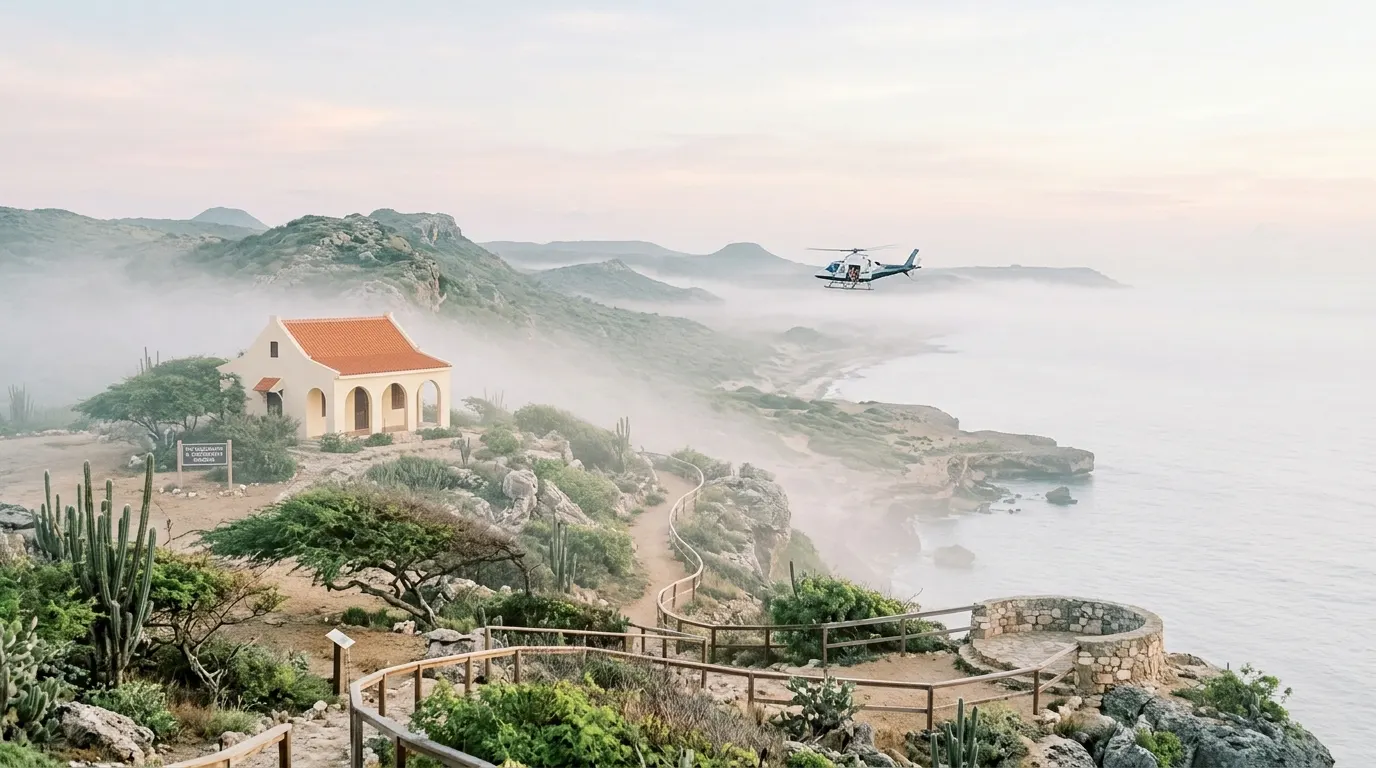
Sometimes, the best way to understand the geography of an island is to view it from above. The Aruba Helicopter Tour (Aruba Heli Tours) provides a thrilling 20-minute aerial tour of the island's most iconic landmarks.
From the sky, the topography of the island becomes a brilliant visual lesson for children. They can clearly see the stark contrast between the calm, turquoise waters of the southern beaches and the dark, violent, crashing waves of the northern volcanic coast. The pilot points out the California Lighthouse, the expansive sand dunes, and the dense national park. It gives kids a spatial understanding of the island that is impossible to grasp from the ground.
Practical Details for Families
- Opening Hours: Flights operate daily, usually between 10:00 AM and 4:00 PM, weather permitting.
- Rough Costs: Premium pricing, expect around $130-$150 USD per person for a 20-minute flight.
- Stroller Accessibility: You can leave your stroller securely at the helipad office during the flight.
- Nearest Food Options: The helipad is centrally located near the resort areas, making it easy to grab lunch nearby before or after your flight.
- Best Time of Day: Mid-morning flights offer the best lighting for the water colors and generally smoother air.
- How Long to Spend: Budget about an hour total for the safety briefing, boarding, and the 20-minute flight.
Age-By-Age Guide to Caribbean "Museum" Exploring
Tailoring your educational outings to your child's developmental stage is the secret to a meltdown-free vacation.
Toddlers (2-3 years)
At this age, learning is entirely sensory. They do not need complex history; they need to feel the water and touch the sand. Skip the rugged UTV tours and head straight to Baby Beach. This crescent-shaped lagoon stays waist-deep for hundreds of yards, creating a giant, warm, saltwater wading pool. It is the perfect, safe environment for toddlers to inspect tiny shells and watch small fish dart around their ankles.
Preschoolers (3-5 years)
Preschoolers have boundless energy but very short attention spans. They thrive in wide-open spaces where they can run safely. Manchebo Beach is ideal for this age group. It offers the widest stretch of sand on the island, providing a massive 'buffer zone' between your beach blanket and the water. They can build immense sandcastles (an early engineering lesson!) without the stress of large crowds.
School-Age (6-10 years)
This is the golden age for interactive learning. They are old enough to ask brilliant questions and retain the answers. This age group will absolutely love the snorkeling at Boca Catalina and the cultural immersion of the Caribbean Festival. They are also old enough to appreciate the Aruba Watersports Center on Eagle Beach, where they can learn the physics and mechanics of high-speed tubing and banana boat rides.
Tweens and Teens (11-14 years)
Teens need autonomy and a bit of adrenaline to stay engaged. The ABC UTV Tours are perfect for them. If you have animal lovers, book an excursion with Rancho Notorious Aruba (Horseback Riding). This ranch offers guided horseback tours through the rugged countryside, teaching teens about animal care and allowing them to explore the island's history at a slightly faster pace.
What to Skip: Overhyped Traps in the Best Family Cities in Caribbean
Not every heavily advertised excursion is a win for families. When planning your educational itinerary, protect your time and wallet by avoiding these spots that do not deliver for kids.
- Guadirikiri Cave: You will see stunning photos of the natural skylights in this cave, but the reality of visiting with children is rough. The cave environment is incredibly hot, overwhelmingly humid, and inhabited by hundreds of bats. The smell of bat guano is intense, and the uneven, slippery footing makes it a stressful environment for parents managing young kids.
- Palm Island (Aruba): Marketed as the ultimate all-inclusive family day, this island often falls short of expectations. The shoreline is surprisingly rocky and pebbly, which makes getting in and out of the water painful and difficult for children without heavy-duty water shoes. The food lines can be long, and the overall experience feels very manufactured compared to the natural beauty found elsewhere on the island.
- Aruba Aloe Balm (Factory Store): Do not confuse this retail storefront with a true factory tour. While learning about aloe production is a great educational concept, this specific location is primarily just a shop designed to sell high-priced lotions. It lacks the engaging educational tours, aloe fields, and factory viewing windows that would actually keep a child's attention.
Pro Tips from Parents for Caribbean Educational Fun
To make sure your "living museum" days go smoothly, keep these hard-learned parent tips in mind.
- Hydration is a Full-Time Job: The Caribbean sun is relentless, especially when you are exploring open-air national parks. Do not rely on plastic water bottles that will boil in the sun. Invest in high-quality, insulated stainless steel bottles for everyone in the family and fill them with ice every morning.
- Strategic Dining: Combine meals with cultural experiences. Instead of a generic resort buffet, take the family to Marina Pirata. Located in Savaneta, you dine on a wooden pier directly over the water, allowing kids to feed the fish while waiting for their authentic seafood dinner. Alternatively, for a special treat, book Passions On The Beach where your table is set directly in the sand.
- Utilize Resort Kids' Clubs for Focused Learning: If you are staying at a property like the Hyatt Regency Aruba Resort Camp Hyatt, take advantage of their dedicated kids' programs. These clubs often bring in local experts to teach the children about island crafts, local language (Papiamento), and native wildlife while parents get a much-needed break.
- Cross-Island Comparisons: If your family travels frequently, encourage your kids to compare their experiences. How does the snorkeling in Aruba compare to the reefs you saw in Punta Cana? How does the Caribbean Festival differ from the street food markets in Montego Bay? This active recall cements their learning.
- Pack UV Protection, Not Just Sunscreen: When you are spending hours floating in natural pools or riding UTVs, sunscreen washes or sweats off faster than you can reapply it. Long-sleeved UV rash guards and wide-brimmed hats are non-negotiable for kids exploring the Caribbean outdoors.
Wrapping Up Your Educational Adventure
Taking your children out of their comfort zone and into the wild, beautiful landscapes of the Caribbean is one of the greatest gifts you can give them. They will return home not just with a tan, but with a deeper understanding of marine life, island ecology, and vibrant cultures. When you shift your perspective and realize that the best family cities in caribbean are actually massive, interactive outdoor classrooms, every beach day and off-road tour becomes an unforgettable, educational adventure.