When planning international travel with children, parents frequently search for the best family cities in other regions outside the standard European or North American loops. If you are looking for an immersive, educational, and deeply engaging destination, Central America offers incredible opportunities. Specifically, Antigua Guatemala is a city that functions as one massive, living museum. With its cobblestone charm, sweeping volcano vistas, and hands-on chocolate-making adventures, it provides a tactile learning environment that traditional indoor museums simply cannot match.
Instead of walking past glass display cases, your kids will be roasting marshmallows over volcanic vents, grinding cacao beans by hand, and exploring the ruins of centuries-old convents. This guide breaks down the top 15 cultural, historical, and natural "museums" in and around Antigua Guatemala that will captivate travelers of every age.
What Makes Antigua Stand Out Among the Best Family Cities in Other Regions
Choosing destinations off the heavily beaten path often yields the most rewarding family memories. When we look at global travel, we often compile lists of City Guide: /city/bermuda for island history, City Guide: /city/kigali-rwanda or City Guide: /city/windhoek-namibia for African cultural immersion, and City Guide: /city/kotor or City Guide: /city/plovdiv for unique European heritage. But for a blend of indigenous history, Spanish colonial architecture, and raw geology, City Guide: /city/antigua-guatemala is unparalleled.
The entire city is a UNESCO World Heritage site. You do not need to drag your kids to a stuffy building to learn about history; you simply step outside your door. The places listed below represent a mix of traditional museums, archaeological sites, and interactive cultural experiences that collectively make up the top 15 educational stops for families visiting this region.
Traditional Ruins and Historical Museums
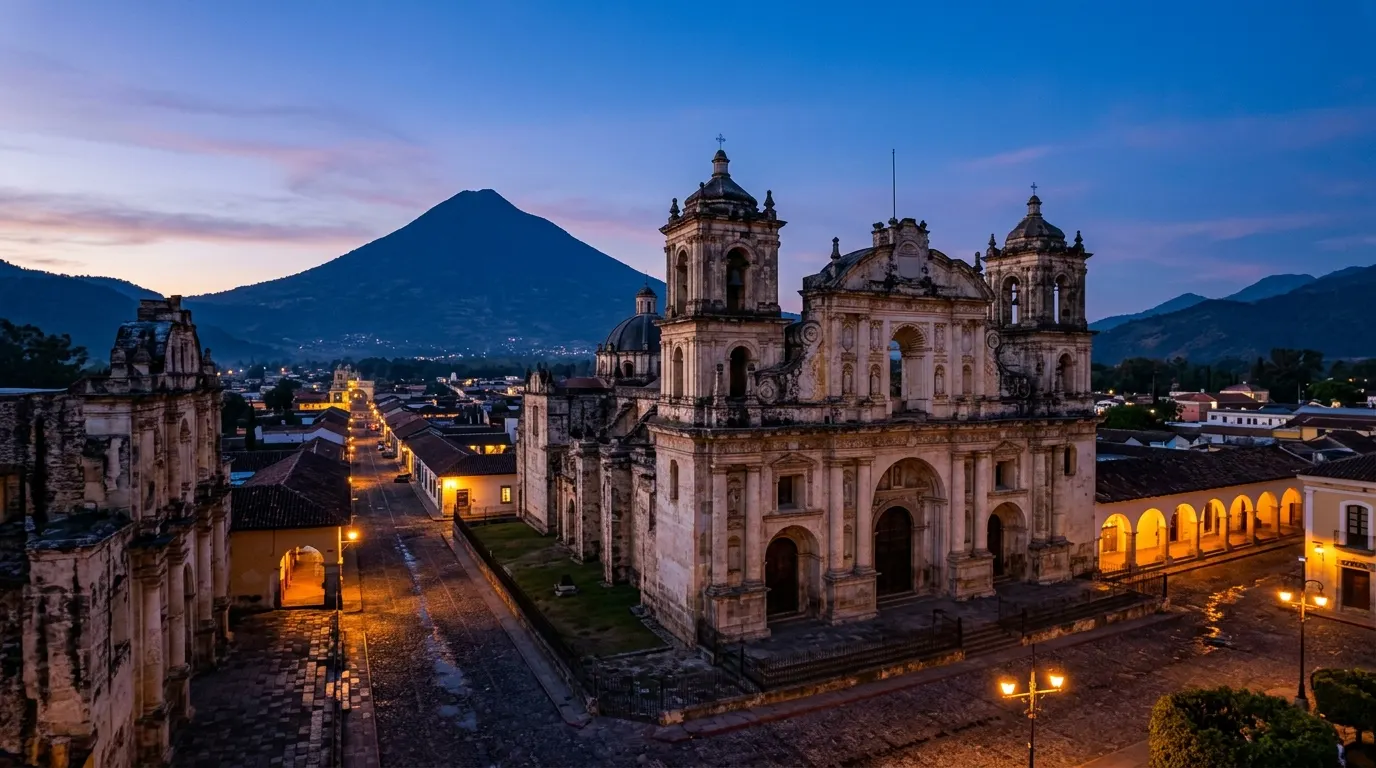
Antigua’s history is best explored through its magnificent, partially restored ruins. Earthquakes in the 18th century left behind structural skeletons that are incredibly fun for kids to explore safely.
1. Hotel Museo Spa Casa Santo Domingo - Ruinas
Far more than just luxury lodging, Hotel Museo Spa Casa Santo Domingo - Ruinas is a sprawling, magical complex built directly into the ruins of an 18th-century convent. History feels completely alive here. The grounds house several mini-museums, including a colonial art museum, an archaeology museum, and a fascinating historical pharmacy. Kids absolutely love exploring the underground crypts and spotting the resident macaws in the lush courtyard gardens.
- Practical Details: Open daily 8:00 AM to 6:00 PM. Entrance is free for hotel guests; non-guests pay around 50 GTQ (~$6.50 USD). The main pathways are relatively stroller-friendly, though some ruins have uneven steps. Plan to spend about 2 hours here.
🎟️ Find family-friendly tours & activities →
2. Iglesia y Convento de La Merced
This iconic yellow baroque church is more than just a classic Antigua photo op. The adjacent convent ruins of Iglesia y Convento de La Merced house the largest colonial fountain in Central America, shaped like a water lily. Children are fascinated by the sheer scale of the fountain and the wide-open courtyards where they can safely run and burn off energy while parents admire the intricate stucco work.
- Practical Details: The church is free to enter, but the convent ruins cost roughly 20 GTQ (~$2.50 USD). Open 8:00 AM to 5:00 PM. Strollers are manageable in the main courtyard but difficult on the upper levels.
3. Iximché Archaeological Site
For a perfect introduction to Mayan history without the overwhelming scale (or crowds) of Tikal, the Iximché Archaeological Site is a must-visit open-air museum. Located about an hour from Antigua, it is a manageable, park-like ruin site featuring ancient plazas, ball courts, and pyramids. It is still an active site for Mayan spiritual ceremonies, providing a profound, real-world cultural lesson.
- Practical Details: Open daily 8:00 AM to 4:00 PM. Entrance is 50 GTQ (~$6.50 USD) for foreigners. The grass and dirt paths are mostly flat, making a rugged stroller viable, though a carrier is better. There are basic restrooms and a small picnic area on site.
4. Cerro de la Cruz
While primarily known as a viewpoint, Cerro de la Cruz offers the quintessential geographic lesson of the region. Standing at the large stone cross, you get a panoramic layout of the colonial grid city below, with Volcán de Agua towering majestically in the background. It is a great spot to visually explain the history of the city's relocation due to volcanic and seismic activity.
- Practical Details: Free to visit. Open 8:00 AM to 4:00 PM. You can walk up the paved steps (about a 20-30 minute hike, not stroller friendly) or take a quick Tuk-Tuk to the top for about 20 GTQ (~$2.50 USD).
Interactive "Museums" of Food and Agriculture
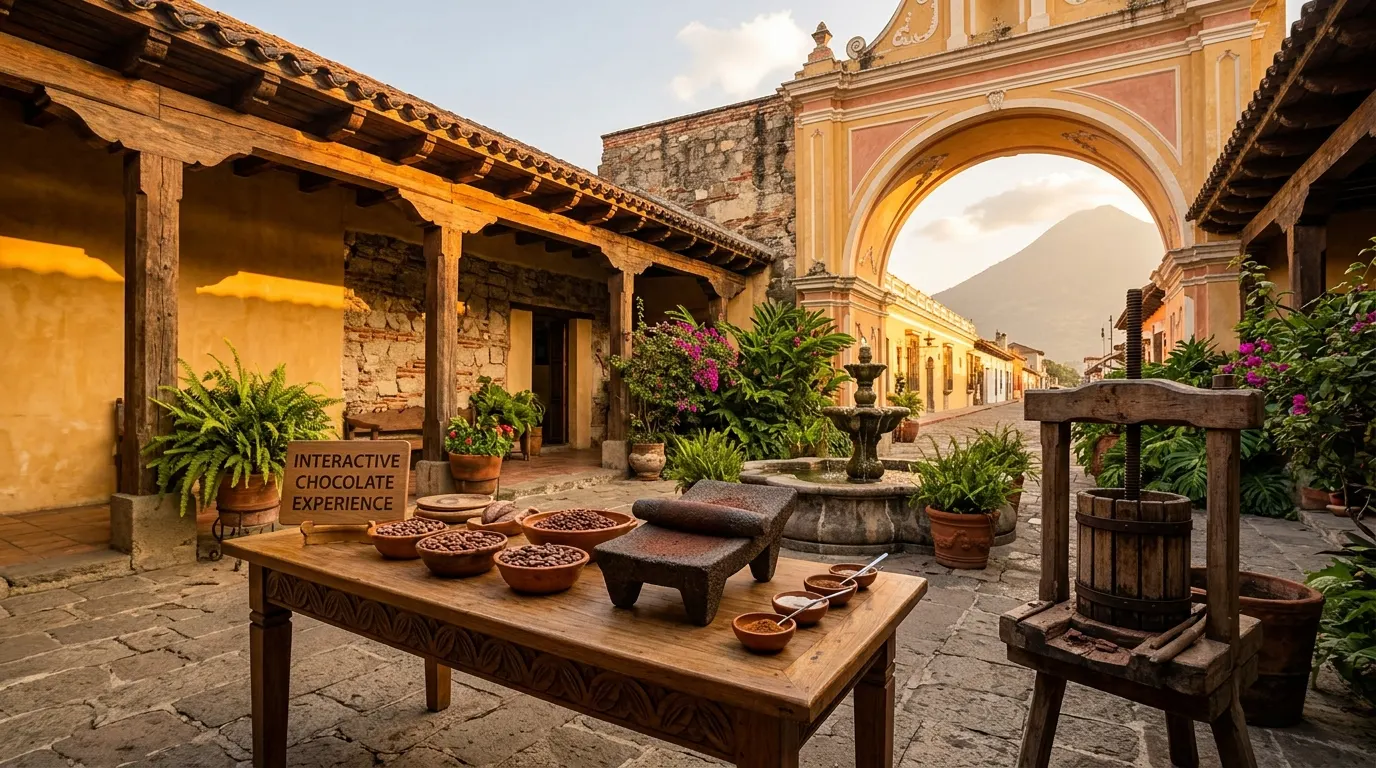
Some of the best educational experiences in Guatemala happen through taste and touch. These stops turn local agriculture and cuisine into highly engaging, hands-on exhibits.
5. Fernando's Kaffee (Chocolate Workshop)
Guatemala is the birthplace of chocolate, and Fernando's Kaffee (Chocolate Workshop) is a cozy, family-run cafe that offers an incredible hands-on workshop. Kids can get their hands dirty learning the entire bean-to-bar process, from roasting and peeling cacao beans to grinding them on a traditional stone metate.
- Practical Details: The cafe is open 7:00 AM to 7:00 PM. Workshops must be booked in advance and cost around 200 GTQ (~$25 USD) per person. It is highly accessible, and the cafe serves excellent food for a post-workshop lunch. Plan for 2 hours.
6. Guatemala Cooking School (Antigua Guatemala)
Food is the ultimate gateway to culture. Taking a class at the Guatemala Cooking School (Antigua Guatemala) is a hands-on cultural immersion where families learn to cook traditional Guatemalan staples like pepián (a rich, savory stew) and handmade tortillas. Kids love the tactile experience of clapping tortillas together.
- Practical Details: Classes usually run for 3-4 hours and cost around $50-$60 USD per person. They are incredibly accommodating to children and dietary restrictions.
7. Finca Filadelfia Coffee Resort & Tours
To show your kids exactly where their parents' morning brew comes from, visit Finca Filadelfia Coffee Resort & Tours. This sprawling, historic coffee estate operates like a massive agricultural museum. Families ride in the back of open-air Unimog trucks through the plantation, learning about the planting, harvesting, and roasting processes.
- Practical Details: Tours run multiple times a day and cost roughly $25 USD. Strollers can be used in the main plaza, but a baby carrier is necessary for the tour itself. There is a great restaurant on-site.
🎟️ Book family tickets & skip-the-line tours →
Natural Museums: Volcanoes and Eco-Reserves
The geology and biodiversity of Guatemala are spectacular. These natural sites serve as outdoor classrooms for earth science and biology.
8. Pacaya Volcano
If you want to teach your kids about geology, there is no better way than a hike up the Pacaya Volcano. This is a manageable, high-reward hike up an active volcano where the main event is roasting marshmallows over steaming volcanic vents. The landscape looks like the surface of the moon, which completely fascinates young hikers.
- Practical Details: Park entrance is 100 GTQ (~$13 USD), and you are required to hire a local guide at the entrance (roughly 200 GTQ / $25 USD). The hike takes about 1.5 to 2 hours up. Not stroller friendly at all.
9. Antigua Volcano Tours (Pacaya with Old Town Outfitters)
For families wanting a seamless experience, booking Antigua Volcano Tours (Pacaya with Old Town Outfitters) is highly recommended. They provide a professionally guided hike specifically tailored for families, ensuring a safe pace, providing necessary gear, and arranging private transport from your Antigua hotel.
- Practical Details: Costs vary by group size but usually run around $75-$90 USD per person including transport, guide, and fees. Morning tours are best to avoid afternoon cloud cover.
10. Reserva Natural Atitlán
Located near Lake Atitlán, the Reserva Natural Atitlán is a former coffee plantation turned eco-reserve. It features a massive butterfly geodome, roaming coatis (which kids adore), spider monkeys in the canopy, and a network of impressive suspension bridges over waterfalls. It is a brilliant, interactive biology lesson.
- Practical Details: Entrance is about 80 GTQ (~$10 USD). Open 8:00 AM to 5:00 PM. Trails are well-maintained but involve stairs and bridges, so leave the stroller behind.
11. Lake Atitlán (Panajachel)
Often described as one of the most beautiful lakes in the world, Lake Atitlán (Panajachel) is a breathtaking volcanic crater lake surrounded by three massive volcanoes and a dozen indigenous Mayan villages. It is a living exhibition of indigenous culture, where traditional weaving and agriculture are still practiced daily.
12. Lake Atitlán Day Trip
If you are short on time, a Lake Atitlán Day Trip from Antigua is a high-stakes, high-reward excursion. It is a long drive (about 2.5 hours each way), but guided tours will typically take your family on a private boat ride across the lake to visit different villages like San Juan La Laguna, known for its natural textile dyeing cooperatives.
13. Posada de Santiago (Lake Atitlán)
If you decide to stay overnight at the lake, Posada de Santiago (Lake Atitlán) is a rustic-chic lakeside lodge and restaurant in Santiago Atitlán that serves as the ultimate home base. It features beautiful stone cottages, a pool, and expansive gardens where kids can safely explore, making it feel like a private nature retreat.
Cultural Spectacles: Moving Museums of Guatemalan Life
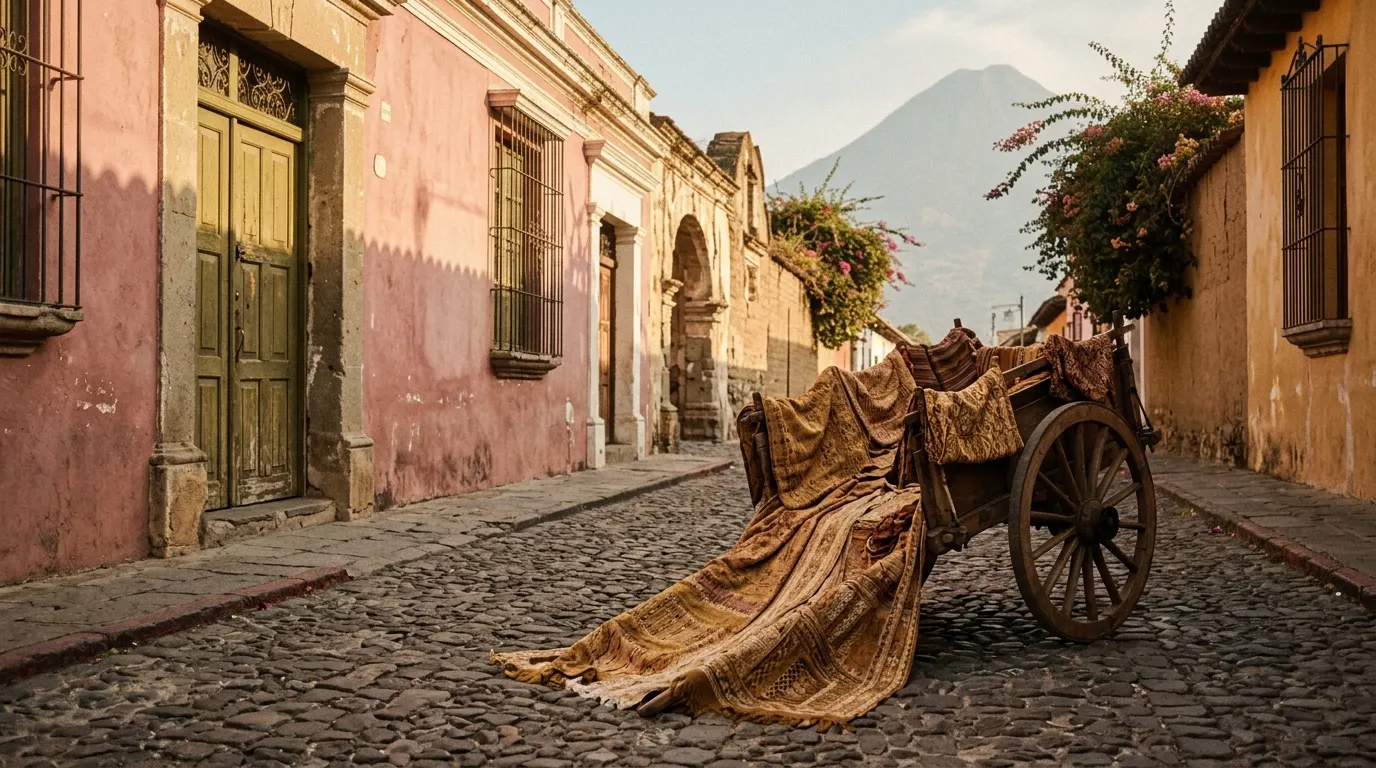
If you time your visit right, the streets and skies of Guatemala transform into vibrant, moving displays of heritage and artistry.
14. Antigua's Semana Santa (Holy Week) Processions
If you visit during the weeks leading up to Easter, you will witness Antigua's Semana Santa (Holy Week) Processions. This is a world-class cultural spectacle where cobblestone streets are covered in intricate, hand-made sawdust carpets (alfombras). Kids will be mesmerized watching locals spend hours creating vibrant art on the streets, only to see massive wooden floats carried over them shortly after.
- Practical Details: Free to watch on the streets. Crowds are massive, so keep a very close eye on young children. Strollers are completely useless during this week due to crowds and blocked streets.
15. Giant Kite Festival (Festival de Barriletes Gigantes) - Sumpango
Held on November 1st (All Saints' Day) in a town just outside Antigua, the Giant Kite Festival (Festival de Barriletes Gigantes) - Sumpango is a breathtaking cultural spectacle. Massive, hand-crafted tissue-paper kites—some reaching 15 meters across—are displayed and flown to honor deceased ancestors. It is a beautiful, colorful celebration of life and remembrance.
- Practical Details: Expect heavy traffic getting to Sumpango. Hire a private driver or take a guided tour. Bring sun protection and plenty of water.
Age-Specific Tips for the Best Family Cities in Other Regions
Traveling to destinations with distinct infrastructure like Antigua requires a bit of tailoring based on your child's age.
Toddlers (2-3 years)
Cobblestones are the enemy of the travel stroller. Leave the umbrella stroller at home; if you must bring one, make it a rugged jogging stroller with large air-filled tires. Honestly, a high-quality baby carrier is your best friend here. Focus on enclosed spaces like the courtyards of Casa Santo Domingo where they can safely toddle around without traffic concerns.
Preschoolers (3-5 years)
This age group thrives on tactile experiences. The chocolate-making workshop at Fernando's Kaffee is perfect for them, as they get to smash and grind ingredients. When visiting ruins like La Merced, turn the visit into a scavenger hunt (e.g., "Find three water lilies carved in stone").
School-Age (6-10 years)
School-aged kids have the stamina for bigger adventures. The Pacaya Volcano hike is highly achievable for a 7-year-old, especially with the promise of roasting marshmallows at the top. They will also get a lot out of the Finca Filadelfia coffee tour, particularly riding in the big open-air trucks.
Tweens and Teens (11-14 years)
Older kids will appreciate the deeper cultural and historical context of places like Iximché. They are also old enough to truly enjoy and participate in the Guatemala Cooking School. Give them a budget in Quetzales and let them practice their Spanish by ordering food or buying small souvenirs at the local artisan markets.
What to Skip: Tourist Traps and Overhyped Spots
Not every famous spot is suited for families. When curating your itinerary, we highly recommend avoiding these locations with children:
- Volcán de Fuego Viewpoints: While the sight of an erupting volcano is mesmerizing, the physical trek to the viewpoints on the slopes of Acatenango is grueling, steep, and extremely cold at night. It is strictly an adventure for fit adults and older, highly experienced teen hikers. Stick to Pacaya for a family-friendly volcano fix.
- Public Laundry Lavandería (Santa Clara): This historic site is an active communal laundry. While historically interesting, the stone floors are perpetually wet and extremely slippery. There is very little for kids to actually do, and they risk slipping on the slick stones or getting in the way of locals doing their actual daily washing.
- Nightclubs on 4a Calle Oriente & Las Vibras de la Casbah: This area is the epicenter of Antigua's nightlife. By evening, it transforms into a loud, alcohol-fueled corridor. Avoid walking your family down these specific streets after dark, as the atmosphere shifts dramatically from charming colonial city to heavy party scene.
- Yoga Forest (Lake Atitlán): Located near the lake, this is a dedicated spiritual retreat center that requires a grueling 20-minute uphill hike from the dock just to reach it. It is designed for silent meditation and intense yoga retreats, making it an incredibly poor fit for energetic children.
Pro Tips from Parents for Exploring Antigua
- Manage the Altitude: Antigua sits at about 5,000 feet (1,500 meters) above sea level. While not extreme, kids might tire faster on their first day. Plan low-key activities like a chocolate workshop for day one, saving volcano hikes for later in the trip.
- Tuk-Tuk Etiquette: Kids absolutely love riding in the three-wheeled Tuk-Tuks that zip around the city. Always negotiate the price before you get in. A ride anywhere within the main city grid should cost about 10 to 15 GTQ per person.
- Hydration and Food Safety: Stick to bottled water for drinking and brushing teeth. Antigua has excellent food safety standards in its main restaurants, but remind kids not to drink the shower water.
- Footwear is Crucial: The cobblestones in Antigua are notoriously uneven, with narrow sidewalks. Everyone in the family needs sturdy, closed-toe walking shoes. Sandals and flip-flops will lead to stubbed toes and twisted ankles.
- Currency: While many places take credit cards, always carry small bills of Quetzales for Tuk-Tuks, street vendors, and small entrance fees. Breaking a large 100 GTQ bill at a small stall can be difficult.
Conclusion
Finding the best family cities in other parts of the world requires a bit of extra research, but the payoff is immense. Antigua Guatemala proves that a destination doesn't need traditional, sterile children's museums to be deeply educational and wildly entertaining. By treating the city’s ruins, volcanoes, and food culture as interactive exhibits, you provide your children with an unparalleled global education. Whether they are grinding cacao, walking in the footsteps of the Maya, or watching a giant kite catch the wind, the memories built in this vibrant city will last a lifetime.