Traveling with children opens up an entirely new way of seeing the world, particularly when you step inside spaces specifically designed to spark their curiosity. Finding that delicate balance where education meets genuine entertainment can transform a family trip from a stressful march into a deeply rewarding adventure. When evaluating the best family cities in asia pacific, the quality of their interactive, child-centric museums often becomes the defining factor of the itinerary. From the maritime histories of New Zealand to the cutting-edge science hubs of South Korea, this region is packed with incredible institutions that welcome little hands, loud voices, and endless questions.
Rather than dragging your kids through quiet, sterile galleries where you spend the entire time whispering "don't touch that," the right museums invite them to build, splash, dig, and discover. Here is a curated guide to the top kid-friendly museums across the region, complete with the practical details you need to make your visit seamless.
Why the Best Family Cities in Asia Pacific Prioritize Playful Learning
The most memorable family trips are rarely about checking off monuments; they are about the moments your child suddenly understands how a pulley works, marvels at a dinosaur skeleton, or learns a traditional dance. The best family cities in asia pacific understand that children learn through tactile, immersive play.
Cities that invest in high-quality children's museums, science centers, and interactive cultural hubs naturally become easier places to travel with kids. These institutions provide safe, climate-controlled environments where parents can catch their breath while children burn off mental and physical energy. They offer a structured break from the chaos of bustling city streets, unpredictable weather, or long travel days. Whether you need a sanctuary from the midday tropical heat in Southeast Asia or a rainy-day retreat in New Zealand, a great museum is a traveling parent’s most valuable resource.
Interactive Wonders in Australasia & the Pacific
1. Torpedo Bay Navy Museum (Auckland, New Zealand)
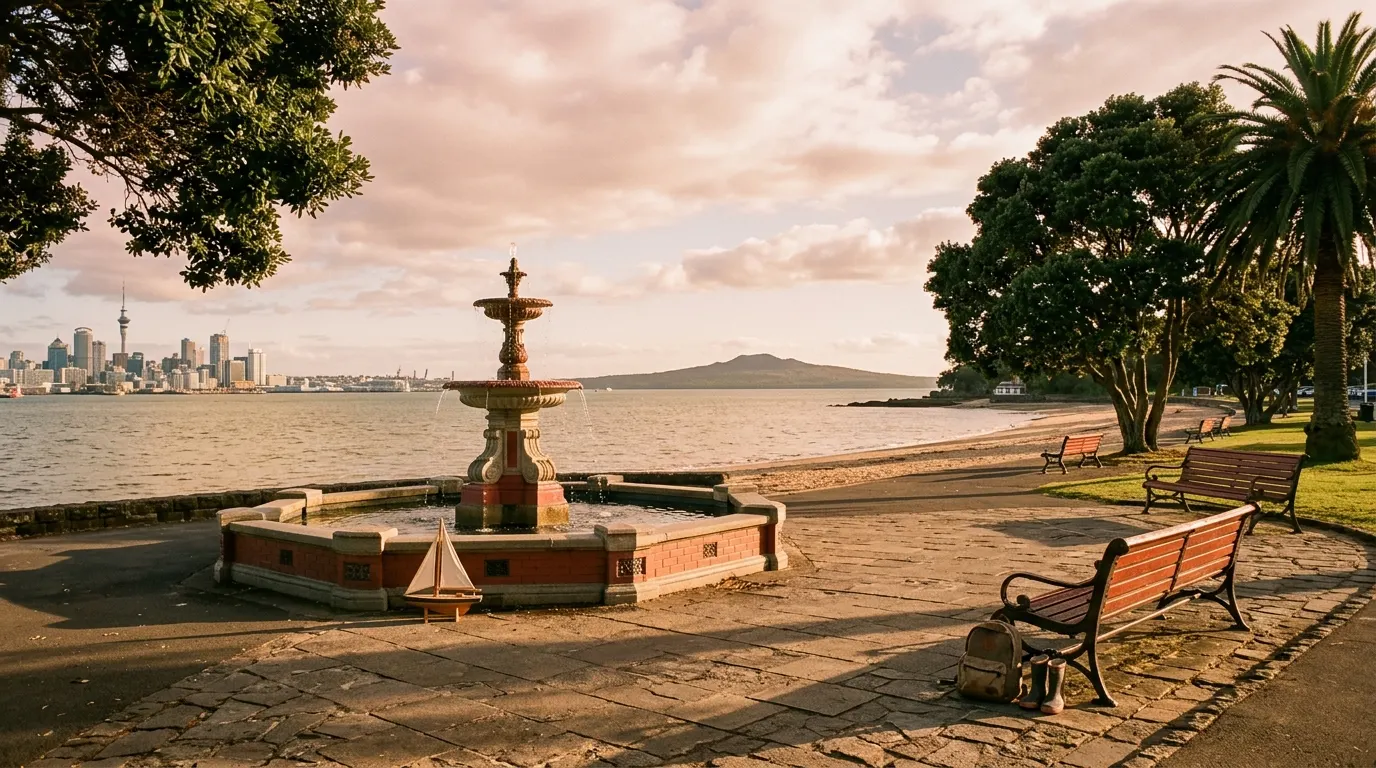
Tucked away in the seaside suburb of Devonport, the Torpedo Bay Navy Museum is a compact, high-quality museum that brings New Zealand’s naval history to life through highly interactive displays. It is perfectly paced for children, avoiding the overwhelming scale of larger national museums. Getting there is half the fun: use an AT Hop card to take the Fullers360 Ferry to Devonport for a scenic 12-minute commute that doubles as a sightseeing tour. For more Auckland inspiration, check out our City Guide: /city/auckland, where you will find other brilliant indoor spots like SEA LIFE Kelly Tarlton's Aquarium and the puppet-theater magic of Whoa! Studios. Afterward, treat the kids to gravity-defying creations at Giapo Ice Cream or let them climb at the Wynyard Quarter Playground (Daldy Street Linear Park).
- Opening Hours: 10:00 AM – 5:00 PM daily.
- Cost: Free admission ($0 USD).
- Stroller Accessibility: Excellent; fully ramped and spacious.
- Nearest Food: Torpedo Bay Cafe is right on site with stunning harbor views.
- Best Time to Visit: Morning, followed by a picnic on the adjacent reserve.
- How Long to Spend: 1.5 to 2 hours.
🎟️ Book family tickets & skip-the-line tours →
2. HOTA Children's Gallery (Gold Coast, Australia)
Located within the Home of the Arts precinct, this dedicated children's gallery features rotating, immersive exhibitions that blend contemporary art with hands-on play. It is a fantastic cultural counterpoint to the region's theme parks. Read more in our City Guide: /city/gold-coast.
- Opening Hours: 10:00 AM – 4:00 PM daily.
- Cost: Free admission ($0 USD).
- Stroller Accessibility: Fully accessible with wide corridors and elevators.
- Nearest Food: HOTA Café offers great kid-friendly lunch options.
- Best Time to Visit: Mid-morning.
- How Long to Spend: 1 to 2 hours.
3. Fiji Museum (Suva, Fiji)
Set within the beautiful Thurston Gardens, this museum holds an incredible collection of archaeological artifacts. The massive, double-hulled Ratu Finau canoe in the main hall immediately captivates children, offering a tangible look at Pacific maritime history. Plan your island itinerary with our City Guide: /city/fiji.
- Opening Hours: 9:00 AM – 4:30 PM (Monday-Saturday).
- Cost: $5 FJD (~$2.20 USD) for adults, $2 FJD (~$0.90 USD) for kids.
- Stroller Accessibility: Manageable on the ground floor, though some upper areas lack elevator access.
- Nearest Food: Small cafes are a short walk away in central Suva.
- Best Time to Visit: Early afternoon to escape the heat.
- How Long to Spend: 1.5 hours.
Cultural Immersion in Southeast Asia
4. Children's Discovery Museum (Bangkok, Thailand)
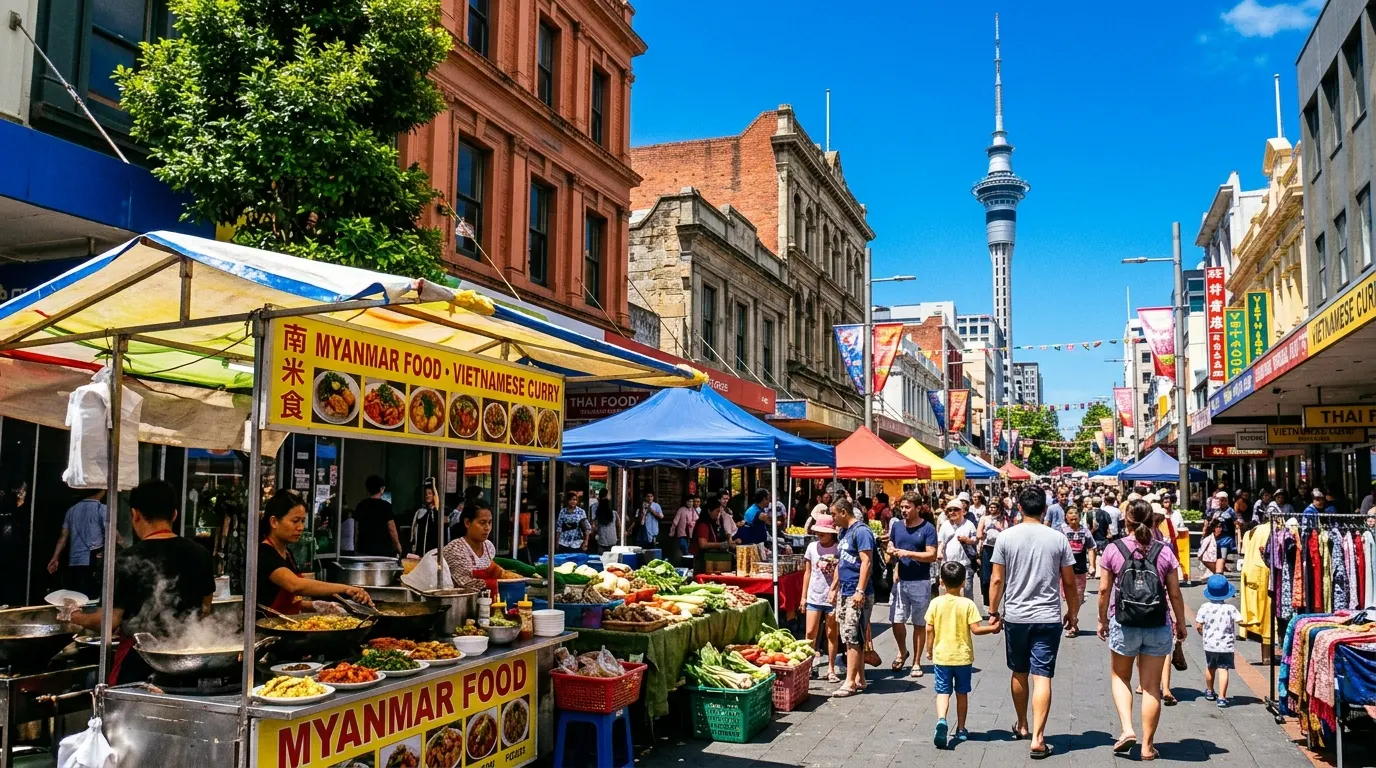
Located near the Chatuchak Weekend Market, this multi-story complex is a paradise of interactive learning. From an outdoor water play park to a mock grocery store and an archaeological dig site where kids can brush away sand to find dinosaur bones, it is a must-visit. Explore more in our City Guide: /city/bangkok.
- Opening Hours: 10:00 AM – 4:00 PM (Tuesday-Sunday).
- Cost: Free admission ($0 USD).
- Stroller Accessibility: Great indoors; outdoor areas require some navigating.
- Nearest Food: Food stalls right outside the gates or nearby Chatuchak.
- Best Time to Visit: Early morning to beat the crowds and heat.
- How Long to Spend: 3 to 4 hours.
🎟️ Find family-friendly tours & activities →
5. Agung Rai Museum of Art - ARMA (Bali, Indonesia)
More than just a gallery, ARMA is a living cultural center in Ubud. Children can wander the lush gardens, watch traditional gamelan rehearsals, and even participate in Balinese dance or painting workshops. It is a brilliant, kinetic way to introduce local culture. See our City Guide: /city/bali for more.
- Opening Hours: 9:00 AM – 6:00 PM daily.
- Cost: 100,000 IDR (~$6.50 USD), includes a coffee or tea.
- Stroller Accessibility: Moderate; the gardens have uneven stone paths and steps. Baby carriers are better here.
- Nearest Food: ARMA Kafe on site serves excellent local and Western dishes.
- Best Time to Visit: Late afternoon when the cultural classes usually begin.
- How Long to Spend: 2 hours.
6. Art in Paradise (Chiang Mai, Thailand)
This 3D illusion art museum is pure, unadulterated fun for families. Kids can pose as if they are crossing rickety bridges over waterfalls, escaping crocodiles, or flying on magic carpets. It is highly interactive and guarantees a camera roll full of hilarious photos. Find more activities in our City Guide: /city/chiang-mai.
- Opening Hours: 9:00 AM – 7:00 PM daily.
- Cost: 400 THB (~$11 USD) for adults, 200 THB (~$5.50 USD) for kids.
- Stroller Accessibility: Fully accessible, but you will need to park it often to take photos.
- Nearest Food: Plenty of casual dining options on Chang Klan Road.
- Best Time to Visit: Evening, as a fun pre-dinner activity.
- How Long to Spend: 2 hours.
7. Museo Sugbo (Cebu, Philippines)
Housed in a massive former provincial jail built from coral stone, this museum provides a fascinating walk through Philippine history. Older children and tweens find the architecture and the stories of its past life as a prison deeply intriguing. Discover more in our City Guide: /city/cebu-the-visayas.
- Opening Hours: 9:00 AM – 6:00 PM (Monday-Saturday).
- Cost: 30 PHP (~$0.50 USD).
- Stroller Accessibility: Fair; the ground floor is easy, but stairs are required for upper galleries.
- Nearest Food: Small local eateries surrounding the museum; bring water.
- Best Time to Visit: Morning.
- How Long to Spend: 1 to 1.5 hours.
8. Da Nang Museum of Cham Sculpture (Da Nang, Vietnam)
While it might seem academic at first glance, this museum houses an incredible collection of ancient sandstone carvings depicting elephants, dragons, and Hindu deities. Kids love spotting the different animals and mythological creatures. It is a quiet, shaded retreat near the Dragon Bridge. Read our City Guide: /city/da-nang-hoi-an.
- Opening Hours: 7:30 AM – 5:00 PM daily.
- Cost: 60,000 VND (~$2.50 USD).
- Stroller Accessibility: Ramps are available, though some older sections are tight.
- Nearest Food: Riverfront cafes are right across the street.
- Best Time to Visit: Early morning before the tour buses arrive.
- How Long to Spend: 1 hour.
Hands-On Science and History in East Asia
9. Busan National Science Museum (Busan, South Korea)
A masterpiece of interactive education, this massive facility covers everything from aerospace to robotics. The absolute highlight for families is the dedicated children's science gallery and the outdoor water play area during summer. Plan your stay with our City Guide: /city/busan.
- Opening Hours: 9:30 AM – 5:30 PM (Tuesday-Sunday).
- Cost: 3,000 KRW (~$2.25 USD) for adults, kids under 7 are free.
- Stroller Accessibility: Flawless; wide aisles and large elevators.
- Nearest Food: A large cafeteria inside serves kid-friendly Korean meals and snacks.
- Best Time to Visit: Right at opening to secure spots in the interactive sessions.
- How Long to Spend: 3 to 4 hours.
🎟️ Book family tickets & skip-the-line tours →
10. Dalian Natural History Museum (Dalian, China)
Perched beautifully on the coastline, this museum boasts an extraordinary collection of dinosaur fossils and marine specimens. The sheer scale of the mounted skeletons will leave children wide-eyed. Explore the city further with our City Guide: /city/dalian.
- Opening Hours: 9:00 AM – 4:30 PM (Tuesday-Sunday).
- Cost: Free admission (passport required for entry).
- Stroller Accessibility: Very good, with ramps and elevators throughout.
- Nearest Food: Limited options immediately outside; best to eat in the city center beforehand.
- Best Time to Visit: Mid-morning.
- How Long to Spend: 2 hours.
11. Paleozoological Museum of China (Beijing, China)
If you have a dinosaur-obsessed child, this is non-negotiable. It houses some of the most significant fossil discoveries in Asia, including massive dinosaur skeletons and early mammals. It is a smaller, more focused alternative to the massive National Museum. Read more in our City Guide: /city/beijing.
- Opening Hours: 9:00 AM – 4:30 PM (Tuesday-Sunday).
- Cost: 20 RMB (~$2.80 USD).
- Stroller Accessibility: Good, though it can get crowded around popular exhibits.
- Nearest Food: Bakeries and cafes are a short walk toward the zoo area.
- Best Time to Visit: Afternoon, tying it in with a visit to the nearby Beijing Zoo.
- How Long to Spend: 1.5 to 2 hours.
12. Chongqing Science and Technology Museum (Chongqing, China)
This sprawling, multi-level complex is a lifesaver when you need a break from Chongqing’s intense summer heat or steep hills. The disaster prevention exhibit, which safely simulates earthquakes and storms, is uniquely educational and highly memorable for older kids. Check our City Guide: /city/chongqing.
- Opening Hours: 9:30 AM – 5:00 PM (Tuesday-Sunday).
- Cost: Free admission ($0 USD).
- Stroller Accessibility: Excellent, heavily modernized.
- Nearest Food: A food court is available on the ground floor.
- Best Time to Visit: Midday, to escape the peak outdoor temperatures.
- How Long to Spend: 3 hours.
13. Sichuan Science and Technology Museum (Chengdu, China)
Located right in the heart of the city at Tianfu Square, this museum features four floors of interactive exhibits spanning aerodynamics, space exploration, and robotics. It is loud, busy, and entirely geared toward touching everything. Map out your trip with our City Guide: /city/chengdu.
- Opening Hours: 9:00 AM – 5:00 PM (Tuesday-Sunday).
- Cost: Free admission (requires advance online booking).
- Stroller Accessibility: Great, with numerous elevators.
- Nearest Food: Endless dining options in the underground malls beneath Tianfu Square.
- Best Time to Visit: Morning, as afternoon slots book up quickly.
- How Long to Spend: 2.5 to 3 hours.
Heritage Explorations in South Asia

14. National Rail Museum (Delhi, India)
Spread over 10 acres, this outdoor museum is a spectacular collection of vintage steam locomotives and royal carriages. The highlight for families is the joy train ride that circles the grounds, providing a breezy, fun overview of the exhibits. Find more tips in our City Guide: /city/delhi-agra.
- Opening Hours: 10:00 AM – 5:00 PM (Tuesday-Sunday).
- Cost: 50 INR (~$0.60 USD) on weekdays, 100 INR (~$1.20 USD) on weekends.
- Stroller Accessibility: Mostly paved outdoor paths, though getting close to the trains requires navigating gravel.
- Nearest Food: The Rails restaurant on site offers a fun dining experience where food is delivered by a model train.
- Best Time to Visit: Winter or early morning in warmer months, as it is mostly outdoors.
- How Long to Spend: 2 to 3 hours.
15. National Museum of Colombo (Colombo, Sri Lanka)
Housed in a grand colonial building, this museum offers a visually striking introduction to Sri Lankan history. Children are particularly drawn to the royal regalia, ancient swords, and the collection of intricate demon masks used in traditional rituals. See our City Guide: /city/colombo-sri-lanka.
- Opening Hours: 9:00 AM – 5:00 PM daily.
- Cost: 1,200 LKR (~$4.00 USD) for adults, 600 LKR (~$2.00 USD) for kids.
- Stroller Accessibility: Ground floor is accessible, but upper floors require carrying the stroller up wide wooden staircases.
- Nearest Food: A small, pleasant cafe is located on the museum grounds under the banyan trees.
- Best Time to Visit: Morning, as the building relies on natural ventilation.
- How Long to Spend: 1.5 hours.
Age-by-Age Guide to Museum Hopping in the Best Family Cities in Asia Pacific
Toddlers (2-3 Years)
At this age, a museum visit is entirely about sensory input and pacing. Stick to morning visits when they are fresh. Prioritize science centers with dedicated water play areas or museums with large, high-contrast objects (like trains or dinosaur bones). Use a comfortable stroller as a safe retreat when they get overstimulated, and never expect a visit to last more than 90 minutes.
Preschoolers (3-5 Years)
Preschoolers thrive in spaces that allow for role-play and autonomy. Look for children's museums with mock grocery stores, builder workshops, or simple cause-and-effect science experiments. At this age, they want to push every button and turn every wheel. Follow their lead rather than trying to read every placard, and pack high-protein snacks to ward off the inevitable mid-visit crash.
School-Age Kids (6-10 Years)
This is the golden age for museum travel. Kids this age can handle longer visits and actually engage with the educational content. Make the experience interactive by creating a simple scavenger hunt (e.g., "Find three things related to space" or "Find a painting with a boat"). Give them the museum map and let them navigate the family to the next exhibit.
Tweens & Teens (11-14 Years)
Older kids might initially roll their eyes at a museum visit, so hand over the reins. Let them choose which museum to visit from a pre-selected list. Encourage them to bring a camera or use their phone to document interesting design or architecture. Museums with darker or more complex histories, like former prisons or advanced technological centers, usually hold their attention best.
What to Skip: Overhyped Traps to Avoid
When building out your itinerary, knowing what to cut is just as important as knowing what to include. Based on our real-world testing, here are a few spots that look great on a brochure but often fall flat for families.
- SkyJump (Sky Tower): While the Sky Tower itself is iconic, the SkyJump is a massive financial investment for a thrill that lasts less than 20 seconds. The "fun-per-dollar" ratio is incredibly low for families, and younger kids cannot participate anyway.
- Highwic House: This is a beautifully preserved Victorian mansion, but it operates on a strict "look but don't touch" policy. For families with active children, trying to keep kids from touching delicate antiques turns a pleasant outing into a stressful policing exercise.
- SkyCity Casino Auckland: Often bundled into central city entertainment recommendations, it is vital to know that New Zealand law strictly prohibits anyone under the age of 20 from entering the casino gaming floor, making it completely useless for family travelers.
Pro Tips from Parents for Smooth Museum Days
- Master the Local Transit: In cities like Auckland, use the bright green InnerLink bus to navigate between major museums, Parnell, and Ponsonby without needing to fold up a stroller constantly.
- Time Your Travel: Skip driving through central city motorway interchanges between 4:30 PM and 6:30 PM. Congestion is notorious, and being stuck in a hot car with exhausted kids post-museum is a recipe for a meltdown.
- Use Transit Cards for Experiences: Instead of booking a pricey commercial harbor cruise, use an AT Hop card to take the standard commuter ferry to Devonport. It offers the exact same stunning harbor views for a fraction of the cost.
- Plan the Post-Museum Meal: Head to food halls like Ponsonby Central for a stress-free family lunch. Everyone can choose from different stalls, eliminating the arguments over what type of food to eat after a long morning of walking.
Final Thoughts on Exploring the Best Family Cities in Asia Pacific
Weaving museums into your travel plans doesn't have to mean boring your children with endless plaques and dusty display cases. By choosing interactive, dynamic environments, you give your kids the space to process new cultures and ideas on their own terms. The best family cities in asia pacific are those that recognize that children are naturally curious explorers. Whether you are digging for fossils in Bangkok, marveling at naval history in Auckland, or racing model trains in Delhi, these institutions provide the perfect backdrop for making lasting family memories. Pack the snacks, bring the comfortable shoes, and let them lead the way.