Traveling with children is an incredible opportunity to shape how they see the world. When you move beyond the standard theme parks and resort pools, you open the door to rich, cultural immersion that leaves a lasting impact on young minds. Finding the right balance between education and engagement can be tricky, but the best family cities in middle east & africa offer an extraordinary array of museums and historical sites that cater brilliantly to curious kids. From ancient artifacts that bring textbook history to life to hyper-modern interactive exhibits that spark imagination, this region is a treasure trove for families willing to explore.
Whether you are navigating the bustling streets of West Africa or the hyper-modern skylines of the Arabian Gulf, taking your kids to museums here is less about quietly staring at glass cases and more about experiencing history where it actually happened.
Why Museum-Hopping Shines in the Best Family Cities in Middle East & Africa
When planning an international family trip, museums might not be the first thing that jumps to mind for your energetic six-year-old. However, the best family cities in middle east & africa have reimagined the museum experience. Many of these institutions are built with interactivity at their core, recognizing that children learn best through touch, exploration, and storytelling.
Furthermore, museums in these regions often serve as serene, climate-controlled sanctuaries from the intense midday heat or bustling city chaos. They provide a structured environment where kids can safely roam while absorbing the local culture. You will find that an afternoon spent marveling at ancient Egyptian pharaohs or walking the profound halls of a West African coastal fortress provides context for everything else you do on your trip. It turns a simple vacation into a deeply resonant family journey.
12 Must-Visit Museums and Historic Sites for Families
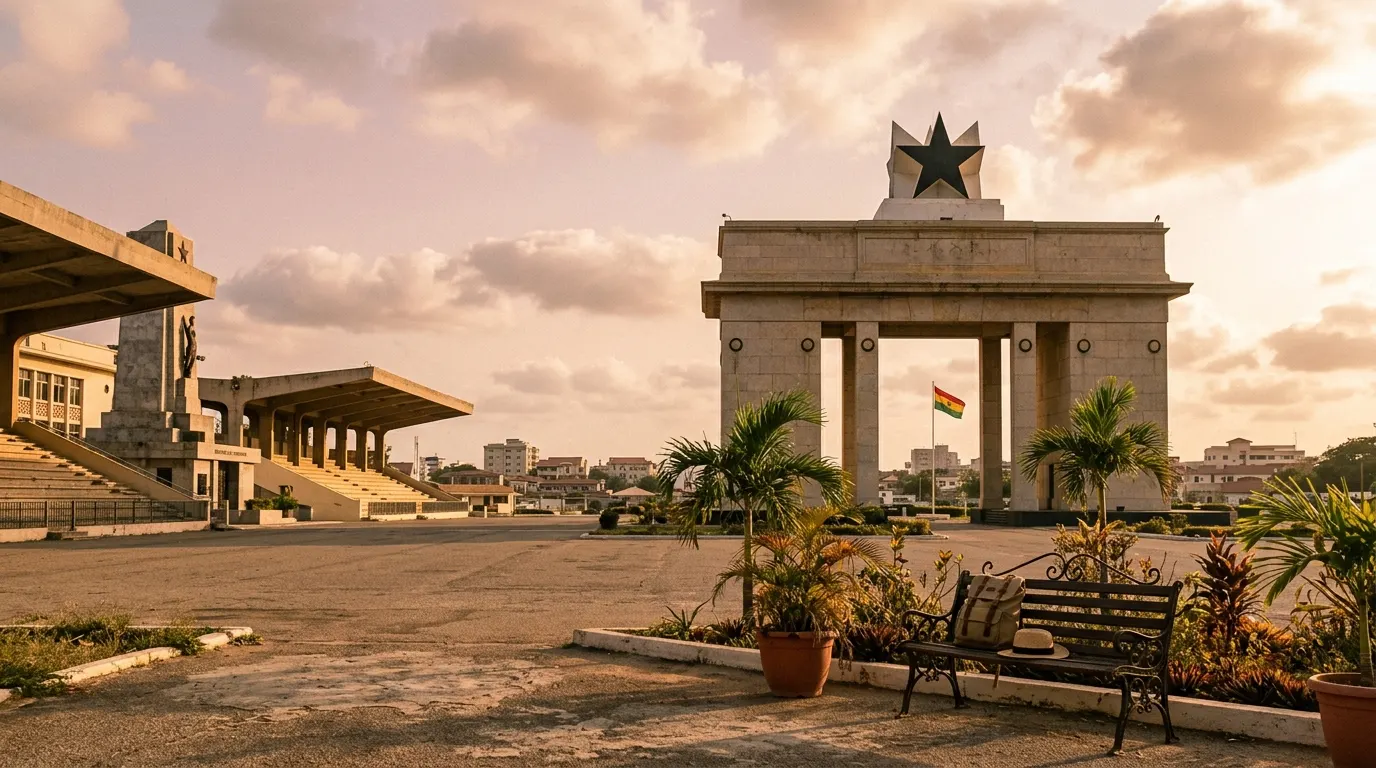
1. Museum of the Future, Dubai
When you visit Dubai, the Museum of the Future is an absolute non-negotiable for families. Housed in one of the most architecturally stunning buildings on earth, this is not a museum of artifacts, but a highly interactive journey into the year 2071. Kids will love the "Future Heroes" floor, a dedicated space designed like an immersive video game where children are given missions to complete, encouraging problem-solving and teamwork.
- Practical Details: Book weeks in advance; walk-ins are rarely accommodated. Tickets are around 149 AED ($40 USD). Stroller accessible, with excellent cafe options on the ground floor. Plan for 2-3 hours.
🎟️ Book family tickets & skip-the-line tours →
2. The Children's Museum Jordan, Amman
Located in the Al Hussein Public Parks in Amman, this museum is a masterclass in child-led learning. It features over 185 indoor and outdoor interactive exhibits covering science, technology, and the arts. The outdoor water play area is a massive hit during the warmer months, and the secret garden teaches kids about local agriculture.
- Practical Details: Entry is 3 JOD (about $4.25 USD). It is incredibly stroller-friendly and features a clean, well-stocked family cafe. Best visited right at opening time (9:00 AM) to beat the local school groups.
3. Cape Coast Castle, Accra
For older children and teens, visiting Cape Coast Castle in Accra (technically a couple of hours outside the city) is a profoundly moving experience. As a UNESCO World Heritage site and a major hub for the trans-Atlantic slave trade, it requires emotional preparation, but the guided tours are handled with immense care and historical accuracy. It provides a sobering, essential history lesson that resonates deeply with older kids.
- Practical Details: Entry is roughly 50 GHS ($4 USD) for adults, less for kids. The uneven stone floors and steps mean you should leave the stroller behind and use a baby carrier. Allow 2 hours for the guided tour. After a heavy emotional morning, you can lighten the mood by heading to nearby Kakum National Park for a thrilling canopy walk suspended 40 meters above the rainforest.
4. Grand Egyptian Museum, Cairo
The highly anticipated Grand Egyptian Museum in Cairo is a sprawling complex dedicated to the ancient world. The sheer scale of the statues and the detailed exhibition of King Tutankhamun’s treasures will leave school-aged kids wide-eyed. The museum has integrated modern digital displays that help contextualize the artifacts, making the history digestible for younger attention spans.
- Practical Details: The complex is massive, so a stroller is highly recommended for toddlers. Entry prices vary based on access levels, but budget around $30 USD per adult. Go early in the morning to avoid the peak heat and crowds.
🎟️ Find family-friendly tours & activities →
5. Zeitz Museum of Contemporary Art Africa (MOCAA), Cape Town
Art museums can be tough for kids, but the Zeitz MOCAA in Cape Town is an exception. Built into a massive historic grain silo, the architecture itself feels like a giant concrete playground or a sci-fi movie set. The contemporary African art is bold, colorful, and highly visual, which naturally holds the attention of younger visitors.
- Practical Details: Entry is 250 ZAR (about $13 USD), and kids under 18 enter free. Completely stroller accessible via glass elevators that kids love riding. Plan for 1.5 to 2 hours.
6. National Museum of Ethiopia, Addis Ababa
If your kids are going through a dinosaur or ancient history phase, the National Museum of Ethiopia in Addis Ababa is a must-do. The star of the show is the cast of "Lucy," the famous 3.2-million-year-old hominid fossil. It is a fantastic place to talk to kids about human evolution and our shared origins.
- Practical Details: Entry is incredibly cheap, around 10 ETB (less than $1 USD). The museum is older and lacks modern interactive elements, so plan a shorter visit (about an hour) before heading out for a traditional Ethiopian lunch.
7. Elmina Castle, Accra
Similar to Cape Coast, Elmina Castle stands as a powerful, UNESCO-listed fortress and the oldest European building in sub-Saharan Africa. The stark white walls against the crashing ocean provide a dramatic backdrop for a heavy history lesson. It is generally less crowded than Cape Coast, allowing for a slightly more relaxed pace for families exploring the grounds.
- Practical Details: Wear sturdy walking shoes. To process the day, we highly recommend retreating to a comfortable home base afterward, such as the Movenpick Ambassador Hotel Accra, where kids can decompress in the massive pool.
8. Apartheid Museum, Johannesburg
For families traveling with tweens and teens, the Apartheid Museum in Johannesburg offers a masterfully curated, immersive look at South Africa’s history of segregation and the struggle for democracy. The experience begins at the entrance, where visitors are randomly assigned "White" or "Non-White" tickets, dictating which door they use—a visceral starting point that sparks immediate family discussion.
- Practical Details: This museum is dense with reading and emotional video content; it is not recommended for children under 11. Entry is 150 ZAR ($8 USD). Allow 2-3 hours.
9. Museum of Islamic Art (MIA), Doha
The MIA in Doha is a visual feast. Even if your kids aren't deeply interested in ancient astrolabes or intricate armor, the building's geometric architecture will fascinate them. The real draw for families, however, is MIA Park adjacent to the museum. It features some of the best playgrounds in the city, massive grassy areas for running, and food trucks.
- Practical Details: Museum entry is 50 QAR ($14 USD), kids 16 and under are free. The park is free. Very stroller accessible. Best visited in the late afternoon so you can transition from the air-conditioned museum to the park as the sun sets.
10. Sidi Mohammed ben Abdallah Museum, Essaouira
Tucked away in the coastal medina of Essaouira, this small, manageable museum is perfect for a quick cultural hit without overwhelming little ones. Housed in a beautiful 19th-century riad, it features local musical instruments, traditional Berber clothing, and regional arts.
- Practical Details: Entry is 10 MAD (about $1 USD). It involves stairs, so leave the stroller at your riad and opt for a carrier. It only takes about 45 minutes to explore, leaving plenty of time to wander the port and watch the blue fishing boats.
11. National Natural History Museum (Old Boma), Arusha
Before you head out on a major wildlife safari, perhaps toward Kruger National Park or the Serengeti, stop at the Old Boma in Arusha. This museum focuses on human evolution and the incredible flora and fauna of the region. It gives kids a great foundation of knowledge, helping them identify animals and understand the ecosystem before they see it in the wild.
- Practical Details: Small entry fee, very casual atmosphere. Great for a 1-hour visit.
12. W.E.B. Du Bois Centre, Accra
For a calm, educational introduction to Pan-African history, the W.E.B. Du Bois Centre in Accra is wonderful. Unlike the more intense slave castles, this is the former home of the famous civil rights leader. The grounds are lush, quiet, and very safe for kids to walk around. It feels more like visiting a historic house with a beautiful garden than a traditional museum.
- Practical Details: Entry is about 40 GHS ($3.50 USD). It takes about an hour. Afterward, you might want to visit Mmofra Place, a rare, gated green oasis nearby dedicated to child-led play and cultural literacy.
🎟️ Book family tickets & skip-the-line tours →
Age-Specific Museum Strategies for the Middle East & Africa
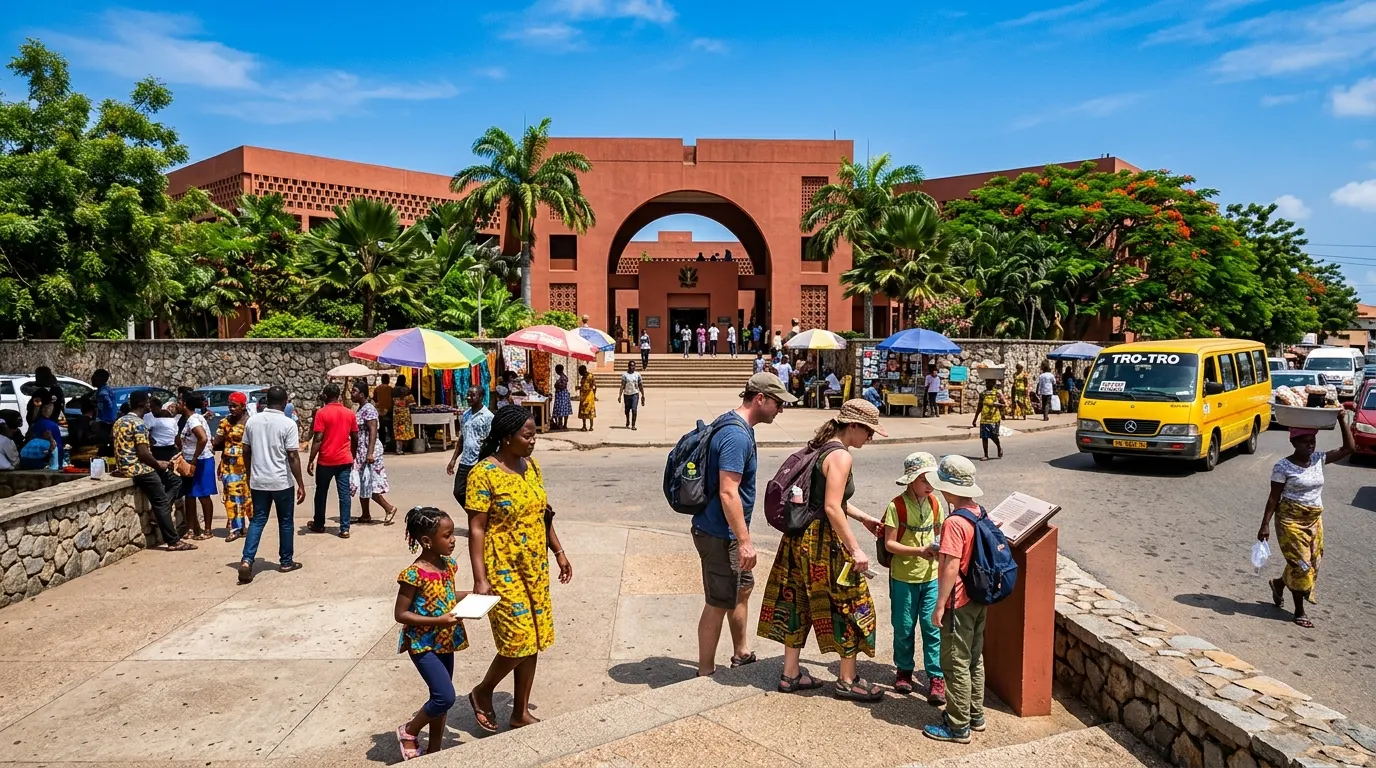
Toddlers (Ages 2-3):
At this age, it is all about the environment rather than the information. Seek out museums with wide-open spaces, tactile exhibits, or attached parks. Keep visits strictly under 90 minutes. In places like Accra, where the heat can be intense, use museums as a midday air-conditioned break. For outdoor sites, utilize a breathable baby carrier, as uneven terrain often makes strollers useless.
Preschoolers (Ages 3-5):
Turn the museum into a game. Before arriving at the Egyptian Museum, show them pictures of scarab beetles, cats, or specific pharaohs and have them do a "scavenger hunt" to find them. Keep snacks easily accessible (but only eat them in designated cafe areas). After a museum visit, reward them with physical play. In Accra, a trip to Rufus Green Parks provides a lush escape where they can burn off energy.
School-Age (Ages 6-10):
Kids in this bracket are usually learning about ancient civilizations or world geography in school. Connect the museum to what they know. Rent the audio guides—many museums now offer specific tracks recorded for children that turn the exhibits into a storytelling adventure. Give them a cheap digital camera or use an old smartphone so they can document what they find interesting.
Tweens and Teens (Ages 11-14):
Give your older kids autonomy. Allow them to navigate the map and lead the family through the museum. This is the perfect age for heavier, more emotionally resonant sites like the Apartheid Museum or Cape Coast Castle. Be prepared for deep questions afterward, and schedule time to sit at a cafe and discuss what they just saw rather than rushing to the next activity.
What to Skip: Museums and Attractions Better Left for Adults
Not every cultural site is built for a family dynamic. While researching your trip, you will likely see certain spots highly recommended by travel bloggers that are actually a nightmare with children in tow. Here are a few highly touted spots to skip:
- Kantamanto Market (Accra): Often billed as a fascinating cultural hub of upcycled fashion, Kantamanto is a massive, high-intensity secondhand clothing market. It is physically exhausting for adults, let alone kids. The crowds are dense, and there is nowhere to rest. If you want to shop for local crafts with kids safely, go to the Centre for National Culture (Arts Centre Accra) instead.
- Osu Night Market & Osu Oxford Street (Accra): The night market is famous for delicious street food, but navigating narrow alleys with toddlers means dodging open charcoal grills at eye-level. Oxford Street lacks continuous sidewalks and features deep, open gutters. It is highly stressful with a stroller.
- Wechiau Community Hippo Sanctuary (Ghana): While a wonderful conservation success, it is located in the remote Upper West Region. The travel time required to get there from Accra is entirely too taxing for young children. Stick to accessible nature spots like Legon Botanical Gardens instead.
- Adult-Centric "Cultural" Hubs: Avoid spots that are essentially nightlife venues disguised as daytime cultural hangouts. Places like Bloombar, Carbon Nightclub, or Republic Bar & Grill in Accra are loud, crowded, and strictly not family-friendly, despite what some broad city guides might imply.
Pro Tips from Parents for Middle East & Africa Travel
- Master the Transport Apps: Download Uber or Bolt before you arrive in major hubs like Accra or Cairo. This completely removes the stress of haggling with street taxi drivers while wrangling tired children, and you can track your route safely via GPS.
- Hydration is Key (But Be Picky): In West Africa, stick to reputable bottled water brands like Voltic or Bel-Aqua for your children rather than the ubiquitous "sachet water" sold on the streets, which can sometimes upset sensitive stomachs.
- Strategic Potty Planning: Public restrooms are nearly non-existent in many historical districts. Plan your "potty breaks" around major museums, upscale restaurants, or western-style shopping centers (like Marina Mall in Accra) where facilities are clean and reliable.
- Weather Preparations: If you are visiting West Africa during the Harmattan season (December to February), the dry, dusty winds can cause nosebleeds and dry skin in kids. Pack extra moisturizer and a gentle saline nasal spray.
- Find Your Comfort Food: Exploring new cuisine is great, but kids need familiar comfort. Find reliable restaurants that offer a mix. For instance, Buka Restaurant (Osu) in Accra is the gold standard for experiencing authentic West African cuisine in a very comfortable, air-conditioned environment, while Auntie Muni's Waakye Joint (Adabraka) offers a safe, legendary local street food experience.
- Pace Yourself with Resort Days: Break up heavy museum days with pure relaxation. After a few days in Accra, booking a weekend at Peduase Valley Resort in the Aburi hills or Aqua Safari Resort on the Volta River provides a much-needed reset for overstimulated kids. If you want beach time, Labadi Beach Hotel offers a clean, managed stretch of sand far superior to the littered Tema Community 25 Beach. If you're out east, Diani Beach in Kenya is unmatched for post-safari recovery.
Taking your children through the historic and cultural landmarks of this incredible region is an adventure that requires a bit of extra planning, but the payoff is immense. You are giving them a worldview that cannot be taught in a classroom. By choosing the right spots, pacing your days, and knowing when to pivot to a playground or a pool, you will easily see why these rank among the best family cities in middle east & africa. Safe travels, and enjoy watching your children discover the world!