Traveling across Europe with children opens up a world of incredible history, art, and science, but keeping little ones engaged requires a strategic itinerary. The secret to a successful trip is finding destinations that seamlessly blend rich culture with highly interactive, child-centric experiences. When evaluating the best family cities in europe, the quality and accessibility of their museums often make or break the daily schedule. A three-hour slog through a silent gallery will end in tears, while a well-curated, hands-on science center can become the highlight of your entire vacation. Here are twelve outstanding museums across the continent that actually captivate kids, along with essential advice on balancing indoor exhibits with outdoor adventures.
Science and Innovation: Hands-On Exploration in the Best Family Cities in Europe
Science museums are universally successful with kids because they are designed to be touched, manipulated, and explored. These four institutions lead the pack.
1. NEMO Science Museum (Amsterdam)
Housed in a massive, ship-like building rising from the harbor, NEMO is a cornerstone of any family trip to Amsterdam. Five floors of hands-on exhibits cover everything from chain reactions to the human mind. The highlight for younger kids is the water purification exhibit where they can build dams and splash around (bring an extra shirt).
- Practical Details: Open Tuesday-Sunday 10:00 AM - 5:30 PM (open Mondays in summer). Tickets are €17.50 (approx. $19 USD); kids under 4 are free. The museum is fully stroller accessible with large elevators.
- Food & Time: The rooftop cafe offers decent sandwiches and spectacular city views. Plan to spend 3-4 hours here. The best time to visit is right at opening.
2. CosmoCaixa (Barcelona)
This is arguably one of the most visually stunning science museums in Europe, making Barcelona a top-tier destination for curious kids. The centerpiece is the Flooded Forest, a massive recreation of an Amazonian rainforest ecosystem complete with living trees, birds, capybaras, and piranhas. The geological wall and the interactive planetarium are also massive hits.
- Practical Details: Open daily 10:00 AM - 8:00 PM. Entry is incredibly affordable at €6 (approx. $6.50 USD), and children under 16 enter free. Fully stroller accessible.
- Food & Time: There is a large, family-friendly cafeteria on site. Allocate at least 3 hours.
🎟️ Book family tickets & skip-the-line tours →
3. VIDA! Science Centre (Brno)
If you are venturing into the Czech Republic, Brno offers this exceptional, highly interactive science park. With over 170 exhibits divided into sections like Planet, Civilization, and Microworld, kids can launch hydrogen rockets, freeze their own shadows, or experience a simulated earthquake. It is less crowded than its western European counterparts, giving kids more time at each station.
- Practical Details: Open daily 9:00 AM - 6:00 PM. Family tickets cost around 570 CZK (approx. $24 USD). Stroller friendly with wide aisles.
- Food & Time: A simple snack bar is available, but packing your own snacks is wise. Expect to stay 3 hours.
4. Cap Sciences (Bordeaux)
Located on the banks of the Garonne River, this center makes Bordeaux more than just a wine destination. Cap Sciences focuses heavily on rotating, highly immersive exhibitions rather than permanent collections. Past exhibits have covered robotics, dinosaurs, and the human body, all utilizing cutting-edge multimedia and guided workshops for older kids.
- Practical Details: Hours vary by season but generally open 2:00 PM - 6:00 PM on weekdays and 2:00 PM - 7:00 PM on weekends. Admission is around €10 (approx. $11 USD). Stroller accessible.
- Food & Time: Grab food at the nearby Halles de Bacalan before visiting. Plan for 2 hours.
History and Culture Brought to Life
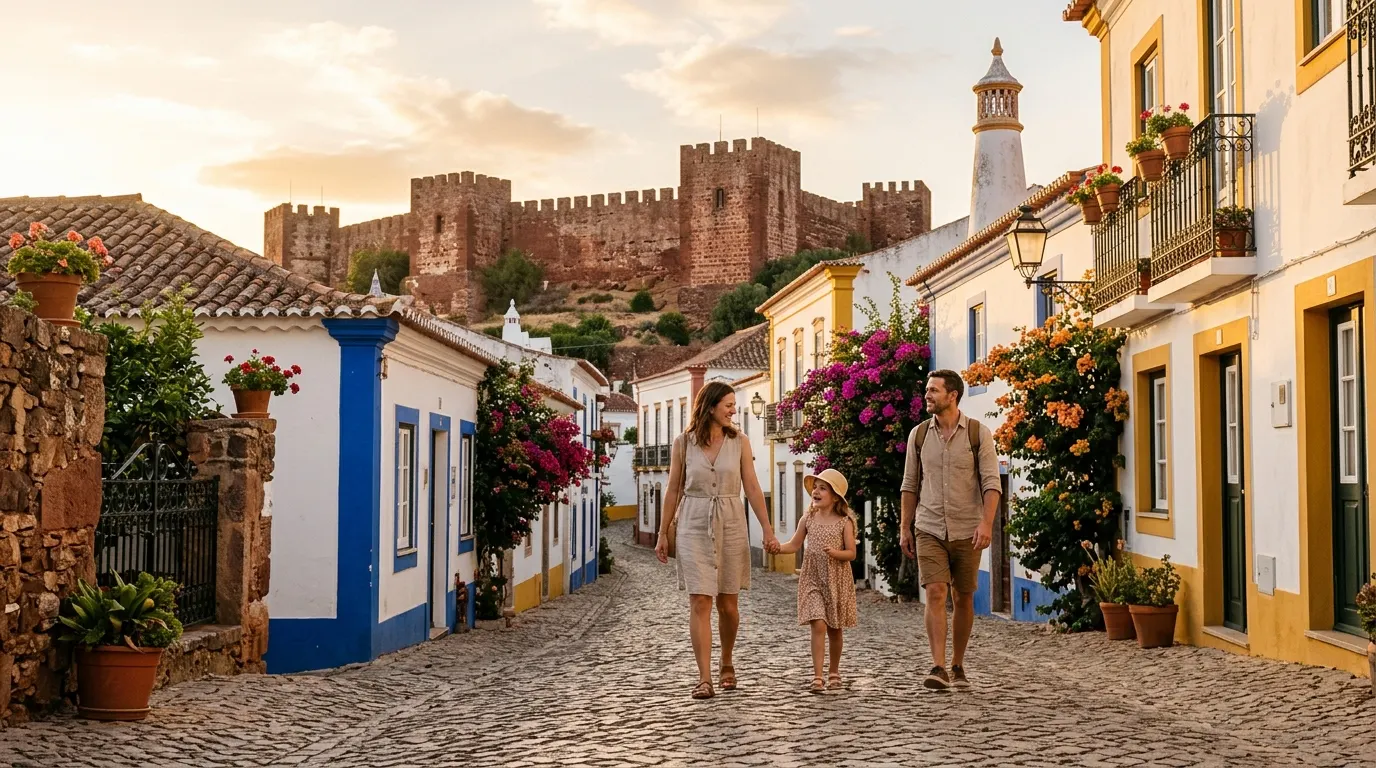
Traditional history museums can be dry, but these institutions use architecture, scale, and storytelling to keep kids engaged.
5. Acropolis Museum (Athens)
Visiting ancient ruins can be exhausting in the Mediterranean sun, making the air-conditioned Acropolis Museum in Athens a sanctuary. Kids are immediately captivated by the glass floors near the entrance, which reveal active archaeological excavations beneath their feet. Grab a family backpack from the information desk, which contains scavenger hunts and games related to the artifacts.
- Practical Details: Hours vary by season (usually 9:00 AM - 5:00 PM in winter, later in summer). Tickets are €15 (approx. $16 USD). Strollers are permitted, and there are spacious elevators.
- Food & Time: The second-floor restaurant offers excellent kid-friendly pasta and sweeping views of the Parthenon. Allow 2-3 hours.
6. Deutsches Technikmuseum (Berlin)
Berlin is packed with heavy history, but the German Museum of Technology is pure joy for children. You cannot miss it—there is a real "Raisin Bomber" airplane mounted on the roof. Inside, families will find massive halls filled with historic locomotives, vintage ships, and early computers. The adjacent Science Center Spectrum offers hands-on physics experiments.
- Practical Details: Open Tuesday-Friday 9:00 AM - 5:30 PM, weekends 10:00 AM - 6:00 PM. Tickets are €8 (approx. $9 USD); kids under 18 are free after 3:00 PM. Stroller accessible.
- Food & Time: The TorEins cafe offers hearty German staples. You can easily spend 4 hours here.
🎟️ Find family-friendly tours & activities →
7. Choco-Story (Brussels / Bruges)
When exploring the Brussels-Bruges region, you must lean into the local specialties. Choco-Story takes kids through the history of cocoa, from the Mayans to modern Belgian chocolatiers. The museum is highly visual, but the real draw is the live praline-making demonstration at the end, which includes generous tastings.
- Practical Details: Open daily 10:00 AM - 5:00 PM. Tickets are €13 (approx. $14 USD). Note: The historic building in Bruges has stairs that make strollers difficult; bring a carrier.
- Food & Time: You will eat plenty of chocolate, but real food is right outside. Plan for 1.5 hours.
8. Seville Cathedral (Day Trip from the Algarve)
While technically a monument, the Seville Cathedral (Catedral de Santa María de la Sede) functions as a massive, awe-inspiring living museum. Easily accessible via a Day Trip to Seville (Spain) from the Algarve, this Gothic giant houses Christopher Columbus’s tomb, which is held aloft by four massive statues—a visual that fascinates kids. The adjacent Giralda bell tower has no stairs; instead, it features 35 ramps originally designed so guards could ride horses to the top, making it a surprisingly fun climb for energetic children.
- Practical Details: Open Monday-Saturday 10:45 AM - 5:00 PM, Sundays 2:30 PM - 6:00 PM. Tickets are €12 (approx. $13 USD). Strollers are allowed, though navigating crowds can be tough.
- Food & Time: Tapas bars surround the cathedral. Spend about 2 hours inside.
Natural Wonders and Open-Air Museums
9. Hungarian Natural History Museum (Budapest)
Budapest offers this fantastic, often-overlooked gem. The museum welcomes kids immediately with a massive fin whale skeleton suspended from the ceiling. The dinosaur exhibits, featuring fossils found in the local Bakony mountains, and the interactive "Time Tunnel" are perfectly scaled for young attention spans.
- Practical Details: Open Wednesday-Monday 9:00 AM - 5:00 PM. Tickets are around 2500 HUF (approx. $7 USD). Stroller friendly.
- Food & Time: Small cafe on site. Plan for 2-3 hours.
10. VilVite Science Center (Bergen)
While exploring the fjords near Bergen, take a rainy-day refuge at VilVite. This center leans heavily into Norway's maritime and energy heritage. Kids can try navigating a ship through a simulated fjord, experiment with water currents, or ride a 360-degree bicycle loop.
- Practical Details: Open Tuesday-Friday 9:00 AM - 3:00 PM, weekends 10:00 AM - 5:00 PM. Family tickets are around 650 NOK (approx. $60 USD). Very stroller friendly.
- Food & Time: Great on-site cafe with healthy options. Spend 3 hours.
11. Crystal Museum (Musée des Cristaux) (Chamonix)
If you are in Chamonix-Mont-Blanc, this small but dazzling museum is a perfect short activity. Newly renovated, it showcases spectacular alpine crystals, quartz, and fluorite extracted by local "crystal hunters" from the Mont Blanc massif. The sheer sparkle and size of the gems keep younger kids mesmerized.
- Practical Details: Open daily 2:00 PM - 6:00 PM (varies by season). Tickets are €7 (approx. $8 USD). Stroller accessible.
- Food & Time: Right in the town center, surrounded by creperies. Spend 1 hour.
12. Technical Naval Museum (La Spezia)
Often visited as a gateway to Cinque Terre, La Spezia hosts this quirky, fascinating naval museum. Kids love the massive collection of vintage wooden figureheads, antique diving suits that look like early space suits, and models of historical ships. It is quiet, inexpensive, and a great way to break up hiking days.
- Practical Details: Open daily 8:30 AM - 7:30 PM. Tickets are €3 (approx. $3.50 USD). Stroller accessible.
- Food & Time: Grab focaccia nearby. Spend 1.5 hours.
Balancing Museums with "Natural" Exploration in the Best Family Cities in Europe
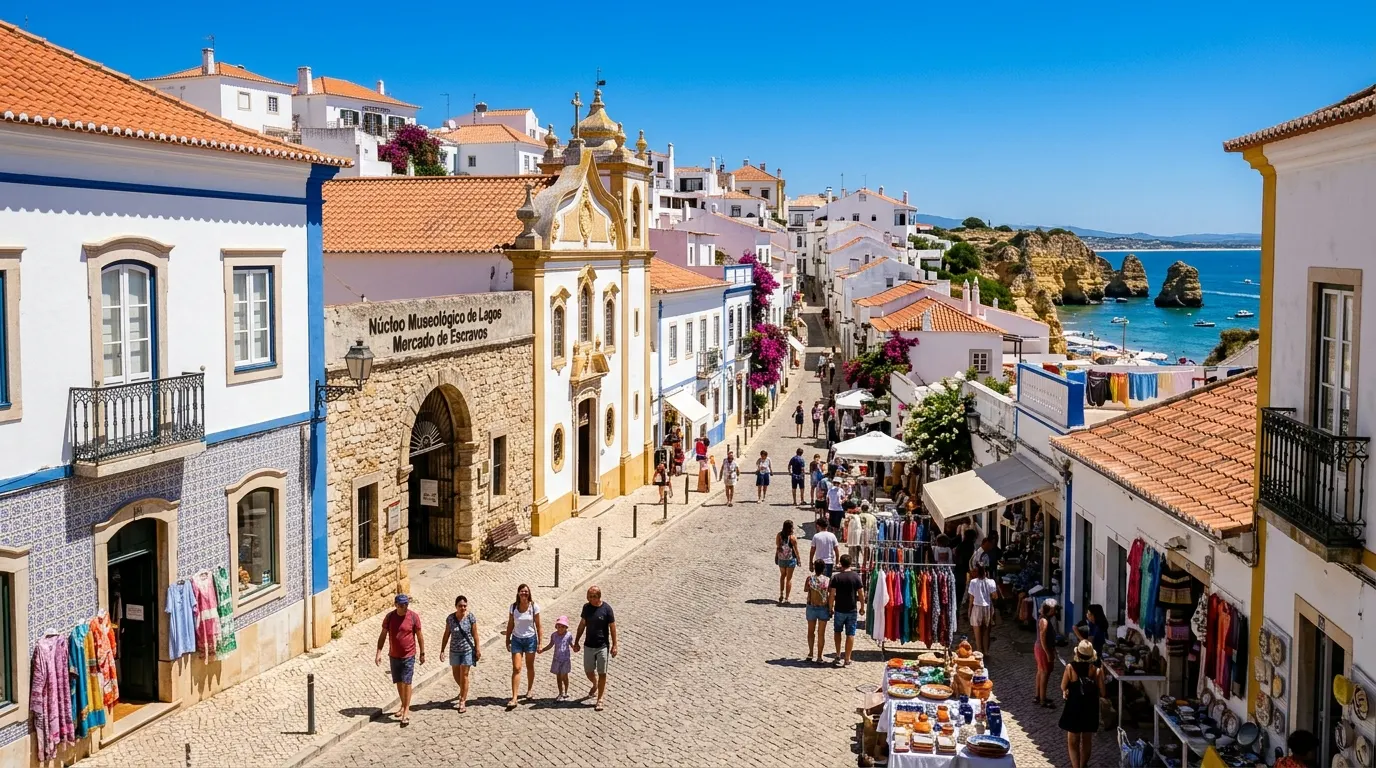
To avoid museum fatigue, the most successful family trips pair traditional exhibits with outdoor exploration. The Algarve in Portugal is a premier example of a region that functions as a natural, open-air museum, offering geographical and historical wonders that require no admission ticket.
Instead of staring at geology in a glass case, families can kayak through the Benagil Sea Cave, a breathtaking natural cathedral with a massive skylight, or explore the golden limestone arches of Ponta da Piedade. Kids can engage with coastal geography firsthand by building sandcastles beneath the dramatic ochre cliffs of Praia da Falésia or exploring the unique river-meets-ocean dynamic at Praia de Odeceixe. The hand-excavated rock tunnels at Praia dos Estudantes feel like a real-life pirate adventure.
For cultural immersion, wandering the pedestrian-friendly, whitewashed maze of Lagos Old Town (Centro Histórico de Lagos) or the postcard-perfect clifftop village of Cacela Velha provides living history lessons. If you want a slower pace, take a scenic ferry to the car-free Ilha da Culatra or relax at Praia do Ancão in the Ria Formosa Natural Park.
For structured marine education, Zoomarine Algarve is a massive hybrid park offering conservation-focused exhibits, while their Dolphin Emotions at Zoomarine program provides highly structured animal interactions. Finish your day at Restaurante A Vela (Ferragudo), a family-run waterfront gem where the owner, Antonia, treats visiting kids like her own.
Age-Specific Tips for European Museum Hopping
- Toddlers (Ages 2-3): Toddlers need to move. Prioritize science centers with water tables or museums with large, open-air courtyards. Avoid quiet, echoey art galleries. Always confirm elevator access, as European historical buildings often hide elevators in back corridors.
- Preschoolers (Ages 3-5): Visual scale matters most at this age. Seek out massive dinosaur skeletons, giant airplanes, or walk-through exhibits. Keep visits strictly under two hours.
- School-Age (Ages 6-10): This is the golden age for museum scavenger hunts. Many European museums offer free family activity backpacks or printed trails at the ticket desk—always ask. This turns a passive walk into an active mission.
- Tweens and Teens (Ages 11-14): Give them autonomy. Let them navigate using the museum map, or give them a photography challenge using their phones. They are also ready for more complex, darker history, making places like Berlin's technology and history exhibits highly impactful.
What to Skip: Museums and Attractions Not Worth the Meltdown
Not every highly rated spot is good for children. Knowing what to cross off your list is just as important as knowing where to go. If you are using the Algarve as your family base, skip these traps:
- Museu do Traje de São Brás de Alportel (Costume Museum): This is a quiet, traditional museum focused on regional ethnography and historical clothing. It offers zero engagement for families and will bore children to tears within minutes.
- Jardim do Torel (Faro Waterfront Garden): Billed as a green space, this is a tiny, unremarkable patch near the Faro marina with no facilities or playgrounds. Do not go out of your way for it.
- Aqualand Banzai Slide: This specific slide is notorious for its jarring impact at the bottom, which frequently causes back and neck pain. Skip it to avoid ruining your vacation.
- Praia do Barranco do Martinho: While beautiful in photos, access requires a steep, narrow, and potentially dangerous cliffside scramble entirely unsuitable for kids.
- Albufeira Marina Parasailing (various operators): The hassle-to-fun ratio is poor for families. You pay a premium (often €40-60 per person) for a very brief flight, preceded by a long, potentially seasick wait on a crowded boat.
- Adult-Centric Party Zones: Avoid NoSoloÁgua Portimão (Pool Club), The Big One (Albufeira Strip Nightclub), and Cais do Sodré-style party cruises (Albufeira 'Sunset Party Boat' operators). These feature loud music, heavy drinking, and an atmosphere entirely inappropriate for children.
Pro Tips from Parents for European Museums
- Book Skip-the-Line Tickets: Waiting in a 45-minute queue in the European summer heat will drain your kids' energy before you even get inside. Always book timed-entry tickets in advance.
- Check the Bag Policy: Many major European museums strictly prohibit standard-sized backpacks in the galleries to protect the art. You will have to use the cloakroom or lockers. Bring a small crossbody bag for your absolute essentials (wipes, wallet, phone).
- Strategic Snacking: Museum cafes are notoriously expensive and often crowded. Feed kids a heavy snack right before entering. Note that European museums are very strict about no food or water in the actual exhibit halls.
- The "One Highlight" Rule: Do not try to see the entire museum. Look at the map beforehand, pick three must-see items, and treat everything else as a bonus.
Introducing your kids to the rich culture and history of Europe does not have to be a stressful endeavor. By targeting institutions that prioritize interactive learning, and pairing them with stunning outdoor explorations, you can create a balanced itinerary that keeps everyone happy. Whether you are launching rockets in Brno, marveling at crystals in Chamonix, or exploring sea caves in Portugal, the best family cities in europe are those that allow your children to learn by doing, touching, and experiencing the world firsthand.