Traveling with children fundamentally shifts how you evaluate a destination. A city’s true value is no longer measured solely by its culinary scene or historic architecture, but by how effectively it captures the imagination of a restless seven-year-old or an energetic toddler. When you are mapping out vacations to the best family cities in north america, finding the right educational and interactive spaces can anchor your entire itinerary. A truly exceptional museum does heavy lifting for parents: it provides a climate-controlled sanctuary during extreme weather, disguises learning as pure entertainment, and offers a safe environment where kids are encouraged to touch, build, and explore rather than keep their hands to themselves.
Navigating massive cultural institutions with a stroller and a diaper bag requires strategy. You need to know where to find the nursing rooms, which exhibits will hold a preschooler’s attention, and whether the on-site cafe serves food your kids will actually eat. This guide breaks down the most engaging, parent-approved learning spaces across the continent, blending traditional children's museums with interactive science centers and even massive "living" open-air natural history experiences.
Why Museum-Hopping Defines the Best Family Cities in North America
The cities that truly cater to families understand that kids need dynamic, sensory-rich environments. The best family cities in north america do not just tolerate children in their cultural institutions; they design entire wings, interactive laboratories, and outdoor play spaces specifically for them. Museum days offer a reliable structure to a travel itinerary. When you are in an unfamiliar city, knowing you have three hours of guaranteed, engaging activity where your kids can safely burn off energy is invaluable.
Furthermore, these institutions reflect the unique culture and environment of their home cities. A science center in Alberta will highlight the engineering of the oil industry and Rocky Mountain geology, while a museum in Hawaii immerses children in Polynesian wayfinding and astronomy. By prioritizing these spaces, you give your children a tactile, memorable connection to the destinations you visit, far beyond what they could absorb from a sightseeing bus.
Top 10 Kid-Friendly Museums in North America
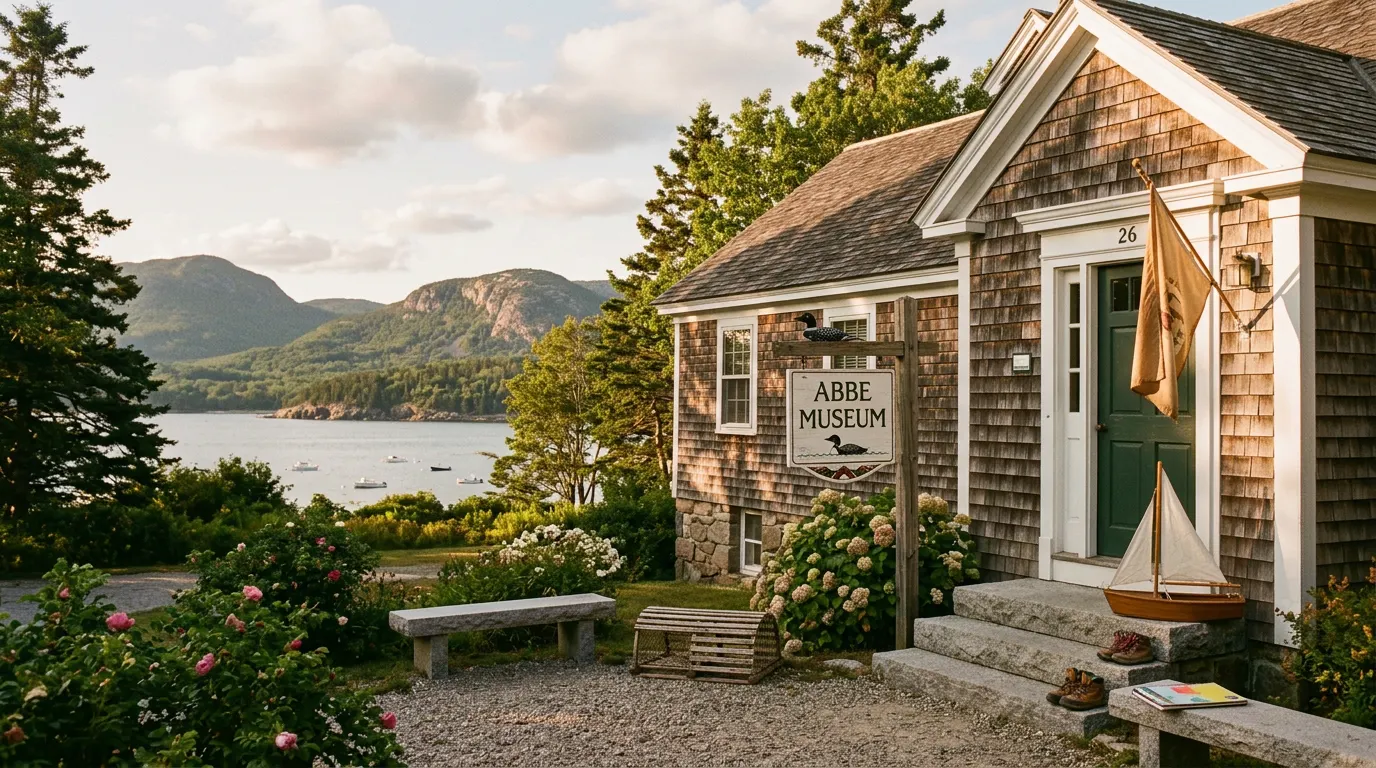
1. Boston Children’s Museum (Boston, Massachusetts)
Located right on the Fort Point Channel, this is one of the oldest and most respected children's museums in the world, yet it feels entirely modern. The centerpiece is a massive, multi-story climbing sculpture made of curved plywood and wire mesh that kids can navigate like a vertical maze. The water play area is legendary—and yes, they provide waterproof smocks, though packing a spare shirt is always a wise parent move. The Japanese House, an authentic two-story silk merchant's home shipped from Kyoto, offers a quiet, fascinating cultural immersion amidst the high-energy exhibits. Find more local recommendations in our City Guide: /city/boston.
- Hours: Wednesday–Sunday, 9:00 AM – 4:00 PM.
- Cost: $22 USD per person (under 12 months free).
- Stroller Accessibility: Excellent, with wide ramps and large elevators.
- Nearest Food: The on-site food hall offers decent options, or walk five minutes to the nearby bakeries in the Seaport District.
- Best Time to Visit: Arrive right at opening on a weekday to beat the field trip crowds.
- Duration: 3 to 4 hours.
🎟️ Book family tickets & skip-the-line tours →
2. Fernbank Museum of Natural History (Atlanta, Georgia)
Fernbank perfectly balances indoor awe with outdoor exploration. The Great Hall houses the largest dinosaurs ever discovered, including a massive Argentinosaurus that will leave your kids staring upward in disbelief. But the real magic for families is WildWoods, an elevated, accessible pathway through the canopy of an old-growth forest directly behind the museum. It features nature-inspired play structures, sensory walls, and creek exhibits. For more ways to explore the city, check out our City Guide: /city/atlanta.
- Hours: Daily, 10:00 AM – 5:00 PM.
- Cost: $25.95 USD adults, $23.95 USD kids (3-12).
- Stroller Accessibility: Fully accessible indoors and out on the elevated boardwalks.
- Nearest Food: The Fernbank Café serves standard kid-friendly fare (chicken tenders, pizza).
- Best Time to Visit: Late morning, transitioning to the outdoor WildWoods area after lunch.
- Duration: 3 hours.
3. The Open-Air "Living Museums" of Acadia (Bar Harbor, Maine)
Sometimes the best museum has no walls. Acadia National Park functions as a massive, interactive natural history and geology museum. Start your "marine biology exhibit" aboard Diver Ed's Dive-In Theater Boat Cruise, a high-energy excursion where a diver explores the seafloor with a live camera, bringing starfish and sea cucumbers right onto the deck for kids to touch. For a DIY tide pool ecology lesson, walk the flat gravel path of the Wonderland Trail (Acadia National Park).
Shift to geology by driving the 27-mile Acadia Park Loop Road to see dramatic pink granite formations at Otter Cliff and Acadia National Park - Otter Point. Show your kids Bubble Rock, a massive glacial erratic boulder perched precariously on a ledge—a tangible lesson in glacial movement.
For physical education, AMGA-certified guides at Atlantic Climbing School teach kids to safely scale granite cliffs. If you prefer keeping feet on the ground, tackle the Gorham Mountain Trail for an excellent effort-to-view ratio, or the Beech Mountain Trailhead for a quieter hike leading to a historic fire tower. Families with bikes can explore the car-free Eagle Lake Carriage Road Loop or the gentle Witch Hole Pond Loop.
For a unique aerial topography lesson, Acadia Air Tours provides stunning bird's-eye views. Discover incredible folk art at Nervous Nellie's Jams and Jellies, where a jam shop doubles as a massive interactive sculpture garden. Finally, rest your legs at Reel Pizza Cinerama, trading traditional theater rows for mismatched couches, or gather on the massive lawn at Jordan Pond House for famous popovers. Discover more in our City Guide: /city/acadia-bar-harbor-maine.
- Hours: The park is open 24/7; visitor centers typically 8:30 AM – 4:30 PM.
- Cost: $35 USD per vehicle for a 7-day pass.
- Stroller Accessibility: Limited on trails, but the carriage roads are wide and packed gravel—perfect for jogging strollers.
- Nearest Food: Pack a lunch, or grab popovers at Jordan Pond House.
- Best Time to Visit: Early morning or late afternoon to avoid the midday crush.
- Duration: Full day to multi-day.
🎟️ Find family-friendly tours & activities →
4. Thinkery (Austin, Texas)
Thinkery completely rethinks the traditional children's museum model by heavily infusing STEAM (Science, Technology, Engineering, Arts, and Math) concepts into every corner. The Innovators' Workshop allows older kids to use real tools, while the Spark Shop teaches aerodynamics through complex, user-built wind tunnels. The outdoor playground features a massive climbing structure with rope nets that kids absolutely love. See more in our City Guide: /city/austin.
- Hours: Tuesday–Sunday, 10:00 AM – 5:00 PM (open Mondays during summer).
- Cost: $18 USD per person (under 24 months free).
- Stroller Accessibility: Very stroller-friendly, with ample parking spaces for them inside.
- Nearest Food: Located in the Mueller neighborhood, you are steps away from excellent local food trucks and family-friendly cafes.
- Best Time to Visit: Sunday mornings tend to be quieter.
- Duration: 2 to 3 hours.
5. TELUS Spark Science Centre (Calgary, Alberta)
This is a high-energy, incredibly loud, and deeply engaging science center. The Creative Kids Museum section is specifically built for children under eight, featuring a massive indoor climbing structure and a water play area that explores fluid dynamics. Older kids will gravitate toward the Open Studio, where they can dismantle old electronics or use real sewing machines. The digital immersion gallery is a sensory delight. Plan the rest of your trip with our City Guide: /city/calgary.
- Hours: Daily, 9:00 AM – 4:00 PM.
- Cost: $26 CAD (~$19 USD) adults, $19 CAD (~$14 USD) kids.
- Stroller Accessibility: Wide aisles and massive elevators make this very easy to navigate.
- Nearest Food: The Astronaut Ice Cream cafe on-site is a huge hit.
- Best Time to Visit: Weekday afternoons after school groups depart.
- Duration: 3 to 4 hours.
6. The Mammoth Site (Black Hills, South Dakota)
Unlike a traditional natural history museum where bones are displayed behind glass, The Mammoth Site is an active paleontological dig enclosed within a massive climate-controlled building. Kids can walk the perimeter of the sinkhole and watch real scientists uncovering the remains of over 60 mammoths. The sheer scale of the bones still embedded in the earth is visually striking and makes the science of paleontology incredibly real for children. Learn more in our City Guide: /city/black-hills-badlands.
- Hours: Daily, 9:00 AM – 5:00 PM (shorter hours in winter).
- Cost: $14 USD adults, $11 USD kids (4-12).
- Stroller Accessibility: The main pathway around the dig site is paved and fully accessible.
- Nearest Food: Limited on-site snacks; plan to eat in nearby Hot Springs.
- Best Time to Visit: Anytime, as the indoor environment is always comfortable.
- Duration: 1.5 to 2 hours.
7. Anchorage Museum (Anchorage, Alaska)
The Anchorage Museum offers a brilliant blend of art, history, and science, but families will spend most of their time in the Discovery Center. This interactive space focuses on the unique environment of Alaska. Kids can simulate earthquakes, learn about the physics of bubbles, and interact with exhibits about the Northern Lights. The Alaska Native heritage sections are beautifully curated and highly engaging for older kids. Explore more in our City Guide: /city/anchorage-alaska.
- Hours: Tuesday–Saturday, 10:00 AM – 6:00 PM; Sunday 12:00 PM – 6:00 PM.
- Cost: $25 USD adults, $12 USD kids (6-12).
- Stroller Accessibility: Excellent, with spacious, quiet galleries.
- Nearest Food: The museum cafe offers high-quality local fare, including excellent smoked salmon.
- Best Time to Visit: Mid-afternoon when you need a break from the Alaskan elements.
- Duration: 2 to 3 hours.
8. Cave and Basin National Historic Site (Banff, Alberta)
This site is the birthplace of Canada's national park system and functions as a fascinating environmental museum. Kids can walk through a dimly lit, dripping rock tunnel to see the original thermal springs. The interactive exhibits in the main building explain the fragile ecosystem of the springs and the endangered Banff Springs Snail. The outdoor boardwalks over the marshlands are perfect for spotting local wildlife. Find more mountain adventures in our City Guide: /city/banff-canadian-rockies.
- Hours: Daily, 9:30 AM – 5:00 PM.
- Cost: $9 CAD (~$6.50 USD) adults, youth 17 and under are free.
- Stroller Accessibility: The main building is accessible, but the cave tunnel is narrow and wet; baby carriers are recommended there.
- Nearest Food: Head back down into the town of Banff for endless dining options.
- Best Time to Visit: Early morning to catch the steam rising off the outdoor pools in the cool air.
- Duration: 1 to 2 hours.
9. Museo Maya de Cancún (Cancún, Mexico)
Escape the resort crowds and introduce your kids to the deep history of the Yucatan Peninsula. This sleek, modern, air-conditioned museum displays fascinating artifacts from Chichén Itzá and Comalcalco. The highlight for families is stepping out the back doors to explore the San Miguelito archaeological site—real Mayan ruins nestled in a lush jungle right in the Hotel Zone. It is a manageable, bite-sized history lesson perfect for short attention spans. Read our full City Guide: /city/cancn-riviera-maya.
- Hours: Tuesday–Sunday, 9:00 AM – 6:00 PM.
- Cost: 90 MXN (~$5.50 USD).
- Stroller Accessibility: The indoor museum is accessible; the outdoor jungle paths around the ruins are bumpy but manageable with a sturdy stroller.
- Nearest Food: Numerous high-end and casual options line the adjacent Boulevard Kukulcan.
- Best Time to Visit: Morning, before the heat of the day makes the outdoor ruins uncomfortable.
- Duration: 1.5 to 2 hours.
10. 'Imiloa Astronomy Center (Big Island, Hawaii)
Housed under three striking titanium cones representing the island's volcanoes, 'Imiloa beautifully weaves together modern astronomy and traditional Hawaiian culture. Kids learn how early Polynesians navigated the vast Pacific Ocean using only the stars, and then transition to learning about the massive telescopes currently sitting atop Mauna Kea. The planetarium shows are visually stunning and provide a great chance to sit down in a dark, cool room. Plan your island itinerary with our City Guide: /city/big-island-hawaii.
- Hours: Wednesday–Sunday, 9:00 AM – 4:30 PM.
- Cost: $19 USD adults, $12 USD kids (5-12).
- Stroller Accessibility: Fully accessible, wide pathways.
- Nearest Food: The on-site Sky Garden Restaurant serves excellent local Hawaiian dishes.
- Best Time to Visit: When you need a break from the midday tropical sun.
- Duration: 2 hours.
Age-By-Age Guide to Conquering North American Museums
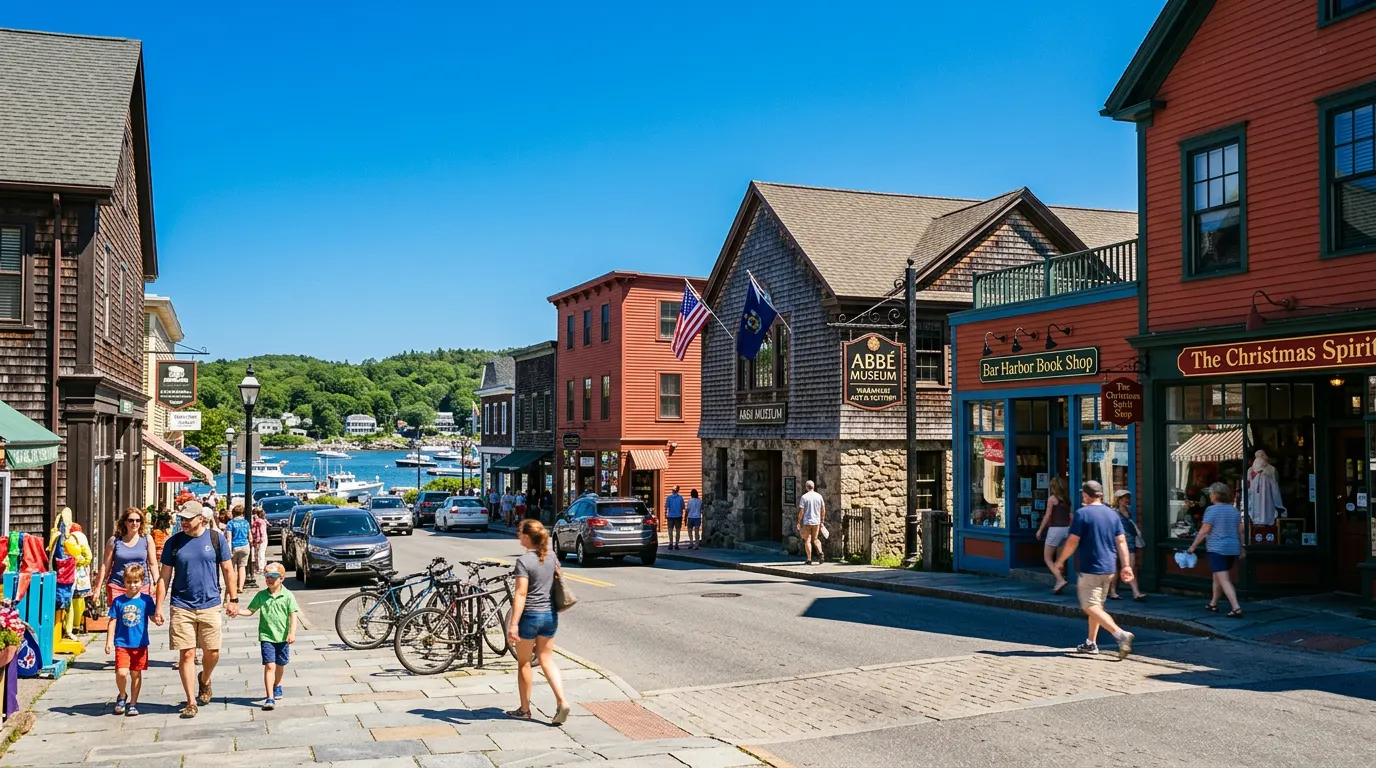
Toddlers (Ages 2-3): Toddlers have zero interest in reading informative plaques. They need enclosed spaces where they can roam safely without you hovering. Seek out museums with dedicated "under 5" rooms featuring water tables, soft foam blocks, and sensory walls. Keep your visits strictly under two hours, and leave the moment the whining starts.
Preschoolers (Ages 3-5): This is the golden age of imaginative play. Preschoolers thrive in mock grocery stores, mini veterinary clinics, and construction zones. They want to touch everything and mimic adult behavior. Museums with strong role-play exhibits will keep them occupied for hours.
School-Age (Ages 6-10): Kids this age are ready for actual information, provided it is delivered interactively. They have the stamina for 3 to 4 hours of exploration. Stop at the front desk and ask for a scavenger hunt map—having a "mission" completely transforms their engagement with natural history and art exhibits.
Tweens & Teens (Ages 11-14): Tweens need autonomy. The worst thing you can do is force them to walk at your pace through an exhibit they find boring. Give them a map, set a meeting point and a time, and let them explore the high-tech exhibits, VR stations, and engineering challenges on their own terms.
What to Skip: Overhyped Museum and Attraction Pitfalls
Not every attraction with an educational veneer is actually a good fit for kids. When visiting Bar Harbor and Acadia, for example, there are several "must-do" items that parents should strongly reconsider.
First, skip The Jackson Laboratory (Visitor Center). While it sounds like it could be a fascinating genetics science museum, the visitor center is highly academic, dry, and lacks the interactive infrastructure needed to keep children engaged.
Similarly, reconsider the famous Acadia National Park - Cadillac Mountain Sunrise Reservation. Forcing kids out of bed at 3:00 AM to fight for a parking spot and stand in the freezing wind for a sunrise almost guarantees epic meltdowns by 9:00 AM. Visit the summit during the day instead. You should also avoid the Beech Cliff Ladder Trail; scaling vertical iron ladders bolted into granite cliffs is simply too dangerous and stressful with young kids. Biking the Park Loop Road Bicycle Ride requires sharing narrow roads with distracted, slow-moving RVs—stick to the car-free carriage roads instead.
Finally, beware of intimate adult spaces masquerading as family-friendly. In Bar Harbor, skip The Burning Tree, The Barnacle (Bar Harbor), and Mache Bistro. These sophisticated spots prioritize an adult atmosphere, dropping forks echo in the quiet rooms, and they lack high chairs or kids' menus. Furthermore, skip Bar Harbor Cellars Winery; while located on a farm, the core experience is a sophisticated wine tasting, leaving kids incredibly bored.
Pro Tips from Parents for Museum Days in the Best Family Cities in North America
- Master the Morning Logistics: Just like in Acadia where parking at Sand Beach fills by 9:00 AM (prompting smart parents to take the free Island Explorer Bus), city museums have their own traffic rhythms. Research public transit or pre-book parking garages to avoid circling the block with impatient kids in the back seat.
- Dodge the Dining Crowds: The wait for a table at popular on-site cafes (or spots like Acadia's famous Jordan Pond House lawn) can easily exceed 90 minutes during peak hours. Grab deli sandwiches beforehand and find a quiet picnic area, or eat your main meal at 11:00 AM before the rush hits.
- Seek Out the "Quiet Side": Every major museum has a "Quiet Side"—an exhibit that is slightly less flashy but beautifully empty. When the main science halls get too loud and overstimulating, retreat to the cultural history or art wings to let your kids decompress.
- Engage the Staff: Don't just wander aimlessly. Ask the staff for insider activities. In national parks, don't just drop off completed activity books; ask the rangers when the next formal Junior Ranger "swear-in" ceremony is happening. In museums, ask docents when the next live science demonstration begins.
- Manage the Elements and Environment: Whether you are avoiding seasickness on long open-ocean boat tours, checking for ticks in tall grasses, or navigating massive crowds at a summit entrance between 10:00 AM and 2:00 PM, always prioritize your child's physical comfort over ticking a box on a sightseeing list.
Wrapping Up Your Family Adventure
Incorporating world-class museums and interactive natural environments into your travel plans changes the entire dynamic of a family vacation. It shifts the focus from simply surviving a trip to genuinely engaging with a destination alongside your children. Whether you are building aerodynamic tubes in Texas, walking through a living old-growth forest in Georgia, or exploring the dramatic granite coastlines of Maine, these spaces foster curiosity and burn off energy in equal measure. As you plan your next getaway to the best family cities in north america, build your itinerary around these incredible spaces—you will return home with kids who are exhausted in the best possible way.