Traveling internationally with children often requires a fundamental shift in how we build our itineraries. The days of quietly browsing hushed art galleries for hours are usually paused for a few years, replaced by a desperate search for spaces where kids can touch, climb, and interact without a security guard following your every move. Fortunately, the best family cities in latin america have mastered the art of experiential learning. Across this vibrant region, cultural institutions are designed with high-energy, curious children in mind, offering dynamic environments that captivate toddlers and teenagers alike.
Whether you are exploring the towering Andes, navigating bustling capital cities, or soaking up the rich heritage of the Caribbean coast, you will find spaces dedicated to hands-on discovery. From massive interactive science centers in Colombia to open-air marine biology initiatives in Barbados, this guide covers the top spots that will actually hold your children’s attention while giving you a meaningful glimpse into local culture.
Why the Best Family Cities in Latin America Prioritize Interactive Learning
When you visit destinations like Bogotá or Buenos Aires, you quickly realize that children are not just tolerated in public spaces; they are actively welcomed and integrated into the cultural fabric. This cultural warmth extends directly into how museums are curated. Instead of "do not touch" signs, you will find levers to pull, buttons to push, and digital interfaces designed specifically for small hands.
The museums in these regions serve as vital community hubs. They are places where local families spend their weekends, meaning your children will have the chance to play alongside local kids, transcending language barriers through shared curiosity. Furthermore, because many of these cities experience intense afternoon heat or sudden tropical downpours, having a reliable, air-conditioned, and highly engaging indoor activity is a logistical lifesaver for parents.
Top 10 Kid-Friendly Museums in Latin America
1. Parque Explora, Medellín
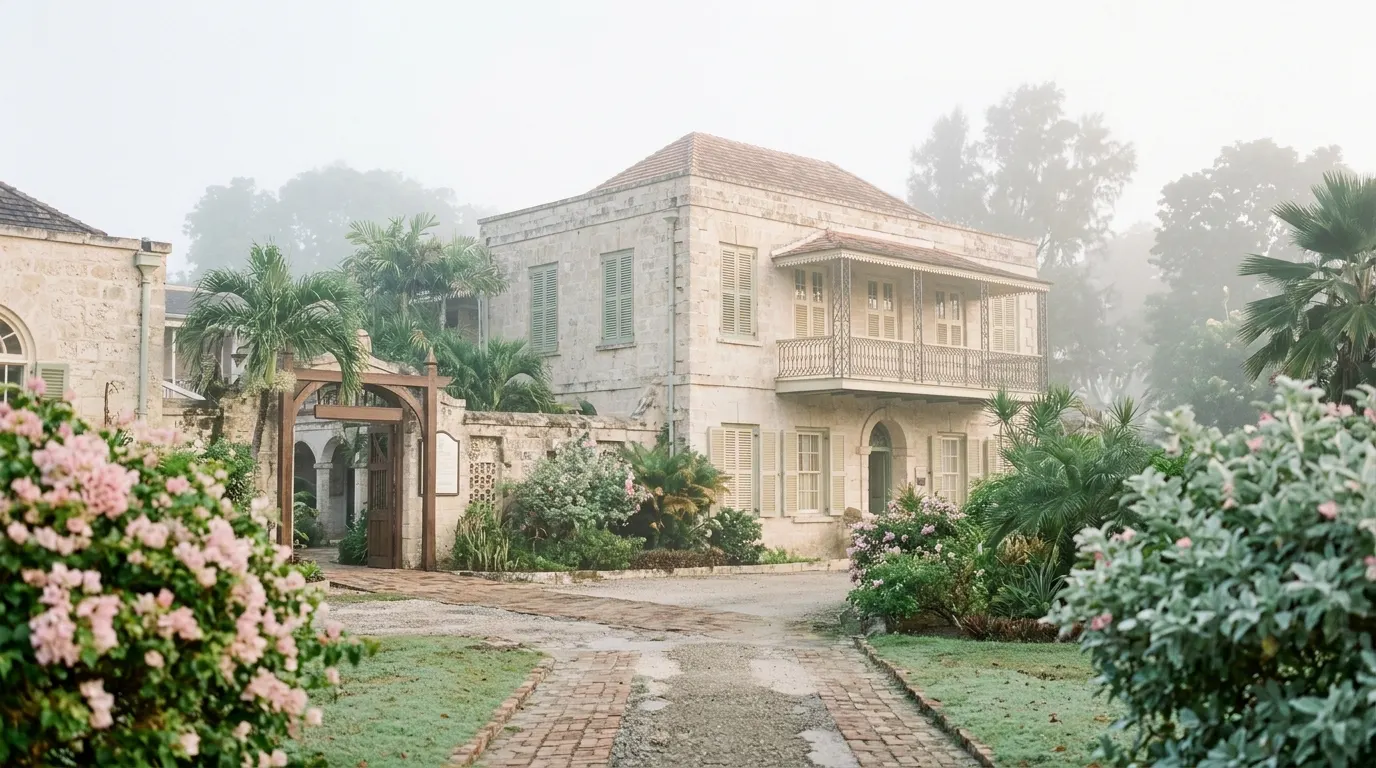
Parque Explora is less of a traditional museum and more of a massive, interactive playground dedicated to science and technology. Strikingly recognizable by its four giant red architectural blocks, this complex houses over 300 interactive experiences. The crown jewel for families is the massive freshwater aquarium—the largest in South America—which showcases the incredible biodiversity of the Amazon and Orinoco rivers.
- Practical Details: Open Tuesday to Sunday, 10:00 AM to 5:00 PM. Admission is roughly 35,000 COP (about $9 USD). The entire facility is highly stroller-accessible with wide ramps and large elevators.
- Time Needed: Plan for at least 4 hours. The on-site food court offers standard kid-friendly fare like pizza and empanadas.
🎟️ Book family tickets & skip-the-line tours →
Located inside the Abasto Shopping Mall, this children’s museum is a meticulously scaled-down replica of a city. Kids can role-play in a supermarket, broadcast a radio show, work in a mock television studio, or pretend to be sailors at the port. It is specifically designed for children under 12, offering a safe, enclosed environment where they can burn off energy while parents take a breather.
- Practical Details: Open Tuesday to Sunday, 1:00 PM to 8:00 PM. Tickets are around 4,000 ARS (fluctuates, roughly $4-5 USD).
- Time Needed: 2 to 3 hours. Since it is inside a major mall, you have endless dining options and immaculate, stroller-friendly restroom facilities just steps away.
3. Maloka Interactive Center, Bogotá
Maloka is an underground science center that feels like stepping into a futuristic subterranean world. It covers everything from physics and robotics to the biodiversity of Colombia. The interactive exhibits on earthquakes and the giant domed theater are massive hits with school-aged children.
- Practical Details: Open Tuesday to Sunday. Tickets cost about 30,000 COP ($7-8 USD). It is fully wheelchair and stroller accessible.
- Time Needed: 3 to 4 hours. The museum is located in the Salitre neighborhood, which is safe and easy to navigate, with plenty of nearby cafes for a post-visit snack.
While not a building with four walls, the Barbados Sea Turtle Project functions as an open-air natural history museum. This initiative offers a rare opportunity for families to join marine biologists on nighttime beach patrols to witness endangered hawksbill turtles nesting or hatchlings making their way to the ocean. It is an unforgettable, hands-on conservation lesson that resonates deeply with older kids and teenagers.
- Practical Details: Patrols happen at night, primarily during the nesting season (May to October). Participation is often free or donation-based, but you must coordinate with the project via their hotline. Strollers are a no-go on the soft sand; use a baby carrier for infants.
🎟️ Find family-friendly tours & activities →
5. ChocoMuseo, Lima
Peru is famous for its cacao, and the ChocoMuseo turns this agricultural staple into an interactive culinary experience. While they have a small museum detailing the history of chocolate in the region, the real draw is the hands-on workshops. Kids can roast cacao beans, grind them into a paste, and mold their own chocolate bars to take home.
- Practical Details: Museum entry is free; the 2-hour "Bean to Bar" workshop costs about 90 PEN ($25 USD) per person.
- Time Needed: 2 hours for the workshop. The facility can be a bit tight for double wide strollers, so umbrella strollers are recommended.
6. Charles Darwin Research Station, Galápagos Islands
For families visiting the Galápagos, this operational research center serves as the ultimate natural history museum. Kids can walk among giant tortoises in various stages of life, from tiny hatchlings in the breeding center to massive century-old adults. The educational exhibits clearly explain the fragile ecosystem of the islands in a way that is accessible to younger visitors.
- Practical Details: Open daily. Entry is typically around $10 USD. The outdoor paths are mostly flat dirt or paved, making rugged strollers manageable.
- Time Needed: 1.5 to 2 hours. Go early in the morning before the equatorial sun becomes too intense.
7. Museo de los Niños, Costa Rica (San José)
Housed in a visually striking former prison that looks like a castle, this children's museum has been entirely transformed into a vibrant space of learning. It features over 40 interactive rooms covering themes from the universe and dinosaurs to Costa Rican ecology and daily life.
- Practical Details: Open Tuesday to Sunday. Tickets are very affordable, usually around 3,000 CRC ($5 USD).
- Time Needed: 3 hours. The architecture requires navigating some ramps and elevators, but it is generally stroller-friendly.
8. Museo del Chocolate Havanna, Bariloche
In the heart of Argentina's lake district, Bariloche is famous for its alpine architecture and chocolate. The Havanna Chocolate Museum offers a brilliant guided tour that walks families through the history of chocolate, ending with a viewing of the factory floor where kids can watch the famous alfajores being made.
- Practical Details: Open daily. Entry is around 3,000 ARS ($3 USD), which often includes a chocolate tasting.
- Time Needed: 1 hour. It’s a perfect short activity for a rainy afternoon before heading out to explore the lakes.
9. Museo Naval del Caribe, Cartagena
Located in the walled city, this museum is a fantastic stop for kids who love ships, pirates, and naval history. The exhibits cover the intense maritime history of the Caribbean, complete with model ships, old cannons, and interactive displays detailing the pirate attacks on Cartagena.
- Practical Details: Open daily. Admission is roughly 15,000 COP ($4 USD). The historical building has some stairs, so a lightweight stroller is best.
- Time Needed: 1.5 hours. It is wonderfully air-conditioned, offering a great escape from Cartagena’s notorious midday humidity.
10. Museo de Ciencias Naturales y Antropológicas, Mendoza
While Mendoza is heavily focused on wine tourism, this natural history museum is a great pivot for kids. It houses an impressive collection of dinosaur fossils found in the region, taxidermy of local Andean wildlife, and artifacts from indigenous cultures.
- Practical Details: Open Tuesday to Sunday. Entry is incredibly cheap, often around 1,000 ARS (less than $1 USD).
- Time Needed: 1 hour. It is a smaller, quieter museum, perfect for a low-stimulation morning.
Barbados Spotlight: When the Island Becomes the Museum
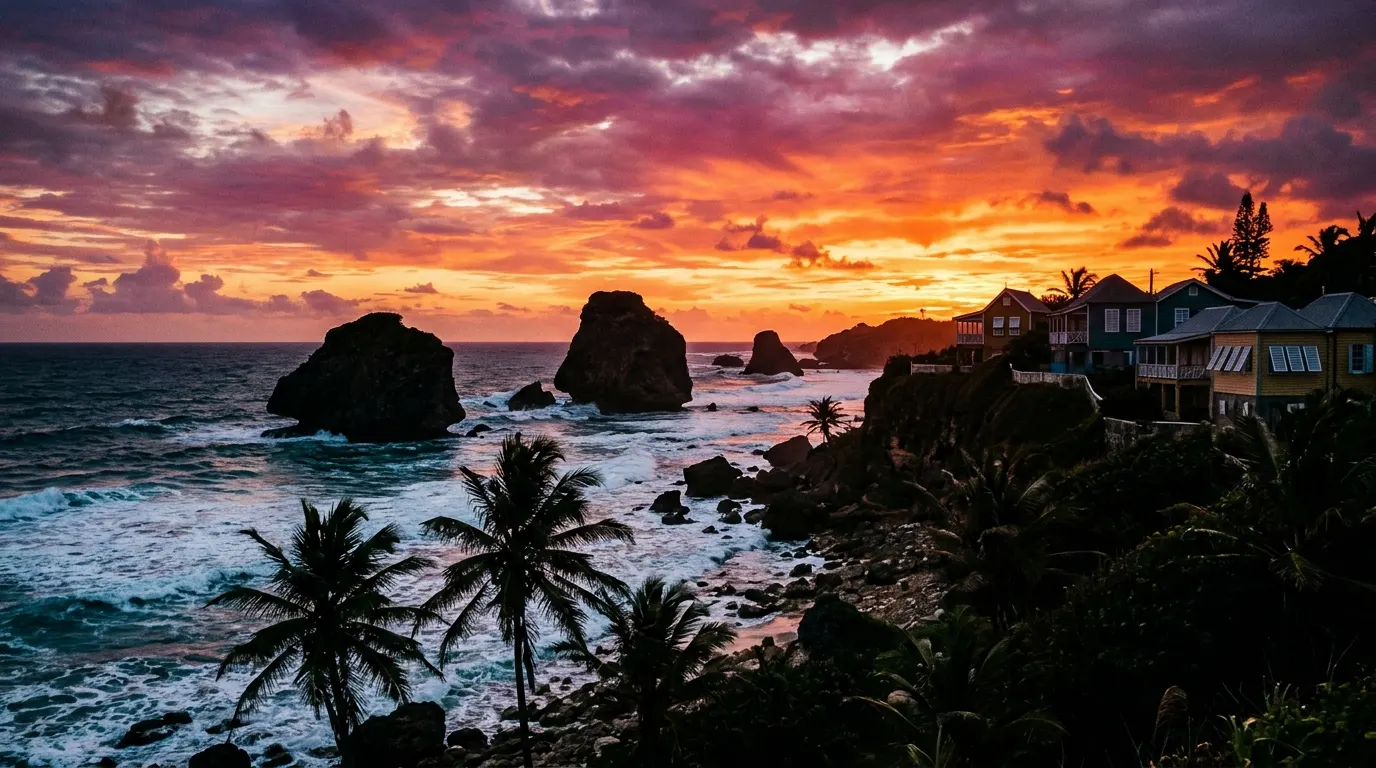
Sometimes, the best cultural education doesn't happen inside a building at all. If you are exploring the Caribbean, Barbados offers a masterclass in experiential learning. The entire island functions as a living museum of culinary, agricultural, and natural history.
For a hands-on culinary history lesson, skip the formal dining rooms and book the Weston (Bajan Cooking Class). This is an intimate, highly interactive experience where families learn the secrets behind Bajan staples like flying fish and cou-cou. If you want to experience the modern evolution of this cuisine, head to the Oistins Fish Fry on a Friday night. It is a high-energy, open-air seafood market where families can eat fresh-caught fish directly off the grill.
To understand the island's agricultural heritage, timing your visit around the Crop Over Festival (July-August) is incredible. This premier cultural celebration marks the historic end of the sugar cane harvest, filling the streets with music, vibrant costumes, and historic storytelling. For a more relaxed weekend tradition, parents can snag the island's best coffee and local crafts at the Brighton Farmers Market on Saturday mornings, or experience the legendary Sunday buffet at the historic 1800s Atlantis Hotel Bathsheba on the rugged east coast.
When it comes to natural history and geology, the beaches are your classroom. Carlisle Bay is a stunning crescent-shaped marine park with crystal-clear waters perfect for spotting marine life. For families with young kids, Batts Rock Beach is a parent's dream on the West Coast, featuring calm, shallow waters and a rare shaded playground right in the sand. If you want to elevate your beach day, grab a table at La Cabane, a chic beachfront restaurant where the dining room is literally the sand of Batts Rock.
Older kids looking to understand the power of the Atlantic can watch professional surfers tackle the world-renowned Soup Bowl (Bathsheba Surf Break). If they want to try it themselves, Barry's Surf School (Drill Hall Beach) offers fantastic, beginner-friendly lessons in waist-deep water. For families wanting a resort experience with built-in natural exploration, the Hilton Barbados Resort (beach access at Needham's Point) sits on a unique peninsula offering two distinct beach experiences. Alternatively, Accra Beach (Rockley Beach) features a unique 'two-speed' setup with a calm, reef-protected pool for toddlers and gentle waves for older kids. If you want to escape the crowds, Brandons Beach is a quieter, local alternative. Finally, for a complete change of pace, Bushy Park Barbados offers professional-grade karting for adrenaline-seeking teens.
Age-Specific Tips for Museum Hopping in the Best Family Cities in Latin America
Navigating these cultural spaces requires a different strategy depending on the ages of your children. Here is how to optimize your visits:
Toddlers (Ages 2-3)
At this age, museum visits are entirely about gross motor skills and visual stimulation. Prioritize dedicated children's museums like the ones in Buenos Aires and Costa Rica, where the entire environment is essentially a padded, safe exploration zone. Keep visits under 90 minutes, and always map out the nearest snack vendor before you enter.
Preschoolers (Ages 3-5)
Preschoolers thrive on tactile learning and simple cause-and-effect exhibits. The ChocoMuseo in Lima is perfect for this age group because they get to smash, mix, and taste. When visiting science centers like Maloka, focus on the water tables and basic physics exhibits (like rolling balls down ramps). Avoid text-heavy history museums unless they have large, visually striking artifacts like the pirate ships in Cartagena.
School-Age (Ages 6-10)
This is the golden age for science and interactive museums. Kids in this bracket have the attention span to actually engage with the exhibits at Parque Explora in Medellín. They can understand the basics of ecosystems and physics. Give them a degree of autonomy—let them hold the map and guide the family to the exhibits they find most interesting.
Tweens and Teens (Ages 11-14)
Older kids often roll their eyes at traditional museums, which is why "living museums" and real-world applications are crucial. The conservation work at the Galápagos Research Station or the Barbados Sea Turtle Project provides mature, meaningful engagement. Incorporate physical challenges, like taking surf lessons to understand coastal geography, to keep them invested in the itinerary.
What to Skip: Tourist Traps and Overhyped Attractions
Not every highly-rated attraction translates to a good family experience. When planning your itinerary, guard your time and energy by avoiding places that are logistically frustrating or simply not designed for kids.
- Bridgetown Cruise Terminal: Unless you are actively boarding or disembarking a ship, skip this area entirely. It is a high-traffic industrial port focused on moving thousands of passengers quickly, offering zero recreational value for families.
- Mount Gay Rum Distillery Visitor Centre: While it is the world's oldest rum distillery and a staple in guidebooks, this is fundamentally an adult-oriented experience centered around alcohol tasting and long, static historical lectures. Kids will be bored within ten minutes.
- Dangerous Beaches like Archers Bay and Bottom Bay: While arguably the most photogenic beaches in the Caribbean, these are strictly "look but don't touch" locations. The life-threatening undertows and massive waves make them functionally useless and highly stressful for families with children.
- Private Estates and Quiet Zones: Places like Holder's House (a private 17th-century plantation) and St. James Parish Church hold significant historical importance, but they require hushed voices and feature fragile environments that are inherently stressful to navigate with active children.
- Late-Night Venues: It goes without saying, but avoid planning family dinners near Reggae Lounge or the Barbados Nightclubs (e.g., clubs on St. Lawrence Gap). These venues don't even open until 8:00 PM and peak well after midnight, making them fundamentally incompatible with family schedules.
Pro Tips from Parents for Latin American & Caribbean Travel
To make your days exploring these vibrant regions as smooth as possible, keep these hard-earned parent tips in mind:
- Protect Against the Elements (and the Flora): When visiting Caribbean beaches, specifically on the West Coast, always look for trees with small green 'apples' and red bands painted on the trunks. These are Manchineel trees, and they are highly toxic. Do not touch the fruit, and never seek shelter under them during rain, as the runoff can cause severe skin blistering.
- Navigate Transit Wisely: In places like Barbados, opt for the large blue government buses when using public transport. Unlike the white-and-yellow 'ZR' vans, which are often heavily crowded, drive aggressively, and blast loud music, the blue buses offer a much calmer, safer ride for families with strollers.
- Time Your Wildlife Viewing: If you are hoping to see local wildlife, timing is everything. For example, if you want to see the famous Green monkeys, they roam free and are hard to spot in the morning. Arrive just before the 2:00 PM feeding time at local reserves when dozens emerge from the trees.
- Avoid the Crowds and Smoke: While iconic culinary spots like Oistins Fish Fry are cultural staples, the atmosphere can become overwhelming. The crowds often get shoulder-to-shoulder by 8:00 PM, and the thick smoke from the grills can irritate sensitive little eyes. Go early (around 5:30 PM) to get your food, enjoy the vibe, and leave before the chaotic late-night party starts.
- Plan Around Sunday Closures: In many capital cities and Caribbean islands, Sunday is still strictly observed as a day of rest. Cities like Bridgetown virtually shut down; most shops on Broad Street and the Cheapside Market will be closed. Plan your Sunday activities around nature, beaches, or hotel pools rather than city exploration.
- Seek Out Safe Stroller Routes: Finding safe, paved paths away from traffic can be tricky. Always look for coastal boardwalks. The Richard Haynes Boardwalk in Barbados is a prime example—visit around sunset for a safe, stroller-friendly walk where you can often spot sea turtles popping up for air just offshore.
- Speed Up Arrival: International airports in this region can have long, humid immigration lines that are tough on exhausted children. Whenever possible, book a fast-track arrival service. Bypassing a two-hour line at Grantley Adams International (BGI) is worth every penny when traveling with toddlers.
Wrapping Up Your Museum Adventure
Traveling with children doesn't mean sacrificing cultural exploration; it simply requires a shift in venue. By prioritizing spaces that encourage hands-on discovery and active participation, you can create a travel itinerary that is enriching for you and genuinely fun for your kids. The best family cities in latin america have laid the groundwork for incredible family adventures, offering everything from high-tech science centers to open-air marine conservation projects. Pack some extra snacks, embrace the interactive chaos, and enjoy watching your children connect with the world in their own unique way.