Planning a family trip to British Columbia usually brings up a common geographical dilemma: should you stick to the bustling, highly accessible mainland, or take the journey out to the wild, rugged edge of Vancouver Island? When weighing tofino vs vancouver with kids, you are essentially choosing between two completely different types of coastal magic. Vancouver offers soaring glass towers nestled against forested mountains, world-class museums, and effortless transit. Tofino, on the other hand, is a remote outpost where ancient rainforests spill onto expansive beaches, and daily itineraries are dictated by the ocean's tides.
Deciding which destination makes the most sense for your family depends heavily on the ages of your children, your tolerance for travel logistics, and what kind of memories you want to build. This guide breaks down the nuances of both destinations, offering practical advice, age-by-age recommendations, and lived experience to help you plan the ultimate West Coast family adventure.
Tofino vs Vancouver with Kids: The Vibe Check
Before diving into specific itineraries, it helps to understand the fundamental rhythm of each destination. They may both be in British Columbia, but they operate on entirely different wavelengths.
Vancouver: The Urban Playground
Vancouver is an incredibly livable, accessible city that happens to be surrounded by spectacular nature. The vibe here is active but structured. You can spend the morning cycling the paved Seawall, the afternoon exploring interactive science exhibits, and the evening eating world-class dim sum. For parents, the appeal of our Vancouver city guide lies in its convenience. If it rains, there are dozens of indoor backups. If a toddler has a meltdown, you can hop on the SkyTrain or find a clean, modern facility within minutes. It is a cosmopolitan hub that requires very little rugged endurance from its visitors.
Tofino: The Wild Coastal Escape
Tofino is a small district on the remote west coast of Vancouver Island, and the vibe is decidedly off-grid, surf-centric, and wildly natural. Wave-riding, ancient rainforests, and tide pool discoveries await your Tofino family. Our Tofino city guide highlights a place where luxury meets wilderness. You will spend your days in fleece and rain boots, tracking bald eagles, exploring old-growth cedar forests, and watching the Pacific crash against the shoreline. There are no major indoor attractions or sprawling shopping malls here. Tofino requires a bit more effort—both to get to and to navigate—but it rewards that effort with a deep, unplugged connection to nature that is hard to replicate anywhere else.
Navigating the Logistics: Getting There and Around
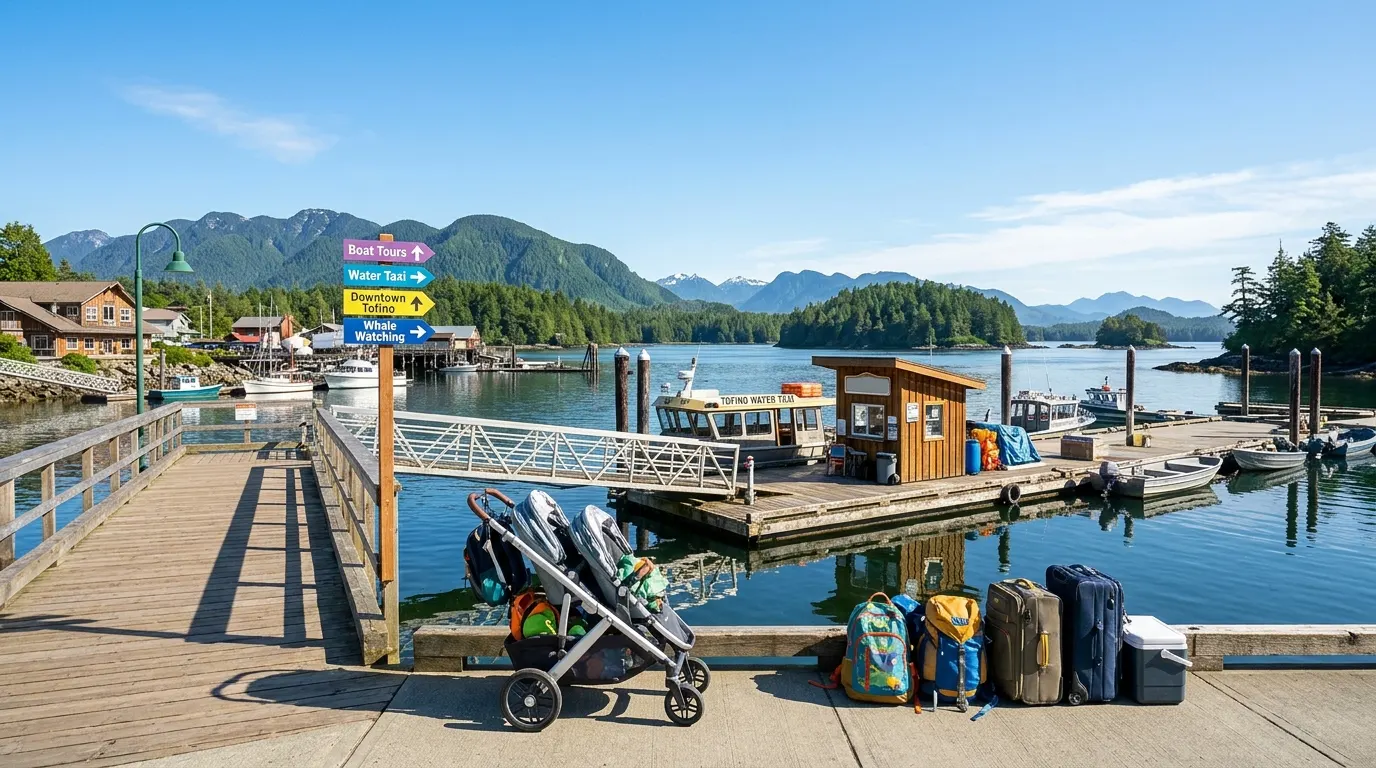
The logistics of reaching your destination play a massive role in family travel planning, especially if you have children prone to motion sickness or limited patience for transit.
Arriving in Vancouver
Vancouver is straightforward. You fly into Vancouver International Airport (YVR), grab your luggage, and you can roll your stroller directly onto the Canada Line SkyTrain. Within 30 minutes, you are in the heart of downtown. You do not necessarily need a rental car in Vancouver; the public transit system, combined with walkable neighborhoods and bike rentals, makes getting around with kids remarkably easy.
The Journey to Tofino
Getting to Tofino is an adventure in itself, and you need to factor this into your travel days. If you are flying into Vancouver, you must take a BC Ferry (about 1.5 to 2 hours) across the Strait of Georgia to Nanaimo on Vancouver Island. From Nanaimo, it is a 3-hour drive across the island on Highway 4. This highway is stunning, but it is a winding, single-lane mountain road. If your kids get carsick, you will need to prepare accordingly with medication and frequent stops.
Alternatively, you can skip the ferry and drive by booking a flight directly into Tofino via Tofino Air (Seaplane Tours) or Atleo River Air Service. Atleo River Air Service is the ultimate 'time-for-money' trade for families, offering floatplane transfers that turn a grueling travel day into a breathtaking aerial tour of the rugged coastline. It is expensive, but for families with limited time, it is highly practical.
Top Family Activities: Tofino vs Vancouver with Kids
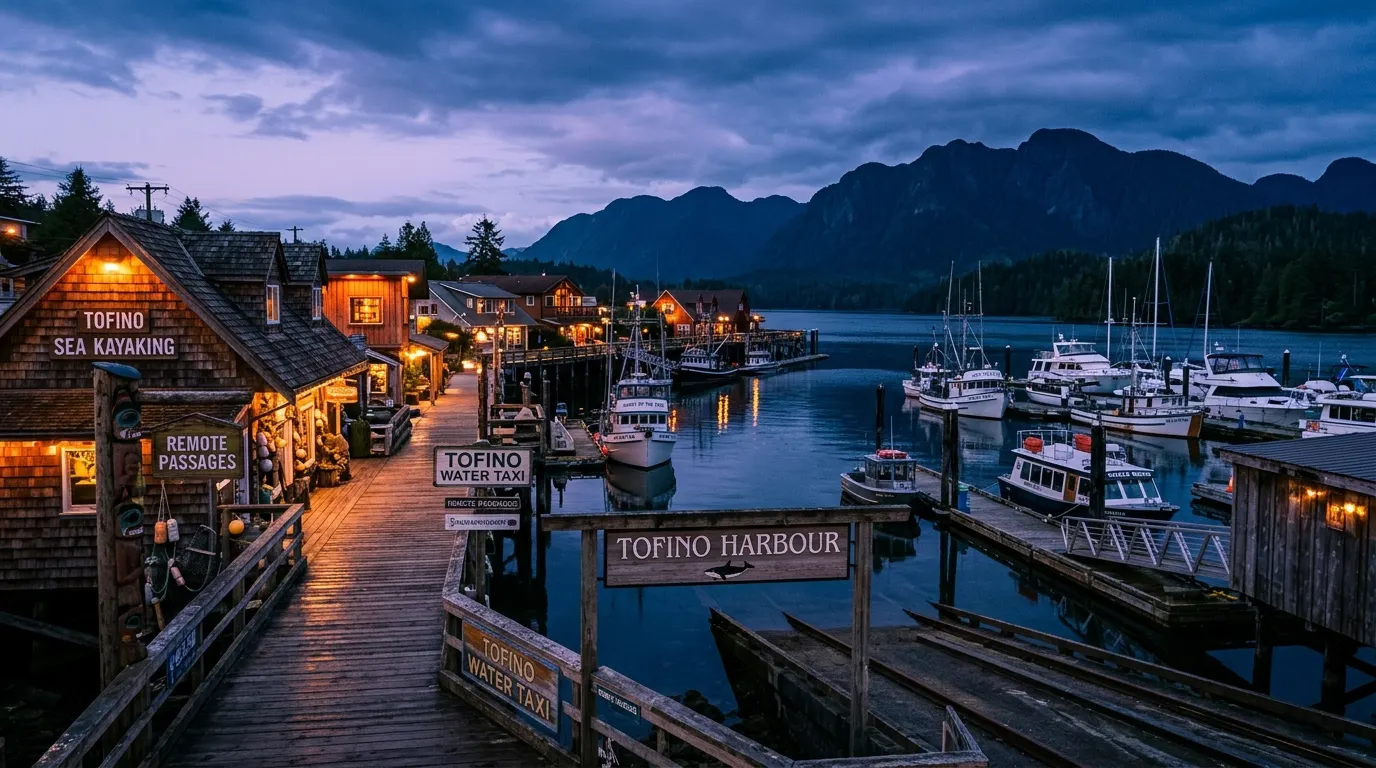
When you pit the activities of these two destinations against each other, you are comparing urban enrichment with outdoor immersion.
Tofino's Best Bets for Families
Tofino is all about the ocean and the forest. Chesterman Beach is the absolute must-visit. This sprawling, iconic crescent of hard-packed sand serves as Tofino's communal backyard. It is incredibly stroller-friendly for a beach, and at low tide, it reveals some of the best tide pools on the coast, packed with purple starfish and sea anemones. Nearby, Cox Bay Beach is Tofino's premier surf beach, offering a wide, dramatic stretch of sand perfect for watching professional-level surfers navigate the swells.
If your kids are ready to get in the water, you must book a lesson. Tofino Surf Adventures is a premier surf school offering patient, high-touch instruction specifically tailored to young beginners. Alternatively, Surf Sister Surf School is world-renowned and excels at making the chilly Pacific accessible for families. Group lessons typically run about $90-$120 CAD ($65-$90 USD) for a 2.5-hour session, including the mandatory thick wetsuits.
🎟️ Book family tickets & skip-the-line tours →
For a true bucket-list wilderness adventure, book a trip to Hot Springs Cove (Maquinna Provincial Park). You'll take a 1.5-hour boat or seaplane ride to a remote island, hike through an old-growth forest on a 2km cedar boardwalk, and soak in natural geothermal pools that cascade into the freezing ocean. It takes a full half-day and costs roughly $150-$200 CAD ($110-$150 USD) per person, but the juxtaposition of hot spring water and cold ocean spray is unforgettable.
If you prefer to stay closer to town, take the magical 10-minute boat ride to the Meares Island Big Tree Trail. This 'Hobbit-like' boardwalk winds through 1,500-year-old giant cedars. Back on the mainland, explore the Tla-o-qui-aht Tribal Parks. More than just a hike, these Indigenous-protected lands offer a deep dive into ancient rainforests and local First Nations history. You can also visit the Roy Henry Vickers Gallery, housed in a stunning traditional longhouse right in town, to view vibrant, high-contrast Indigenous art.
To see the local marine life, Tofino Whale Centre is a long-standing, family-run outfitter offering wildlife tours with a strong focus on education and comfort, using covered vessels that are ideal for keeping younger kids warm on the open water.
🎟️ Find family-friendly tours & activities →
Vancouver's Best Bets for Families
Vancouver excels at structured family attractions. Stanley Park is a 1,000-acre oasis in the city where you can bike the Seawall, visit the Vancouver Aquarium, and play at massive splash pads. Science World offers hours of indoor, interactive learning, which is a lifesaver on a rainy Pacific Northwest afternoon. Granville Island provides a bustling public market where kids can watch boats ferry across False Creek while eating fresh donuts and spotting harbor seals.
Age-by-Age Guide: Which Destination Wins?
Different stages of childhood require different travel strategies. Here is how the two destinations stack up across various age groups.
Toddlers (Ages 2-3)
Winner: Vancouver
At this age, logistics rule everything. Vancouver’s paved sidewalks, easy transit, and abundance of playgrounds make life with a toddler infinitely easier. If the weather turns, you have indoor aquariums and children's museums. In Tofino, the beaches are stunning, but the ocean is freezing and rough. Toddlers will love digging in the sand at Chesterman Beach, but managing nap schedules around ferry rides and 3-hour mountain drives can be exhausting for parents.
Preschoolers (Ages 3-5)
Winner: Tie
Preschoolers are just starting to develop the stamina for nature walks. In Vancouver, they will love the miniature train in Stanley Park and the ferries at Granville Island. In Tofino, this is the perfect age for tide pooling. The joy a four-year-old experiences finding a bright orange starfish or a hermit crab at low tide is pure magic. Just remember to pack heavy-duty rain gear and fleece layers, as the coastal winds can be biting even in summer.
School-Age (Ages 6-10)
Winner: Tofino
This is the sweet spot for Tofino. Kids in this age bracket have the physical ability to hike the boardwalks of Clayoquot Sound, a vast, UNESCO-protected wilderness of ancient rainforests and hidden coves. They are old enough to follow instructions in a beginner surf lesson and can handle the boat ride out to look for black bears foraging on the shoreline at low tide. Vancouver is still fun, but the sheer sense of adventure in Tofino captures the imagination of elementary-aged kids beautifully.
Tweens & Teens (Ages 11-14)
Winner: Tofino
Tweens and teens crave independence and action, and Tofino delivers. Rent beach-ready cruisers from Tofino Bike Co. and let them ride along the paved Multi-Use Path (MUP) that connects the town to the beaches safely away from highway traffic. The surf culture here is incredibly appealing to older kids. They can spend hours in the water, grab fish tacos from a food truck, and feel a sense of rugged freedom that a major city like Vancouver simply cannot provide.
What to Skip in Tofino (and Vancouver)
Not every highly-rated attraction is suitable for families. When traveling with kids, managing expectations and avoiding expensive missteps is crucial. Here are a few places you should cross off your family itinerary.
- Tofino Wilderness Resort (Clayoquot Wilderness Lodge): You will see stunning photos of this property online, but with price tags ranging from $2,000 to $5,000+ per person per night and access limited to floatplanes, it is strictly a luxury adult or honeymoon destination. It is not practical or priced for standard family travel.
- The Pointe Restaurant at Wickaninnish Inn: While the food is phenomenal, this is Tofino’s premier fine-dining destination. The focus here is on hushed storm-watching and multi-course culinary experiences. The high price point ($90-$145 CAD per main) and sophisticated, quiet atmosphere make it a stressful environment to manage children.
- Shelter Restaurant Tofino: Shelter is a sophisticated, 'bougie' waterfront spot where the focus is on elevated bistro fare and cocktails. It gets loud and crowded, and the menu caters heavily to adult palates.
- Lone Cone Trail: Do not be misled by the 'trail' designation. This is a grueling, near-vertical ascent that is often slick with deep mud and tangled roots. It also requires a costly $98 water taxi just to reach the trailhead. It is miserable for kids.
- Nuu-chah-nulth Trail: This is a rugged backcountry experience that is frequently in a state of disrepair, with reports of broken boardwalks and deep bogs. Stick to the maintained trails in the national park instead.
- Cougar Annie's Garden: Reaching this remote historic homestead requires an expensive, multi-hour boat or floatplane journey that is likely to bore younger travelers.
- Tuff City Saunas: This is a wood-fired, high-heat wellness experience designed for quiet relaxation, adult recovery, and social connection. The intense temperatures and expectation of silence make it a skip for families.
- Kits Beach (Tofino): This is not an established or maintained beach access point in Tofino, and is frequently confused with the famous Kitsilano Beach in Vancouver. Don't waste time trying to find it.
Where to Stay: City Hotels vs Coastal Resorts
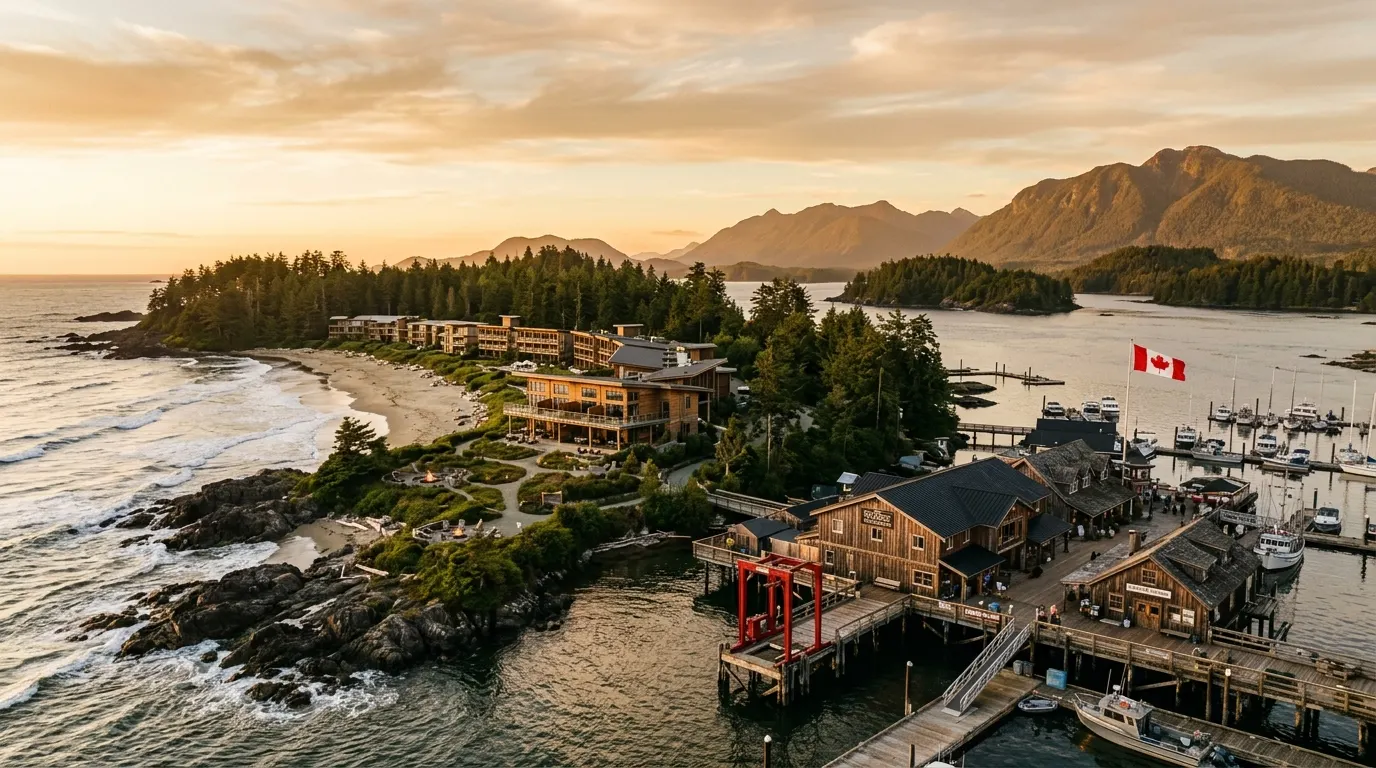
Accommodation styles highlight another major difference in the tofino vs vancouver with kids debate.
In Vancouver, you will likely stay in a high-rise downtown hotel or a vacation rental in a residential neighborhood like Kitsilano. Space will be tighter, but you will have immediate access to grocery stores, pharmacies, and hundreds of restaurants.
In Tofino, the focus is on beachfront access and self-sufficiency. Pacific Sands Beach Resort is a quintessential Tofino surf resort on Cox Bay where families get full kitchens, fireplaces, and direct beach access. Having a kitchen is a massive advantage in Tofino, where dining out is expensive and restaurant wait times in the summer can stretch for hours.
If your family enjoys the outdoors, Tofino also offers exceptional camping. Pacific Rim National Park Reserve - Green Point Campground is the gold standard for family camping on Vancouver Island, offering private, forested sites perched on a bluff above Long Beach. Facilities are well-maintained, and falling asleep to the sound of crashing waves is unmatched.
Pro Tips from Parents for the West Coast
To make your trip as smooth as possible, keep these highly specific, parent-tested tips in mind:
- Download a local tide app before visiting Tofino. The best tide pooling at South Chesterman and the ability to walk across the sandspit to Frank Island completely depend on hitting the lowest tide of the day.
- Respect the ocean temperatures. The Pacific waters here hover around 10°C (50°F) year-round. To keep kids from getting hypothermic during a beach day, rent proper, thick wetsuits from a local surf shop even if they are just boogie boarding or wading in the shallows.
- Know your safety routes. Tofino is in an active seismic zone. Upon arrival, locate the blue 'Tsunami Evacuation Route' signs near your accommodation so you know exactly where the high ground is located.
- Utilize the MUP in Tofino. The Multi-Use Path is a paved, 25km trail that connects the town to the beaches. Renting bikes with trailers or trail-a-bikes is the best way to avoid traffic.
- Ditch the car in the summer. Parking at popular spots like Chesterman Beach or Long Beach is nearly impossible in peak summer. Use the free 'Tofino Free Shuttle' which runs continuously between town and the major beaches. It has room for strollers and beach gear.
The Verdict: Tofino vs Vancouver with Kids
Ultimately, choosing between tofino vs vancouver with kids comes down to what kind of energy you want to bring to your vacation. If you have babies or toddlers, or if you prefer a vacation with easy logistics, fantastic dining, and plenty of indoor contingency plans, Vancouver is the clear winner. It offers a gentle, highly curated introduction to the Pacific Northwest.
However, if your children are slightly older, and you are willing to brave a long travel day and unpredictable weather in exchange for profound natural beauty, Tofino is unparalleled. It requires you to slow down, dress in layers, and let the environment dictate your schedule. Watching your kids learn to surf in the misty Pacific or examine a vibrant tide pool in an ancient rainforest are the kinds of raw, unplugged family travel moments that you will talk about for decades. Whichever you choose, the British Columbia coast rarely disappoints.