When you start planning a family vacation to Hawaii, your mind likely jumps straight to gentle waves, resort pools, and endless stretches of sun-drenched sand. But the Big Island offers an entirely different, wonderfully wild experience that goes far beyond a typical beach holiday. If you are searching for the best things to do in big island, hawaii with kids, you are looking at an itinerary filled with active volcanoes, midnight manta ray encounters, and high-altitude stargazing. This island is vast, rugged, and requires a bit more logistical planning than its smaller neighbors, but the payoff is a deeply memorable adventure for children of all ages.
Because the Big Island is larger than all the other Hawaiian islands combined, you cannot simply wing your daily schedule. Driving from the dry, sunny Kona side to the lush, rainy Hilo side takes nearly two hours via Saddle Road. To help you maximize your time and minimize backseat meltdowns, this guide breaks down the absolute best family experiences, the overhyped traps to avoid, and the practical logistics you need to pull it off. For a broader overview of the island's neighborhoods and accommodations, be sure to bookmark our comprehensive Big Island family guide.
Top Active Adventures: Things to Do in Big Island, Hawaii with Kids
The Big Island is a geological playground. Instead of spending every day on a lounge chair, you will want to get your family out into the island’s highly diverse microclimates.
A mandatory stop for any family is Hawaii Volcanoes National Park. It is crucial to manage expectations here: this isn't a tropical beach day. It is a raw, high-altitude lunar landscape where kids can walk through ancient lava tubes and peer into massive craters. The park entrance fee is $30 USD per vehicle, valid for seven days. Because the park sits at an elevation of 4,000 feet, the air is frequently chilly and damp. Pack closed-toe shoes, rain jackets, and thick sweaters, even if you left 85-degree weather down in Kona.
Start your park visit at the Kīlauea Visitor Center to grab Junior Ranger booklets, then drive to the Steam Vents (Sulphur Banks). This is a low-stress, high-reward stop with flat, stroller-friendly paved paths where kids can safely witness the Earth "breathing" through active steam vents. The distinct smell of sulfur is always a massive conversation starter for younger kids.
🎟️ Book family tickets & skip-the-line tours →
If you want to take the logistical headache out of exploring the island's rugged terrain, Hawaiʻi Forest & Trail offers high-end guided nature expeditions. Their guides are exceptional with children, handling all the driving, safety gear, and snacks, allowing you to actually enjoy the scenery rather than staring at a GPS.
For families with older children seeking an adrenaline rush, Hawaiʻi Zipline Tours (Hakalau) is spectacular. Located on the lush Hilo side, this high-adrenaline 7-line course glides directly over tropical agricultural gardens and the massive 250-foot Kolekole waterfall. Kids usually need to be at least 7 years old and weigh a minimum of 50 pounds to participate safely, so verify your child's current weight before booking.
Best Beaches and Ocean Experiences for Families
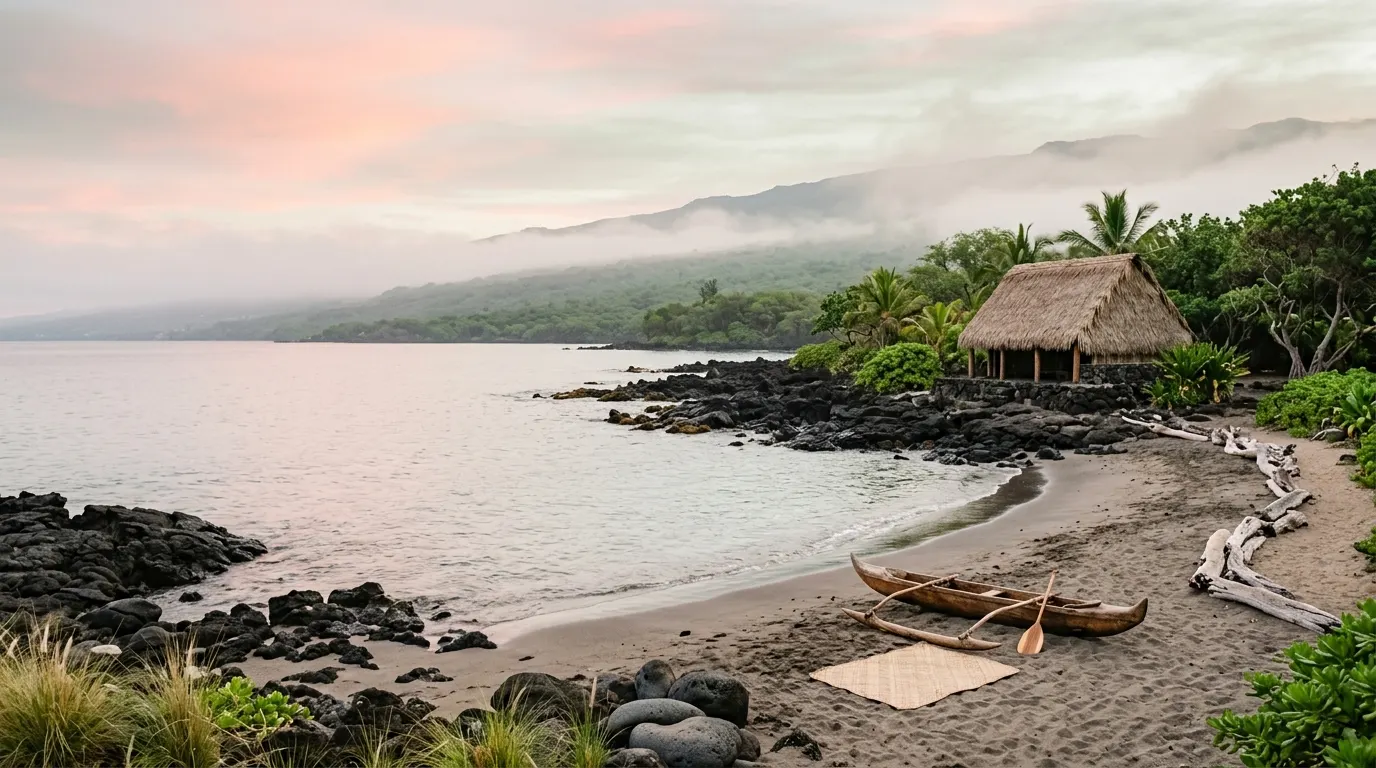
While the Big Island is famous for its rocky, volcanic coastline, it still boasts some of the most spectacular swimming spots in the Pacific—you just have to know exactly where to go.
When you want a classic, postcard-perfect beach day, head straight to Hāpuna Beach State Recreation Area. Consistently ranked as one of the best beaches in the world, this half-mile stretch of powdery white sand offers excellent, relatively calm swimming conditions during the summer months (winter swells can bring stronger shore breaks). Parking is $10 USD for non-residents plus a $5 USD per person entry fee. Arrive before 9:00 AM; the parking lot fills up rapidly, and the natural shade provided by the kiawe trees is claimed early by local families.
Getting out on the water is non-negotiable here. For a highly organized, family-oriented snorkeling excursion, you cannot beat Fair Wind Cruises. They depart from Keauhou Bay and sail down to the pristine, historically significant waters of Kealakekua Bay. What makes Fair Wind perfect for families is their custom-built catamaran, which features two water slides, a high-dive platform, and plenty of shaded seating. They even provide reef-safe sunscreen and a fantastic onboard BBQ lunch.
🎟️ Find family-friendly tours & activities →
If you have older, thrill-seeking tweens and teens, swap the large catamaran for Sea Quest Hawaii. Their high-speed raft adventures whisk families to the Big Island's most remote, less-crowded snorkel spots. The ride itself is fast, bumpy, and incredibly fun, though it is not suitable for pregnant travelers or anyone with back issues.
Finally, the crown jewel of Big Island ocean adventures is the Manta Ray Night Snorkel/Dive (various operators off Keauhou Bay). This is an awe-inspiring nighttime adventure where you float on the surface of the dark ocean, holding onto a specially lit surfboard or raft. The lights attract plankton, which in turn attracts giant manta rays with wingspans up to 16 feet. They gracefully barrel-roll mere inches from your face. It is entirely safe—mantas have no teeth or stingers—but floating in the dark ocean requires children to be comfortable swimmers who won't panic in the dark.
Science, Culture, and Food: Exploring Off the Sand
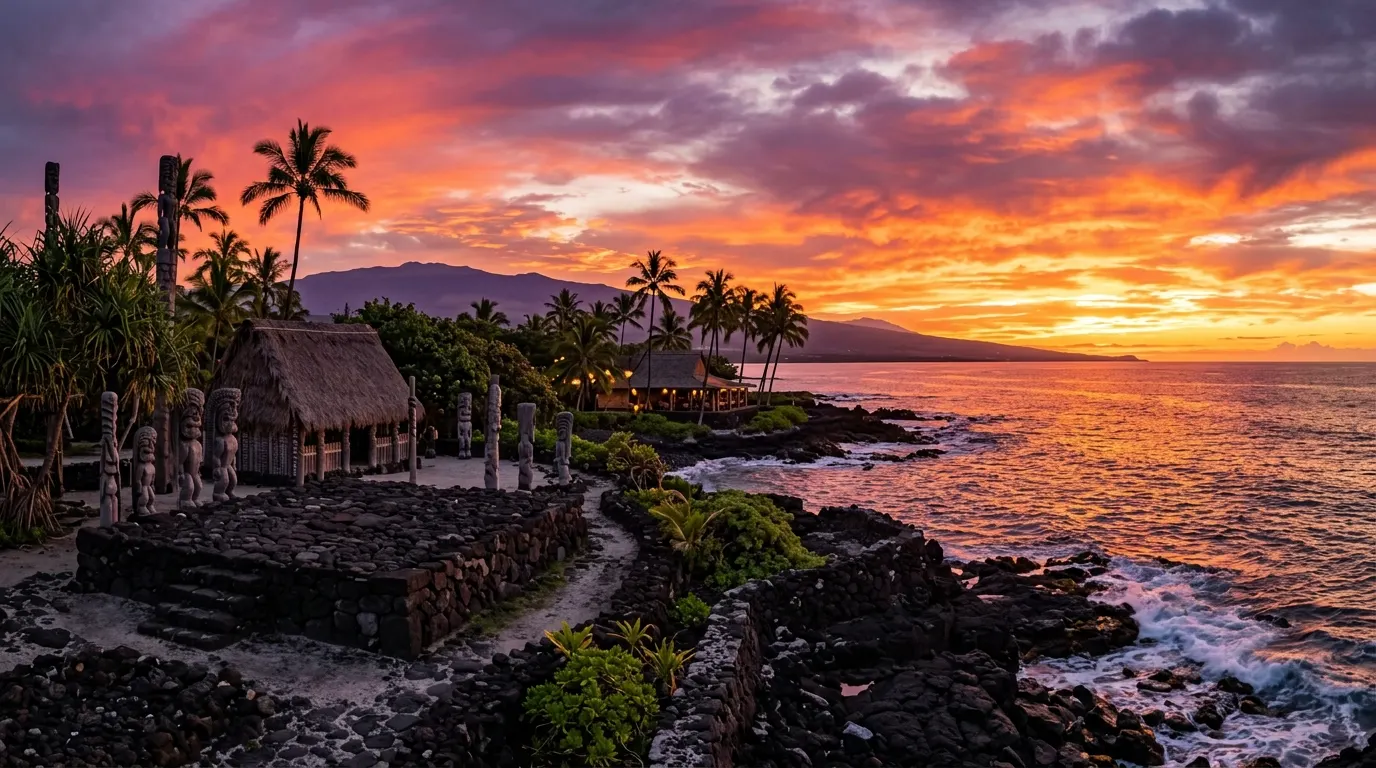
You can easily fill several days on the Big Island without ever putting on a swimsuit. The island is a global hub for astronomy, a living museum of Hawaiian culture, and a fantastic place to eat.
For a deeply memorable evening, drive up to the Mauna Kea Visitor Information Station (Onizuka Center). Perched at 9,200 feet, this is the highest point on the mountain that is generally safe for families with children. The center offers world-class stargazing programs where volunteers set up massive telescopes and point out constellations in the remarkably clear, light-pollution-free sky. You can also book a Mauna Kea Stargazing (tour from Kona/Waimea) to have a guide handle the dark, winding drive. Warning: Temperatures up here regularly drop into the 30s and 40s Fahrenheit at night. You must bring winter coats, long pants, and closed-toe shoes.
Down in Hilo, the Lyman Museum is a compact, Smithsonian-affiliated gem. It perfectly bridges the gap between Hawaii's volcanic geological origins and its rich cultural history. It is highly visual and takes only about 90 minutes to explore, making it the perfect indoor activity for a rainy Hilo afternoon. Similarly, the Kona Coffee Living History Farm (D. Uchida Farm) offers a fascinating look at the island's agricultural past. It is a living history museum where costumed interpreters bring a 1920s Japanese-American coffee farm to life, allowing kids to see exactly how coffee was grown, milled, and roasted a century ago.
When everyone gets hungry, you have incredible options. For massive, shareable portions of authentic local food (think garlic chicken and kalua pork), stop by Broke Da Mouth Grindz, a legendary, no-frills favorite located in the Kona industrial area. If you are looking for a nicer sit-down dinner that still welcomes kids, Merriman's Big Island in Waimea is the birthplace of Hawaii Regional Cuisine, offering high-end farm-to-table dining in a surprisingly relaxed atmosphere. And if you happen to be on the Hilo side on a Wednesday evening, do not miss the Kalapana Night Market—a high-energy, community-driven event featuring live Hawaiian music, local artisans, and incredible food trucks.
Age-by-Age Guide to the Big Island
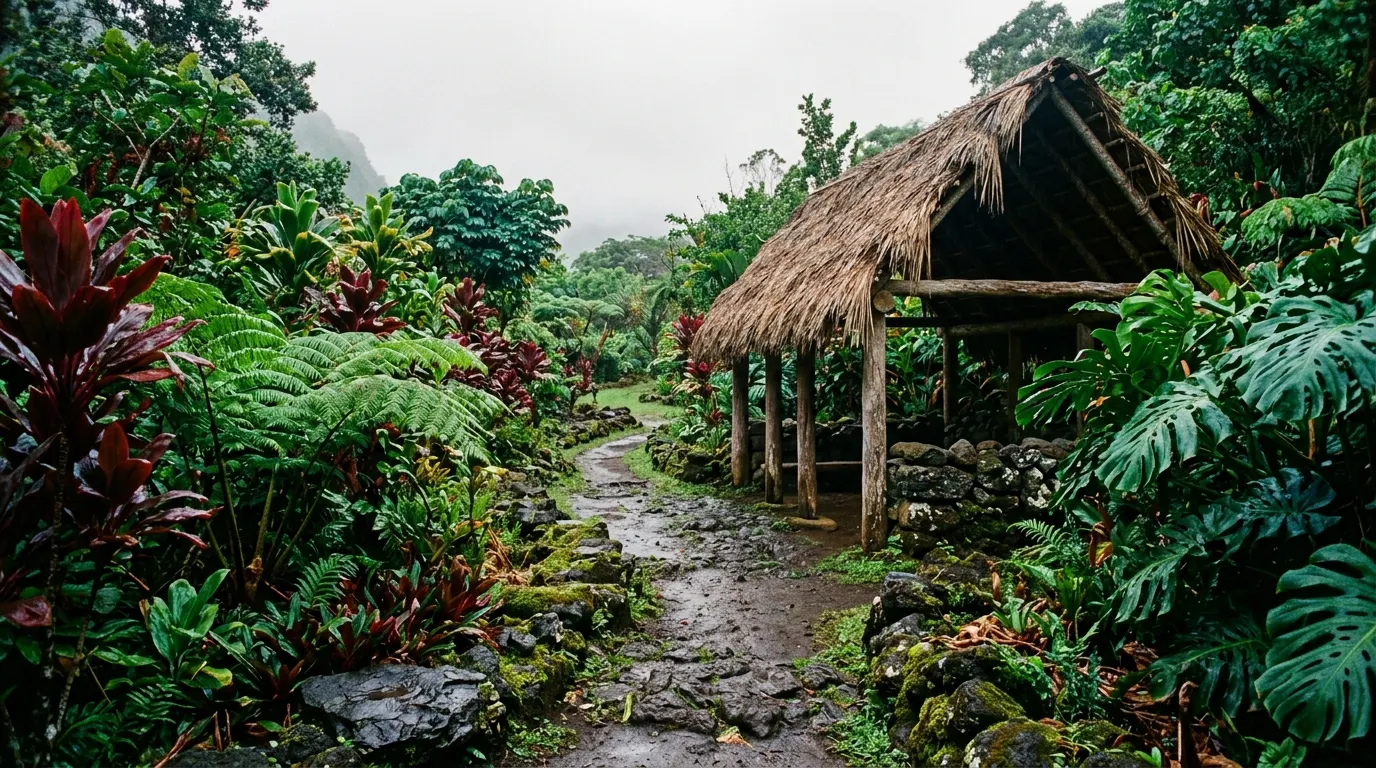
The Big Island’s sheer size and ruggedness mean that certain activities are highly dependent on your children's ages and stamina.
Toddlers (Ages 2-3)
For families with toddlers, logistics are everything. We highly recommend using the Waikoloa Beach Resort area as your home base "bubble." It features paved, stroller-friendly walking paths, a very convenient grocery store (Island Gourmet) for milk and endless snack runs, and a fun trolley system that toddlers absolutely love riding. Stick to the calm, protected waters of the resort pools and the very gentle shoreline at Anaehoʻomalu Bay (A-Bay).
Preschoolers (Ages 4-5)
Four and five-year-olds are at a great age for the Fair Wind Cruises catamaran, where the water slide and easy stair access into the ocean make snorkeling approachable. They will also love the flat, easy walking trails around the Steam Vents at Volcanoes National Park. Parent Tip: If your preschooler has asthma or respiratory sensitivities, check the VMAP (University of Hawaii) dashboard daily. Volcanic emissions (VOG) often blow toward the Kona coast and can trigger coughing or breathing issues on heavy days.
School-Age (Ages 6-10)
This is the golden age for the Big Island. School-age kids can handle the longer drives, earn their Junior Ranger badges at the national park, and participate in introductory zipline courses. They are also the perfect age to appreciate the magic of Hawaiian shave ice. When ordering at local spots like Scandinavian Shave Ice in Kona, always ask for a "Snow Cap"—a generous drizzle of sweetened condensed milk poured over the top of the ice. It changes the texture completely and is a beloved local tradition.
Tweens and Teens (Ages 11-14)
Older kids will thrive on the Big Island's more intense offerings. Book the high-speed Sea Quest raft tours, sign them up for surf lessons at Kahaluʻu Bay, and definitely prioritize the nighttime manta ray snorkel. Give them control over the camera during the stargazing sessions at Mauna Kea—the astrophotography opportunities even on modern smartphones are incredible.
What to Skip: Overhyped Traps to Avoid
Not every heavily marketed attraction is worth your family's time or money. Here are a few places you are better off skipping:
- Mauna Kea Summit: While the Visitor Center at 9,200 feet is great, do not attempt to take children up to the actual summit observatories. The summit sits at nearly 14,000 feet, where the incredibly thin air poses significant health risks (acute mountain sickness) to children under 13. Rental car companies also prohibit driving standard vehicles up the steep, unpaved summit road.
- Dolphin Quest at Hilton Waikoloa Village: At $300 to $400+ per person for a mere 30-minute captive encounter in a resort lagoon, the value proposition here is incredibly poor. You are much better off booking a reputable wild dolphin watching cruise where kids can see these animals in their natural, open-ocean habitat.
- Captain Cook Monument Trail: The snorkeling at the Captain Cook monument is world-class, but do not hike there with kids. This is a "backwards" hike where you descend 1,300 feet down a steep, rocky path to the water. That means the grueling, steep climb back up happens at the end of the day when everyone is exhausted, salty, and baking in the midday sun. Take a boat tour (like Fair Wind) instead.
- Pololū Valley Lookout: The view from the top is stunning, but it is largely a "look but don't touch" experience. Reaching the valley floor requires a steep, often muddy 400-foot descent to a beach with dangerous, unpredictable surf where swimming is prohibited. It is a miserable climb back up with complaining children.
- Kailua-Kona Wharf (Kona Cruise Ship Pier): When massive cruise ships are anchored in the bay, this entire downtown area becomes a congested bottleneck with massive crowds, impossible parking, and long restaurant waits. Check the port schedule and avoid downtown Kona on ship days.
- Kona Coast State Park (Makalei): Despite the official-sounding name, this is a tiny, residential-adjacent beach park with very limited sand and sketchy stair access that is not ideal for hauling beach gear and small children.
- Hilo Town Tavern & Huggo's (Fine Dining): Skip Hilo Town Tavern; while the food gets good reviews, it is a loud, local dive bar first and foremost, not a family restaurant. Skip the fine dining side of Huggo's; opt for their casual, sand-on-the-floor sibling "On the Rocks" next door instead, where kids can be loud and wiggle around.
Pro Tips from Parents for Big Island Travel
To make your trip as smooth as possible, keep these local parent-tested strategies in mind:
Rethink Your Footwear
The Big Island is made of lava, specifically two types: smooth, ropy pahoehoe and jagged, sharp a'a. The trek to stunning spots like the turquoise "Blue Lagoon" at Kiholo Bay involves walking over loose chunks of a'a lava that will absolutely shred thin flip-flops and cut little toes. Pack sturdy water shoes with thick rubber soles or old sneakers for everyone in the family.
Mind the Manta Ray Tour Times
When booking your manta ray snorkel, pay close attention to the departure time. While iconic, the late-night boat departures (often 8:00 PM or later) and choppy Pacific swells are frequently terrifying for younger children who are already tired. Try to book the earliest sunset departure available so there is still some ambient light when you get in the water.
Skip the Doorless Helicopters
Helicopter tours over the volcanoes sound amazing in theory, but the high-altitude winds and intense engine noise in "doors-off" models are deeply distressing for younger children. It makes communication impossible and often leads to tears. If you must fly, book a standard, doors-on tour.
Hunt for Roadside Fruit Stands
Take a scenic detour and drive the winding Māmalahoa Highway (Route 180) through the artsy town of Holualoa. You will find charming, honor-system roadside stands selling fresh lilikoi (passionfruit), massive avocados, and sweet apple bananas. Keep small USD bills in your car to pay for these incredible local snacks—they are vastly superior to what you will find in the resort grocery stores.
Conclusion
Traveling to the Big Island requires a bit more effort than a standard resort vacation, but the rewards are profound. Watching your children trace the path of hardened lava flows, taste fresh lilikoi from a roadside stand, or lock eyes with a gentle manta ray in the dark ocean are moments that outlast any souvenir. By pacing your itinerary, respecting the immense driving distances, and packing plenty of layers alongside your swimsuits, you are setting the stage for an unforgettable trip. There are so many incredible things to do in big island, hawaii with kids, and with a little preparation, your family is ready to experience the very best of this wild, wonderful island. Safe travels!