There is a profound, almost primal magic in taking your children to East Africa. Watching your child’s eyes widen as a wild elephant gently strips bark from a baobab tree just yards from your vehicle, or hearing the distant, resonant roar of a lion while tucked safely in your bed, are experiences that permanently alter a family’s worldview. Northern Tanzania is the undisputed heavyweight champion of the African safari, offering an unmatched density of wildlife and landscapes that look exactly like the storybooks your children grew up reading. However, planning a trip to this region requires careful navigation to ensure the journey is safe, comfortable, and genuinely enjoyable for younger travelers. If you are researching things to do in arusha & northern tanzania with kids, you need an itinerary that balances thrilling game drives with comfortable downtime, avoiding the grueling logistical pitfalls that can turn a dream vacation into a stressful ordeal. This comprehensive guide will walk you through exactly how to tackle the Northern Circuit with your family.
Why Things to Do in Arusha & Northern Tanzania with Kids Will Exceed Your Expectations
Arusha serves as the bustling gateway to Tanzania’s famed Northern Circuit, a route that loops through some of the most spectacular protected ecosystems on the planet. Unlike some safari destinations that require multiple light-aircraft flights between remote camps, Northern Tanzania offers the distinct advantage of being accessible by road. While the drives can be long and famously bumpy, having a dedicated private safari vehicle and a knowledgeable local guide gives your family complete control over your daily schedule. You can stop when someone needs a bathroom break, return to the lodge early if the afternoon heat gets too intense, or spend an entire hour quietly watching a family of warthogs without worrying about inconveniencing other guests.
When compiling your list of things to do in arusha & northern tanzania with kids, the sheer variety of micro-climates and environments works in your favor. In a single week, your family can transition from lush, high-altitude rainforests to vast, sun-baked savannahs, and down into the floor of an ancient volcanic crater. This constant change of scenery naturally combats the "safari fatigue" that can sometimes set in with younger children. Furthermore, the local Tanzanian culture is exceptionally warm and welcoming to families. Children are revered in East African society, and you will quickly find that guides, lodge staff, and locals will go out of their way to engage, entertain, and look out for your little ones. For more general city logistics, be sure to check out our City Guide: /city/arusha-northern-tanzania.
Top Wildlife Encounters and National Parks
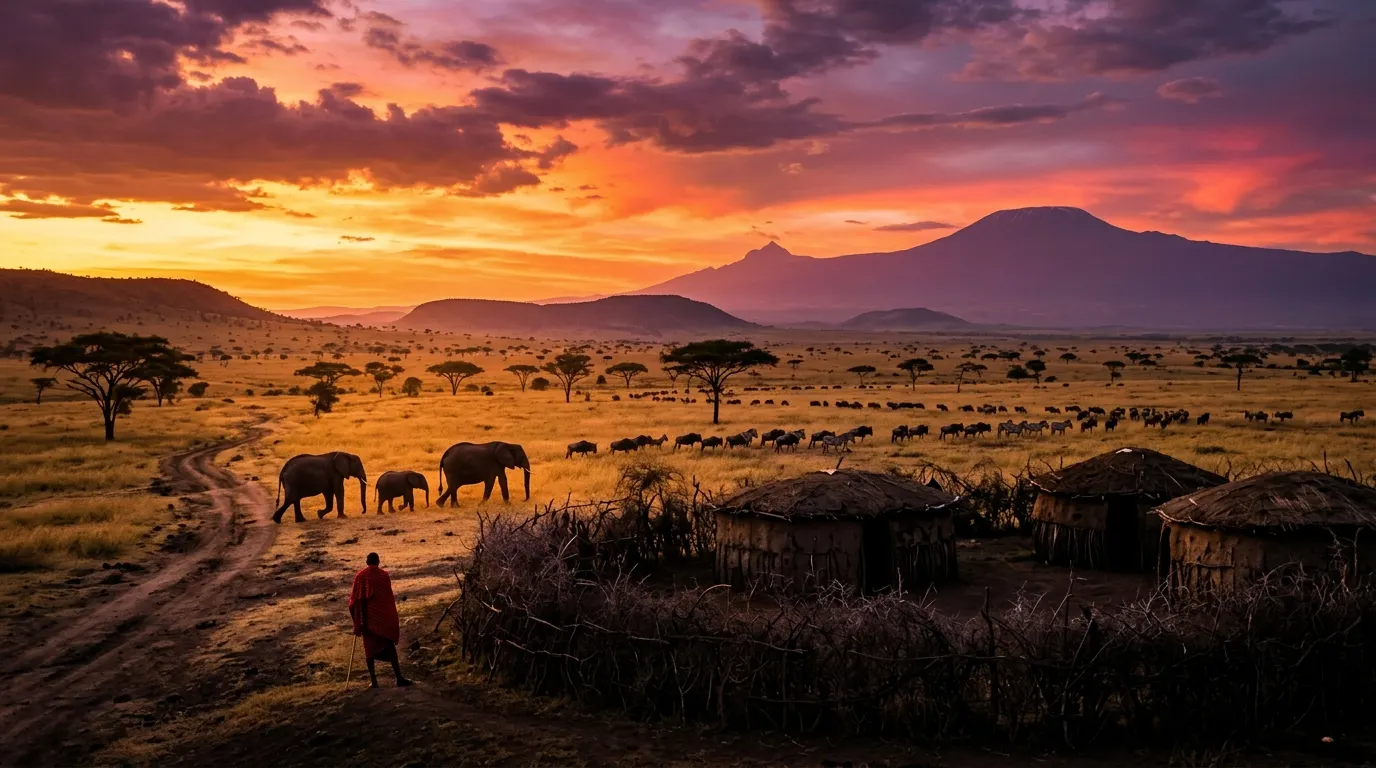
The heart of any trip to this region is the wildlife. Carefully selecting which parks to visit will dictate the pace of your family's adventure.
Serengeti National Park & Its Ancient Kopjes
The Serengeti National Park offers the ultimate 'Lion King' experience. The sheer scale of these endless plains is awe-inspiring, and it is here that you have the highest probability of witnessing the Great Migration (depending on the time of year). For kids, the absolute highlight of the Serengeti is often exploring the Serengeti Kopjes (e.g., Simba Kopjes / Moru Kopjes area). These ancient, massive granite rock islands rise dramatically out of the flat savannah. They serve as real-life versions of "Pride Rock," where lions frequently sunbathe and cheetahs scan the horizon for prey.
🎟️ Find family-friendly tours & activities →
The Ngorongoro Crater Floor
Descending into the Ngorongoro Crater Floor feels like entering a lost world. Because the wildlife is contained within this massive, steep-walled volcanic caldera, the density of animals is staggering. For families, this is a massive advantage: you spend far less time driving and searching, and more time observing. It is one of the most reliable places in Africa to spot the endangered black rhino, allowing families to easily check off the "Big Five." Because the crater floor is a relatively compact area, a game drive here only takes a half-day, which is the perfect duration for younger attention spans.
Tarangire National Park
Often used as the first stop on a Northern Circuit itinerary, Tarangire National Park - Elephant Migration Corridors (general game drive areas) is an absolute must-do for families. Located just a two-hour drive from Arusha, it provides an immediate, high-impact introduction to the African bush. Tarangire is famous for its dense population of elephants and its iconic, ancient baobab trees. Watching a herd of fifty elephants, including tiny, clumsy calves, cross the Tarangire River is a gentle and mesmerizing experience that rarely fails to captivate children.
🎟️ Book family tickets & skip-the-line tours →
Where to Stay: Family-Friendly Safari Lodges
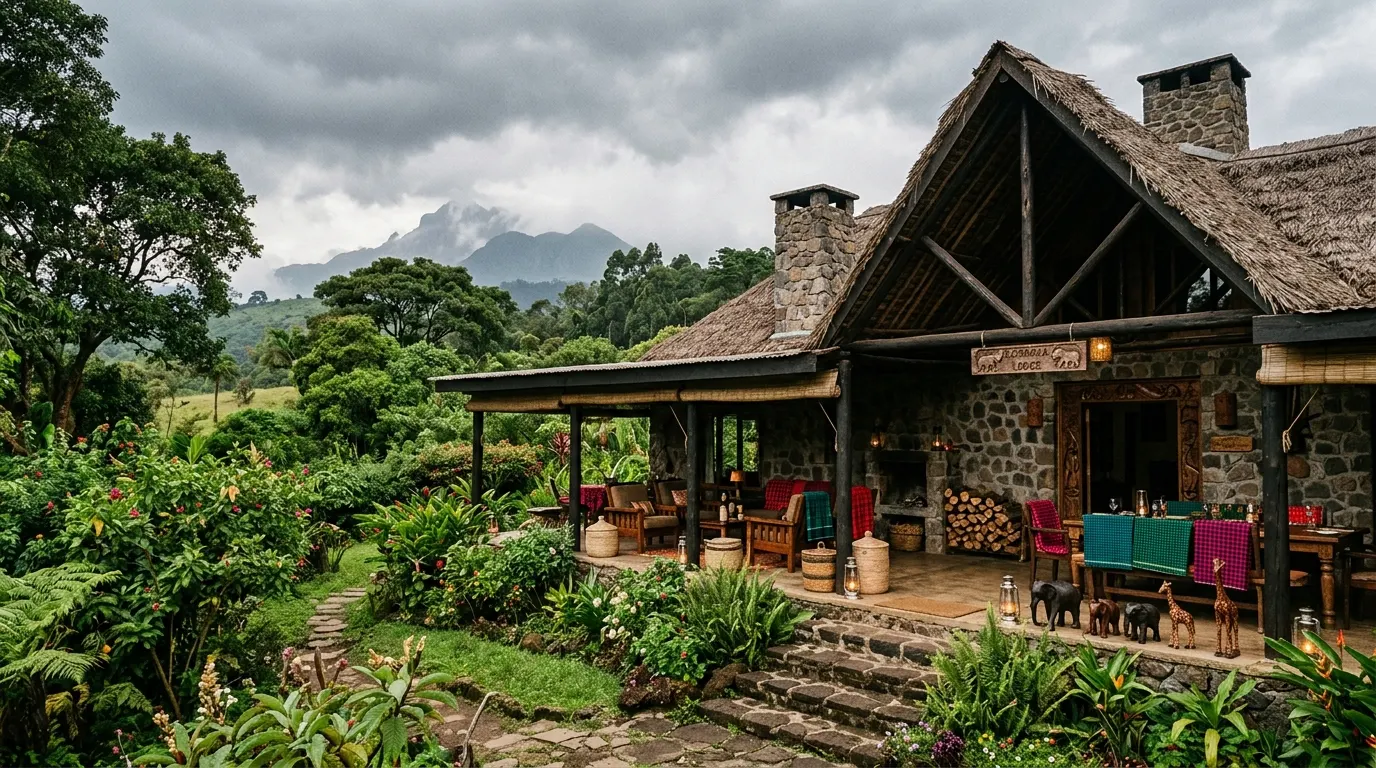
Where you sleep on safari is just as important as where you drive. The bush presents unique safety challenges, and selecting lodges that cater to families ensures everyone gets a good night's rest.
High-End Comfort and Safety
For families who want maximum comfort and built-in entertainment, the Four Seasons Safari Lodge Serengeti is arguably the best basecamp in the region. It solves the boredom and safety challenges of the bush brilliantly. The property features elevated wooden walkways (keeping guests safely above wildlife), a fantastic kids' club, and an interactive Discovery Centre. The crown jewel is the Four Seasons Safari Lodge Serengeti Infinity Pool, which directly overlooks an active watering hole. Children can literally swim while watching elephants drink just a few dozen yards away.
If you prefer classic, solid-wall architecture, the Serengeti Serena Safari Lodge and the Ngorongoro Serena Safari Lodge are incredibly dependable. The Ngorongoro property is built directly into the rim of the crater with river-stone walls, offering spectacular views and a sturdy, enclosed environment that provides great peace of mind for parents of roaming toddlers.
Authentic and Immersive Tented Camps
For older children and families seeking a closer connection to nature, luxury tented camps are unforgettable. Maramboi Tented Camp, located near Tarangire and Lake Manyara, allows you to watch zebras and wildebeests graze right off your private wooden deck. In the northern reaches, Sayari Camp (Serengeti) offers an eco-conscious, high-end experience that balances luxury with a minimal footprint.
If you are traveling during the Great Migration's calving season (typically January to March), Serengeti National Park is legendary. It is an unfenced lodge where wildlife freely roams the grounds. For true bush authenticity, Asilia Africa's Oliver's Camp in Tarangire, or the highly mobile Serengeti Under Canvas (Nomad Tanzania), provide incredible tracking experiences. For a futuristic twist, Highlands Ngorongoro (Asilia Africa) features striking geodesic domes perched high on the slopes of the Olmoti volcano, complete with wood-burning stoves for chilly mountain nights.
Cultural Connections
To experience local culture without the performative, tourist-trap feel of roadside villages, book a night at Osiligilai Maasai Lodge (Ngorongoro area). This Maasai-owned lodge offers families a rare opportunity to engage authentically with local traditions, including spear-throwing lessons and storytelling around the fire, led by the people who actually own and operate the land.
Age-by-Age Guide: Things to Do in Arusha & Northern Tanzania with Kids
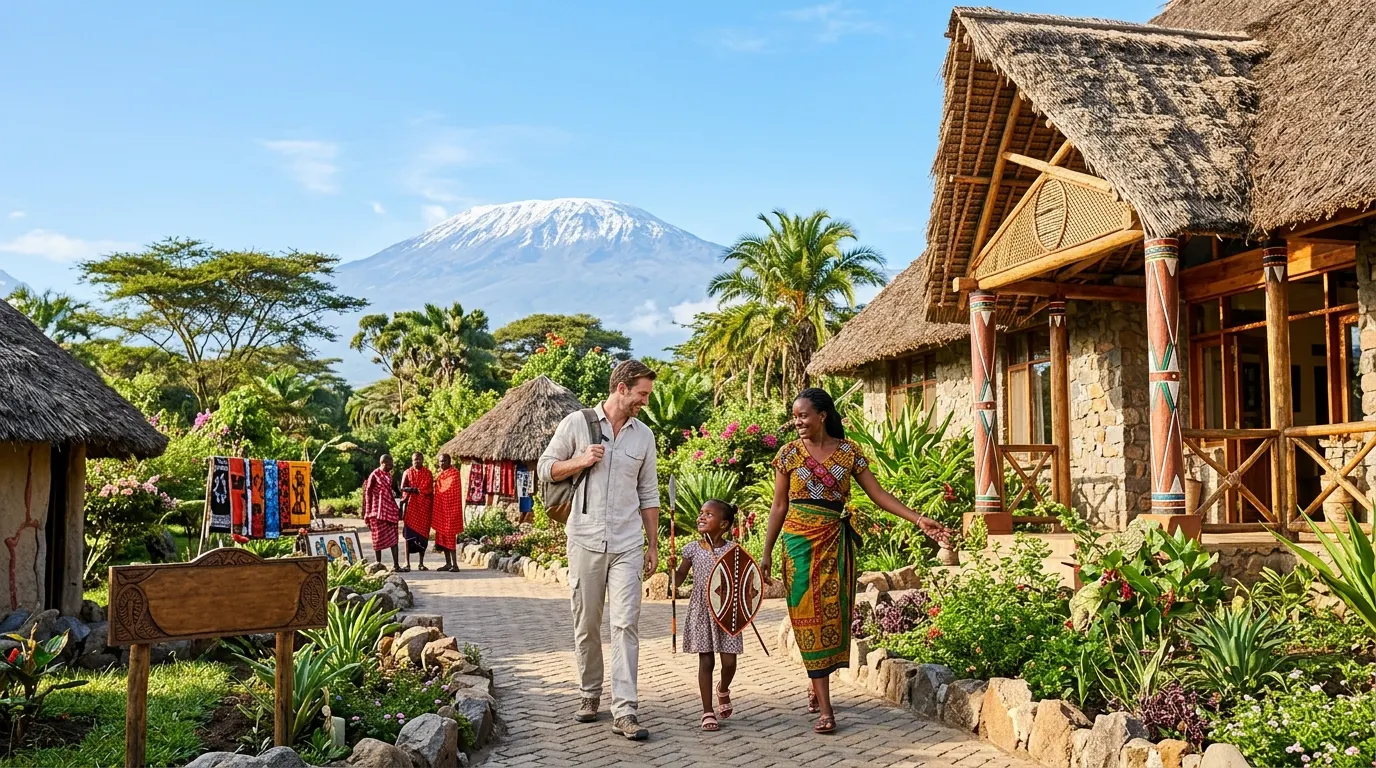
A successful safari looks very different depending on the ages of your children. Here is how to tailor your approach.
Toddlers (Ages 2-3)
Safaris with toddlers are entirely possible, but require strict boundaries. Keep game drives to an absolute maximum of two to three hours per day. Focus on lodges that are fully enclosed (like the Serena properties or Four Seasons) rather than unfenced tented camps, as toddlers cannot be trusted to stay on paths when wild animals are present. Bring a comfortable, framed baby carrier, as strollers are completely useless on the uneven, sandy paths of safari camps. Toddlers won't care about spotting a rare leopard; they will be thrilled by the bumpy "African massage" of the dirt roads, brightly colored birds, and the sheer size of giraffes.
Preschoolers (Ages 3-5)
At this age, engagement is key to preventing boredom. Buy them their own pair of durable, kid-friendly binoculars before the trip. Print out a visual checklist of animals and let them use a sticker or marker to check off what they find. Preschoolers will start to appreciate the predators, but their attention spans still require frequent breaks. Choose lodges with swimming pools so they can burn off energy in the afternoon after sitting still in a vehicle all morning.
School-Age Kids (Ages 6-10)
This is widely considered the "golden age" for a first safari. Kids in this bracket have the stamina for 4-to-5-hour game drives and the cognitive maturity to understand the circle of life, the ecosystem, and the importance of conservation. They will love the junior ranger programs offered at many higher-end lodges, where guides teach them how to identify animal tracks, recognize bird calls, and learn basic Swahili phrases. They are also old enough to safely stay in adjacent luxury tents at unfenced camps, provided they understand the strict rules about never walking outside alone at night.
Tweens and Teens (Ages 11-14)
Tweens and teens can handle full-day game drives and will likely become obsessed with wildlife photography. Equip them with a decent camera (even an older DSLR with a zoom lens) and let them document the trip. Many camps allow children 12 and older to participate in guided walking safaris with armed rangers, which is a thrilling way to experience the bush on foot, focusing on dung beetles, medicinal plants, and tracking techniques that you miss from a vehicle.
Practical Details for Your Family Safari
Logistics in Tanzania require preparation. Knowing the practicalities beforehand will save you immense frustration.
Costs, Tipping, and Currency:
Safaris are expensive, largely due to high national park conservation fees. For example, entering the Serengeti costs around $70 USD per adult and $20 USD per child per day, plus vehicle fees. The Ngorongoro Crater requires an additional vehicle descent fee of nearly $300 USD. Most families book all-inclusive packages through a tour operator, which bundles these fees. While the local currency is the Tanzanian Shilling (TZS), US Dollars (printed after 2013, crisp and untorn) are widely accepted and preferred for tipping. Plan to tip your private safari guide roughly $20 to $30 USD per day, per family. For lodge staff, there is usually a communal tip box at reception; leaving $10 to $15 USD per day covers the housekeepers, waiters, and porters.
Timing Your Days:
Animals are most active at dawn and dusk. This means waking up at 5:30 AM, having a quick tea and biscuit, and being in the vehicle by 6:00 AM. You will typically return to the lodge by 10:00 AM for a massive brunch. Mid-day is for swimming, resting, and escaping the equatorial sun. You head back out around 4:00 PM for an afternoon drive. This natural rhythm actually works beautifully for families, aligning perfectly with standard nap schedules.
Food and Dining:
Do not worry about picky eaters. Safari lodges are incredibly accustomed to international guests. Breakfasts feature made-to-order eggs, pancakes, and fresh tropical fruit. Dinners often include pasta, roast meats, and simple vegetable dishes. If you are doing a full-day game drive, your lodge will pack "lunch boxes" containing sandwiches, hard-boiled eggs, juice boxes, and baked goods to eat at designated picnic sites within the parks.
What to Skip: Overhyped or Unsafe Spots for Families
Not every highly-rated attraction in Northern Tanzania is appropriate, ethical, or safe for families traveling with children. Here is what to actively avoid.
Unethical Wildlife Encounters
You will see advertisements for Serval Wildlife, which boasts high ratings and viral social media photos. However, the core experience relies on direct, hands-on interaction with captive wildlife, which fundamentally contradicts the ethical wildlife observation you are there to teach your children. Similarly, completely avoid the Unregulated Roadside Animal Photo Props (Arusha outskirts). These stops frequently feature sedated or tightly restrained animals, like baby monkeys or birds of prey, exploited purely for tourist cash.
Extreme Environments and Grueling Journeys
Do not attempt an excursion to Lake Natron. While famous for its flamingos, the environment is extreme. The water is highly alkaline—caustic enough to literally burn the skin of a child who accidentally wades in. Furthermore, reaching this area involves Engaresero Maasai Cultural Tourism (Lake Natron area). The 5-to-7-hour drive from Arusha on punishingly corrugated, unpaved roads is enough to break most adults, let alone a child in the backseat.
Similarly, bypass Ol Doinyo Lengai Volcano. Climbing it requires a grueling, midnight ascent up an active volcano with incredibly steep slopes and loose volcanic ash. It is strictly for highly fit adult mountaineers. Along those lines, a Kilimanjaro Summit Attempt with Children (Mount Kilimanjaro Uhuru Peak) is a terrible idea. The risks of Acute Mountain Sickness (AMS) are severe, and children's bodies acclimatize differently than adults. Stick to lower-elevation day hikes if you want to experience the mountain.
High-Stress Environments
If you are traveling on a strict budget, you might be tempted by the Serengeti National Park Public Campsites (e.g., Seronera Public Campsite). Skip them. These public sites offer zero physical separation from the surrounding wilderness. Hyenas and lions frequently walk directly through the campsites at night. The stress of trying to keep a child safe while walking to a communal bathroom block in the dark is simply not worth the financial savings. Finally, skip the Arusha Central Market. While culturally vibrant, the high-intensity sensory overload, aggressive touts, and incredibly crowded aisles make it a stressful, claustrophobic experience for families with young children.
Pro Tips from Parents for a Northern Tanzania Safari
- Pack in Soft-Sided Duffels: If your itinerary involves any light aircraft flights (even just a puddle jumper back to Arusha to save driving time), you absolutely must use soft-sided duffel bags. Hard-shell suitcases physically cannot fit into the cargo pods of a Cessna and will be left behind on the tarmac.
- Layering is Mandatory: The African sun is notoriously hot, but early morning game drives in an open-sided vehicle are freezing. Dress your kids in a heavy fleece or light puffer jacket over a t-shirt, which they can peel off by 9:00 AM.
- Avoid Dark Blue and Black Clothing: In certain areas like Tarangire, tsetse flies are active. These biting flies are attracted to dark blue and black fabrics. Stick to neutral tones—khaki, tan, olive green, and light grey.
- Bring Familiar Snacks: While lodges provide excellent food, the driving distances between them can be long. Pack a stash of your kids' favorite non-melting snacks from home (granola bars, crackers, fruit snacks) to deploy during mid-drive meltdowns.
- Consult a Travel Clinic Early: Malaria is present in Tanzania. You will need to discuss pediatric malaria prophylaxis with a specialized travel doctor well in advance of your trip, as some medications need to be started weeks before departure.
Taking your children on an African safari is an investment of time, money, and planning, but the return on that investment is immeasurable. The long drives and early mornings fade away the moment your child gasps at the sight of a cheetah sprinting across the plains, or when you sit together under a canopy of stars that seem impossibly bright. By choosing the right lodges, pacing your days properly, and knowing exactly what to avoid, you can curate an adventure that is both thrilling and deeply comfortable. When it comes to building lifelong memories, researching the best things to do in arusha & northern tanzania with kids is the first step toward the most extraordinary family vacation you will ever take.