Traveling with kids inherently changes your perspective on the world. You suddenly stop looking for the perfect hushed art museum and start seeking out welcoming cultures, wide-open spaces, and hands-on experiences that spark genuine curiosity in your children. If you are tired of battling summer crowds in the standard European capitals or paying premium prices for overcrowded theme parks, it is time to look further afield. Finding the best family cities in middle east & africa opens up an entirely new world of travel. These regions offer incredible warmth, deep historical roots, and landscapes that feel straight out of a storybook.
In many of these destinations, children are not just tolerated; they are celebrated. You will find that locals go out of their way to accommodate your family, whether that means a waiter playing peek-a-boo with your toddler or a tour guide modifying their pace for a tired kindergartener. Below, we break down seven remarkable destinations that offer the perfect blend of adventure, education, and accessibility for families.
What Makes the Best Family Cities in Middle East & Africa Stand Out?
When evaluating destinations for family travel, safety, infrastructure, and engaging activities are always top of mind. The cities on this list challenge outdated preconceptions and deliver world-class family experiences. They offer a unique mix of ancient history and modern convenience, allowing you to walk through centuries-old ruins in the morning and retreat to a highly accessible, air-conditioned museum or premium soft play center in the afternoon.
Beyond the logistics, the real magic of exploring the best family cities in middle east & africa lies in the cultural immersion. Your kids will learn about global history firsthand, taste incredible new foods, and realize just how vast and diverse the world truly is.
1. Accra, Ghana: Cultural Heartbeat and Coastal Calm
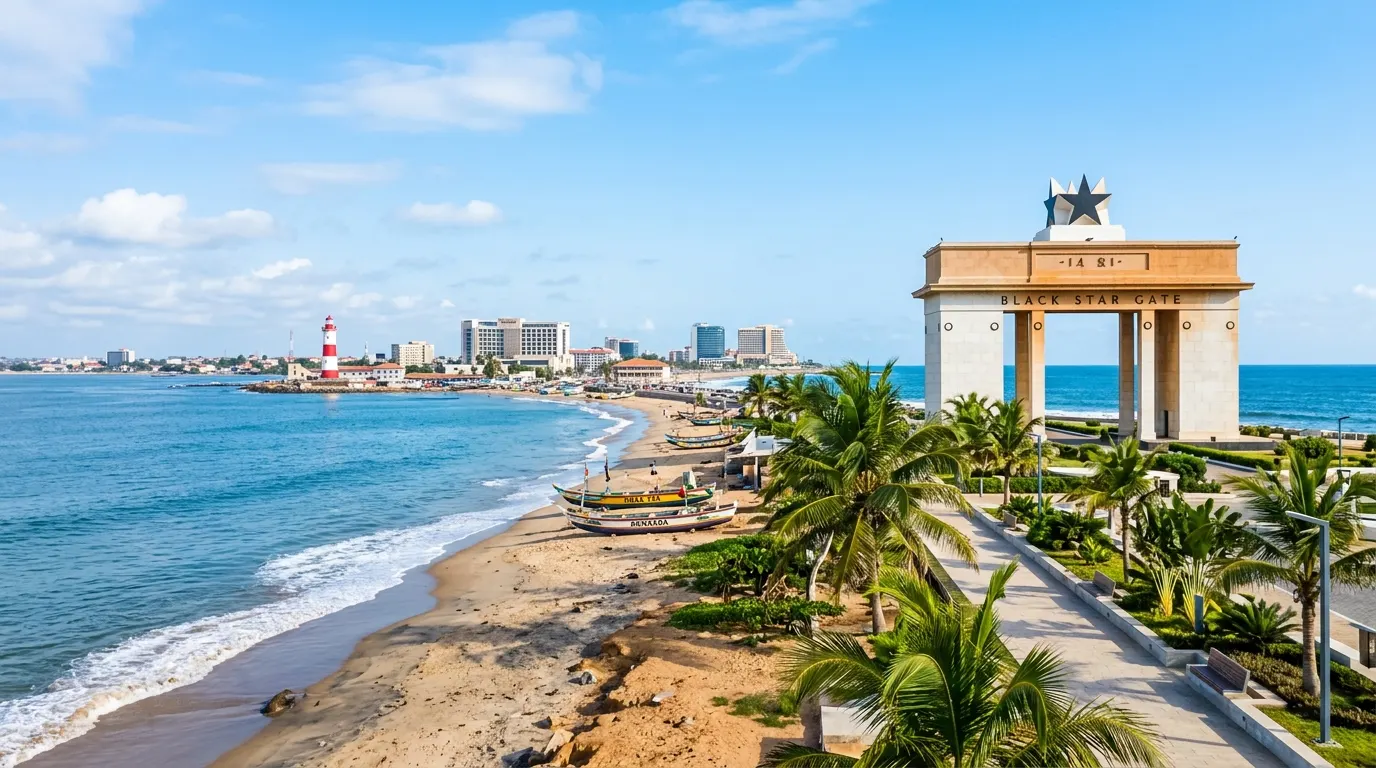
For families looking to explore West Africa, our city guide to Accra is the perfect starting point. Accra is a vibrant, deeply historic city that balances intense urban energy with beautiful coastal escapes.
Start your journey by heading to the coast. Bojo Beach offers a highly unique experience where a short, one-minute boat ride across a tranquil lagoon separates you from the pristine oceanfront. Alternatively, the Bojo Beach Resort requires a fun canoe trip across the water, instantly thrilling younger kids before you even hit the sand.
For a break from the concrete jungle, families love Legon Botanical Gardens. It is a sprawling urban escape that balances serene nature with high-adrenaline activities like a canopy walkway and an intense ropes course. Expect to pay around 20 GHS ($1.50 USD) for basic entry, with activities priced separately. Another fantastic green escape is Rufus Green Parks, which combines a serene botanical garden with water elements perfect for cooling down. When everyone gets hungry, head to The Garden (East Legon), a lush sanctuary combining a garden nursery with an outdoor restaurant and ample space for kids to stretch their legs.
If your kids are ready for a larger adventure, take a day trip to Kakum National Park. Famous for its canopy walkway suspended 40 meters above a lush West African rainforest, it is a thrilling way to experience the local ecology.
🎟️ Find family-friendly tours & activities →
2. Cape Town, South Africa: Nature's Ultimate Playground
Check out our Cape Town family guide to see why this city consistently ranks as a top global destination. Nestled between the towering Table Mountain and the crashing Atlantic Ocean, Cape Town is an outdoor lover’s dream that is surprisingly easy to navigate with children.
Kirstenbosch Botanical Gardens is a must-visit. With wide, stroller-friendly paths, massive rolling lawns perfect for picnics, and a stunning elevated canopy walkway affectionately known as the "Boomslang" (tree snake), it is a stress-free environment where kids can run wild safely. Down at the coast, Boulders Beach is non-negotiable. The wooden boardwalks allow you to push a stroller right up to the nesting grounds of wild African penguins.
For dining and downtime, the V&A Waterfront is heavily commercialized but undeniably convenient. It offers safe, continuous sidewalks, exceptional baby-changing facilities, and the world-class Two Oceans Aquarium, which provides a perfect indoor respite if the famous Cape winds pick up.
3. Doha, Qatar: Futuristic Wonder Meets Desert Tradition
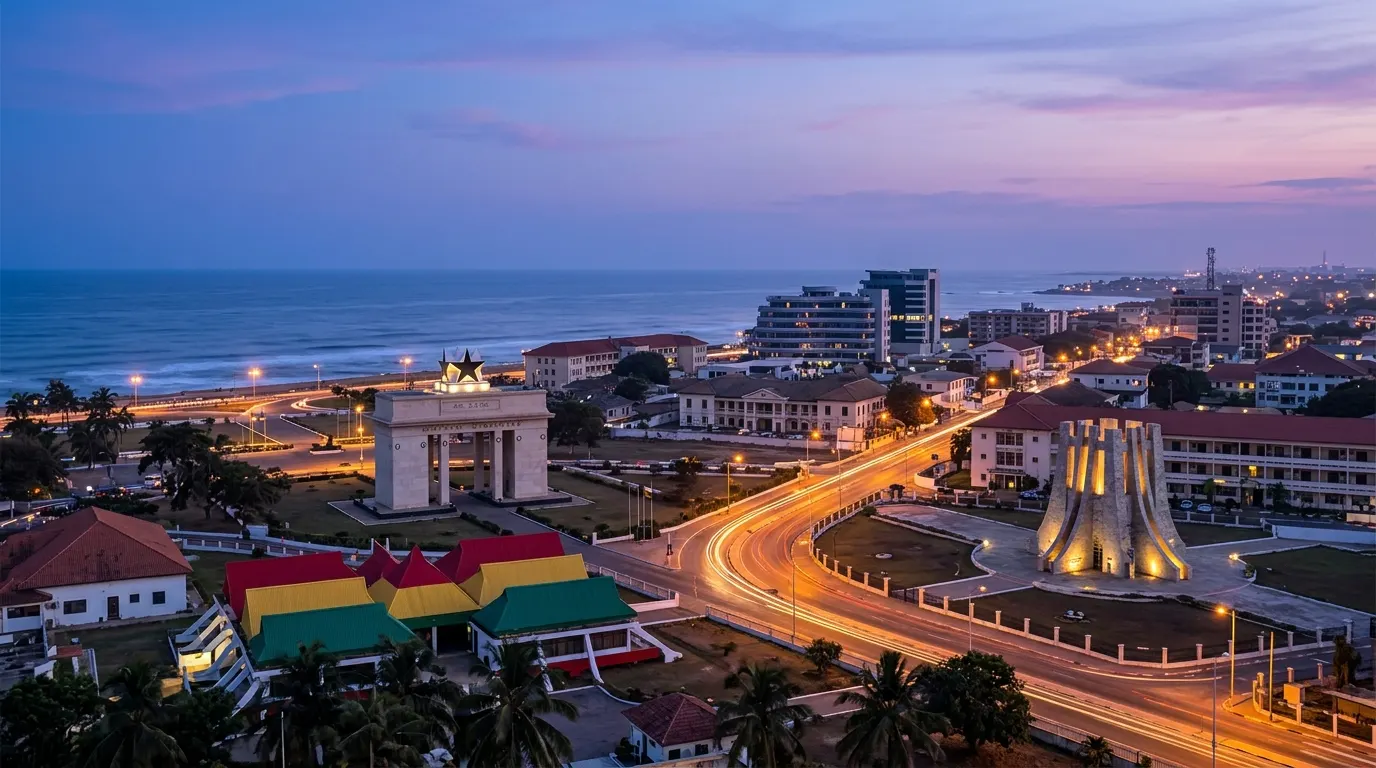
Often overshadowed by its flashy neighbor, Dubai, Doha is arguably more manageable and deeply rewarding for families, as highlighted in our Doha travel guide. The city is spotlessly clean, incredibly safe, and heavily invests in family-centric infrastructure.
The National Museum of Qatar is an architectural marvel shaped like a desert rose. Inside, it is highly interactive, heavily air-conditioned, and designed to engage children with immersive, multi-sensory exhibits about Qatari history and the local environment. Another gem is MIA Park, located adjacent to the Museum of Islamic Art. It features massive, modern playgrounds, wide paved paths for scooters or strollers, and food trucks selling everything from fresh juices to hot chapati.
In the evening, when temperatures drop, Souq Waqif comes alive. Unlike many bustling Middle Eastern markets, the Souq is pedestrian-only, well-lit, and very safe for children to wander. Stop by the Falcon Souq to let your kids see the prized birds up close—a cultural experience they will talk about for months.
4. Amman & Petra, Jordan: Living History Lessons
Jordan offers an incredible blend of safety, hospitality, and awe-inspiring history. Our Amman & Petra guide covers the logistics of moving between the modern capital and the ancient Nabataean city.
Amman itself is built on rolling hills, which means stairs are plentiful and strollers can be challenging. However, the Amman Citadel is a fantastic, sprawling open-air ruin perched above the city. Kids can safely run among towering Roman pillars and explore the small archaeological museum on site. The Jordan Museum in the downtown area is modern, fully accessible, and does an excellent job of explaining the Dead Sea Scrolls to visitors of all ages.
When you transition down to Petra, strategy is everything. The site is massive. Arrive right at the 6:00 AM opening time to beat both the intense midday heat and the tour bus crowds. The walk through the Siq (the narrow gorge leading to the Treasury) is flat and manageable for sturdy strollers, but hiring a local carriage for the return trip can save tired little legs.
🎟️ Book family tickets & skip-the-line tours →
5. Addis Ababa, Ethiopia: High-Altitude Heritage
Ethiopia’s capital sits at an elevation of over 7,700 feet, which means the climate is surprisingly mild and comfortable year-round. As detailed in our Addis Ababa city guide, this city offers a deep dive into human history and a uniquely rich cultural landscape.
The National Museum of Ethiopia is essential for school-aged kids. Standing face-to-face with the replica of "Lucy," the famous 3.2-million-year-old hominid fossil, is a profound educational moment. For a full day of outdoor exploration, head to Unity Park. Located within the National Palace compound, this massive, impeccably maintained park features historical pavilions, a regional zoo, and vast green spaces. The entry fee is around 600 ETB (roughly $11 USD), and it is fully stroller accessible.
Because of the high altitude, ensure your family stays heavily hydrated and takes it easy on the first couple of days to acclimate before attempting any major hikes in the nearby Entoto Mountains.
6. Cairo, Egypt: Ancient Wonders Without the Overwhelm
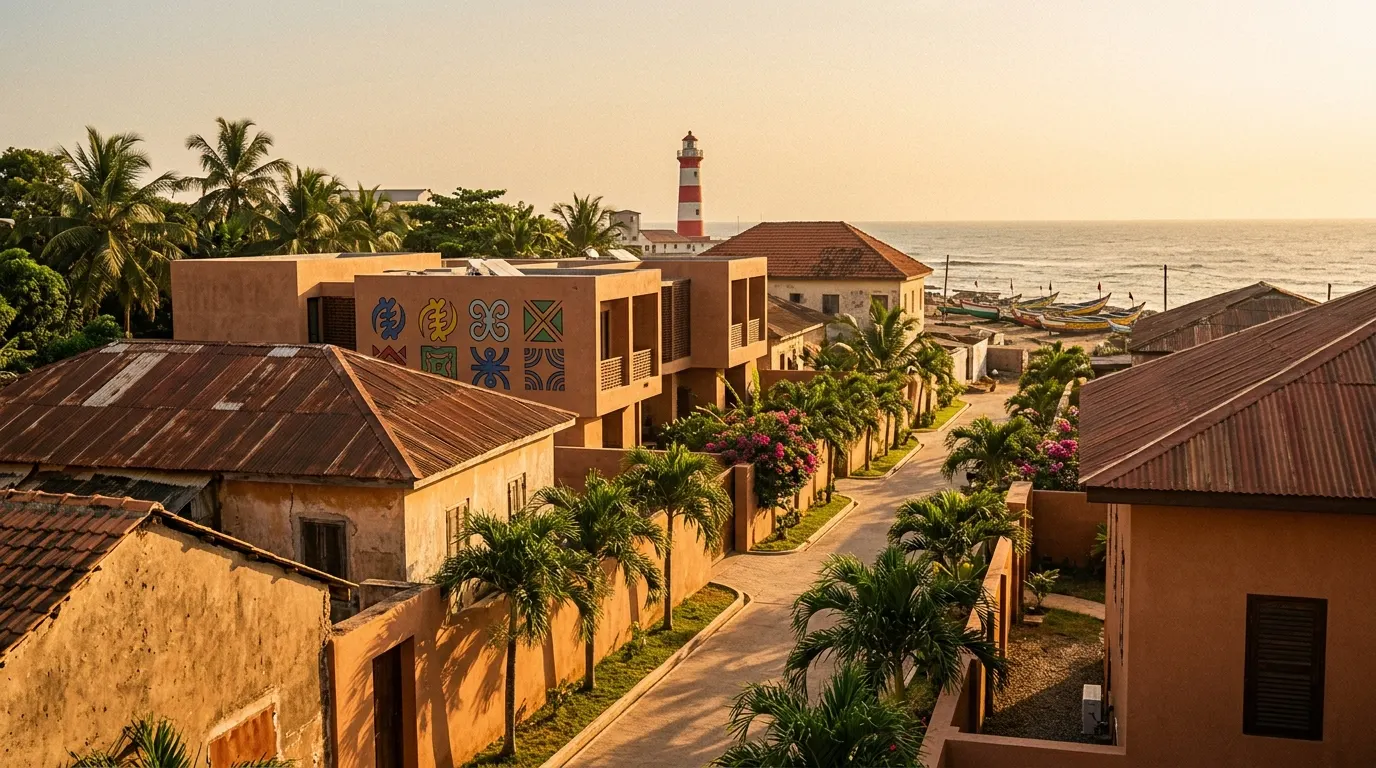
Cairo can initially feel intimidating due to its sheer size and chaotic traffic, but with a bit of planning, it is an unforgettable family destination. Our Cairo family guide heavily recommends hiring a private driver for your stay. This solves the challenge of navigating traffic and ensures you always have car seats and an air-conditioned retreat waiting for you.
The Pyramids of Giza are naturally the main draw. Rather than navigating the aggressive vendors right at the entrance, book a camel or horseback ride starting from the desert outskirts, allowing you to approach the pyramids with a serene, panoramic view.
To escape the city noise, spend an afternoon at Al-Azhar Park. This beautifully manicured green space sits elevated above the city, offering spectacular views of the Citadel, wide paths for kids to run, and excellent onsite restaurants where you can enjoy traditional Egyptian dips and flatbreads in peace. Conclude your day with a sunset felucca (traditional wooden sailboat) ride on the Nile River—it is affordable, incredibly peaceful, and a massive hit with kids.
7. Dubai, UAE: Hidden Family Gems Beyond the Malls
While Dubai is famous for its ultra-luxury shopping and towering skyscrapers, our Dubai city guide highlights the incredible nature and heritage experiences that exist just beyond the commercial centers.
Instead of spending all day indoors, head to the Al Fahidi Historical Neighbourhood. The narrow, winding, pedestrian-only alleys are shaded and full of small museums, art galleries, and cafes. From there, take a traditional wooden abra (water taxi) across Dubai Creek for just 1 AED (about $0.30 USD). The short boat ride is thrilling for toddlers and provides a great view of the trading dhows.
For nature lovers, The Green Planet in City Walk is an incredible indoor bio-dome housing over 3,000 plants and animals, allowing kids to experience a tropical rainforest right in the desert. If you are visiting between November and March, Kite Beach offers fantastic outdoor infrastructure with gentle waves, dedicated stroller tracks laid out over the sand, and an endless array of food trucks for easy, kid-friendly dining.
Age-By-Age Guide: Navigating the Best Family Cities in Middle East & Africa
Traveling with a two-year-old requires a vastly different itinerary than traveling with a fourteen-year-old. Here is how to tailor your trip across different developmental stages, using Accra as a prime example of versatile family travel.
Toddlers (Ages 2-3)
For this age group, prioritize enclosed spaces, climate control, and sensory play. In Accra, The Little Explorers is a premium, Montessori-inspired indoor play center that prioritizes developmental growth and extreme cleanliness, making it an ideal retreat during the hottest part of the day. When outdoors, stick to contained environments like Bojo Beach, where the soft sand and gentle lagoon waters provide a safe environment for splashing.
Preschoolers (Ages 3-5)
Preschoolers have endless energy and a blossoming interest in animals. Take them to the Shai Hills Resource Reserve. Just an hour from Accra, it serves as a manageable "mini-safari" where kids can easily spot zebras, ostriches, and baboons from the safety of a vehicle without the grueling travel times of deep-bush safaris.
School-Age (Ages 6-10)
Children in this bracket thrive on hands-on activities and understanding how the world works. The Tetteh Quarshie Cocoa Farm offers a brilliant, tactile history lesson where kids can see exactly where chocolate comes from, starting right at the cocoa pod. Similarly, the Cedi Beads Factory allows families to watch artisans transform recycled glass into traditional Krobo beads in a mesmerizing, fiery workshop.
Tweens and Teens (Ages 11-14)
Older kids are ready for deeper cultural context and a bit of independence. Book the Omanye House (Jamestown walking tour) for a deep-dive cultural walk led by local Ga residents through the historic heart of Accra. Teens will also appreciate shopping for unique souvenirs at the Global Mamas Fair Trade Shop (Osu), which supports Ghanaian women artisans. For older teens interested in history, the profoundly moving Cape Coast Castle and Elmina Castle offer essential, albeit heavy, education on the trans-Atlantic slave trade. If you visit in the spring, the Kwahu Easter Paragliding Festival offers incredible high-altitude tandem flights that will easily be the highlight of their year.
What to Skip: Tourist Traps and Overhyped Spots
Not every famous landmark is suitable for a family vacation. In fact, pushing through the wrong environment can ruin a travel day. Based on real parent feedback in Accra, here are the spots you should absolutely bypass.
Skip Makola Market if you have young children. While culturally significant, Makola is a high-intensity working market characterized by crushing crowds, unorganized chaos, and extremely narrow, muddy paths that are entirely impassable for strollers. Similarly, avoid the Kaneshie Market Complex and Kantamanto Market. Both are massive, physically exhausting commercial hubs meant for serious wholesale trading, not casual family strolling.
Foodies often recommend the Osu Night Market, but navigating this space with kids means dodging open charcoal grills at toddler eye-level and breathing in thick, pervasive smoke. It is stressful and hazardous for little ones.
Finally, beware of geography traps in guidebooks. Many lists recommend the Kwame Nkrumah University Botanical Garden or Rattray Park, but these are actually located in Kumasi—a grueling 4 to 5-hour drive from Accra. Likewise, the Wechiau Community Hippo Sanctuary is incredible, but it is located in the Upper West Region, requiring an internal flight. Always map your destinations carefully.
Pro Tips from Parents for Middle East & Africa Travel
- Master the Transportation: Download ride-hailing apps like Uber or Bolt before arriving in cities like Accra or Cairo. This completely removes the stress of haggling with street taxi drivers and ensures you have a tracked, safe ride with a set price.
- Plan Your Potty Breaks: In many of these cities, public restrooms are nearly non-existent. Plan your itinerary so that you naturally pass through major international hotels or large shopping centers (like the Marina Mall or Accra Mall) where you can count on clean, accessible facilities.
- Hydration Rules: Stick strictly to reputable bottled water brands for your children. In West Africa, look for Voltic or Bel-Aqua, and entirely avoid the ubiquitous "sachet water" sold on the streets, as the purification standards vary wildly.
- Weather Prep: If visiting West Africa during the Harmattan season (December to February), the dry, dusty winds will heavily impact your skin and sinuses. Pack extra heavy moisturizer, lip balm, and saline nasal spray for your kids.
- Stroller Strategy: Ditch the stroller in highly congested areas. For example, avoid walking Osu Oxford Street in Accra with a stroller, as the area lacks continuous sidewalks and features deep, open drainage gutters. Opt for a structured baby carrier instead.
Embracing the best family cities in middle east & africa requires a sense of adventure, a bit of flexibility, and a willingness to step outside your comfort zone. By swapping crowded European plazas for vibrant souks, lush botanical gardens, and deeply welcoming local communities, you are giving your children an unparalleled education in global citizenship. Pack your bags, download those ride-sharing apps, and get ready for a family adventure that you will be talking about for decades to come.