Planning a major international trip with children requires balancing logistics with magic. You want destinations that offer incredible cultural immersion and breathtaking landscapes, but you also need clean restrooms, accessible sidewalks, and food your kids will actually eat. When evaluating the best family cities in asia pacific, parents often default to the most heavily marketed mega-cities. However, looking just slightly off the beaten path reveals destinations that cater brilliantly to families, offering a mix of high-adrenaline adventure, gentle nature encounters, and welcoming local cultures.
We have explored the region extensively, managing everything from toddler meltdowns in tropical humidity to the insatiable appetites of traveling teenagers. The following destinations stand out not just for their iconic sights, but for how surprisingly manageable they are when you have kids in tow.
1. Auckland, New Zealand (The Nature & Thrill Capital)
Auckland is frequently treated as a brief stopover before heading to the South Island, but skipping through this vibrant harbor city is a massive missed opportunity for families. Read our full Auckland city guide for deeper insights, but here is why this city deserves a dedicated spot on your itinerary.
High-Energy Thrills and Edible Art
For older kids and teens craving adrenaline, the SkyWalk (Sky Tower) is unparalleled. It is a guided walk around a 1.2-meter wide ledge 192 meters above the ground with no handrails—completely safe, but terrifying enough to earn major bragging rights. Afterward, bring the heart rate down with a visit to Giapo Ice Cream. This is not your standard scoop shop; it is an edible art gallery serving gravity-defying ice cream sculptures that will leave your kids speechless.
🎟️ Book family tickets & skip-the-line tours →
Island Hopping and Marine Life
The Hauraki Gulf is Auckland’s playground. Taking the Auckland Ferry to Waiheke (Fullers360) is an adventure in itself; the 40-minute high-speed ride across the gulf is a massive hit with kids. For an unforgettable ecological experience, take the ferry to Tiritiri Matangi Island, a world-class open wildlife sanctuary where rare native birds like the prehistoric-looking Takahē roam freely.
If your family prefers underwater exploration, Goat Island Marine Reserve (Cape Rodney-Okakari Point Marine Reserve) is New Zealand’s first marine reserve. The snorkeling here is world-class, with massive snapper swimming right up to your mask. For terrestrial adventures, Rangitoto Island offers a rugged, volcanic hike where families can walk through lava fields to the summit of a 600-year-old cone.
Beaches, Parks, and Pools
Auckland’s outdoor spaces are impeccably maintained. Cheltenham Beach (Devonport) (also known simply as Cheltenham Beach) is a stunning, sheltered harbor beach with golden sand, calm water, and panoramic views of Rangitoto Island. It is lined with Victorian villas and is perfect for younger children who are intimidated by ocean waves.
For swimming, Parnell Baths features an iconic 60m saltwater pool that is a summer staple, while Point Erin Pools in Herne Bay offers a classic outdoor pool experience with plenty of space for energetic kids. If you prefer dry land, Mission Bay Playground is a premier seaside play space where kids can oscillate between a modern, shaded playground and the gentle beach steps away.
Further north, Tāwharanui Regional Park is a stunning predator-free open sanctuary offering pristine white-sand beaches and rolling pastures. For a dose of culture, Sculptureum is a whimsical art destination featuring three themed outdoor gardens and six indoor galleries that feel like stepping into a storybook.
Parent-Friendly Dining and Entertainment
When you need a break, Hallertau Brewery (Riverhead) is widely regarded as Auckland's most parent-friendly brewery, pairing high-end craft beer with a massive, enclosed outdoor play area. If you happen to be in town on game day, Go Media Stadium Mount Smart (event day) offers an electric atmosphere for high-energy rugby league matches that older kids will love.
Practical Details for Auckland: Most regional parks and beaches are free to access. Ferries run regularly, but booking Waiheke or Tiritiri Matangi tickets in advance is highly recommended during the summer (December-February). Expect a family of four to spend around $150-$200 NZD ($90-$120 USD) per day on basic attractions and casual dining, excluding major tours.
2. Busan, South Korea (The Coastal Culture Hub)
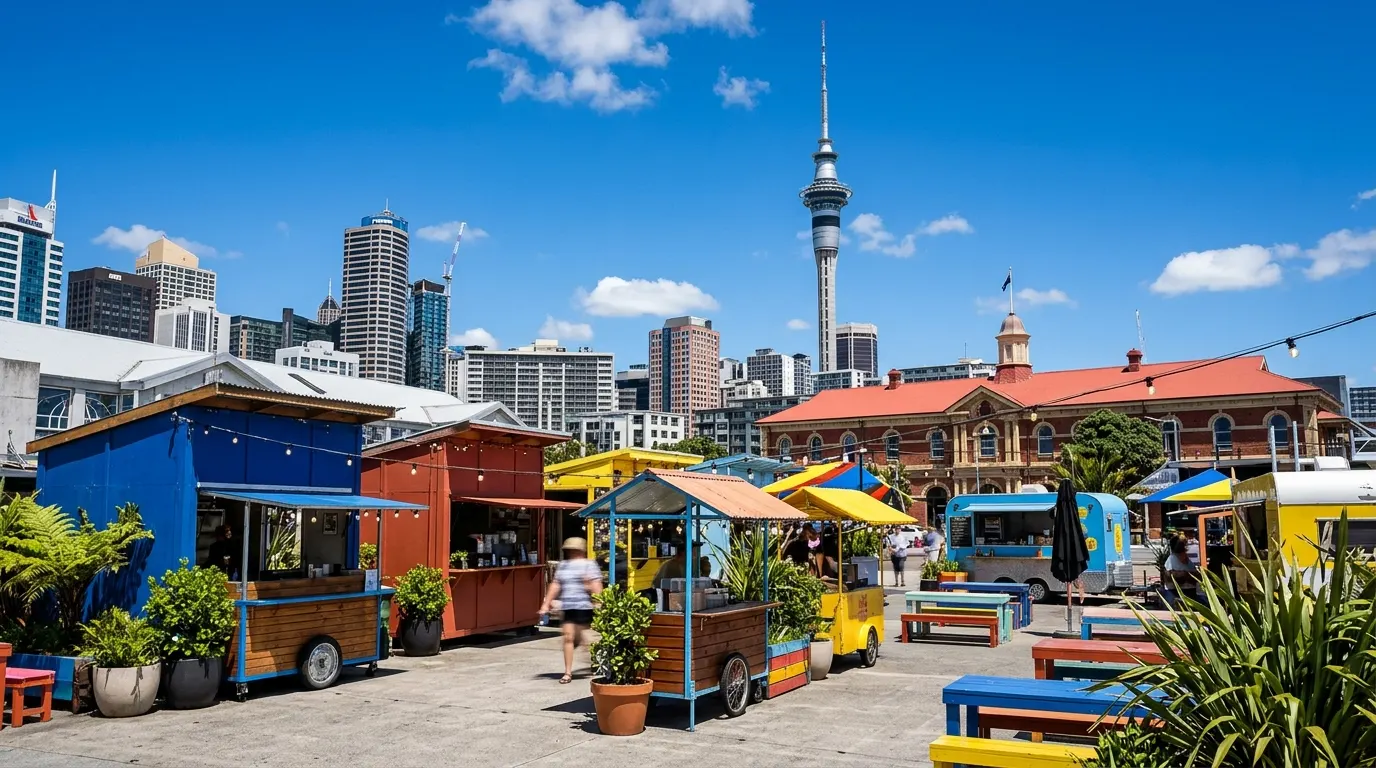
While Seoul gets the majority of the attention, Busan is arguably more relaxed and manageable for families. This southern port city seamlessly blends beautiful coastlines with vibrant, colorful neighborhoods.
Beaches and Sky Capsules
Haeundae Beach is famous, but for families, the wide, clean sands of Gwangalli Beach offer incredible views of the Diamond Bridge and plenty of space for kids to run. A major highlight for families is the Haeundae Sky Capsule, a fleet of retro-style, brightly colored mini-trains that travel along an elevated railway hugging the coastline. It offers stunning views, gives tired little legs a break, and provides a private, enclosed space where you can relax without worrying about your toddler wandering off.
Cultural Villages
Gamcheon Culture Village is a must-visit. Known as the "Machu Picchu of Busan," its steep, brightly painted alleyways are packed with street art, tiny cafes, and interactive stamp-collecting maps that keep kids motivated as you navigate the hills.
Practical Details for Busan: The subway system is incredibly efficient, stroller-friendly, and inexpensive. A typical family meal of Korean BBQ or noodle soup will cost around 40,000-60,000 KRW ($30-$45 USD). Spring (April) and Autumn (October) offer the most comfortable weather for exploring.
3. Cebu, Philippines (The Tropical Playground)
If your family is looking for marine adventures and warm hospitality, Cebu is a phenomenal base in the Visayas region. The local culture is deeply family-oriented, meaning children are welcomed everywhere with genuine warmth.
Island Hopping and Waterfalls
Mactan Island, just off the main city, is lined with family-friendly resorts offering private beaches and massive pool complexes. However, the real magic happens when you hire a traditional pump boat for an island-hopping tour to spots like Nalusuan Island, where the water is shallow, crystal clear, and teeming with reef fish that will swim right up to your children.
For older, more adventurous kids, Kawasan Falls offers canyoneering—a guided adventure involving hiking, swimming, and jumping off small waterfalls into bright turquoise pools.
🎟️ Find family-friendly tours & activities →
Practical Details for Cebu: Traffic in Cebu City can be heavy, so base yourself on Mactan Island if your priority is beach time. Island hopping tours typically cost around 3,000-5,000 PHP ($55-$90 USD) for a private boat for the whole family. Be prepared for high humidity year-round.
4. Chengdu, China (The Panda Capital)
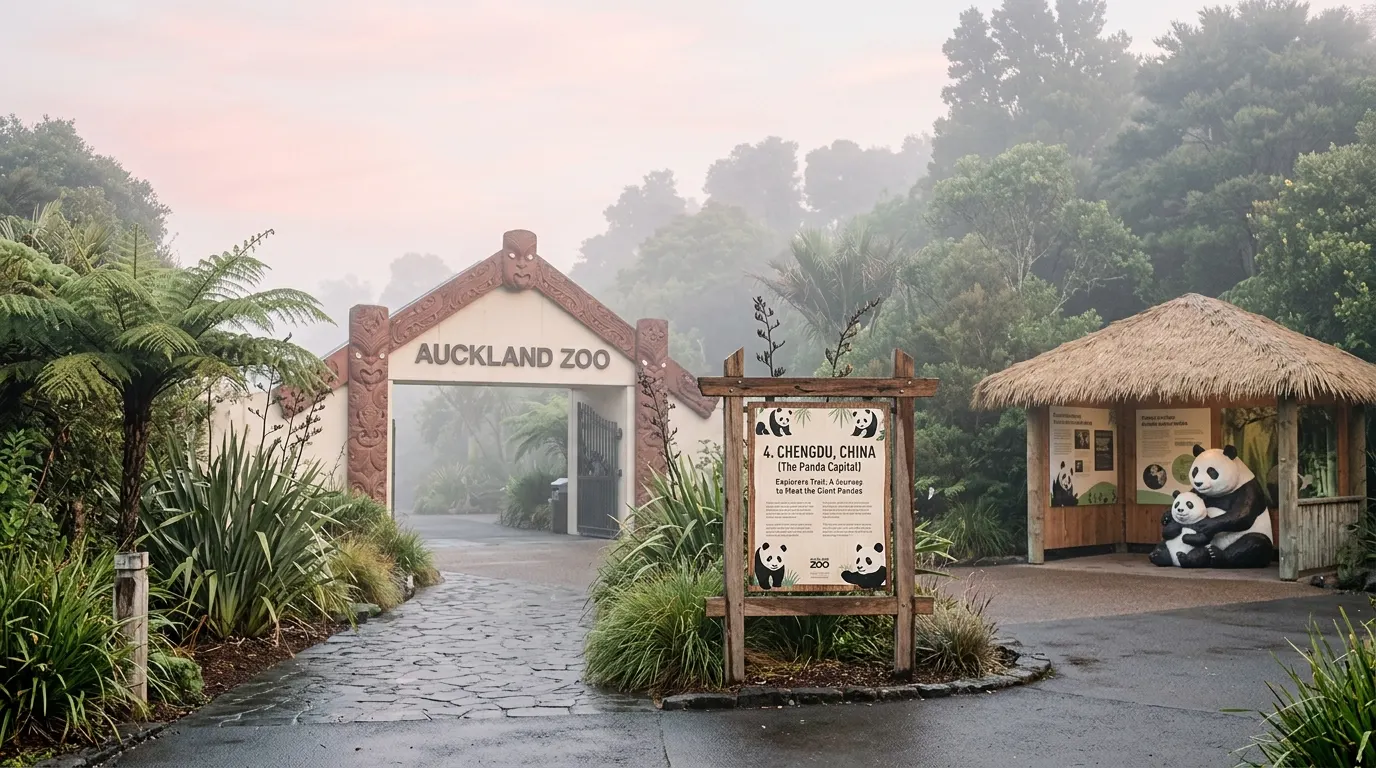
Often overshadowed by the coastal mega-cities, Chengdu is a lush, laid-back city in southwestern China that offers one guaranteed crowd-pleaser for kids of all ages: Giant Pandas.
Pandas and Parks
The Chengdu Research Base of Giant Panda Breeding is the absolute highlight. Arrive right at opening time (usually 7:30 AM) to see the pandas when they are most active, eating bamboo and playing before they sleep through the heat of the day. The base is sprawling and heavily shaded, making it a pleasant walk, though strollers are a must for toddlers due to the distances.
Beyond pandas, Chengdu is famous for its teahouse culture. Visiting People's Park allows kids to watch locals practicing Tai Chi, playing Mahjong, and performing traditional music.
Practical Details for Chengdu: While Sichuan food is famously spicy, locals are very accommodating to families. You can easily order non-spicy dumplings, plain rice, and mild vegetable dishes. A hearty family meal at a local restaurant will cost around 150-250 CNY ($20-$35 USD).
5. Beijing, China (The Historical Wonder)
Taking kids to Beijing requires a bit of logistical planning, but the payoff is immense. Standing on the Great Wall or walking through the sheer scale of the Forbidden City provides a tangible history lesson that no textbook can match.
The Great Wall with Kids
Do not attempt the heavily crowded Badaling section. Instead, head to the Mutianyu section of the Great Wall. It is slightly further out, but it offers a cable car up to the wall (perfect for families with young kids) and, incredibly, a toboggan slide down. Sliding down the side of a mountain after walking the Great Wall is an experience your kids will talk about for years.
City Exploration
The Temple of Heaven is surrounded by a massive park where local families gather to fly intricate kites. Buying a kite from a local vendor and letting your kids join in is a fantastic way to spend a low-key afternoon after the sensory overload of the major historical sites.
🎟️ Book family tickets & skip-the-line tours →
Practical Details for Beijing: You must book tickets for major sites like the Forbidden City days in advance using your passport details. Strollers are difficult on the Great Wall due to uneven steps, so bring a baby carrier for infants and toddlers.
6. Bangkok, Thailand (The Vibrant Sensory Experience)
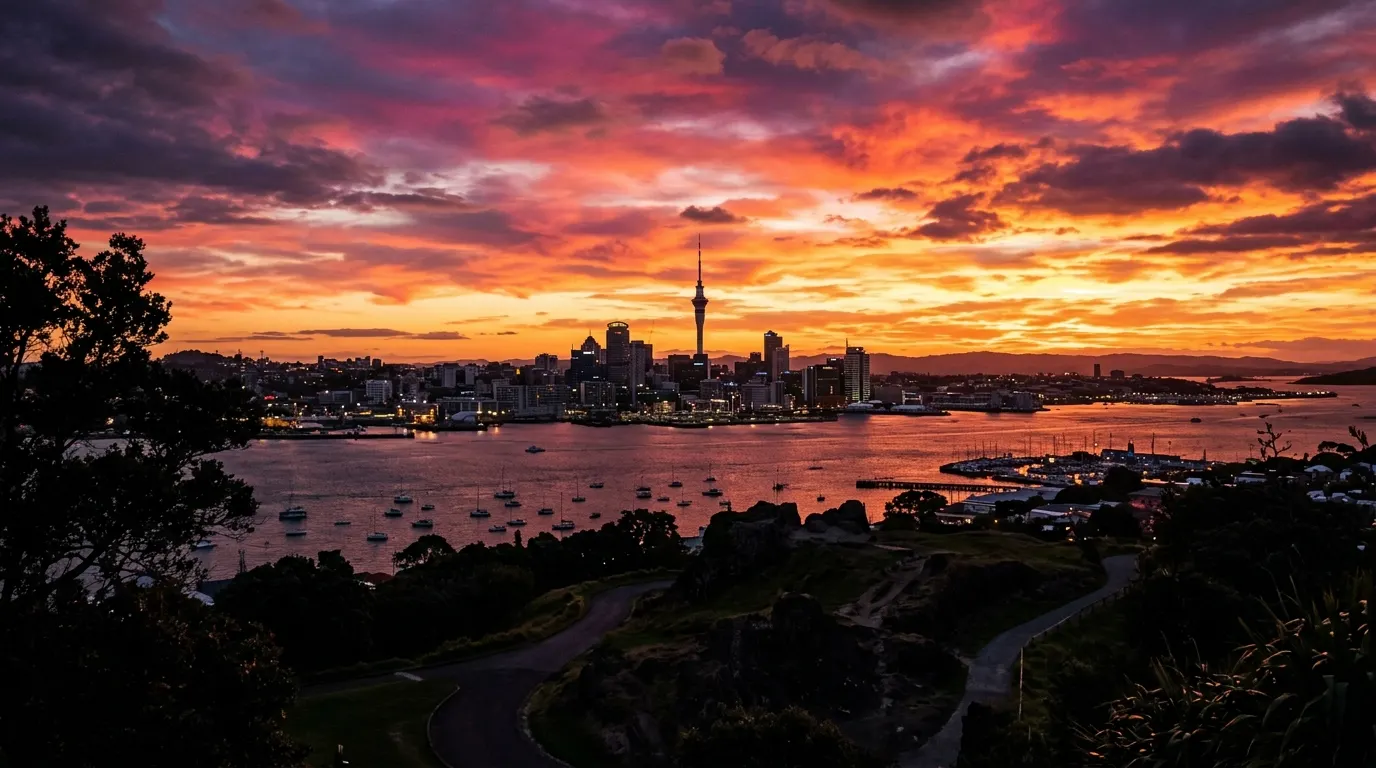
Many parents write off Bangkok as too chaotic for children, but beneath the bustling exterior is a city filled with color, incredible food, and engaging transport options.
Rivers and Reptiles
Navigating the city via the Chao Phraya River on the public express boats or private longtail boats is thrilling for kids and allows you to bypass the notorious street traffic. A visit to Lumphini Park provides a brilliant urban escape. Rent a swan-shaped pedal boat on the artificial lake, and keep your eyes peeled for the massive, prehistoric-looking monitor lizards that roam freely through the grass—they are harmless if left alone, but thrilling for kids to spot.
Practical Details for Bangkok: The heat and humidity are intense. Plan your outdoor sightseeing for the early morning, spend the afternoon in air-conditioned malls (which often have incredible indoor playgrounds and aquariums), and venture out again for early dinners. Street food is generally safe, but stick to stalls with high turnover where you can see the food being cooked fresh.
7. Bali, Indonesia (The Island of the Gods)
While Bali is well-known, its family-friendly infrastructure makes it one of the most reliable destinations in the region. It offers a perfect blend of rich Hindu culture and easy resort living.
Culture and Coastlines
Ubud’s Sacred Monkey Forest Sanctuary is always a hit, though parents need to enforce strict rules about not touching or feeding the macaques. For beach days, areas like Sanur offer calmer waters protected by a reef, alongside a paved beachfront path perfect for strollers or rented bicycles. Bali also excels at family-friendly beach clubs where parents can relax on daybeds with excellent food while kids splash in massive infinity pools overlooking the ocean.
Practical Details for Bali: Ride-hailing apps like Grab and Gojek are essential for getting around, though traffic in areas like Canggu and Seminyak can be gridlocked. A private driver for a full day of sightseeing usually costs around 600,000-800,000 IDR ($40-$55 USD), making it an affordable luxury for families.
Age-Specific Tips for Traveling Asia Pacific with Kids
Toddlers (Ages 2-3)
The biggest challenge with toddlers in these cities is managing heat and distance. Look for destinations with wide, accessible paths. In Auckland, the Point Erin Pools and the flat paths around Mission Bay are perfect. In cities like Bangkok or Cebu, embrace the mid-day nap back at the hotel to escape the peak heat. Always travel with a lightweight, easily foldable travel stroller, as sidewalks in many Asian cities can be uneven.
Preschoolers (Ages 3-5)
Kids this age need interactive, tactile experiences. Traditional museums will quickly bore them, so lean into outdoor art and wildlife. The whimsical displays at Sculptureum in Auckland or the interactive sky capsules in Busan are ideal. Food can be a sticking point at this age, so always carry familiar snacks, but encourage them to try local fruits like rambutan or dragon fruit, which look fun and taste sweet.
School-Age (Ages 6-10)
This is the golden age for wildlife and gentle adventure. They have the stamina for nature walks, making the predator-free trails of Tāwharanui Regional Park or the snorkeling at Goat Island Marine Reserve highly engaging. They are also old enough to appreciate the scale of places like the Great Wall of China, provided you break up the day with fun activities like the toboggan ride.
Tweens & Teens (Ages 11-14)
Teens want independence, unique food experiences, and things that look great on social media. Give them control of navigating the subway systems in Busan or Beijing. Let them lead the way through the night markets in Bangkok or Auckland. Adrenaline activities like the SkyWalk (Sky Tower) are essential for keeping them engaged.
What to Skip in Auckland (and Beyond)
Even the best cities have traps that look great on paper but fail miserably in reality when you have kids. Based on our extensive experience in Auckland, here is what you should strike from your itinerary:
- Waiwera Thermal Resort: Do not let outdated guidebooks fool you; this once-popular waterpark has been permanently closed since 2018 following financial disputes. It is completely abandoned.
- SkyCity Casino Auckland: While the Sky Tower above it is great, New Zealand law strictly prohibits anyone under 20 from entering the casino gaming floor, making it useless for families.
- Maungawhau / Mount Eden Summit (summit area): While the views are iconic, the logistical hurdle of extremely limited parking and the steep, often exposed walk up makes it a whiny, exhausting trek for younger kids.
- Auckland Fish Market (Lunch Rush): The food is good, but during the peak lunch rush, this market transforms into a high-stress scramble for limited seating, which is a nightmare when balancing trays of food and keeping track of children.
- La Cigale French Market (Parnell): This market is notoriously cramped with extremely narrow aisles that become nearly impassable during peak weekend hours. You will spend the entire time apologizing as your stroller bumps into people's ankles.
- Queen Street (central shopping strip): Auckland's main thoroughfare is a steep, congested concrete canyon dominated by generic souvenir shops and fast food. There is very little charm here for families.
- Karangahape Road (K Road): While it is a celebrated cultural icon for adult nightlife and vintage shopping, it is a gritty, bohemian strip that lacks family-friendly infrastructure or activities.
- Auckland Memorial Park Cemetery (War Memorial Park): While the grounds are beautifully landscaped, this is a functioning cemetery, not a recreational park for kids to run and play in.
Pro Tips from Parents for the Best Family Cities in Asia Pacific
To make your days smoother, rely on these parent-tested local strategies (specifically highlighting our Auckland insights):
- Master the local transit cards: In Auckland, buy an AT Hop card. Instead of booking a pricey commercial harbor cruise, use the card to take the 12-minute public ferry to Devonport. It offers the exact same incredible harbor views for a fraction of the cost.
- Use the InnerLink Bus: The bright green InnerLink bus in Auckland is a lifesaver. Use it to navigate between the Auckland Museum, Parnell, and Ponsonby without having to fold up your stroller or hunt for expensive parking.
- Food Halls are your friend: To avoid arguments over what to eat, visit Ponsonby Central. It features a fantastic communal dining setup where everyone in the family can choose from different high-quality food stalls.
- Respect local geography: When climbing Auckland's volcanic cones, explicitly teach your children not to run down into the actual craters. These are considered highly sacred (wāhi tapu) by local Māori, and entering them is deeply disrespectful.
- Time your transport: Never attempt to drive through Auckland's central city motorway interchanges between 4:30 PM and 6:30 PM. The congestion is notoriously bad and will trap you in the car with hungry, irritable kids.
- Dress for the coast: If you visit Auckland's rugged West Coast beaches like Muriwai or Piha, bring windbreakers and sturdy footwear, even on a sunny day. The Tasman Sea winds are relentless and can chill kids quickly.
- Watch the clock in dining precincts: Skip the Viaduct Harbour dining precinct after 7:00 PM on Fridays and Saturdays. The area rapidly transitions from a family-friendly dinner spot to a loud, alcohol-heavy party zone.
Wrapping Up Your Asia Pacific Adventure
Traveling across this massive, diverse region with children is an incredibly rewarding endeavor. Whether you are navigating the high-speed transit of East Asia, lounging on the beaches of Southeast Asia, or exploring the volcanic landscapes of New Zealand, the key to success is pacing yourself and choosing destinations that offer a natural balance of excitement and ease. By focusing on these underrated gems, you will discover that the best family cities in asia pacific are the ones where both parents and kids can genuinely relax, explore, and create memories that will outlast any souvenir.