When planning an international family trip, the default is often a theme park in Florida or a well-trodden European capital. Yet, looking further afield reveals some of the most enriching, culturally immersive, and warmly welcoming destinations on the planet. Finding the best family cities in middle east & africa means discovering places where children are genuinely celebrated by locals, where history jumps out of textbooks, and where landscapes range from sprawling savannas to ancient desert cities. These regions offer profound educational experiences and outdoor adventures that simply cannot be replicated anywhere else.
If you are ready to venture beyond the standard vacation circuits, you will find that traveling with kids in these regions is incredibly rewarding. The key is knowing exactly where to go, how to pace your days, and which practical details will make or break your itinerary.
Why You Should Explore the Best Family Cities in Middle East & Africa
In many Middle Eastern and African cultures, family is the absolute center of social life. When you travel here with children, doors open. You will find locals eager to help you navigate a bustling market, restaurant staff who will happily entertain a restless toddler, and guides who excel at making ancient history fascinating for school-aged kids.
Beyond the hospitality, these destinations offer a masterclass in global citizenship. Your children will witness diverse ways of life, taste new flavors, and see wildlife in its natural habitat rather than behind zoo enclosures. From navigating the wind-swept ramparts of North African coastal towns to learning about the deep, complex histories of West Africa, these trips build resilience, empathy, and a profound curiosity about the world.
The 12 Most Underrated Family Destinations
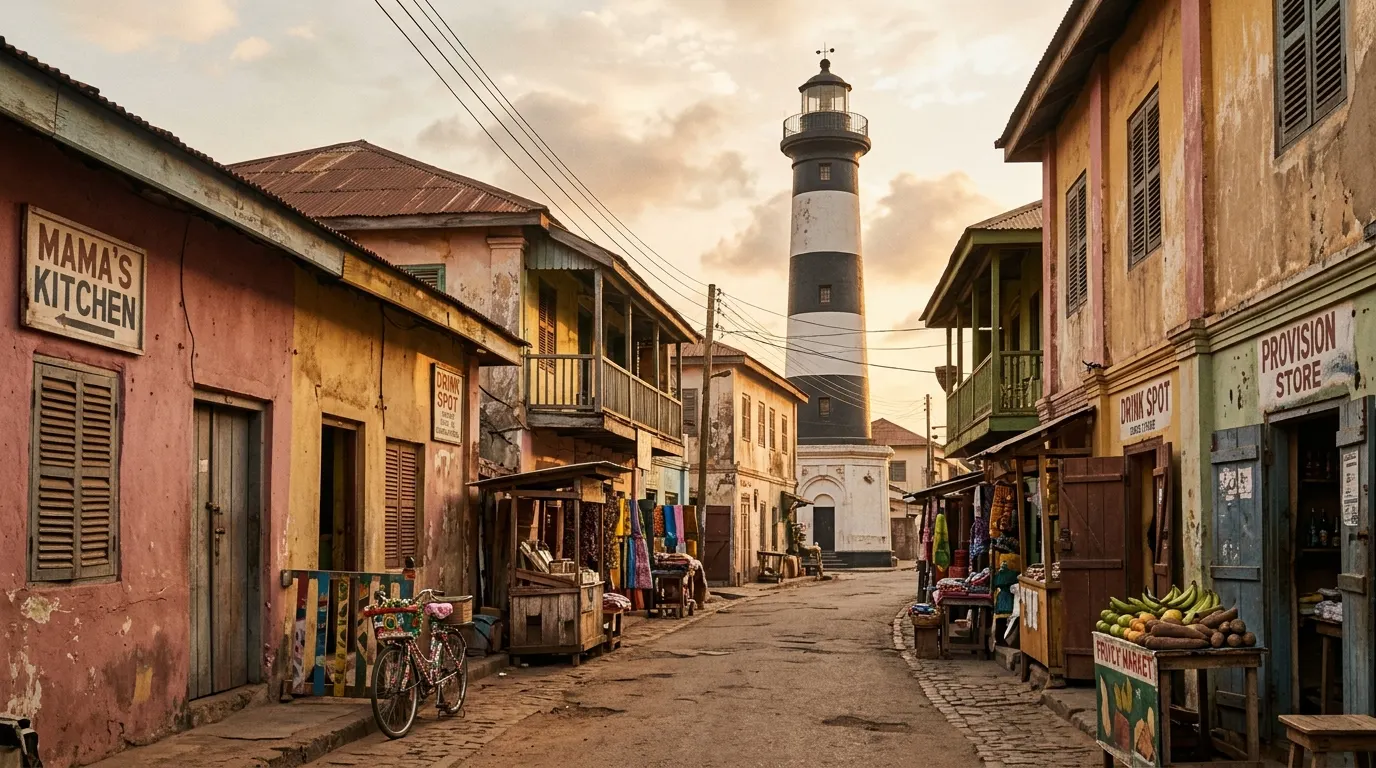
While some of these cities are famous globally, they are often overlooked specifically as family destinations. Here are twelve incredible cities and regions that offer exceptional experiences for parents and children alike.
1. Accra, Ghana
Accra is a vibrant, coastal metropolis that serves as an incredible introduction to West Africa for families. For older children and teens, a visit to Cape Coast Castle or Elmina Castle offers a profoundly moving, essential education on the trans-Atlantic slave trade. For a calmer introduction to Pan-African history, the W.E.B. Du Bois Centre is incredibly peaceful.
When you need to burn off energy, head out of the city center to Kakum National Park (about 100 GHS or $8 USD for adults), where a world-famous canopy walkway is suspended 40 meters above a lush rainforest. If you prefer to stay closer to town, the Omanye House (Jamestown walking tour) offers a deep-dive cultural experience led by local Ga residents. Need a break from the intense West African heat? Seek out Santoku Restaurant (Osu) for a sophisticated, air-conditioned sanctuary serving excellent Japanese food, or spend an afternoon at Sandbox Beach Club, an upscale beachfront spot with a stunning infinity pool. For a full weekend escape, Aqua Safari Resort offers calm waters where the Volta River meets the Atlantic, alongside a 'safari' feel with roaming animals.
For more details on navigating this vibrant city, check out our City Guide: /city/accra.
🎟️ Book family tickets & skip-the-line tours →
2. Essaouira, Morocco
Often bypassed in favor of Marrakech, Essaouira is a coastal gem that is infinitely easier to manage with children. The medina is largely pedestrianized, flat, and lacks the overwhelming motorbike traffic found in larger Moroccan cities, making it completely stroller accessible. Kids love exploring the ancient ramparts, complete with historic brass cannons overlooking the crashing Atlantic. The wide, sandy beaches are perfect for kite-flying and camel rides, though the wind makes it better for water sports than calm swimming. It is a relaxed, bohemian city where you can sip mint tea while the kids play safely in the town squares. Read more in our City Guide: /city/essaouira.
3. Amman & Petra, Jordan
Amman is a fantastic hub for families, offering exceptional Middle Eastern hospitality. Jordanians adore children, and you will feel this warmth everywhere from local bakeries to the spectacular Roman ruins of the Citadel overlooking the city. A few hours south, Petra is an absolute must-do. While the ancient Nabatean city is vast (entrance is around 50 JOD or $70 USD), kids are invariably thrilled by the walk through the towering Siq to reveal the Treasury. Strollers are difficult on the uneven cobblestones and sand, so bring a comfortable baby carrier for little ones, and take advantage of the horse carriages for tired legs. Plan your Jordanian adventure with our City Guide: /city/amman-petra.
🎟️ Find family-friendly tours & activities →
4. Arusha, Tanzania
Known primarily as the gateway to the Serengeti, Arusha itself is highly underrated for families. Before you embark on a dusty, multi-day safari, Arusha offers lush coffee plantations where kids can learn how a bean goes from the tree to the cup. The Cultural Heritage Centre provides a fantastic, low-pressure environment to view incredible African art and learn about local tribes. The climate is surprisingly temperate due to the elevation, making it comfortable for kids to explore local nature trails. Find out more in our City Guide: /city/arusha-northern-tanzania.
5. Diani Beach, Kenya
If you want a beach destination that feels a world away from crowded resorts, Diani Beach is spectacular. The sand is powder-white, and the Indian Ocean waters are warm and shallow, making it incredibly safe for toddlers and preschoolers to splash around. What elevates Diani for families is the wildlife; it is home to the Colobus Conservation center, where kids can see endangered black-and-white colobus monkeys up close. You can easily pair a relaxing beach week here with a short safari in nearby Shimba Hills. Discover more in our City Guide: /city/diani-beach.
6. Doha, Qatar
Doha is rapidly becoming one of the most family-friendly cities in the Gulf. It offers a cleaner, slightly calmer alternative to its larger neighbors. The National Museum of Qatar is an architectural marvel with highly interactive, sensory-rich exhibits designed specifically to engage young minds. Souq Waqif is spotless and safe, perfect for an evening stroll to buy spices and watch the local falcons. The city is incredibly stroller-friendly, and air-conditioned indoor theme parks provide necessary relief during the scorching summer months. Explore our City Guide: /city/doha.
7. Addis Ababa, Ethiopia
Addis Ababa is a high-altitude city rich in history and culture. For school-aged kids and teens, a visit to the National Museum to see "Lucy," our ancient hominid ancestor, is a tangible connection to human history. Entoto Park, located in the hills above the city, offers fresh eucalyptus-scented air, zip lines, and safe walking trails with panoramic views of the capital. Traditional Ethiopian dining is also a hit with kids, as eating with your hands using injera (sour flatbread) is not just allowed, it is required. Read our full City Guide: /city/addis-ababa.
8. Johannesburg, South Africa
Johannesburg is often viewed merely as a transit hub, but it is packed with family attractions. For younger kids, Gold Reef City offers theme park rides built on an old gold mine. For tweens and teens, the Apartheid Museum is a vital, if sobering, educational experience that prompts incredible family discussions about civil rights and justice. The city also boasts massive urban forests and parks, perfect for weekend picnics. Prepare for your trip with our City Guide: /city/johannesburg.
9. Cairo, Egypt
Cairo is loud, chaotic, and utterly magnificent. Seeing the Pyramids of Giza is a bucket-list moment that leaves kids speechless. The new Grand Egyptian Museum (GEM) is designed with modern, spacious exhibits that are much easier to navigate with children than the old museum in Tahrir Square. When the city noise gets too much, retreat to Al Azhar Park, a stunning green oasis offering playgrounds, fountains, and sweeping views of the city's minarets at sunset. Dive into the details in our City Guide: /city/cairo.
10. Cape Town, South Africa
While famous, Cape Town is sometimes overlooked by parents who think it requires too much rugged adventure. In reality, it is incredibly accessible for families. Kids will love the rotating cable car up Table Mountain, and the boardwalks at Boulders Beach allow toddlers to get safely close to a colony of wild African penguins. The V&A Waterfront offers world-class aquariums, safe pedestrian zones, and endless dining options catering to picky eaters. Get our full itinerary in the City Guide: /city/cape-town.
11. Dubai, UAE
Dubai is well-known, but its true cultural depth is often underrated by families who never leave the mega-malls. Beyond the indoor ski slopes and massive aquariums, families can venture into the desert for dune bashing and camel rides, or take an abra (traditional wooden boat) across Dubai Creek for just 1 AED (about $0.25 USD) to explore the gold and spice souks. It seamlessly blends extreme modern convenience with deep-rooted Bedouin heritage. Learn more in our City Guide: /city/dubai.
🎟️ Book family tickets & skip-the-line tours →
12. Kruger National Park, South Africa
Kruger makes the list because it democratizes the safari experience for families. Unlike ultra-expensive, fly-in lodges that often ban children under 12, Kruger allows for self-driving. You can rent a car, pack your own snacks, and explore the park at your family's pace. If a toddler has a meltdown, you simply roll up the windows and drive back to camp. The rest camps are fenced, safe, and feature swimming pools and grocery stores. Plan your self-drive safari with our City Guide: /city/kruger-national-park.
What to Skip in Accra (and Similar Cities)
When traveling to high-energy destinations, knowing what to avoid is just as critical as knowing what to see. High temperatures, massive crowds, and lack of infrastructure can quickly turn an exciting outing into a tearful disaster. If you are visiting Accra, heed these warnings (which apply to similar bustling markets across the region):
- Makola Market: While visually stunning and culturally significant, Makola is a high-intensity working market. Navigating the 'unorganized chaos' with toddlers or young children involves squeezing through extremely narrow, sometimes muddy paths, dodging heavy loads carried on heads, and dealing with crushing crowds. It is physically exhausting and incredibly stressful for parents trying to keep track of small children.
- Osu Night Market: Famous for delicious street food, but navigating this market with kids means dodging open charcoal grills at a child's eye-level and breathing in thick smoke. The narrow alleys are too congested to safely manage with little ones in tow.
- Osu Castle (Fort Christiansborg): While historically significant, Osu Castle is a somber site with long, lecture-heavy guided tours that lack the interactive or visually engaging elements needed to hold a child's attention. Opt for the more spacious and visually striking Cape Coast Castle for older kids instead.
- Osu Nightlife Strip (Oxford Street bars/clubs cluster): Avoid walking this area with a stroller or young children, especially after dark. The area lacks continuous sidewalks, features deep open gutters, and transforms into a high-decibel, adult-centric zone with heavy, chaotic traffic.
Age-by-Age Guide for the Best Family Cities in Middle East & Africa
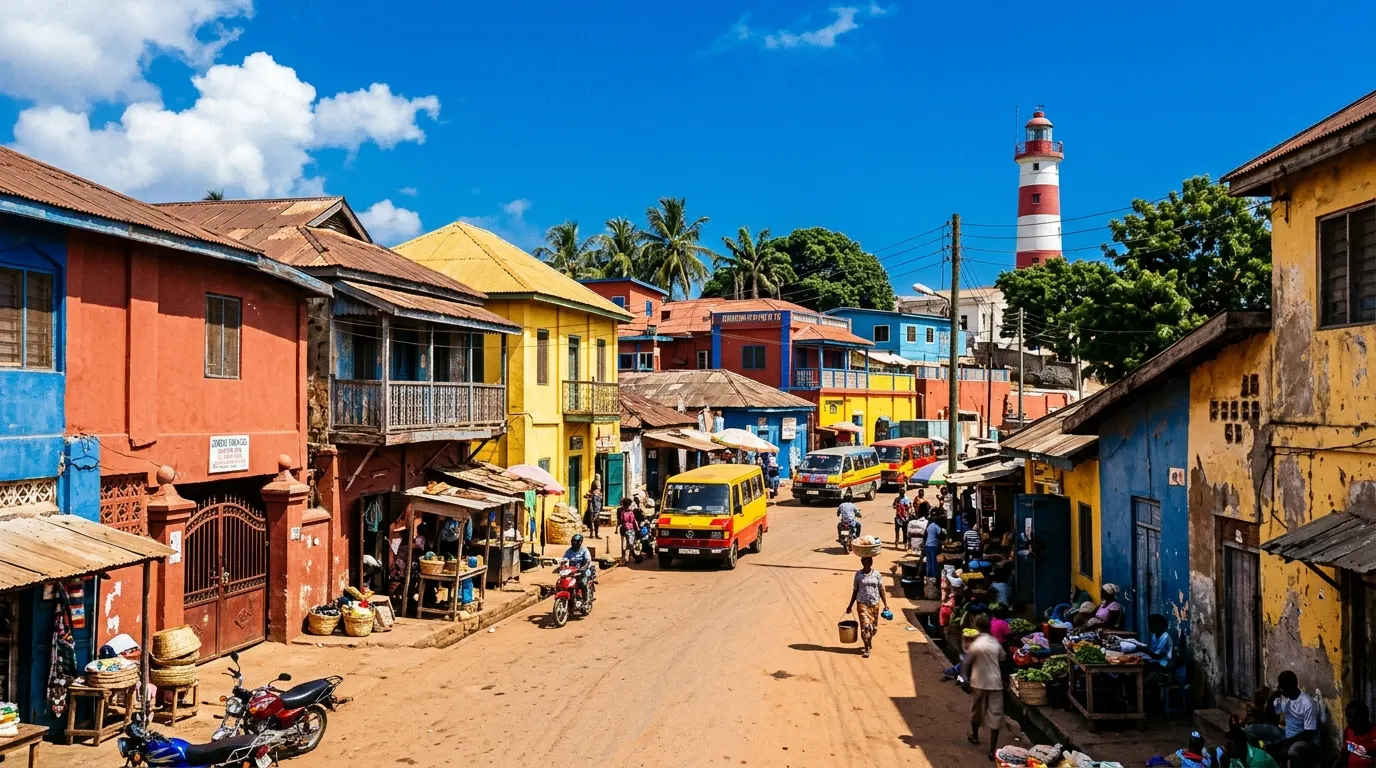
Traveling successfully in these regions requires tailoring your itinerary to your child's developmental stage.
Toddlers (Ages 2-3)
Heat and disruption to sleep schedules are your biggest enemies here. Pacing is everything. In cities like Accra, take advantage of premium indoor spaces during the midday heat, such as The Little Explorers, a Montessori-inspired play center that prioritizes developmental growth. When visiting historical sites or nature reserves, completely ditch the stroller. Pavements are often uneven or non-existent. A high-quality, breathable structured baby carrier is mandatory. Keep itineraries to one major activity in the early morning, followed by a pool afternoon.
Preschoolers (Ages 3-5)
Preschoolers need tactile, hands-on experiences. They will struggle with long museum tours but will thrive on short, engaging boat trips. In Ghana, the Ada Foah (Volta River Estuary Boat Trips) offer a scenic excursion where the river meets the ocean, perfect for spotting birds and playing in the sand without requiring a massive attention span. In places like Diani Beach, the focus should be on sandcastles and short nature walks to spot monkeys. Always have snacks on hand, as local meal times in the Middle East and Africa are often much later than in the West.
School-Age Kids (Ages 6-10)
This is the golden age for these destinations. Kids this age have the stamina for longer days and the curiosity to engage with the culture. They will love the thrill of walking the high canopy bridges at Kakum National Park or spotting elephants on a self-drive in Kruger. To keep them engaged, give them a cheap digital camera or a travel journal and task them with documenting specific animals, foods, or monuments.
Tweens and Teens (Ages 11-14)
Teens are capable of processing complex, emotional histories. Destinations like the Apartheid Museum in Johannesburg or the slave castles along the Ghanaian coast provide unparalleled educational moments that will stay with them forever. They also appreciate vibrant, modern culture. Take them to the Artists Alliance Gallery in Accra, a massive three-story treasure trove of contemporary art and world-famous 'fantasy coffins', or let them haggle for souvenirs in the souks of Doha or Amman.
Pro Tips from Parents for Middle East & Africa Travel
- Hydration and Food Safety: Stick exclusively to reputable bottled water brands for drinking and brushing teeth. In West Africa, look for brands like Voltic or Bel-Aqua, and completely avoid the ubiquitous 'sachet water' sold on the streets, which can upset foreign stomachs. If you want to try authentic local food safely, institutions like Auntie Muni's Waakye Joint (Adabraka) in Accra offer legendary local dishes (rice and beans on banana leaves) with high turnover and excellent hygiene standards.
- Transportation Hacks: Navigating public transit or haggling with street taxis with a crying baby is a recipe for immense stress. Download ride-hailing apps like Uber or Bolt before you arrive. They are widely used in cities like Accra, Cairo, and Johannesburg, allowing you to lock in a price and track your route safely.
- Strategic Potty Breaks: Public restrooms are nearly non-existent in many of these urban centers, and those you do find may lack toilet paper or soap. Always carry your own tissues and hand sanitizer. Plan your sightseeing around major, modern shopping centers (like Marina Mall or Accra Mall) where you can reliably find clean, accessible facilities.
- Climate Preparations: The weather requires specific packing. If you are visiting West Africa during the Harmattan season (December to February), the air becomes incredibly dry and dusty. Pack extra heavy moisturizer, lip balm, and saline nasal spray to prevent your kids from getting painful dry noses and throat irritation.
Traveling to the best family cities in middle east & africa requires a bit more planning and flexibility than a standard resort vacation, but the payoff is immense. You are giving your children the gift of a broader perspective, an appreciation for diverse cultures, and memories of real adventure. Pack a good baby carrier, load up on patience, and get ready to experience some of the most vibrant, welcoming corners of the world with your family.