Traveling with children requires an entirely different lens. Crowds, endless queues, and overwhelming transit systems are the natural enemies of a peaceful family vacation. Finding the best family cities in europe often means looking past the most obvious postcard destinations and discovering places where children are truly welcomed, not just accommodated. The destinations that offer the most magic are often the ones that balance rich culture with wide-open spaces, interactive environments, and a relaxed pace.
As we look toward 2026, the travel landscape is shifting. Families are trading chaotic capitals for secondary cities, coastal havens, and highly walkable cultural hubs. If you are planning your next overseas adventure and want to maximize joy while minimizing meltdowns, building your itinerary around underrated, highly adaptable destinations is the key to success.
Here are the 10 most underrated family travel destinations for 2026, starting with our absolute favorite region that perfectly blends adventure, safety, and breathtaking natural beauty.
1. The Algarve, Portugal: The Ultimate Underrated Champion
When searching for the best family cities in europe, many parents overlook the southern coast of Portugal. The Algarve is often associated with golf resorts or summer crowds, but when navigated correctly, it is an unparalleled family paradise. Think kayaking through sea caves, spotting wild dolphins, and building sandcastles on golden shores.
Top Verified Places for Families in the Algarve
The coastline here is defined by dramatic geology and stunning waters. For beach days, Praia da Falésia is a must-visit. This stunning 6km stretch of golden sand is backed by dramatic ochre cliffs. The gradual slope into the water makes it one of the safest beaches for young swimmers, and the hard-packed sand near the water line is surprisingly manageable for strollers with all-terrain wheels.
For a more rugged, exploratory beach day, Praia do Evaristo is a smaller cove famous for its dramatic rock formations. The natural tide pools that form here at low tide are endless sources of fascination for curious kids looking for crabs and small fish. If you are staying in the Eastern Algarve, Praia Verde offers a stunning, pine-fringed stretch of white sand that feels more like a nature reserve than a tourist beach, complete with calm, crystal-clear water. Another incredible option is Praia de Odeceixe, a stunning 'two-for-one' beach where the Seixe River loops around a massive sandbar to meet the Atlantic. Parents can let toddlers splash in the warm, shallow river water while older kids tackle the ocean waves.
No trip to the Algarve is complete without exploring the iconic coastline from the water. The Benagil Sea Cave is a breathtaking natural cathedral with a massive skylight 'eye' and a hidden beach. It is accessible only by water, making a boat or kayak tour essential. Similarly, Ponta da Piedade is a breathtaking headland of golden limestone cliffs, natural arches, and hidden grottos that defines the region's beauty.
🎟️ Find family-friendly tours & activities →
For families with older, active children, the Kayak Tour to Ponta da Piedade (from Lagos) is an active, guided paddle through these iconic golden sea caves and rock arches. If you prefer to stay dry but still want high-energy thrills, the Dolphin Watching with Dream Wave Algarve (Vilamoura) is a high-speed marine adventure that combines the thrill of a jet boat with the educational value of tracking wild pods. For younger kids who love a theme, the Leaozinho Pirate Ship (Vilamoura Marina) offers a high-energy, 2.5-hour coastal cruise on a replica pirate ship featuring a live pirate show and treasure hunt.
If you need a break from the sand, Zoomarine Algarve is Portugal's premier family attraction. It is a massive hybrid of a marine life park, water park, and traditional amusement park. Inside, they offer Dolphin Emotions at Zoomarine, a premium, highly structured dolphin interaction program that older children will remember forever.
🎟️ Book family tickets & skip-the-line tours →
For a dose of culture, wander through Lagos Old Town (Centro Histórico de Lagos). It is a charming, pedestrian-friendly maze of whitewashed buildings and cobblestone streets enclosed by ancient walls. And if you are feeling adventurous, you can even manage a Day Trip to Seville (Spain). It is a cross-border dash to one of Spain's most stunning cities, where you can marvel at the Seville Cathedral (Catedral de Santa María de la Sede), a massive, awe-inspiring Gothic cathedral that houses Christopher Columbus’ tomb. Lastly, do not miss Praia da Marinha, widely considered one of the most beautiful beaches in the world, featuring golden sea stacks and stunning clifftop walking paths.
Practical Details for the Algarve: Most beaches are free and open 24/7, though sunbed rentals usually run €15-€25 ($16-$27 USD) per day. Zoomarine tickets are roughly €35 ($38 USD) per person, and the park generally operates from 10:00 AM to 6:00 PM in the warmer months. Stroller accessibility varies; cliffside paths often require a baby carrier, while marina boardwalks and towns like Lagos are flat and paved.
Age-by-Age Guide to the Algarve
- Toddlers (Ages 2-3): Focus your days on the calm, warm river side of Praia de Odeceixe or the ultra-flat, wave-free waters of Praia Verde. Toddlers will also love the shallow splash zones and gentle carousel rides at Zoomarine. Stick to early morning beach visits before the midday sun gets too intense.
- Preschoolers (Ages 3-5): This age group thrives on imagination. The Leaozinho Pirate Ship is a massive hit, providing just enough entertainment while keeping them safely contained on a boat. The natural tide pools at Praia do Evaristo will keep them occupied for hours looking for tiny marine life.
- School-Age (Ages 6-10): High-speed ocean thrills are perfect here. The Dolphin Watching with Dream Wave jet boat will have them screaming with joy, and they are old enough to handle the walking trails above Praia da Marinha.
- Tweens & Teens (Ages 11-14): Give them a sense of independence and physical challenge with the Kayak Tour to Ponta da Piedade. They will also appreciate the freedom to safely wander slightly ahead of you through the pedestrian streets of Lagos Old Town to grab a gelato.
What to Skip in the Algarve
Not every heavily advertised attraction is worth your family's time or money. To protect your peace and your wallet, skip these tourist traps:
- Albufeira Marina Parasailing (various operators): The hassle-to-fun ratio is poor for families. You will pay a premium (often €40-60 per person) for a very short flight, and the waiting time on the boat can make kids seasick and restless.
- Praia de Benagil (The Beach): This isn't a beach for relaxing. It is a high-traffic transit hub for motorboats and kayaks heading to the cave. Families trying to build sandcastles here will be constantly dodging tour groups.
- Benagil Cave Swimming Access: Attempting to swim to the cave from the beach is extremely dangerous due to powerful Atlantic currents and heavy boat traffic. Always book a boat or kayak tour instead.
- Aqualand Algarve Big One Ride: The 'Big One' and similar extreme slides like the Kamikaze are logistical traps for families, featuring massive lines and strict height requirements that inevitably leave younger siblings crying on the sidelines.
- The Big One (Albufeira Strip Nightclub) & Cais do Sodré-style party cruises (Albufeira 'Sunset Party Boat' operators): These are high-decibel areas and activities dominated by rowdy stag and hen parties. They feature loud music and open bars, creating a thoroughly un-family-friendly atmosphere.
- Albufeira Tourist Train: While it looks like a fun novelty, the 'train' is actually a tractor-pulled carriage that gets stuck in heavy road traffic, breathing in exhaust fumes. You are better off walking.
- Museu de Cera dos Descobrimentos (Lagos Wax Museum): This is a very small, overpriced attraction where the wax figures are of mediocre quality and the entertainment value for children is virtually zero.
2. Brno, Czechia: The Quiet Fairytale
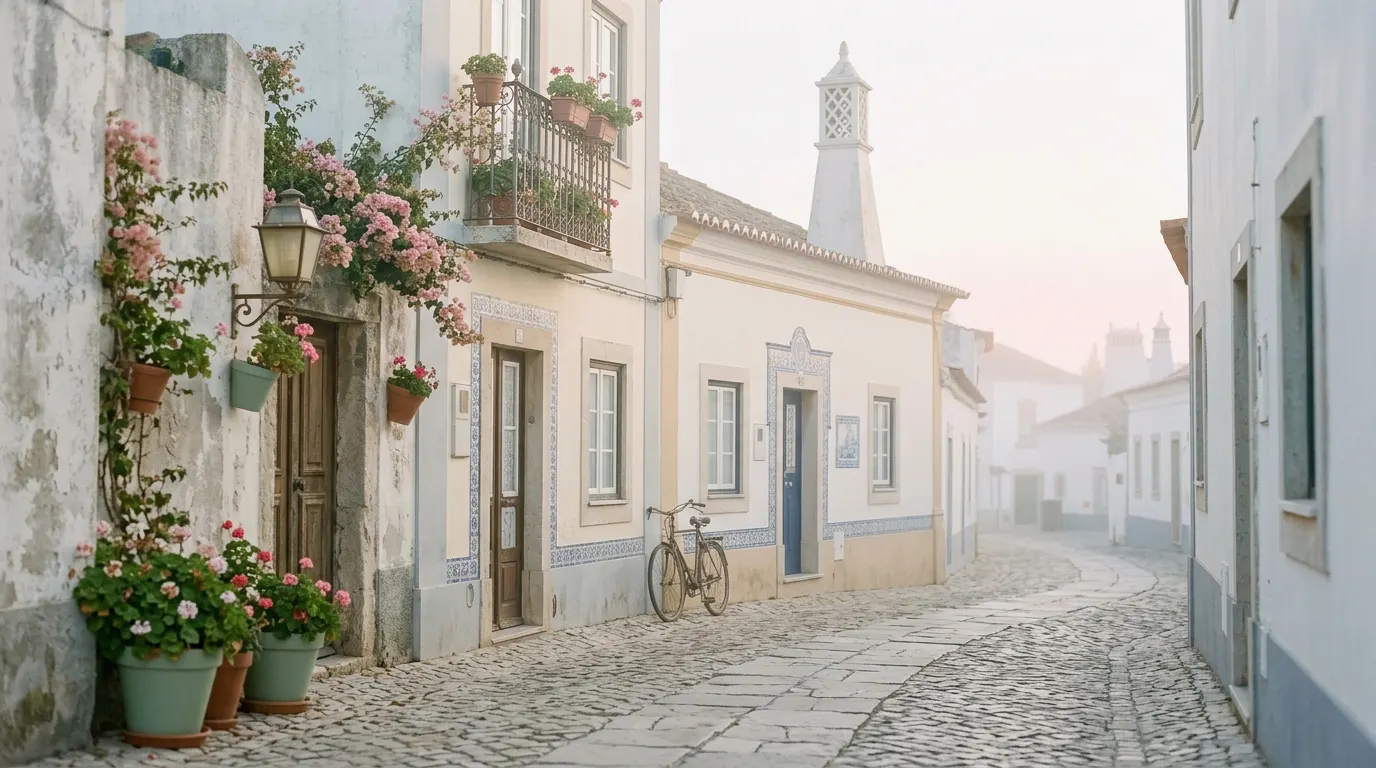
While Prague groans under the weight of summer crowds, Brno remains a remarkably calm, highly walkable alternative that feels like a secret kept just for locals. The city's pedestrianized center means toddlers can safely waddle across massive public squares without the constant threat of traffic. Kids are endlessly fascinated by the Brno Astronomical Clock—a sleek, bullet-shaped monument that drops a glass marble every day at 11:00 AM. Catching the marble is a local sport that children love participating in. The city also boasts incredible, slightly spooky underground labyrinths and the towering Špilberk Castle, which offers plenty of grassy hills for burning off morning energy.
3. Bergen, Norway: Fjords Without the Fuss
Norway can seem daunting with small children, but Bergen is the perfect gateway to the fjords. It is compact, incredibly safe, and visually stunning with its colorful wooden houses along the Bryggen wharf. The absolute highlight for families is taking the Fløibanen funicular up Mount Fløyen. The ride itself is a thrill for kids, but the top reveals a massive, troll-themed playground nestled into the forest, alongside friendly free-roaming goats. Bergen's pace is beautifully slow, and the local bakeries serving warm skillingsboller (cinnamon buns) provide the perfect fuel for a day of exploring.
4. Bordeaux, France: Chateaux and Playgrounds
Often dismissed as an adult-only wine destination, Bordeaux is quietly one of the most child-friendly cities in France. The city is incredibly flat and relies on a sleek, above-ground tram system that makes navigating with a stroller effortless. The crown jewel for kids is the Miroir d'Eau, the world's largest reflecting pool. On a warm day, it transforms into a massive, elegant splash pad where children run through the mist while parents relax on the adjacent lawns. Across the river, the Darwin Eco-système features an indoor skatepark, urban art, and organic cafes with plenty of space for kids to roam.
5. Brussels & Bruges, Belgium: Chocolate and Canals
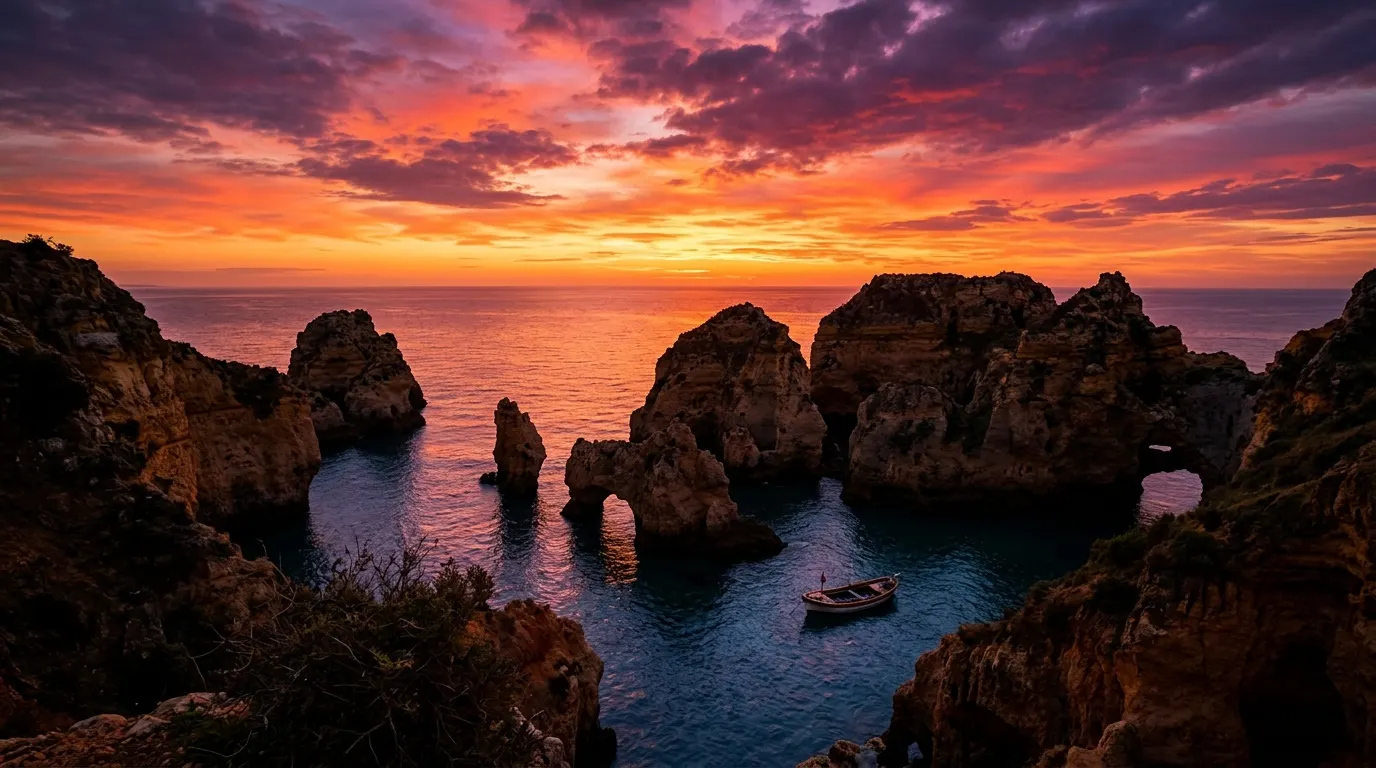
Pairing Brussels-Bruges gives you the ultimate mix of quirky urban art and fairytale scenery. In Brussels, ditch the boring museum itineraries and follow the Comic Book Route. The city has painted massive murals of Tintin, the Smurfs, and Asterix on the sides of buildings, turning a simple city walk into a massive scavenger hunt for the kids. A short train ride away, Bruges feels like stepping into a storybook. The gentle canal boat tours are perfect for resting tired little legs while taking in the medieval architecture, and the abundance of fresh waffle stands guarantees that no one will complain about being hungry.
6. Athens, Greece: Mythology Come to Life
Many parents avoid Athens with kids, fearing intense heat and endless ruins. However, visiting in the shoulder seasons (April, May, September, October) reveals an entirely different city. The National Gardens provide a massive, shaded oasis right in the city center, complete with duck ponds and a fantastic playground. Furthermore, the Athens Riviera is highly underrated. A short tram ride from the center takes you to the Flisvos Marina, featuring wide, stroller-friendly promenades, safe beaches, and massive seaside playgrounds where local families gather until sunset.
7. Budapest, Hungary: Thermal Baths for Tots
Budapest is a sprawling, majestic city that surprisingly caters brilliantly to younger visitors. Margaret Island, sitting right in the middle of the Danube River, is a massive car-free park featuring musical fountains, petting zoos, and pedal-cart rentals. The thermal bath culture is also surprisingly family-friendly; places like the Gellért Baths have outdoor wave pools that kids adore. Even the city's famous ruin bars, like Szimpla Kert, transform on Sunday mornings into bustling, family-friendly farmers markets where kids can sample local cheeses and chimney cakes (kürtőskalács) while parents enjoy the eclectic art.
8. Berlin, Germany: Expansive Parks and History
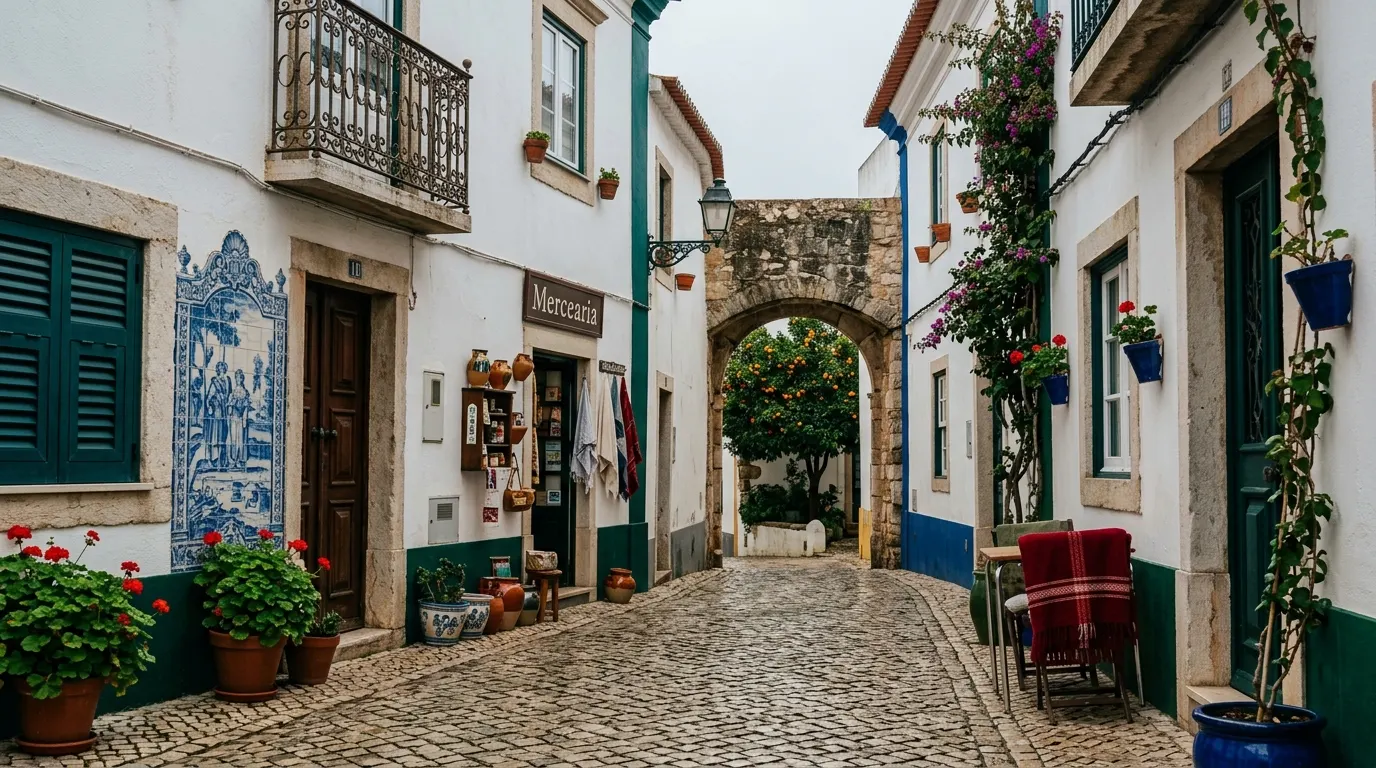
Berlin might be famous for its history and nightlife, but it is actually a paradise for young families. The city is defined by its massive, imaginative playgrounds known as Spielplätze. These aren't your standard plastic slides; they feature elaborate wooden pirate ships, massive climbing nets, and manual water pumps for mud play. Tempelhofer Feld, a decommissioned airport turned public park, offers miles of flat, paved runways where kids can safely bike, rollerblade, or fly kites without a car in sight. The city is also incredibly accommodating to strollers, with wide sidewalks and excellent elevator access in the U-Bahn stations.
9. Amsterdam, Netherlands: Beyond the Centrum
The key to enjoying Amsterdam with kids is getting out of the crowded, tourist-heavy center. The city's outer neighborhoods are built entirely around family life. Renting a bakfiets (cargo bike) allows you to securely strap the kids in the front bucket while you pedal through the expansive Vondelpark. Take the free, five-minute ferry behind Centraal Station to Amsterdam Noord, where you will find massive open spaces, family-friendly cafes, and the incredible NEMO Science Museum, which features a sloping rooftop piazza perfect for running around while taking in panoramic views of the city.
10. Barcelona, Spain: Winter Sun and Gaudi
While Barcelona is heavily touristed in the summer, it becomes one of the most underrated family destinations in Europe during the winter months. The mild Mediterranean climate means you can still enjoy the wide, sandy beaches of Barceloneta without the suffocating crowds. The whimsical, colorful architecture of Antoni Gaudí, particularly Park Güell, feels like stepping into a Dr. Seuss book, capturing the attention of even the most museum-averse children. The CosmoCaixa science museum features an incredible flooded indoor rainforest, and Ciutadella Park offers rowboat rentals and a life-size stone mammoth that kids love to climb on.
Pro Tips from Parents for Exploring the Best Family Cities in Europe
- Ditch the Umbrella Stroller for Cobblestones: European streets in cities like Lagos, Bruges, or Brno will destroy small plastic stroller wheels. Bring a stroller with robust, air-filled tires, or rely heavily on a structured baby carrier for historic city centers.
- Adjust Your Dining Clock: Most Southern European cities (especially in Portugal and Spain) do not open restaurants for dinner until 7:30 PM or 8:00 PM. Shift your kids' schedules by offering a heavy late-afternoon snack, or embrace the local bakery culture for early evening meals.
- Embrace the Playground Culture: In Europe, playgrounds are community hubs. Plan to stop at local parks daily. It gives your kids a chance to interact with local children (play is a universal language) and gives you a moment to sit on a bench with a coffee.
- Book Your 'Must-Dos' Well in Advance: While exploring off the beaten path is great, if you want to visit a major attraction (like the Benagil Cave or Zoomarine), book your tickets online weeks in advance to skip the agonizing ticket queues with impatient children.
- Prioritize Transit as Entertainment: Kids often find the mode of transportation more exciting than the destination. Trams in Bordeaux, funiculars in Bergen, and ferries in Amsterdam are cheap, highly effective ways to keep toddlers and preschoolers thrilled.
Finding the best family cities in europe doesn't require sacrificing your own travel dreams; it simply requires a slight pivot toward destinations that offer space, safety, and natural wonder. Whether you are navigating the golden cliffs of the Algarve, eating warm cinnamon buns in Bergen, or chasing bubbles in a square in Brno, these underrated cities prove that traveling with kids can be deeply rewarding and genuinely relaxing. Pack your sturdy walking shoes, leave the rigid itineraries behind, and get ready to experience Europe at a pace that allows your whole family to thrive.