Traveling south offers a massive advantage for North American families: staying within the same or similar time zones. This eliminates the dreaded jet lag that often ruins the first three days of a European vacation and allows you to hit the ground running. Latin America and the Caribbean combine incredible biodiversity, rich history, and a culture that genuinely reveres children. Finding the best family cities in latin america means looking past the standard all-inclusive resorts and diving into destinations that offer authentic, engaging experiences for every age group, from toddlers marveling at sea turtles to teens surfing Atlantic swells.
Whether you are looking for high-altitude Andean culture, vast Patagonian landscapes, or lush rainforests teeming with wildlife, the region delivers unparalleled family adventures. Below is a curated guide to the most underrated, culturally rich, and highly engaging urban and island hubs for families traveling with kids ages 2 to 14.
Discovering the Best Family Cities in Latin America (and the Caribbean)
While traditional vacation spots often isolate families in a manufactured bubble, these ten destinations invite you to explore alongside locals. We have included an honorary Caribbean gem that pairs perfectly with a broader regional itinerary, offering the same time-zone benefits and cultural warmth.
1. Barbados: The Ultimate Island Playground
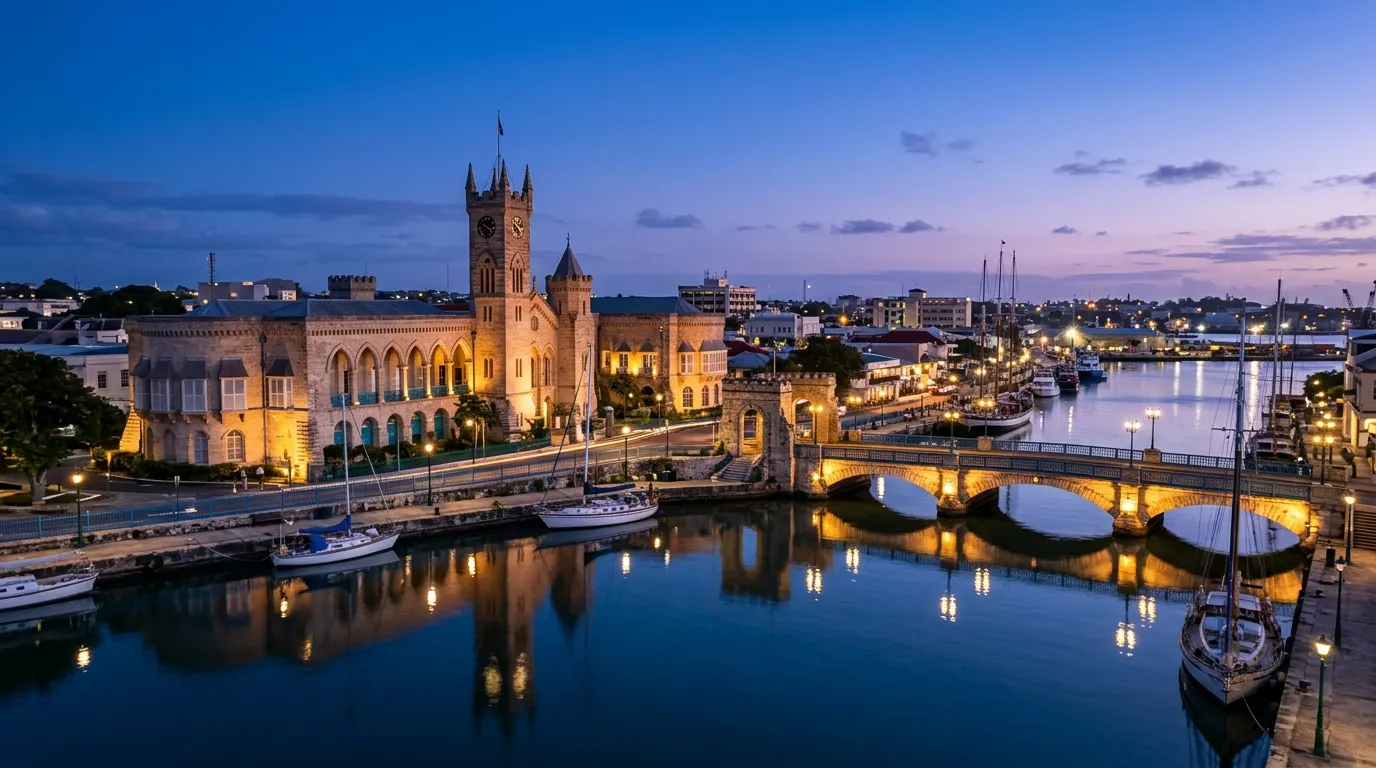
Barbados is often stereotyped as a luxury enclave for honeymooners, but it is actually one of the most dynamic, kid-friendly islands in the region. The infrastructure is solid, the locals are incredibly welcoming to children, and the natural encounters are unforgettable. For a comprehensive look, bookmark our full City Guide: /city/barbados.
When deciding where to spend your beach days, head to the West Coast. Batts Rock Beach is a parent's dream, featuring calm, shallow waters and a rare shaded playground right near the sand. While you are there, grab dinner at La Cabane, a chic, bohemian beachfront restaurant where the dining room is literally the sand, allowing kids to play safely while you enjoy a proper meal. For a resort that caters beautifully to families, the Hilton Barbados Resort (beach access at Needham's Point) is set on a unique peninsula offering two distinct beach experiences depending on the wind and waves.
For wildlife, skip the enclosed zoos and head to Carlisle Bay, a stunning crescent-shaped marine park with crystal-clear water perfect for snorkeling over shipwrecks. Older kids will be forever changed by the Barbados Sea Turtle Project at Worthing Beach, which offers a rare opportunity to join marine biologists on nighttime beach patrols.
🎟️ Book family tickets & skip-the-line tours →
Food is a major highlight here. Kick off your weekend at the Brighton Farmers Market, a vibrant Saturday-morning staple where you can snag the island's best coffee while the kids run on the expansive lawns. Later, experience the Oistins Fish Fry for fresh-caught flying fish, though you should aim to arrive early before the crowds become shoulder-to-shoulder and the grill smoke gets too heavy for little lungs.
2. Bariloche, Argentina: The Patagonian Playground
San Carlos de Bariloche feels like a slice of the Swiss Alps dropped into the rugged beauty of northern Patagonia. Situated on the shores of Nahuel Huapi Lake, it is an outdoor lover's paradise that remains highly accessible for children.
In the winter (July and August), Cerro Catedral offers fantastic, family-friendly skiing with excellent ski schools for young beginners. In the summer, the region transforms into a hiking and kayaking haven. The town itself is famous for its chocolate; walking down Mitre Street and sampling treats from massive chocolate emporiums like Rapa Nui (which has an indoor ice skating rink) is a guaranteed hit with toddlers and teens alike. Read our complete City Guide: /city/bariloche-argentine-lake-district for more details.
3. Mendoza, Argentina: More Than Just Wine
Mendoza might sound like an adults-only destination due to its reputation as Argentina's wine capital, but it is surprisingly accommodating for families. Many of the top bodegas (wineries) have vast open lawns, outdoor games, and even farm animals to keep children entertained while parents enjoy a Malbec tasting.
Beyond the vineyards, Mendoza is an oasis city with wide, tree-lined streets and the massive Parque General San Martín, which features playgrounds, a lake, and plenty of space for toddlers to burn off energy. Older kids will love renting bikes to ride through the Uco Valley or taking a family rafting trip down the Mendoza River. Plan your itinerary with our City Guide: /city/mendoza.
🎟️ Find family-friendly tours & activities →
4. Bogotá, Colombia: High-Altitude Culture
Bogotá is a sprawling, high-altitude metropolis that rewards families willing to dive into its rich culture. The absolute best day to visit is Sunday during the Ciclovía, when the city closes over 70 miles of major roads to cars, allowing families to bike, rollerblade, and walk safely through the streets.
The city's museums are also surprisingly engaging. The Museo del Oro (Gold Museum) houses thousands of shimmering artifacts that capture the imagination of school-aged kids, while a cable car ride up to Monserrate offers thrilling, panoramic views of the entire Andean basin. Prepare for the altitude and plan your days using our City Guide: /city/bogot.
5. Medellín, Colombia: The City of Eternal Spring
Medellín’s transformation over the last two decades is remarkable, and today, it is one of the most innovative and welcoming cities for families. The climate is perfect year-round, meaning you never have to worry about extreme heat or cold disrupting your plans.
The public transit system is a highlight in itself. The Metrocable gondolas connect the valley to the surrounding mountains and feel like a theme park ride for kids. Take the cable car all the way up to Parque Arví, a massive ecological nature reserve where you can hike and picnic. Down in the city, Parque Explora is a world-class interactive science museum with South America's largest freshwater aquarium. Discover more in our City Guide: /city/medelln.
6. Cartagena, Colombia: Caribbean History
Cartagena is a sensory explosion of color, music, and history. The walled Old City is entirely walkable, making it relatively easy to navigate with a stroller, though the cobblestones can be bumpy. Kids love walking along the ancient fort walls and spotting the massive iguanas that roam freely in Parque del Centenario.
A visit to the Castillo de San Felipe de Barajas is a must; this massive fortress has a network of underground tunnels that older kids will love exploring. While the city beaches are mediocre, a quick boat ride takes you to the Rosario Islands for calm, clear water and excellent snorkeling. Explore our City Guide: /city/cartagena for family-friendly hotel recommendations.
🎟️ Book family tickets & skip-the-line tours →
7. Buenos Aires, Argentina: European Flair in South America
Buenos Aires is a massive, vibrant city that seamlessly blends European architecture with Latin American warmth. The culture here is incredibly child-centric; it is completely normal to see families with young children dining out at 10:00 PM or playing in the plazas well past sunset.
The Palermo neighborhood is the best home base, offering massive parks (the Bosques de Palermo), a beautiful botanical garden, and flat, stroller-friendly sidewalks. On weekends, the San Telmo market offers street performances, tango dancers, and endless stalls of antiques and toys. Do not miss the Museo de los Niños in the Abasto shopping mall—a massive interactive children's museum built like a mini-city. Find out where to eat in our City Guide: /city/buenos-aires.
8. Lima to Cusco, Peru: The Incan Trail
While Peru is famous for Machu Picchu, the cities of Lima and Cusco are incredible family destinations in their own right. Lima is a culinary powerhouse, but for kids, the highlight is the Circuito Mágico del Agua (Magic Water Circuit) in the evening—a massive park filled with illuminated, interactive fountains that kids can run through.
Cusco, the ancient Incan capital, serves as the gateway to the Sacred Valley. While the altitude requires a few days of acclimation, the surrounding ruins, colorful textile markets, and roaming alpacas make it a magical experience for school-aged kids and teens. The train ride through the Andes toward Machu Picchu is an adventure in itself. Read our City Guide: /city/lima-cusco for tips on handling the altitude with children.
9. Costa Rica: The Eco-Adventure Capital
While Costa Rica is a country rather than a single city, its hubs like La Fortuna and Manuel Antonio function as perfect basecamps for family eco-adventures. Costa Rica is arguably the most accessible introductory destination for families wanting to experience Central America.
In La Fortuna, families can walk across hanging bridges in the shadow of the Arenal Volcano, soak in natural hot springs, and spot toucans. In Manuel Antonio, the national park features paved, stroller-friendly trails where you are almost guaranteed to see sloths and capuchin monkeys, ending at a pristine, calm-water beach. Dive into our City Guide: /city/costa-rica.
10. The Galápagos Islands, Ecuador: A Living Laboratory
For families with older children, the Galápagos Islands (accessible via flights from Quito or Guayaquil) offer wildlife encounters that simply cannot be replicated anywhere else on earth. The animals here have no natural fear of humans, meaning your kids can snorkel alongside playful sea lion pups, step over marine iguanas sunning on the boardwalks, and walk among giant tortoises.
While cruises are popular, land-based itineraries staying in the towns of Puerto Ayora (Santa Cruz island) or Puerto Baquerizo Moreno (San Cristóbal) are often better for families, allowing for more flexible schedules and avoiding seasickness. Learn how to plan this bucket-list trip in our City Guide: /city/galpagos-islands.
Age-By-Age Guide to the Best Family Cities in Latin America
Traveling with a toddler requires a vastly different itinerary than traveling with a teenager. Here is how to optimize these destinations based on your children's ages.
Toddlers (Ages 2-3)
For this age group, prioritize destinations with great infrastructure, flat walking areas, and easy access to shade and calm water. Buenos Aires is fantastic for toddlers due to the massive parks in Palermo and the late-night culture that accommodates erratic nap schedules. In Barbados, Batts Rock Beach is ideal because of the shaded playground right on the sand, allowing you to easily transition from water play to swings without getting back in the car.
Preschoolers (Ages 3-5)
Preschoolers thrive on interactive environments and easy wildlife spotting. Costa Rica's Manuel Antonio is perfect because the trails are flat and the monkeys are easy to spot without long, quiet waits. In Medellín, the Parque Explora aquarium will keep them mesmerized for hours. Keep travel times short and always pack plenty of snacks, as local meal times in Latin America often run later than at home.
School-Age (Ages 6-10)
This is the golden age for Latin American travel. Kids this age have the stamina for longer days and the curiosity to appreciate distinct cultures. Bogotá’s Gold Museum and Cartagena’s fortress tunnels are massive hits. In Barbados, this is the perfect age to take a Weston (Bajan Cooking Class) where they can get their hands dirty learning to make local staples, or safely snorkel the shallow shipwrecks at Carlisle Bay.
Tweens & Teens (Ages 11-14)
Teens need autonomy and high-adrenaline activities to stay engaged. The Galápagos Islands offer incredible, active days of hiking and deep-water snorkeling. In Peru, hiking the lower trails of the Sacred Valley provides a great physical challenge. In Barbados, book them a lesson at Barry's Surf School (Drill Hall Beach) for beginner waves, or let them watch the pros tackle the massive Atlantic swells at the world-renowned Soup Bowl (Bathsheba Surf Break).
What to Skip: Overhyped Traps in Latin America
Not every highly-rated tourist attraction translates to a good family experience. When planning your itinerary, protect your time and mood by skipping these common pitfalls.
- Deadly "Postcard" Beaches: In Barbados, places like Archers Bay and Bottom Bay look stunning on Instagram, but they are functionally useless for families. These are "look but don't touch" beaches with life-threatening undertows and massive shore breaks. Stick to the calm West Coast beaches instead.
- Industrial Ports: Unless you are actively boarding a ship, avoid the Bridgetown Cruise Terminal. It is a high-traffic, industrial area filled with aggressive taxi touts and overpriced duty-free shops. It offers zero authentic cultural value for your kids.
- Adult-Centric Tours: While the Mount Gay Rum Distillery Visitor Centre is historically significant, it is fundamentally an adult-oriented experience centered on alcohol consumption and long historical lectures that will result in immediate toddler meltdowns. Similarly, skip the late-night clubs in areas like St. Lawrence Gap.
- Slippery Cave Pools: While natural rock pools (like the Animal Flower Cave in Barbados) look amazing, the algae-covered rocks are incredibly slippery, and rogue waves can surge unexpectedly. It is too stressful to manage with young children.
Pro Tips from Parents for Latin American Travel
To make your trip as smooth as possible, keep these hard-earned parent tips in mind:
- Invest in Airport Fast-Track: Airports in this region (like BGI in Barbados or EZE in Buenos Aires) can have notoriously long, humid immigration lines that are brutal on children after a long flight. Booking a VIP fast-track service is the best money you will spend on your entire trip.
- Beware the Manchineel Tree: On many Caribbean and Central American beaches, look for trees with small green "apples" and red bands painted on the trunks. These are Manchineel trees, and they are highly toxic. Do not let your kids touch the fruit, the leaves, or even stand under them when it rains, as the sap causes severe blistering.
- Time Your Wildlife Visits: Animals are rarely active in the midday heat. If visiting wildlife reserves, go early in the morning, or ask locals about feeding times. For example, the monkeys in Barbados are easiest to spot if you arrive just before the 2:00 PM feeding time when dozens emerge from the forest.
- Sunset Strolls: Utilize coastal boardwalks at sunset. The Richard Haynes Boardwalk in Barbados is stroller-friendly, safe from traffic, and perfect for burning off pre-dinner energy while spotting sea turtles surfacing for air in the dusk light.
- Choose Transport Wisely: Opt for official, larger public transit or reputable ride-shares over chaotic local mini-buses. In Barbados, choose the large blue government buses; the white-and-yellow 'ZR' vans are often overcrowded, drive erratically, and are impossible to navigate with a stroller.
Taking your children south of the border opens up a world of vibrant music, incredible food, and unparalleled natural wonders. By choosing the best family cities in latin america and leaning into the local rhythm of life, you will create adventurous, deeply connected family memories without the exhaustion of a major time-zone shift. Pack your sunscreen, bring a spirit of adventure, and enjoy the journey!