Choosing the right destination for a family vacation in the Pacific Northwest usually comes down to two very different, yet equally spectacular, experiences: an energetic urban adventure or a rugged coastal retreat. If you are currently weighing Seattle vs Tofino with kids, you are looking at a choice between world-class museums and towering skyscrapers on one hand, and ancient rainforests and endless tide pools on the other. Both destinations offer incredible scenery and unforgettable memories, but they cater to entirely different travel styles, energy levels, and logistical realities.
Seattle is a bustling, sensory-rich city that gives families easy access to interactive learning, incredible food, and iconic sights. Tofino, perched on the remote western edge of Vancouver Island in British Columbia, is a wild, slow-paced sanctuary where nature dictates your daily schedule. To help you decide which one makes the most sense for your family’s next trip, we are breaking down the logistics, the highlights, and the honest realities of visiting both. For an even deeper dive into everything these destinations have to offer, be sure to bookmark our Seattle city guide and our Tofino city guide.
Seattle vs Tofino with Kids: The Vibe Check
When comparing these two destinations, the biggest differentiator is the daily pace and the level of planning required. Seattle is a plug-and-play urban destination. You can fly directly into Seattle-Tacoma International Airport (Sea-Tac), hop on the Link Light Rail, and be downtown within an hour. The city is highly structured around scheduled activities: timed-entry museum tickets, zoo visits, and ferry schedules. If your family thrives on having a concrete itinerary filled with varied, high-energy activities—and if you prefer having hundreds of restaurant options within a short walking distance—Seattle is going to feel effortless.
Tofino, conversely, requires a commitment just to get there. Reaching this coastal town involves either a scenic but lengthy ferry ride from mainland British Columbia followed by a three-hour drive across Vancouver Island, or a small regional flight. Once you arrive, the vibe shifts dramatically. There are no massive indoor museums or sprawling urban parks. Instead, your itinerary will revolve around the tides, the weather, and the daylight. Tofino is for families who want to unplug, zip up their raincoats, and spend four hours building driftwood forts on the beach or looking for sea stars in tidal pools. It is quiet, deeply atmospheric, and incredibly relaxing—provided you don't mind a lack of indoor entertainment options if it rains.
Why Choose Seattle for Your Family Trip
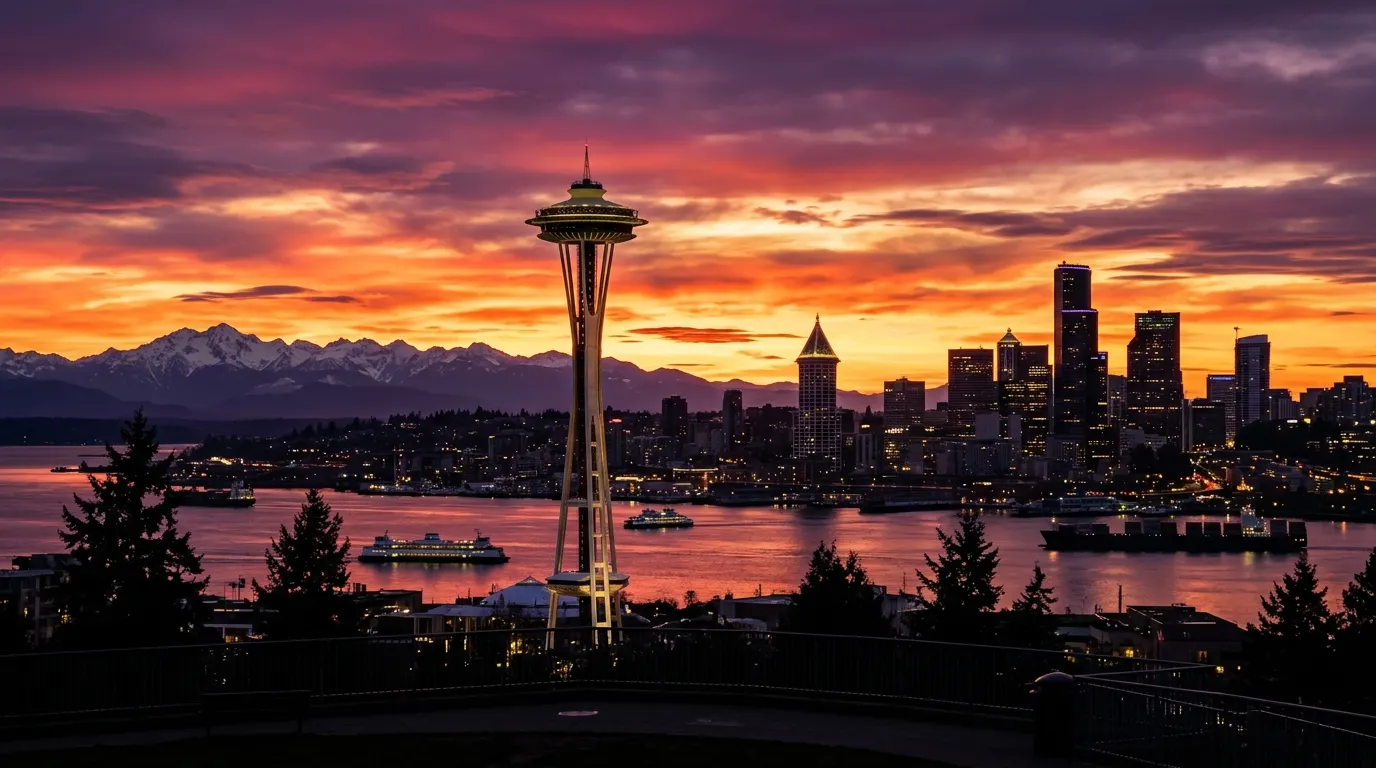
Seattle excels at keeping children of all ages thoroughly entertained, regardless of the weather. The city has invested heavily in family-friendly infrastructure, meaning you will find world-class attractions that actually cater to younger attention spans.
One of the absolute standout experiences is the Museum of Flight. This is not just a building with a few old airplanes; it is a world-class aviation and space museum where families can walk through a retired Concorde, explore the first Air Force One, and sit in real cockpits. The aisles are wide, making it highly stroller-accessible, and you can easily spend three to four hours here. Tickets run about $26 USD for adults and $18 USD for kids, and there is a great cafe on-site.
For animal lovers, the Woodland Park Zoo is a sprawling 92-acre urban oasis renowned for its award-winning naturalistic habitats. The pathways are wide and shaded, offering plenty of room for toddlers to safely burn off energy. When you are ready for some iconic sightseeing, head to Pike Place Market. This sensory-overload historic district is where kids can watch the famous 'flying' fish and explore winding alleys of local vendors. To avoid the worst of the crowds, plan to arrive right when the market opens around 9:00 AM.
You also cannot visit Seattle without getting on the water. The Washington State Ferries (Seattle–Bainbridge route) is a quintessential Pacific Northwest experience that turns a standard commuter route into a highly affordable scenic adventure. The 35-minute crossing offers spectacular views of the Seattle skyline and the Olympic Mountains.
🎟️ Book family tickets & skip-the-line tours →
Why Choose Tofino for Your Family Trip
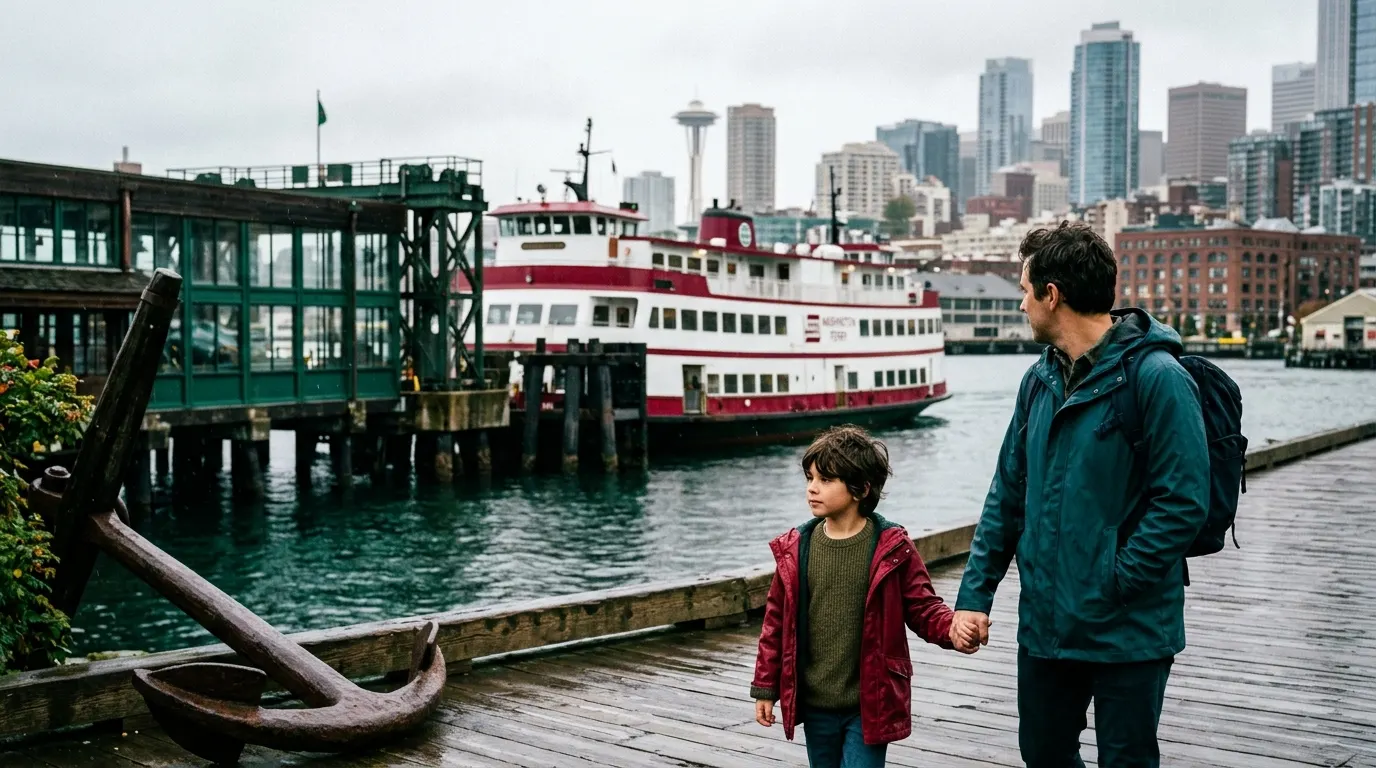
If Seattle is about doing, Tofino is about being. This small town sits on the traditional territory of the Tla-o-qui-aht First Nation and is surrounded by the Pacific Rim National Park Reserve. The primary draw here is the staggering natural beauty and the opportunity to interact with the environment in a hands-on, unstructured way.
Chesterman Beach is arguably one of the best family beaches in North America, though not in the tropical sense. The sand is packed hard, making it perfect for running, pushing sturdy strollers, or riding bikes at low tide. When the tide goes out, it reveals a massive tombolo (a sandspit) leading out to Frank Island, flanked by hundreds of tide pools teeming with bright purple sea stars, green anemones, and tiny crabs. Kids can spend hours just poking around the rocks.
The Pacific Rim National Park Reserve offers incredible, family-friendly hiking. The Rainforest Trail features elevated wooden boardwalks that wind through ancient, moss-draped cedar and hemlock trees. It feels like stepping into a prehistoric world, and the boardwalks keep little feet out of the mud while protecting the fragile ecosystem.
Wildlife viewing is another massive draw. While you can take large, covered cruisers out of Tofino to look for gray whales, humpbacks, and orcas, families with older kids might prefer the rugged excitement of a Zodiac boat tour. There are also specific bear-watching tours that operate in the calm, protected inlets of Clayoquot Sound, where you can watch black bears turning over rocks to find crabs at low tide from the safety of a boat.
🎟️ Find family-friendly tours & activities →
Age-by-Age Guide to Seattle vs Tofino with Kids
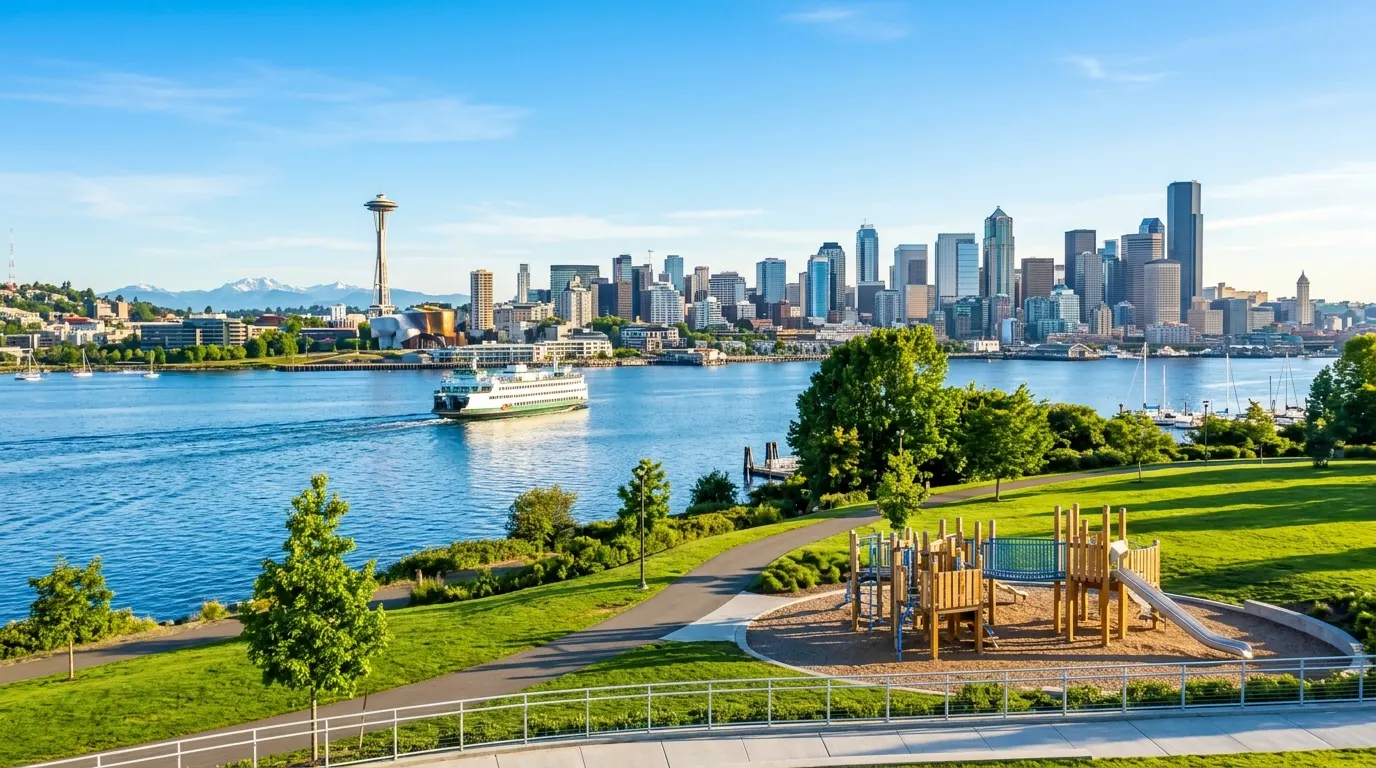
To really determine which destination is best, you have to look at the ages of your children. What thrills a teenager will often exhaust a toddler.
Toddlers (Ages 2-3)
Winner: Seattle
Traveling with toddlers requires logistical ease, quick access to snacks, and safe places for them to roam. Seattle wins here because of its massive variety of toddler-specific infrastructure. If you are willing to make a short drive north of the city, the Imagine Children's Museum (Everett) is a massive, three-story play paradise that consistently outranks its Seattle and Bellevue counterparts for this age group. Tofino is beautiful, but the ocean water is freezing year-round, and the constant need to monitor toddlers near wild shorelines and rocky tide pools can be exhausting for parents.
Preschoolers (Ages 3-5)
Tie
At this age, kids are sturdy enough to handle Tofino's beaches but still deeply entertained by Seattle's parks. In Seattle, Green Lake Park is a quintessential experience featuring a flat 2.8-mile paved loop perfect for strollers, balance bikes, and scooters. In Tofino, preschoolers will be endlessly fascinated by the tide pools at Cox Bay and the easy, flat boardwalks of the Schooner Cove trail.
School-Age (Ages 6-10)
Winner: Tofino (by a narrow margin)
School-age kids are in the sweet spot for Tofino. They are old enough to hike several miles without complaining, agile enough to navigate slippery rocks safely, and capable of sitting through a three-hour whale-watching boat ride. The sheer magic of seeing a whale breach or a bear forage in the wild leaves a lasting impact at this age. That said, Seattle puts up a strong fight with attractions like the Burke Museum of Natural History and Culture, a unique 'inside-out' museum where families can watch real-time research through glass-walled labs.
Tweens and Teens (Ages 11-14)
Tie (Depends on Interests)
If your teens are into pop culture, music, and food, Seattle is the clear choice. They will love the vintage clothes shopping in Capitol Hill and the visually stunning Chihuly Garden and Glass. (Note: We highly recommend Chihuly for teens, but it is a high-stress 'no-touch' zone filled with fragile, multi-million dollar glass sculptures that are a nightmare for toddlers). If your teens are active and outdoorsy, Tofino offers world-class beginner surfing. Booking a family surf lesson in Tofino's gentle summer waves is a massive confidence builder and a guaranteed highlight for older kids.
What to Skip on Your Pacific Northwest Trip
No matter which destination you choose, protecting your time and energy is crucial. In Seattle, there are several highly publicized attractions that simply do not translate well to a family trip.
First, skip Pike Place Chowder (Post Alley). The chowder is genuinely delicious, but the legendary lines here often stretch 60 to 90 minutes down a cramped, narrow alleyway. Standing in an alley for over an hour with hungry children is a recipe for a meltdown.
You should also skip the Gum Wall. While it looks quirky on social media, it is a literal alleyway of saliva-covered bricks frequently cited as one of the germiest tourist attractions in the world. It smells intensely of artificial fruit and old saliva, and keeping a curious toddler from touching the walls is an exercise in pure anxiety.
Avoid the Tillicum Village excursion. While culturally significant, the four-hour commitment is a massive undertaking for families, requiring a 45-minute boat ride each way, which is often just too long for younger kids to handle smoothly.
Finally, if you are looking for indoor activities on a rainy day, skip the Pacific Place Shopping Center. Once a premier downtown destination, Pacific Place is currently struggling with massive vacancy rates and feels like a ghost town, offering very little for families to actually do.
If you are in Tofino, the main thing to skip is the expectation of cheap, fast food. Tofino is a remote resort town, and dining out is expensive and often requires long waits during the peak summer season. Skip the crowded dinner rush by cooking in your vacation rental or grabbing takeout to eat on the beach.
Practical Details: Budget, Logistics, and Food
When budgeting for these trips, prepare for high costs in both locations, though the money goes toward different things.
Seattle Logistics:
Seattle operates in USD. Hotels in the downtown core are expensive, but you can save money by staying in nearby neighborhoods like Queen Anne or Bellevue. Getting around without a car is entirely possible if you stick to the main tourist zones, utilizing the Light Rail and the Monorail. Dining in Seattle is diverse and accessible. You can easily find high-quality, inexpensive meals by visiting local neighborhood spots or grabbing fresh produce and baked goods from Pike Place Market early in the morning.
Tofino Logistics:
Tofino operates in CAD (which generally offers a favorable exchange rate for USD earners, hovering around 1.35 CAD to 1 USD). However, because Tofino is remote, everything from gasoline to groceries carries a premium. You absolutely need a rental car to visit Tofino, as the beaches and trailheads are spread out along the Pacific Rim Highway. Stroller accessibility is decent on the hard-packed beaches and the national park boardwalks, but a structured baby carrier is highly recommended for navigating rocky tidal areas. Dining in Tofino is spectacular—do not miss the original Tacofino food truck—but grocery stores are limited, so stock up on family staples in Port Alberni before you cross the island mountains.
Pro Tips from Parents for the Pacific Northwest
- Seattle Food Scene: When hunger strikes, visit the Chinatown-International District for a family-style dim sum meal or a trip to Uwajimaya, a massive Asian grocery store with an incredible food court that caters to picky and adventurous eaters alike.
- Skip the Starbucks Line: Avoid the 60-minute outdoor wait at the Pike Place location for the same coffee found at any other branch. Take a photo of the original sign from the outside and grab your coffee down the street.
- Nighttime Transitions: While historic and beautiful during the day, Pioneer Square transitions into a nightlife and bar hub late at night. Plan to visit this area for daytime underground tours, but head back toward the waterfront or central downtown for evening activities.
- Whale Watching Reservations: If you decide to take a side trip from Seattle to the San Juan Islands, or if you are booking in Tofino, remember that vehicle ferry reservations (for Friday Harbor) and popular Zodiac tours sell out months in advance. Book these the moment your trip dates are confirmed.
- Alternative Waterfronts: If you want a break from the main Seattle waterfront, the waterfront in Tacoma offers miles of flat, paved paths perfect for strollers, scooters, and balance bikes.
The Final Verdict
Deciding between Seattle vs Tofino with kids ultimately comes down to what fills your family's cup. If you want a high-energy trip filled with interactive museums, diverse food, and the convenience of urban infrastructure, Seattle is unmatched in the region. If your goal is to disconnect from screens, breathe in the salt air, and let your kids run wild on expansive, moody beaches, Tofino is a coastal paradise that is entirely worth the journey. Whichever you choose, the Pacific Northwest offers a spectacular backdrop for family memories that will last long after the raincoats have been packed away.