Choosing the ultimate destination for your family’s big western road trip is a monumental decision. When it comes to epic landscapes, wildlife, and outdoor adventure, two regions consistently rise to the top of the list. Weighing salt lake city & utah parks vs yellowstone & grand teton with kids is a debate that echoes through parent travel forums everywhere. Both offer core-memory-making experiences, sprawling national parks, and Junior Ranger badges galore. However, they deliver completely different types of vacations, requiring vastly different packing lists, pacing, and parental energy levels.
If you are trying to decide whether to pack the kids into a rental SUV to chase erupting geysers and grizzly bears, or to scale red rock arches and wade through slot canyons, you need practical, ground-level advice. As parents who have navigated the logistics, the snack-related meltdowns, and the awe-inspiring moments in both regions, we are here to break down exactly what to expect.
Here is everything you need to know about navigating the salt lake city & utah parks vs yellowstone & grand teton with kids debate, complete with age-by-age breakdowns, logistical tips, and the tourist traps you should absolutely skip.
The Vibe: Salt Lake City & Utah Parks vs Yellowstone & Grand Teton with Kids
The fundamental difference between these two iconic trips comes down to how your family prefers to interact with nature.
A trip centered around our Salt Lake City & Utah Parks guide is a highly tactile, active, and physically engaging experience. Utah is essentially a giant, prehistoric playground. Your kids will be scrambling over sandstone boulders, digging their hands into red dirt, wading through river water, and squeezing through narrow canyon walls. It is a warm-weather, high-energy environment that rewards families who love to hike, climb, and move constantly. You also get the added benefit of mixing in a major metropolitan hub like Salt Lake City, which offers world-class museums, indoor action sports, and fantastic dining when you need a break from the wilderness.
Conversely, a trip using our Yellowstone & Grand Teton guide is more of a visual, awe-inspiring, and observational adventure. Yellowstone is a place of extremes—boiling geothermal pools, unpredictable wildlife, and vast, sweeping valleys. Because you must stay strictly on boardwalks around the thermal features and maintain safe distances from bison and bears, this trip involves a lot more time looking out of car windows or viewing nature from designated paths. Grand Teton offers incredible alpine hiking and lake swimming, but the overall vibe is deeply rooted in classic, rugged, high-altitude mountain wilderness.
Accessibility and Logistics for Families
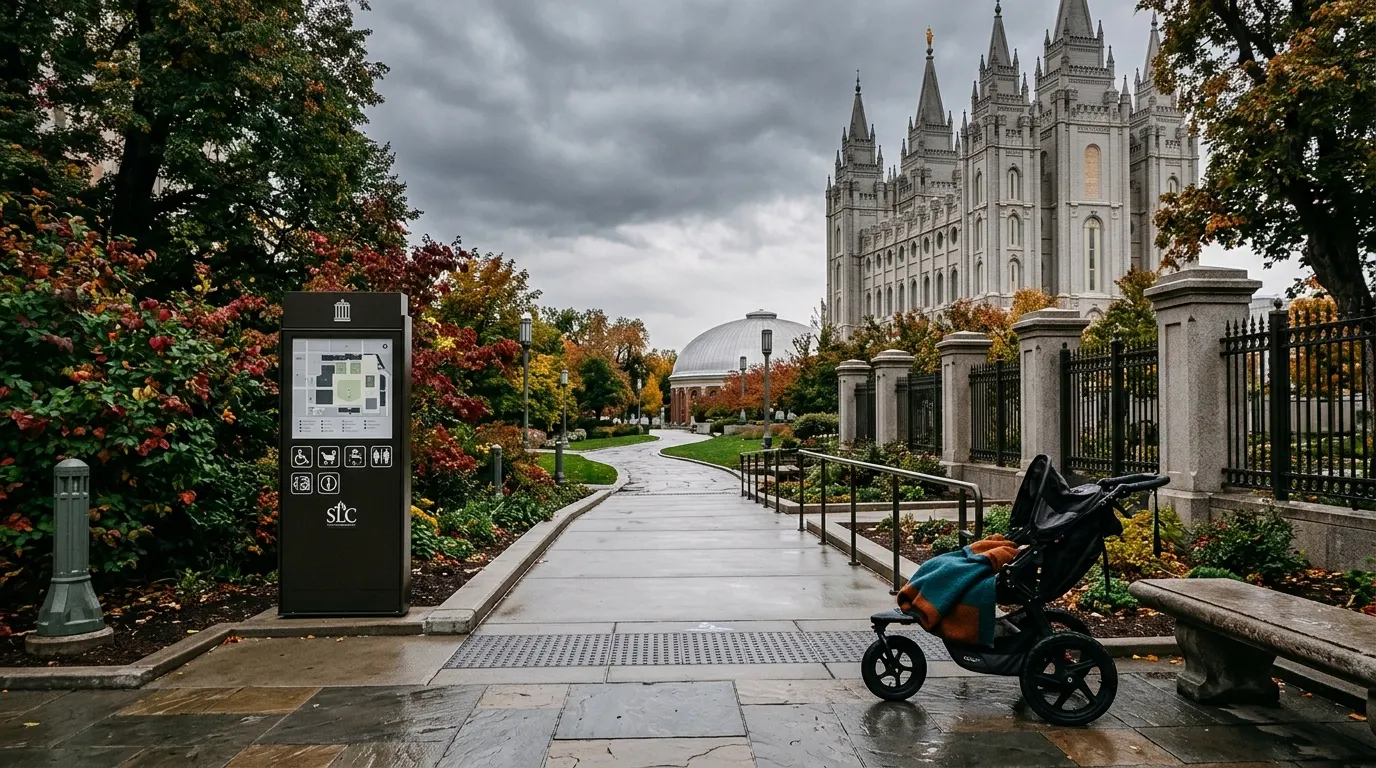
When traveling with children, logistics can make or break your trip. How easy is it to get there, and how much time will you spend trapped in a car?
Utah Logistics
Salt Lake City International Airport (SLC) is a massive Delta hub, making direct flights remarkably easy and often quite affordable from most major US cities. You can land in SLC, rent a car, and immediately start exploring. To tackle the "Mighty 5" National Parks (Zion, Bryce, Capitol Reef, Canyonlands, and Arches), you are looking at a classic road trip loop. You will spend a lot of time driving—often 2 to 4 hours between major stops. However, the drives are incredibly scenic. Taking Scenic Byway 12, a world-class 124-mile road trip connecting Bryce Canyon and Capitol Reef, is an event in itself, featuring dramatic red rock vistas that will keep even screen-obsessed teens looking out the window.
Yellowstone & Grand Teton Logistics
Getting to Yellowstone usually involves flying into smaller, more expensive regional airports like Bozeman (BZN) in Montana or Jackson Hole (JAC) in Wyoming. Alternatively, some families fly into Salt Lake City and drive the 4.5 hours north to Yellowstone to save on airfare. Once inside Yellowstone, driving is the main activity. The park is laid out in a massive figure-eight road system. Because the speed limit is 45 mph (and often 10 mph due to "bison jams" on the road), expect to spend a lot of time in the car. It is crucial to book accommodations in different areas of the park to minimize daily backtracking.
Top Highlights: Salt Lake City & Utah Parks
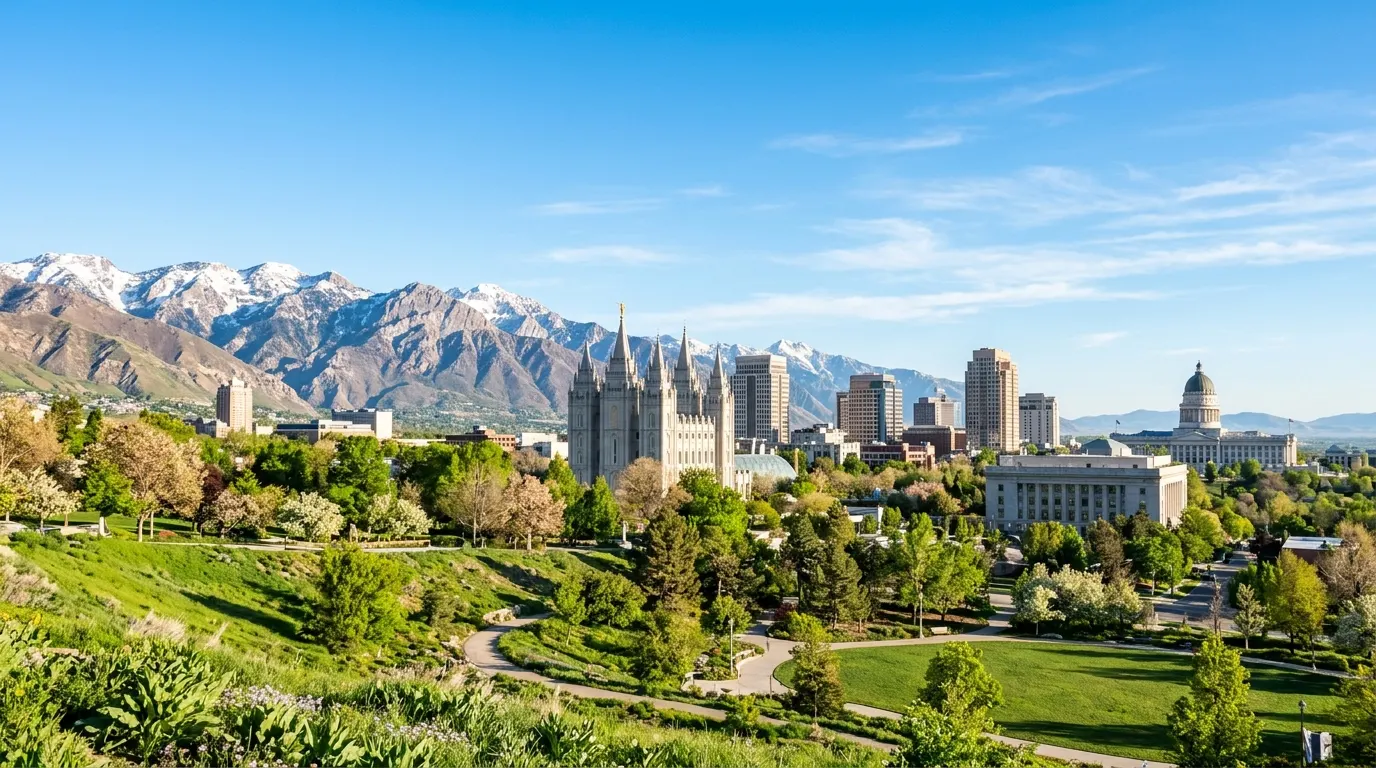
Utah offers an incredible blend of raw natural beauty and family-focused city infrastructure.
Red Rock Wonders and Canyons
Southern Utah is where the magic happens for active kids. Arches National Park is a red-rock wonderland featuring over 2,000 natural stone arches that truly look like a giant's playground. If you have younger kids, head straight to The Windows Section (Arches National Park). It is the highest-density arch area in the park, offering massive visual payoffs for very little hiking effort.
Further south, Zion National Park feels like a natural theme park, offering everything from paved riverside walks for strollers to epic adventures. For older kids and teens, The Narrows (Zion) - Bottom Up is an iconic, world-class hike where the trail is the Virgin River itself, winding between towering 1,000-foot canyon walls. You can rent waterproof boots and walking sticks in nearby Springdale, making it a thrilling, splashy adventure. Don't miss Bryce Canyon National Park, where the high-altitude wonderland of orange rock spires (called hoodoos) looks like a real-life sandcastle city.
🎟️ Book family tickets & skip-the-line tours →
City Amenities and Mountain Resorts
Before or after the desert, Salt Lake City and Park City offer incredible family amenities. The Museum of Natural Curiosity at Thanksgiving Point is arguably the best children's museum in the Western US, featuring a multi-story ropes course and a massive outdoor garden. For pure adrenaline, Woodward Park City is a high-octane action sports campus where kids can transition from Olympic-grade indoor trampolines and foam pits to outdoor mountain biking and lift-served tubing.
During the summer, Park City Mountain Resort and Snowbird Ski and Summer Resort transition into high-alpine playgrounds offering mountain coasters, alpine slides, and scenic tram rides that require zero hiking effort for maximum views.
Top Highlights: Yellowstone & Grand Teton
Wyoming and Montana deliver the quintessential American wilderness experience, focusing heavily on natural phenomena and wildlife.
Geothermal Magic and Wildlife Safaris
Yellowstone is essentially an active supervolcano, and kids are endlessly fascinated by the bubbling mud pots, shooting geysers, and vibrant hot springs. Walking the boardwalks around the Grand Prismatic Spring or waiting for Old Faithful to erupt (usually every 90 minutes) are bucket-list moments. The real draw for families, however, is the wildlife. Driving through the Lamar Valley or Hayden Valley at dawn or dusk feels like an American safari. You are almost guaranteed to see massive herds of bison, elk, and if you are lucky (and have good binoculars), grizzly bears and wolves.
🎟️ Find family-friendly tours & activities →
Grand Teton's Alpine Lakes
Just south of Yellowstone, Grand Teton National Park offers a dramatic contrast. The jagged, towering peaks rise straight out of the valley floor. Here, families can take a scenic boat ride across Jenny Lake, hike to Hidden Falls, or rent paddleboards to glide across the crystal-clear, calm waters of String Lake. The hiking here is shaded by pine trees, and the temperatures are generally cooler than the exposed rock of Utah, making it a very comfortable summer destination.
Age-by-Age Guide: Which Destination Wins?
Different ages require entirely different travel strategies. Here is how both regions stack up depending on the ages of your children.
Toddlers (Ages 2-3)
Winner: Yellowstone & Grand Teton
Toddlers are notoriously difficult to hike with. They want to walk independently but tire quickly. Yellowstone wins for this age group because of its extensive network of flat, wooden boardwalks around the thermal features, which are perfectly stroller-accessible. You can see world-class wonders without ever taking them out of their stroller. Safety note: You must keep a strict physical hold on walking toddlers in Yellowstone, as the thermal pools are deadly. Utah's sandy, uneven trails are notoriously tough on strollers, though Utah does offer giant natural sandboxes for toddlers to dig in.
Preschoolers (Ages 3-5)
Winner: Salt Lake City & Utah Parks
Preschoolers love to climb, scramble, and explore with their hands. Utah’s red rocks provide the perfect, grippy surface for little climbers. They will love the short, visually rewarding hikes at The Windows Section (Arches National Park). Plus, spending a day at the Museum of Natural Curiosity at Thanksgiving Point gives them a safe, enclosed space to burn off energy.
School-Age (Ages 6-10)
Winner: Tie
This is the golden age for both destinations. School-aged kids are the perfect demographic for the National Park Junior Ranger programs, which both regions execute flawlessly. In Utah, they will be thrilled by the tight squeezes of Peek-a-Boo and Spooky Gulch Slot Canyons, a high-adventure natural obstacle course. In Yellowstone, the thrill of tracking animal footprints, identifying scat, and watching a geyser erupt will blow their minds.
Tweens and Teens (Ages 11-14)
Winner: Salt Lake City & Utah Parks
Teens crave independence, adrenaline, and unique experiences they can brag about (or post about). Utah delivers this in spades. Wading waist-deep through the freezing river of The Narrows (Zion) - Bottom Up is an unforgettable adventure. Taking them to Woodward Park City or Snowbird Ski and Summer Resort for mountain biking and alpine slides provides the high-octane thrill they are looking for. Yellowstone can sometimes feel too passive for teens who don't want to sit in a car looking at bison for hours on end.
What to Skip in Utah (And What to Do Instead)
Not every famous spot is family-friendly. When planning your Utah itinerary, protect your sanity and skip these overhyped or dangerous locations.
- Zion National Park - Angels Landing: Widely considered one of the most dangerous hikes in the United States, this trail features a narrow sandstone ridge with 1,000-foot sheer drop-offs on both sides. It is absolutely terrifying and completely inappropriate for children. Instead: Hike the much safer Canyon Overlook Trail in Zion for incredible sweeping views without the death-defying drops.
- The Wave (Coyote Buttes North): The permit lottery is a massive barrier with a success rate as low as 2%, making it impossible to reliably plan a family vacation around. Instead: Visit Monument Valley Navajo Tribal Park or explore the stunning, non-permitted formations at Goblin Valley State Park.
- Arches National Park - Delicate Arch Trail: Unless you have very fit teenagers, skip this. It is a grueling 3-mile trek across open, unshaded slickrock that gets dangerously hot by 9 AM. Instead: Opt for the Corona Arch Trailhead just outside Moab; it's a stunning hike that leads to an impressive arch without the National Park crowds.
- FamilySearch Library: While it is a world-class facility for genealogy in downtown SLC, the atmosphere is that of a serious, silent university library. Your kids will be bored to tears within five minutes.
- Mystic Hot Springs: While the vintage bathtubs and travertine formations are Instagram-famous, the reality is often lukewarm water, very rustic (sometimes dirty) facilities, and a vibe that feels more suited to wandering backpackers than a family needing clean bathrooms.
Pro Tips from Parents for Both Regions
To make your trip as smooth as possible, keep these hard-learned lessons in mind:
- Master the Timed Entry and Shuttles: From April to October, showing up at Arches without a pre-booked entry slot between 7 AM and 4 PM results in a mandatory turn-around at the gate. Book well in advance. At Zion, instead of fighting for parking at the Visitor Center, park in the town of Springdale and take the free town shuttle to the park entrance.
- Beware the Sunday Shutdown in SLC: If you are spending time in Salt Lake City, note that many of Salt Lake’s most famous eateries are closed on Sundays due to local culture. This leads to 2-hour waits at the few places that remain open. Plan a grocery store picnic or order pizza to your hotel that night.
- Use the SLC Free Fare Zone: Salt Lake City offers a 'Free Fare Zone' for the TRAX light rail between North Temple and Courthouse stations. It’s a lifesaver for resting tired little legs while exploring downtown.
- Embrace the Food Trucks: On Monday nights during the summer in the Salt Lake Valley, dozens of local food trucks gather at various parks. It offers a low-stress dinner solution where everyone gets exactly what they want while sitting on the grass.
- Watch the Weather: During winter months, SLC experiences 'inversions' that trap smog in the valley, making outdoor play unhealthy for kids. If you visit in winter, plan to head up into the mountains (like Park City) where the air is crystal clear. In Yellowstone, summer mornings can be 35°F (2°C) while afternoons hit 80°F (26°C)—layers are non-negotiable.
The Final Verdict: Salt Lake City & Utah Parks vs Yellowstone & Grand Teton with Kids
Choosing between these two incredible regions ultimately comes down to your family's travel style. If your kids are bundles of energy who love to climb, get dirty, and engage in high-adrenaline activities, Utah's red rocks and Salt Lake City's action sports will provide the ultimate playground. If your family prefers pointing out wildlife with binoculars, marveling at the weird and wonderful forces of geology from a safe boardwalk, and enjoying cool mountain air, Wyoming and Montana will steal your hearts.
Whichever you choose, planning ahead, packing endless snacks, and managing your daily driving expectations will ensure your trip is a massive success. The salt lake city & utah parks vs yellowstone & grand teton with kids debate has no true loser—only two distinctly beautiful ways to introduce your children to the great American West.