Choosing the perfect South American destination for your family trip is a beautiful problem to have, but it can feel overwhelming when comparing two powerhouse regions. When deciding between Salento & coffee region vs Lima & Cusco with kids, you are essentially choosing between two distinct flavors of adventure. One offers a lush, green, agricultural immersion where the pace is set by the slow roasting of coffee beans and the rumbling of vintage jeeps. The other delivers a sweeping, high-altitude journey through ancient empires, world-class gastronomy, and iconic archaeological wonders.
Both regions offer incredible learning opportunities and core-memory experiences for children. However, they require vastly different logistical planning, pacing, and physical stamina. Having navigated steep cobblestone streets, high-altitude trails, and muddy coffee farms with children in tow, I can confidently break down what makes each destination shine, what the challenges are, and how to decide which one is the right fit for your family's current season of life.
Salento & Coffee Region vs Lima & Cusco with Kids: The Big Picture
Before diving into the specifics, it helps to understand the fundamental differences in the daily rhythm of these two trips.
The Colombian Coffee Axis (Eje Cafetero) is incredibly green, relatively low-stress, and deeply tied to nature and farming. The altitudes here are generally moderate—Salento sits at about 1,900 meters (6,200 feet)—meaning altitude sickness is rarely a major concern for children. The activities are highly tactile: picking coffee cherries, riding in open-air jeeps, and walking among the world's tallest palm trees. For a deeper dive into everything this area offers, check out our full City Guide: /city/salento-coffee-region.
Peru, on the other hand, is a trip of majestic contrasts. You usually begin at sea level in Lima, a sprawling coastal metropolis famous for its food, before flying into the Andes. Cusco sits at a breathtaking 3,400 meters (11,150 feet), which requires serious logistical planning for altitude acclimation, especially with little ones. A trip here is heavily focused on history, archaeology, sweeping Andean landscapes, and train journeys. You can read more about planning this epic route in our City Guide: /city/lima-cusco.
Why Choose Salento & the Colombian Coffee Region?
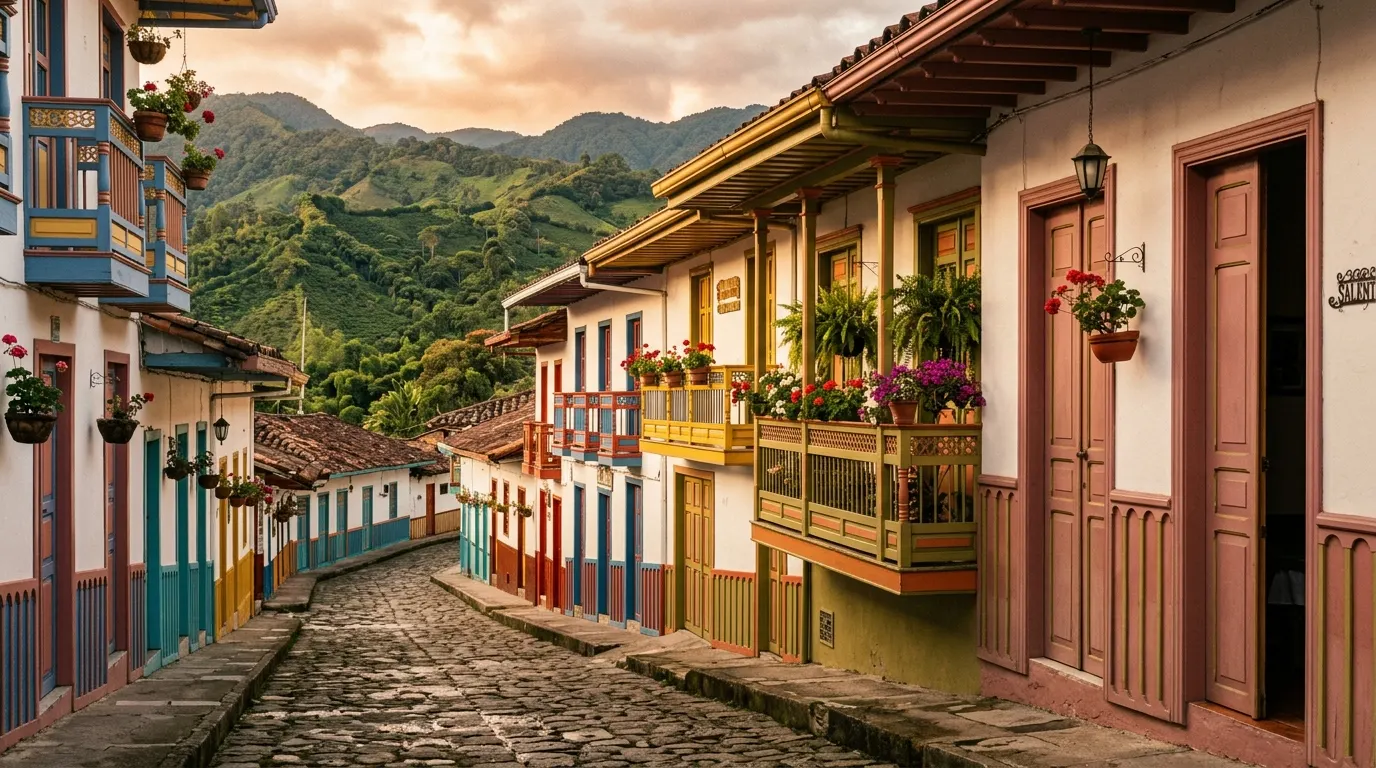
If your family thrives on slow travel, outdoor spaces, and interactive agricultural experiences, the Coffee Region is an absolute playground. The vibe here is warm, welcoming, and remarkably kid-friendly.
The Magic of the Cocora Valley & Jeep Willys
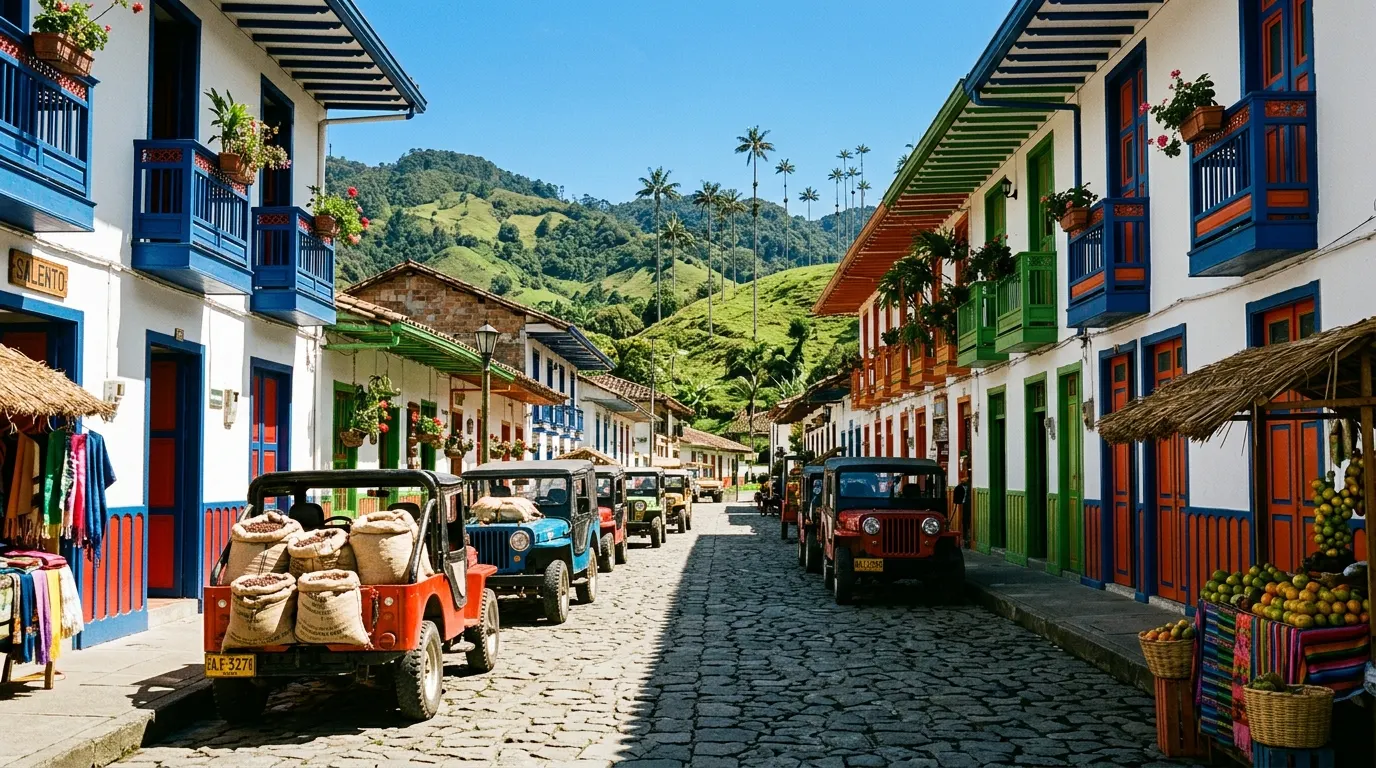
A trip to Salento usually begins at the Plaza de Bolivar (Salento), the colorful, bustling town square. Here, you will find a fleet of vintage, brightly painted WWII-era vehicles waiting for passengers. The Willys Jeep Ride to Valle del Cocora is often a highlight for kids before you even reach the destination. Older kids and parents might even get to stand on the back bumper for the short drive, feeling the mountain breeze, while younger kids sit securely inside.
Once you arrive, you'll be dropped at the Bosques de Cocora (Entrada principal / Parqueadero). This is the best place for a quick bathroom break and to grab a snack before heading into the valley to see the towering Quindío wax palms, which look like something straight out of a Dr. Seuss book.
🎟️ Find family-friendly tours & activities →
Hands-On Coffee Farms & Catch-Your-Own Trout
You cannot visit this region without stepping foot on a coffee farm, and thankfully, many are tailored perfectly for shorter attention spans. Skip the massive industrial tours and head to Finca Las Acacias Coffee Farm or the Finca El Roble Coffee Tour. These smaller, family-run estates offer intimate experiences where kids are handed little baskets and encouraged to pick the red coffee cherries themselves.
For lunch, head to Truchera Cocora (Trout Farm at Cocora Valley). This is a massive hit with kids because they can literally fish for their own rainbow trout in the stocked ponds. The staff will clean and cook the fish right there, serving it alongside massive, crispy patacones (fried green plantains) that kids absolutely devour.
🎟️ Book family tickets & skip-the-line tours →
Thermal Baths and Theme Parks
Beyond Salento, the wider region offers incredible family attractions. The Termales Santa Rosa de Cabal is a stunning thermal hot spring complex set against a massive 95-meter cascading waterfall. It feels like a jungle waterpark and is incredibly relaxing for tired little legs.
If you have kids who need higher stimulation, Parque de la Constitución (Pereira)—widely known as Parque del Café—is a world-class amusement park blending roller coasters, horseback riding, and coffee culture. For a rainy day, Parque Explora (Manizales) offers a brilliant interactive science center and South America's largest freshwater aquarium. Wrap up a day in Manizales at Chipre (Mirador de Chipre) for sweeping sunset views while the kids grab an ice cream.
Why Choose Lima & Cusco?
Peru is the choice for families seeking a bucket-list educational adventure. It requires more stamina, but the payoff of seeing Machu Picchu and exploring Incan history is unparalleled.
Culinary Adventures and Coastal Parks in Lima
Lima is often treated as a layover, but it is a fantastic destination for families. The coastal district of Miraflores offers miles of paved, stroller-friendly paths along the cliffs overlooking the Pacific Ocean (the Malecón). Kids will love Parque Kennedy, famous for its dozens of friendly resident cats that lounge on the benches and lawns. Lima is also a culinary capital; introducing your kids to fresh ceviche or the universally beloved Lomo Saltado (a beef stir-fry with French fries mixed right in) is a great way to expand their palates.
The Wonders of Cusco and the Sacred Valley
Flying into Cusco introduces the family to the heart of the Incan empire. The sheer scale of the stonework at fortresses like Sacsayhuamán will leave kids wide-eyed. A major highlight for younger travelers in the Sacred Valley is visiting Awana Kancha, an interactive farm where kids can hand-feed llamas, alpacas, and vicuñas while learning about traditional Andean weaving.
The journey to Machu Picchu itself is half the fun. Taking the scenic train from Ollantaytambo down through the cloud forest to Aguas Calientes is a thrilling experience for kids of all ages, offering massive windows to watch the roaring Urubamba River beside the tracks.
Altitude and Logistics Considerations
The biggest factor when choosing Peru is the altitude. Cusco is very high, and altitude sickness (soroche) can affect anyone, regardless of age or fitness level. Families usually need to plan their itinerary carefully, often taking a private transfer directly from the Cusco airport down into the lower-elevation Sacred Valley to acclimate for a few days before returning to Cusco city.
🎟️ Find family-friendly tours & activities →
Age-by-Age Breakdown: Salento & Coffee Region vs Lima & Cusco with Kids
Different ages require different travel styles. Here is how the two regions stack up depending on how old your children are.
Toddlers (Ages 2-3)
Winner: Salento & Coffee Region
Toddlers need flexibility, space to run, and predictable environments, making Colombia the clear winner here. The lower altitude means you don't have to worry about them experiencing symptoms they can't articulate. The farm environments, gentle jeep rides, and thermal springs are perfectly paced for a two-year-old. Peru's intense logistics, long travel days, and high altitudes can be very tough on toddlers and their parents.
Preschoolers (Ages 4-5)
Winner: Salento & Coffee Region
At this age, kids are curious but still tire easily. The interactive nature of catching trout, picking coffee, and seeing the massive wax palms keeps them engaged without requiring long hikes. Theme parks like Parque del Café offer gentle rides perfect for this age group. While preschoolers will love the alpacas in Peru, the steep Incan steps at various ruins and the long train rides can lead to quick burnout.
School-Age Kids (Ages 6-10)
Tie
This is the sweet spot where both destinations shine brilliantly. Six to ten-year-olds are old enough to handle the altitude in Peru (with proper acclimation) and will be fascinated by the history of the Incas, the mummies, and the adventure of taking a train through the jungle to a lost city. Conversely, they will also deeply appreciate the freedom of the Colombian coffee region, enjoying short hikes, horseback riding, and the independence of exploring safe, colorful towns like Salento.
Tweens & Teens (Ages 11-14)
Winner: Lima & Cusco
Older kids and teens are ready for the epic scale of Peru. They can handle the physical challenge of hiking parts of the Inca Trail or climbing Huayna Picchu (if age-permitted). They will appreciate the world-class gastronomy in Lima, perhaps even enjoying a surfing lesson on the coast. The historical and cultural weight of Cusco offers incredible educational value that resonates deeply with older kids who have likely studied these ancient civilizations in school.
What to Skip in the Coffee Region (And What to Do Instead)
If you decide on Colombia, it’s important to know that not every popular tourist attraction is suitable for families. Here are a few things you should absolutely skip to save your sanity.
- Skip: Cocora Valley Full Loop Trail (Circuito Completo). This 5-6 hour trek is often recommended by backpackers, but it is a nightmare with kids. It involves grueling muddy climbs, multiple rickety suspension bridge crossings over a river, and significant physical exertion.
Instead: Just do the short walk from the main entrance to the primary palm viewpoints, or book a trip to La Carbonera Cloud Forest Reserve, a pristine, secluded alternative with thousands of wax palms and zero crowds.
- Skip: Simon Bolivar Plaza (Pereira) and Pereira - informal street animal photo props (varies by location). The plaza is an intense, noisy urban environment that is stressful to navigate with children. Furthermore, the street vendors offering photos with macaws or iguanas are exploiting stressed wildlife kept in poor conditions.
Instead: Head to nature reserves or ethical farms if your kids want animal encounters.
- Skip: Salento - Nightlife bars on Calle Real (specific venues vary) and Salento Billares (Los Amigos at Night). While Calle Real is lovely during the day, the bar scene gets loud, crowded, and heavily focused on drinking after dark.
Instead: Grab an early dinner, enjoy some artisanal ice cream near the main plaza, and get the kids to bed early so you can beat the crowds to the Cocora Valley the next morning.
Practical Details for Your Family Trip
Stroller Accessibility:
Leave the stroller at home for both destinations. Salento’s streets are hilly and the farms are muddy. Cusco is famous for its narrow, steep, and uneven cobblestone streets, and Machu Picchu is entirely stairs. A high-quality, ergonomic baby carrier or hiking backpack is an absolute necessity for children under three. In Lima, a stroller is fine for the Malecón, but largely useless once you fly to the Andes.
Daily Costs:
Colombia is significantly more budget-friendly for families. In the Coffee Region, a hearty lunch of trout and plantains might cost $8-$12 USD (approx 35,000 - 50,000 COP), and local transport via Jeep is just a few dollars. Peru can get expensive quickly. While food in local markets is cheap, the logistics of getting a family to Machu Picchu (train tickets, bus tickets, entrance fees, and mandatory guides) will easily cost hundreds of dollars per person.
Weather and Timing:
Both regions require layered clothing. The Coffee Region is lush because it rains frequently; mornings are crisp, afternoons can be warm, and rain showers often roll in by 3:00 PM. Always start your activities early. In Cusco, the sun is incredibly intense due to the altitude, but the moment you step into the shade or the sun sets, the temperature plummets.
Food for Picky Eaters:
Both countries are fantastic for kids who prefer simple foods. In Colombia, every meal comes with rice, mild beans, and arepas (corn cakes). Fresh fruit juices (lulo, mango, maracuyá) are everywhere. In Peru, potatoes are king, and simple roasted chicken (pollo a la brasa) is a national staple that kids universally love.
Pro Tips from Parents for South American Travel
- Pace yourself aggressively in Peru: If you choose Cusco, do not plan any major activities for your first 48 hours. Book a hotel in the Sacred Valley (lower altitude) rather than Cusco city for your first few nights. Drink plenty of coca tea (safe and normal for older kids) or muña tea to help with the altitude.
- Hire private transport: In both regions, navigating public buses with kids and luggage is exhausting. Hiring a private driver for the day in the Sacred Valley or to take you between coffee farms in Quindío is surprisingly affordable and offers you the flexibility to stop for bathroom breaks, naps, or photo ops.
- Pack serious rain gear: Do not rely on cheap plastic ponchos. Bring high-quality, breathable rain jackets and waterproof shoes for the whole family. Wet, cold feet will ruin a tour of Machu Picchu or a hike in the Cocora Valley faster than anything else.
- Embrace the early morning: The best weather and the smallest crowds in both the Andes and the Coffee Region happen before 9:00 AM. Adjust your family's sleep schedule to wake up early, do your main activity, and use the rainy or chilly afternoons for downtime at your accommodation.
Conclusion: Making Your Choice
Ultimately, there is no wrong answer, only the right answer for your family's current dynamic. If you want a relaxed, nature-drenched vacation with plenty of space for toddlers to roam and moderate logistics, book your tickets to Colombia. If you have older children ready to tackle one of the world's great historical adventures and you don't mind a more rigid, highly planned itinerary, Peru is calling. When weighing salento & coffee region vs lima & cusco with kids, rest assured that both destinations will fill your family's travel journal with brilliant colors, unforgettable flavors, and stories you will be telling for a lifetime.