Taking your kids to a 2,000-year-old city in the heat of the Mediterranean sun might sound like a bold move, but doing Rome with kids is genuinely one of the greatest family travel strategies in Europe. Unlike destinations where history is securely locked behind velvet ropes and strict "do not touch" signs, Rome operates as a giant, beautifully chaotic outdoor playground. Here, your children can literally trip over ancient artifacts, fuel up on world-class carbohydrates, and absorb history through the high-stakes, thrilling tales of gladiators rather than staring at dry textbooks.
Whether you are navigating the cobblestones with a lightweight stroller or trying to impress a tough-to-please teenager, this Rome city guide will help you conquer the Eternal City with confidence. Pour yourself an espresso, take a deep breath, and dive into how to manage Rome like a seasoned parent—with zero meltdowns on the itinerary.
Why Rome With Kids is Actually a Brilliant Idea
Rome works beautifully for families for one simple, wonderful reason: Italians genuinely love children. In many major global cities, a noisy toddler in a restaurant earns you icy glares from neighboring tables. In Rome, the waiter is far more likely to whisk your screaming two-year-old away to the kitchen to show them how pizza dough is tossed, giving you a precious moment to finally take a sip of your wine.
Beyond that incredibly welcoming culture, the city is intensely tactile. History here isn't a boring list of dates. It’s the Colosseo where men actually fought lions. It’s underground crypts stacked high with real bones. It’s ancient water fountains where you can cup your hands and drink freezing cold mountain water right on the street. Tackling Rome with kids means leaning into the vibrant chaos, throwing out your rigid spreadsheet itinerary, and letting the city’s natural rhythm—which heavily involves stopping for gelato at least twice a day—take over.
Top Historical Hits (That Won't Bore Them to Tears)
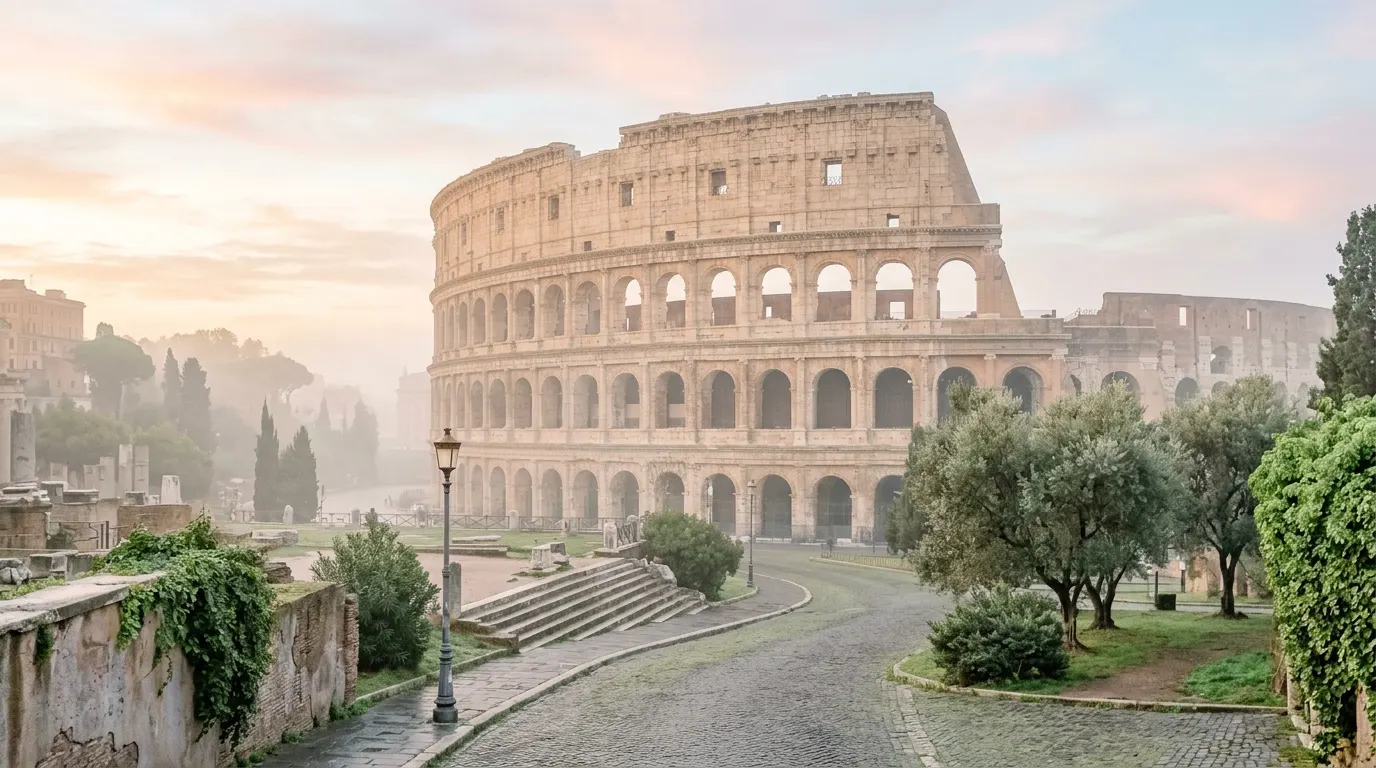
You cannot visit Rome without experiencing the heavy hitters, but the secret to family survival is knowing exactly how to tackle them without exhausting everyone’s patience before lunch.
The Colosseum
The Colosseum is the world's most famous amphitheater and an absolute non-negotiable for your trip. It’s a high-impact historical site that pulls gladiator battles out of the history books and makes them incredibly real. The sheer scale of the arena will drop your kids' jaws the moment they walk through the arches. However, visiting requires military-grade planning. Do not just show up expecting to buy tickets at the gate; you will find yourself standing in a blistering line for hours with miserable kids. Book your tickets months in advance, and I strongly recommend investing in a family-focused guided tour. A great guide bypasses the boring architectural jargon and goes straight for the wild stories of hidden trap doors, exotic animals, and intense gladiatorial combat that keep kids completely captivated.
- Practical Details: Open daily, usually 8:30 AM to an hour before sunset. Tickets are around €18 ($19 USD) for adults, and usually free or highly reduced for kids under 18 (though you still need to reserve their free ticket). Plan to spend 1.5 to 2 hours here.
- Stroller Access: There is an elevator, but navigating the dense crowds with a stroller is a logistical nightmare. Bring a comfortable baby carrier if you have an infant or toddler.
🎟️ Book family tickets & skip-the-line tours →
The Pantheon
If you want to experience an ancient ruin with zero friction, the Pantheon is your best friend. This nearly 2,000-year-old architectural masterpiece remains the world's largest unreinforced concrete dome, and it is entirely awe-inspiring. The best part for kids? There’s a massive hole right in the ceiling (the oculus). Challenge them to look for the drain holes subtly carved into the marble floor, specifically designed to catch the rain when it pours straight inside. It’s magnificent, fast to visit, and perfectly situated in a lively piazza surrounded by some of the city's most excellent gelato spots.
- Practical Details: Open daily 9:00 AM to 7:00 PM. Entry is €5 ($5.50 USD) for adults, and free for visitors under 18. You can usually get in and out in 20 minutes, making it the perfect low-attention-span historical stop.
Basilica di San Clemente al Laterano
Skip the stuffy art museums where you have to constantly whisper, and take your kids underground instead. The Basilica di San Clemente al Laterano is a literal "history layer cake" that allows families to physically descend through time. You start on the ground floor in a glittering 12th-century church, walk down a staircase into a 4th-century church, and then descend once more into a dark, damp 1st-century Roman street complete with a pagan temple and the eerie sound of a rushing underground river. It feels like a real-life Indiana Jones adventure.
- Practical Details: Open daily but closes for a few hours in the early afternoon (usually 12:30 PM to 3:00 PM). Tickets are €10 ($11 USD) for adults, and free for kids under 16 accompanied by parents. Not stroller friendly at all—you will need to leave it securely at the ticket desk.
Interactive & Hands-On Rome With Kids
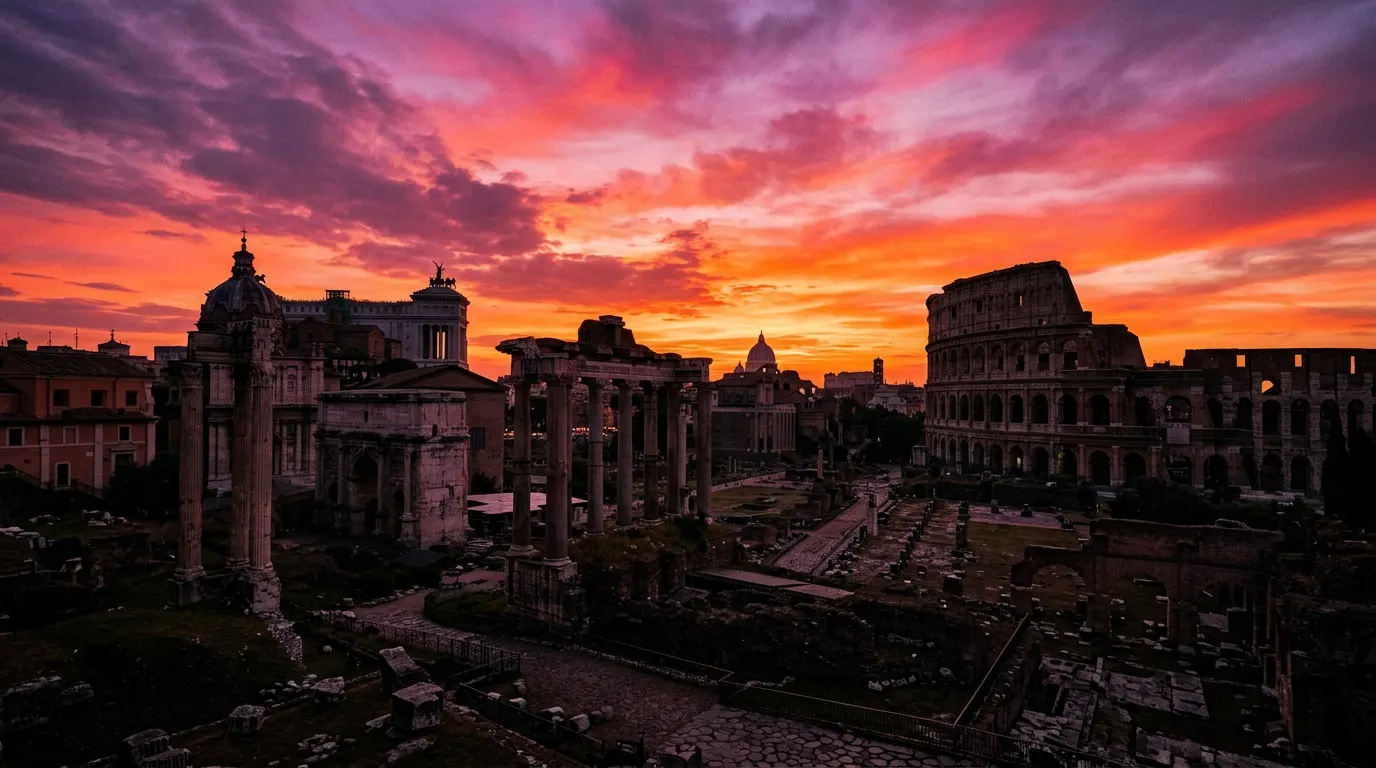
When your children have had enough of looking at old stones, it’s time to shift gears and get their hands dirty.
Kids Cook Rome (Pasta-Making Class)
One of the best investments you can make on your family trip is booking a Pasta-making class at Walks of Italy (Kids Cook Rome). This is a hands-on, high-energy cooking experience designed specifically for families. Kids get to roll out fresh dough, smash plum tomatoes, and make a massive, floury mess that you do not have to clean up. It’s usually taught by an energetic local chef who knows exactly how to keep kids fully engaged and laughing. Plus, the class culminates in a fantastic lunch or dinner where everyone eats what they made, usually accompanied by a well-deserved glass of wine for the surviving parents.
- Practical Details: Classes usually run 2.5 to 3 hours. Prices hover around €85-€100 ($90-$110 USD) per person, but it covers a massive, high-quality meal. Best for ages 4 and up.
🎟️ Find family-friendly tours & activities →
Explora il Museo dei Bambini di Roma
If you have kids under 8 and it’s raining, or if they just desperately need a break from adult-focused sightseeing, make a beeline for Explora il Museo dei Bambini di Roma. This is a vibrant, hands-on discovery museum where kids can role-play in a mini-supermarket, experiment with interactive water tables, and "drive" a life-sized train engine. It’s entirely child-led play, which provides a glorious mental break for parents who have been navigating busy streets all week.
- Practical Details: You must book a timed entry slot in advance. Visits are strictly capped at 1 hour and 45 minutes to prevent overcrowding, ensuring every child gets a turn at the exhibits. Tickets are €9 ($10 USD) for ages 3+, €6 for toddlers.
Technotown & Roma World
For older kids who might scoff at a traditional children's museum, check out Technotown - Hub della Scienza Creativa inside the beautiful grounds of Villa Torlonia. It’s a creative science hub focused heavily on robotics, 3D printing, and interactive tech projects. Alternatively, if you want full historical immersion, take a day trip out of the city center to Roma World. This is an open-air 'living history' park where kids can step directly back into Ancient Rome through gladiator shows, archery practice, and interacting with farm animals.
Parks, Play, and Running Off the Gelato
Rome is surprisingly green, and as a parent, you will absolutely need these open spaces to let your kids run off their daily gelato intake.
Appia Antica Regional Park
Rent some bikes and head out to the Appia Antica Regional Park (Service Center). This is a massive archaeological park where kids can cycle down the actual 2,000-year-old Roman highway (the Appian Way) past ancient tombs, crumbling statues, and grazing sheep. It is wildly atmospheric, completely flat, and entirely car-free on Sundays, making it a safe and memorable adventure for the whole family.
- Practical Details: Bike rentals at the service center cost around €15 ($16 USD) for the day. E-bikes are highly recommended for older kids and adults, as the ancient cobblestones can be quite bumpy and challenging on tired legs.
Parco degli Acquedotti
A short, easy metro ride from the historic center brings you to Parco degli Acquedotti, a massive open-air archaeological park. Here, kids can run, bike, and play soccer directly under the towering, dramatic arches of ancient Roman aqueducts. It’s completely free, rarely crowded with tourists, and serves as the ultimate spot for a family picnic. Grab some fresh prosciutto, crusty bread, and local cheese from a neighborhood market before you go, and let the kids roam free.
Villa Ada & Luneur Park
If you just want a traditional, relaxed park day, Villa Ada is Rome’s second-largest park—a sprawling, semi-wild former royal estate that offers a more adventurous vibe than the manicured gardens in the city center. On the other hand, if you want pure, unabashed fun, head straight to Luneur Park. This is Italy's oldest amusement park, but it has been completely reimagined as a colorful, safe haven specifically for children under 12, featuring gentle roller coasters, spinning teacups, and splash pads to cool down on hot afternoons.
Age-by-Age Guide to Conquering Rome
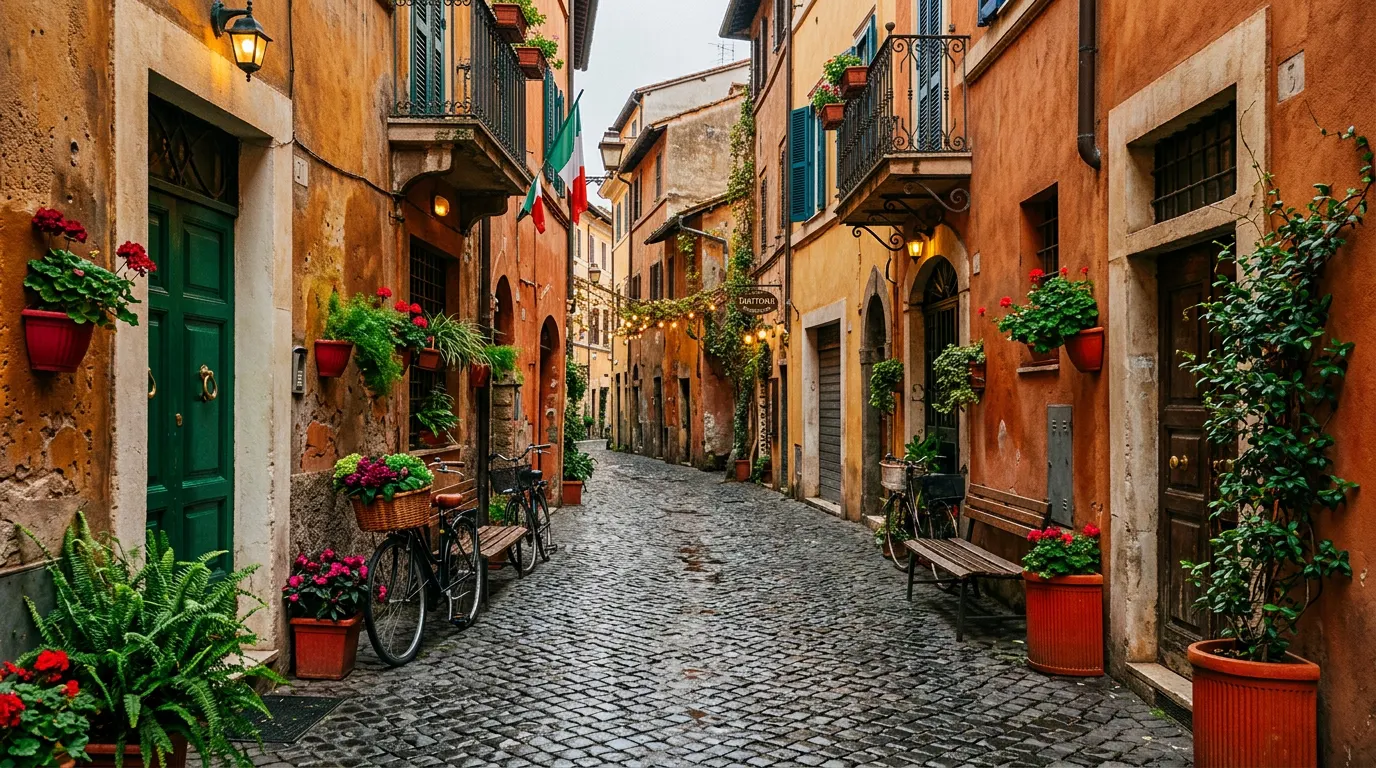
Tailoring your itinerary to your child's developmental stage is the absolute key to a successful trip. Here is how to approach the city based on who you have in tow.
Toddlers (Ages 2-3)
Rome with a toddler is all about managing expectations and utilizing the city's beautiful piazzas. Forget the idea of doing three major historical sites in a single day. Instead, aim for one site in the morning, and spend the afternoon letting them chase pigeons around the fountains in Piazza Navona. Pro-tip: The cobblestones here will absolutely destroy cheap, flimsy strollers. Bring a lightweight umbrella stroller or a rugged travel stroller with excellent suspension, and rely heavily on a baby carrier for the uneven terrain of ancient sites. Gelato is your ultimate bribery tool—use it liberally to keep spirits high.
Preschoolers (Ages 4-5)
This age group thrives on imagination and storytelling. Tell them they are hunting for dragons, tracking ancient gladiators, or searching for hidden treasures. Spend some downtime at the Casina delle Civette, a whimsical, fairytale-like Art Nouveau villa tucked away in the gardens of Villa Torlonia that looks exactly like an owl-themed gingerbread house. If little legs need a sit-down break, catch a lively show at Teatro San Carlino, a charming, traditional puppet theater located right in the Villa Borghese gardens.
School-Age (Ages 6-10)
This is the golden age for visiting Rome. They are old enough to grasp the history and young enough to still be completely awestruck by the sheer size of the monuments. Lean into the gory, fascinating details of the Colosseum and the spooky underground crypts. Give them a cheap digital camera and put them in charge of photographing every public fountain, ancient column, or stray cat they spot. They will absolutely love the interactive pasta-making classes and the thrill of biking down the Appian Way.
Tweens & Teens (Ages 11-14)
Teens crave autonomy and experiences that look incredible on their social media feeds. Book an evening Vespa sidecar tour or an e-bike tour of the city center to give them a thrill. Teach them how to navigate the metro system and let them lead the way to your next stop. Take them to the Basilica di Santa Maria Maggiore—a massive, gold-drenched 5th-century basilica that is visually stunning enough to impress even the most cynical 14-year-old. For dinner, embrace the culture and let them stay out late; aim for a 7:30 PM or 8:00 PM dinner in Trastevere, soaking up the vibrant, buzzing street life.
What to Skip: Tourist Traps & Overhyped Spots
Not everything in Rome is worth your precious vacation time, especially when managing kids' energy levels. Here is what you should actively avoid to save your sanity:
- Galleria Borghese: While it houses undeniably incredible art, this museum has a mandatory 2-hour exit rule, requires booking months in advance, and features notoriously strict security guards who will quickly shush your children. It’s a high-stress environment that is best saved for an adults-only trip.
- Spanish Steps (Sitting): Yes, you should walk past them to see the architecture, but do not plan to hang out here to rest. Since 2019, it is strictly illegal to sit on the Spanish Steps, and police actively patrol with whistles to shoo families away. It’s stressful, crowded, and not worth the hassle.
- Acquario di Roma (EUR): Do not promise your kids a trip to the aquarium. This project has been a 'coming soon' disappointment for over 15 years, often leaving excited families standing in front of a closed, unfinished building.
- Museo delle Cere (Wax Museum Rome): Skip this entirely. It is a dated, dusty collection of wax figures that often look more like horror movie props than the historical figures they are supposed to represent.
- Antico Caffè Greco: As Rome’s oldest café, it operates more like a 'living museum' than a quick snack stop, with eye-watering prices to match. Expect to pay upwards of €10 for a simple coffee. Skip it and find a friendly, authentic neighborhood spot instead.
Pro Tips from Parents Who Survived (and Thrived)
- Hydrate for Free: Instead of buying overpriced plastic bottles of water near the monuments, look for the curved iron 'nasoni' (big nose) fountains scattered across Rome. The water flows continuously, is freezing cold, and comes straight from the mountains. It is perfectly safe, delicious, and a fun activity for kids to fill their own bottles.
- Beware the Gladiator Photo Scam: Actively avoid the men dressed as gladiators hanging around the outside of the Colosseum. They often demand €20-€50 for a single photo, can be incredibly aggressive with tourists, and will absolutely ruin your morning vibe. Just teach your kids to say a firm "No, grazie" and keep walking.
- Mastering the Dinner Schedule: Romans eat late. Aim for a 7:00 PM dinner in neighborhoods like Trastevere or Testaccio, which is the earliest most authentic spots open their doors. If you are eating at 5:30 PM, you are almost certainly eating at a tourist trap. Avoid any place near major monuments where a host tries to pull you in from the street or where the menu features faded, translated photos of pasta.
- The Great Taxi Challenge: Unlike NYC or London, Roman taxis rarely stop if you wave them down in traffic. You must either walk to a designated, orange-signed 'Taxi Stand' (found in major piazzas) or use the FreeNow app to call one directly to your exact location. This is crucial when you have exhausted kids who refuse to walk another step.
- First Aid on the Fly: If a child gets a sudden fever, an upset stomach, or a nasty scrape on the cobblestones, look for the bright green neon crosses indicating a Farmacia. Italian pharmacists are highly trained and act almost like minor walk-in clinics; they can quickly diagnose minor ailments and give you exactly what you need over the counter.
- The Grattachecca Upgrade: Skip the standard industrial popsicles at the tourist kiosks. Instead, hunt down a 'Grattachecca' stand along the Lungotevere riverbank. This is authentic, hand-shaved ice topped with fresh fruit and sweet syrups—an absolute lifesaver for cooling down on a 90-degree July afternoon.
Arrivederci, Meltdowns
Tackling Rome with kids doesn't have to be an exhausting marathon of whining and blistered feet. By intentionally mixing world-class historical sites with open-air parks, interactive classes, and strategic gelato stops, you can curate a trip that genuinely thrills the whole family. Remember to slow down, ditch the rigid schedule, and let the magic of the city take over. Embrace the late dinners, the messy pasta, and the endless walking, and you will quickly find that the Eternal City might just become your family's favorite destination.