Hitting the open road with children in the backseat often sounds like a beautiful dream until the third hour of driving when the tablet battery dies and someone spills sticky juice on the upholstery. Transforming a confined vehicle into a rolling adventure requires strategy, endless patience, and a deep understanding of pacing. Whether you are driving down the Pacific Coast Highway, exploring the Canadian Rockies, or navigating the vast stretches of the American Midwest, mastering the art of the family drive changes the entire dynamic of your vacation. By compiling these essential road trip with kids tips, you can transition from simply surviving the journey to actually enjoying the shared miles, unexpected detours, and scenic vistas together. Success on the road is entirely about preparation, managing expectations, and knowing exactly when to pull over and let everyone breathe.
Essential Pre-Departure Road Trip with Kids Tips
A smooth journey begins long before you back out of the driveway. The way you pack your vehicle and plan your route dictates the rhythm of the entire trip. When traveling with children, the car is no longer just a mode of transportation; it becomes a dining room, an entertainment center, a sleeping quarter, and a playground.
Mapping the Route and Pacing
The golden rule of family road trips is to cap your daily driving limit. While adults might comfortably push through a ten-hour driving day, expecting children to endure that level of confinement is a recipe for tears. Aim for a maximum of four to six hours of actual driving per day, broken up into two-hour increments. When mapping your route, do not rely solely on the estimated time of arrival provided by your GPS. Add a minimum of thirty percent to that time to account for bathroom breaks, slow-moving traffic, and the inevitable extended stop because someone needs to stretch their legs. Plan your overnight stops in locations that offer immediate gratification upon arrival, such as a hotel with a swimming pool or a town center with a great ice cream shop. If you are linking major urban centers, check out our San Francisco guide or Los Angeles guide to plan your city-specific logistics once you park the car.
The Cabin Ecosystem
How you organize the interior of the car is critical. Implement a "two-bag system" for your daily needs. Pack the bulk of your luggage in the trunk, but keep a soft-sided day bag in the main cabin containing a change of clothes for every passenger, pajamas, toothbrushes, and a fully stocked first-aid kit. This prevents you from unpacking the entire trunk on the side of the highway after a spill.
Create a dedicated "command center" accessible to the passenger seat. This should include wet wipes, a roll of paper towels, plastic bags for trash, and a small handheld vacuum if space permits. For snacks, avoid large, open bags that can spill. Instead, use compartmentalized tackle boxes or bento boxes for each child, filled with dry, non-sticky snacks like pretzels, dry cereal, and dried fruit. Finally, ensure your stroller is the very last thing you pack in the trunk so it is the absolute first thing you can grab when you arrive at a scenic viewpoint or a rest stop.
Must-Stop Destinations: Building the Perfect Itinerary

Breaking up the drive with high-quality, engaging stops is the secret to a successful itinerary. Rather than stopping aimlessly, plan your route around major attractions that offer genuine engagement for the family. Here are examples of how to structure incredible stops along popular North American routes.
Coastal Cruising: Monterey Bay Aquarium
If your road trip takes you down the California coast, the Monterey Bay Aquarium is an absolute non-negotiable stop. It provides a massive sensory shift from the confined car interior to the expansive, mesmerizing underwater world.
- Opening Hours: Typically 10:00 AM to 5:00 PM (varies slightly by season).
- Rough Costs: $65 USD per adult, $45 USD for youth (approx. €60 EUR / €41 EUR). Children under 4 are free.
- Stroller Accessibility: Excellent. Ramps and elevators connect all floors, though it can get tight around the kelp forest exhibit during peak hours.
- Nearest Food Options: The onsite cafe is incredibly family-friendly with high chairs and healthy options, but Cannery Row is just steps outside the front door offering dozens of family restaurants.
- Best Time of Day to Visit: Arrive exactly at opening (10:00 AM) or later in the afternoon around 2:30 PM to avoid the midday crowds.
- How Long to Spend: Plan for 3 to 4 hours to see the sea otters, penguins, and the open sea exhibit without rushing.
🎟️ Find family-friendly tours & activities →
Alpine Magic: Banff Gondola
For those traversing the Canadian Rockies, the Banff Gondola offers maximum reward for minimal physical exertion, making it perfect for kids who are tired of sitting but might not be up for a rigorous hike.
- Opening Hours: 8:00 AM to 9:00 PM in summer; hours reduce in winter.
- Rough Costs: Approximately $65 CAD (approx. $48 USD) for adults, $33 CAD (approx. $24 USD) for children.
- Stroller Accessibility: The gondola cabins accommodate foldable strollers. At the summit, the multi-level observation center has elevators, and the outdoor boardwalk to Sanson's Peak is fully paved and stroller-friendly.
- Nearest Food Options: Sky Bistro at the summit offers incredible views, while the Castle Mountain Coffee Co. is perfect for grab-and-go snacks.
- Best Time of Day to Visit: Early morning (8:00 AM) guarantees clear views and zero lines, or go at sunset for spectacular lighting.
- How Long to Spend: 2 to 3 hours is plenty of time to ride up, walk the boardwalk, and grab a hot chocolate.
🎟️ Book family tickets & skip-the-line tours →
Age-by-Age Road Trip with Kids Tips
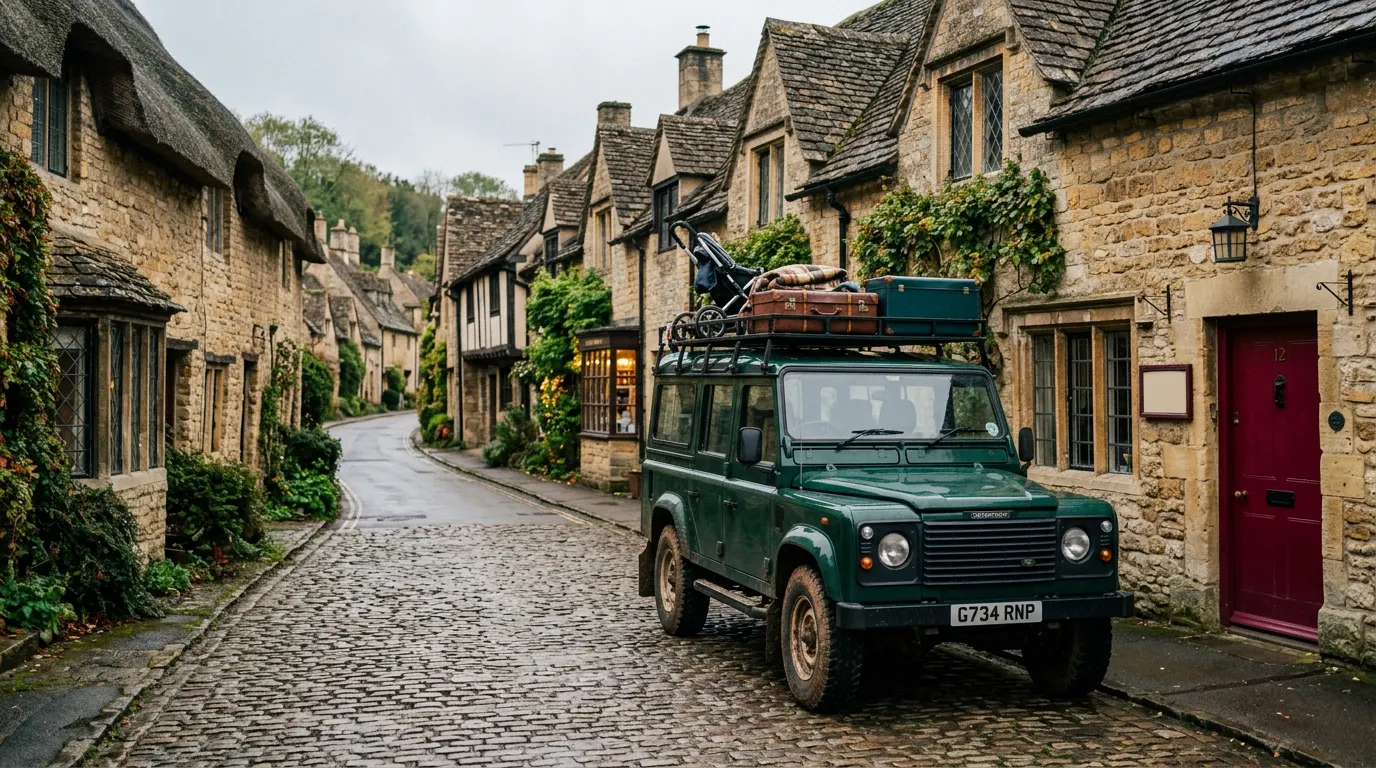
A ten-year-old’s road trip needs are vastly different from a two-year-old’s. Tailoring your entertainment and engagement strategies to your child's developmental stage is crucial for keeping the peace.
Toddlers (Ages 2-3)
Toddlers are the most challenging road trip companions because they do not understand the concept of time or destinations; they only know they are strapped in and cannot move. The strategy here is constant, novel distraction. Wrap small, inexpensive new toys (like a new board book, a chunky toy car, or a sensory squish toy) and let them unwrap one every two hours. The unwrapping process itself buys you at least ten minutes of quiet. Use a rear-facing mirror not just for safety, but for engagement—make silly faces at them while stopped at red lights. Keep an arsenal of their favorite toddler tunes ready, but alternate them with calming instrumental music to encourage naps.
Preschoolers (Ages 3-5)
Preschoolers are highly visual and love to feel involved. This is the perfect age to introduce dry-erase window markers. Let them draw on their window (it wipes off easily with a baby wipe). You can also create a highly simplified, visual map of your journey. Draw a line on a piece of paper with a drawing of your house at one end and your destination (like a beach or a mountain) at the other. Move a small sticker along the line at every rest stop so they can visually comprehend how close you are getting. Audiobooks for young children, such as classic fairy tales or character-driven stories, work wonders to quiet a restless preschooler.
School-Age (Ages 6-10)
School-age children thrive on games, responsibility, and a bit of independence. The classic license plate game is fantastic for this age. Print out a map of the country and have them color in the states or provinces as they spot the plates. Give them a dedicated travel journal and a Polaroid-style instant camera to document the trip from their perspective. Allow them to take charge of the car's playlist for an hour at a time; giving them control over the music empowers them and reduces complaints. You can also give them a small budget (e.g., $10) to spend however they choose at a major rest stop.
Tweens and Teens (Ages 11-14)
Older kids require a delicate balance of family engagement and personal space. Do not force them to participate in every car game. Respect their need to put on noise-canceling headphones and retreat into their own world of music or movies for long stretches. To keep them engaged, involve them in the actual logistics. Have them use their phones to research the best local lunch spots ahead on the route, or put them in charge of navigating to the hotel once you enter the city limits. If you are heading to a major destination, suggest they read up on our Phoenix guide or similar city guides to pick an activity they want to lead. Podcasts are phenomenal for this age group; find a gripping mystery or narrative history podcast that the whole family can listen to and discuss.
Mastering the Art of the Rest Stop
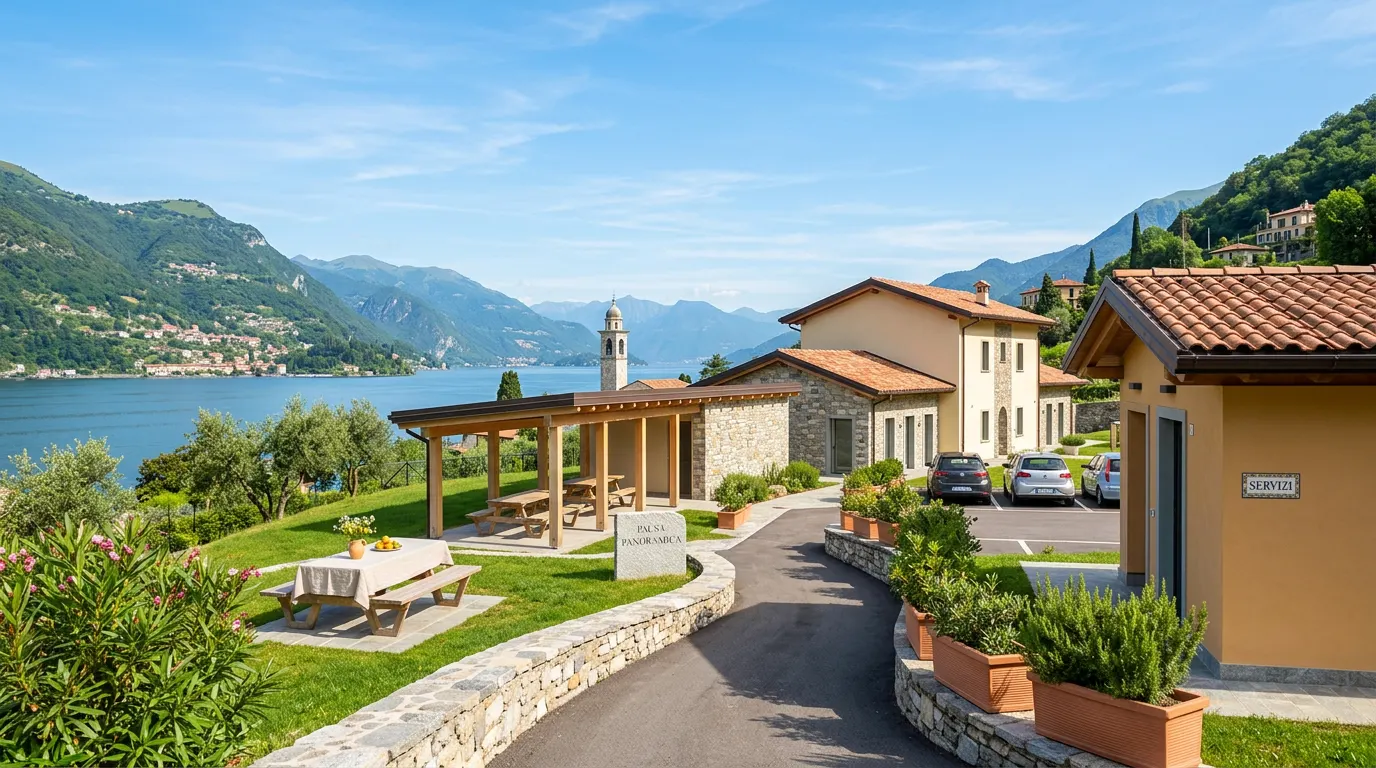
How you handle your breaks is just as important as how you handle the driving. A poorly executed rest stop can actually increase stress, while a well-planned one resets the entire family's mood.
Parks Over Plazas
Whenever safely possible, avoid stopping at massive, concrete highway travel plazas. These are crowded, highly stimulating, and offer zero space for children to actually run. Instead, use a map app to find a local municipal park, school playground, or nature trail just five minutes off the highway exit. A thirty-minute stop at a grassy park where kids can kick a ball, climb on a structure, and scream freely is infinitely more restorative than thirty minutes spent navigating a crowded fast-food line. Keep a frisbee or a jump rope easily accessible in the trunk specifically for these stops.
The 15-Minute Rule
When you do stop, mandate physical activity before anyone is allowed to look at a screen or get back in the car. Implement the 15-minute rule: everyone must do something active for fifteen minutes. This can be as simple as a family game of tag, seeing who can do the most jumping jacks, or briskly walking a lap around the perimeter of the rest area. Getting their heart rates up and burning off stagnant energy heavily reduces the likelihood of sibling squabbles once they are strapped back into their seats.
What to Skip: Road Trip Illusions
The internet is full of romanticized ideas about family travel that often backfire spectacularly in practice. Knowing what to avoid saves time, money, and your sanity.
The "Push Through the Night" Strategy
Many parents attempt to drive through the night, assuming the kids will sleep peacefully for eight hours while the adults cover massive ground. Skip this. While the kids might sleep, the driving parent becomes dangerously exhausted. More importantly, when the sun comes up, the children awake fully energized and ready to play, while the parents are sleep-deprived zombies incapable of safely supervising or enjoying the first day of the vacation. The resulting crankiness ruins the destination. Stick to daylight driving and sleep in comfortable beds.
Overhyped Roadside Tourist Traps
Billboards will advertise the "World's Largest Ball of Yarn," a "Mystery Gravity Hill," or a "Live Dinosaur Park" for hundreds of miles. Skip them. These roadside attractions are almost universally overpriced, poorly maintained, and specifically designed to separate weary travelers from their cash. They rarely offer clean bathrooms, are notoriously stroller-unfriendly due to gravel paths or cramped gift shops, and the food options are usually limited to stale pretzels. Invest your time and money in state and national parks or accredited museums instead.
Sugar-Heavy Gas Station Hauls
It is incredibly tempting to let kids pick out giant sodas and king-size candy bars at a gas station to buy their temporary happiness and silence. Skip the sugar haul. The resulting sugar high leads to hyperactive behavior in a confined space, followed inevitably by a spectacular, tear-filled crash an hour later. Stick to the high-protein, low-sugar snacks you packed in your cabin ecosystem, and save the sweet treats for a sit-down dessert once you have reached your hotel for the evening.
Pro Tips from Parents
- The Shoe Bin: Keep a plastic tub or basket on the floorboard behind the center console. The moment kids get in the car, their shoes go in the bin. This prevents the frantic search for a missing sneaker under the seats when it is time to use the bathroom.
- The Car Sickness Kit: Always keep a dedicated kit containing motion sickness medication, large heavy-duty zip-top bags (infinitely better and easier to seal than a bucket), baby wipes, and a towel in the glove compartment.
- Sticky Note Window Art: For younger kids, bring a pad of colorful sticky notes. They can create pixel-art masterpieces on the windows, and there is absolutely zero mess or residue to clean up later.
- Audiobook Consensus: Before leaving the driveway, have everyone agree on one family audiobook. Play this only when everyone is getting slightly grumpy; a compelling story has a magical way of silencing a noisy car.
- The "Surprise" Bag: Pack one bag of highly engaging, never-before-seen items from a dollar store (glow sticks, silly putty, a new puzzle). Do not reveal its existence until you hit a moment of absolute desperation.
Ending a long drive with your family still speaking to each other is a genuine accomplishment. By implementing these road trip with kids tips, from meticulously organizing your cabin ecosystem to knowing exactly which overhyped stops to skip, you take control of the journey. Remember that the inevitable detours, the extra bathroom breaks, and the spilled snacks are just part of the fabric of family travel. Embrace the slower pace, keep the snacks flowing, and focus on the memories you are building mile by mile. Safe travels, and enjoy the open road!