Choosing a Northern European destination can feel overwhelming when you are balancing adult interests with child-friendly logistics. When comparing Riga vs Stockholm with kids, you are weighing two beautifully distinct types of magic. Stockholm offers polished, maritime grandeur with world-class museums and seamless infrastructure, while Riga counters with fairytale Art Nouveau architecture, deep pine forests, and an incredibly family-friendly price point. Both cities deliver exceptional experiences, but deciding which one is right for your travel style requires digging into the practicalities of navigating them with little ones in tow.
Stockholm is often praised as the gold standard for family travel, with its meticulously designed public spaces and universal stroller accessibility. However, that polish comes with a premium price tag that can quickly stretch a family vacation budget. On the other hand, Riga offers a raw, authentic charm that feels like stepping into a storybook, packed with high-energy outdoor adventures and quirky indoor attractions that cost a fraction of what you would pay in Scandinavia. If you are trying to decide between the two, this guide breaks down the logistics, attractions, and hidden gems to help you plan the perfect family getaway.
Vibe and Accessibility: Riga vs Stockholm with Kids
When you first step off the plane, the contrast in the daily rhythm of these two capitals is immediately apparent. Stockholm is spread across 14 islands, connected by scenic bridges and an incredibly efficient public transit system. You will find ramps everywhere, elevators in almost every historic building, and buses where you can simply roll a stroller right on board. The city feels expansive, orderly, and deeply connected to the water. If you want a deep dive into navigating the Swedish capital, check out our comprehensive Stockholm city guide.
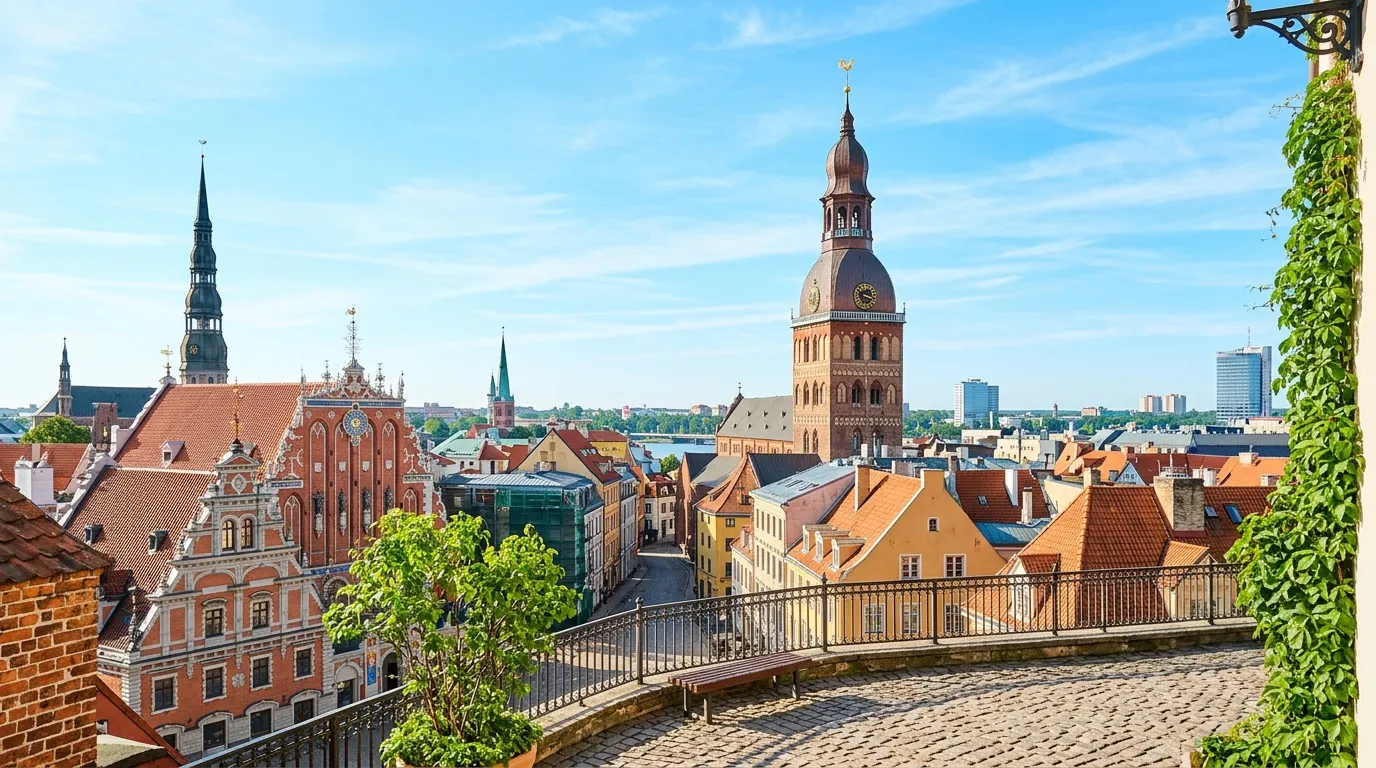
Riga, conversely, is much more compact and grounded in its medieval roots. The heart of the city is a tight network of cobblestone streets lined with pastel-colored buildings that spark instant imagination in younger travelers. While the aesthetic is undeniably magical, the logistics require a bit more effort. Those medieval cobblestones can be brutal on standard travel strollers. However, the compact nature of the Old Town means that toddler legs can handle much of the walking without needing constant transport.
The biggest differentiator in the daily vibe is the cost and approachability. In Stockholm, a casual family lunch can easily run upwards of $80 to $100 USD. In Riga, your family budget stretches significantly further, allowing you to say "yes" to more activities, treats, and spontaneous excursions without a second thought. For a full overview of what the Latvian capital has to offer, our Riga city guide covers the essentials.
Top Attractions: What Makes Each City Special?
Both cities excel in family entertainment, but they approach it from different angles. Stockholm is the undisputed king of children's museums. Between the interactive storybook worlds of Junibacken and the massive, preserved warship at the Vasa Museum, you can spend days indoors entirely captivated.
Riga leans heavily into active, hands-on, and slightly quirky experiences that often appeal to families who want to break away from traditional museum fatigue.
High-Energy Indoor Thrills in Riga
When the Baltic weather turns chilly, Riga delivers massive indoor complexes that keep kids moving. The crown jewel is Līvu Akvaparks in nearby Jūrmala. As the largest indoor water park in Northern Europe, this complex features over 40 attractions, including wave pools, massive slides, and dedicated toddler splash zones.
- Practical Details: Open Wednesday through Sunday (hours vary by season, typically 11:00 AM - 7:00 PM). A family ticket runs around €85 ($92 USD). The facility is highly accessible, with large family locker rooms and plenty of onsite dining. Plan to spend at least 4 to 5 hours here.
🎟️ Find family-friendly tours & activities →
Quirky and Sleek Museums
If your kids love science and mechanics, Riga has two standout options that contrast beautifully. For an experience that feels wonderfully unconventional, the Zinātnes centrs “Tehnoannas pagrabi” is a quirky, underground science center that feels more like a mad scientist's workshop than a polished, modern museum. Kids can touch, pull, and experiment with optical illusions and homemade contraptions.
- Practical Details: Tours must often be booked in advance. Tickets are incredibly affordable at around €5 ($5.50 USD) per person.
For a more polished experience, the Rīgas Motormuzejs is a sleek, high-tech facility housing the Baltics' largest collection of vintage vehicles. The museum is brilliantly designed with interactive screens, driving simulators, and wide, stroller-friendly ramps connecting the floors.
- Practical Details: Open daily 10:00 AM - 6:00 PM. Family tickets are around €20 ($22 USD). It is located a bit outside the city center, but easily reachable by bus or taxi.
Outdoor Escapes and Parks: Riga vs Stockholm with Kids
Stockholm’s outdoor life is dominated by its archipelago. Taking a ferry out to a wooded island for a picnic is a quintessential Swedish family experience. The city itself is dotted with pristine parks, most notably the massive island of Djurgården, which serves as a green oasis right in the center.
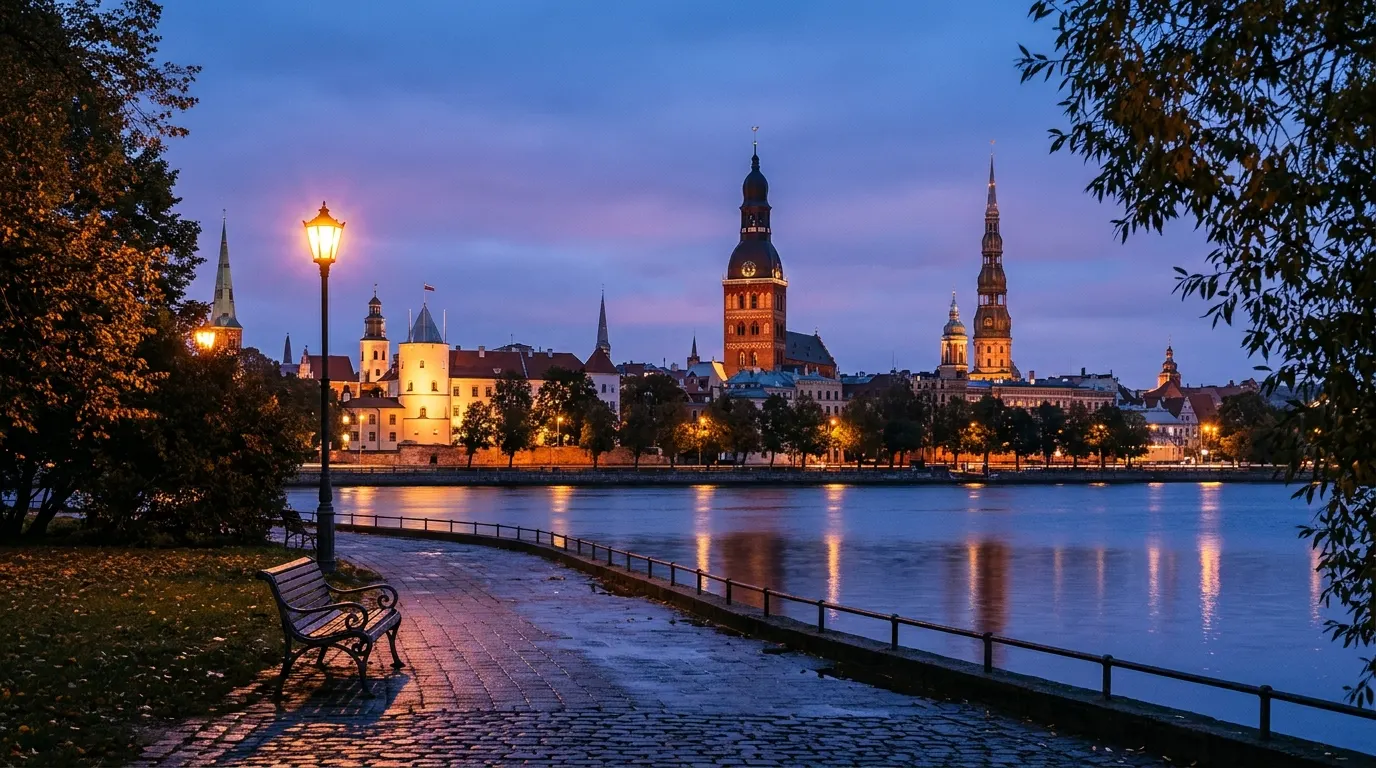
Riga, however, is surrounded by deep, sprawling forests and river valleys that offer a more rugged, adventurous style of outdoor play.
City Parks and Botanical Gardens
You do not have to leave Riga to find incredible green spaces. Mežaparks, which translates to "forest park," is the ultimate local escape. It offers endless paved trails winding through pine forests, making it an absolute dream for stroller walks, rented bicycles, or letting kids run free. Tucked inside this massive area is the Aventūru Parks Mežaparks, a high-energy treetop adventure park offering tiered rope courses suitable for various ages.
For a more tranquil afternoon, the Botāniskais dārzs (Latvijas Universitātes Botāniskais dārzs) is a sprawling, university-run green escape. The massive palm houses and the tropical butterfly house are massive hits with younger kids, providing a warm, sensory-rich environment even on overcast days.
Day Trip Adventures
If your family craves adrenaline, a day trip to the Gauja River Valley is mandatory. Just an hour from Riga, you will find the Sigulda Bobsleja un kamaniņu trase. This is a world-class Olympic training facility where families can actually experience the high-speed thrill of a professional bobsled track (modified for safety, of course).
🎟️ Book family tickets & skip-the-line tours →
Just down the road is the Siguldas piedzīvojumu parks “Tarzāns”, the largest outdoor adventure park in the Baltics, featuring over 100 obstacles across various rope courses, toboggan tracks, and chairlifts.
- Practical Details: The train from Riga to Sigulda takes about 1 hour and 15 minutes and costs under €3 ($3.50 USD). Both parks are open primarily from late spring through early autumn, so check seasonal hours before traveling.
For a completely different outdoor vibe, head south to Rundāles pils. Known as the 'Versailles of the Baltics,' this opulent Baroque palace features stunningly restored rooms. While the interior might test a toddler's patience, the sprawling, meticulously manicured French gardens outside are perfect for a family stroll and a picnic.
Age-by-Age Breakdown for Your Family Trip
Comparing Riga vs Stockholm with kids often comes down to the specific ages of your children. Here is how both cities cater to different developmental stages.
Toddlers (Ages 2-3)
Stockholm’s accessibility makes it a dream for the stroller crowd, but Riga holds its own with wide open spaces. In Riga, toddlers will love the sensory experience of the Botāniskais dārzs butterfly house. The key to Riga with this age group is pacing. The cobblestones require a sturdy stroller with good suspension. Break up sightseeing with visits to local bakeries, and utilize the city's excellent tram system to rest tired little legs.
Preschoolers (Ages 3-5)
This is an age of high imagination, and Riga’s fairytale architecture delivers. If you are visiting in the winter, the Latvijas Etnogrāfiskais brīvdabas muzejs – winter sledding areas (when snowy) transforms into a snowy fairytale forest. It is an expansive open-air museum where you can pull kids on sleds past historic wooden farmhouses. It feels entirely magical and burns off endless energy.
School-Age Kids (Ages 6-10)
School-age kids are often the easiest to please in both cities. In Stockholm, the Vasa Museum is a guaranteed hit. In Riga, this age group will be completely captivated by the interactive exhibits at the Rīgas Motormuzejs and the massive slides at Līvu Akvaparks. This is also the perfect age to introduce them to the lower-tier ropes courses at Aventūru Parks Mežaparks.
Tweens and Teens (Ages 11-14)
Here is where Riga truly outshines many other European capitals. Teenagers who might roll their eyes at another historic cathedral will light up at Riga's adrenaline-focused offerings.
- Take them to SkyFly Riga, an indoor vertical wind tunnel where they can experience the thrill of freefall in a safe, supervised environment.
- Book a session at the Escape Room “Get a Clue” (Rīga), a high-immersion escape room center featuring multiple themed environments.
- If they are into action sports, the Liepājas iela skeitparks is a high-energy outdoor skate park featuring a mix of ramps and a bowl where local teens hang out.
- For a day trip, Rāmkalni offers high-energy outdoor recreation in the scenic Gauja valley, including alpine coasters and boating.
The Food Scene: Dining with Little Ones
Stockholm is famous for its fika culture—the sacred daily tradition of coffee and pastries. While Swedish cafes are universally welcoming to children, dining out for three meals a day adds up exceptionally fast.
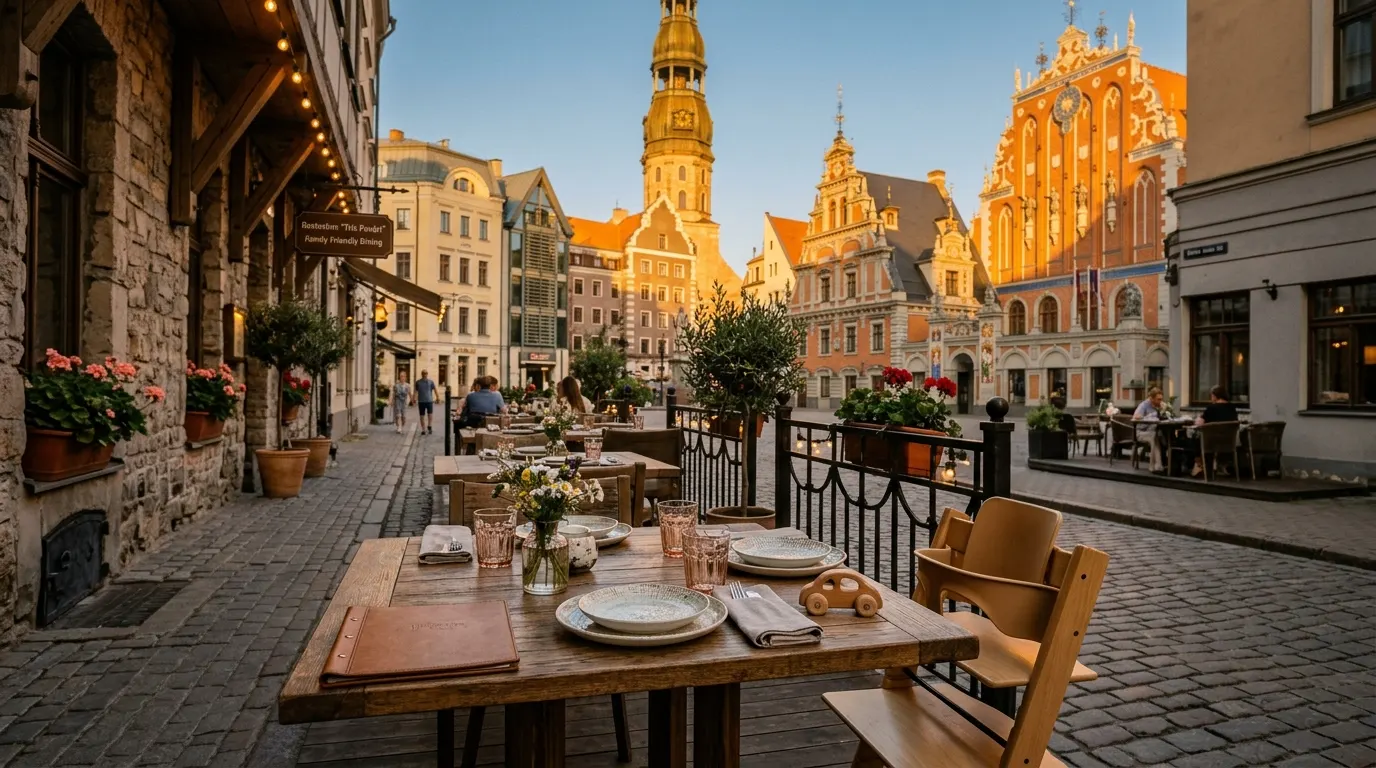
Riga offers a culinary scene that is hearty, comforting, and incredibly budget-friendly. Latvian food features a lot of potatoes, roasted meats, and sweet pastries, which tend to go over very well with picky eaters.
For a uniquely Riga experience that will thrill older kids and teens, visit Riga Black Magic. This stunning 18th-century apothecary-style cafe feels exactly like stepping into a Harry Potter film set. Hidden doors, dim lighting, and incredible chocolate truffles make it a highly memorable stop. Keep in mind that it is tight on space, so it is better suited for school-age kids and up rather than navigating with a bulky double stroller.
What to Skip in Riga with Kids
Not every highly rated attraction translates well to a family trip. When building your itinerary, save your time and money by bypassing these spots:
- St. Peter's Church Tower: While the views of the city are beautiful, the logistics of reaching the top are a major hurdle for families. There is a single, slow, staff-operated elevator, which means queues are often incredibly long, and the ticket price is steep for families. You are better off finding a free viewpoint elsewhere in the city.
- House of the Blackheads: The exterior of this building is arguably Riga's most iconic photo op, and you should absolutely take a family selfie in front of it. However, skip paying to go inside. The interior is a formal museum filled with delicate silverware and strict rules—a stressful combination with energetic children.
- Skyline Bar: Often recommended for its panoramic views, this is a sophisticated, adult-oriented cocktail lounge. Children are clearly an afterthought here, and the atmosphere is entirely unsuited for a family trying to relax after a long day of sightseeing.
- Rīgas geto un Latvijas holokausta muzejs: This is a deeply somber memorial site. The exhibits focus heavily on themes of war and deportation, featuring graphic photographs. There is very little interactive content, making it inappropriate and overly heavy for young travelers.
Pro Tips from Parents for a Smooth Trip
To make your Baltic adventure as seamless as possible, lean on these lived experiences from parents who have navigated the city:
- Master the Cobblestones: Riga's medieval cobblestones are notorious for rattling strollers. When walking through the Old Town, look for the strips of flat, polished paving stones that run through the middle or along the edges of many older streets. Walking your stroller along these smooth paths will save your child from a bumpy ride and save your wrists from fatigue.
- Utilize Free Transit for Kids: Public transportation in Riga is excellent and highly affordable. Even better, children under 7 travel for free on all Riga trams, buses, and trolleybuses. For the adults, download the Mobilly app to buy tickets instantly on your phone—it saves you from fumbling with cash or finding ticket machines while holding a toddler's hand.
- Rethink Meal Times: Skip the formal, sit-down restaurants for lunch and head to the indoor Gastronomy Pavilion at the Central Market. It is a loud, bustling, and sensory-friendly way to sample local rye bread, smoked meats, and pastries. If a toddler drops a crumb or talks too loudly, no one will even blink.
- Take the Train to the Beach: If you are heading to the coast or to the waterpark in Jūrmala, do not bother with a rental car. Take the electric train from Riga Central Station. It is a smooth, 30-minute ride that completely bypasses summer traffic, and the trains have designated spaces for strollers.
Making Your Choice
Deciding on Riga vs Stockholm with kids ultimately comes down to what your family values most in a vacation. If you have a generous budget and want a seamless, highly polished trip filled with world-renowned interactive museums, Stockholm is a brilliant choice. But if your family thrives on outdoor adventure, quirky discoveries, fairytale architecture, and the freedom of a destination where your budget stretches incredibly far, Riga is an absolute hidden gem. The Latvian capital proves that you do not have to sacrifice rich cultural experiences to have a trip that is genuinely fun for the whole family. Whichever you choose, Northern Europe offers memories that will outlast any souvenir.