When planning a family trip to South America, parents often find themselves weighing two dramatically different experiences: the soaring Andean peaks of Ecuador or the vibrant, sun-drenched Caribbean coast of Colombia. If you are comparing quito vs cartagena with kids, you are looking at two world-class destinations that cater to totally different travel styles.
Quito offers a high-altitude adventure filled with volcanoes, cloud forests, and interactive science at the equator. It feels crisp, historic, and deeply connected to nature. Cartagena, on the other hand, is a sensory explosion of tropical heat, bright colors, pirate history, and beach days. Choosing between the two comes down to how your family prefers to travel: do your kids want to spot wild llamas and zip-line through jungle canopies, or would they rather explore secret fortress tunnels before jumping into the Caribbean Sea?
Both cities are incredibly welcoming to families, but they require entirely different packing lists, pacing, and preparation. Here is a detailed breakdown to help you decide which destination is the perfect fit for your next family adventure.
The Vibe: Quito vs Cartagena with Kids
The atmosphere in these two cities could not be more distinct. To dive deep into everything the Ecuadorian capital has to offer, check out our full Quito City Guide. Quito sits at 9,350 feet above sea level, nestled in a long valley surrounded by dramatic volcanic peaks. The weather here is often described as "eternal spring"—crisp mornings, warm midday sun, and cool evenings. It is a city that invites active exploration, early bedtimes, and a deep appreciation for the natural world that sits right on its doorstep.
Cartagena operates on a completely different rhythm. (You can read our comprehensive Cartagena City Guide for more). Located on Colombia's Caribbean coast, the heat and humidity hit you the moment you step off the plane. The vibe here is tropical, loud, and incredibly vibrant. Life spills out onto the streets, music plays from balconies, and the pace of the day is dictated by the sun. Families in Cartagena usually adopt a "siesta" schedule—exploring the colorful Walled City early in the morning, retreating to a hotel pool during the blistering midday heat, and heading back out as the sun sets and the plazas come alive with street performers and food carts.
Top Things to Do in Quito with Kids
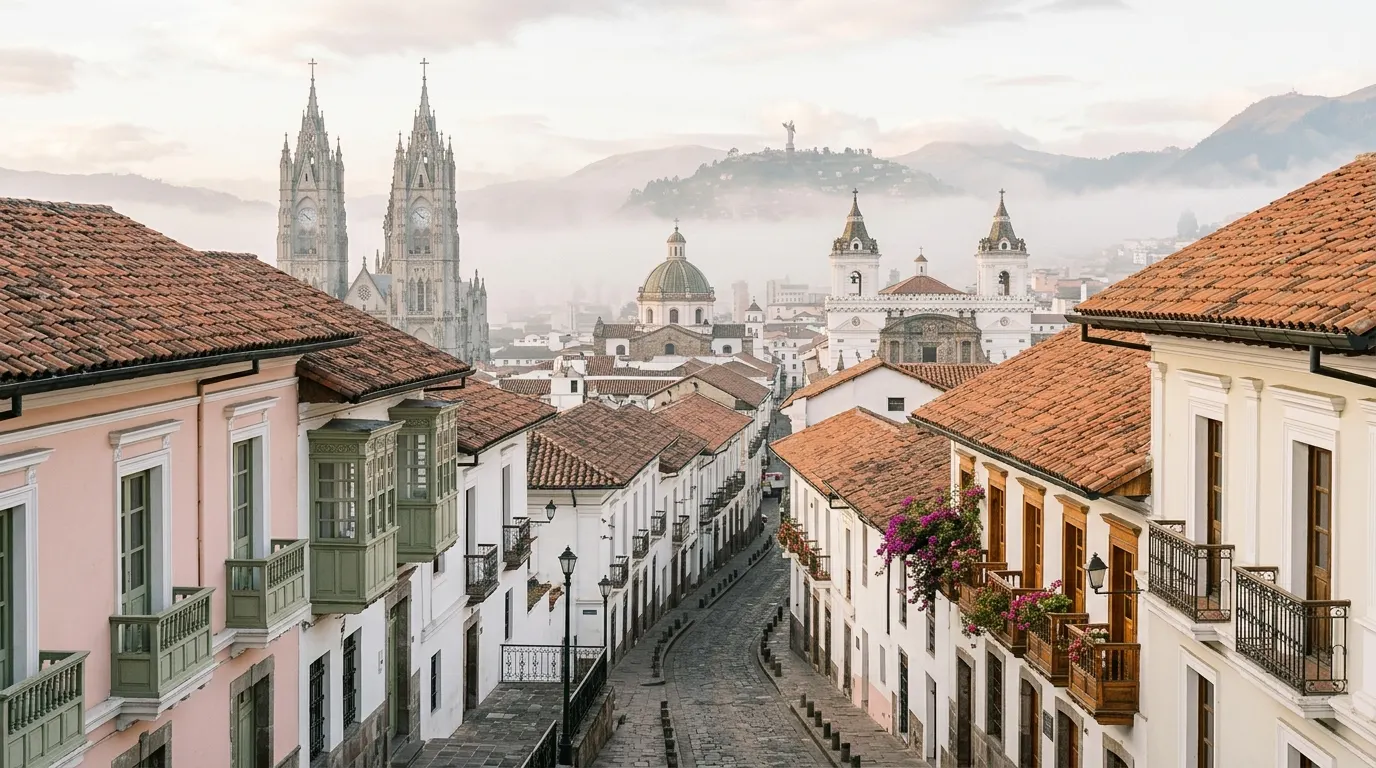
Quito is an absolute playground for families who love nature, science, and dramatic landscapes. Because the city is so close to diverse ecosystems, you can easily mix urban history with wild outdoor adventures.
The Equator and Cloud Forests
You cannot visit Quito without taking your kids to the middle of the world. Head straight to the Museo de Sitio Intiñan, a quirky, highly interactive outdoor museum that claims to sit on the true GPS-verified equator. Kids will love trying to balance an egg on a nail or watching water drain in different directions on either side of the line. Entry is around $5 USD, and you only need about 90 minutes here.
From the equator, drive two hours down into the lush Mindo Cloud Forest (Pueblo de Mindo). This high-altitude jungle is paradise for active kids. The absolute highlight is riding the Tarabita de Mindo (Cable Car to Waterfalls), an exhilarating open-air metal basket that whisks your family across a deep, misty canyon. Once across, you can hike to multiple waterfalls and swim in the chilly pools.
🎟️ Book family tickets & skip-the-line tours →
If you want to splurge on a once-in-a-lifetime overnight experience, look into Mashpi Lodge (Mashpi Cloud Forest Reserve). This luxury, glass-walled eco-lodge sits in a private reserve and offers guided night walks, a sky bike suspended over the canopy, and a towering observation deck.
High-Altitude Adventures
For a completely different ecosystem, head south to Cotopaxi National Park (Parque Nacional Cotopaxi). Watching wild horses and llamas graze with a massive, snow-capped volcano in the background is unforgettable. If you want to spend a few days here, book a stay at Hacienda El Porvenir (Cotopaxi), a working ranch where kids can take horseback riding lessons wearing traditional thick wool ponchos.
For an easier day trip focusing on wildlife, the Reserva Ecológica Antisana is phenomenal. It is less crowded than Cotopaxi, and the chances of spotting massive Andean condors soaring overhead are very high. Closer to the city, the Reserva Yanacocha offers flat, stroller-friendly trails where kids can stand inches away from dozens of buzzing, iridescent hummingbirds.
City Highlights
Within the city limits, start at Plaza Grande (Plaza de la Independencia), the vibrant heart of the Old Town. It is fantastic for people-watching. Nearby, the Iglesia de la Compañía de Jesús will drop your jaw—the entire interior is covered in seven tons of gold leaf.
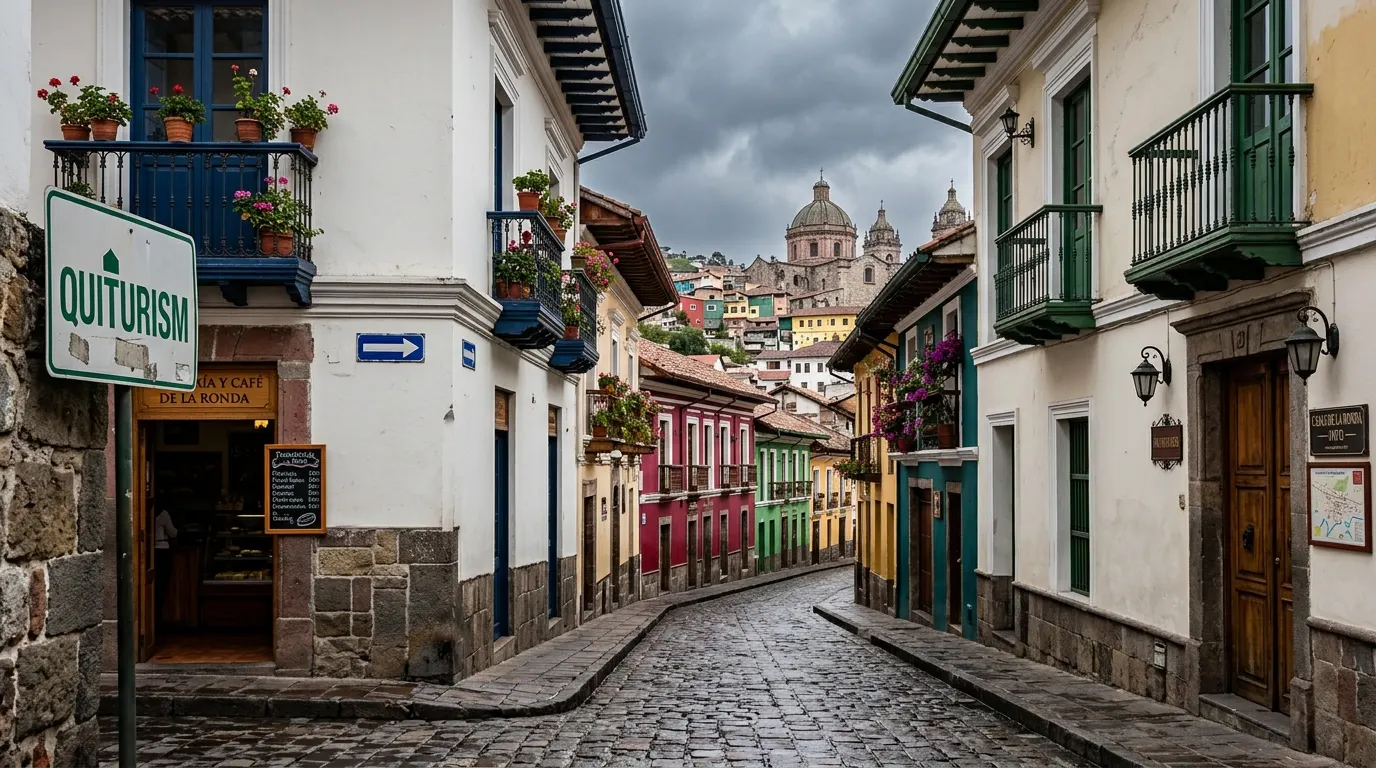
For burning off energy, Parque La Carolina is Quito's version of Central Park. It features paddleboats, extensive playgrounds, and even a retired airplane kids can climb inside. Later, wander down Calle La Ronda, a pedestrian-only cobblestone street filled with artisan workshops. Finally, book a session at the Tandana Cocoa Experience (Quito), where kids can roast, peel, and grind their own chocolate from raw cacao beans.
🎟️ Find family-friendly tours & activities →
Top Things to Do in Cartagena with Kids
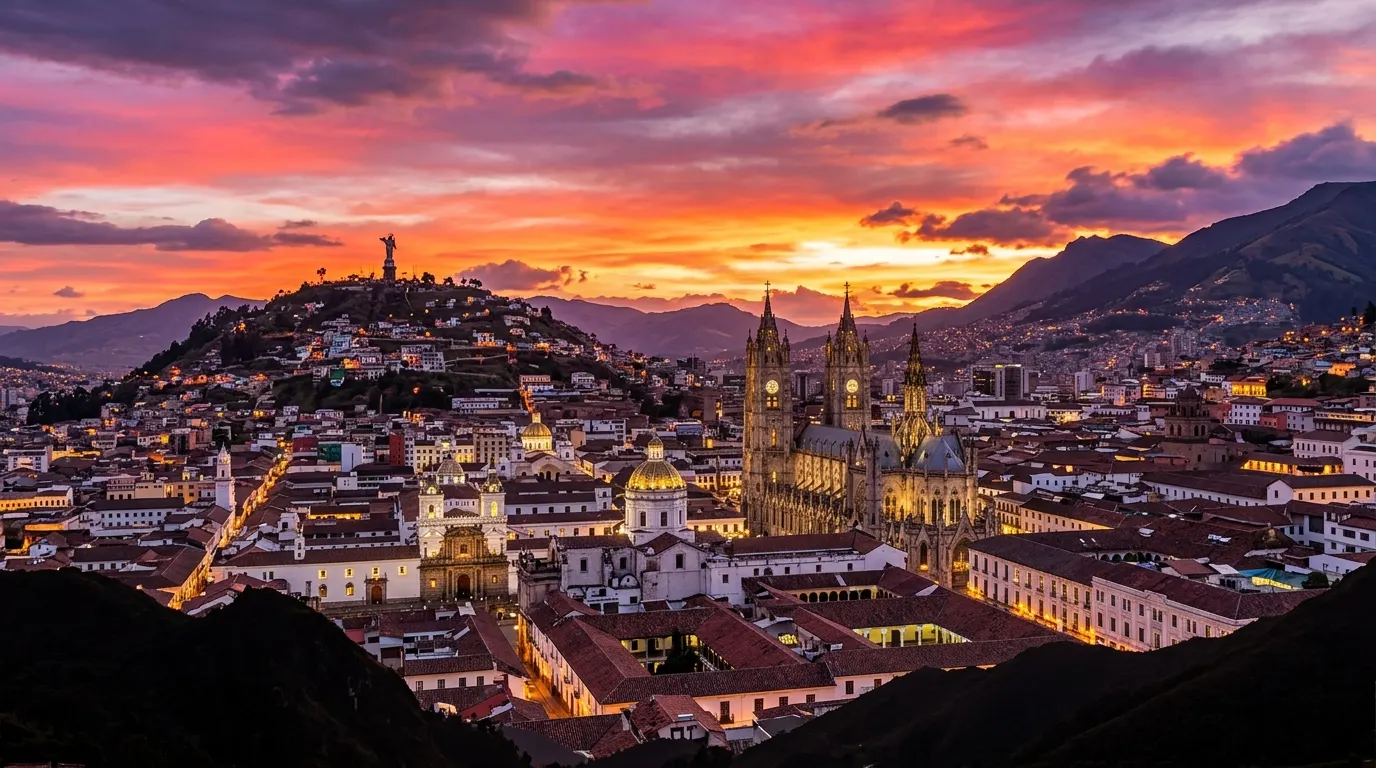
Cartagena swaps cloud forests for coral reefs and volcanoes for pirate fortresses. The primary attraction is the Walled City (Ciudad Amurallada), a UNESCO World Heritage site packed with bougainvillea-draped balconies, brightly painted colonial houses, and horse-drawn carriages. Walking the thick stone walls at sunset is a daily ritual here, offering cool ocean breezes and incredible views.
Kids absolutely love the Castillo de San Felipe de Barajas. This massive Spanish fort is an architectural marvel designed to repel pirate attacks. The best part for families is the extensive network of dark, echoing underground tunnels that you can explore. Bring flashlights and let the kids lead the way through the subterranean maze.
Because the city heat can be intense, families should plan a boat trip out to the Rosario Islands. Just an hour off the coast by speedboat, this archipelago offers the crystal-clear turquoise water and white sand beaches that the city itself lacks. You can book day passes to family-friendly beach clubs on Isla Grande, which include lunch, pool access, and calm, shallow waters perfect for snorkeling.
In the late afternoons, head to the Getsemani neighborhood. Once gritty, it is now the most colorful district in the city, covered in massive, vibrant street art murals. Grab some arepas con queso (corn cakes with cheese) from a street cart and watch the local kids play soccer in the Plaza de la Trinidad.
Age-by-Age Breakdown: Quito vs Cartagena with Kids
When weighing quito vs cartagena with kids, the ages of your children will heavily influence which destination feels more manageable.
Toddlers (Ages 2-3)
Winner: Cartagena (with a pool)
Toddlers can struggle with Quito's high altitude, which can disrupt sleep and appetite. Cartagena’s sea-level location is physically easier on little bodies. However, the heat is no joke. If you visit Cartagena with a toddler, you absolutely must book a hotel or rental with a shaded pool. The cobblestones in both cities are brutal on travel strollers, so a good baby carrier is essential. In Quito, if you do visit, stick to the flat, wide paths of Parque de las Cuadras in the south of the city for easy, uncrowded strolling.
Preschoolers (Ages 3-5)
Winner: Tie
Preschoolers are at a great age for both. In Cartagena, they will be fascinated by the "pirate castles" and riding in horse-drawn carriages. In Quito, the interactive exhibits at the equator line and the hands-on chocolate making at the Tandana Cocoa Experience (Quito) are perfectly tailored to their attention spans.
School-Age (Ages 6-10)
Winner: Quito
This is where Quito really starts to shine. Kids in this age group have the stamina for light hikes in Cotopaxi National Park (Parque Nacional Cotopaxi) and the bravery to ride the open-air Tarabita de Mindo (Cable Car to Waterfalls). They will learn incredible amounts of geography, biology, and history without even realizing it. Cartagena is still fun, but the purely historical focus of the Walled City can sometimes wear thin for active 8-year-olds after a few days.
Tweens and Teens (Ages 11-14)
Winner: Tie
Teens will appreciate the distinct aesthetics of both cities. Cartagena offers incredible Instagram-worthy backdrops in Getsemani, fantastic street food, and independent wandering in a safe, contained old city. They will also love snorkeling in the Rosario Islands. In Quito, teens can tackle more adventurous activities like ziplining through the cloud canopy, mountain biking, or hiking lower volcanic peaks.
Logistics and Practical Details for Families
Getting around requires different strategies in each city. In Cartagena, the historic center is highly walkable, though the narrow sidewalks can be challenging with strollers. Taxis are cheap and plentiful, but car seats are virtually non-existent. You will rely heavily on walking and short, slow cab rides.
In Quito, the city is stretched out in a long, narrow valley. Traffic can be intense. The local bus system (the Ecovía and Trolebús) gets incredibly crowded and is a hotspot for pickpockets, so families are better off using rideshare apps. We highly recommend using the Cabify app in Quito; it allows you to request larger vehicles where you can more comfortably install travel car seats, and the fares are very reasonable (usually $3-$6 USD per ride within the city).
Food costs are relatively comparable, though Cartagena leans slightly more expensive due to its massive international tourism draw. In Cartagena, expect to pay around $15-$25 USD per person for a sit-down meal in the Walled City, heavily featuring fresh seafood, coconut rice, and plantains. In Quito, local meals are incredibly affordable. A hearty bowl of Locro de Papa (a traditional potato and cheese soup that kids usually devour) costs around $5-$8 USD.
What to Skip in Quito and Cartagena
Not every famous attraction is worth the effort when you have children in tow. In Quito, definitely avoid the Teleferico Quito summit trail to Rucu Pichincha. While riding the cable car up the mountain is fun, the actual hiking trail from the top reaches extreme altitudes of nearly 15,500 feet. The terrain is exposed, rocky, and the thin air makes it miserable and potentially dangerous for young kids.
Also, skip booking a hotel near Plaza Foch (Plaza Quinde) or anywhere along the Calle Reina Victoria (nightlife strip). This area, known as "La Mariscal," is Quito's primary nightlife hub. It is characterized by loud, thumping club music that goes until 3 AM, aggressive street touts, and a vibe that is completely inappropriate for families.
When it comes to museums, bypass the Museo de la Ciudad and the Museo de Cera de Quito. Both are incredibly text-heavy, deeply academic, and focus on somber themes of revolution and colonial hardship that will bore or upset younger travelers.
In Cartagena, parents should think twice about the popular day trip to the Totumo Mud Volcano (Volcán de Lodo El Totumo). While the idea of floating in warm mud sounds fun, it requires a long, bumpy hour-long drive, the facilities are extremely rustic, and getting the thick mud out of your kids' hair and swimsuits in the weak river-water showers afterward is a massive headache.
Pro Tips from Parents for Visiting Quito and Cartagena
To make your trip smoother, keep these parent-tested strategies in mind:
- Manage the Altitude in Quito: Digestion slows down significantly at high altitudes. Avoid heavy meat dishes, fried foods, or large portions on your first evening in Quito. Stick to light soups and carbohydrates, and make sure everyone drinks double their normal water intake.
- Time the Rain: In Quito, it almost always rains in the mid-afternoon, especially from October to May. Schedule outdoor parks like La Carolina and monument visits for the morning, and keep museum visits or long lunches for the 2 PM to 4 PM window.
- Security with Bags: When visiting crowded areas like Quito's Mercado Central or watching street performers in Cartagena's plazas, wear your daypack on your chest. Petty pickpocketing of distracted tourists is common in both cities.
- Seek Out Local Treats: In Quito, instead of your usual coffee run, introduce your kids to 'Morocho.' It is a thick, sweet, spiced corn drink sold by street vendors that tastes like a warm, drinkable rice pudding. In Cartagena, buy fresh paletas (fruit popsicles) from the street carts to keep core temperatures down.
- Catch the Guard Change: If you are in Quito on a Monday, make sure you are at the Plaza Grande by 11 AM. The Presidential Guard performs a ceremonial shift change complete with horses, marching bands, and historical uniforms. Arrive by 10:30 AM to get a good viewing spot on the steps.
The Verdict: Which Should You Choose?
Ultimately, comparing quito vs cartagena with kids is about choosing between two brilliant extremes. If your family thrives on physical activity, spotting wildlife, and exploring mountains in cool, comfortable weather, Quito is an unbeatable destination that offers incredible value. It feels adventurous and deeply educational.
If your family’s idea of a perfect vacation involves slow mornings, splashing in warm hotel pools, exploring colorful historic streets, and taking boat rides to sandy beaches, Cartagena is the clear winner. The Caribbean energy is infectious, and the food is phenomenal. Whichever city you choose, both offer rich, welcoming cultures that will leave your family with memories that last far beyond the flight home.