Choosing between a historic Eastern European gem and a vibrant, safe East African capital might seem like comparing apples and giraffes. Deciding on plovdiv vs kigali & rwanda with kids comes down to what kind of adventure your family is craving right now. Are you looking for a budget-friendly European escape filled with ancient Roman ruins, gelato, and easily navigable parks? Or are you dreaming of a profound cultural immersion, pristine rolling hills, and the unforgettable thrill of an African safari?
Both destinations offer incredible, albeit wildly different, experiences for families. Plovdiv, Bulgaria’s second-largest city, is one of the oldest continuously inhabited cities in Europe, blending 6,000 years of history with a remarkably relaxed, family-friendly pedestrian culture. Kigali, the capital of Rwanda, is frequently lauded as the cleanest and safest city in Africa, serving as a lush, welcoming gateway to the country's national parks and wildlife.
In this guide, we will unpack the logistics, the highlights, the costs, and the realities of navigating both destinations so you can make the best choice for your family's next big adventure. For more deep dives, you can always check out our full city guide to Plovdiv and our comprehensive city guide to Kigali & Rwanda.
The Vibe: Plovdiv vs Kigali & Rwanda with Kids
Plovdiv: Ancient History and Laid-Back Charm
Plovdiv is built on seven hills, much like Rome, and it carries its history with a casual grace. The city is deeply walkable—provided you stick to the modern center—with one of the longest pedestrian streets in Europe. Families thrive here because the pace is slow. You can spend your mornings exploring ancient ruins that aren't hidden behind glass, your afternoons eating incredible local food at a fraction of Western European prices, and your evenings watching your kids run freely through expansive, well-maintained parks. It feels safe, incredibly welcoming to children, and culturally rich without the overwhelming crowds of Paris or Rome.
Kigali & Rwanda: Pristine Streets and Wildlife Adventures
Kigali is a city of transformation. Built across a series of lush ridges and valleys, it is remarkably orderly, green, and safe. Plastic bags are banned, the streets are spotless, and the local community is deeply invested in the city's upkeep. For families, Kigali serves as a gentle, organized introduction to Africa. While the city itself offers excellent markets, art galleries, and cultural centers, the true draw of Rwanda is what lies just beyond the capital: the chance to see elephants, giraffes, and hippos in the wild. It is a destination that requires a bit more logistical planning and a higher budget, but it delivers on once-in-a-lifetime memories.
Top Family Activities: Comparing the Experiences
Exploring Plovdiv’s Living History
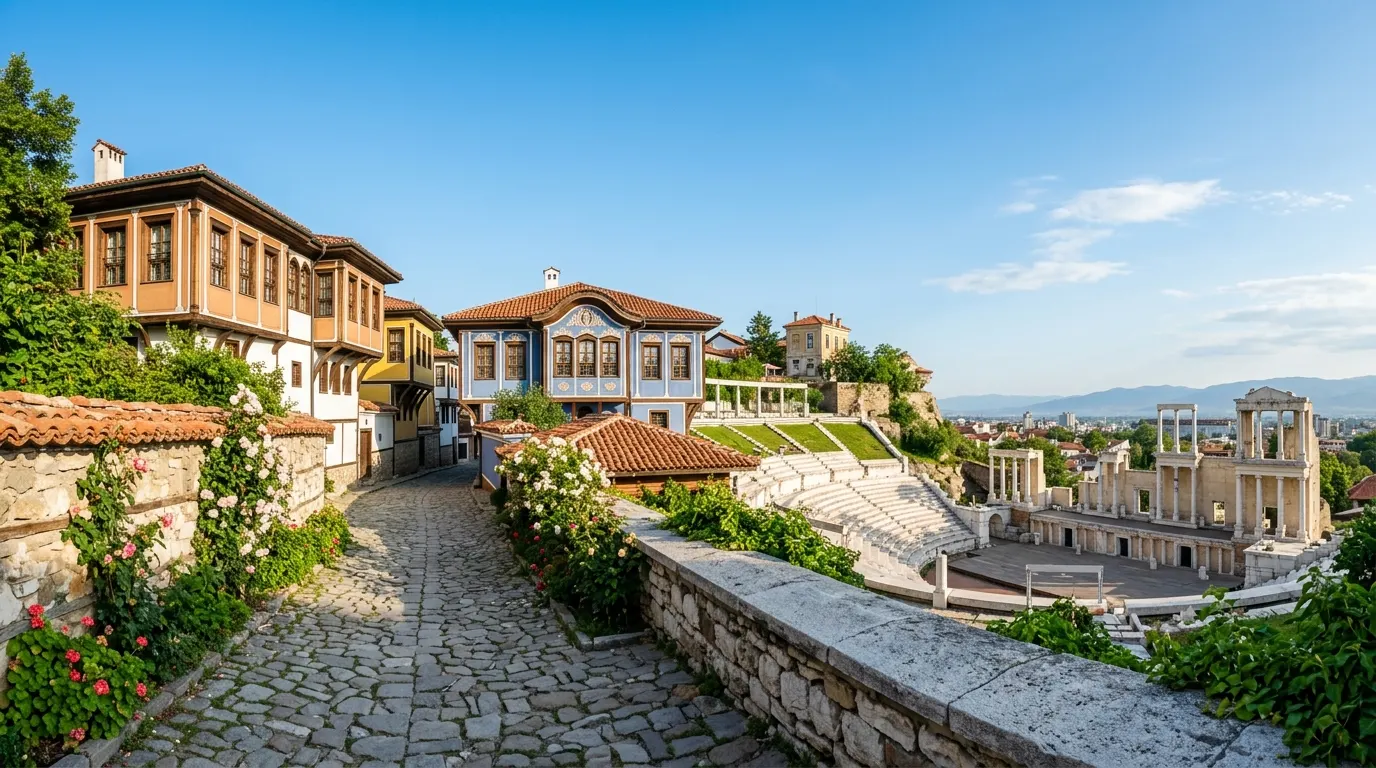
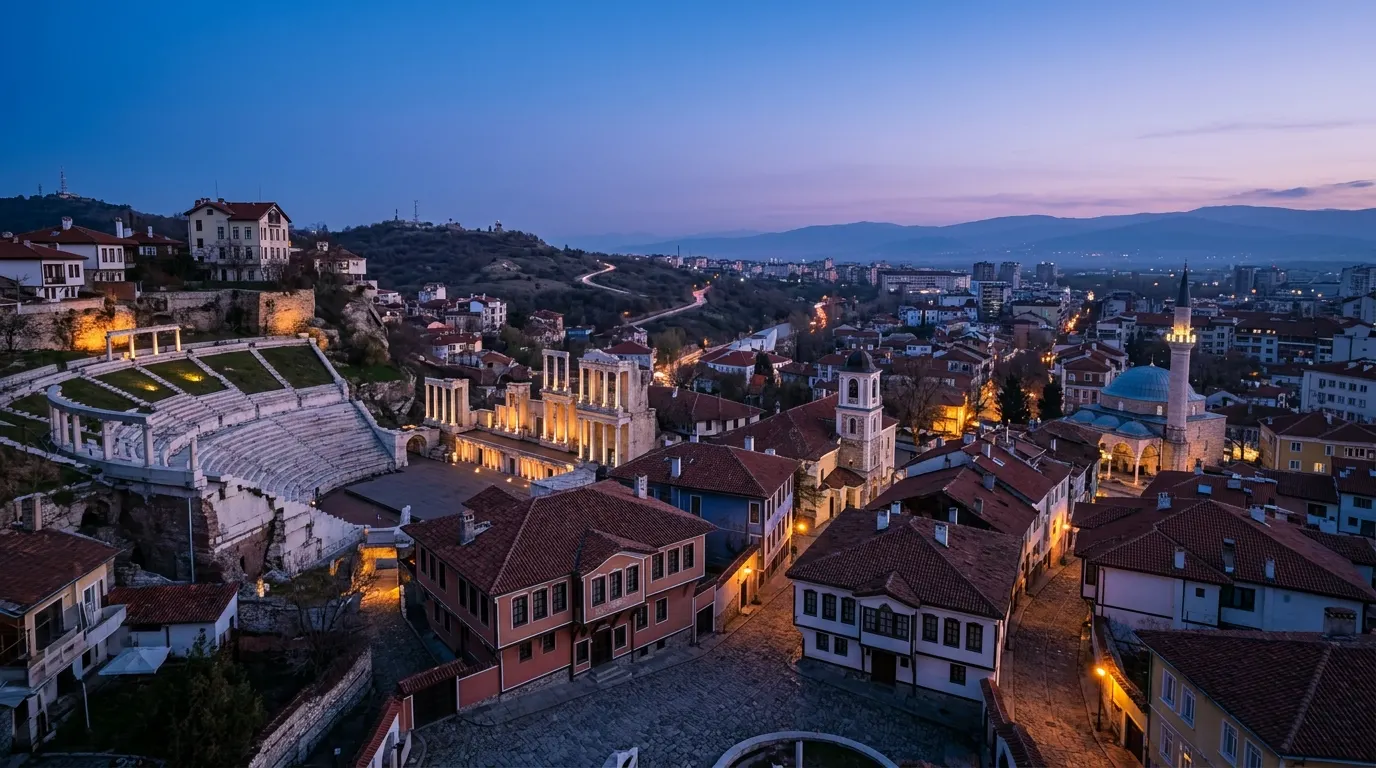
Plovdiv is a playground for young historians. Start at the Античен театър Пловдив (Ancient Roman Theatre of Philippopolis). This stunningly preserved 1st-century Roman amphitheater is tucked right into the hillside. History isn't behind glass here; kids can actually walk the ancient stone steps. It costs about 5 BGN ($2.80 USD) for adults, and kids are often free or highly discounted. Go early in the morning before the sun gets too hot, and let the kids burn off energy climbing the tiers.
🎟️ Book family tickets & skip-the-line tours →
From there, you can wander up to Небет тепе (Nebet Tepe), a historic hilltop fortress where kids can scramble over 6,000-year-old ruins. The views over the city are spectacular, and there is plenty of space for a picnic. Both of these sites are located within the Plovdiv Old Town (Architectural-Historical Reserve). This hilltop labyrinth of colorful 19th-century mansions and Roman ruins feels like stepping back in time.
For indoor history, the Bishop’s Basilica of Philippopolis (Епископска базилика на Филипопол) is an absolute must. It is a stunning, modern, air-conditioned museum built directly over the largest early Christian basilica in Bulgaria. The highlight for kids is the incredible collection of ancient bird mosaics—turn it into a scavenger hunt to see how many different species they can spot. Similarly, the Регионален археологически музей Пловдив (Regional Archaeological Museum of Plovdiv) is a compact, air-conditioned space housing Bulgaria's most famous gold treasure. It’s small enough that kids won’t get museum fatigue, usually taking under an hour to explore.
Finding Nature and Play in Plovdiv
When you need a break from history, Plovdiv delivers excellent modern amenities. The Singing Fountains (Пеещи фонтани), Tsar Simeon Garden is the centerpiece of the city's main park. During the day, it's a great place to stroll, but on summer evenings, the fountains offer a free, synchronized music and light show that mesmerizes toddlers and teens alike.
For a unique afternoon, take the Children's Railway Plovdiv. This charming, retro narrow-gauge train winds up Youth Hill (Dzhendem Tepe), passing through a tunnel and offering a gentle 25-minute round trip that costs pennies (around 1 BGN / $0.55 USD).
If you are visiting in the sweltering heat of a Bulgarian summer, Aqualand Water Park Plovdiv is a sprawling urban water park that serves as the ultimate escape. With dedicated toddler splash zones and massive slides for older kids, it’s a full-day activity.
For a taste of local life, visit the Пазар Четвъртък (Thursday Market / Chetvartak Market). It is a massive, authentic Bulgarian market where the sensory experience is just as good as the snacks. Buy some fresh strawberries or local honey. Afterward, reward the family with a stop at Afreddo Gelateria, the most iconic gelato spot on Plovdiv's pedestrian main street, famous for its massive flavor selection.
Rwanda's Safaris and Kigali's Culture
In Kigali, family activities revolve around community and nature. The Nyamirambo Women's Center offers fantastic, family-friendly walking tours of the vibrant Nyamirambo neighborhood, ending with a traditional Rwandan meal. Kids love the sensory experience of weaving classes or visiting the local milk bars. For active kids, Fazenda Sengha on Mount Kigali offers ziplining, horseback riding, and archery with stunning views of the city.
However, the real magic happens when you leave Kigali. Akagera National Park is a 2.5-hour drive from the city and offers incredible, malaria-free (or very low-risk) Big 5 safaris. Unlike gorilla trekking (which has a strict minimum age of 15), Akagera is open to kids of all ages. Watching a herd of elephants cross the dirt road right in front of your safari vehicle is an experience that easily rivals anything in Europe.
Beyond the City Limits: Day Trips and Excursions
Plovdiv Day Trips
Bulgaria’s rail network is slow but incredibly scenic. The Централна гара Пловдив — влак до Хисаря (Plovdiv Central Station — Train to Hisarya) is a charming, budget-friendly 1-hour train journey that transports families through the scenic Valley of Roses to the spa town of Hisarya, known for its Roman ruins and thermal pools.
For a deeper dive into Bulgarian culture, take a day trip to Koprivshtitsa Old Town (Архитектурно-исторически резерват Копривщица). This perfectly preserved Bulgarian National Revival town nestled in the mountains feels like a 19th-century fairy tale. The colorful houses and mountain air make for a perfect escape from the city heat.
🎟️ Find family-friendly tours & activities →
If your kids love nature, the Rhodope Mountains south of Plovdiv are home to incredible caves. Пещера Снежанка (Snezhanka Cave — Peshtera), known as the 'Pearl of the Rhodopes,' features stunning stalactites in a compact layout. For a bigger adventure, Пещера Ягодинска (Yagodinska Cave) is a massive, multi-level marble cave system that requires a bit more walking but pays off with spectacular underground formations.
Rwanda's Beyond-Kigali Adventures
In Rwanda, a popular family escape from Kigali is Lake Kivu. Located on the western border, this massive freshwater lake has no hippos or crocodiles, making it one of the safest lakes in Africa for swimming. Families can rent kayaks, take boat tours to see the swimming cows (cows being transported between islands), or simply relax on the sandy beaches of Gisenyi.
Age-by-Age Guide: Which Destination Wins?
Toddlers & Preschoolers (Ages 2-5)
Winner: Plovdiv.
For the youngest travelers, Plovdiv’s pedestrian-friendly main street, abundance of large parks, and gentle activities like the Children's Railway make it incredibly easy. The time zone difference from Western Europe is minimal, and the availability of familiar foods (pizza, pasta, gelato) makes mealtime a breeze. Kigali is doable with toddlers, but the long flights, necessary vaccinations, and long car rides for safaris can be exhausting for children under five.
School-Aged Kids (Ages 6-10)
Tie.
At this age, kids have the stamina for both destinations. In Plovdiv, they will love climbing the Roman ruins at Nebet Tepe and splashing at Aqualand. In Rwanda, a 6-to-10-year-old will be utterly captivated by a safari in Akagera National Park or learning how to weave baskets in Kigali. This age group is flexible enough to handle the slightly more rugged logistics of Rwanda while still fully appreciating the ancient history of Bulgaria.
Tweens & Teens (Ages 11-14)
Winner: Kigali & Rwanda.
While teens will enjoy Plovdiv's cafe culture and independence, Rwanda offers profound, worldview-shifting experiences. Older kids can grasp the history presented at the Kigali Genocide Memorial (approach this with care, but it is incredibly educational), appreciate the cultural nuances of a village visit, and have the patience required for longer wildlife spotting drives. If they are nearing 15, you can even start planning for chimpanzee or gorilla trekking.
What to Skip in Plovdiv with Kids
To make sure your trip goes smoothly, here are a few spots in Plovdiv that look great on paper but are better left off your family itinerary:
- Пловдив Free Walking Tour: This 2-2.5 hour tour involves continuous walking over Plovdiv's notoriously jagged Old Town cobblestones. It is heavy on historical dates and light on interaction, guaranteeing a meltdown for kids under 12.
- Хотел Хеброс — Спа за деца (Hotel Hebros Spa): While this historic mansion is beautiful, the spa is strictly adults-only and the hotel itself is entirely geared toward quiet, romantic getaways, not energetic kids.
- Plovdiv Antique Shops in Old Town (Saborna area): These narrow shops are packed floor-to-ceiling with delicate ceramics, dusty relics, and sharp objects. Taking a toddler or a clumsy tween in here is a recipe for a very expensive accident.
- Хиподрум Пловдив (Plovdiv Hippodrome / Horse Racing Track): The facility is significantly run-down and lacks basic family amenities like clean restrooms, shade, and reliable food options.
- Мезе ресторант Рахат Тепе (Rahat Tepe Meze Restaurant): While the views over Plovdiv are stunning, the terrace's steep drop-offs and low railings are a massive safety hazard for wandering toddlers. You will spend the whole meal stressing.
- Пловдивска градска художествена галерия (Plovdiv City Art Gallery): This is a traditional, hushed gallery focused on 19th and 20th-century Bulgarian paintings with zero interactive elements for children.
- Арт Рок Кафе (Art Rock Café): This is a loud, dark, rock-themed bar designed for a 20-something nightlife crowd, not families looking for a lunch spot.
- Dzhumaya Mosque: While architecturally stunning and free to enter, this is an active place of worship that demands absolute silence, which is very hard to enforce with young kids.
Practical Logistics: Getting Around, Costs, and Food
Stroller Accessibility and Terrain
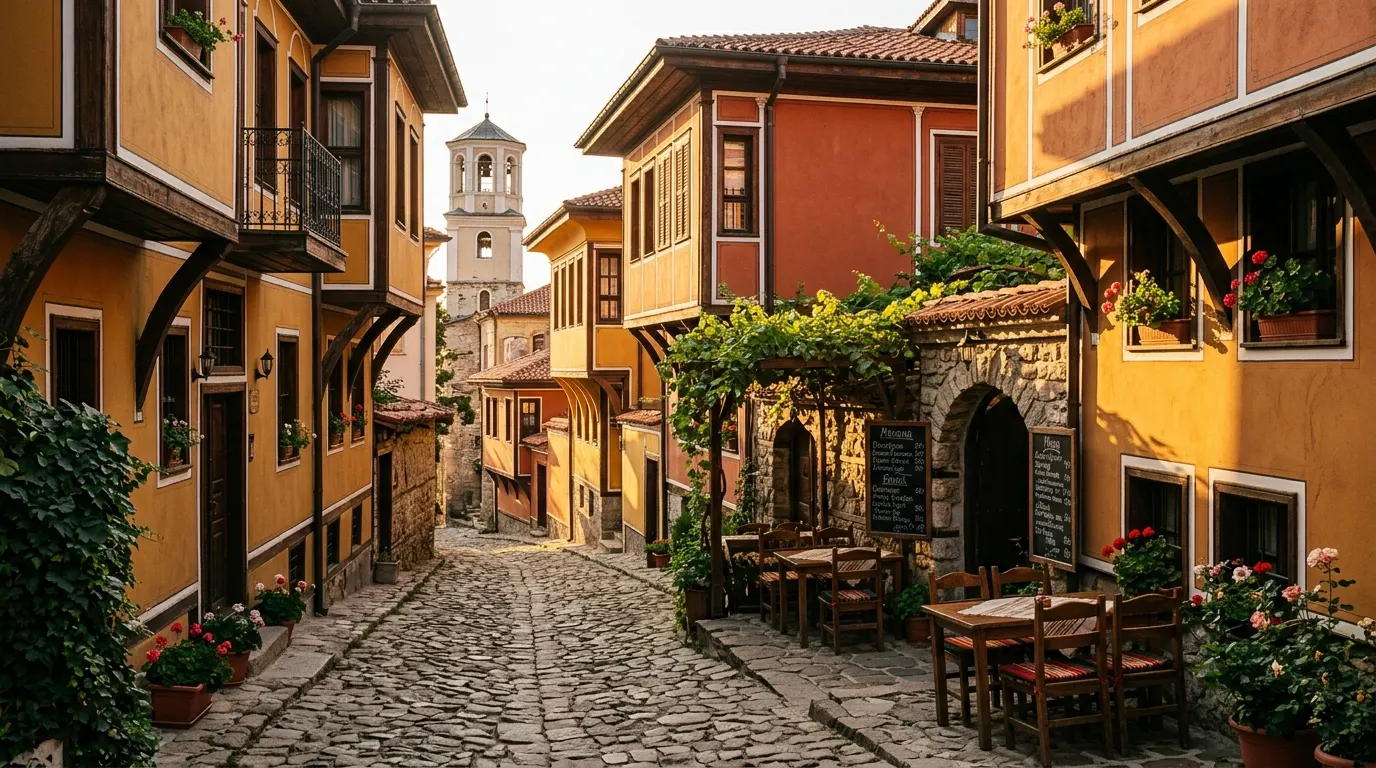
Plovdiv is a tale of two cities. The main pedestrian street (Knyaz Alexander I) and the parks are flat, paved, and incredibly stroller-friendly. However, Plovdiv Old Town is famous for its massive, uneven cobblestones. A stroller here is practically useless; you will absolutely need a baby carrier.
Kigali is known as the "Land of a Thousand Hills." The city is incredibly hilly. While sidewalks are excellent in the city center, pushing a stroller up the steep gradients can be an intense workout. A carrier is highly recommended for babies and toddlers here as well.
Budget and Costs
Plovdiv is one of the most budget-friendly destinations in Europe. The local currency is the Bulgarian Lev (BGN). A massive family dinner at a nice restaurant will rarely exceed 80 BGN ($45 USD). Taxis are cheap, and entrance fees to historical sites are minimal.
Rwanda operates on the Rwandan Franc (RWF), but USD is widely accepted for tourism activities. While daily life in Kigali (food, local transport) is very affordable, the tourism infrastructure—particularly safaris, park fees, and specialized tours—is priced for luxury travelers. A family trip to Rwanda will cost significantly more than a trip to Bulgaria once you factor in flights and park access.
Kid-Friendly Dining
Bulgarian food is incredibly kid-friendly. It relies heavily on grilled meats (kebapche), fresh cucumbers and tomatoes (Shopska salad), and lots of cheese and bread. When in Plovdiv, book a table at Perivolas Restaurant and Park. It is a sprawling garden restaurant set within a private park, offering a rare combination of decent dining for parents and space for kids to run around safely between courses.
In Kigali, international food is widely available, including excellent pizza and Indian cuisine. Local Rwandan food is mild and filling, usually consisting of grilled meats (brochettes), plantains, beans, and rice—very agreeable for picky eaters.
Pro Tips from Parents for Both Destinations
- Pace the heat in Plovdiv: Summers in Plovdiv can exceed 95°F (35°C). Do your sightseeing in the Old Town before 10:30 AM, spend the afternoon at Aqualand or in a museum, and come back out for dinner after 6:00 PM when the city cools down and comes alive.
- Pack layers for Rwanda: Because Kigali is at a high altitude, it never gets oppressively hot, and the evenings can actually be quite chilly. Pack light fleeces and long pants, which also help protect against mosquitoes on safari.
- Carry cash in both places: While cards are accepted at major hotels and large restaurants in both Plovdiv and Kigali, you will need small bills (BGN or RWF) for markets, small cafes, tipping, and public bathrooms.
- Embrace the local parks: Both cities have incredible green spaces. In Plovdiv, Tsar Simeon Garden is a lifesaver for parental breaks. In Kigali, the car-free zones on weekends turn the streets into massive playgrounds for local and visiting kids alike.
The Verdict: Choosing Plovdiv vs Kigali & Rwanda with Kids
At the end of the day, there is no wrong choice, only the choice that fits your current family dynamics. If you want an easy, affordable, culturally rich European vacation where you can eat gelato by a Roman stadium and let your toddler run wild in beautiful parks, Plovdiv is an absolute triumph. If you have older kids, a larger budget, and a desire to show your family pristine African landscapes, vibrant community resilience, and elephants in the wild, Rwanda will change your lives. Weighing plovdiv vs kigali & rwanda with kids ultimately comes down to whether you want to conquer ancient cobblestones or roll through the hills of the African savanna—either way, you are in for an unforgettable family journey.