Finding a destination that balances the high energy required to keep older kids engaged with the safety and infrastructure parents need can feel like searching for a unicorn. Enter the vibrant, tropical metropolis of Central America. Planning a trip to Panama City with teens offers a brilliant mix of towering skyscrapers, dense urban rainforests, and engineering marvels that command genuine awe. Between spotting sloths in the canopy, marveling at Frank Gehry’s colorful Biomuseo, and navigating the iconic canal, this city delivers an itinerary that easily outpaces the standard beach vacation.
If you are looking for a comprehensive overview of the city, start with our main Panama City guide. But if you are specifically trying to figure out how to keep your older, harder-to-impress kids off their screens and engaged in the real world, you are in the right place. Teens crave autonomy, fast-paced activities, and unique experiences that stand out, and Panama City’s unique geography—where the jungle literally meets the skyline—provides exactly that.
Here is everything you need to know about tackling Panama City with teens, focusing on the high-adventure, culture, and urban thrills they actually enjoy.
Why Traveling to Panama City with Teens is a Game Changer
Traveling with adolescents requires a distinct shift in strategy. They have aged out of standard playgrounds and zoos, and they often lack the patience for slow-paced historical walking tours. They want action, scale, and independence. Panama City serves this up on a silver platter.
First, the city is highly accessible and straightforward to navigate. Because Panama’s currency, the Balboa, is pegged 1:1 to the US Dollar (and US paper currency is used everywhere), teens can easily manage their own spending money without doing mental math. Second, the juxtaposition of extreme environments is visually and physically stimulating. In a single day, your family can kayak past massive cargo ships in the morning, hike a jungle-covered hill to spot wild toucans at noon, and race go-karts against a backdrop of glass skyscrapers in the afternoon. It is a city that feels thrilling and exotic, yet completely manageable for a family trip.
Top High-Adventure Activities in Panama City with Teens
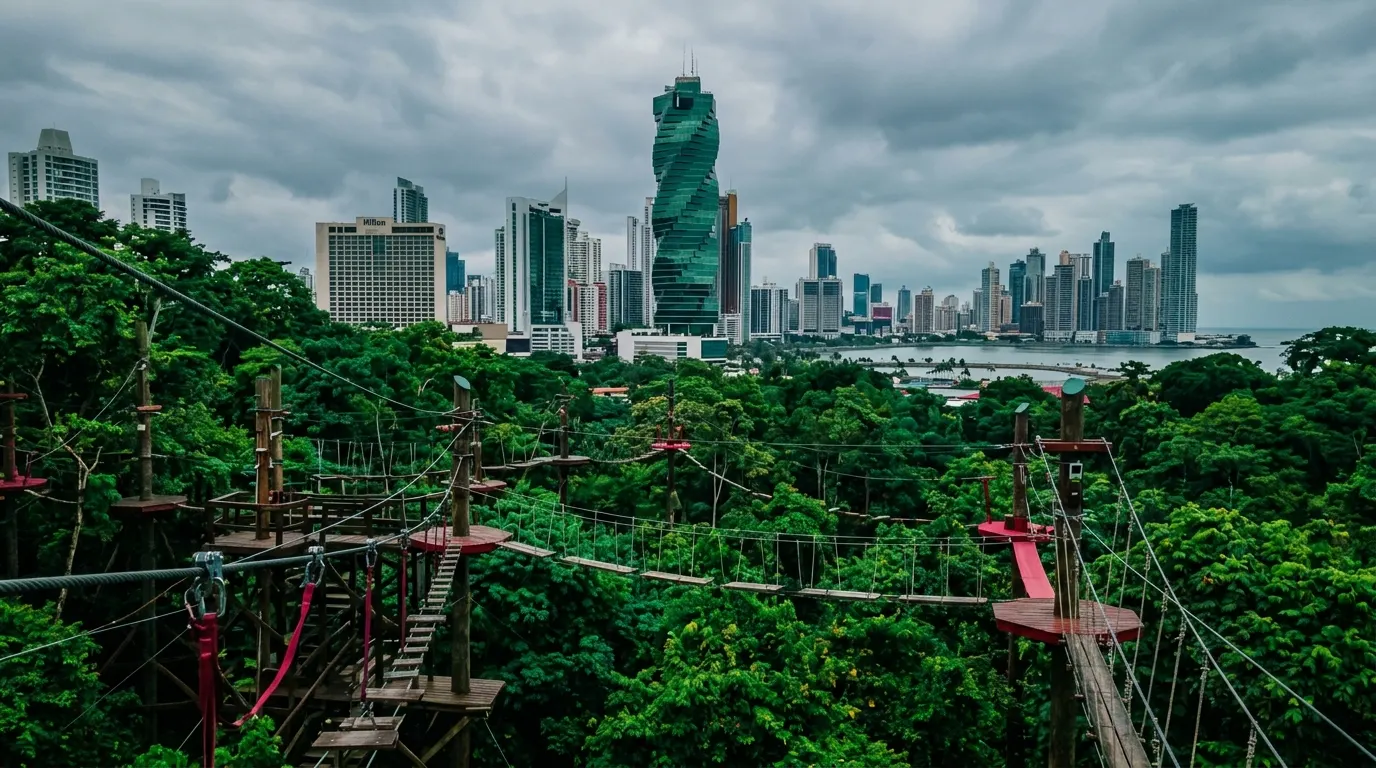
When you want to guarantee engagement from older kids, put them in a boat, give them a paddle, or take them deep into the rainforest. Panama City’s surrounding waterways and national parks make this incredibly easy.
Fast Boats and Wild Primates on Lake Gatún
The Monkey Island Boat Tour (Isla de los Monos, Lake Gatún) is consistently a massive hit with older kids. This isn't a slow, sleepy cruise. It is a high-speed boat ride through the Panama Canal's Lake Gatún to visit small, forested islands where wild capuchin, howler, and tamarin monkeys live. The thrill of zipping across the water, passing colossal Panamax cargo ships along the way, sets the tone. Once you reach the islands, the monkeys are known to jump right onto the boat.
- Practical Details: Tours typically last 3-4 hours and cost around $60-$80 USD per person. Book an early morning departure (around 7:30 AM or 8:00 AM) when the monkeys are most active and the tropical heat is still manageable. Wear quick-dry clothing and secure your sunglasses—capuchins are notorious thieves.
🎟️ Find family-friendly tours & activities →
Paddling the Canal’s Edge
For teens who want to actively participate rather than just observe, the Ancon Expeditions Panama Canal Kayak Tour is a spectacular choice. This high-adventure guided paddle takes you through the edges of Lake Gatún. Experiencing the sheer scale of the Panama Canal from a low-slung kayak provides a perspective that simply cannot be matched from a viewing deck. Paddling past dense jungle edges while looking out at modern engineering giants is a surreal experience.
- Practical Details: Expect to pay around $100-$125 USD per person for a half-day excursion. This requires moderate physical stamina, making it ideal for the 11-14 age bracket. Sunscreen, hats, and plenty of water are non-negotiable here.
Deep Jungle Cultural Immersion
If your family wants to step completely out of the urban environment, head to the Parque Nacional Chagres. This massive rainforest reserve is where families swap the city for dugout canoes and hidden waterfalls. Within this park, you can visit the Emberá Drua Village (Emberá Drua). This is a deep-dive cultural immersion where families travel by motorized dugout canoe up the Chagres River. Teens, who are often cynical about "tourist villages," are usually won over by the adventurous river journey and the genuine, hospitable presentation of the Emberá people's traditions, music, and food.
- Practical Details: Full-day tours usually run $100-$140 USD per person, often including a traditional lunch of freshly caught fish and plantains served in a banana leaf. The canoe ride takes about 40 minutes each way. Pack water shoes, as you may need to hike a short distance through shallow water to reach a waterfall before arriving at the village.
Engineering and Urban Thrills
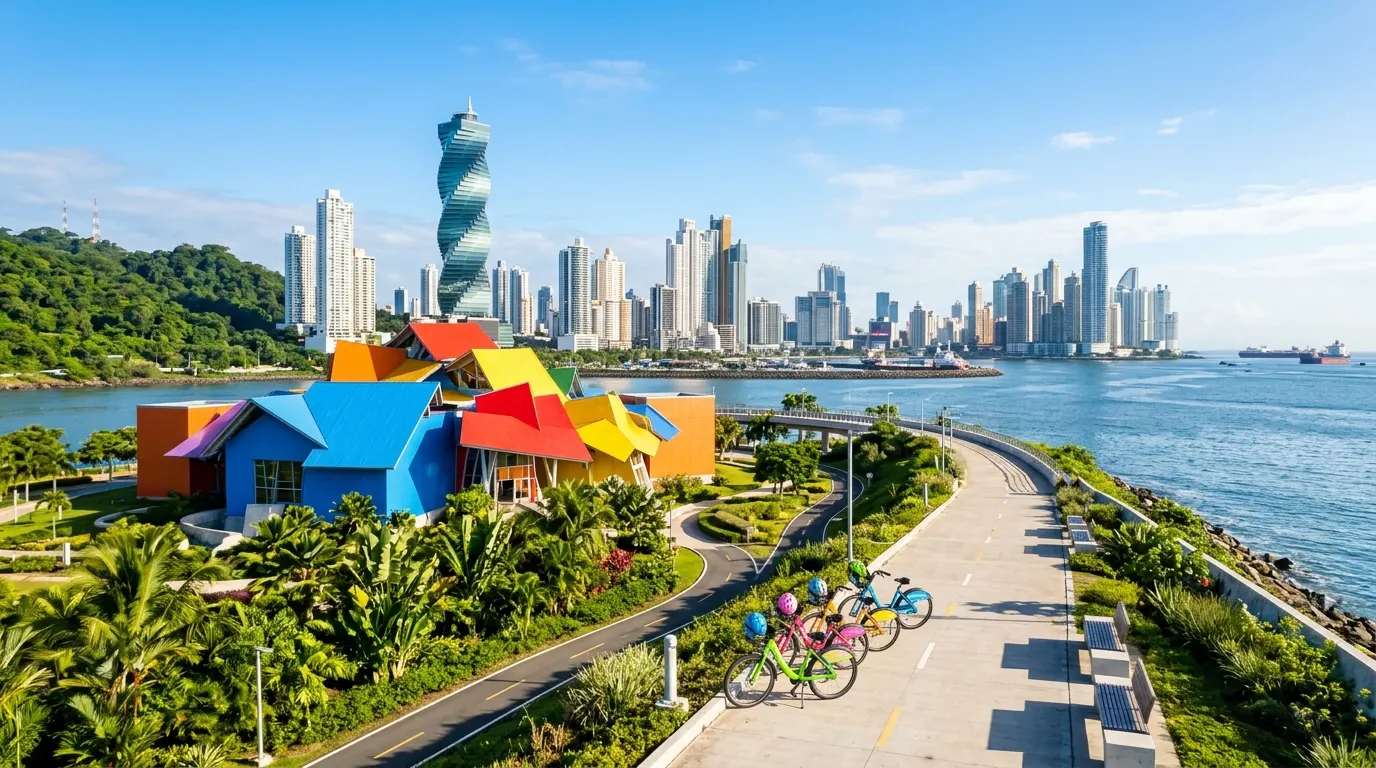
Panama City’s skyline and infrastructure are world-class. Integrating these elements into your itinerary gives older kids a sense of the city's modern pulse.
Witnessing the Marvel of the Canal
You cannot visit Panama without seeing the canal, but how you see it matters. The Panama Canal Miraflores Locks Visitor Center offers a front-row seat to one of the world's greatest engineering marvels where massive cargo ships are raised and lowered. There is also an excellent IMAX 3D movie narrated by Morgan Freeman that explains the brutal, fascinating history of the canal's construction—a great way to sneak in some education.
For an even more immersive experience, book a Panama Canal Partial Transit Tour. This is the ultimate 'how it works' experience where you actually transit the locks on a tour boat, feeling the water rise and fall beneath you.
- Practical Details: The Miraflores Visitor Center costs $17.22 USD for adults and $7.22 USD for children (under 12). Crucial Tip: There are long gaps during the day when no ships pass through the Miraflores Locks. Always check the official website for transit schedules before you go, otherwise, your teens will be staring at an empty concrete bathtub.
🎟️ Book family tickets & skip-the-line tours →
High-Speed Competition and Rooftop Views
When it's time to burn off competitive energy, head to Go Karts Panama (Curundu). This high-energy outdoor karting track features technical turns and a unique ramp system that provides a serious adrenaline rush. It is a fantastic late-afternoon activity when the sun starts to dip.
Afterward, if you need a luxurious way to cool down, consider securing a day pass for the Hard Rock Hotel Panama Megapolis (pool day pass). This offers a high-energy urban pool experience featuring a stunning 60th-floor rooftop infinity pool with panoramic views of the city and the ocean. It feels incredibly VIP, which teens absolutely love.
- Practical Details: Go-kart races typically cost $15-$20 USD per session. The hotel pool day pass usually runs about $20-$30 USD per person, often with a portion of that applicable toward food and beverage credits.
Nature and Culture That Won't Elicit Eye Rolls
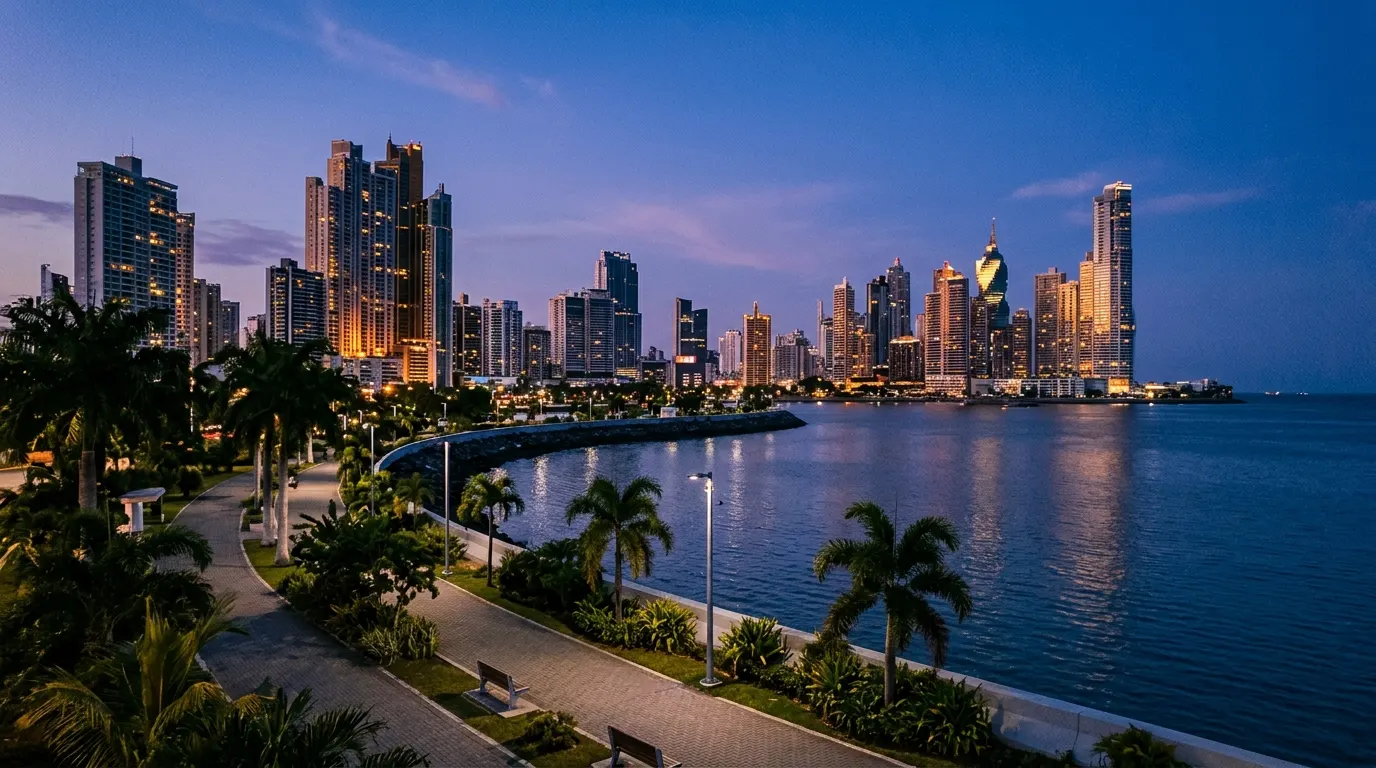
You don't have to leave the city limits to find incredible wildlife and culture that will keep older kids engaged.
Hiking for Skyline Views and Wildlife
Right in the city center sits Ancon Hill. This is a paved but steep 30-45 minute hike through a lush nature reserve that rewards families with the absolute best panoramic views of the city skyline, Casco Viejo, and the canal. More importantly, it is one of the most reliable places to spot sloths, toucans, and agoutis (large, guinea-pig-like rodents) in the wild.
- Practical Details: Entry is free. Strollers can manage the paved road, but it is quite steep. The absolute best time to go is right at sunrise (around 6:30 AM). You will beat the punishing midday heat and have the highest chance of spotting active wildlife.
Cruising the Causeway
The Amador Causeway is a massive breakwater built from the rocks excavated during the canal's construction. It stretches out into the Pacific Ocean and offers incredible views. Use Causeway Islands Bike Rental (BiciBus Amador) to rent bikes or multi-person surreys to cruise this flat, scenic 6km path connecting four small islands.
While on the Causeway, stop at the Punta Culebra Nature Center (Centro de Exhibiciones Marinas Punta Culebra). This open-air, Smithsonian-run marine and nature center at the end of the causeway is excellent for a quick, 45-minute visit to see sea turtles and learn about local marine ecosystems.
- Practical Details: Bike rentals run about $5-$10 USD per hour. The nature center entry is $7 USD for adults and $3 USD for kids. For lunch nearby, skip the overpriced tourist restaurants and head to Sabores del Chorrillo, a managed open-air food court right next to the causeway offering authentic Panamanian seafood in a casual, highly local setting.
For dinner, if you want a dose of culture without dragging teens to a museum, book a table at Restaurante Las Tinajas. This classic Panamanian institution serves solid local fare, but the main draw is the vibrant folkloric dance performance featuring traditional polleras (dresses). It is loud, colorful, and highly engaging.
Age-Specific Tips for Panama City Family Travel
While this guide focuses heavily on older kids, families often travel with mixed age groups. Here is how Panama City breaks down for different developmental stages:
- Toddlers (2-3 years): The heat and humidity are your biggest enemies here. Plan activities strictly for the early morning. The Amador Causeway is fantastic for this age because it is entirely flat, paved, and extremely stroller-friendly. The Summit Rainforest Resort & Golf Club (formerly Summit Botanical Gardens & Zoo / Parque Municipal Summit) is also a massive 250-hectare tropical park with wide paths where toddlers can safely run and see harpy eagles and tapirs.
- Preschoolers (3-5 years): This age group thrives on tactile, visually stimulating environments. The Punta Culebra Nature Center is the perfect size for their attention spans. They will also be captivated by the massive ships at the Miraflores Locks, provided you time it right so they aren't waiting around.
- School-Age (6-10 years): This is the golden age for the Monkey Island Boat Tour. The sheer delight of seeing a monkey leap onto the boat canopy is unmatched. They are also old enough to handle the dugout canoe ride to the Emberá village without getting overly restless.
- Tweens and Teens (11-14 years): Focus on physical engagement and independence. The Ancon Expeditions Kayak Tour, go-karting, and navigating the city via bikes on the Causeway or the Cinta Costera give them the action and agency they crave.
What to Skip When Visiting Panama City with Teens
Not every highly-rated tourist attraction translates well to a family trip, especially with older kids who have strong opinions on how they spend their time. Save your money and sanity by skipping these:
- San Blas Islands (Guna Yala): The photos of these islands are breathtaking, but getting here requires a nauseating 2.5-hour 4x4 journey over brutal mountain hairpins, followed by a rough speedboat ride. It is a recipe for severe motion sickness, and the rustic, off-the-grid island amenities often frustrate teens looking for comfort and Wi-Fi.
- Casco Viejo Night Walking Tours: While these tours receive glowing reviews for their historical depth, they focus heavily on architectural details and colonial politics. It is incredibly dry for adolescents. You are much better off wandering Casco Viejo independently, grabbing gelato, and taking a quick look at the stunning exterior of the Teatro Nacional de Panamá on your own schedule.
- Fonda Lo Que Hay (Casco Viejo): This trendy, high-concept 'fonda' is a massive foodie icon. However, the lack of a kids' menu, small-plate portions, and long wait times make it a highly frustrating dining experience for families with hungry, impatient teens.
- Hard Rock Cafe Panama: Not to be confused with the hotel pool mentioned earlier, the restaurant itself is a loud, overpriced chain that offers very little of Panama's actual local culture or culinary scene. You can eat a mediocre burger anywhere; don't waste a meal here.
- Bridge of the Americas: While historically significant as the first permanent link between North and South America, this is essentially just a highly trafficked highway bridge. The pedestrian viewpoints are underwhelming, and it is far more impressive to just look at it from the Amador Causeway rather than making a dedicated trip to walk near it.
Pro Tips from Parents for Navigating the City
To keep your trip running smoothly, keep these insider logistics in mind:
- Rethink Your Transportation: Yellow taxis in Panama City do not have meters, and drivers frequently overcharge tourists or refuse to go to certain areas. Uber is incredibly cheap, safe, and reliable here. Use it exclusively to save yourself the headache of haggling.
- Take Advantage of Sunday Mornings: Every Sunday from 6:00 AM to 12:00 PM, the Cinta Costera (the main coastal road) is closed to cars. It’s the perfect time to rent bikes or walk this expansive waterfront promenade without dealing with the city's notorious traffic.
- Beat the Midday Melt: The tropical humidity is most punishing between 1:00 PM and 4:00 PM. Do not force outdoor activities during this window. Retreating to your hotel pool or visiting a massive, air-conditioned mall like Multiplaza is a local family secret for surviving the afternoon heat.
- Watch the Water in Casco Viejo: While Panama City's tap water is generally perfectly safe to drink (a rarity in Central America), the ancient pipes in the colonial quarter of Casco Viejo and the limited cistern systems can sometimes compromise water quality. Stick to bottled water if you are staying in or dining extensively in that specific neighborhood.
A successful trip to Panama City with teens comes down to leaning into the extremes. Let them feel the spray of the lake as they speed toward monkey habitats, let them marvel at the sheer tonnage of a cargo ship passing through the locks, and let them hike through a jungle that sits right in the shadow of modern skyscrapers. By skipping the tedious historical lectures and focusing on immersive, high-action experiences, you will give your older kids a travel experience they will actually want to talk about when they get home.