Navigating airport security with young kids while managing an avalanche of luggage is a rite of passage no parent actually enjoys. Mastering the art of packing for family travel transforms a chaotic departure into a smooth, manageable start to your much-anticipated vacation. By focusing on strategic clothing choices, versatile gear, and age-appropriate essentials, you can confidently zip up those suitcases knowing you have exactly what you need without being weighed down. This comprehensive guide breaks down the exact formulas, essential gear, and proven strategies to streamline your next family adventure.
The Core Philosophy of Packing for Family Travel
The secret to successful family travel does not lie in anticipating every possible catastrophe and packing a solution for it. Instead, it relies on building a flexible, lightweight inventory of items that serve multiple purposes.
Less is Truly More
The physical toll of managing heavy bags while simultaneously holding a toddler's hand or keeping an eye on a wandering tween is immense. Every extra pound of luggage exponentially increases the stress of transit. The golden rule is to pack for the best-case scenario and buy for the worst-case scenario. If a massive spill happens and you run out of shirts, you can buy a shirt. If the weather uncharacteristically drops by twenty degrees, purchasing a local sweater becomes a fun souvenir rather than a packing failure. Emphasizing a minimalist approach forces you to select versatile clothing that can be layered, washed in a hotel sink, and dried overnight.
The Power of Packing Cubes
If there is one non-negotiable tool for family travel, it is the packing cube. Assign a specific color to each family member. When you arrive at your accommodation, you do not need to unpack the entire suitcase; you simply pull out the blue cubes for your preschooler and the green cubes for your teenager and place them directly into the hotel dresser drawers.
Opt for compression packing cubes for bulky items like sweaters or jackets, and standard mesh cubes for everyday clothing so you can see the contents without unzipping them. Furthermore, dedicate one large, distinctively colored packing cube entirely to dirty laundry. This keeps clean clothes fresh and makes returning home infinitely easier, as you can dump the dirty cube straight into the washing machine.
The Ultimate Clothing and Gear Master List
Creating a standardized packing list removes the mental fatigue of starting from scratch before every trip. This formula works whether you are heading to a bustling European capital or a quiet beach town.
The 5-4-3-2-1 Clothing Calculation
For any trip lasting longer than five days, rely on the 5-4-3-2-1 rule for each child, planning to do laundry once a week. Pack five tops (a mix of short and long sleeves), four bottoms (comfortable pants, shorts, or leggings), three layering pieces (sweaters, zip-up hoodies, or light jackets), two pairs of shoes (one pair of comfortable walking sneakers worn on the plane, and one pair of sandals or weather-appropriate boots packed), and one specialty item (a swimsuit or a slightly formal outfit). Choose fabrics like merino wool or high-quality synthetics that resist odors, wick moisture, and dry rapidly. Ensure every top coordinates with every bottom to maximize outfit combinations.
Essential Gear You Can't Ignore
Beyond clothing, your family gear kit should be compact but mighty. A dedicated travel first-aid kit is paramount. Stock it with children's pain relievers and fever reducers, anti-nausea medication, a digital thermometer, hydrocortisone cream, and an abundance of bandages.
You will also need universal travel adapters with multiple USB-C and USB-A ports to charge phones, tablets, and e-readers simultaneously from a single wall outlet. Spill-proof, insulated water bottles for each family member save significant money and prevent meltdowns over thirst while sightseeing.
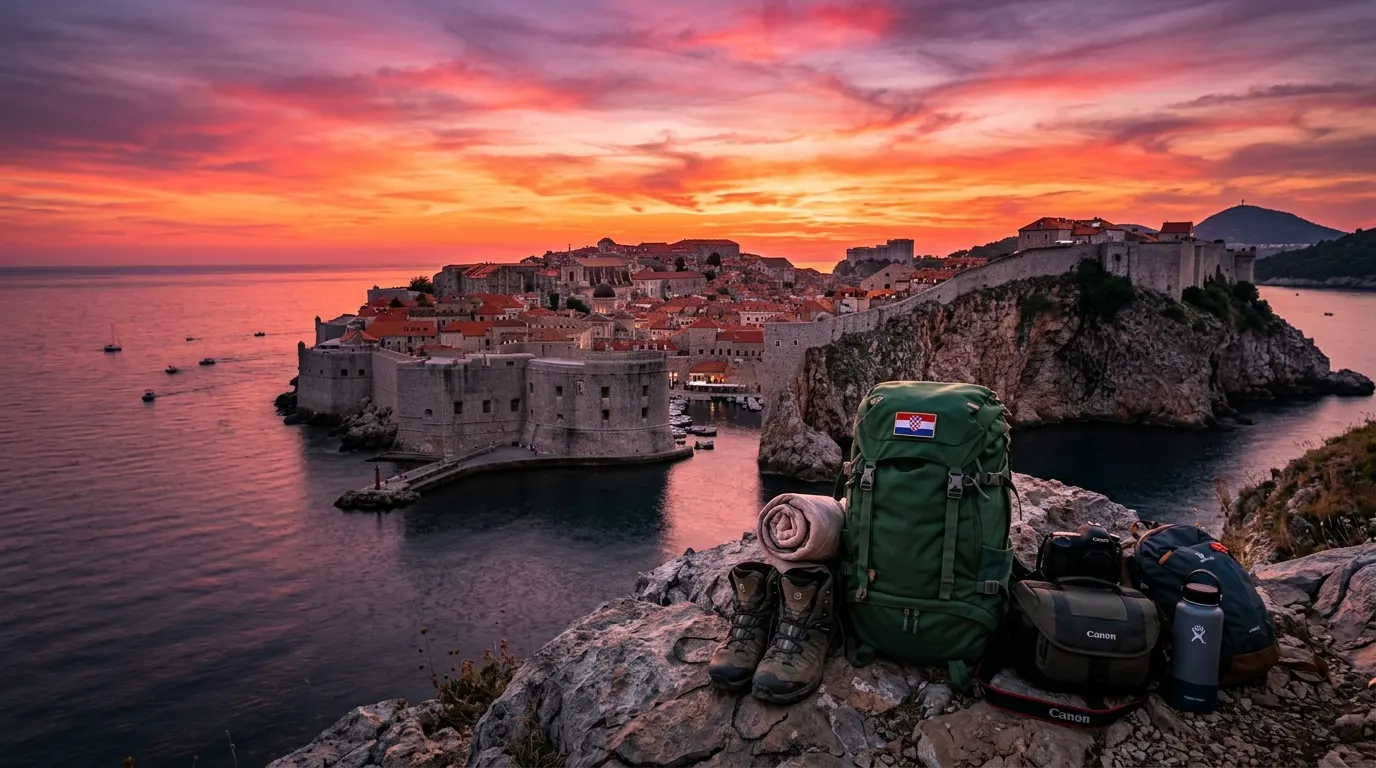
When you have the right gear and comfortable walking shoes, tackling massive historical sites becomes a joy rather than a chore. Exploring ancient ruins requires stamina, and having lightweight daypacks equipped with water and comfortable footwear makes all the difference.
🎟️ Find family-friendly tours & activities →
Age-Specific Packing Strategies
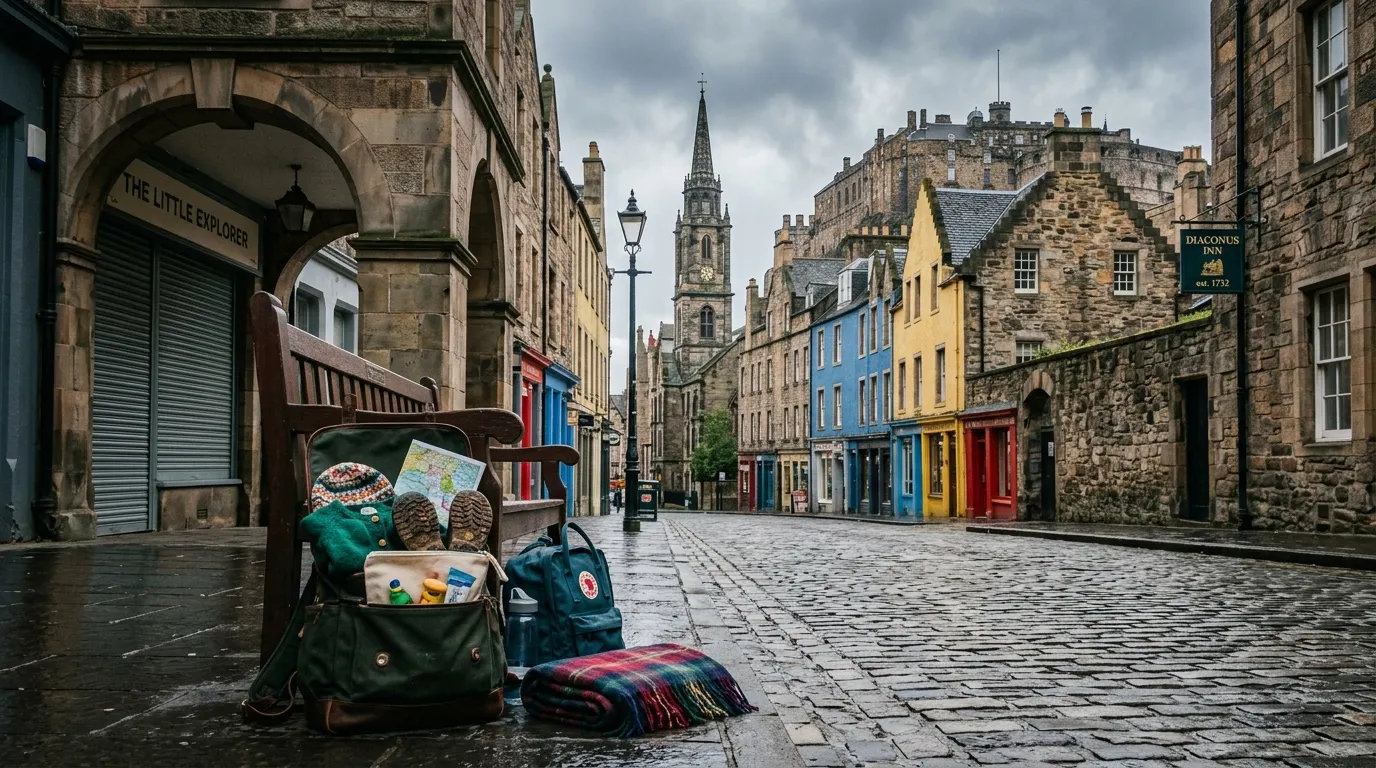
Children require entirely different packing approaches depending on their developmental stage. A one-size-fits-all checklist inevitably leaves you lacking crucial items for a toddler or carrying unnecessary weight for a teenager.
Toddlers (Ages 2-3)
Toddlers thrive on routine and comfort, making unfamiliar travel environments challenging. Pack their specific sleep sack or a small, familiar blanket to signal that it is time to sleep, regardless of the time zone. For the flight or train ride, pack high-engagement, low-mess distractions. Painters tape, gel window clings, and triangular crayons (which will not roll off the airplane tray table) are invaluable. Always pack double the amount of snacks you think a toddler will consume, focusing on protein-heavy, low-sugar options to prevent energy crashes. Bring a compact, wipeable changing mat and a wet bag for inevitable outfit changes.
Preschoolers (Ages 3-5)
At this age, children love asserting their independence. Harness this by providing them with their own small, lightweight backpack. Allow them to pack a few chosen toys, a water bottle, and their own snacks. This gives them a sense of control and responsibility. Pack incredibly durable, slip-on shoes for this age group to make airport security and removing shoes on long flights seamless. Since preschoolers are prone to messy eating and playing, pack an extra lightweight outfit in your daypack for daily excursions. Water-resistant clothing is particularly helpful for this demographic.
School-Age Kids (Ages 6-10)
School-age children can handle their own rolling carry-on luggage, which significantly reduces the physical burden on parents. Pack a mix of educational and entertaining items for transit, such as interactive travel journals, colored pencils, and a few new books. This is the age where volume-limiting, over-ear headphones become essential for tablets or in-flight entertainment. Ensure their clothing features ample pockets, as children this age love collecting small treasures like interesting rocks or postcards during the trip.
Tweens and Teens (Ages 11-14)
Teenagers should be entirely responsible for packing and managing their own luggage, guided by your core checklist. Their packing priorities will shift heavily toward technology and privacy. Ensure they have their own power banks, extra charging cables, and noise-canceling headphones. Encourage them to pack versatile clothing that aligns with their personal style but remains functional for walking and exploring. A compact sling bag or crossbody bag is perfect for teens to carry their phone, wallet, and room key independently while navigating a new city.
Practical Packing Details: Costs, Specs, and Timelines
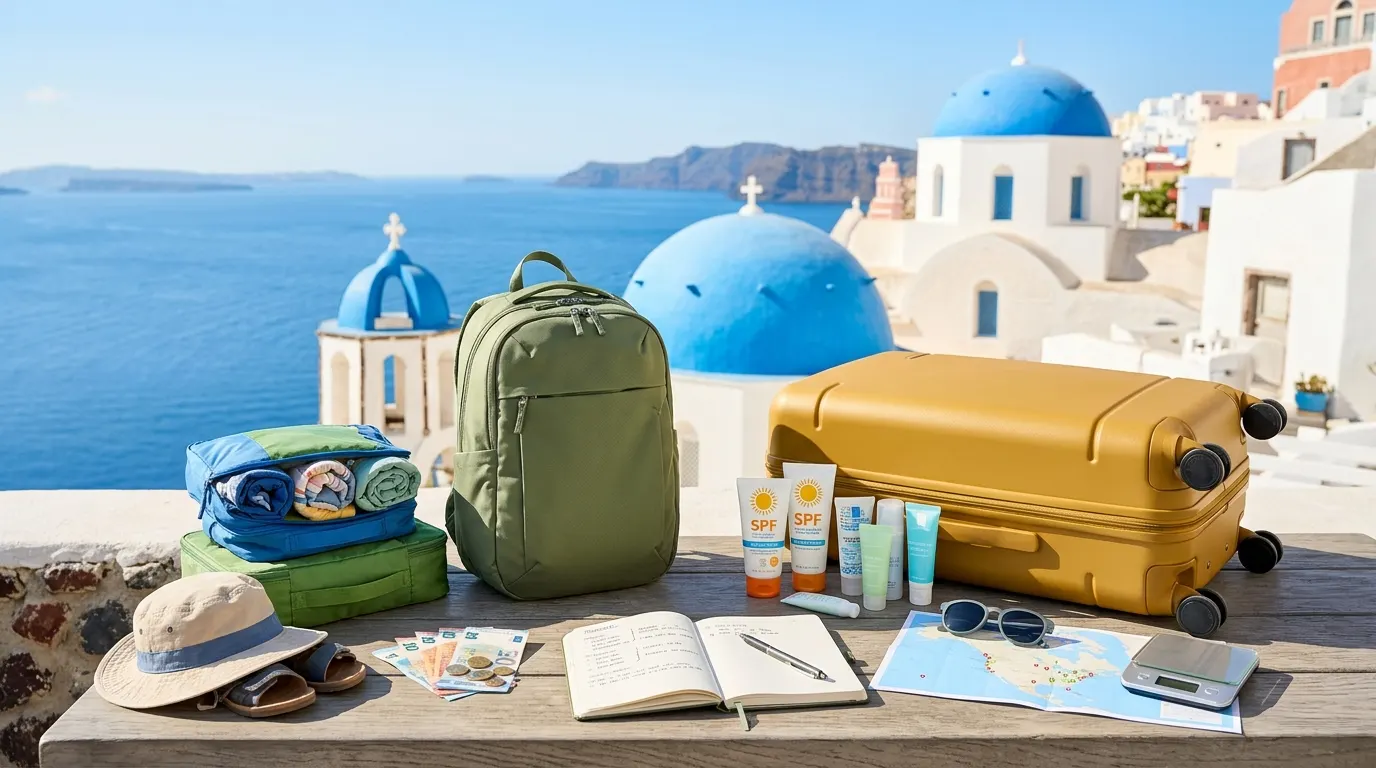
Understanding the logistics, costs, and dimensions of travel gear ensures you make smart purchasing decisions and avoid stressful surprises at the airport check-in counter.
Budgeting for Luggage and Gear
Investing in high-quality family travel gear pays dividends over years of trips. A durable, lightweight, soft-sided carry-on suitcase typically costs between $150 and $300 USD (approximately €140 to €280 EUR). High-quality compression packing cubes run about $30 to $50 USD (£25 to £40 GBP) per set. While it is tempting to buy cheaper alternatives, broken zippers and cracked wheels in the middle of a transit hub are costly headaches. Allocate budget for a premium travel stroller if you have young children; expect to spend around $450 to $600 USD for a model that folds small enough for overhead compartments.
Stroller Accessibility and Dimensions
If you are traveling with a child under four, your stroller choice dictates your packing strategy. A massive jogging stroller will severely limit your ability to navigate public transit, narrow restaurant aisles, or crowded museums. Choose a travel-specific stroller that folds with one hand. To qualify as a carry-on on most major airlines, the folded stroller must not exceed 22 x 14 x 9 inches (56 x 36 x 23 cm). Being able to push your child right down the airplane aisle and stow the stroller above your seat eliminates the wait at the baggage carousel and protects the stroller from damage in the cargo hold. This compact maneuverability is critical when navigating sprawling art museums or crowded historical corridors.
🎟️ Book family tickets & skip-the-line tours →
Timelines: When and How Long to Pack
Begin the packing process exactly one week before departure. Dedicate two hours to laying out all clothing and gear on a spare bed or clean floor. This visual inventory allows you to spot missing items, coordinate outfits, and realize when you have pulled out far too many clothes. Three days before the trip, finalize the packing cubes and place them in the suitcases. The night before departure should only require packing last-minute toiletries and charging devices. Rushing to pack the night before guarantees you will overpack out of panic and forget essential items.
Rather than packing two weeks' worth of heavy consumables, plan to shop immediately upon arrival. Before you leave home, research the opening hours of supermarkets and pharmacies near your accommodation. In many European destinations, for example, pharmacies and grocery stores close early on Saturdays and are completely closed on Sundays. The best time of day to stock up is usually mid-morning, right after you drop your bags at the hotel, before the afternoon fatigue sets in. Expect to spend about 30 to 45 minutes grabbing local diapers, wipes, milk, and fresh snacks. Local diapers might cost around €10 to €15 EUR ($11 to $16 USD) per pack, and exploring a foreign grocery store is often a highly entertaining cultural experience for kids. Check out our London city guide or Tokyo family guide for specific neighborhood supermarket recommendations.
What to Skip When Packing for Family Travel
Knowing what to leave behind is just as critical as knowing what to bring. Many items marketed to parents are bulky, unnecessary, and ultimately hinder your mobility.
Bulky Travel Cribs
Unless you are driving to a remote cabin or camping, skip the massive, heavy travel crib. Almost all family-friendly hotels and reputable vacation rentals provide safe, clean cribs or pack-and-plays upon request. Verify this via email before your trip. Carrying a twenty-pound portable crib through an airport and onto a train takes up an entire arm that you desperately need for holding onto your children or managing actual luggage.
A Full Vacation's Worth of Diapers
Diapers take up an astonishing amount of suitcase volume. Pack exactly enough diapers for your transit time, plus a 24-hour buffer for unexpected delays (usually about 10-12 diapers total). Parents raise babies all over the world; you will easily find high-quality diapers at your destination. Buying them locally frees up a massive amount of space in your luggage for souvenirs on the return trip.
Hard-Sided Check-in Luggage for Everyone
While a matched set of giant, hard-sided spinner suitcases looks great in photos, it is a logistical nightmare for a family on the move. They are incredibly difficult to fit into the trunks of standard European or Asian taxis, they cannot be squished into tight luggage racks on trains, and dragging three of them over cobblestones is agonizing. Stick to soft-sided luggage or durable travel backpacks that offer flexibility and can be carried over uneven terrain.
"Just in Case" Specialty Clothing
Do not pack a heavy winter coat for a summer trip to the Mediterranean "just in case" there is a freak cold snap. Do not pack formal wear for your toddler unless you are explicitly attending a wedding. "Just in case" packing is the enemy of traveling light. Stick to your layered clothing formula. If an unprecedented weather event occurs, you can buy a warm jacket locally.
Pro Tips from Parents for Seamless Transit
Over years of navigating airports, train stations, and road trips with children, certain tactical strategies emerge that dramatically reduce friction.
The "First 24 Hours" Carry-On
Always pack a dedicated "first 24 hours" bag that stays with you in the cabin. If your checked luggage is lost or delayed, this bag ensures your trip does not derail. It should contain one complete change of clothes for every family member, pajamas, toothbrushes, any essential medications, and a swimsuit for the kids (because hotel pools are the ultimate cure for jet lag).
Snack Compartmentalization
Instead of throwing bags of crackers into a tote where they will inevitably be crushed into dust, use a clean, plastic tackle box or a craft organizer with small dividers. Fill each compartment with a different snack: pretzels, dried fruit, cheese cubes, cereal. This turns snacking into an engaging activity for young kids on a flight, offering variety and extending the time it takes them to eat.
Cross-Packing Your Suitcases
Never pack one suitcase entirely for one person. If that specific bag goes missing, that person has absolutely nothing. Instead, cross-pack. Put half of your child's clothes in your suitcase, and half of your clothes in their suitcase. Distribute the risk evenly across all your checked bags.
The Ziploc Bag Blowout Strategy
Always carry a few gallon-sized, heavy-duty Ziploc bags in your daypack. When a diaper blowout occurs on a plane or a child spills an entire cup of juice on their shirt, you need a way to seal the wet, soiled clothing so it does not ruin everything else in your bag. These sealable bags trap moisture and odors until you can access a washing machine.
Digital and Physical Document Redundancy
Take high-quality photos of every family member's passport, visa, and travel insurance documents. Save these photos to your phone for offline viewing, and email them to yourself. Additionally, print one physical copy of all crucial documents and store them in a separate bag from the actual passports.
Conclusion
Mastering the logistics of packing for family travel does not happen overnight, but adopting a structured, minimalist mindset will immediately alleviate the heavy burden of pre-trip anxiety. By prioritizing versatile clothing, investing in strategic gear like packing cubes, and tailoring your approach to the specific ages of your children, you free up your physical and mental energy for what actually matters. Vacations are meant for making memories, exploring new environments, and connecting with your kids—not for wrestling with oversized luggage. Zip those perfectly organized bags with confidence, embrace the journey ahead, and enjoy the adventure.