Before kids, packing meant tossing a swimsuit, some jeans, and a toothbrush into a carry-on right before dashing to the airport. Today, orchestrating a comprehensive family travel packing list feels closer to planning a major expedition. You need strategic snack reserves, tactical diaper deployments, and contingency plans for those inevitable mid-flight meltdowns. But don’t panic. After surviving countless 30,000-foot blowouts, scrubbing exploded shampoo out of duffel bags in the Alps, and frantically searching for forgotten stuffed animals, I’ve refined a packing formula that actually works. As an experienced traveling parent, I'm sharing the exact strategies you need to pack smart, travel light, and truly enjoy your family vacation.
Why You Need a Foolproof Family Travel Packing List
If you are a parent, decision fatigue is already your daily baseline. By the time you’ve chosen a family-friendly destination, booked the flights, and figured out how to navigate from the airport to your rental apartment without losing a child, your brain is entirely fried. This exhaustion is exactly when critical packing mistakes happen. You either overcompensate by packing way too much (bringing three pairs of shoes for a toddler who insists on being carried everywhere) or you forget the single item that stands between you and a peaceful night's sleep. Creating a reliable packing system well before your departure date shifts the mental load, allowing you to focus on the actual trip.
The "Just in Case" Trap
The biggest enemy of the traveling parent is the phrase "just in case." Just in case it snows unseasonably in Florida. Just in case your five-year-old decides he suddenly wants to wear a stiff button-down shirt instead of his favorite soft t-shirt. Just in case you miraculously get invited to a formal gala at your family resort. This anxiety-driven mindset leads to dragging incredibly heavy suitcases over jagged European cobblestones while sweating through your clothes. A well-curated family travel packing list eliminates the "just in case" items. Focus purely on your everyday reality. Remember, unless you are heading to a remote wilderness lodge, you can buy almost anything at a local pharmacy or clothing store at your destination.
The One-Bag vs. Checked Luggage Debate
While social media is flooded with child-free backpackers bragging about traversing Europe for six months with a single tiny daypack, we need to ground our expectations in reality. If you are traveling with a potty-training toddler or a baby who requires specialized formula, you are going to check a bag. And that is perfectly fine. The goal isn't to win a minimalist packing award; the goal is to pack efficiently enough that your belongings don't become a burden. A solid checklist helps you strike that perfect balance between having exactly what your family needs and still being physically able to lift your suitcase into the trunk of a waiting taxi.
Age-By-Age Guide: What to Pack for Every Stage
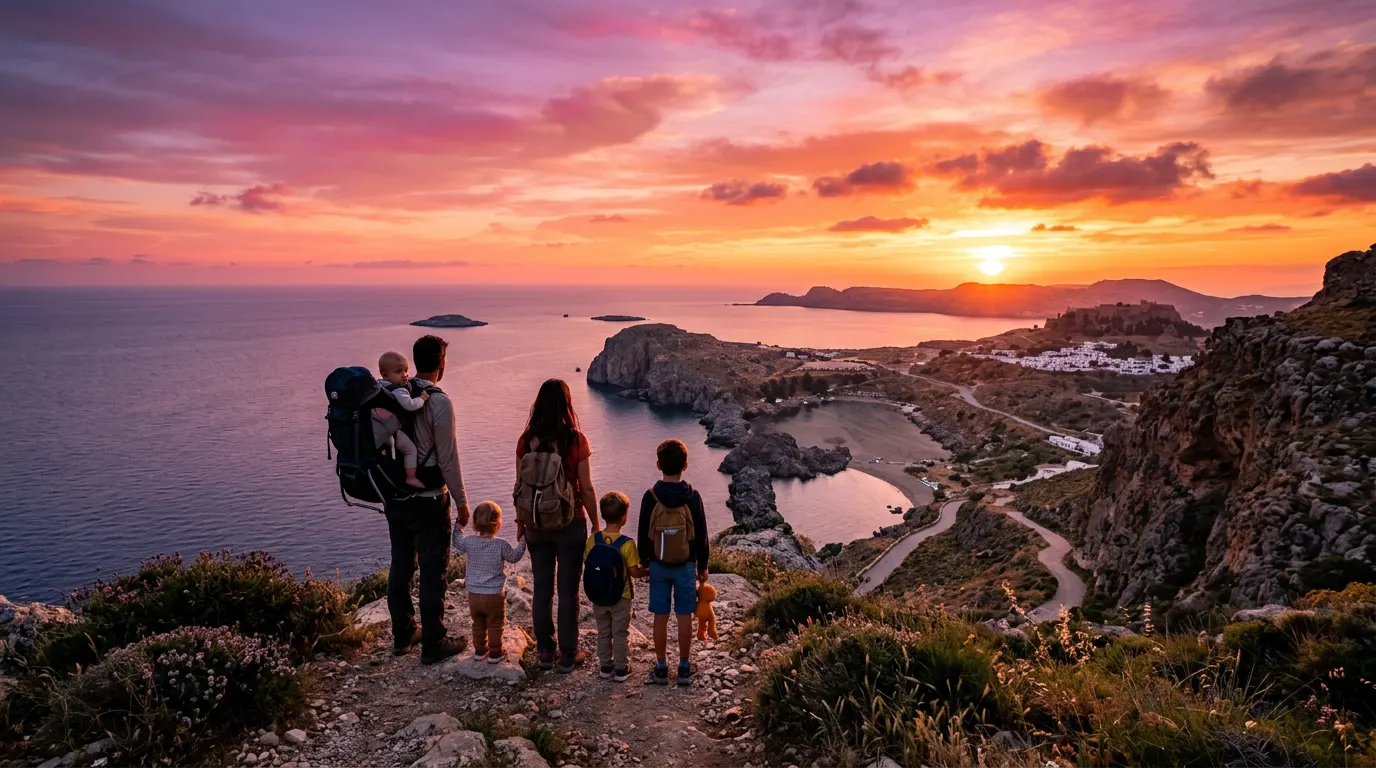
Kids are not a monolith, and what saves your sanity with a toddler will be utterly useless for a tween. Here is how to tailor your packing strategy based on the exact age and developmental stage of your children.
Toddlers (Ages 2-3)
This is arguably the most gear-heavy and unpredictable age to travel with. Toddlers have short attention spans, massive emotions, and an unparalleled ability to create messes in confined spaces.
- Pull-ups for flights: Even if your toddler has been successfully potty trained for six months, the stress of travel changes everything. The seatbelt sign illuminating for an hour during turbulence, combined with the sheer terror of aggressively loud airplane toilets, frequently causes regressions. Use a pull-up specifically for travel days to save your sanity and their clothes.
- The "New" Distraction: Do not pack their everyday toys that they are already bored with. Head to the local dollar store before your trip and buy gel window clings (perfect for airplane windows), a brand-new pop-it toy, and triangular crayons that won't roll off the slanted airplane tray table into the abyss below.
- Snack Necklaces: String circle cereal on a piece of clean yarn or food-safe string. It serves as both a snack and a focused fine-motor activity that takes them a solid twenty minutes to eat, buying you a precious window of quiet time.
Preschoolers (Ages 3-5)
Preschoolers are gaining wonderful independence but still lack the physical stamina for marathon travel days. They are also highly opinionated about what they wear and do.
- Kid-Sized Volume-Limiting Headphones: Never rely on the airline's complimentary earbuds; they will never stay in tiny ears and the volume is unregulated. Bring comfortable, over-ear headphones that physically cap the decibel level to protect their hearing while they watch a movie.
- Watercolor Water Pens (Water Wow): These are absolute holy grail travel activities for this age group. You fill the chunky pen with a tiny bit of water, they "paint" the stiff cardboard book to reveal colors, and when it dries, it goes completely blank again. You get zero mess and endless, reusable entertainment.
- A Lightweight Change of Clothes in the Daypack: At this age, they are incredibly prone to spilling a full cup of juice or unexpectedly slipping in a muddy puddle. Always keep a compact pair of leggings and a spare t-shirt rolled up in your day bag.
School-Age (Ages 6-10)
Welcome to the golden age of family travel. Kids in this bracket can walk reasonable distances, carry their own gear, and actually form lasting memories of the trip.
- Their Own Small Backpack: Give them a sense of ownership over the journey. They are now responsible for carrying their own reusable water bottle, their handheld gaming console, a reading book, and a light jacket. This frees up valuable space in your own bag.
- Travel Journal and Tape: Hand them a blank notebook and a roll of decorative washi tape. Encourage them to tape in museum ticket stubs, interesting leaves, or local postcards they collect along the way. It keeps them engaged with the destination.
- Card Games: Pack highly portable games like Uno, Spot It, or a standard deck of playing cards. These take up virtually zero room in your luggage and act as absolute lifesavers when you are waiting for food to arrive at a remarkably slow restaurant.
Tweens/Teens (Ages 11-14)
The physical baby gear finally decreases, but the electronic and emotional gear significantly increases. Your packing strategy here shifts entirely toward ensuring comfort and autonomy.
- High-Capacity Portable Chargers: Their phone batteries will drain rapidly because they are taking hundreds of photos, listening to downloaded music, and texting their friends back home. A dead phone inevitably equals a grumpy teen. Pack a heavy-duty power bank specifically dedicated to them.
- Deodorant and Skincare: Hormones are kicking into high gear. Make sure they have their preferred daily hygiene products packed securely in a TSA-approved clear bag. Travel is absolutely not the time to force a new, highly fragranced, weird-smelling hotel bar soap on their sensitive skin.
- Comfort Layers: Airplanes, train cabins, and sprawling museums are notoriously freezing. Pack a cozy, familiar hoodie that they can retreat into when they feel overstimulated by the crowds or the new environment.
Building Your Ultimate Family Travel Packing List: The Core Essentials
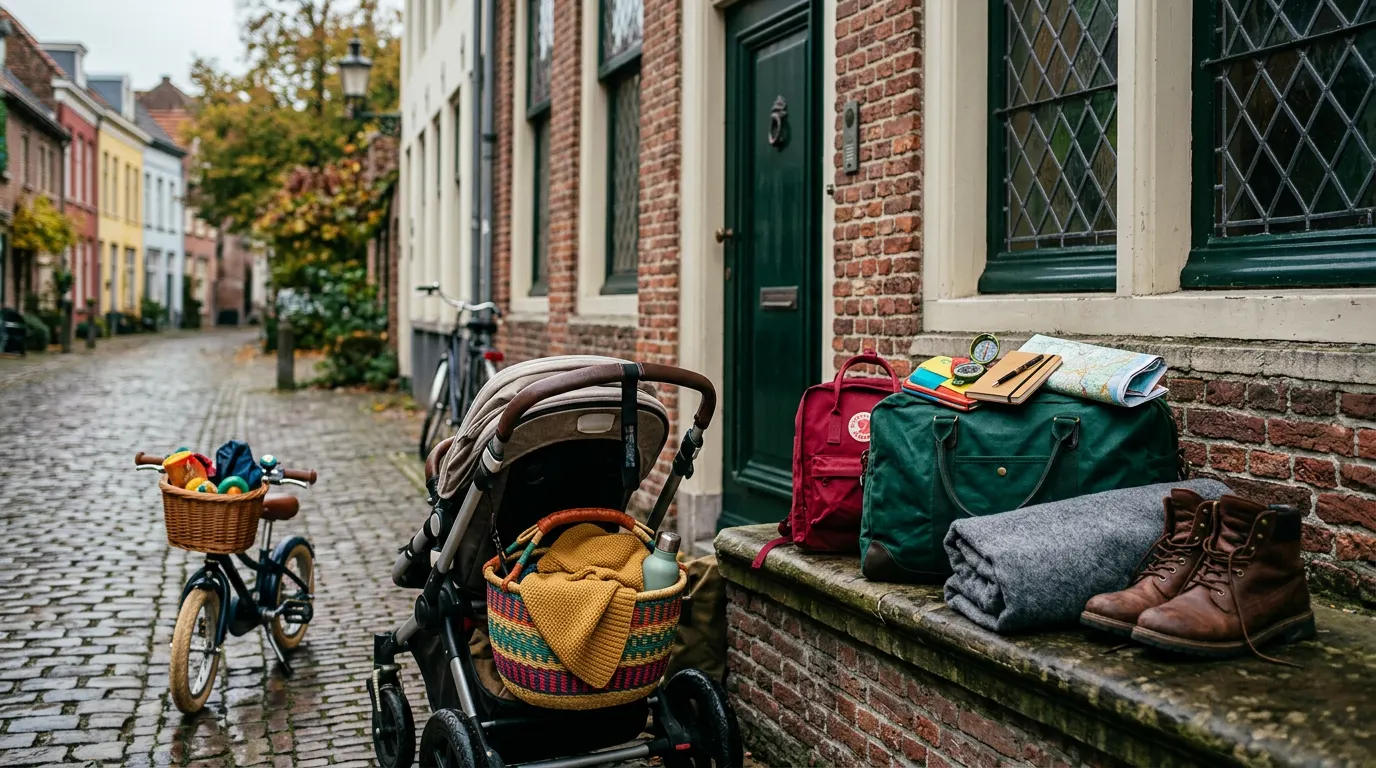
No matter where you are going, these core categories form the foundation of your luggage. Stick to these rules to avoid overpacking.
Clothing Strategies: The Capsule Wardrobe for Kids
Do not pack a completely different, elaborate outfit for every single day of a two-week trip. Instead, build a highly functional mini capsule wardrobe for each child. Stick to a unified color palette—think blues, greys, denims, and one fun accent color—so every top matches every bottom.
Apply the highly effective 5-4-3-2-1 rule adapted for a standard one-week trip: 5 pairs of underwear and socks, 4 versatile tops, 3 bottoms (pants/shorts), 2 pairs of shoes (one incredibly comfortable walking shoe, one sandal or nicer shoe), and 1 weather-appropriate jacket. If you are traveling for longer than a week, plan to do laundry halfway through. Book an apartment rental with a washer, or drop a bag off at a local fluff-and-fold service. It is significantly cheaper than paying the exorbitant fees for an extra checked bag, and it immediately halves the sheer volume of clothing you need to haul around.
Toiletries and First Aid: The Non-Negotiables
You can buy adult shampoo or basic toothpaste anywhere in the world. However, trying to track down a specific children's liquid fever reducer at 2:00 AM in a foreign country when you don't speak a word of the local language is a distinct nightmare you want to avoid at all costs.
Your dedicated family medical kit should always include: Children's liquid pain reliever, chewable antihistamines for unexpected allergic reactions to new foods, a reliable digital thermometer, hydrocortisone cream for mysterious bug bites, and plenty of fun character bandages. Those bandages act as a powerful placebo for 90% of minor travel scrapes. Pack all of your liquids in double-sealed Ziploc bags. The intense cabin pressure on airplanes will absolutely cause at least one bottle to aggressively expand and leak.
Electronics and Entertainment
Forget bringing individual charging bricks for every single device your family owns. Instead, invest in a high-quality, multi-port USB charging hub. You plug one single cord into the hotel wall, and it simultaneously charges two phones, two tablets, and your portable battery. This is an absolute necessity in older, historic hotels or cruise ship cabins where wall outlets are bizarrely scarce. Additionally, pack a universal travel adapter if you are heading overseas. Most importantly, download all movies, television shows, and audiobooks while you are still sitting on your couch at home. Never trust spotty, overloaded airport Wi-Fi to download a massive 2-gigabyte animated movie ten minutes before boarding.
Destination Packing Scenarios: Putting Your Gear to the Test
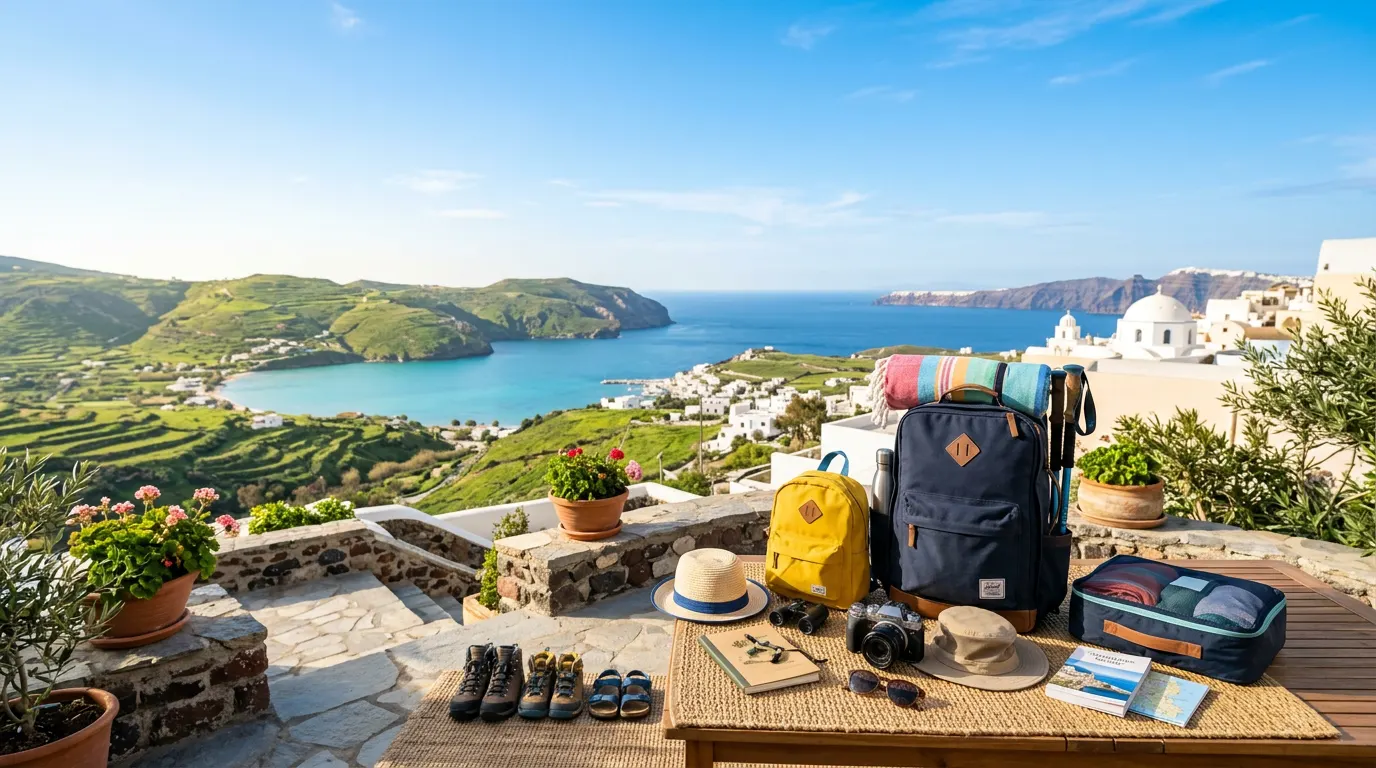
You’ve packed the suitcases, but what about the bag you carry every day? To show you how this gear works in the wild, let’s look at how to pack your daypack for three iconic family attractions, complete with the practical logistics you need to survive them.
The Mega-Museum Marathon: The Louvre, Paris
Tackling the world's largest art museum with kids requires strategic packing and highly realistic expectations. Check out our full Paris family guide for more itinerary ideas.
- Opening hours: 9 AM - 6 PM (Closed Tuesdays). Fridays open late until 9:45 PM.
- Rough costs: €22 / ~$24 USD for adults. Under 18s are completely free.
- Stroller accessibility: Excellent, though the elevators are somewhat hidden. Ask the museum staff to point you directly to the "ascenseurs."
- Nearest food options: Do not eat at the notoriously overpriced cafes inside the galleries. Head straight down to the Carrousel du Louvre—the large underground mall attached to the museum—where there is a massive, highly varied international food court.
- Best time of day to visit: 9:00 AM sharp. Be standing in line by 8:30 AM.
- How long to spend: 2.5 hours maximum with kids. After that, intense museum fatigue sets in hard.
- What to pack in your daypack: Bring an ultra-compact travel stroller that folds down easily. Pack "silent" snacks—think soft gummies or chewy bars, absolutely nothing crunchy that echoes loudly in the quiet, cavernous galleries. Bring a small sketchbook and colored pencils for older kids to sit and draw the intricate statues they see.
🎟️ Book family tickets & skip-the-line tours →
The Ancient Ruins Adventure: The Colosseum, Rome
Exploring ancient history is an incredible experience, but the rugged physical environment is undeniably tough on little legs. (Read more in our Rome city guide).
- Opening hours: 8:30 AM - 7:15 PM (closes earlier in winter months).
- Rough costs: €18 / ~$19.50 USD for adults. Under 18s are free but still absolutely need a reserved, timed ticket.
- Stroller accessibility: Terrible. The surrounding area is paved with aggressively bumpy cobblestones, and the interior is full of steep, highly uneven ancient stairs.
- Nearest food options: Avoid the flashy food trucks right outside the metro station, as they are classic tourist traps. Walk 10 minutes up into the charming Monti neighborhood for authentic, highly affordable pizza by the slice (pizza al taglio).
- Best time of day to visit: First thing in the morning (8:30 AM) or late in the afternoon to avoid the blistering, exhausting midday Roman sun.
- How long to spend: 1.5 to 2 hours.
- What to pack in your daypack: Ditch the stroller entirely and pack a structured, ergonomic baby carrier for infants and toddlers. Bring wide-brimmed sun hats, intense water-resistant sunscreen, and freeze a full water bottle overnight at your rental so you have ice-cold water melting slowly throughout your hot tour.
🎟️ Find family-friendly tours & activities →
The Historic Fortress: Tower of London, London
Castles, dramatic ravens, and the glittering Crown Jewels make this a massive hit with kids, but the unpredictable weather and historic terrain require serious preparation. (See our London itinerary with kids for more).
- Opening hours: 9 AM - 5:30 PM (opens at 10 AM on Sundays/Mondays).
- Rough costs: £34.80 / ~$44 USD for adults. £17.40 / ~$22 USD for kids 5-15. Under 5s are free.
- Stroller accessibility: Poor. The grounds are largely rough cobblestone, and you cannot take strollers into the White Tower due to the spiral staircases, nor into the Crown Jewels vault. There are designated buggy parks available to safely leave them.
- Nearest food options: The New Armouries Café is right on site and actually offers very decent, highly family-friendly hot meals and classic sandwiches.
- Best time of day to visit: 9:00 AM. Head straight to the Crown Jewels first before the massive lines form, then leisurely explore the rest of the sprawling grounds.
- How long to spend: About 3 hours.
- What to pack in your daypack: Pack highly packable rain jackets because it is London and you should always expect a sudden drizzle. Wear your most comfortable, broken-in walking shoes, and bring a physical paper map of the grounds. Kids absolutely love playing the "navigator" and leading the family to the next historic tower.
🎟️ Book family tickets & skip-the-line tours →
What to Skip: Items That Don't Belong on Your Family Travel Packing List
Just as important as knowing what to bring is knowing what to leave at home. Here are three things that will only weigh you down.
1. The Massive Traditional Travel Crib
Standard play yards weigh upwards of twenty pounds and consume a massive amount of valuable trunk space in your rental car. Do not lug these heavy contraptions through crowded airports. Instead, email your hotel concierge or rental host a week in advance; the vast majority of the time, they will gladly provide a clean travel crib completely free of charge. If you absolutely must bring your own because you are camping or staying with relatives who don't have baby gear, invest in an ultra-lightweight travel crib that folds up small enough to be carried comfortably like a backpack.
2. Specialized "Travel" Baby Gadgets
You do not need to purchase a portable bottle warmer, a tiny travel-sized UV sterilizer, or a specialized baby food maker. These highly specific, single-use gadgets take up precious luggage space that you desperately need for essentials. Instead, learn to improvise on the road. Need to warm a bottle? Politely ask a flight attendant or a local barista for a cup of hot water and simply submerge the bottle in it for a few minutes. Need to sterilize dropped pacifiers? Wash them thoroughly with hot water and dish soap, or boil them in a standard pot at your vacation rental. Keep your gear simple and flexible.
3. Too Many Toys and Hardcover Books
Parents often panic about keeping kids endlessly entertained and end up packing half the playroom into a suitcase. Hardcover books are incredibly heavy, and large, complex playsets with dozens of tiny pieces will inevitably get lost under hotel beds, leading to massive meltdowns. Limit toys strictly to one small packing cube per child. Swap out the heavy physical books for an e-reader loaded with kid-friendly titles, or bring thin, lightweight paperback books that you can easily leave behind or trade at little free libraries along your route.
Packing the Perfect Daypack for Excursions
Your main luggage stays tucked away at the hotel, but your daypack is your mobile command center for the entire trip. Choosing the right backpack is absolutely crucial. It needs thick, padded shoulder straps to prevent aching shoulders, deep water bottle pockets on the outside so inevitable leaks don't ruin the dry contents inside, and a sturdy chest strap to evenly distribute the weight while you walk.
The Diaper/Wipes Ratio: If you have a child still in diapers, the golden rule is to pack one diaper for every two hours you plan to be out exploring, plus three extra emergency backups. But even if your kids are much older and fully potty trained, never stop carrying baby wipes. They are absolutely essential for cleaning sticky ice cream hands, wiping down visibly gross public picnic tables, and acting as emergency toilet paper when a public restroom is understocked.
Snacks: The Ultimate Meltdown Preventer: Always pack twice as many snacks as you logically think you need. Travel makes kids incredibly hungry. Walking miles a day makes kids hungry. Simple boredom makes kids hungry. Keep a strategic mix of high-protein snacks—like beef jerky or mixed nuts, if age-appropriate—to provide sustained energy. Pair those with high-value "bribe" snacks, like fruit snacks or lollipops, for those desperate moments when you just need them to walk three more blocks back to the hotel without complaining.
Pro Tips from Parents Who Have Been There
Over the years, seasoned traveling parents in our community have shared their absolute best, battle-tested packing secrets. Here is what veteran families swear by to keep trips running smoothly:
- Packing Cubes Are Life: Buy a completely different colored set of packing cubes for each member of the family. When you finally arrive at your destination, you don't even need to fully unpack the suitcase into the unfamiliar dresser. Just pull out the blue cubes for your oldest child and the red cubes for your youngest. It immediately stops the hotel room from looking like a clothing bomb went off five minutes after check-in.
- Pack a Change of Clothes for YOU in the Carry-On: Everyone always remembers to pack the extra emergency outfit for the baby. But when that baby throws up all over your only shirt two hours into a long transatlantic flight, you will be deeply miserable if you don't have a clean, dry t-shirt for yourself. Always pack a spare top for the adults.
- The Painter's Tape Trick: Throw a cheap roll of blue painter's tape into your bag. It is the ultimate multi-tool. You can use it to quickly baby-proof accessible electrical outlets in a hotel, tape annoying hotel blackout curtains completely shut so no morning light peeks through, or stick it directly on the floor to create an impromptu race track for toy cars.
- Ship Diapers to Your Destination: Diapers easily take up half the volume of a large suitcase. If you are traveling domestically, order a large box of diapers and wipes online and have them shipped directly to your hotel or vacation rental. Time the delivery to arrive the exact day you check in, saving you incredible amounts of luggage space.
- Ziploc Bags Are Your Best Friend: Always bring a handful of empty gallon and quart-sized Ziploc bags. They weigh nothing and are perfect for storing soaking wet swimsuits, safely containing half-eaten sticky snacks, isolating a dirty diaper when there is absolutely no trash can in sight, or keeping your expensive phone perfectly dry on a boat excursion.
Conclusion: Embracing the Chaos
At the end of the day, no matter how perfectly you curate your family travel packing list or how many blogs you read, something will eventually go wrong. You will forget a favorite pair of socks, a crucial charger will snap, or it will pour rain on the exact day you decided not to pack the umbrellas. And you know what? It will be completely okay. Family travel is fundamentally about building resilience, practicing adaptability, and showing your kids how to gracefully roll with the punches. Use this checklist to confidently handle the 90% of things you can actually control, so you have the mental energy and patience to laugh at the 10% you can't. You’ve got this. Now go zip up that suitcase and make some incredible memories with your kids.