Choosing where to take your family in Italy is a wonderful problem to have, but when it comes down to finalizing the itinerary, parents often find themselves facing a classic dilemma. The debate of naples & amalfi coast vs rome with kids is one of the most common topics in family travel circles. Do you opt for the monumental history and grand piazzas of the capital, or do you head south for active volcanoes, legendary pizza, and cliffside boat tours? Both regions offer incredible, deeply Italian experiences, but they demand entirely different pacing, packing strategies, and energy levels from your family.
Having navigated the steep staircases of Positano and the sprawling ruins of the Roman Forum with children in tow, I can tell you that neither destination is inherently "better" than the other. The right choice depends entirely on your children's ages, your tolerance for logistical maneuvering, and what kind of memories you want to create. This guide will break down the realities of visiting Rome and the Naples & Amalfi Coast regions, helping you make the best decision for your family's next adventure.
The Overall Vibe: Naples & Amalfi Coast vs Rome with Kids
When you step off the train in Rome, you are immediately enveloped in an open-air museum. The city feels monumental. Around every corner is a piece of world-altering history, a grand fountain, or a sprawling park. Rome is highly walkable in its historic center, and the sheer scale of the Colosseum or the Pantheon naturally commands attention, even from young children. However, Rome is also a massive, bustling metropolis. The crowds are intense year-round, and the focus is heavily skewed toward historical sightseeing, which can lead to "ruin fatigue" for kids if you aren't careful to balance your days with gelato stops and park visits.
Heading south to Naples and the Amalfi Coast shifts the energy entirely. Naples is loud, colorful, chaotic, and unapologetically authentic. It smells of wood-fired dough, sea salt, and espresso. The Amalfi Coast, just a short drive or ferry ride away, trades urban intensity for dramatic, vertical geography. Here, the focus moves away from museum-hopping and toward active, sensory experiences. You are hiking volcanoes, swimming in hidden coves, riding ferries, and eating your weight in fresh mozzarella. The pace on the coast can be slower, but the physical demands of navigating cliffside towns are significantly higher.
Top Family Experiences: Naples & the Amalfi Coast
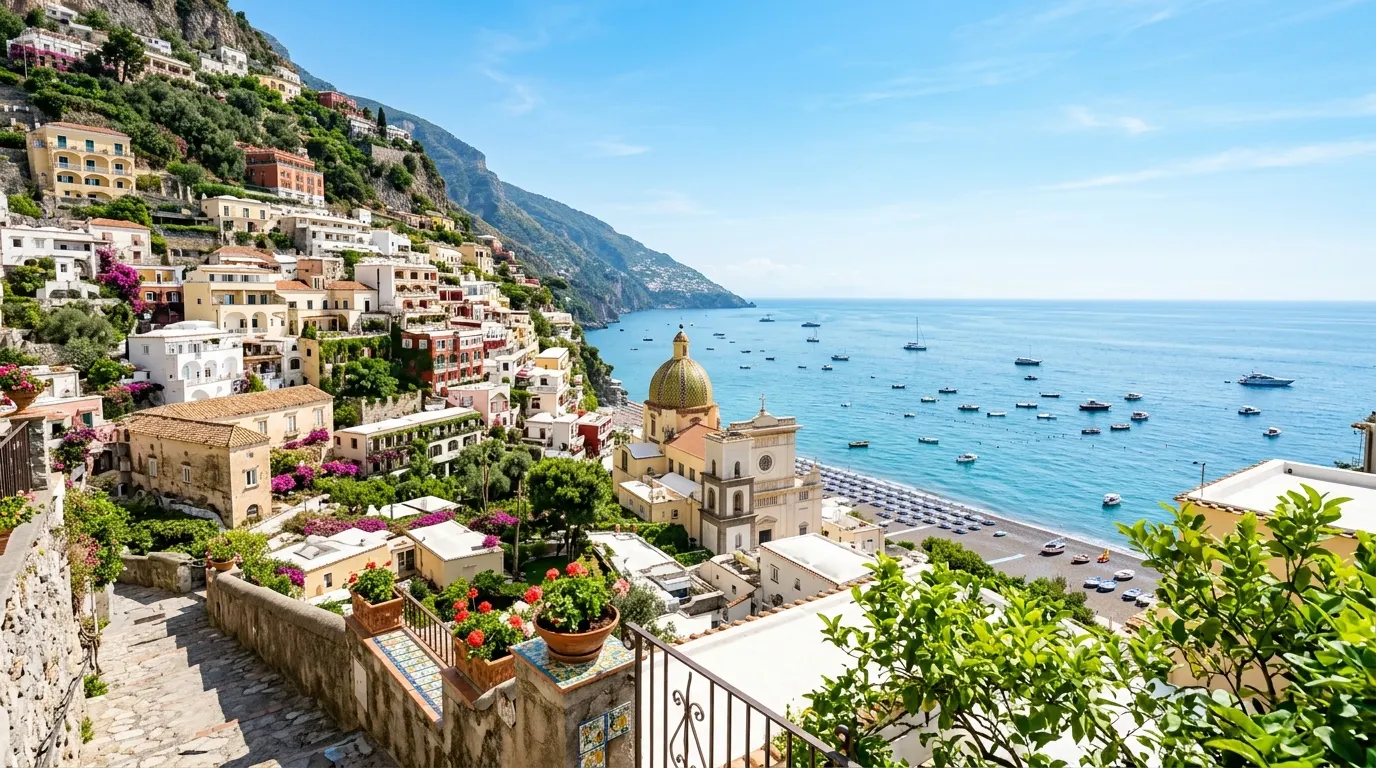
The southern coast is all about interactive history and the great outdoors. Rather than looking at artifacts behind glass, your kids are walking through them or climbing over them.
Walking Through Frozen History
There is nothing quite like the Scavi di Pompei (Parco Archeologico di Pompei). This massive, frozen-in-time Roman city brings history to life in a way textbooks never could. Kids can explore preserved bakeries, see the stepping stones used to cross ancient streets, and marvel at the amphitheaters. Practical detail: Tickets are roughly €18 ($20) for adults, and kids under 18 from the EU are free (non-EU kids usually pay a reduced rate or full price depending on the season, always check current entry rules). Hours are generally 9:00 AM to 7:00 PM in summer. Spend about 3 hours here.
Pair Pompeii with a bucket-list hike up Vesuvio (Cratere del Vesuvio). Walking to the rim of Europe's most famous active volcano is thrilling for older kids and teens. The hike from the upper parking lot takes about 30-40 minutes and is steep but manageable.
🎟️ Book family tickets & skip-the-line tours →
Getting Out on the Water
You cannot visit this region without spending time on the Mediterranean. A Boat Tour to Li Galli Islands (from Positano) is a fantastic splurge. This private or small-group excursion takes you to a legendary archipelago where kids can jump off the boat into crystal-clear water, far from the crowded mainland beaches. For a more rugged, local-favorite swimming spot, take older kids to the Parco Sommerso di Gaiola (Gaiola Underwater Park) in Naples, a protected marine reserve where families can explore submerged Roman ruins by snorkeling or taking a glass-bottom boat.
Hands-On Culinary Adventures
The food in the south is exceptionally kid-friendly. Instead of just ordering at a restaurant, put your kids to work at the Sorrento Cooking School by Franco. This high-energy, hands-on cooking class teaches families how to master Italian staples like fresh pasta and pizza. It is messy, educational, and ends with a feast. Practical detail: Classes usually run around €80-€100 ($88-$110) per person and last about 3 hours.
🎟️ Find family-friendly tours & activities →
Top Family Experiences: Rome
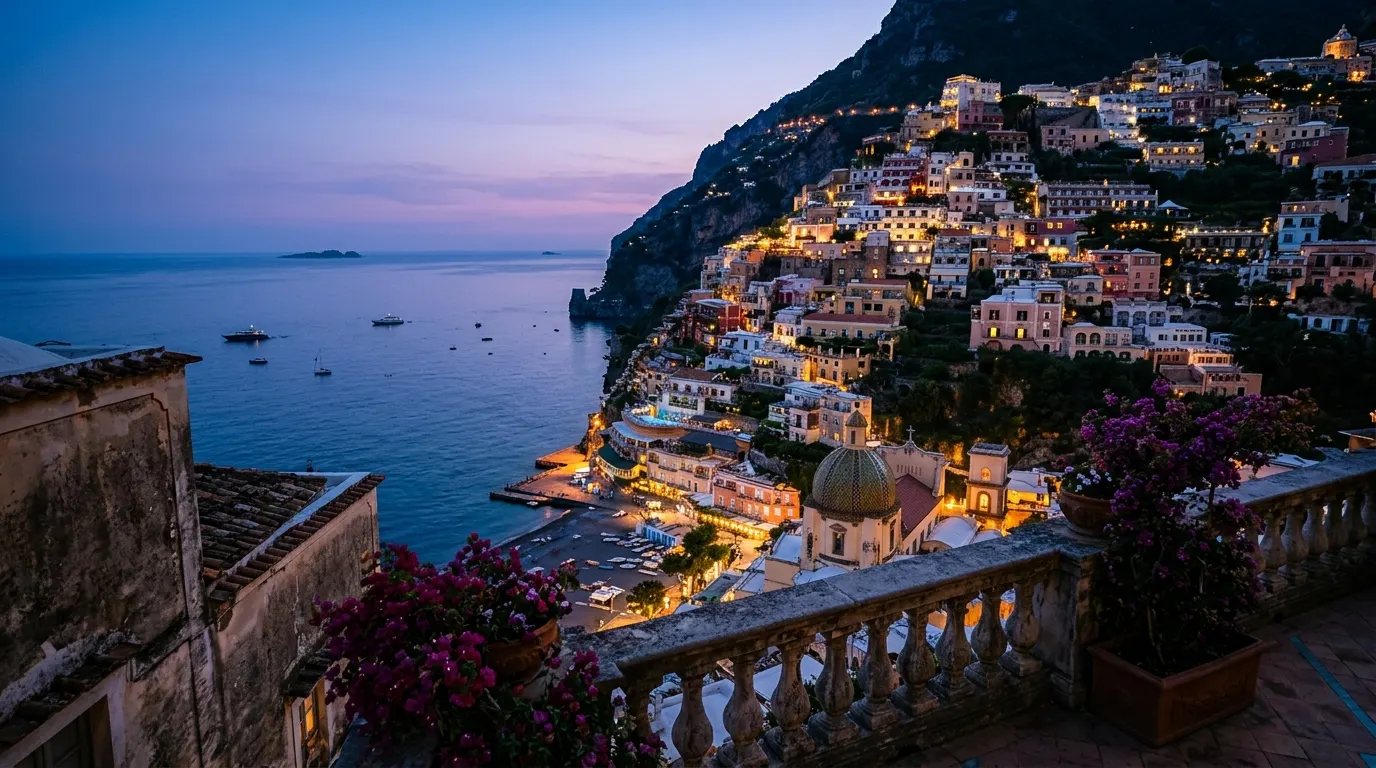
Rome requires a different kind of stamina, but it rewards families with jaw-dropping sights that define Western civilization.
Gladiator Glory and Ancient Ruins
The Colosseum is an obvious must-do, but the key is how you do it. Booking an underground tour or a family-focused guide turns a pile of ancient stones into a thrilling story of gladiators, trapdoors, and wild animals. Just down the street, the Roman Forum offers plenty of space for kids to stretch their legs while parents soak in the history.
Sprawling Parks and Piazzas
When the museum fatigue sets in, Rome offers incredible green spaces. The Villa Borghese gardens are a lifesaver for parents. You can rent multi-person pedal bikes (surreys), row boats on the small lake, or visit the Bioparco (Rome's zoo). In the evenings, the city’s piazzas—like Piazza Navona—become pedestrian-friendly living rooms where kids can chase bubbles from street performers while you enjoy an Aperol Spritz.
Underground Mysteries
Rome has its own subterranean wonders. The Catacombs on the Appian Way provide a spooky, fascinating adventure for older kids, while the underground levels of the Basilica of San Clemente allow you to physically walk down through different eras of Roman history, from a 12th-century church down to a 1st-century pagan temple.
Age-by-Age Guide to Choosing Your Destination
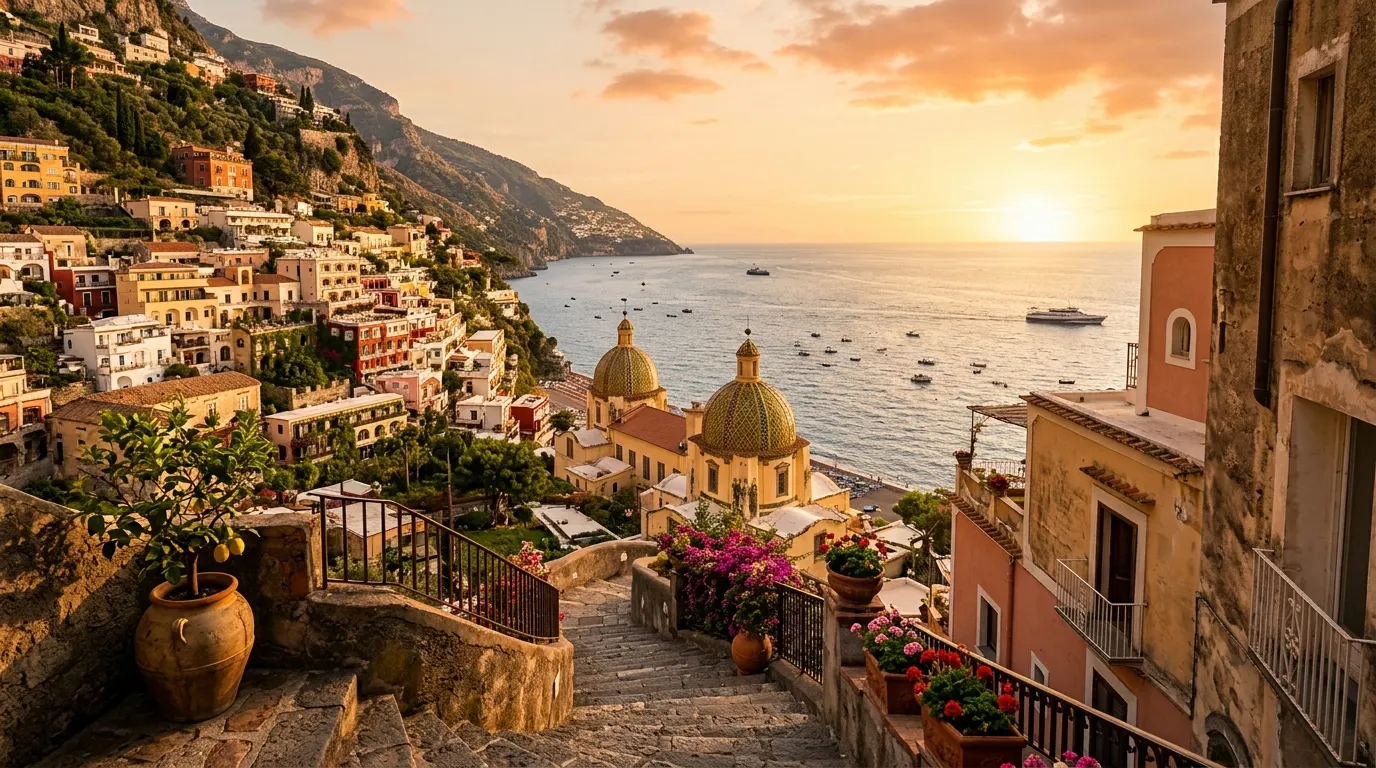
Tailoring your itinerary to the developmental stage of your children is the secret to a successful Italian vacation.
Toddlers (Ages 2-3)
Winner: Rome (by a slight margin)
Traveling with toddlers requires stroller accessibility, and while Rome’s cobblestones are famously bumpy, they are vastly preferable to the Amalfi Coast's endless staircases. Rome offers wide-open piazzas for toddlers to waddle around and large parks.
If you choose the South: Base yourself in Naples rather than a cliffside town. Specifically, choose the Chiaia neighborhood. Unlike the chaotic Centro Storico, Chiaia features wide, flat, pedestrian-friendly streets and easy access to the waterfront promenade, making stroller naps a breeze.
Preschoolers (Ages 3-5)
Winner: Tie
Preschoolers are highly sensory and love interactive environments. In Rome, they will love throwing coins in the Trevi Fountain and eating endless gelato. In the south, the magic lies in the water. Take them to Giardini Poseidon Terme (Ischia). This sprawling, terraced thermal park on Ischia's coast features over 20 pools and lush tropical gardens. There are shallow, lukewarm pools perfect for little ones, while parents can take turns enjoying the hotter thermal waters.
School-Age (Ages 6-10)
Winner: Naples & Amalfi Coast
This age group is perfect for the tactile history of the south. They have the stamina to walk Pompeii and the imagination to appreciate it. They will love descending into La Neapolis Sotterrata beneath Naples—a literal Roman market street frozen in time beneath the San Lorenzo Maggiore church. It feels like an Indiana Jones adventure. On the coast, they will be thrilled by the Seggiovia Monte Solaro (Monte Solaro Chairlift, Anacapri), a thrilling 13-minute open-air chairlift ride that whisks you to the highest point on Capri.
Tweens and Teens (Ages 11-14)
Winner: Naples & Amalfi Coast
Teens crave independence, aesthetic beauty, and unique bragging rights. The Amalfi Coast delivers this in spades. Book a table at Da Adolfo - Positano, a legendary, rustic beach shack at Laurito beach. You take a small boat with a red fish on the mast from the main Positano pier to get there, turning lunch into a full-day adventure of swimming and eating. Teens will also appreciate the chic vibe of Capri and the incredible photo opportunities.
Logistics: Strollers, Trains, and Pacing
The practical realities of these two regions could not be more different.
In Rome, public transportation (buses and the metro) is functional but often crowded. You will rely heavily on walking. A sturdy, lightweight travel stroller with good suspension is critical for the cobblestones. You can easily spend five to seven days in Rome without running out of things to do, making it a great base if you prefer not to unpack multiple times.
The Naples and Amalfi Coast region requires more logistical juggling. You will likely use trains, ferries, and private drivers. The ferries are the best way to navigate the Amalfi Coast, as the coastal road (SS163) is winding, narrow, and prone to heavy traffic that can cause motion sickness.
If you are visiting the coast, leave the wide or heavy double strollers at home. The towns of Positano and Amalfi are dominated by steep staircases and narrow, crowded alleys. Opt for a high-quality baby carrier instead. Budget-wise, Naples is significantly more affordable than Rome, but the Amalfi Coast and Capri are among the most expensive destinations in Italy.
What to Skip in Naples & Amalfi Coast vs Rome with Kids
Not every famous landmark is worth your family's precious energy. Knowing what to bypass is just as important as knowing what to see.
Skip on the Amalfi Coast & Naples:
- Spiaggia Grande (Positano): While it is the most iconic photo op in Italy, the reality for parents is a beach made of scorching, uncomfortable pebbles, shoulder-to-shoulder crowds, and exorbitant prices for sunbeds. Snap your photo from the paved walkway and take a boat to a quieter cove for actual swimming.
- Sentiero dei Limoni - access point Minori: The "Path of Lemons" sounds like an idyllic, fragrant stroll for the family. The reality involves over 500 steep, vertical steps right at the beginning. It is brutal on little legs and exhausting for parents carrying toddlers.
- Villa Jovis (Capri): Reaching these Roman ruins requires a grueling 45-minute uphill trek on a paved but steep road with no shade. By the time you reach the top, kids are usually too hot and cranky to care about the history of Emperor Tiberius.
- Teatro di San Carlo: Unless you are attending a dedicated 'San Carlo for Families' morning show, touring this historic opera house requires quiet voices and offers very little to hold a child's attention.
Skip in Rome:
- The Vatican Museums in the Afternoon: The sheer volume of people packed into the corridors leading to the Sistine Chapel can be terrifying for small children and claustrophobic for adults. If you must go, book a pristine early-morning VIP access tour, or skip it entirely in favor of the much more manageable Capitoline Museums.
Pro Tips from Parents
To make your trip seamless, here are a few hard-won secrets from parents who have navigated these regions:
- Naples Nativity Magic: Take the kids to Via San Gregorio Armeno in Naples to see the master nativity scene makers at work. Children will be mesmerized by the tiny, intricate details of the figurines, which include both traditional biblical characters and modern celebrities.
- Upgrade Your Train to Pompeii: Skip the crowded, sweaty Circumvesuviana commuter train when heading to Pompeii or Sorrento. Instead, book the Campania Express. This dedicated tourist line has air conditioning, guaranteed seating, and fewer stops, saving your family's sanity.
- Time Pompeii Properly: Do not schedule your Pompeii visit between 12:00 PM and 3:00 PM during summer months. The ancient stone streets act like a solar oven, and there is almost zero shade. Go right when it opens at 9:00 AM, or late in the afternoon.
- The Positano Porter Hack: In vertical towns like Positano or Amalfi, look for the 'Portabagagli' (porter) stands near the ferry docks. For a small fee per bag, they will haul your heavy luggage up the hundreds of stairs to your hotel or rental. It is worth every single euro to spare your back.
- Eat Smart on the Coast: Avoid eating at the restaurants directly facing the Amalfi Cathedral (Duomo). These spots often charge a hefty 'coperto' (cover charge) and cater strictly to transient tourists. Walk five minutes up the main street to find better food at fairer prices.
- Street Food in Naples: When exploring Naples' historic center, you don't always need to sit down for a long meal. Grab 'Pizza a Portafoglio' (wallet pizza). It is a full-sized Margherita folded up in paper so you can eat it while walking—kids absolutely love the novelty of it.
Making Your Final Decision
Deciding between naples & amalfi coast vs rome with kids ultimately comes down to your family's travel style. If you want a deep dive into ancient history, spectacular architecture, and the convenience of a single home base where you can walk to world-renowned monuments, Rome is your champion. It is grand, educational, and universally awe-inspiring.
However, if your family prefers a mix of rugged outdoor adventure, boat days on the Mediterranean, deeply sensory food experiences, and tactile history like Pompeii, the south is calling your name. The logistics require more planning, and you will certainly get your steps in, but the reward is a vibrant, colorful vacation that feels distinctively, passionately Italian. Whichever you choose, embrace the local rhythm, eat gelato every single day, and enjoy the beautiful chaos of Italy with your kids.