Traveling to the Arab world offers families an incredible opportunity to experience rich traditions, stunning landscapes, and unforgettable sensory moments. When narrowing down destinations, parents often find themselves weighing two heavyweights: the vibrant, bustling heart of Morocco or the serene, nature-focused capital of Oman. If you are currently debating muscat vs marrakech with kids, you are looking at two vastly different family vacation styles. While Marrakech brings an electric, fast-paced energy filled with colorful souks and hidden courtyard riads, Muscat delivers a calm, staggeringly safe environment focused on spectacular wadis, sea turtles, and vast desert dunes. Choosing the right one depends entirely on your family's travel rhythm, the ages of your children, and your tolerance for sensory input.
Both cities serve as excellent gateways to their respective countries, but they demand entirely different approaches to family travel. Here is a deep dive into how these two incredible destinations compare for families, and how to decide which one deserves a spot on your travel calendar.
The Vibe: Muscat vs Marrakech with Kids
Understanding the daily rhythm and atmosphere of a city is crucial when you are dragging a jet-lagged toddler or a moody teenager across the globe.
Muscat: Calm, Safe, and Outdoorsy
Muscat is an anomaly in the Middle East. Unlike the towering, futuristic skylines of Dubai or Doha, Oman’s capital is beautifully understated. Buildings are strictly regulated to reflect traditional Islamic architecture, and the city is stretched out along a stunning coastline, backed by jagged, dramatic mountains. The vibe here is incredibly relaxed. Omani culture places a massive emphasis on hospitality, politeness, and family. You will rarely encounter aggressive haggling or street hustlers. Instead, the focus is on the outdoors. Families who thrive in Muscat are those who want to rent an SUV, pack a cooler of snacks, and spend their days hiking through canyons, swimming in natural sinkholes, and camping under the stars. It is quiet, exceptionally clean, and almost unimaginably safe.
Marrakech: Vibrant, Chaotic, and Culturally Immersive
Marrakech, on the other hand, is a full-body sensory experience. The moment you step into the Medina (the old walled city), you are hit with the smell of roasting meats and spices, the sound of snake charmers' flutes, and the sight of vibrant textiles hanging from shop awnings. It is fast, loud, and inherently chaotic. Scooters zip through narrow pedestrian alleyways, vendors actively call out to you, and navigating the labyrinthine streets is an adventure in itself. Families who love Marrakech are those who want deep cultural immersion, love exploring intricate palaces, enjoy the energy of busy markets, and don't mind a bit of unpredictability. It requires a higher level of vigilance from parents, but it rewards you with an intoxicating, magical atmosphere that feels straight out of a storybook.
Top Family Activities: Nature vs Culture
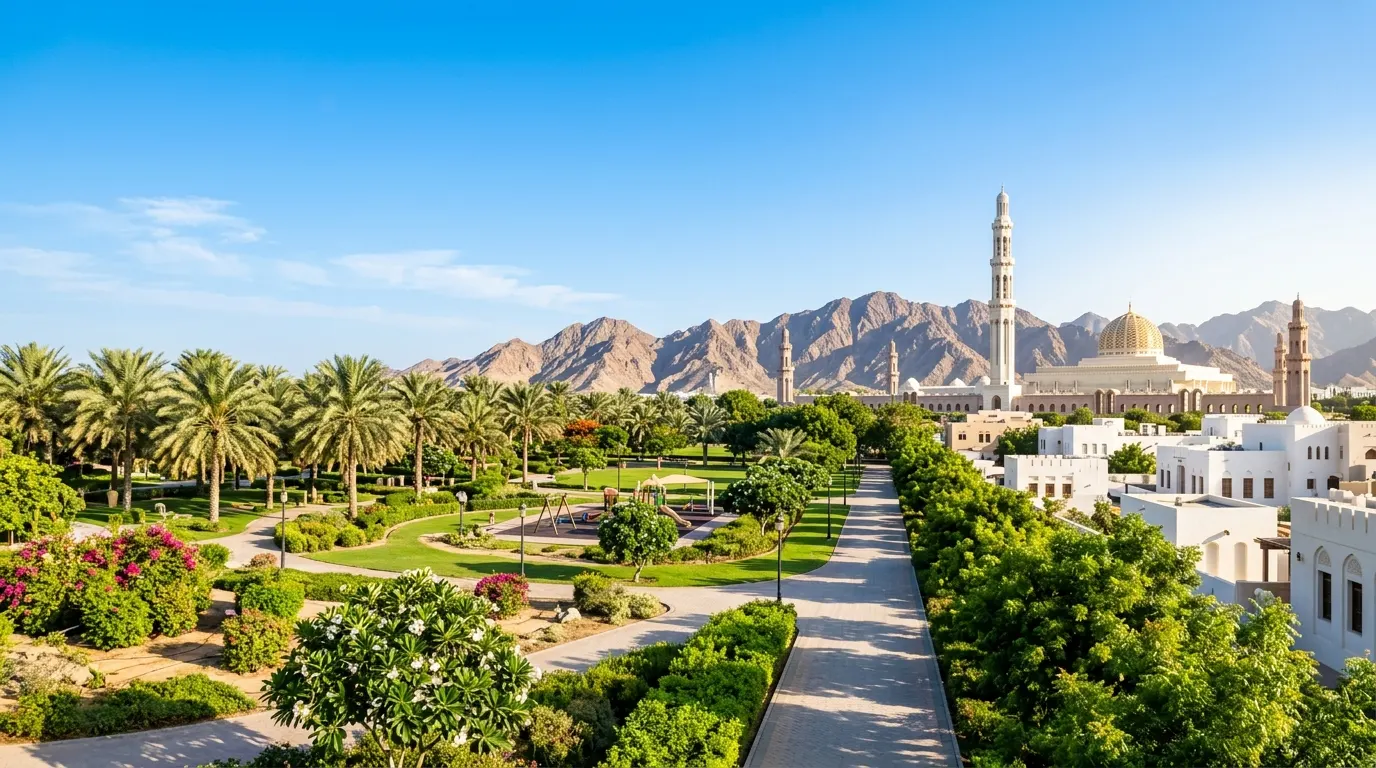
When comparing the itineraries for these two cities, the divide is clear: Muscat is for nature lovers, and Marrakech is for culture seekers.
Muscat’s Desert, Ocean, and Mountain Adventures
Muscat serves as the perfect springboard for some of the most unique outdoor adventures in the Middle East. If your family loves the water, booking a boat trip with the Muscat Diving & Adventure Centre or Daymaniyat Shells (Snorkeling) is a must. They run family-friendly excursions to the Daymaniyat Islands Nature Reserve, a breathtaking archipelago where the water is incredibly clear, and you can often snorkel right alongside gentle sea turtles and harmless reef sharks.
🎟️ Book family tickets & skip-the-line tours →
For a dramatic change of scenery, head inland. The Bimmah Sinkhole (Hawiyat Najm Park) is a natural limestone crater filled with turquoise water where kids love letting the tiny, harmless fish nibble at their toes. Older kids will be thrilled by the canyoning adventure at Wadi Shab, which involves a short boat crossing, a rocky hike, and swimming through a series of pools to reach a hidden waterfall inside a cave. For a more relaxed wadi experience, Wadi Bani Khalid offers emerald-green pools surrounded by lush palm trees with much easier access for younger children.
No trip to Oman is complete without a desert stay. The Wahiba Sands (Sharqiya Sands) Desert Camp offers an incredible experience where kids can sleep in Bedouin-style tents and play in massive sand dunes. If you want a bit more comfort, the 1000 Nights Camp (Wahiba Sands) provides the desert charm but includes a swimming pool to cool off in the afternoon heat.
🎟️ Find family-friendly tours & activities →
Finally, wildlife enthusiasts should make the drive to the Ras Al Jinz Turtle Reserve. It is the only official sanctuary in the Arabian Peninsula where you can watch endangered green turtles nest and lay their eggs in the sand. Staying at the nearby rustic Turtle Beach Resort (Ras Al Hadd) makes the early morning or late-night turtle viewing tours much easier to manage with tired kids.
Marrakech’s Palaces, Souks, and Gardens
Marrakech’s highlights are deeply rooted in human history and artistry. Families spend their days exploring the stunning tilework of the Bahia Palace, wandering through the incredibly photogenic Jardin Majorelle, and getting lost in the souks. Activities here are more urban: taking a traditional Moroccan cooking class, riding in a horse-drawn carriage (caleche) around the city walls, or spending the evening watching the acrobats, musicians, and street performers in the massive Djemaa el-Fna square. While Marrakech doesn't have the wild wadis of Oman, you can take a day trip to the nearby Agafay Desert for a camel ride or head into the Atlas Mountains to visit traditional Berber villages.
Age-by-Age Guide to Muscat and Marrakech
Toddlers and Preschoolers (Ages 2-5)
Winner: Muscat
For the under-five crowd, Muscat is significantly easier. The wide, paved spaces, the quiet beaches, and the incredibly welcoming nature of Omani locals make traveling with a toddler a breeze. The Bimmah Sinkhole (Hawiyat Najm Park) is great for splashing, and the overall calm of the city means less sensory overload. Marrakech can be very overwhelming for toddlers. The Medina is loud, and dodging motorbikes in narrow alleys while holding a two-year-old's hand can be stressful for parents.
School-Age Kids (Ages 6-10)
Tie: Depends on the Child
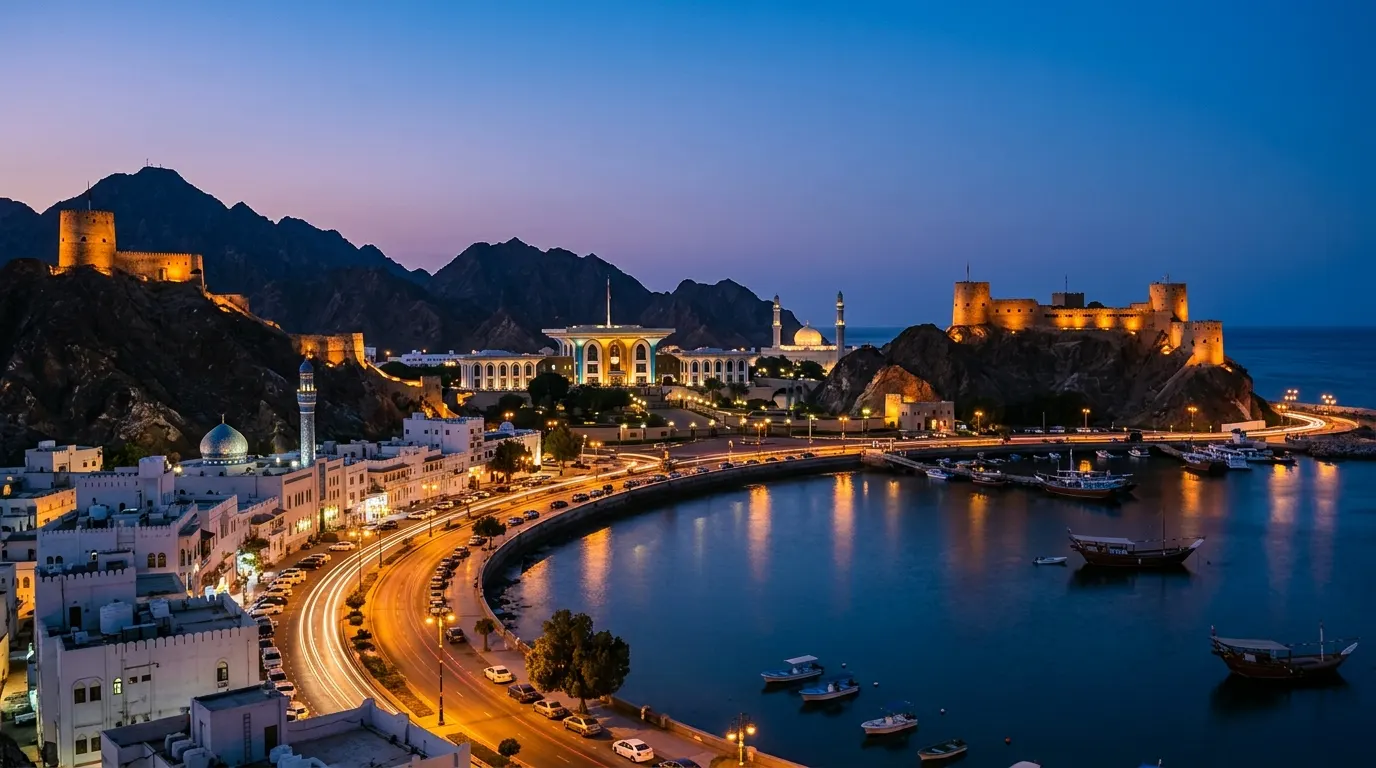
This age group is in the sweet spot for both destinations. In Marrakech, school-age kids are old enough to appreciate the magic of the souks, the colors, and the excitement of the main square without getting overly frightened by the noise. They will love the food tours and the vibrant energy. In Muscat, kids this age are sturdy enough to handle the rocky terrain of the wadis, will be completely mesmerized by the sea turtles at Ras Al Jinz Turtle Reserve, and will love exploring the compact, recently renovated Mutrah Fort perched above the harbor.
Tweens and Teens (Ages 11-14)
Winner: Tie
Teens who crave outdoor adventure, hiking, and water sports will find Muscat to be a paradise. Taking them up to Jebel Shams (Oman's Grand Canyon) for breathtaking views over the Wadi Ghul canyon, or escaping the heat up in Jebel Akhdar (Green Mountain) to explore terraced villages, provides massive bragging rights. Conversely, teens who are into fashion, aesthetics, photography, and shopping will absolutely fall in love with Marrakech. The intricate riads, the bustling cafes, and the endless shopping opportunities in the souks make it a highly engaging destination for older kids.
Logistics: Getting Around, Safety, and Food
Transportation and Stroller Accessibility
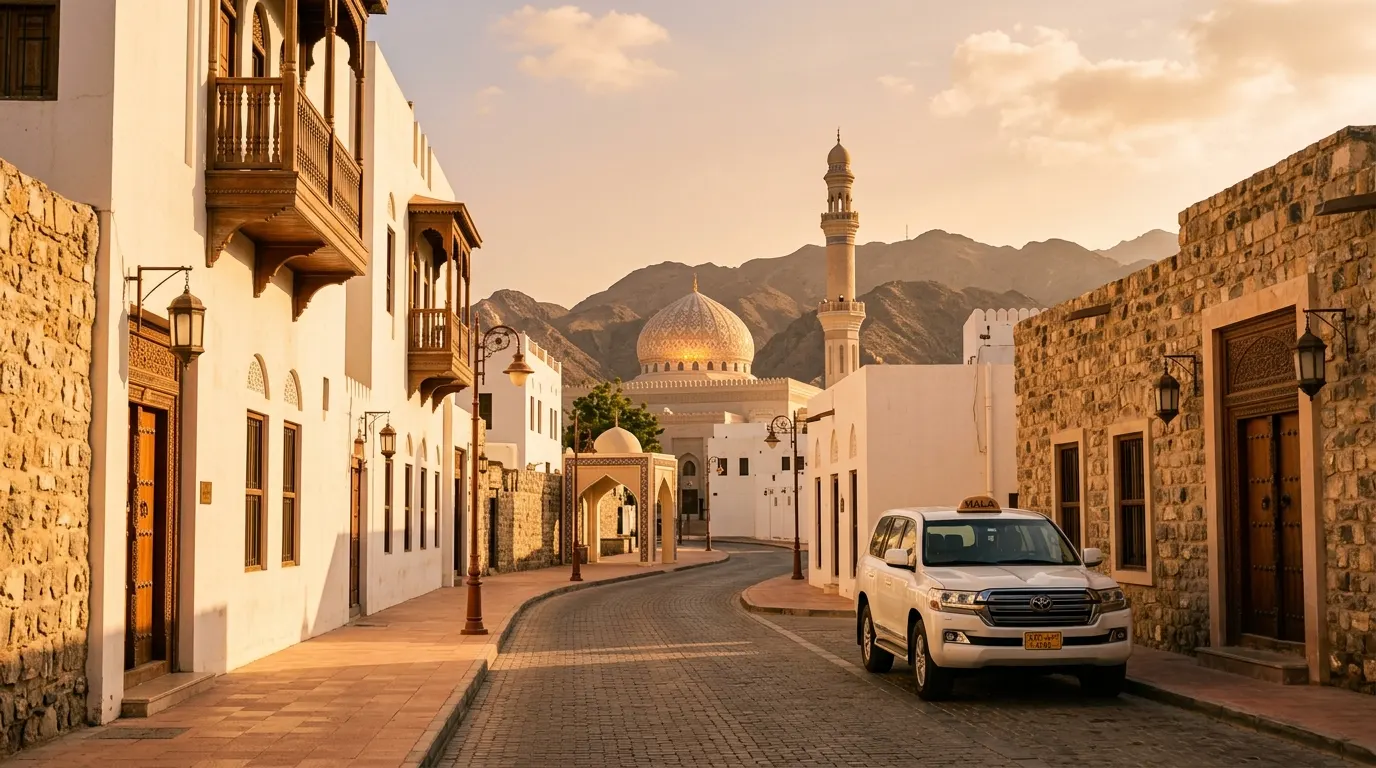
Muscat is a sprawling city built for cars. You will absolutely need to rent a vehicle or rely heavily on taxis. A massive local tip: street taxis in Muscat rarely use meters for tourists and often lack child seats. Instead, download Otaxi, which is the local equivalent of Uber; it is reliable, transparent with pricing, and much easier to navigate. While Muscat's malls and grand mosques are very stroller-friendly, the historic market's "sikkas" (alleys) are extremely narrow, often crowded, and feature unexpected stone steps. A baby carrier is highly recommended for the souks and wadis.
Marrakech is a tale of two cities. The new town (Gueliz) is modern and stroller-friendly, but the Medina—where you will likely spend most of your time—is a nightmare for strollers. Cobblestones, lack of sidewalks, and heavy pedestrian traffic make a baby carrier an absolute necessity. You will rely on walking and the occasional petit taxi to get around.
Food for Picky Eaters
Both cities offer incredible local cuisine, but Muscat has a slight edge for picky eaters due to its massive expat population, which brings a wide variety of familiar international foods. If your kids need a break from traditional Middle Eastern fare, take them to Slider Station Muscat. It is a high-energy, industrial-themed "gas station" restaurant where gourmet sliders travel via a conveyor belt—kids absolutely lose their minds for this place. For a massive, family-style feast, The Turkish House Restaurant is a legendary Muscat institution serving enormous platters of ultra-fresh seafood and warm breads that even the fussiest eaters will devour.
In Marrakech, the staple is the tagine (slow-cooked meat and vegetables) and couscous. While delicious, the flavor profiles can be repetitive for kids over a long trip. However, Moroccan mint tea and freshly baked flatbreads are usually a massive hit with children of all ages.
Safety and Cleanliness
Muscat is one of the safest cities in the world. Violent crime is virtually non-existent, and petty theft is incredibly rare. You can comfortably walk around at night, and locals will go out of their way to help you. The city is also meticulously clean.
Marrakech is generally safe for tourists, but petty crime like pickpocketing is common in crowded areas. The biggest safety issue in Marrakech is simply traffic safety within the Medina walls—motorbikes drive recklessly close to pedestrians. You will also need to be prepared to firmly say "no" to persistent vendors and unofficial "guides" offering directions for money, which can be exhausting for parents.
What to Skip in Muscat and Marrakech
Not every highly rated attraction is a winner when you have kids in tow. Here are a few places you can confidently cross off your list.
Overhyped Muscat Stops
- Al Jalali Fort: While it looks stunning from the outside, this historic fort is strictly closed to the general public, serving as a private museum for dignitaries. Don't promise your kids a castle visit here, as you can only look at it from afar. Head to Mutrah Fort instead.
- Muscat Gate Museum: This is a tiny, one-room museum located at the top of a steep flight of stone stairs with no elevator. It is incredibly difficult to access with small children or strollers, and the exhibits won't hold a child's attention for more than five minutes.
- Ubhar Restaurant: Often recommended for traditional Omani food, Ubhar is a high-end, fine-dining establishment. The quiet, intimate atmosphere and steep prices make it a very stressful environment if you have loud, squirmy, or tired children.
- Barka Bullfighting: Unlike Spanish bullfighting, this is a bloodless trial of strength between two bulls. However, the crowds, noise, and sight of massive animals clashing can still be very distressing and frightening for younger children.
- Wadi Al Kabir Hiking Scramble Routes: These are informal, unmaintained scrambling routes that lack clear signage and safety infrastructure. They involve steep drops and loose rocks, making them highly dangerous for a family hike. Stick to established wadis.
- Muscat Pharmacy (Traditional Souq Experience): While some guidebooks romanticize these as 'traditional apothecaries,' they are mostly functional retail shops selling modern medicines rather than the magical spice-filled experiences kids might expect.
Marrakech Traps to Avoid
In Marrakech, skip the animal encounters in Djemaa el-Fna square. The chained monkeys and the snake charmers often treat the animals poorly, and vendors will aggressive place animals on your kids' shoulders and demand exorbitant fees. It is best to admire the square's energy from a rooftop cafe rather than getting entangled in the street-level hustle.
Pro Tips from Parents for Both Destinations
To make your trip as smooth as possible, keep these parent-tested tips in mind:
- Mind the Mid-Day Slump: In Muscat, between 1:00 PM and 4:30 PM, many small shops and local attractions close, and the heat peaks. Plan your outdoor adventures for the early morning, use the afternoon for hotel pool time or naps, and head back out in the evening.
- Embrace the Night Owl Life: Muscat's parks only truly come alive after sunset when the temperature drops. You'll find thousands of local families picnicking, kids playing football, and playgrounds packed well into the night. Adjust your kids' bedtimes if you want to experience authentic local family life.
- Watch the Water: While Muscat's tap water is technically treated and safe, the high mineral content can be very tough on young stomachs unaccustomed to it. Stick to bottled water for drinking and brushing teeth to avoid vacation-ruining tummy aches.
- Know the Mosque Rules: The Sultan Qaboos Grand Mosque in Muscat is a must-visit, but children under 10 are strictly prohibited from entering the main prayer hall. If you are visiting with young kids, parents will need to take turns waiting outside in the gardens.
- Seek Out Safe Run Spaces: If you need a place in Muscat where kids can just run without you hovering, head to the Al Mouj marina. This pedestrianized area offers a safe environment without traffic concerns, plus plenty of cafes for parents to grab a coffee.
The Verdict: Choosing Between Muscat and Marrakech
At the end of the day, settling the debate of muscat vs marrakech with kids comes down to what your family values most on vacation. If your ideal trip involves dramatic mountain hikes, swimming in crystal-clear natural pools, engaging with polite and gentle locals, and enjoying a stress-free, incredibly safe environment, Muscat is your winner. It is an outdoor playground that feels remarkably undiscovered.
If, however, your family craves vibrant colors, bustling markets, rich historic architecture, and the kind of fast-paced cultural immersion that leaves you exhausted but completely exhilarated, Marrakech is calling your name. Whichever you choose, both destinations offer children a beautiful, eye-opening window into a part of the world that will leave a lasting impression long after you return home.