Choosing the right European destination for a family vacation often feels like a delicate balancing act. You want world-class culture, incredible food, and stunning architecture, but you also need accessible parks, engaging activities, and an atmosphere that welcomes children rather than merely tolerating them. If you are weighing your options on the Iberian Peninsula, you are likely wondering about Madrid vs Porto with kids. Both cities offer unforgettable experiences, but they cater to families in entirely different ways.
Madrid is a sprawling, majestic capital buzzing with late-night energy, grand parks, and epic day trips. Porto, on the other hand, is a compact, steep, and deeply romantic riverside city where life moves at a slightly slower, more whimsical pace. Having navigated both cities with children in tow, I can tell you that the right choice depends entirely on the ages of your kids, your tolerance for walking, and what kind of vacation rhythm your family enjoys.
Here is a comprehensive breakdown to help you decide whether the vibrant streets of Spain’s capital or the tiled alleys of Portugal’s northern gem will be the perfect fit for your next family adventure.
The Vibe: Madrid vs Porto with Kids
Madrid’s Grandeur and Endless Energy
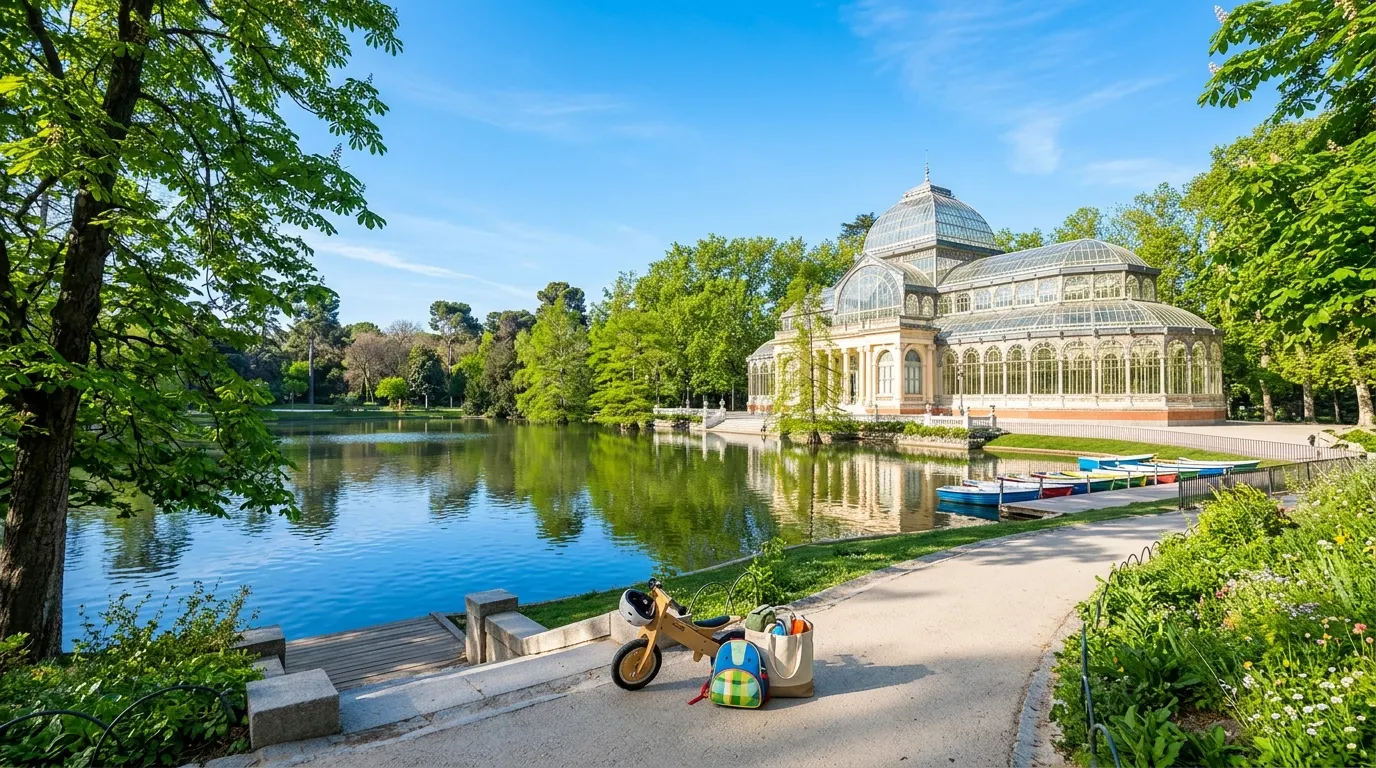
Madrid operates on a grand scale. The boulevards are wide, the architecture is monumental, and the city pulses with an energy that is hard to match. For families, this means ample space to roam. The city is incredibly green, with massive parks serving as the city's backyard. Spanish culture is inherently child-friendly; children are integrated into every aspect of daily life. It is entirely normal to see toddlers playing in plazas at 10:00 PM while their parents enjoy tapas nearby. If your family thrives on action, diverse entertainment options, and a bustling, cosmopolitan atmosphere, Madrid will sweep you off your feet.
Porto’s Riverside Charm and Slower Pace
Porto feels like stepping into a pop-up storybook. It is a smaller, more intimate city defined by the Douro River, colorful tiled facades, and dramatic bridges. The vibe here is slower and more nostalgic. You will spend your days riding vintage trams, exploring narrow alleys, and eating warm pastries by the water. However, Porto is built on a gorge. The hills are formidable, and the cobblestones are ever-present. If your family prefers a relaxed, visually stunning destination and does not mind a serious leg workout, Porto offers a magical, slightly more laid-back alternative to Europe's mega-capitals.
Top Attractions: What to Do in Madrid vs Porto with Kids
Action-Packed Madrid
Madrid’s attractions for families are vast and highly engaging. One of the best ways to get your bearings is the Teleférico de Madrid, a scenic 11-minute cable car ride that soars 40 meters above the Manzanares River, connecting central Madrid to the sprawling Casa de Campo. It costs around €6 ($6.50 USD) for a round trip and is a guaranteed hit with kids.
For a dose of history without the fatigue of a massive gallery, the Museo Arqueológico Nacional (MAN) is a world-class, surprisingly affordable journey through Spain's history that feels more like an adventure than a history lesson. Tickets are just €3 ($3.25 USD), and it is beautifully laid out with plenty of visual stimulation.
If you want to venture slightly outside the city center, the options are spectacular. Animal lovers will thrill at Safari Madrid (Aldea del Fresno), a gritty, high-interaction drive-through safari where animals like zebras, llamas, and goats stick their heads right into your car window. For a truly epic day, Puy du Fou España (Toledo) is an absolute must. It is a massive historical theme park that replaces roller coasters with high-octane live theater, featuring knights, birds of prey, and stunning stagecraft.
🎟️ Book family tickets & skip-the-line tours →
Whimsical Porto
Porto’s attractions are more about soaking in the environment. Riding the historic Tram Line 1 along the river to the Foz district (where the river meets the ocean) is a quintessential family activity. The World of Discoveries, an interactive museum and boat ride detailing Portugal's naval history, is excellent for younger kids. You can also climb the Clérigos Tower for sweeping views, though the narrow, spiraling staircase is better suited for older children. Exploring the Crystal Palace Gardens, with its roaming peacocks and incredible river vistas, offers a perfect afternoon escape that mirrors the park culture of Madrid, albeit on a smaller scale.
Age-by-Age Guide to Madrid and Porto
Toddlers (Ages 2-3)
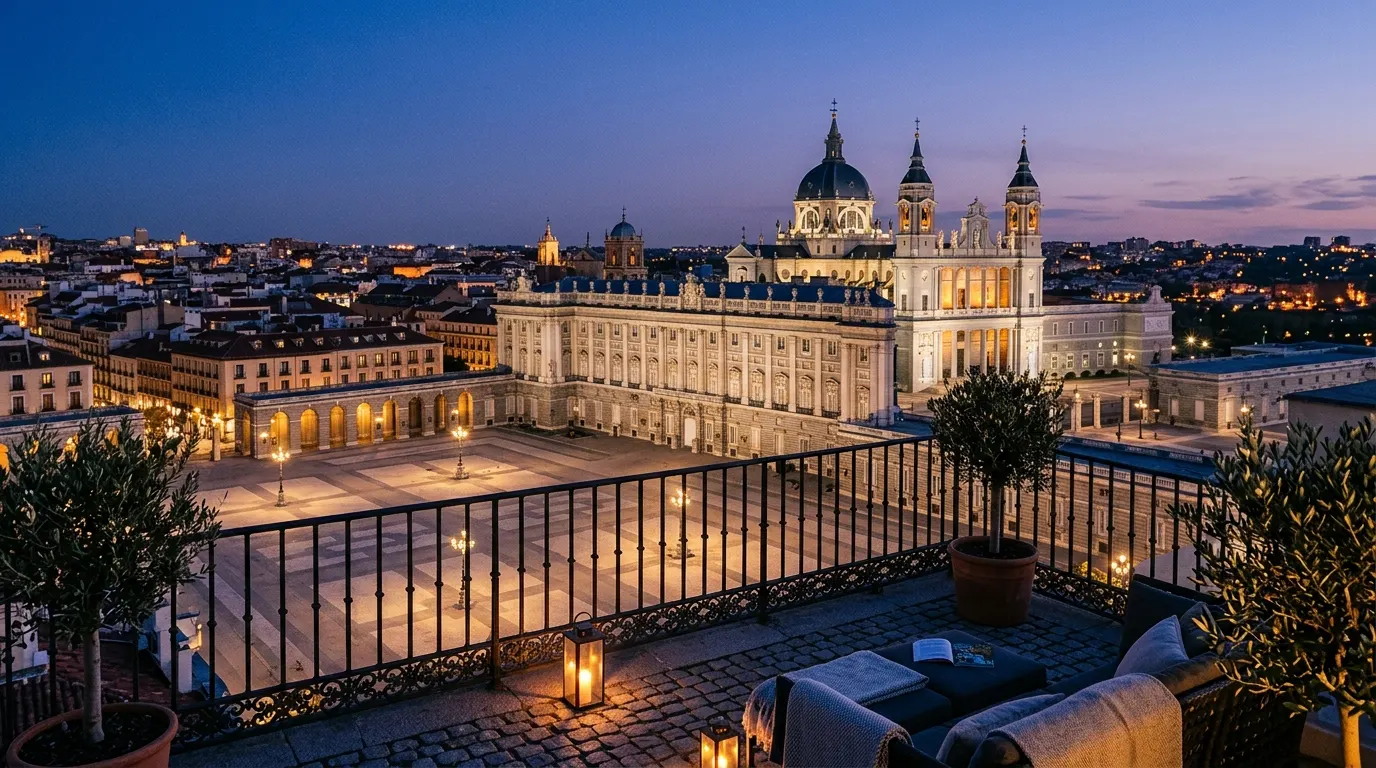
Madrid: The Spanish capital is a winner for the stroller crowd, mostly due to its wide sidewalks and flat, expansive parks. Parque de El Capricho is a stunning, fairytale-like 18th-century estate that feels like a secret garden, perfect for toddlers to safely wander. Stroller accessibility is generally excellent in the main tourist zones.
Porto: Navigating Porto with a stroller is a significant challenge. The steep inclines, abundant staircases, and uneven cobblestones mean you will frequently rely on baby carriers. While the riverside (Ribeira) is flat, getting there from the upper city requires navigating funiculars or steep streets.
Preschoolers (Ages 3-5)
Madrid: Preschoolers will be captivated by the sheer variety of play spaces. Parque Europa (Torrejón de Ardoz) is a massive 233,000-square-meter park featuring 18 impressive scale replicas of European landmarks like the Eiffel Tower and Tower Bridge—it is completely free and provides hours of entertainment. For a cultural treat, Teatro Sanpol is a rare gem dedicated almost exclusively to high-quality children's theater and musicals.
Porto: Preschoolers love the novelty of Porto’s transport. Taking the funicular down to the river, riding the vintage trams, or taking a short "Six Bridges" cruise on a traditional Rabelo boat keeps this age group thoroughly entertained without requiring them to walk too much.
School-Age (Ages 6-10)
Madrid: This is where Madrid truly shines. A Segovia (Day Trip) is mandatory. It is a fairytale excursion featuring a massive Roman aqueduct and a castle (the Alcázar) that inspired Disney's Cinderella. Back in the city, the Museo Sorolla is a wonderful, bite-sized art experience. This former family home and sun-drenched studio is visually engaging and small enough that kids will not experience museum fatigue.
🎟️ Find family-friendly tours & activities →
Porto: School-age kids will enjoy climbing the Arrábida Bridge (with safety harnesses) or visiting the Livraria Lello, the stunning bookstore often associated with Harry Potter. The magical staircase and stained glass ceiling are captivating, though you must book tickets in advance to avoid massive queues.
Tweens and Teens (Ages 11-14)
Madrid: Teens who might roll their eyes at another museum will love Madrid’s unique offerings. Madrid Fly, Europe's largest wind tunnel, offers a safe, high-adrenaline indoor skydiving experience. For problem-solvers, the Escape Room Adolescentes - Fox in a Box Madrid is a top-tier immersive experience with high-production-value puzzles specifically tailored for teens. On weekends, the Mercado de Motores is a vibrant monthly flea market set inside a historic railway museum, where artisan stalls and vintage clothes will thrill fashion-conscious adolescents.
Porto: Teens will appreciate Porto’s incredibly photogenic street art scene and the independence of exploring the trendy Cedofeita neighborhood. Surfing lessons at Matosinhos beach (easily accessible by metro) are a fantastic way to burn off energy.
The Food Scene: Tapas vs Francesinhas
Eating in Madrid with Kids
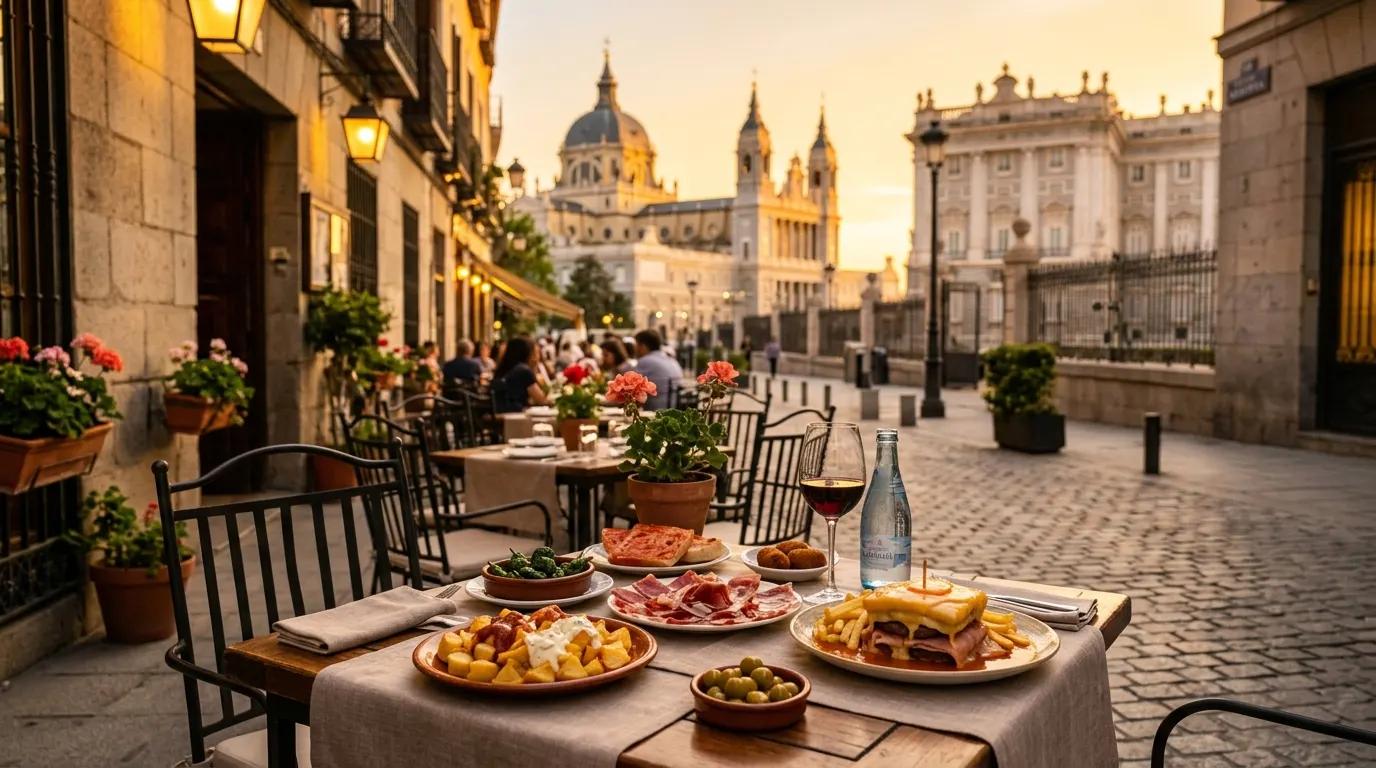
Spanish dining culture is a joy, but the schedule requires adjustment. Since Spanish dinner rarely starts before 8:30 PM, you must embrace the 5:00 PM 'merienda' (afternoon snack). A quintessential stop is Chocolatería San Ginés, a Madrid institution since 1894 serving the city's most famous churros and velvet-thick hot chocolate (around €5.50 / $6 USD per serving).
For a proper meal, tapas are inherently kid-friendly since you can order small plates to share—croquetas (fried bechamel bites), patatas bravas, and jamón are usually instant hits. If you want a memorable sit-down experience, Restaurante Filandón is a high-end rustic retreat on the edge of Madrid that feels like a country estate. It specializes in open-fire grilling and has fantastic outdoor spaces where kids can stretch their legs while you enjoy a lingering Spanish lunch.
Eating in Porto with Kids
Porto’s dining schedule is slightly more forgiving than Madrid’s, with restaurants often opening for dinner by 7:00 PM or 7:30 PM. The star of Porto’s culinary scene for brave eaters is the Francesinha—a massive, layered sandwich of meats, covered in melted cheese, and drowned in a rich tomato-beer sauce, usually served with a mountain of fries. It is intensely heavy, so plan to split one between two kids. For everyday eating, Portuguese bakeries (pastelarias) are a lifesaver, offering cheap, delicious sandwiches and the iconic Pastéis de Nata (custard tarts) for around €1.50 ($1.60 USD) each.
What to Skip in Madrid (and What to Do Instead)
To make the most of your trip, it is vital to know which popular spots simply do not work well for families.
- Museo del Prado (Full Tour): The Prado is an undisputed masterpiece, but it is a massive, high-pressure environment where the 'no touching' and 'be quiet' rules are strictly enforced. For young kids, this is a recipe for a meltdown. Instead: Visit the previously mentioned Museo Sorolla, or if you must see the Prado, focus solely on the Velázquez and Goya rooms for a strict 60-minute visit.
- La Mallorquina: While the pastries at this Puerta del Sol bakery are legendary, the ground floor is a chaotic, standing-room-only scrum where you will spend the entire time shielding your toddler from elbows. Instead: Grab treats from a quieter neighborhood bakery in the Chamberí district.
- Museo de Cera (Wax Museum): This museum is quite expensive (around €21 / $23 USD for adults) for an experience that many find outdated, with several wax figures looking notoriously inaccurate. Instead: Spend your money on interactive fun at the Sweet Space Museum or the Museum of Illusions.
- Corralito de San Ginés (Chocolatería Valor Gran Vía): This Gran Vía outpost is a textbook tourist trap where families pay a 40% premium for factory-made churros. Instead: Stick to the original Chocolatería San Ginés or local neighborhood churrerías.
- Valle de los Caídos (Valle de Cuelgamuros): This is a somber, politically charged memorial carved into a mountain that offers zero engagement for children and requires a complex explanation of Spain’s dictatorial past. Instead: Take the family to El Escorial nearby, which offers fascinating royal history and beautiful gardens.
- Hammam Al Ándalus Madrid: These beautiful Arab baths look tempting after a long day of walking, but this is a strictly adult-oriented relaxation space with a firm policy prohibiting children under 14.
- Cuesta de Moyano & La Chata (Cava Baja): The former is a steep hill of vintage Spanish-language book stalls (boring for non-Spanish-speaking kids), and the latter is a quintessential 'standing room only' tapas bar where finding a spot for a family is near impossible.
Pro Tips from Parents for Madrid and Porto
- Mind the Madrid Metro: Madrid's Metro is efficient, clean, and cheap. However, many older central stations lack elevators. Always check the official Metro map for the wheelchair icon before committing to a route with a stroller; otherwise, you will be hauling it up flights of stairs.
- Beat the Spanish Sun: Between 2:00 PM and 6:00 PM in summer, the Madrid sun is punishing and playground equipment becomes too hot to touch. Retreat to your hotel for a siesta, or visit indoor air-conditioned spaces during these hours.
- Find the Green Crosses: If your child has a minor ailment or needs specific baby supplies in Spain, look for the glowing green neon crosses. Madrid pharmacies are highly trained and can dispense advice and over-the-counter remedies for basic childhood ailments quickly.
- Seek Out Courtyards: For a break from the crowds of Sol or Gran Vía, head to the Conde Duque neighborhood. The massive pedestrianized courtyard of the Cuartel del Conde Duque is entirely enclosed, allowing kids to run freely while you catch your breath.
- Beware the Cobblestones: While charming, the narrow, uneven cobblestone sidewalks of Madrid's Literary Quarter (and almost all of Porto) are a nightmare for strollers. If visiting these areas, a baby carrier is a much better choice.
- Time Your Meals Right: Most authentic local Spanish restaurants don't open their kitchens for the 'Menú del Día' (the affordable, multi-course lunch menu) until 1:30 PM or 2:00 PM. If you try to eat a full lunch at noon, you will be limited to tourist traps.
- Skip the Free Entry Lines: While free entry windows at the Palacio Real in Madrid are tempting, the queues often exceed two hours in the direct sun. For families, paying the standard entry fee to skip the line is money incredibly well spent.
The Verdict: Madrid vs Porto with Kids - Which is Better?
Choosing between these two incredible cities ultimately comes down to your family's travel style. If you want a major metropolitan experience packed with world-class parks, massive theme parks, sweeping day trips, and endless entertainment options for older kids, Madrid is the clear winner. Its flat avenues and stroller-friendly parks make it highly accessible, provided you can adapt to the late dining hours.
Porto, conversely, is perfect for families seeking a visually stunning, slower-paced vacation. It is ideal if your kids are old enough to handle the steep hills (or small enough to be worn in a carrier) and if your idea of a great day involves boat rides, pastries, and wandering romantic, tiled streets rather than checking off a list of major museums.
Whichever you choose, both cities offer warm, family-centric cultures that will make you feel welcome. When weighing madrid vs porto with kids, rest assured that both destinations hold the promise of unforgettable family memories, incredible food, and the kind of cultural immersion that makes traveling with children so deeply rewarding.