Planning a family trip to the Adriatic coast often leads parents to a beautiful but challenging dilemma. You know you want dramatic coastlines, ancient stone cities, and crystal-clear water, but narrowing down the itinerary can feel overwhelming. If you find yourself weighing kotor vs split with kids, you are looking at two of the most spectacular destinations in the region. Both offer rich history, incredible food, and unforgettable scenery, but they deliver drastically different experiences for families.
Split, Croatia, is a bustling coastal hub built around a living Roman palace, offering excellent infrastructure, sandy beaches, and easy ferry connections to islands. Kotor, Montenegro, is a compact, dramatic fjord-like bay surrounded by towering mountains, medieval walls, and a slower, more intimate pace. Choosing between them depends entirely on your family’s travel style, the ages of your children, and what kind of logistics you are willing to manage.
The Great Adriatic Debate: Kotor vs Split with Kids
When looking at kotor vs split with kids, the first thing to understand is scale. Split is a major city. It has an international airport, massive ferry ports, sprawling suburbs, and a highly developed tourism infrastructure. This means you will find large supermarkets, plenty of pharmacies, extensive public transportation, and a wide variety of medical facilities. For parents who prefer having immediate access to modern conveniences, Split provides a very comforting safety net.
Kotor, on the other hand, is a small town nestled deep within the Bay of Kotor. While it has plenty of restaurants and shops within its walls, it feels much more remote. The nearest major airport (Tivat) is small, and getting to Kotor often involves a drive from Dubrovnik or Podgorica. The charm of Kotor lies in its dramatic isolation. The mountains plunge straight into the sea, creating a breathtaking backdrop that feels entirely removed from the modern world. However, this also means fewer large-scale amenities and narrower, winding roads.
Vibe and Accessibility for Strollers and Little Legs
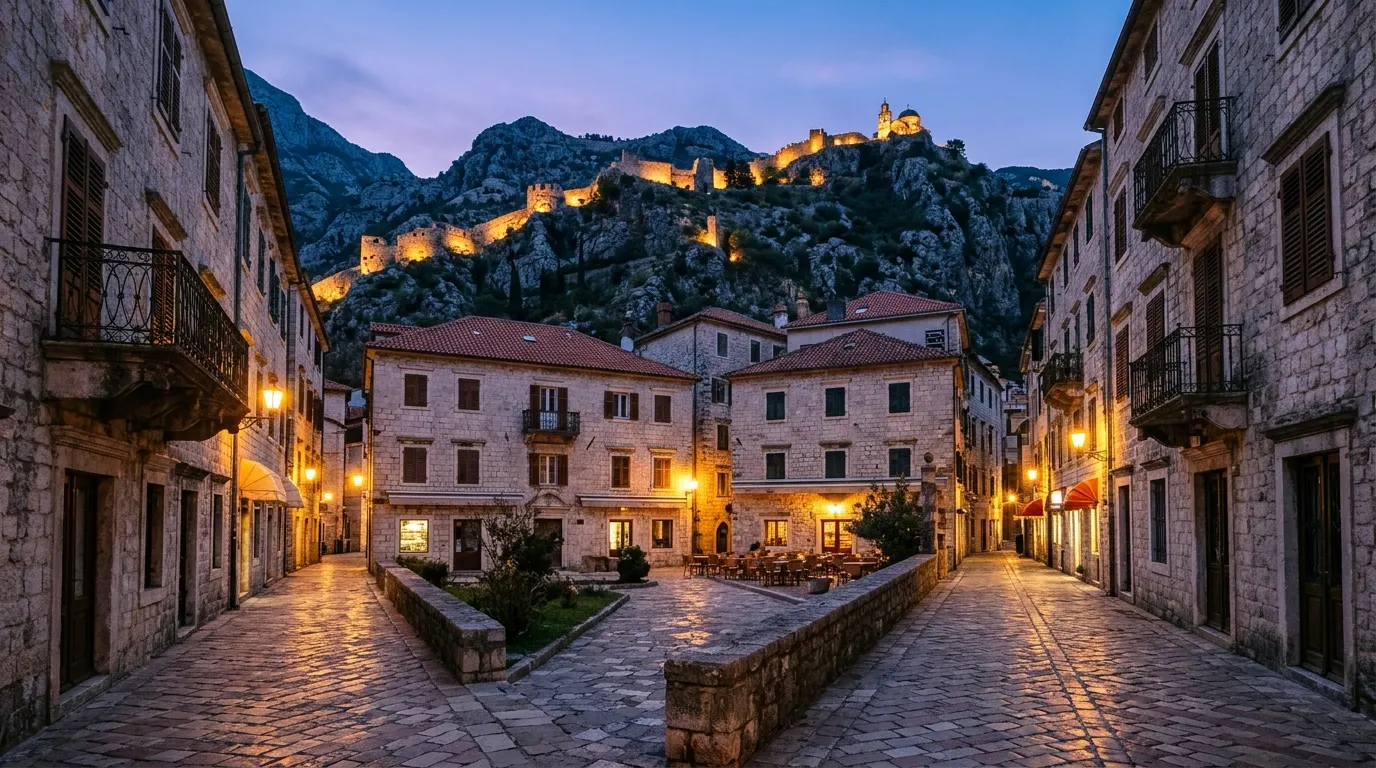
Navigating ancient European cities with young children requires patience, and the accessibility of these two destinations differs wildly.
In Split, the main attraction is Diocletian’s Palace. Unlike many historical ruins, this palace is flat and integrated into the modern city. The main promenade, the Riva, is wide, paved, and incredibly stroller-friendly. You can push a pram from a cafe on the Riva directly into the ancient palace walls without navigating massive staircases. While the inner alleys of the palace are paved with slippery limestone cobblestones that can be bumpy, they are generally manageable for strollers.
Kotor’s Old Town is entirely pedestrian-only, which is fantastic for letting toddlers walk without fear of traffic. The alleys are a maze of smooth stones, charming plazas, and endless roaming cats (which are a massive hit with young children). However, the moment you want to leave the immediate town square, Kotor goes vertical. If your family wants to explore the fortifications or the surrounding mountains, a stroller is useless. You will absolutely need a comfortable baby carrier. Even driving around the bay requires patience; the roads are narrow, and the famous Kotor to Cetinje Road (P1 Serpentine) features 25 dramatic hairpin turns that are stunning but potentially nausea-inducing for prone travelers.
Top Family Activities: What to Do in Kotor
Kotor is all about dramatic nature, ancient defense systems, and getting out on the water. If your kids love outdoor adventures and medieval history, this city delivers.
Conquering the Ancient Fortifications
For active families, the ultimate challenge is climbing the Kotor City Walls (Fortifications of Kotor). This is a grueling but incredibly rewarding 1,350-step vertical climb up the mountainside to the Fortress of St. John (San Giovanni). The path is uneven, exposed to the sun, and entirely stairs.
- Practical Details: Entry costs about 8 EUR (~8.50 USD) per person. In the summer, you must start this hike by 7:30 AM. By 10:00 AM, the heat reflecting off the stones is too intense for children. Bring twice as much water as you think you need. Plan for 2-3 hours round trip. It is completely inaccessible for strollers.
Exploring the Bay by Boat
The absolute best way to experience Kotor with kids is from the water. Booking a Kotor Bay Private Boat Rental (with skipper) allows your family to dictate the pace, avoid crowded group ferries, and stop for swims whenever the kids get hot. A standard tour usually stops at Our Lady of the Rocks (Gospa od Škrpjela), a fascinating man-made island with a blue-domed church and a quirky museum of maritime artifacts that older kids enjoy.
🎟️ Find family-friendly tours & activities →
Cold War History and Active Water Sports
For tweens and teens, Kotor offers some unique excursions. A boat trip out to the Submarine Tunnel (Yugoslav Navy Tunnel, Lustica Peninsula) allows them to see massive, Cold War-era bunkers carved directly into the limestone cliffs. Alternatively, booking with Adriatic Kayak Tours (Kotor) provides a low-stress way to paddle along the bay's calm waters in tandem kayaks, offering a great physical activity that tires them out before dinner.
Top Family Activities: What to Do in Split
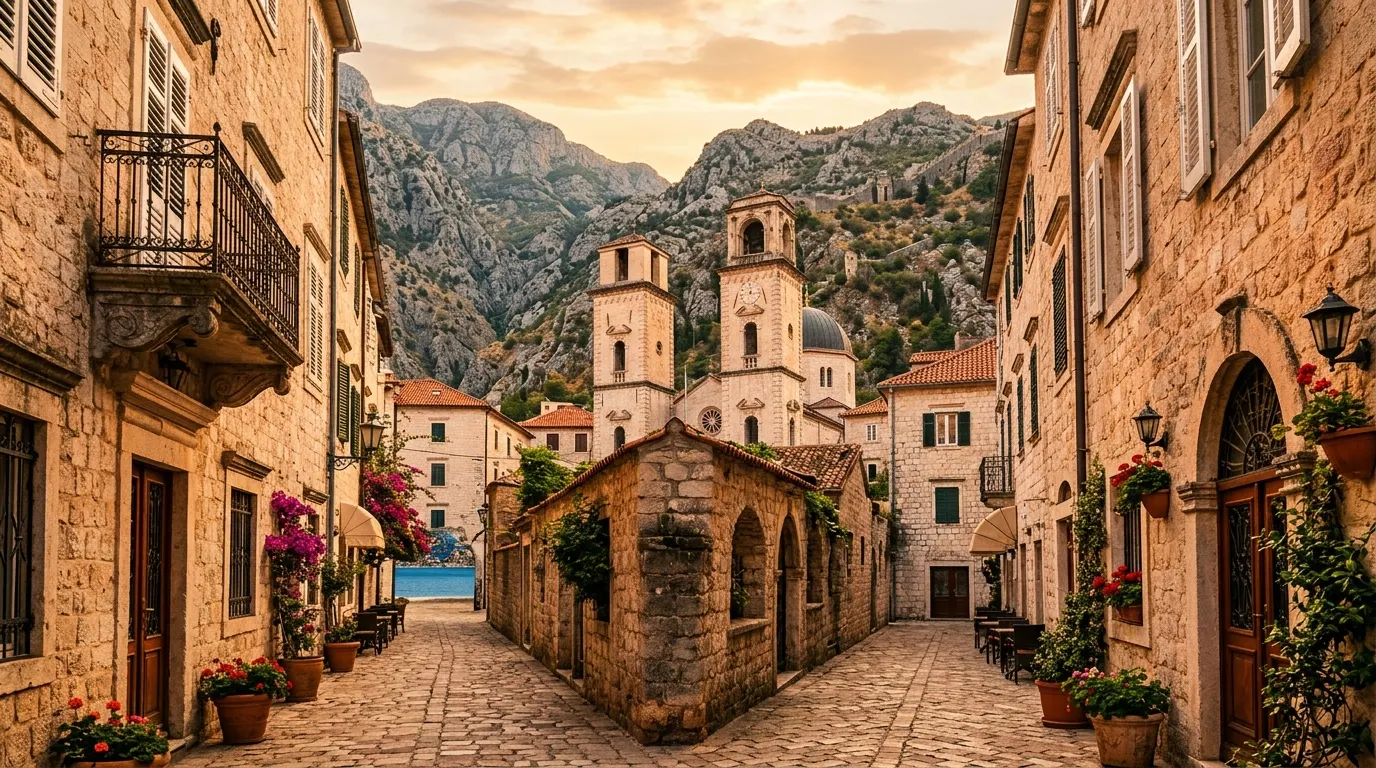
Split offers a fantastic blend of history, expansive parks, and easy day trips. To read more about everything the city has to offer, check out our full City Guide: /city/split.
Diocletian’s Palace and the Underground Cellars
Diocletian’s Palace isn't just a museum; it’s a living neighborhood where locals drink coffee, do laundry, and run shops. Kids love the maze-like quality of the alleys. The highlight for many children is exploring the palace cellars (Podrumi). These cavernous underground rooms are cool on a hot day and famously served as the dragon dungeons in Game of Thrones.
- Practical Details: Entry to the cellars is around 7 EUR (~7.50 USD) for adults, with discounts for kids. They are open daily from 8:00 AM to 8:00 PM. The cellars are relatively flat and easy to navigate with little ones.
Marjan Hill Nature Reserve
When the kids need to burn off energy away from crowds and cobblestones, Marjan Hill is Split’s green lung. Located just west of the Old Town, this massive park features shaded pine forests, wide walking paths, playgrounds, and small chapels carved into the hillside. It’s the perfect place for a family picnic and offers sweeping views of the city and the sea.
🎟️ Book family tickets & skip-the-line tours →
Beach Days: Splashing in Split vs Kotor
If your family’s priority is spending long days building sandcastles and splashing in the sea, your choice between these two destinations becomes much clearer.
Split wins for traditional beach days, particularly for younger kids. Bačvice Beach is located just a 15-minute walk from the Old Town. It is one of the rare sandy beaches in Croatia, and the water stays ankle-to-knee deep for a very long distance. This makes it incredibly safe and relaxing for parents with toddlers. It does get crowded, so arriving early is key. For a quieter, pebble-beach experience, families often head to Kasjuni Beach at the base of Marjan Hill, which offers beautiful clear water and pine shade.
Kotor is not a traditional beach destination. The Bay of Kotor is a ria (a submerged river canyon), meaning the shoreline is mostly concrete docks, rocky outcrops, and small patches of coarse pebbles. Families do swim in the bay, but it lacks the expansive, lounging beaches of Split. If you want a unique swimming experience near Kotor, Ploče Beach is a multi-level beach club carved into volcanic rock, featuring seawater pools that are fun for kids, though it can get busy with adults later in the day.
Navigating Kotor vs Split with Kids by Age Group
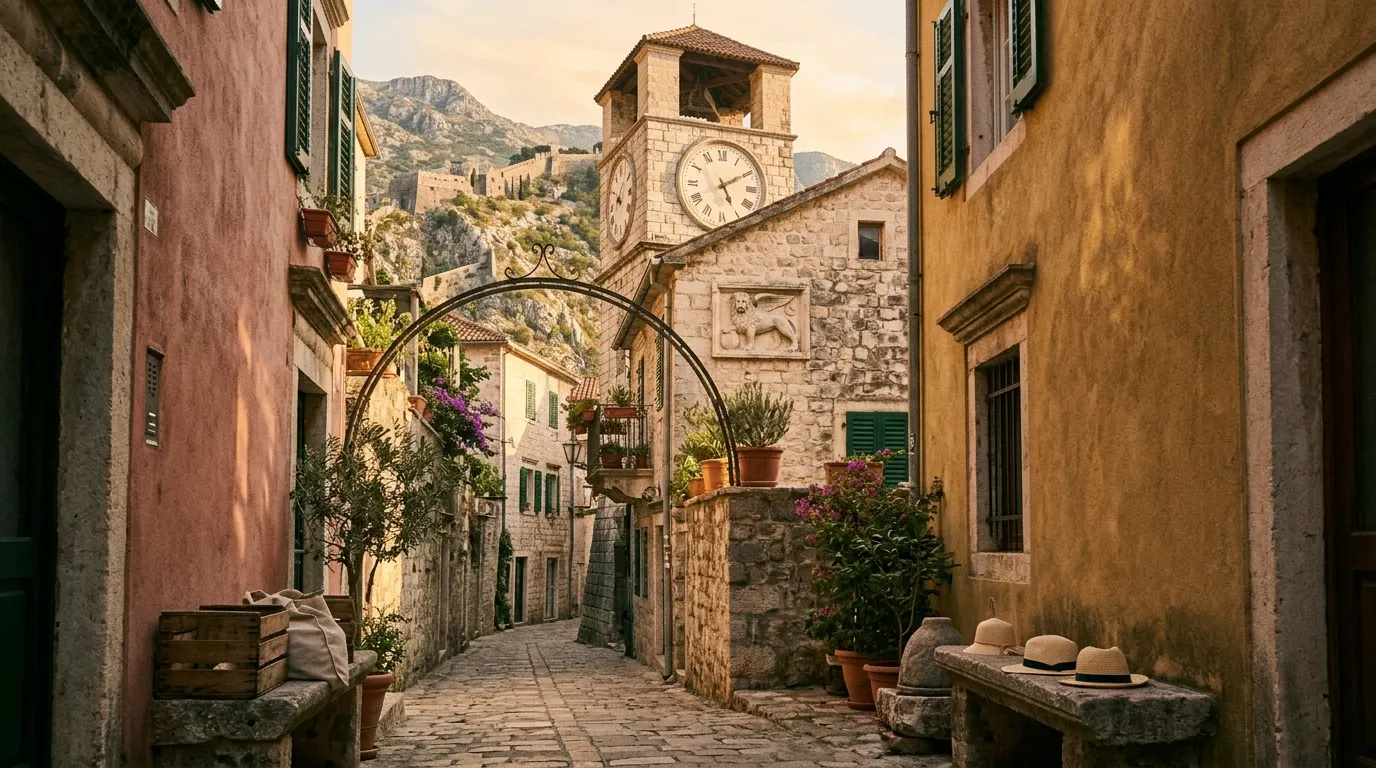
Every age group requires a different approach when traveling, and these two cities cater to different developmental stages in unique ways.
Toddlers (Ages 2-3)
Winner: Split
Toddlers need flat spaces to run, easy access to snacks, and safe, shallow water. Split’s wide Riva promenade is perfect for early morning walks with a stroller. Bačvice Beach provides the sand and shallow water that toddlers thrive in. Kotor’s Old Town is cute for toddlers to chase cats, but the lack of sandy beaches and the vertical nature of the surrounding attractions make it slightly more challenging for this age group.
Preschoolers (Ages 3-5)
Tie
Preschoolers have the stamina for short adventures but still need breaks. In Split, they will love riding the small electric train up Marjan Hill and eating gelato on the Riva. In Kotor, they will be absolutely mesmerized by a private boat tour of the bay. The short, engaging boat rides to islands like Our Lady of the Rocks provide just enough stimulation without requiring them to walk for miles.
School-Age Kids (Ages 6-10)
Winner: Kotor
Kids in this age bracket are usually obsessed with forts, castles, and physical challenges. Kotor is a massive playground for them. They have the leg strength to tackle a portion of the Kotor City Walls (even if you don't go all the way to the top), and they will love the rugged, adventurous feel of the bay. The narrow alleys of the Old Town feel like a treasure hunt, and kayaking in the bay is highly engaging for this age group.
Tweens and Teens (Ages 11-14)
Winner: Kotor
Teens want dramatic scenery for their photos, a sense of independence, and unique activities. Kotor offers a slightly edgier, more adventurous vibe than Split. Teens will appreciate the dark history of the submarine tunnels, the physical challenge of hiking the serpentine trails, and the breathtaking views from the Mausoleum of Petar II Petrović-Njegoš (Njegošev mauzolej) atop Mount Lovćen. Split is great, but Kotor’s dramatic landscape often leaves a stronger impression on older kids.
What to Skip in Kotor and Split with Kids
Not every highly-rated attraction is suitable for families. When planning your itinerary, save your time and money by skipping these spots.
- Budva Main Promenade (Nighttime): If you take a day trip down the Montenegrin coast from Kotor, avoid Budva after 8:00 PM. The promenade transforms into a high-decibel, open-air club scene with overwhelming crowds and aggressive hawkers. It is highly overstimulating for children.
- Mamula Island Fortress: Located at the entrance to the Bay of Kotor, this 19th-century fortress is visually striking but carries a very dark history as a WWII concentration camp. It has recently been converted into a luxury resort, making it an incredibly confusing and heavy place to try and explain to children.
- St. George Island (Sveti Đorđe, Perast): You will see this island right next to Our Lady of the Rocks. However, it is a private Benedictine monastery and cemetery. It is strictly closed to the public, so don't promise your kids you can explore the "creepy island with the trees."
- Split's Late-Night Bar Crawl Zones: The alleys immediately surrounding the main squares in Diocletian's Palace become extremely loud and rowdy with backpackers and bar crawls after 9:30 PM. If you are booking accommodation inside the palace walls, check reviews carefully for noise complaints, or your kids will be kept awake by late-night revelers.
For more details on navigating Montenegro, refer to our comprehensive City Guide: /city/kotor.
Food and Dining Logistics
Feeding kids in both cities is remarkably easy, though the cuisines differ slightly. Both destinations rely heavily on fresh seafood, grilled meats, and Italian influences.
In Split, pizza and pasta are ubiquitous, and you will have no trouble finding familiar foods for picky eaters. Bakeries (pekaras) are on every corner, selling cheap, delicious pastries and fresh bread—perfect for grabbing a quick, 2 EUR breakfast on the way to the ferry port. High chairs are standard in most sit-down restaurants along the Riva.
In Kotor, the Italian influence is also strong, but you will find more hearty Balkan fare, like ćevapi (grilled minced meat sausages) served with flatbread. Portions are generally huge. Because the Old Town is so compact, it’s easy to pop back to your apartment for lunch if eating out for every meal gets exhausting. Note that many restaurants tucked into the narrow alleys of Kotor are tiny; navigating a stroller between the tightly packed tables can be a headache, so dining early (around 6:00 PM) before the dinner rush is highly recommended.
Pro Tips from Parents for the Adriatic Coast
- Invest in Water Shoes: The Adriatic coast is stunning, but it is rocky, and sea urchins are very common in both Split and Kotor. Buy sturdy, rubber-soled water shoes for the whole family before you arrive.
- Understand the Currency: As of 2023, Croatia adopted the Euro, meaning both Split and Kotor (Montenegro uses the Euro unilaterally) operate on the same currency. Always carry 20-30 EUR in coins and small bills; many small bakeries, ice cream stands, and public restrooms do not accept cards.
- Beat the Cruise Ships: Both Split and Kotor are major cruise ship ports. In Kotor especially, the population of the Old Town can triple by 10:00 AM. Do your sightseeing, wall climbing, and palace exploring between 8:00 AM and 10:00 AM, then head out on a boat or to a park when the crowds peak.
- Pack for Slippery Streets: The ancient limestone paving stones in both Diocletian's Palace and Kotor's Old Town have been polished by millions of footsteps over centuries. They are incredibly slick, especially if it rains. Leave the smooth-soled sandals at home and pack sneakers with good grip for the kids.
The Verdict: Choosing Between Kotor vs Split with Kids
Ultimately, making the final call on kotor vs split with kids comes down to the pace you want to set. If you want a vibrant city atmosphere, easy stroller walks, sandy beaches for toddlers, and seamless ferry connections to islands like Hvar and Brač, Split is the clear winner. It offers a low-stress, highly accommodating European vacation.
However, if your kids are slightly older, if you crave dramatic, jaw-dropping landscapes, and if you prefer the idea of spending your days on private boats zipping across a secluded bay and your evenings eating pizza in a quiet, walled medieval town, Kotor is an unforgettable choice. Whichever you choose, the Adriatic coast offers a magical backdrop for family memories that will last long after you've washed the salt water out of your hair.