Deciding between the sparkling Adriatic coastline and the gravity-defying monasteries of mainland Greece is a fantastic dilemma to have. When comparing kotor vs meteora & kalambaka with kids, you are weighing two entirely different types of magic: dramatic coastal fjords and ancient medieval walls versus massive sandstone pillars topped with centuries-old sanctuaries. Both offer unforgettable European adventures for families, but they cater to very different travel styles, physical energy levels, and logistical preferences.
Whether your children are eager to search for stray cats in cobblestone alleys or feel like they are stepping into a fantasy novel among the clouds, choosing the right base for your family vacation requires looking beyond the postcard-perfect photos. We need to look at stroller accessibility, the reality of hiking with toddlers, and what actually keeps teenagers engaged when the novelty of old buildings wears off.
Kotor vs Meteora & Kalambaka with Kids: The Vibe Check
Before diving into the specifics of each destination, it helps to understand the fundamental rhythm of daily life in these two regions. You can find comprehensive details in our Kotor city guide and our Meteora & Kalambaka city guide, but here is how they stack up against each other for a family dynamic.
Kotor, nestled deeply in a fjord-like bay in Montenegro, feels like a Mediterranean fairytale. The Old Town is entirely pedestrian-only, encircled by massive stone walls that plunge right down to the water. The vibe here is relaxed but bustling, heavily focused on the sea. Your days will naturally revolve around boat trips, eating gelato in shaded squares, and swimming in the calm, albeit pebbly, waters of the bay. It is a place where you can easily spend half a day just wandering without a strict itinerary.
Meteora, towering over the town of Kalambaka in central Greece, is a geological marvel that commands awe. The vibe here is much more structured and awe-inspiring. You are visiting a sacred, active monastic community perched on top of vertical rock formations. The focus is on hiking, scenic drives, and exploring the monasteries themselves. It is inherently more rugged and requires more driving and climbing. Kalambaka serves as a functional, welcoming base town with plenty of tavernas, but the main attraction is always looming above you. It is a destination that demands active participation rather than passive lounging.
Why Choose Kotor for Your Family Vacation
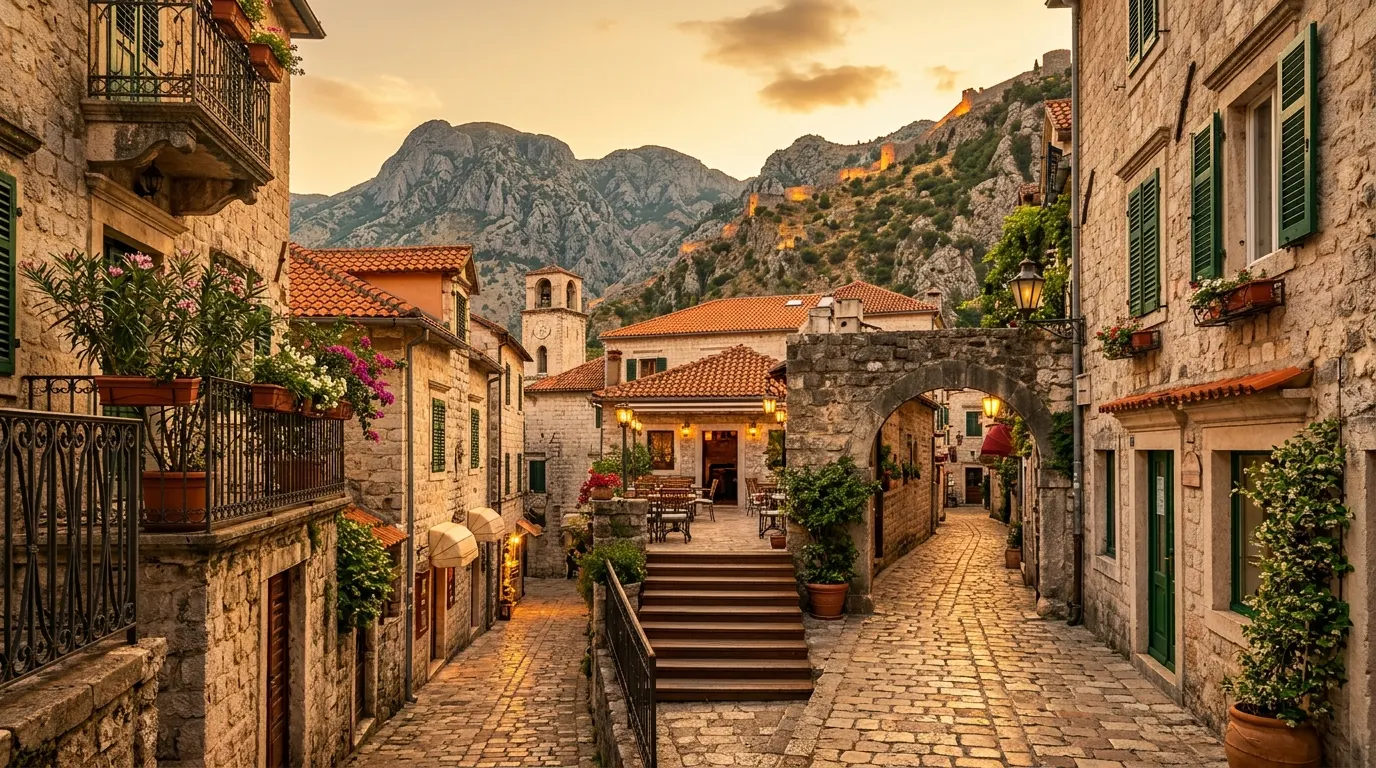
Kotor offers a brilliant mix of history and resort-style relaxation that works wonders for families who need a balance of culture and downtime. The Bay of Kotor is incredibly sheltered, meaning the water is typically as flat as a lake—perfect for younger or more hesitant swimmers.
Boating and Bays
The absolute highlight of Kotor for families is the accessibility of the water. Instead of packing the kids into a hot car to see the sights, you can charter a boat. Booking a Kotor Bay Private Boat Rental (with skipper) allows your family to dictate the pace. You can skip the crowded group ferries, blast your own music, stop for swims whenever the kids get restless, and explore hidden coves. Private speedboats usually cost between 150 EUR and 250 EUR ($160-$270 USD) for a few hours, which, when split among a family, often provides far better value and zero stress compared to buying individual tickets on a packed tourist boat.
🎟️ Book family tickets & skip-the-line tours →
Epic Fortresses and Mountain Drives
For active families, Kotor delivers incredible verticality right out of the town gate. The Kotor City Walls (Fortifications of Kotor) offer a grueling but rewarding 1,350-step vertical climb up the mountainside to the San Giovanni Fortress. It is a physical challenge that older kids and teens love to conquer. If you prefer to let a car do the climbing, the legendary Kotor to Cetinje Road (P1 Serpentine) features 25 dramatic hairpin turns offering world-class views of the Bay. It is a drive that will thrill the kids (though you may want to administer motion sickness medication beforehand).
Why Choose Meteora & Kalambaka for Your Family Vacation
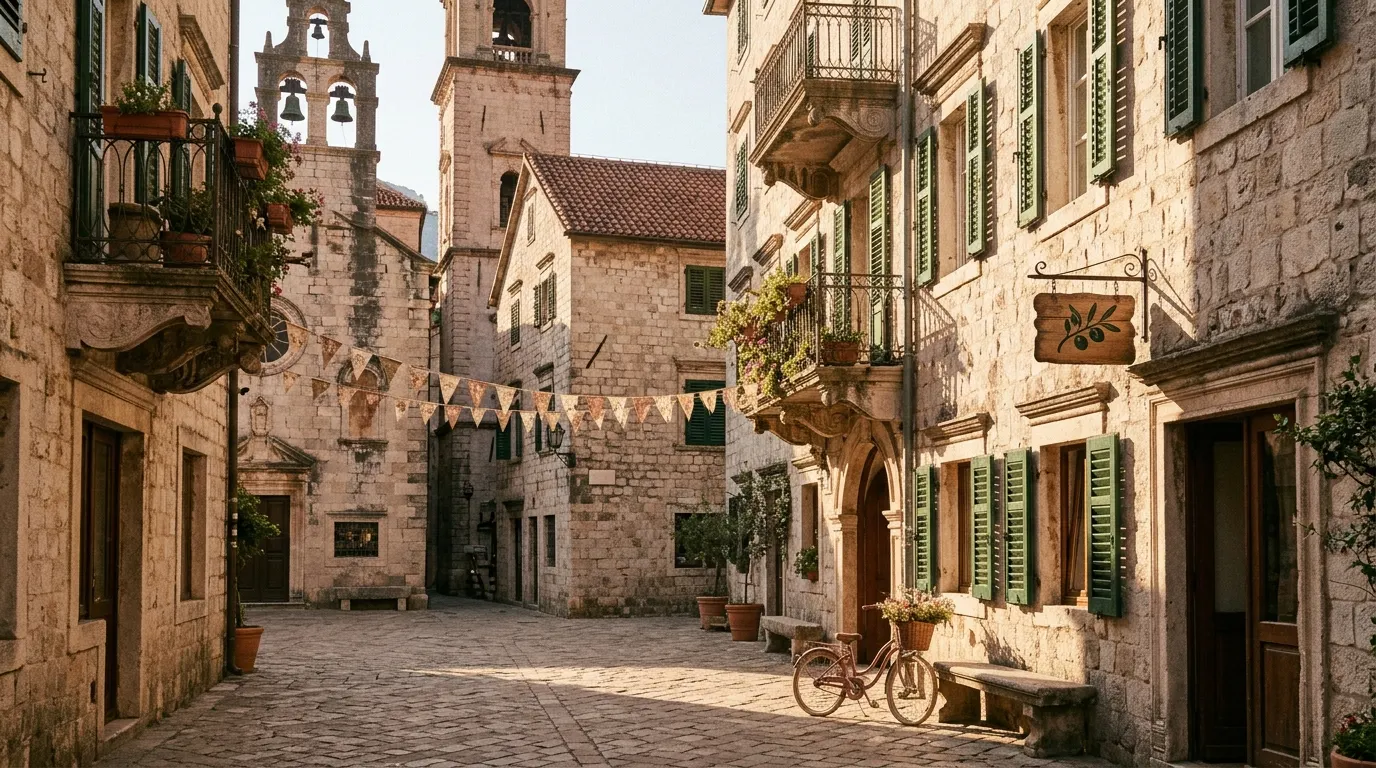
If your family prefers mountains to beaches, and hiking boots to water shoes, Meteora is a bucket-list destination that actually lives up to the hype. It is entirely unique, looking more like a backdrop from Avatar or Lord of the Rings than a typical European countryside.
Floating Monasteries
The sheer scale of the rock pillars in Meteora leaves kids of all ages completely speechless. Visiting the monasteries—like Great Meteoron or Varlaam—involves crossing bridges over deep chasms and climbing stairs carved directly into the stone. It sparks massive curiosity about history and engineering. How did monks build these hundreds of years ago without cranes? The visual impact is immediate and lasting, making it a highly engaging historical site even for kids who normally groan at the word "museum."
🎟️ Find family-friendly tours & activities →
Accessible Hikes and Nature
While you can drive between the monasteries, families with energetic kids can take the ancient monopatia (monk trails) that weave through the forest at the base of the rocks. Hiking from Kalambaka up to the Holy Trinity monastery is a fantastic way to burn off energy. The trails are shaded, atmospheric, and offer a sense of adventure that you simply cannot get from staring out of a tour bus window.
Kotor vs Meteora & Kalambaka with Kids: Age-by-Age Breakdown
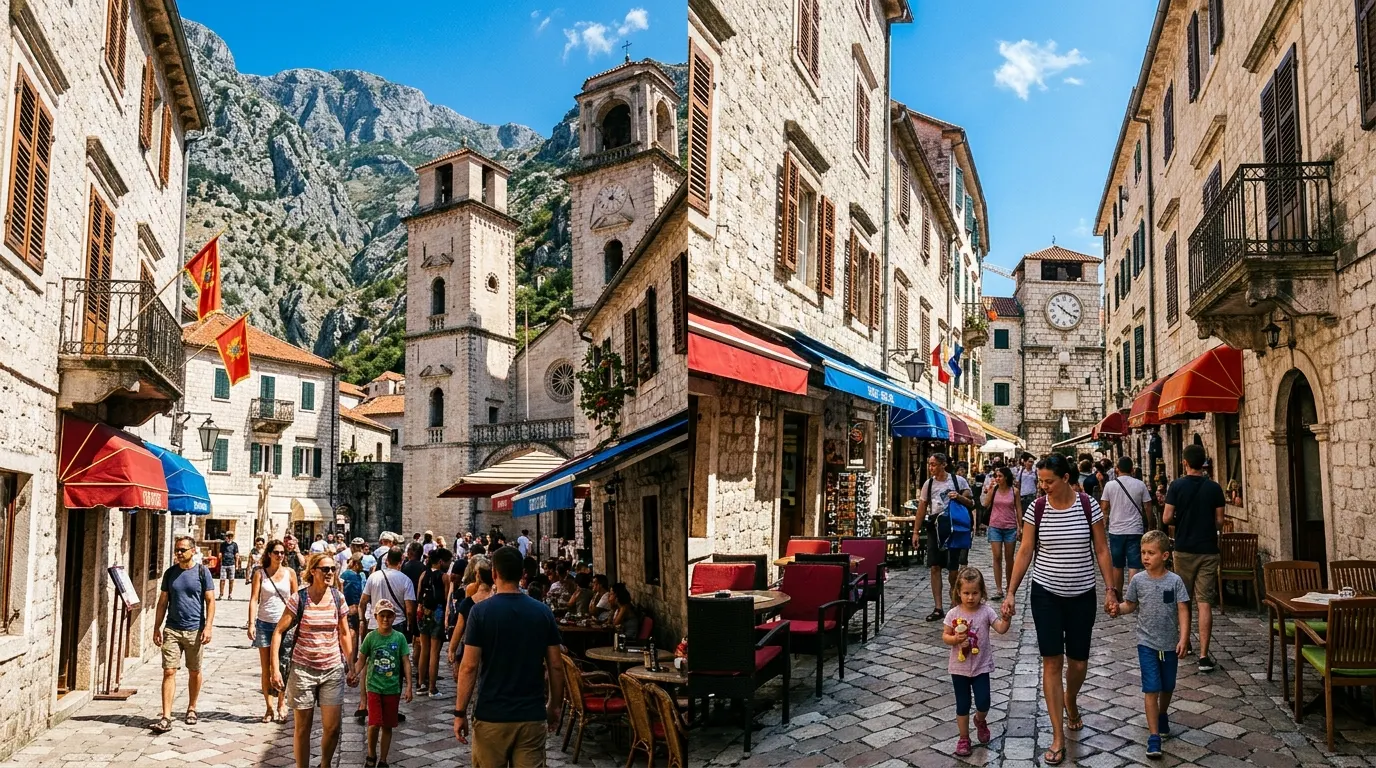
Every age group travels differently, and what works for a teenager will often result in a meltdown for a toddler. Here is how both destinations cater to specific age brackets.
Toddlers (Ages 2-3)
Kotor: The Old Town of Kotor is a huge win for toddlers. It is flat, entirely paved in smooth stone, and completely car-free. You can push a stroller easily, and toddlers can safely toddle through the squares. The famous Kotor cats are everywhere, providing endless free entertainment for two-year-olds.
Meteora: This is a much tougher destination for the toddler crowd. Strollers are virtually useless at the monasteries due to the hundreds of uneven stone steps. You will absolutely need a comfortable, ergonomic baby carrier. The viewpoints also have sheer drops, requiring strict hand-holding and constant vigilance.
Preschoolers (Ages 3-5)
Kotor: Preschoolers love the gentle boat rides and the calm beaches. Mirišta Beach is a sophisticated, smaller alternative to the busier spots, featuring incredibly clear water where little ones can splash safely. They will also love looking for the "secret" passages in the Old Town.
Meteora: Four and five-year-olds will be amazed by the "castles in the sky," but they will likely tire out quickly on the stairs. You will need to pace yourself, visiting perhaps only one or two monasteries a day, and spending the rest of the time enjoying the local playgrounds and bakeries in Kalambaka.
School-Age Kids (Ages 6-10)
Kotor: This age group thrives in Kotor. They are old enough to handle tandem kayaks on the bay. Booking with Adriatic Kayak Tours (Kotor) offers a family-friendly, low-stress way to explore the water with guided support. They are also the perfect age to tackle a portion of the Fortress of St. John (San Giovanni) climb—just bribe them with gelato for the way down.
Meteora: This is the sweet spot for Meteora. Kids this age have the stamina to climb the monastery stairs and hike the forest trails. The mythology and history of Greece start to resonate with them, and the dramatic landscapes fuel their imaginative play.
Tweens and Teens (Ages 11-14)
Kotor: Teens will appreciate the freedom of Kotor. They can safely wander the walled town independently. For a massive "cool factor," take them to the Submarine Tunnel (Yugoslav Navy Tunnel, Lustica Peninsula). This massive, Cold War-era submarine bunker carved directly into the limestone cliffs feels like a villain's lair from a spy movie. Teens also love Ploče Beach, a unique multi-level beach club carved into volcanic rock with several seawater pools that offer a very upbeat, lively atmosphere.
Meteora: Teens will love the rugged outdoor activities available around Kalambaka, such as guided scrambling tours, e-bike rentals, and rock climbing. The imposing landscapes provide incredible backdrops for their photos, and the physical challenge of hiking the highest peaks keeps them engaged.
Must-Do Family Activities in Kotor
If you lean toward the Montenegrin coast, you will want to build an itinerary that balances the mountains with the sea.
Exploring the Bay and Shrines
Getting out on the water is non-negotiable. While on a boat tour, make sure to stop at Our Lady of the Rocks (Gospa od Škrpjela). This legendary man-made island features a stunning blue-domed church and a small museum filled with quirky maritime artifacts that kids find fascinating—including a tapestry woven partly from a woman's own hair.
If your family prefers to paddle under their own power, Kotor Bay Kayaking (Adventure Montenegro - kayak tours) provides excellent independent rentals and guided routes that stay close to the shoreline, keeping you out of the way of large cruise ships.
Chasing Views and Heights
Beyond the immediate city walls, the mountains surrounding Kotor hold incredible adventures. The Ladder of Kotor (Scala di Cattaro / Serpentine Road to Krstac) is a historic, zigzagging mountain trail offering the most iconic, bird's-eye views of the Bay. It is a historic path once used to connect Kotor to the old royal capital.
Further inland, you can drive up to the Mausoleum of Petar II Petrović-Njegoš (Njegošev mauzolej) (also known as the Njegos Mausoleum (Njegošev mauzolej)). Perched atop the second-highest peak of Mount Lovćen, you reach this dramatic stone monument via a 461-step tunnel carved directly into the mountain peak. It is dark, echoey, and thrilling for kids to walk through, leading to a viewing platform where you can see half of Montenegro on a clear day.
Inland Day Trips
If you want to experience a monastery that rivals Meteora's drama, take a day trip to the Monastery of Ostrog. It is a breathtaking 17th-century Serbian Orthodox monastery carved directly into a vertical cliff face. For a quick nature stop closer to the bay, pull over at the Sopot Waterfall (Vodopad Sopot, Risan), a dramatic seasonal waterfall that plunges from a cliffside cave into a turquoise pool right next to the road (best seen in spring or after heavy rain).
What to Skip in Kotor: Tourist Traps and Overhyped Spots
Not everything in Montenegro is perfectly suited for a family itinerary. Knowing what to bypass will save your budget and your patience.
- Dukley Beach Club: While the setting is undeniably high-end and beautiful, the entry fees often exceed 100 EUR just for a set of sunbeds. With kids who want to build sandcastles and splash around, spending this much on a formal beach club environment where you have to constantly ask them to keep their voices down is simply not worth it.
- St. George Island (Sveti Đorđe, Perast): You will see this island right next to Our Lady of the Rocks, but it is a "look but don't touch" destination. The island is a private Benedictine monastery and is strictly closed to the public. Don't promise the kids they can explore it, because you can only boat past it.
- Mamula Island Fortress: This 19th-century fortress carries a dark history as a WWII concentration camp. It has recently been redeveloped into a luxury hotel, creating a jarring contrast that is difficult to explain to children and generally carries a very heavy vibe for a family day out.
- Budva Main Promenade (Nighttime): If you venture down to Budva, leave before the sun sets. After 9 PM, this area transforms into a high-decibel, open-air club scene with overwhelming crowds, aggressive promoters, and an atmosphere entirely unsuited for children.
- Restaurant 360 (Budva) and Casino Avala: Skip these fine-dining and 18+ entertainment venues. Restaurant 360 has a stiff atmosphere where kids will feel out of place, and the casino is a windowless, smoky environment entirely off-limits to families.
- Letrika Craft Beer Bar (Kotor) and Maritime Museum Library: Letrika is a cramped, adult-oriented bar with no food menu for hungry kids. The Maritime Museum Library (distinct from the main museum) is a specialized research facility for scholars, offering nothing engaging for children.
Pro Tips from Parents for Both Destinations
1. Beat the Heat and the Crowds: Whether you are climbing the 1,350 steps of Kotor's city walls or ascending the stone staircases to Great Meteoron, you must start early. By 10:30 AM in the summer, both the Mediterranean sun and the tour bus crowds become oppressive. Aim to be at the gates by 8:00 AM.
2. Mind the Dress Codes: Both the monasteries in Meteora and the churches in Kotor (like Our Lady of the Rocks) are active religious sites. Adults and older teens must have shoulders and knees covered. In Meteora, women are traditionally required to wear skirts (wrap skirts are usually provided at the entrance, but bringing your own lightweight scarf to tie over shorts is a smart parent hack).
3. Footwear is Crucial: Do not attempt either destination in flimsy sandals. Kotor's Old Town is paved with ancient limestone that has been polished to a slippery sheen over centuries, and the fortress trails are loose gravel. Meteora requires sturdy walking shoes for the uneven monastery steps and dirt hiking trails.
4. Pack Your Own Snacks: Once you are high up on the rocks in Meteora or halfway up the mountain in Kotor, your food options drop to zero. Bring a backpack loaded with water, high-protein snacks, and some localized bribery (baklava in Greece, local cookies in Montenegro) to keep energy levels up during the climbs.
5. Understand the Currency: Despite not being in the European Union, Montenegro unilaterally adopted the Euro as its currency. Greece, of course, also uses the Euro. This makes comparing prices between the two destinations very straightforward. Always carry small coins for public restrooms and minor tips.
The Final Verdict: Kotor vs Meteora & Kalambaka with Kids
Choosing between these two incredible regions ultimately comes down to your family's travel style. If your ideal vacation involves hopping on and off boats, wandering through pedestrian-friendly medieval streets, and mixing historical sights with beach days, Montenegro is calling your name. However, if your family thrives on active outdoor adventures, dramatic landscapes, and the physical challenge of exploring ancient mountaintop sanctuaries, central Greece will blow you away.
When debating kotor vs meteora & kalambaka with kids, there is truly no wrong answer. Both destinations require a bit of physical effort, but both reward families with the kind of awe-inspiring, larger-than-life memories that standard resort vacations simply cannot match. Pack your comfortable walking shoes, prepare for some epic views, and get ready for an unforgettable family adventure.