Choosing your next European family vacation often means balancing the desire for stunning natural scenery with the need for walkable, stroller-friendly infrastructure. When narrowing down options in the Balkans, many parents find themselves weighing the dramatic coastal fjords of Montenegro against the ancient, park-filled streets of Bulgaria’s cultural capital. If you are currently debating Kotor vs Plovdiv with kids, you are looking at two vastly different but equally spectacular destinations that cater to completely different travel styles.
Kotor offers staggering mountains dropping straight into the sea, boat rides to island churches, and a maze-like Old Town filled with friendly stray cats. Plovdiv, on the other hand, boasts the longest pedestrian street in Europe, incredible Roman ruins right in the middle of modern shopping districts, and expansive, shaded parks that feel custom-built for energetic toddlers.
Whether you are seeking high-seas adventure or a relaxed, culture-rich city break, both Kotor and Plovdiv have incredible merits. Here is a deep dive into how these two Balkan gems compare when you have little ones in tow.
The Vibe Check: Kotor vs Plovdiv with Kids
Understanding the daily rhythm of these cities is crucial for setting your family’s expectations. The way you navigate the streets, find your meals, and plan your afternoons looks very different depending on which destination you choose.
Kotor: Coastal Drama and Medieval Charm
Kotor is visually arresting. The moment you arrive, the towering limestone cliffs and the shimmering bay demand your attention. The entire Old Town is a UNESCO World Heritage site, enclosed by massive stone walls. For kids, it feels like stepping into a pirate movie or a fantasy kingdom. The town is entirely pedestrianized, which is a huge relief for parents, but the narrow, polished cobblestone streets can get incredibly crowded during peak summer months when cruise ships dock.
The vibe here is active and maritime. Your days will likely revolve around the water—ferries, speedboats, and pebble beaches—or gazing down at the bay from mountain vantage points. Because the town is wedged between the water and the mountains, space is at a premium, meaning parks and large open playgrounds are scarce. Instead, the Old Town itself becomes the playground, especially for kids who love spotting the hundreds of well-fed, friendly stray cats that call Kotor home.
Plovdiv: Relaxed Parks and Ancient History
Plovdiv operates on a completely different frequency. As the oldest continuously inhabited city in Europe, history is layered everywhere, but it never feels stuffy. The city is famous for its "aylyak" lifestyle—a Bulgarian untranslatable word that essentially means taking it easy, living in the moment, and refusing to rush. This is music to a parent's ears.
The city center features an exceptionally long, wide, and flat pedestrian zone lined with cafes, gelato shops, and fountains. You can walk for miles without worrying about cars. While Kotor forces you to look up at the mountains, Plovdiv invites you to spread out in its massive green spaces, like Tsar Simeon’s Garden, which is packed with modern playgrounds, shaded benches, and wide paths perfect for strollers. The pace is slower, the crowds are generally less intense (save for local festivals), and the atmosphere is deeply family-oriented.
Top Family Activities: Comparing the Highlights
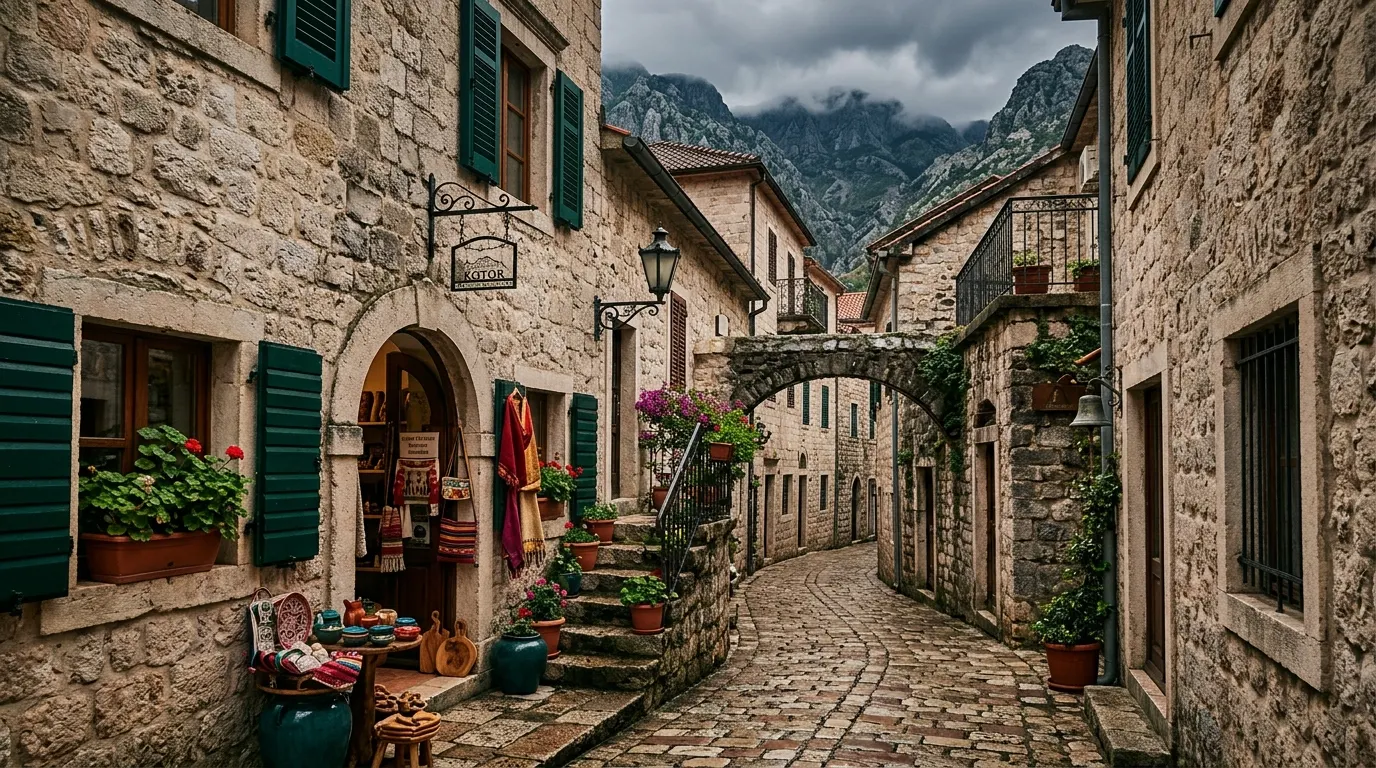
When evaluating Kotor vs Plovdiv with kids, the daily itinerary is where the biggest differences emerge. Kotor leans heavily into outdoor exploration and boat trips, while Plovdiv shines in accessible history and urban play.
Conquering Kotor's Heights and Bays
In Kotor, the water is your best friend. Booking a Kotor Bay Private Boat Rental (with skipper) is one of the best investments you can make for your family. Ditching the crowded group ferries means you set the pace. If your toddler needs a nap or your tween wants to swim longer, you have the flexibility. A standard two-hour private tour usually costs around €120-€150 ($130-$160 USD), which often balances out favorably against buying four or five individual tickets on a larger, inflexible tourist boat.
🎟️ Find family-friendly tours & activities →
You’ll also want to take the LADY OF THE ROCKS BOAT TAXI (Perast boatmen at the pier) out to the iconic island church. The boat ride is short enough (about 10-15 minutes) to keep even the most impatient preschooler entertained, and the island itself is small and safe to wander.
For older, highly active kids, the Fortress of St. John (San Giovanni) is the ultimate challenge. This is a grueling 1,350-step climb up the mountain directly behind the Old Town. It is strictly for kids who are confident walkers (ages 7 and up) or babies in sturdy ergonomic carriers. Do not even attempt this with a stroller. Start at 7:00 AM during the summer to beat the brutal heat and the crowds. The entry fee is €8 ($8.50 USD), and the views from the top are the best in the country.
Time Traveling in Plovdiv
Plovdiv’s activities are much more integrated into a casual city stroll. The absolute highlight is the Ancient Theatre of Philippopolis. Unlike many ruins that are roped off, this beautifully preserved Roman amphitheater is highly accessible. Kids love standing on the stage and testing the incredible acoustics, pretending to be gladiators or actors. Entry is around 5 BGN ($2.80 USD), making it a highly affordable outing.
🎟️ Book family tickets & skip-the-line tours →
The Kapana (The Trap) district is another must-do. This revitalized neighborhood is a maze of pedestrian streets filled with colorful flags, street art, and artisan shops. It is highly stroller-friendly, though the cobblestones can be slightly bumpy. It’s the perfect place to grab a traditional banitsa (cheese pastry) and let the kids lead the way through the winding alleys.
Adventure and Nature: The Great Outdoors
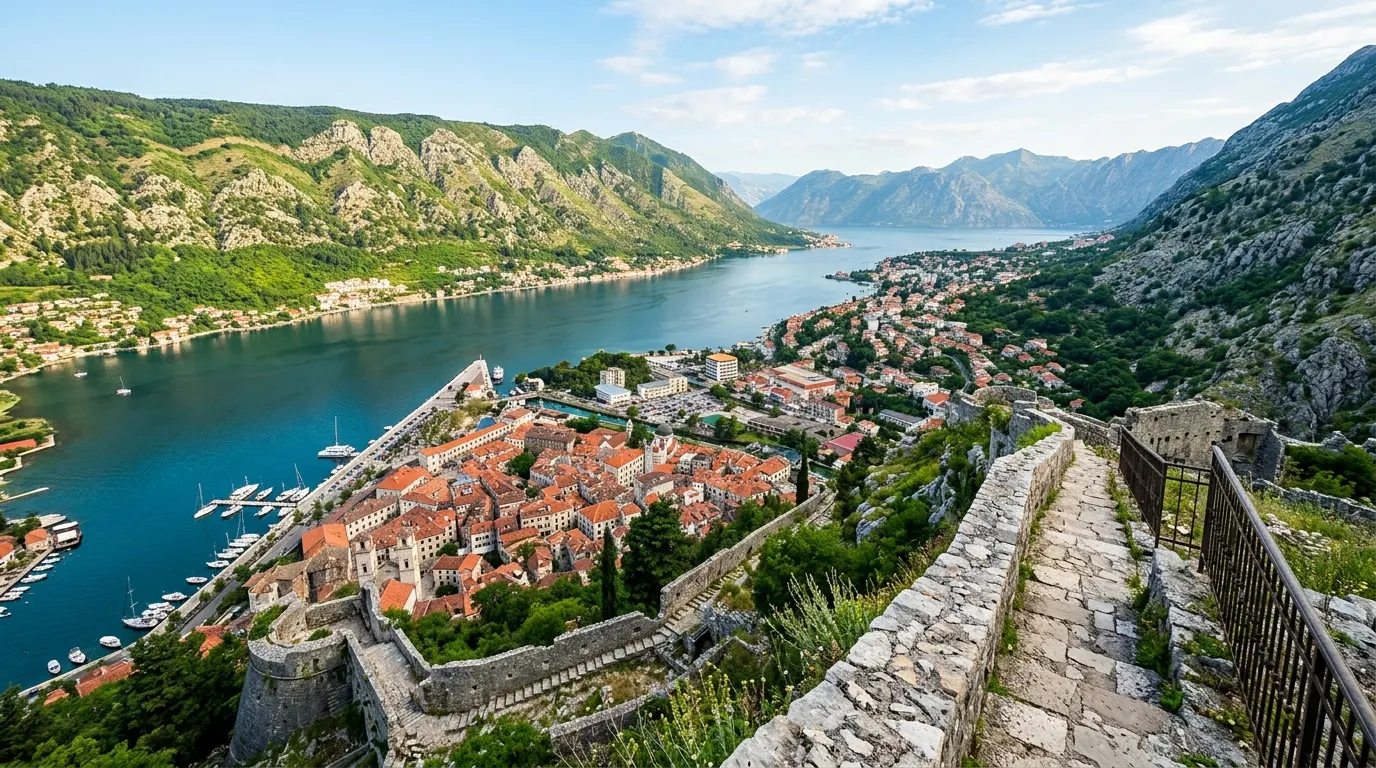
Both cities offer excellent access to nature, but the type of nature dictates the kind of gear you need and the energy required.
Kotor's Mountain Escapes
Kotor is surrounded by dramatic peaks. If your family loves a road trip, driving the Kotor to Cetinje Road (P1 Serpentine) is legendary. Featuring 25 hairpin turns, the views are world-class. However, if your children are prone to car sickness, you must pack medication and take it slow—this road is not for the faint of stomach.
At the top, you can visit Adventure Park Lovćen, tucked into the cool, pine-scented air of Lovćen National Park. This high-ropes course is brilliant for escaping the coastal heat. They have 10 different trails catering to ages 5 and up. Expect to pay around €15-€25 ($16-$27 USD) depending on the child's age. It’s a fantastic way to burn off energy in a shaded environment.
For a unique historical adventure, hire a boat to explore the Submarine Tunnel (Yugoslav Navy Tunnel, Lustica Peninsula). These massive, Cold War-era bunkers carved directly into the limestone cliffs feel like a secret villain's lair. Kids are usually mesmerized by the sheer scale and the echoing acoustics inside.
Plovdiv's Seven Hills and Canals
Plovdiv is famously built on seven syenite hills (though only six remain). Climbing Nebet Tepe offers panoramic views of the city and is a much easier, shorter ascent than Kotor’s fortress—perfect for a sunset picnic with younger kids.
For flat, easy outdoor recreation, the Grebna Baza (Rowing Canal) is Plovdiv’s outdoor hub. This massive artificial lake is surrounded by miles of perfectly paved, flat paths. It is the ultimate spot for renting bicycles, pushing a stroller in peace, or letting toddlers run wild without worrying about traffic or uneven cobblestones. There are plenty of cafes lining the canal where parents can grab a coffee while keeping an eye on the kids.
Beach Days vs City Play: Handling the Heat
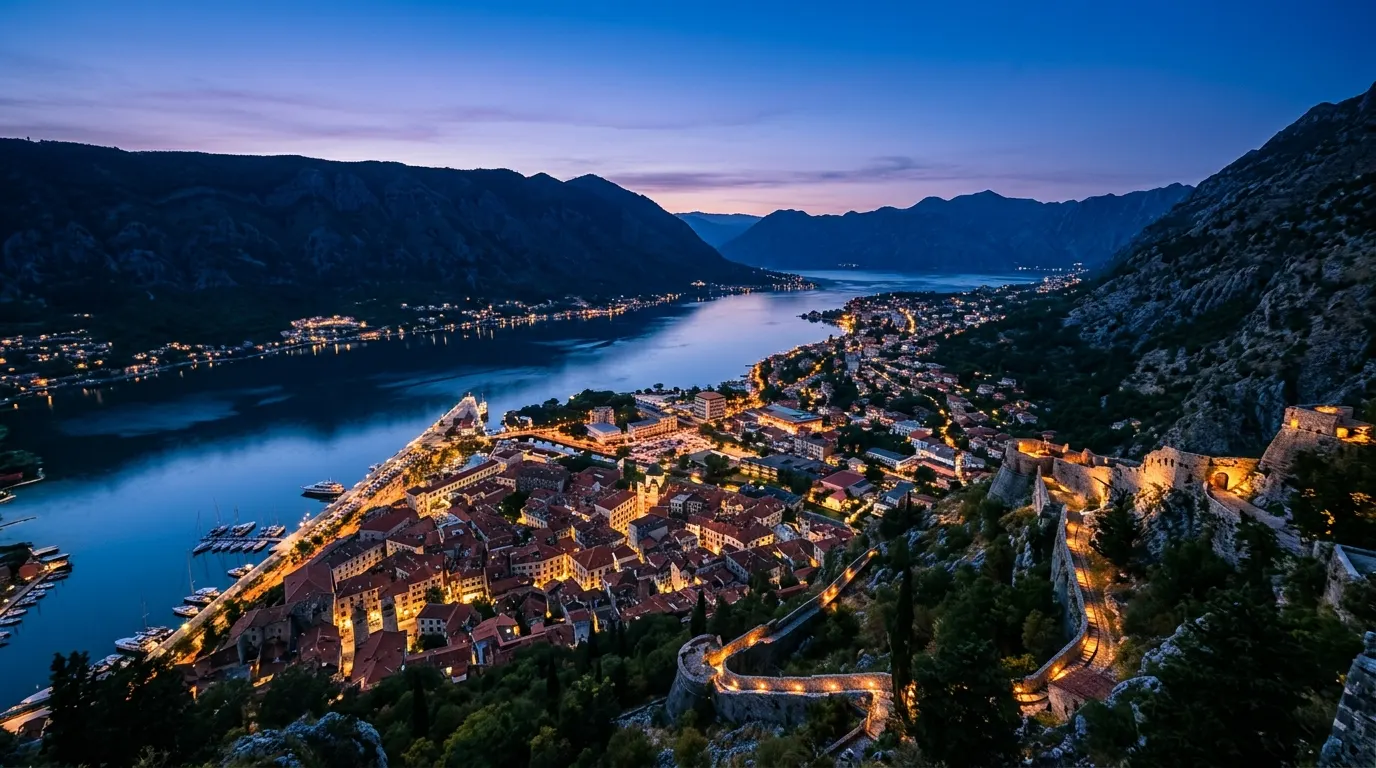
Summer in the Balkans gets incredibly hot. How you cool down will heavily influence your enjoyment of these cities.
Kotor's Pebble Beaches and Pools
The Bay of Kotor is not known for sprawling sandy beaches; instead, expect small pebble coves and concrete swimming platforms. Water shoes are an absolute necessity for the whole family. If you want a fun, structured swimming day, Ploče Beach is a unique multi-level beach club carved into volcanic rock. It features several seawater pools, which are much easier for toddlers to manage than the open bay.
If you are craving a highly sanitized, stress-free beach environment with pristine facilities, drive out to the Luštica Bay (resort complex). It’s a purpose-built luxury village with excellent, calm water access, though you will pay premium prices for food and sunbeds here.
Plovdiv's Waterparks and Fountains
Since Plovdiv is entirely landlocked, locals beat the summer heat at municipal pools and waterparks. Aqualand Plovdiv is a massive hit with kids of all ages, featuring multiple slides, wave pools, and dedicated toddler splash zones. Entry is around 25-30 BGN ($14-$17 USD), making it a very affordable full-day activity.
Within the city, Tsar Simeon’s Garden features the famous Singing Fountains. During the day, it’s a beautiful spot to relax, and on summer evenings, the fountains light up and dance to music, which is a magical, free experience that captivates younger children.
Age-by-Age Guide to Both Cities
Toddlers (2-3 Years)
Kotor: Can be challenging. The Old Town is pedestrian-only, which is great, but the cobblestones are rough on lightweight strollers. The lack of traditional playgrounds in the center means you have to get creative. Boat rides and cat-spotting are your best bets.
Plovdiv: A toddler paradise. The massive pedestrian main street is smooth and wide. Tsar Simeon’s Garden has excellent, modern playgrounds. You can spend hours just walking and playing without ever needing to strap them into a car seat.
Preschoolers (3-5 Years)
Kotor: They will love the novelty of the "pirate" town and boat trips to islands. The beaches require water shoes, but splashing in the shallow pebble coves is fun.
Plovdiv: The Singing Fountains and the Kapana district are highly engaging. They are old enough to climb around the lower levels of the Roman Amphitheatre safely. The Rowing Canal is perfect for renting a family quad-bike.
School-Age (6-10 Years)
Kotor: This is where Kotor really starts to shine. Kids this age can handle the Ladder of Kotor (Scala di Cattaro) or portions of the city walls. They will love the Submarine Tunnel and the high ropes at Lovćen.
Plovdiv: History comes alive here. They can learn about gladiators at the Roman stadium (which literally sits underneath the modern shopping street). Aqualand is a massive draw for this age group.
Tweens and Teens (11-14 Years)
Kotor: Highly appealing. The dramatic scenery, the physical challenge of the 1,350-step fortress climb, and the independence of exploring the safe, enclosed Old Town make it a great destination. They will also appreciate the photogenic nature of the bay.
Plovdiv: The Kapana district’s street art, trendy cafes, and vintage shops are perfect for teens. It feels cool, authentic, and slightly off the beaten path compared to standard Western European destinations.
What to Skip in Kotor and Plovdiv
Not every highly-rated tourist attraction is suitable for families. Here is what to avoid to save your sanity and your wallet.
Kotor Skips
- Perast Bell Tower: While the views are lovely, the climb involves navigating incredibly narrow, steep, and slippery stone stairs with dangerously low railings. It is a nightmare with a baby carrier and terrifying with unpredictable toddlers. Skip the climb and enjoy the view from the square below.
- Sveti Stefan Public Beach (Queen's Beach / Kraljičina Plaža): The cost-to-value ratio here is abysmal for families. Sunbed rentals often exceed €100 ($110 USD) in peak season, and the sand isn't significantly better than free or cheaper options elsewhere on the coast.
- Mamula Island: What was once a rugged historical fortress to explore has been transformed into an ultra-exclusive luxury resort. Furthermore, its dark history as a WWII concentration camp makes it an inappropriate and uncomfortable leisure stop for families.
- Budva Main Promenade (Nighttime): If you venture down the coast to Budva, leave before 9 PM. The promenade transforms into a high-decibel, open-air club scene with overwhelming crowds and aggressive hawkers. It is highly overstimulating for children.
Plovdiv Skips
- Alyosha Monument Climb at Midday: The massive Soviet monument on Bunardzhik Hill offers great views, but the walk up is entirely unshaded and steep. In the summer heat, kids will melt down halfway up. If you must go, do it at 8:00 AM.
- Dining on the Main Pedestrian Strip: While walking the main street is wonderful, the restaurants directly on it are generally overpriced tourist traps with mediocre international menus. Walk two blocks into the Kapana district for much better, authentic, and cheaper family meals.
- Ethnographic Museum (for toddlers): While housed in a stunningly beautiful 19th-century building, the interior is packed with delicate, "do not touch" artifacts. It is incredibly stressful to keep a two-year-old from grabbing antique looms and traditional costumes.
Pro Tips from Parents for Both Destinations
- The Stroller Strategy: In Plovdiv, any stroller works beautifully on the main streets and in the parks. In Kotor, leave the wide, double strollers at home. You need a narrow, rugged travel stroller with good suspension for the cobblestones, or better yet, a comfortable baby carrier.
- Timing is Everything: In both the Balkans and the Mediterranean, the midday heat is punishing from June to August. Adopt the local schedule: explore from 8 AM to 12 PM, take a long lunch and a nap indoors until 4 PM, and head back out in the late afternoon.
- Dining Logistics: Both Montenegro and Bulgaria are incredibly welcoming to children in restaurants. Do not stress if your baby cries or your toddler drops food; locals are generally unfazed and staff will often go out of their way to entertain your kids. High chairs, however, can be hit or miss in smaller, older taverns.
- Footwear is Non-Negotiable: For Kotor, invest in high-quality, durable water shoes for everyone in the family to handle the rocky beaches and sea urchins. For Plovdiv, thick-soled, comfortable walking sneakers are required for navigating the bumpy Roman roads and cobblestones of the Old Town.
- Currency and Cash: Montenegro uses the Euro (€), while Bulgaria uses the Lev (BGN). In both cities, while cards are widely accepted at hotels and larger restaurants, you absolutely need cash for small bakeries, local markets, taxi boats, and tipping.
Wrapping Up Your Balkan Adventure
Deciding between kotor vs plovdiv with kids ultimately comes down to what kind of energy you want your vacation to have. If your family thrives on dramatic scenery, boat rides, swimming, and you don't mind navigating a few crowds and steep steps to get the perfect view, Kotor is an unforgettable maritime adventure. However, if you are craving a slower pace, wide-open pedestrian spaces, incredible budget-friendly food, and a city that feels like one giant, relaxed playground wrapped in ancient history, Plovdiv will steal your heart. Both destinations offer a warmth and family-centric culture that will make you feel right at home, no matter which path you choose.