Traveling to Kathmandu with a toddler might sound like a wildly ambitious adventure, but this vibrant Himalayan capital offers an incredible array of sensory experiences that captivate young minds. Between the mischievous monkeys swinging through ancient temple complexes, massive stupas draped in hundreds of colorful prayer flags, and the rhythmic hum of spinning prayer wheels, Nepal's cultural hub is a living, breathing outdoor classroom. While the narrow streets and bustling traffic require some strategic planning and a good dose of patience, experiencing this city through the wide eyes of a little one is an immensely rewarding journey.
If you are planning a family trip to Nepal, the key to success is adjusting your pace, managing sensory input, and knowing exactly where to find pockets of peace amidst the urban energy. The Kathmandu city guide is packed with fascinating cultural sites, but filtering them for a toddler's stamina is essential. This guide covers the most practical, tested advice for navigating the dust, the temples, and the magnificent chaos of the Kathmandu Valley with your youngest explorers.
Why Exploring Kathmandu with a Toddler is a Sensory Masterpiece
Kathmandu is not a destination where you check off a rigid list of museums and monuments; it is a place you feel, hear, and smell. For a toddler, whose primary way of learning about the world is through immediate sensory feedback, this city is utterly fascinating.
The Magic of Colors and Sounds
Every corner of the valley presents something new to look at. From the bright marigold garlands sold by street vendors to the deep red brickwork of the ancient Newari architecture, the visual stimulation is constant. The soundscape is equally rich. The deep, resonant chime of temple bells, the low chant of Buddhist monks, and the rhythmic clatter of wooden prayer wheels spinning on their copper axes provide a mesmerizing backdrop that many young children find surprisingly soothing.
Navigating the Chaos
The flip side of this sensory abundance is the potential for overload. The air quality can be poor, the streets are crowded, and motorbikes frequently weave through narrow pedestrian alleys. Successfully managing Kathmandu with a young child means balancing high-energy explorations with strategic retreats into quiet courtyards, peaceful monastery grounds, and comfortable cafes. It is about knowing when to dive into the culture and when to step back and let your little one decompress.
Top Toddler-Friendly Attractions in Kathmandu
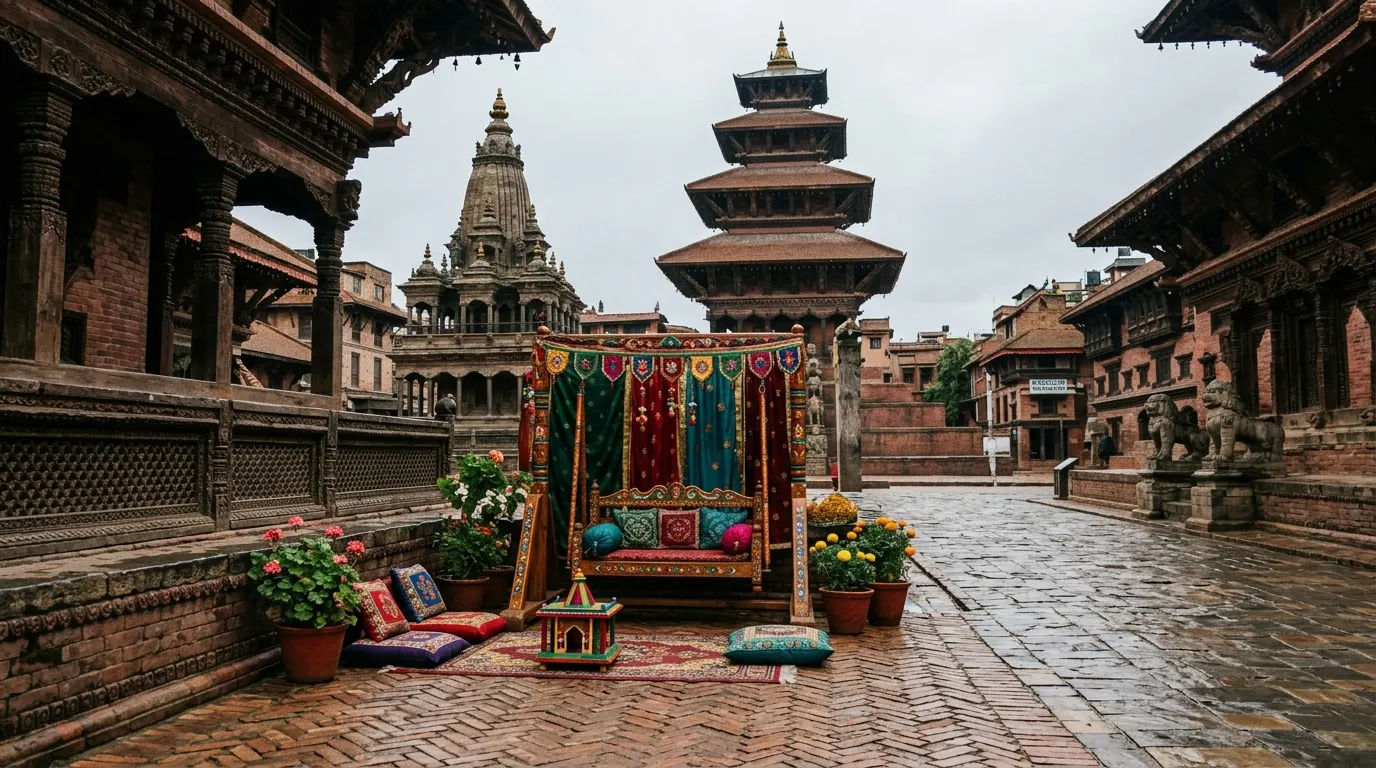
When selecting daily activities, prioritize wide-open, pedestrian-friendly spaces where your toddler can safely stretch their legs without you constantly worrying about passing traffic.
Boudhanath Stupa
One of the largest spherical stupas in the world, Boudhanath is a massive, ancient Buddhist shrine surrounded by a circular, pedestrian-only plaza. This traffic-free zone is an absolute blessing for parents. Toddlers can safely waddle around the perimeter, mesmerized by the painted eyes of the Buddha looking out in all four directions. Visit Boudhanath Stupa around 5:00 PM to join hundreds of locals and monks in the 'Kora' (the traditional clockwise circumambulation). The atmosphere is electric but deeply peaceful, filled with the scent of juniper incense and the glow of butter lamps. Kids also love watching the flocks of pigeons that gather in the square.
🎟️ Book family tickets & skip-the-line tours →
Swayambhunath Stupa (The Monkey Temple)
Perched on a hilltop offering sweeping 360-degree views of the sprawling valley, this ancient Buddhist complex is famously known as the Monkey Temple. The Swayambhunath Stupa is home to hundreds of holy rhesus macaques, which are endlessly entertaining for young children to watch. However, a firm word of caution: these monkeys are expert pickpockets and lack any sense of personal space. Keep all food, juice boxes, and even bright, crinkly plastic bags securely zipped inside a backpack. Do not let your toddler eat snacks while walking around the complex, as a monkey will likely try to snatch them.
Chandragiri Hills Cable Car
If the city's dust and noise are getting to be too much, head for the hills. The Chandragiri Hills Cable Car is a thrilling 10-minute gondola ride that whisks families 2.5 kilometers up to a 2,551-meter summit. Toddlers generally love the novelty of the ride, pressing their faces against the glass as the city shrinks below them. At the top, you will find the Chandragiri Hills (Bhaleshwar Mahadev Temple area), offering crisp, clean mountain air, staggering views of the Himalayan range on clear days, and plenty of safe, open space for children to run around.
🎟️ Find family-friendly tours & activities →
Patan Museum Café & Nagma Children's Library
Located in the neighboring city of Patan (now part of the greater Kathmandu metropolis), the Patan Museum is a stunning example of restored architecture. Tucked inside is the Patan Museum Café (Courtyard Café at Patan Museum), a tranquil courtyard sanctuary that offers a rare, traffic-free space for toddlers to explore while parents enjoy a cup of local coffee under the shade of mature trees. Afterward, seek out the nearby Nagma Children's Library (Patan), a rare, dedicated sanctuary for young readers featuring kid-sized reading nooks and a unique collection of local and international books.
Escaping the Dust: Peaceful Retreats for Little Ones
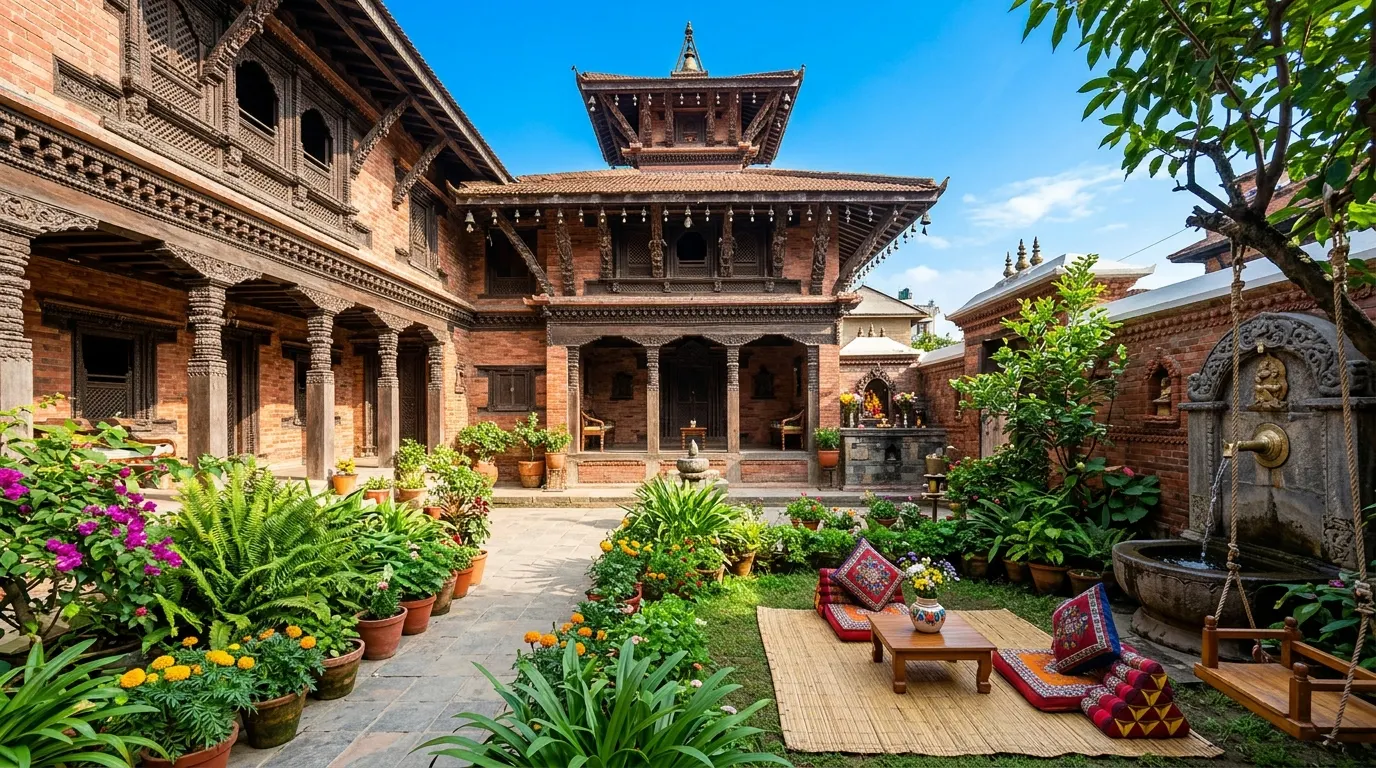
Kathmandu's energy is exhilarating, but the combination of altitude, dust, and constant movement means you will need to build downtime into your itinerary.
Dwarika's Hotel Heritage Tour
Even if you aren't staying there as a guest, visiting Dwarika's Hotel is a must. The Dwarika's Hotel Heritage Tour walks you through a stunning 'living museum' of Newari architecture. The luxury hotel was painstakingly built using thousands of salvaged, centuries-old carved wooden windows and doors. The expansive brick courtyards are impeccably clean, quiet, and shaded, offering a highly controlled environment where a toddler can safely wander while parents admire the incredible craftsmanship.
White Gumba (Seto Gumba)
For another high-altitude escape, hire a taxi to take you up to the White Gumba (Seto Gumba). This stunning white Tibetan monastery is perched on a hill on the outskirts of the city. The grounds are immaculate, adorned with beautiful murals, statues, and manicured gardens. It offers some of the best panoramic views of the Kathmandu Valley and provides a deeply serene environment where the loudest sound is often just the wind catching the prayer flags.
Taragaon Next (Boudha)
Located near the Boudhanath Stupa, Taragaon Next (Boudha) is a striking 1970s architectural gem turned contemporary museum. The barrel-vaulted brick buildings and minimalist courtyards offer a peaceful, design-forward environment that feels worlds away from the busy streets outside. It is a fantastic spot for a quiet afternoon stroll when your toddler is in the stroller or carrier and needs a low-stimulation environment to wind down for a nap.
Age-Specific Tips for Kathmandu with a Toddler (and Older Siblings)
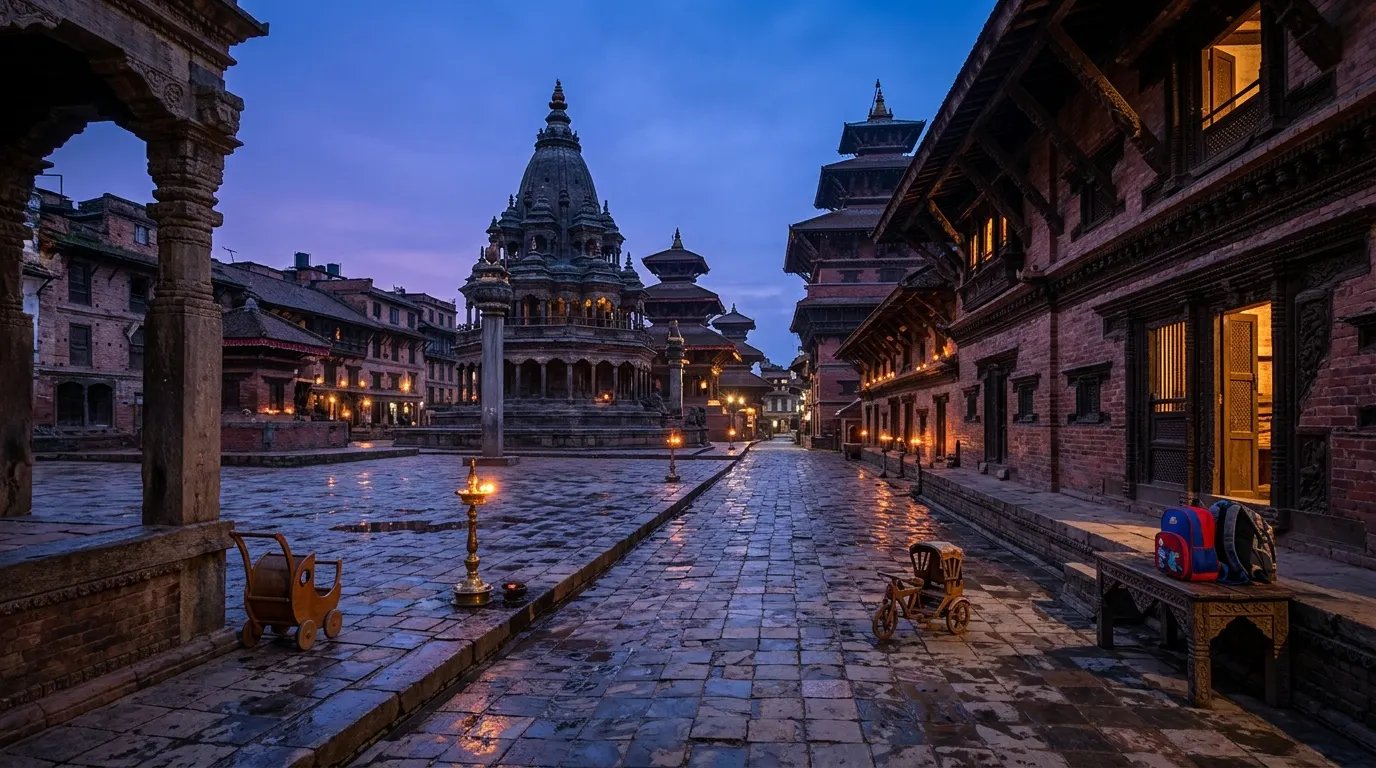
If you are traveling with a mixed-age family, balancing the needs of a toddler with the interests of older kids requires some finesse. Here is how to approach Kathmandu based on developmental stages.
Toddlers (Ages 2-3)
For this age group, Kathmandu is all about tactile experiences and managing physical comfort. Ditch the stroller—the uneven pavements, high curbs, and lack of sidewalks make pushing a pram incredibly frustrating. Rely instead on a high-quality, ergonomic baby carrier. Toddlers will love spinning the brass prayer wheels (just remember to teach them to always spin clockwise!), watching the street dogs sleep in the sun, and feeding the pigeons. Keep itineraries to one main activity per day, returning to your accommodation or a quiet cafe for the afternoon nap.
Preschoolers (Ages 3-5)
Preschoolers have the stamina to walk a bit more, but they need engaging narratives to stay interested. Turn temple visits into an animal scavenger hunt. The architecture in Kathmandu is covered in carvings of elephants, lions, peacocks, and mythical beasts like the Garuda. Challenge them to find specific animals on the wooden struts of the pagodas. This is also a great age for the Mountain Flight (Buddha Air). This bucket-list 60-minute scenic flight guarantees every passenger a window seat for close-up views of Mount Everest, which is thrilling for aviation-obsessed little ones.
School-Age Kids (Ages 6-10)
School-age children can begin to grasp the rich mythology and history of the region. They will be fascinated by the stories of the living goddess (the Kumari) and the intricate details of the Durbar Squares. Take them to the 55 Window Palace (Pachpanna Jhyale Durbar) in Bhaktapur. This stunning 18th-century redbrick palace is famous for its facade of 55 intricately carved wooden windows, and kids love trying to count them all. They also have the physical stamina for longer walks and will enjoy watching local artisans throwing pottery in Bhaktapur's Pottery Square.
Tweens & Teens (Ages 11-14)
Older kids will appreciate the quirkier, more complex history of Nepal. They are the perfect audience for the Narayanhiti Palace Museum. This surreal time capsule of Nepal's recently deposed monarchy features bizarre 1970s 'James Bond villain' decor, taxidermy tigers, and the somber, bullet-marked walls that tell the story of the infamous 2001 royal massacre. Tweens and teens will also enjoy the independence of navigating the narrow alleys of Thamel to shop for colorful trekking gear, singing bowls, and local teas. If they are adventurous, older kids might enjoy the Nagarkot View Tower for high-altitude sunrise views, though the winding, bumpy drive up there is generally too nausea-inducing for toddlers.
What to Skip When Traveling to Kathmandu with a Toddler
Not every famous site in the valley is suitable for young children. Protect your family's energy and peace of mind by avoiding these overhyped or highly stressful locations.
- Asan Bazaar: While visually striking and historically significant, Asan Bazaar is a high-stress environment. The narrow, ancient lanes are shared by aggressive motorbikes, heavily laden porters, and thick crowds. Trying to keep a toddler safe from the constant flow of traffic here is exhausting and stressful.
- Dakshinkali Temple: Located on the edge of the valley, this temple is famous for its graphic animal sacrifice rituals, which occur frequently on Tuesdays and Saturdays. The sight of blood and the sounds of the animals are highly distressing and entirely inappropriate for young children.
- The Three Durbar Squares in One Day: Kathmandu, Patan, and Bhaktapur each have their own magnificent Durbar (Palace) Square. Trying to see all three in a single day is a recipe for a massive toddler meltdown. The traffic between these cities can be gridlocked, turning a 5-kilometer drive into an hour-long ordeal. Pick one per day, tops.
- Rani Pokhari: While historically significant and visually striking, this large artificial pond is essentially a 'look but don't touch' attraction surrounded by fencing. It offers very little engagement for a toddler who just wants to run and play.
- Dream Garden Mini Golf (inside Garden of Dreams events area): Do not promise your kids a round of mini-golf here. This is a classic 'ghost attraction' where the setup is often temporary, event-dependent, or entirely packed away.
- Kathmandu Valley Cultural Trekking Trail (KVCT): While it sounds like a scenic cultural journey, the trail is poorly marked and frequently cuts through dusty, active motorable roads. It is neither safe nor pleasant for young walkers.
- Shankharacharya Mandir (Shanku): This site requires a grueling, unmarked uphill hike to reach a very modest temple with zero facilities. It is incredibly tough on little legs and offers little payoff for the effort.
- National Library of Nepal: This is a serious research and study facility, not a community library with a children's wing. It requires absolute silence, making it a terrible spot to bring a vocal toddler.
- Bluebird Mall: If you need a break for modern shopping or an indoor playground, skip this one. It is a relic of an older era of Kathmandu shopping that has become significantly run-down over the years.
Feeding Your Toddler in Kathmandu: Safe and Delicious Options
Food safety is a primary concern for parents traveling in South Asia. Toddlers have sensitive stomachs, so sticking to well-reviewed, hygienic restaurants is crucial. A major local tip: while the famous lassi stalls in Indra Chowk look tempting and always have long lines of locals, the water source and ice used can be risky for children's sensitive digestive systems. Skip the street food and opt for established cafes.
Fortunately, Nepalese food is incredibly toddler-friendly. The national staple, Dal Bhat (lentil soup and rice), is mild, nutritious, and easy for little ones to eat. Momo (steamed dumplings) are another massive hit, as they closely resemble familiar foods like ravioli or potstickers.
For a reliable, high-quality meal, visit Rosemary Kitchen and Coffee Shop. Located in the heart of Thamel, it offers a tranquil courtyard oasis away from the street noise. They serve excellent fusion cuisine ranging from traditional Nepalese curries to familiar European pastas, ensuring even the pickiest toddler will find something to eat. All their produce is washed in purified water.
If you want a cultural experience without the chaos of the streets, book a table at Bhojan Griha. This high-energy cultural dinner is hosted in a beautifully restored 150-year-old Rana palace. It features traditional Nepalese folk dancing and music that will keep your toddler mesmerized while you enjoy a multi-course, safely prepared local feast.
Pro Tips from Parents for Conquering Kathmandu
- Master the Transportation Apps: Avoid the exhausting 'tourist price' haggling with street taxis, especially when you are holding a tired, cranky toddler. Download the Pathao or InDrive apps to get fixed, fair rates for rides across the city.
- Manage the Air Quality: Kathmandu's air quality, exacerbated by geography and road construction dust, can be intense for little lungs. Invest in high-quality, reusable cloth masks for your toddler before you leave home, and encourage them to wear them during long taxi rides with open windows or when walking near busy intersections.
- Choose the Right Neighborhood: The tourist hub of Thamel is famous, but its narrow, uneven alleys are filled with high curbs, loose bricks, and heavy motorbike traffic. Instead, look for family accommodations in the Patan neighborhood known as 'Jhamel' (Jhamsikhel). It is much quieter, greener, and more walkable than Thamel, featuring several expat-friendly cafes with high chairs and safe enclosed gardens.
- Pack for the Dust: The red dust of the Kathmandu Valley gets into everything. Bring plenty of wet wipes to clean your toddler's hands before meals, as washing stations aren't always readily available at cultural sites. Dress them in darker colors or clothes you don't mind getting permanently stained by the fine, brick-colored dirt.
- Embrace the Early Mornings: Due to jet lag, your toddler will likely be awake early. Use this to your advantage. The streets of Kathmandu are incredibly peaceful before 8:00 AM. It is the best time to walk around, watch the locals setting up their flower stalls, and visit temples before the heat, dust, and traffic peak in the early afternoon.
Tackling Kathmandu with a toddler is not a conventional beach vacation; it is a rich, immersive dive into a completely different way of life. By utilizing baby carriers, prioritizing pedestrian-friendly havens like Boudhanath Stupa, and taking advantage of the incredibly warm, child-loving culture of the Nepalese people, you can create a family adventure that is as profoundly memorable as it is beautiful. Embrace the spinning prayer wheels, dodge the monkeys, and enjoy the magical chaos.