When planning a South American family getaway, Uruguay’s capital might not be the first destination that springs to mind, often overshadowed by the massive, bustling metropolises of its neighboring countries. However, if you are wondering, is montevideo worth visiting with kids, the answer lies in its incredibly relaxed pace, expansive green spaces, and deeply family-centric culture. This is a city that doesn't demand you rush from one overwhelming tourist trap to the next. Instead, Montevideo invites you to slow down, rent a bicycle, share a pastry on a park bench, and let your children run freely along the coast.
For parents seeking an international destination that feels incredibly safe, highly walkable, and welcoming, Montevideo hits the perfect sweet spot. The city blends rich history and stunning architecture with modern, inclusive play spaces and an oceanfront promenade that serves as the city’s collective backyard.
Is Montevideo Worth Visiting with Kids? The Short Answer
Yes, absolutely. Is montevideo worth visiting with kids who need constant theme-park stimulation? Perhaps not. But if your family values outdoor exploration, interactive learning, and a deeply authentic cultural experience, you will fall in love with this coastal capital.
Montevideo is incredibly manageable. The public transportation system is robust, the streets are largely stroller-friendly (especially along the coast and in major parks), and locals genuinely adore children. You will rarely get a side-eye for bringing a toddler into a cafe or restaurant; in fact, waiters will likely go out of their way to accommodate you.
The overall cost of visiting Uruguay is slightly higher than some other South American destinations, but many of the best family activities—like exploring the sprawling parks, walking the coastline, and enjoying the public plazas—are completely free. For paid attractions, admission fees are generally quite reasonable, often hovering around $3 to $5 USD per person. By focusing your itinerary on the city's natural assets and thoughtfully designed cultural spaces, you can easily build a memorable, low-stress family vacation.
To help you build the perfect itinerary, be sure to check out our complete City Guide: /city/montevideo for even more neighborhood breakdowns and accommodation advice.
Top Family-Friendly Attractions in Montevideo
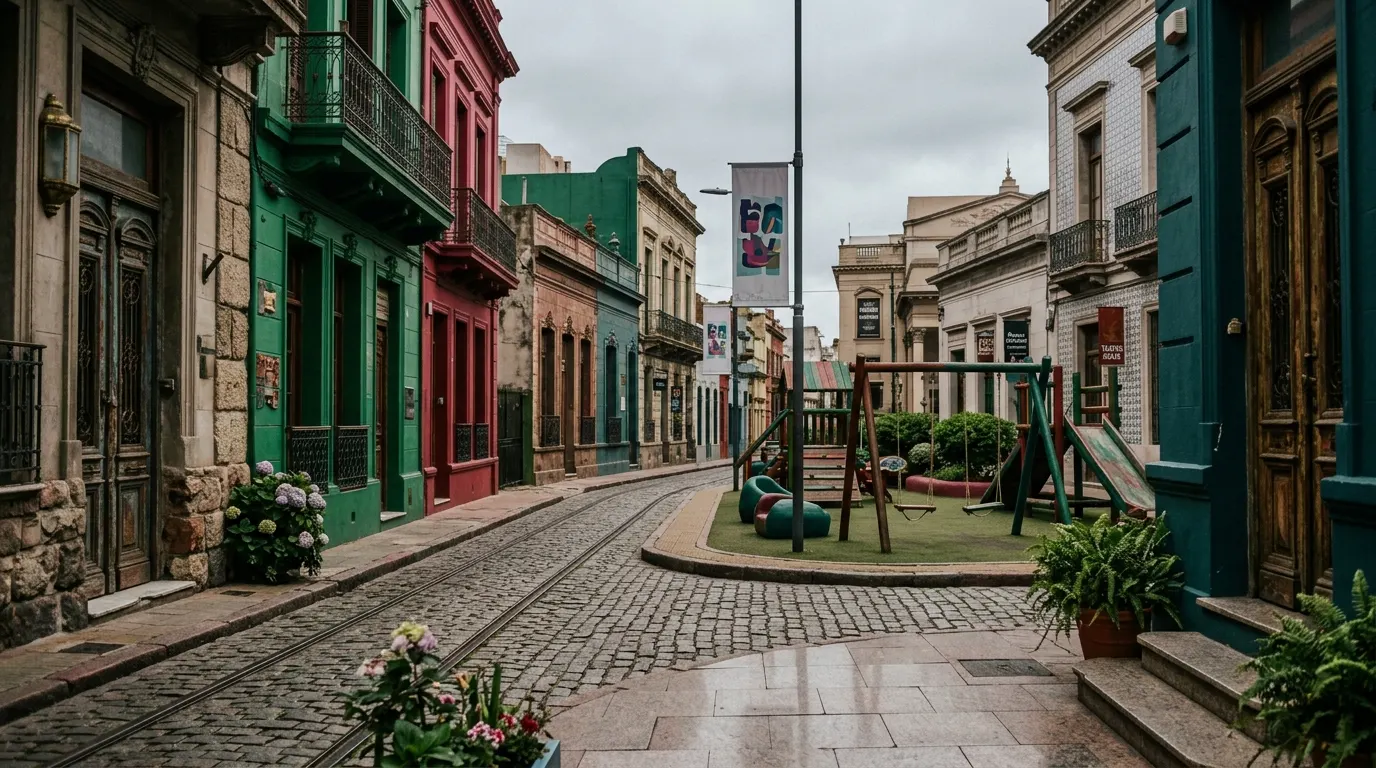
Montevideo’s attractions are spread out but easily connected by bus or taxi. The best approach is to tackle one neighborhood or theme per day, allowing plenty of time for spontaneous playground stops.
The Endless Rambla and Coastal Parks
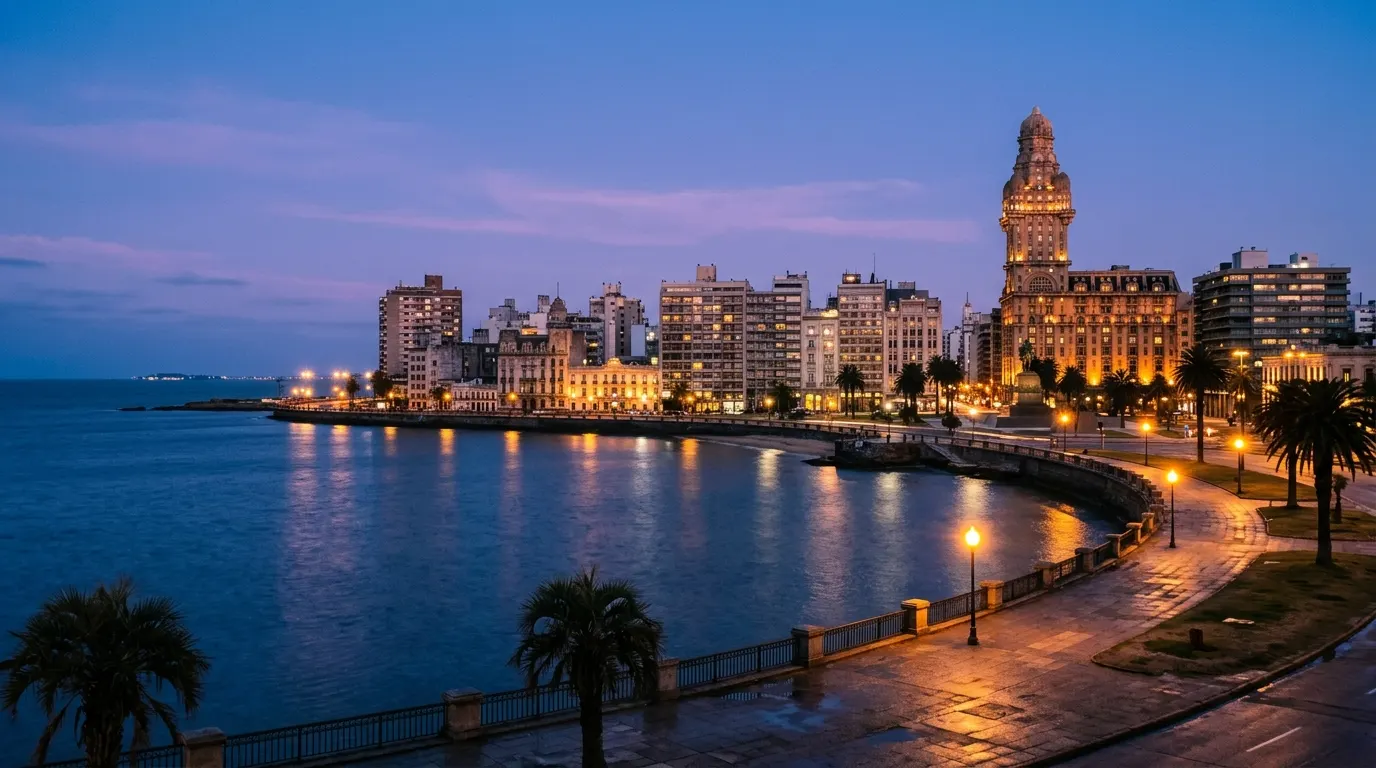
The absolute crown jewel of the city is the Rambla de Montevideo (Rambla República de México / Rambla Wilson / etc.). This massive, 13-mile coastal promenade serves as the city's communal living room. It is fully paved, completely flat, and exceptionally stroller-friendly. Families gather here at all hours to rollerblade, cycle, push strollers, and sip mate (the local herbal tea) while children play on the adjacent beaches. You can easily spend an entire afternoon walking from the Punta Carretas neighborhood toward Pocitos, stopping at various sandboxes and climbing structures along the way.
For a more structured green space with breathtaking views, head to Plaza Virgilio. Located on a stunning hilltop, this park offers the best panoramic sunset views in Montevideo. There is plenty of open grass for children to safely burn off energy while you take in the sweeping vistas of the Río de la Plata. The best time to visit is around 5:00 PM, allowing kids to play before settling in for the sunset.
🎟️ Find family-friendly tours & activities →
Grand Green Spaces and Inclusive Playgrounds
Montevideo takes its urban green spaces seriously. Parque Rodó is the city’s premier family hub. It combines expansive green lawns and a swan-filled lake with a nostalgic, vintage-style amusement park. While the park itself is free to enter and open 24/7, the amusement rides operate on a ticket system (roughly 100-150 UYU or $2.50-$4.00 USD per ride) and typically open in the late afternoon and on weekends. The paved paths are excellent for strollers, and there are several nearby kiosks selling snacks and drinks.
Just a short distance away is the Parque de la Amistad, a premier, fully inclusive playground. This space was brilliantly designed so children of all abilities can play together without physical barriers. The sensory-friendly equipment, wide ramps, and safe, enclosed layout make it a stress-free stop for parents of toddlers and children with mobility needs.
For a change of scenery, Parque del Prado acts as Montevideo’s premier green lung. This sprawling historic park offers massive shade trees, winding paths, and a world-class Rose Garden featuring 12,000 rose bushes. It is a fantastic escape from the coastal winds and provides endless trails for children to explore. Similarly, Parque Batlle is a massive urban park that houses the historic Estadio Centenario, offering wide-open spaces perfect for a family picnic or a pickup soccer game.
Interactive Science and Space
When you need an indoor activity or a break from the sun, Montevideo has some excellent educational hubs. The Planetario de Montevideo (Planetario Agrimensor Germán Barbato) recently underwent a massive renovation. It is now a modern digital planetarium featuring high-end BARCO projectors that create an immersive 360-degree experience. Shows are visually captivating even if your children don't understand Spanish. Admission is incredibly affordable (often free on certain municipal days, or around 150 UYU / $4 USD), but check the schedule as showtimes are primarily concentrated on weekends.
For hands-on learning, Espacio Ciencia (LATU) is Uruguay’s premier interactive science hub. Located within the LATU complex, it offers fantastic physics exhibits, giant bubbles, and sensory experiments. Plan to spend about two to three hours here. It is fully stroller accessible and features a small cafeteria for easy lunches.
🎟️ Book family tickets & skip-the-line tours →
Culture, Books, and Puppets
Uruguay has a rich literary and artistic tradition that is surprisingly accessible for children. Escaramuza Libros is a stunning independent bookstore housed in a restored 1903 mansion. Beyond its beautiful architecture, it features a dedicated children's section where kids can browse comfortably. The real secret here is the gorgeous courtyard cafe in the back, serving incredible pastries and coffee—a perfect mid-morning oasis for parents and kids alike.
To experience Uruguay's unique culture, the Museo del Carnaval is a must-visit. This museum is a vibrant, sensory-rich tribute to the country's 40-day carnival season. Children are usually mesmerized by the massive papier-mâché puppets, intricate costumes, and colorful drums. It takes about an hour to walk through (admission is roughly 160 UYU / $4 USD) and is located near the Mercado del Puerto.
Older children and teenagers might appreciate the Espacio de Arte Contemporáneo (EAC). Housed in the historic Miguelete Prison, this cutting-edge gallery uses former jail cells as intimate exhibition spaces. The juxtaposition of modern art inside a 19th-century panopticon prison is fascinating and sparks great conversations with older kids.
If your family enjoys architecture, a quick walk past the Palacio Legislativo is worthwhile. As one of the most opulent parliament buildings in the world, this neoclassical masterpiece is filled with multi-colored marble. While a long guided tour might bore young kids, the sheer scale of the exterior and the grand steps are impressive to witness. Finally, for families who speak Spanish, checking the schedule at Teatro El Galpón, a legendary independent theater, can yield high-quality, intimate children's performances, especially on weekends.
Hands-on Farm Experiences Just Outside the City
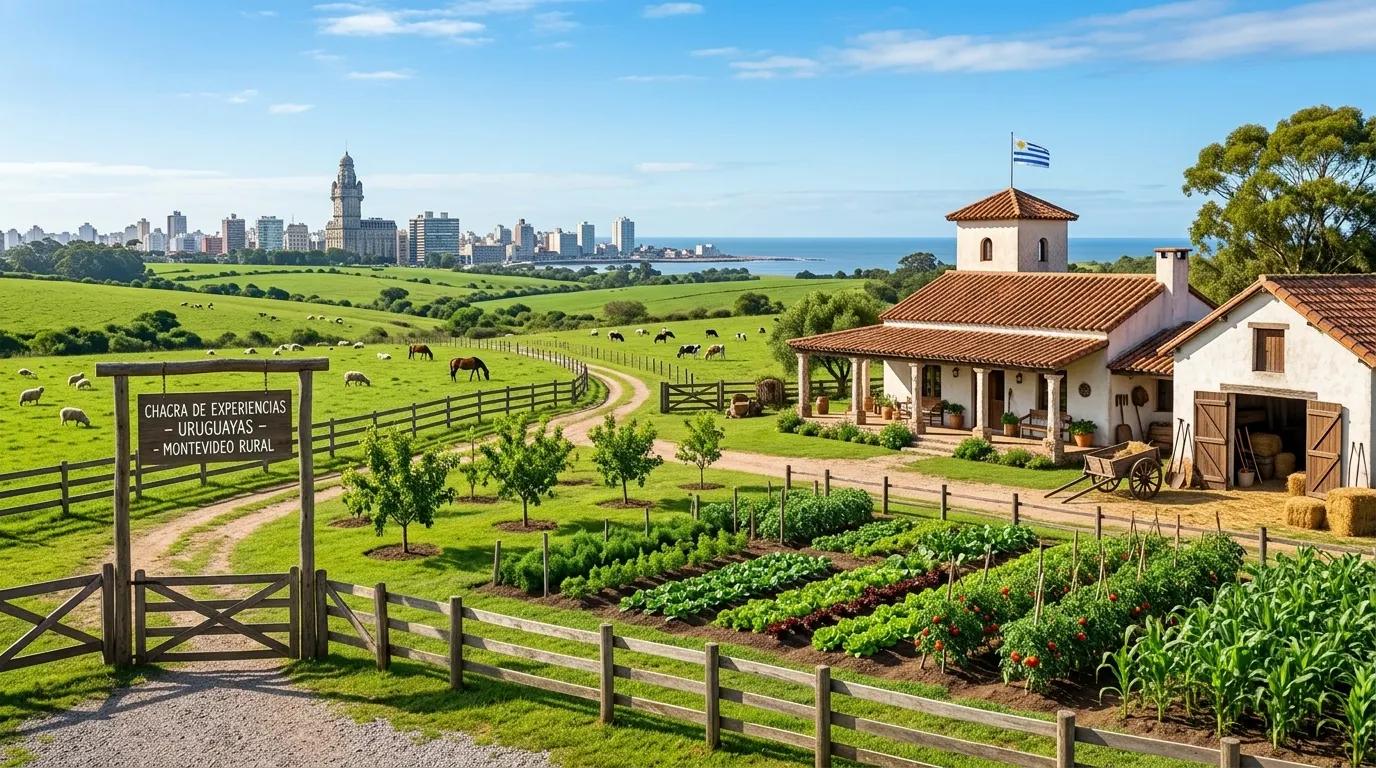
If your children need a break from urban environments, Montevideo’s rural outskirts (the "chacras") offer fantastic agricultural experiences. Granja Educativa Agazzi is a hands-on educational farm where kids can trade city life for a morning of interacting with farm animals, learning about local agriculture, and participating in workshops.
Similarly, Granja Eliana allows children to immerse themselves in rural Uruguayan traditions. These farms typically require a taxi or a rental car to reach, as they sit on the fringes of the city, but they provide a wonderful, grounding half-day trip. You can expect to spend about three hours at either farm. Be sure to contact them via WhatsApp or their websites in advance, as visits are often by appointment or restricted to specific weekend hours, costing roughly 300-500 UYU ($8-$12 USD) per person.
Age-by-Age Guide: Is Montevideo Worth Visiting with Kids of Every Age?
Is montevideo worth visiting with kids at different developmental stages? Because the city's appeal relies heavily on self-directed outdoor play rather than structured entertainment, the experience shifts depending on how old your children are.
Toddlers (Ages 2-3)
Montevideo is incredibly gentle for the toddler crowd. The wide, paved Rambla is a dream for pushing a stroller while your toddler naps in the sea breeze. The ultimate destination for this age is the Parque de la Amistad. Because it is fully enclosed and features soft, sensory-focused play equipment, you can let your toddler roam without the constant anxiety of traffic or steep drops. Food is also toddler-friendly here; the ubiquitous bizcochos (soft, sweet or savory pastries) are perfect, easy-to-chew snacks available on almost every corner.
Preschoolers (Ages 3-5)
Preschoolers have the energy to enjoy the city's larger green spaces. Parque Rodó will be a massive hit, especially the vintage swan boats on the lake and the gentle amusement park rides. This age group also thrives at Granja Educativa Agazzi, where petting farm animals and running through open fields provides a perfect contrast to hotel living. The Museo del Carnaval is visually stimulating enough to keep a 4-year-old engaged for the 45 minutes it takes to walk through, thanks to the giant, colorful masks.
School-Aged Kids (Ages 6-10)
This is the golden age for interactive learning, making Espacio Ciencia (LATU) an absolute must-do. School-aged kids will love the hands-on physics exhibits and giant bubble stations. Renting bicycles to ride along the Rambla is highly recommended for this age, as the paths are flat and separated from car traffic. You can also engage them in a scavenger hunt for different types of architecture in the historic Ciudad Vieja (Old City) before grabbing a massive, shareable chivito (Uruguay's famous steak sandwich) for lunch.
Tweens and Teens (Ages 11-14)
Older kids will appreciate the independent vibe of the city. The Espacio de Arte Contemporáneo (EAC), with its history as a former prison turned modern art gallery, has exactly the kind of edgy, thought-provoking atmosphere that appeals to teens. They will also enjoy the vibrant street art scene in the Palermo and Barrio Sur neighborhoods. For shopping and a sophisticated but relaxed cafe experience, Escaramuza Libros is a great spot for tweens to grab a hot chocolate and a book while parents enjoy a coffee.
What to Skip When Visiting Montevideo with Children
Not every famous landmark translates into a good family experience. To save your time and sanity, we recommend crossing these off your itinerary:
- Museo del Azulejo: This is a niche, three-story collection of historic wall tiles. It offers zero interactivity, no engaging exhibits for children, and requires climbing several flights of stairs.
- Fun Fun Bar: Despite the playful name, this is a historic 19th-century tango bar. It doesn't even open until late in the evening and is packed, loud, and entirely focused on adult nightlife and drinking.
- Casino Carrasco (Sofitel Montevideo Casino Carrasco & Spa): While the building is a stunning architectural landmark, the primary focus here is a casino and an upscale hotel. There is nothing for children to do inside, and the atmosphere is strictly formal.
- Teatro de Verano (During Carnival): While the cultural spectacle of the Murga performances is world-class, the logistics are a nightmare for families. Performances start very late at night, the crowds are dense, and the shows are extremely long and entirely in Spanish slang.
- Museo Casa de Rivera and Museo de la Aduana (Antigua Aduana de Montevideo): Both are dry, text-heavy historical museums with no interactive elements, no English translations, and a strict "do not touch" atmosphere that will instantly bore children.
- Boliche/Bar zone (W Lounge Montevideo at WTC): This is a high-energy nightlife destination characterized by loud music, late-night crowds, and a strictly adult environment. Avoid this area after dark with kids.
- Hipódromo Nacional de Maroñas: While the historic architecture is impressive, the atmosphere is centered entirely around horse gambling, making it an inappropriate and dull environment for children.
Pro Tips from Parents for a Smooth Montevideo Trip
To make your days in Montevideo as seamless as possible, keep these parent-tested local strategies in mind:
Master the Bus System with an STM Card:
Purchase a rechargeable STM card at any Abitab or Redpagos shop (ubiquitous local convenience/payment stores). This lowers bus fares significantly and allows for one-hour transfers. It is vastly easier than fumbling for exact change with a toddler on your hip. However, avoid boarding buses marked 'Inter' or 'Metropolitano' (usually orange) for short trips within the city center; they have different fare structures and are meant for suburban commuting.
Adapt to Uruguayan Dining Hours:
Most Montevideo restaurants do not open for dinner until 8:00 PM or even later. To bridge the gap for hungry kids, adopt the local tradition of the merienda (afternoon tea). Stop at a local 'panadería' (bakery) around 4:30 PM for fresh bizcochos (pastries) and juice. This will keep your kids happy until a later dinner.
Prepare for the 'Sudestada' Wind:
Even on hot summer days, the 'Sudestada' wind can blow off the Río de la Plata and drastically drop the temperature on the Rambla in a matter of minutes. Always pack a light windbreaker or sweater for your kids in your daypack, no matter how sunny it looks from your hotel window. If the coastal wind becomes too intense, retreat inland to the sheltered Rose Garden in the Prado neighborhood.
Navigate the Sunday Closures and Markets Wisely:
The historic center (Ciudad Vieja) becomes an absolute ghost town on Sundays. Almost all shops, cafes, and museums are closed, making it feel desolate and difficult to find food or bathrooms for kids. Instead, spend Sunday morning at the Tristán Narvaja street market. This massive Sunday market is a local icon, selling everything from antiques to fresh fruit. Arrive by 10:00 AM before the crowds peak, and keep your belongings in front of you, as it gets very tight for strollers by midday.
Watch the Smoke at the Parrillas:
Eating at a traditional Uruguayan steakhouse (parrilla), like those in the Mercado del Puerto, is a cultural staple. However, the intense woodsmoke from the massive open-fire grills can be overwhelming and irritating for young children's eyes and lungs. Try to request seating near the doors or outside on a patio rather than deep inside the market halls.
Final Thoughts: Is Montevideo Worth Visiting with Kids?
Ultimately, if you are asking is montevideo worth visiting with kids, it comes down to what your family values in a vacation. If you want a safe, deeply authentic South American experience where you can spend your days cycling along the ocean, playing in inclusive parks, and eating incredible food without the overwhelming crowds of larger capitals, Montevideo is a spectacular choice. It is a city that welcomes families with open arms, offering a peaceful yet culturally rich environment that allows parents to genuinely relax while their children explore. Pack your comfortable walking shoes, prepare for some late-night dinners, and get ready to enjoy the beautiful, breezy charm of Uruguay’s capital.