When you first consider taking your children on an African safari, a million questions race through your mind about safety, malaria, long drives, and keeping little ones entertained without Wi-Fi. It is completely normal to wonder, is arusha & northern tanzania worth visiting with kids? After navigating the bumpy dirt roads, the chilly early mornings, and the unforgettable magic of seeing wild elephants up close from the safety of a Land Cruiser, I can confidently tell you that this region offers one of the most profound family bonding experiences on earth. A safari here is not a standard vacation; it is a transformative adventure that will reshape how your children see the natural world.
So, Is Arusha & Northern Tanzania Worth Visiting with Kids?
The short answer is a resounding yes, provided you plan meticulously and adjust your expectations regarding pacing. Northern Tanzania is the undisputed heavyweight champion of African wildlife viewing. This is the land of the Serengeti, the Ngorongoro Crater, and Mount Kilimanjaro. For families, the primary gateway is the bustling city of Arusha, which serves as the jumping-off point for the northern safari circuit.
However, traveling here with children requires strategic logistics. The distances between national parks are vast, the roads are often unpaved "African massage" tracks (as the locals jokingly call the bumpy terrain), and days start before dawn. You will be spending long hours inside a vehicle. A typical family safari costs anywhere from $300 to over $1,000 USD per person, per day (roughly 750,000 to 2,500,000 TZS), depending on the level of luxury. National park gates generally open at 6:00 AM and close strictly at 6:00 PM.
The key to a successful trip is balancing the intense, thrilling game drives with comfortable, secure lodges that offer downtime, swimming pools, and space for kids to run safely. For a complete overview of the region, be sure to bookmark our comprehensive Arusha & Northern Tanzania city guide.
Where to Stay: Family-Friendly Basecamps in the Bush
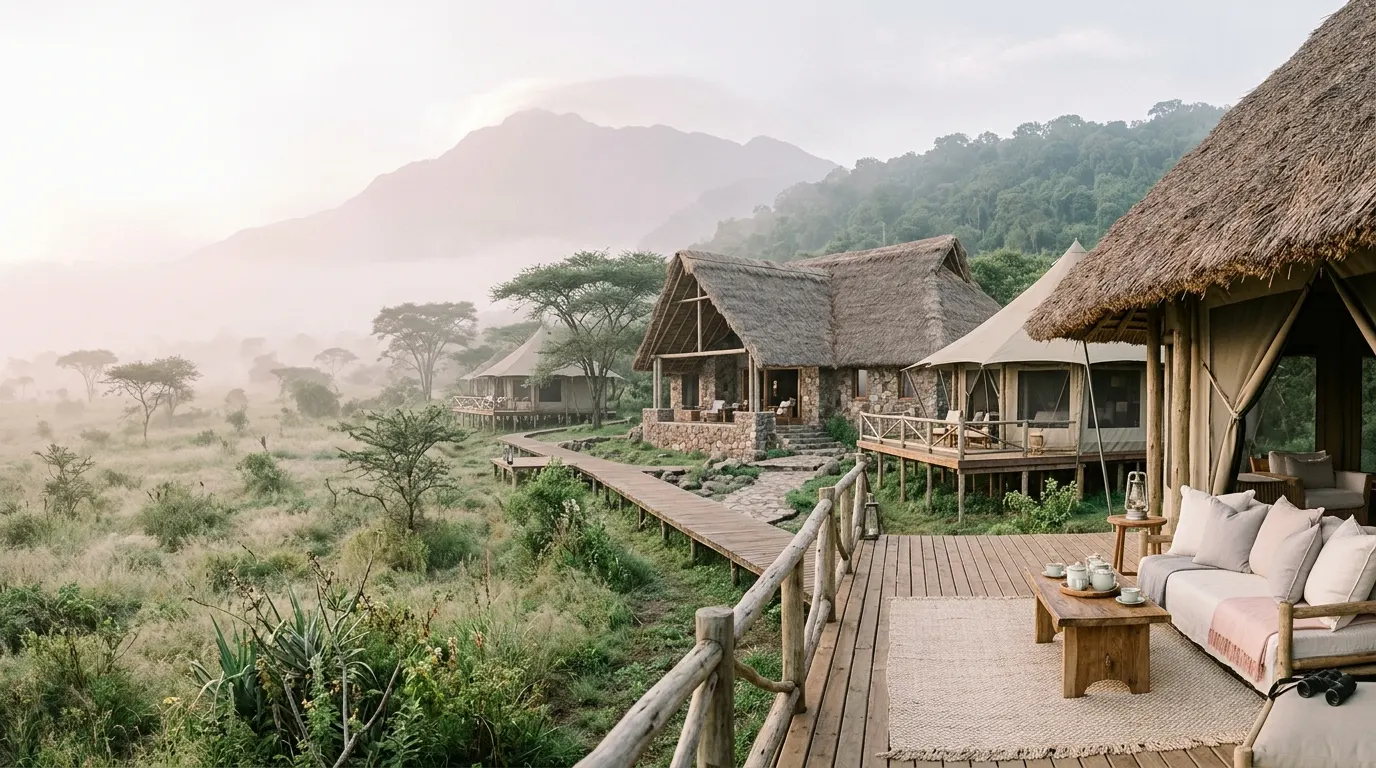
Choosing the right accommodation is arguably the most critical decision you will make. In the bush, your lodge is not just a place to sleep; it is your dining hall, your entertainment center, and your safe haven from the wild.
Luxury and Safety in the Serengeti
For families, especially those with younger children, the Four Seasons Safari Lodge Serengeti is a game-changer. Located in the central Serengeti, this property solves the two biggest challenges of a family safari: safety and boredom. The lodge is elevated on wooden walkways, meaning you don't have to worry about wildlife wandering into your path, and it features the Kijana Kids Club and an interactive Discovery Centre. The highlight is the infinity pool that overlooks an active watering hole—your kids can literally watch a family of elephants drink while they splash in the pool. It is expensive, but the peace of mind is invaluable.
🎟️ Book family tickets & skip-the-line tours →
Crater Views and Stone Walls
When visiting the Ngorongoro Crater, the Ngorongoro Serena Safari Lodge is a fantastic option. Built directly into the rim of the crater from local river stone, it feels like a cozy fortress. Because it is fully enclosed (unlike tented camps), it feels incredibly secure for families with roaming toddlers. The altitude here is high, and evenings get very chilly, so the lodge’s roaring fireplaces and heavy blankets are a welcome comfort after a long day in the crater.
Authentic Tented Experiences
If your kids are a bit older and you want that classic canvas feel, Maramboi Tented Camp near Tarangire and Lake Manyara is spectacular. The tents are built on raised wooden decks, and it is entirely common to have zebras and wildebeests grazing right outside your room. Similarly, the Tarangire Safari Lodge is a wonderful, family-operated property perched on a high escarpment. It offers breathtaking panoramic views of the Tarangire River and features a large swimming pool that is a lifesaver during the hot afternoon hours.
Top Wildlife Experiences for Families in Northern Tanzania
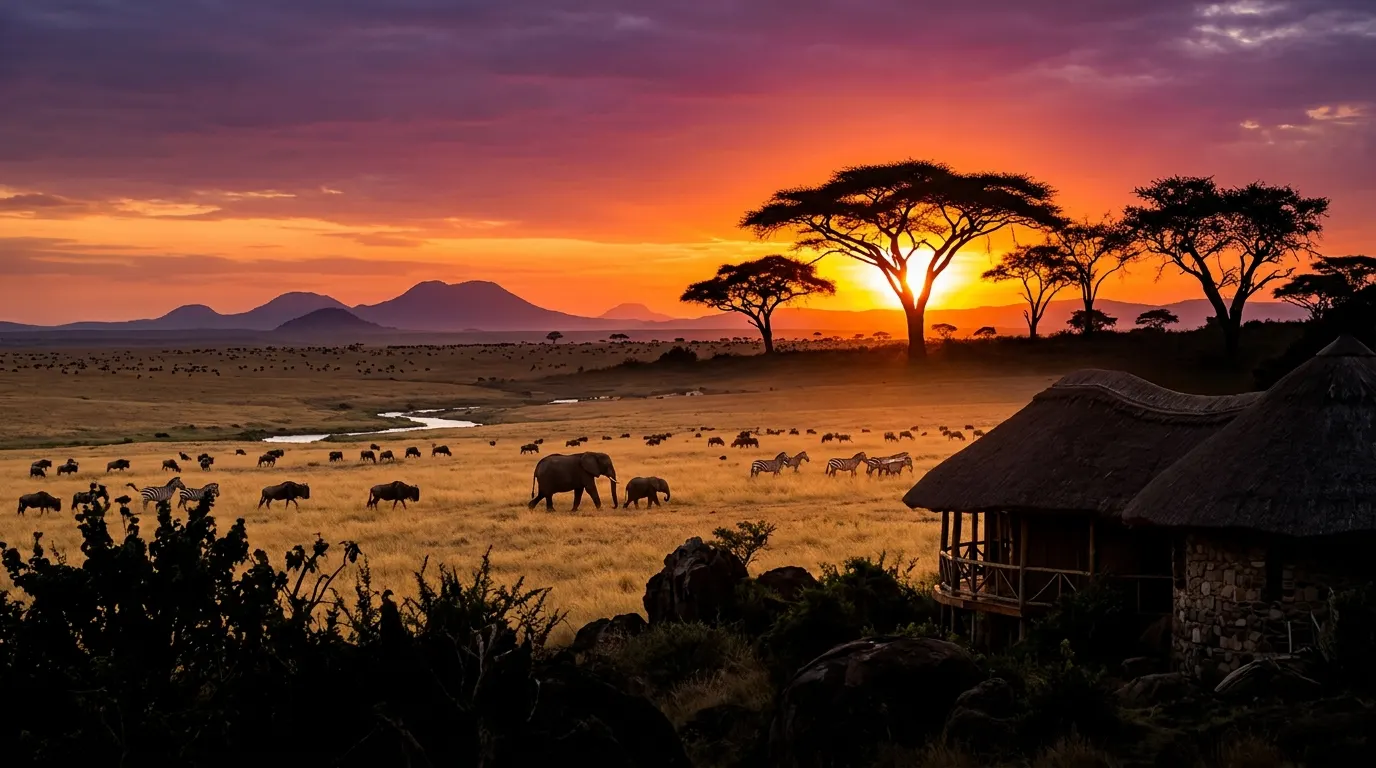
You are coming here for the animals, and Northern Tanzania delivers a wildlife spectacle that feels like walking straight into a nature documentary.
The Land of Giants
Tarangire National Park - Elephant Migration Corridors (general game drive areas) is often the first stop on a northern circuit, and it is arguably the best park for younger kids. Why? Because the wildlife density is incredible, the driving distances from Arusha are manageable (about 2 hours), and the park is famous for massive herds of elephants. Seeing a towering elephant strip bark from an iconic, upside-down baobab tree just ten feet from your vehicle will leave your children speechless.
Chasing the Big Cats
The Seronera River Valley (Central Serengeti) is widely known as the 'Big Cat Capital' of the world. The river provides year-round water, which attracts prey, which in turn attracts lions, leopards, and cheetahs. The predator viewing here is incredibly reliable. Be prepared, however, that a leopard sighting will attract dozens of other safari vehicles. You will need to teach your kids patience as your guide maneuvers for a good viewing spot.
The Greatest Show on Earth
If you time your visit right, witnessing the Serengeti National Park - Great Migration Viewing (seasonal) is awe-inspiring. Millions of wildebeest and zebras move across the plains in search of fresh grass. Between January and March, the herds gather in the Ndutu Region (Southern Serengeti ecosystem) for calving season. Hundreds of thousands of babies are born in a matter of weeks. The sheer noise of the herds and the vastness of the plains is something children will remember forever.
🎟️ Find family-friendly tours & activities →
Unique Safari Adventures for Older Kids and Teens
If you are traveling with tweens or teens, you have the flexibility to push beyond the standard lodge-and-drive itinerary. Older kids can handle longer transit times and appreciate the nuances of different ecosystems.
For the ultimate splurge, book a Serengeti Balloon Safari. This requires waking up at 4:00 AM, but floating silently over the savannah at sunrise as herds of animals run below you is a transcendent experience. Most operators require children to be at least 7 years old and tall enough to see over the edge of the basket. It ends with a full English breakfast served under an acacia tree.
Older kids will also thrive in mobile or eco-camps. Ang'ata Migration Camp (Serengeti) and Serengeti Under Canvas (Nomad Tanzania) are luxury mobile camps that actually move location several times a year to track the Great Migration. You are sleeping under canvas in the deep bush, listening to lions roar at night.
For families with teenage daughters, a stay at Dunia Camp (Serengeti) is highly recommended. It is the only camp in the Serengeti run entirely by an all-female team, from the managers to the safari guides. It is incredibly empowering for young women to see female guides expertly navigating the bush and tracking wildlife. For an upscale, remote experience, Sayari Camp (Serengeti) in the north or Asilia Africa's Oliver's Camp in Tarangire offer high-end, eco-conscious luxury that older teens will appreciate.
Navigating Safari Logistics: Choosing the Right Operator
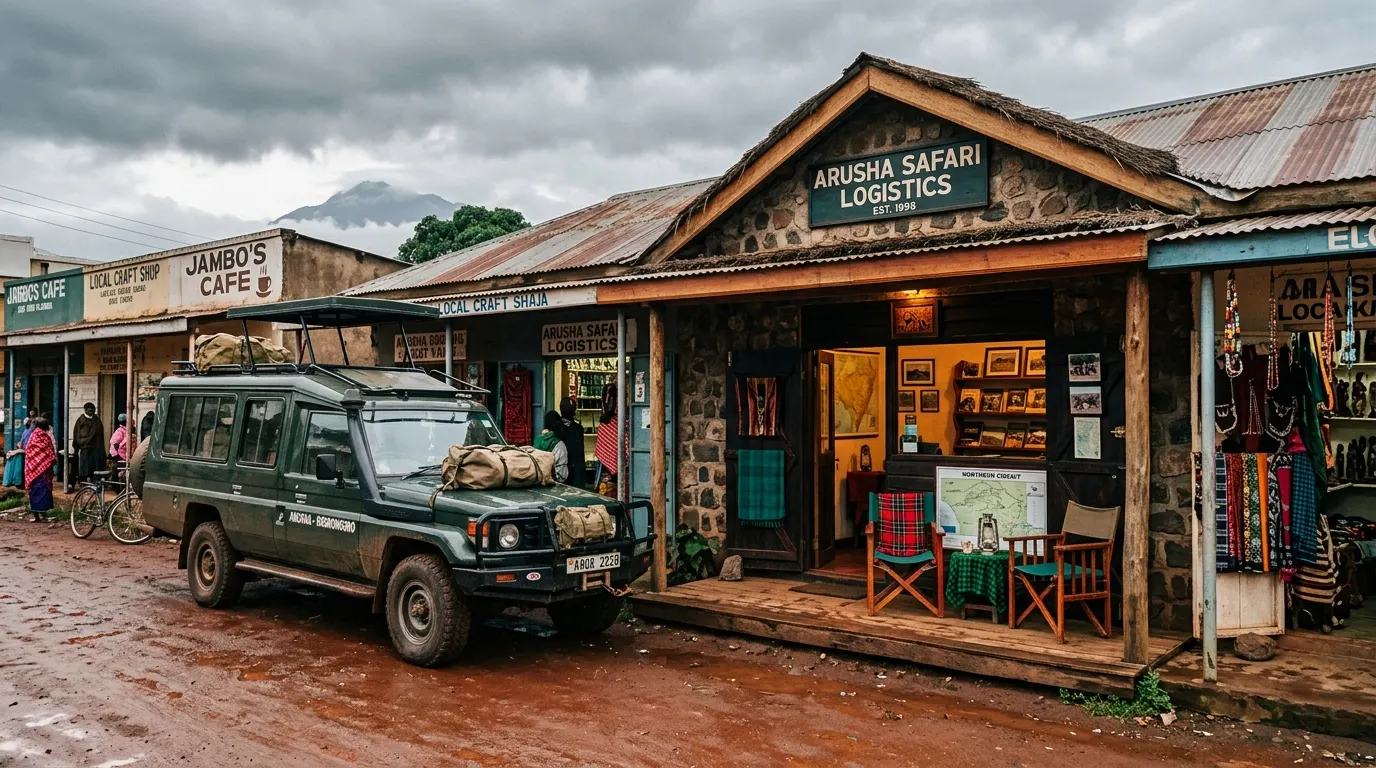
I cannot stress this enough: your safari guide and operator will make or break your family trip. Do not book a shared group safari if you have young children. You need a private vehicle so you can dictate the schedule. If your four-year-old has a meltdown or needs a bathroom break, you want the freedom to head back to the lodge without ruining another tourist's game drive.
Look for operators who specifically understand families. Duplo Safari (Arusha-based operator specializing in family safaris) is a phenomenal choice. They provide modified vehicles, proper car seats for toddlers (which are surprisingly hard to find in Tanzania), and guides who know how to engage children with animal checklists, tracking games, and shorter, kid-friendly nature walks. A great guide will stop to show kids the "Small Five" (like the leopard tortoise or the ant lion) rather than just driving endlessly looking for sleeping lions.
What to Skip in Arusha & Northern Tanzania with Kids
Not everything in the brochures is family-friendly. Protect your time, budget, and sanity by skipping these heavily promoted but problematic attractions.
- Arusha Maasai Market (Central Market): While it sounds like a great place to buy souvenirs, this market is an intense sensory overload. It features narrow, often muddy paths, incredibly aggressive touts who will follow you, and overwhelming noise. It is completely inaccessible for strollers and highly stressful for children to navigate.
- Walking Unescorted in Serengeti/Ngorongoro Camps at Night (informal activity): This is a critical safety warning. Many bush camps are unfenced. Wildlife, including hyenas, leopards, and elephants, regularly walk right through the camps after dark. You must always call for a Maasai guard (an askari) to walk your family to and from your tent at night. Never let kids run ahead on the paths.
- Unregulated Roadside Animal Photo Props (Arusha outskirts): On the drive from Kilimanjaro airport or around Arusha, you may see people on the roadside offering photos with baby monkeys, snakes, or birds. Skip this entirely. The animals are often sedated, restrained, or poached from the wild. It is unsafe and unethical.
- Lake Natron: Famous for its red waters and flamingos, Lake Natron is an extreme, hostile environment. The water is highly alkaline—literally caustic enough to burn skin. Furthermore, the drive there from the main safari circuit is long, violently bumpy, and extremely hot. It is miserable for kids.
- Lake Manyara Hot Springs (Maji Moto): These geothermally active springs reach near-boiling temperatures. There are no safety barriers or guardrails. A slip or a curious toddler reaching into the water could result in severe burns.
- Kilimanjaro Summit (Uhuru Peak): Unless your teenager is an elite mountaineer, do not attempt to summit Kilimanjaro on a family trip. It is a grueling, multi-day endurance test involving extreme cold and significant risks of acute mountain sickness. Opt for a short, low-elevation day hike on the lower slopes instead.
- Arusha Clock Tower: Billed as the midway point between Cairo and Cape Town, it is just a small monument in the middle of a chaotic, high-traffic roundabout. There is nowhere safe to stand, and kids will be utterly bored.
- Shifting Sands (Serengeti): Geologically, a volcanic ash dune that moves 17 meters a year is fascinating. To a child, it is literally just a pile of black dirt in the middle of a very long, hot drive. Skip it and spend more time looking for cheetahs.
Age-by-Age Guide: Is Arusha & Northern Tanzania Worth Visiting with Kids of Every Age?
A safari is vastly different depending on the age of your children. Here is what to expect for each stage.
Toddlers (Ages 2-3)
This is the most challenging age for a safari. Toddlers cannot take traditional anti-malarial pills easily, they have short attention spans, and they struggle with the requirement to stay quiet when close to animals. Strollers are useless outside of your lodge. If you bring a toddler, stick to short 2-hour game drives in Tarangire or Arusha National Park, book a private vehicle, and stay at fully enclosed properties with pools. You will need to bring a comfortable baby carrier.
Preschoolers (Ages 3-5)
Preschoolers will love seeing the "Lion King" animals in real life, but the long transit days (like the 4-hour dusty drive from Ngorongoro to the central Serengeti) will test their limits. Bring a tablet loaded with movies for the transit segments. Focus on lodges that offer short, guided nature walks around the property so they can burn off energy. Book a private vehicle so you can return to the lodge for lunch and a nap.
School-Age (Ages 6-10)
This is where the magic really begins. Kids this age are old enough to understand the ecosystem, use their own binoculars, and engage with the guide. They will happily sit for hours if you give them a wildlife checklist and a camera. They are also old enough to take standard malaria prophylactics safely and follow strict safety rules in tented camps.
Tweens and Teens (Ages 11-14)
Northern Tanzania is an absolute dream for this age group. They can handle the early wake-ups and long days in the vehicle. They will appreciate the cultural visits (like spending time with a Maasai tribe), understand complex conservation issues, and take incredible photographs. You can confidently book mobile tented camps and incorporate more adventurous activities like hot air ballooning or multi-hour walking safaris.
Pro Tips from Parents for a Northern Tanzania Safari
- Pacing and Downtime: The biggest mistake parents make is trying to do full-day game drives (8 AM to 4 PM) with kids. Do not do this. Do a morning drive (6 AM to 10 AM), return to the lodge for swimming and lunch, and head back out at 4 PM when the predators are active again.
- Binoculars for Everyone: Buy a decent, kid-sized pair of binoculars for every child before you leave home. If they have to share, they will fight, and if they don't have them, they will complain that they can't see the leopard sleeping in the tree 100 yards away.
- The Dust and the Layers: The Serengeti is incredibly dusty, and the temperature swings are wild. It can be 45°F (7°C) at 6:00 AM and 85°F (29°C) by noon. Dress everyone in layers (fleece jackets over t-shirts) and bring wet wipes to clean the thick layer of brown dust off their faces before meals.
- Bathroom Logistics: In the national parks, actual bathrooms are located at specific picnic sites that can be hours apart. Prepare your children for the "bush toilet" (peeing behind the tire of the Land Cruiser while the guide keeps watch). Bring your own travel toilet paper and hand sanitizer in your day pack.
- Pack Familiar Snacks: Most lodges provide a packed lunch box for game drives, which usually contains a piece of chicken, a boiled egg, a juice box, and a muffin. If you have picky eaters, bring a massive stash of their favorite non-melting snacks from home (granola bars, crackers, dried fruit).
Final Thoughts: Is Arusha & Northern Tanzania Worth Visiting with Kids?
Taking your family to the African bush is an investment of time, money, and planning, but the return on that investment is immeasurable. Watching your child's eyes widen as a giraffe gracefully crosses the road right in front of your truck, or listening to them excitedly recount the day's cheetah sighting over dinner by a campfire, are moments that simply cannot be replicated anywhere else. So, is arusha & northern tanzania worth visiting with kids? Absolutely. With the right lodge, a private vehicle, and a flexible mindset, it will be the greatest adventure your family ever takes. Pack your binoculars, embrace the bumpy roads, and get ready for the journey of a lifetime.