You know that incredibly specific wave of panic that hits the moment the airplane cabin doors close, the seatbelt sign chimes, and your two-year-old decides they are completely done sitting still. We have all felt that exact drop in our stomachs. You are strapped into a metal tube at 30,000 feet, surrounded by business travelers deep into their spreadsheets, and your child is enthusiastically treating the tray table like a bongo drum. Welcome to the reality of family travel. But take a deep, steadying breath right now, because while navigating the globe with little ones is never entirely without its chaotic moments, it absolutely does not have to be a nightmare. If you are desperately scouring the internet at 2:00 AM for the best flying with toddler tips to save your sanity on an upcoming trip, you have landed in exactly the right place.
At Kidworthy, we skip the sugar-coated travel brochures. As parents who log thousands of miles with our own kids, we know firsthand that babies cry, ears pop, and juice boxes inevitably spill. We also know that with a strategic game plan, a meticulously curated packing list, and a slight shift in your own expectations, you can conquer any long-haul flight. Whether you are crossing the country to visit grandparents or gearing up for a massive overseas family adventure, here is your ultimate, practical survival guide to flying with kids under five.
Essential Flying With Toddler Tips for Booking
The success of a long flight with young children is often determined weeks before you even pull a suitcase out of the closet. How and what you book acts as the foundation for your entire travel day, and getting this step right is crucial.
Timing is Everything: The Red-Eye Gamble
The biggest ongoing debate in the family travel world is whether or not to book the red-eye. The hopeful theory is that your kids will magically sleep through the night, allowing you to wake up reasonably refreshed at your destination. In reality, the red-eye is a massive gamble that can backfire spectacularly. A three-year-old might sleep beautifully, or they might become so overtired that they scream for six hours straight, leaving your entire family completely depleted the moment you arrive.
If you have a child who sleeps deeply absolutely anywhere, go ahead and book that overnight flight. But if your child is sensitive to noise, bright cabin lights, and changing environments, book a morning flight instead. Morning flights are historically far less likely to face delays, and kids are generally in much better spirits after a full night's sleep in their own beds. Yes, you will have to actively entertain them for eight hours, but entertaining a happy, well-rested child is infinitely easier than trying to soothe a hysterical, exhausted one.
Seat Selection Strategy
Where you sit matters tremendously when you have tiny travelers. Many parents immediately flock to the bulkhead seats for the extra legroom and the ability to request a bassinet for infants. However, bulkhead seats come with a major drawback for toddlers: the armrests usually are fixed in place and do not raise. This means your child cannot lay comfortably across your lap to sleep. Furthermore, all your bags must go up into the overhead bin during takeoff and landing, completely cutting off your access to emergency snacks, wipes, and pacifiers exactly when you might need them most.
Instead, we highly recommend booking seats near the very back of the plane. Yes, you will be the absolute last people to deplane, but the back of the aircraft offers several massive, sanity-saving advantages. You are steps away from the bathrooms (which is crucial for newly potty-trained preschoolers), the loud engine hum acts as a giant, built-in white noise machine to drown out whining, and you are right next to the flight attendants' galley. Flight attendants are often incredibly sympathetic to parents, and being nearby makes it much easier to ask for extra cups of ice, napkins, or a distraction snack.
Airport Navigation: From the Curb to the Gate
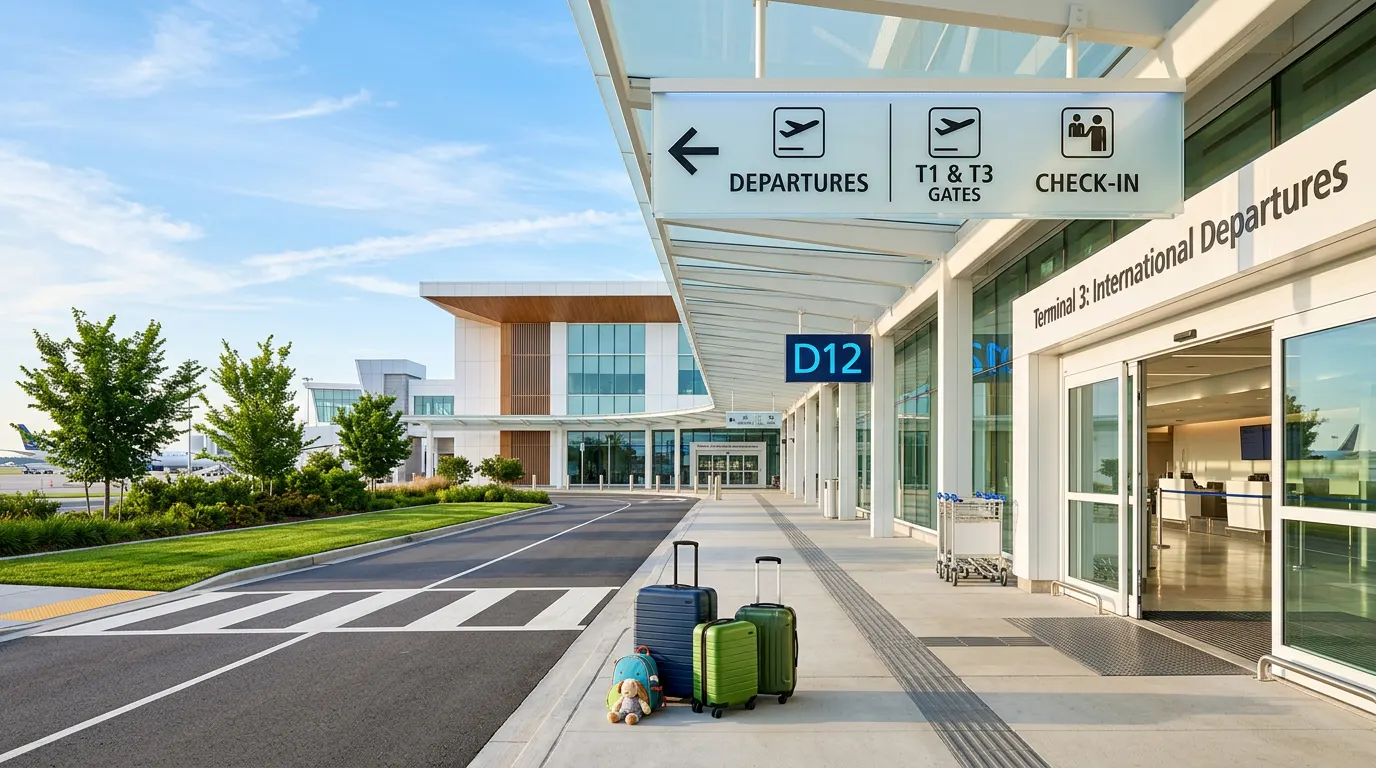
Getting through the airport with heavy luggage, bulky car seats, strollers, and highly energetic tiny humans is a logistical marathon. The secret is to treat the airport as the first official leg of your journey, not just a waiting room to endure.
The Stroller Strategy
Do not check your stroller at the ticketing counter unless you absolutely have no other option. You want a lightweight, travel-friendly stroller (like the Babyzen Yoyo or the Ergobaby Metro+) that you can push right up to the gate. A stroller acts as a vital containment device in crowded terminals, a mobile bed for unexpected naps, and a very handy luggage cart when your fiercely independent toddler inevitably insists on walking.
Stroller accessibility at most major airports is generally excellent, featuring dedicated wide lanes at security checkpoints and elevators near every escalator. When you finally reach the gate, you can either gate-check the stroller (meaning it goes securely in the cargo hold and is returned to you on the jet bridge the moment you land) or, if it folds small enough, fold it up, carry it right onto the plane, and slide it securely into the overhead bin.
Utilizing Airport Play Areas and Lounges
If you have a long layover or arrived with plenty of time to spare, do not sit at the crowded, stressful gate. Many major airports have phenomenal, free children's play areas where kids can safely burn off energy climbing on foam airplanes and running around.
Alternatively, investing in airport lounge access can be an absolute lifesaver, providing a calm, contained oasis away from the terminal chaos. For example, if you are utilizing our London family guide and flying out of Heathrow, the Plaza Premium Lounges are a godsend for parents. Standard opening hours are usually 5:00 AM to 10:00 PM. Expect rough costs to be around £40 per adult (approximately $50 USD), with children under 2 often entering for free and older kids receiving a discount. The nearest food options are right inside—complimentary buffets that save you from buying wildly overpriced terminal food and allow you to grab quick bites the second your child says they are hungry. The optimal time to visit is about two hours before your flight, and you should plan to spend about 60 to 90 minutes relaxing here. Stroller accessibility is seamless via the main elevators, and the private, meticulously clean bathrooms make pre-flight diaper changes or potty trips a breeze.
🎟️ Book family tickets & skip-the-line tours →
The Carry-On Arsenal: What to Pack for the Plane

What you pack in your personal item (the backpack or tote that goes directly under the seat in front of you) is your ultimate toolkit for survival. Do not put the absolute essentials in the overhead bin; you will inevitably be trapped by the beverage cart right when you desperately need a wet wipe.
The Snack Strategy
Food is not just sustenance on an airplane; it is a highly engaging activity, a powerful distraction, and a necessary bribe. Pack three times as many snacks as you think you will reasonably need. The very best travel snacks take a long time to eat and make minimal mess. Think cereal loops threaded onto a piece of string to create an edible necklace, boxes of raisins, gummy bears, and cheese sticks.
We highly recommend the "snack tackle box" method: buy a cheap plastic craft organizer with little compartments and fill each individual section with a different snack. It takes a toddler a solid 20 minutes just to open the little doors, inspect their options, and pick out what they want. Make sure to buy a large bottle of water or milk near the nearest food options in the terminal right before boarding, as waiting for the in-flight beverage service with a thirsty, impatient toddler is pure torture.
Entertainment That Actually Works
Leave the heavy, noisy toys at home. You want items that are novel, quiet, and wonderfully open-ended to spark their imagination without disturbing your seatmates.
- Painters Tape: A roll of blue painters tape is the holy grail of toddler travel. They can stick it to the tray table, the window, and your arm without leaving any sticky residue behind. You can make roads for tiny cars or just let them rip off pieces.
- Post-It Notes: Let them cover the back of the seat in colorful squares. It is a fantastic fine-motor activity that takes zero space in your bag.
- Window Clings: Gel window clings (like the ones sold around holidays) are perfect for keeping little hands busy and focused on the airplane window.
- Water Wow Books: These Melissa & Doug books use a water-filled pen to reveal hidden colors. They offer zero mess, and they dry out in minutes to be reused endlessly throughout the flight.
Age-by-Age Survival Guide: From Toddlers to Teens

While this guide focuses heavily on the under-five crowd, Kidworthy knows from experience that families rarely travel with just one age demographic. If you are flying with a toddler, you very likely have older siblings in tow as well. Here is how to manage the whole crew effectively.
Toddlers (Ages 2-3)
This is arguably the hardest age to fly with. They are newly mobile, fiercely independent, and completely incapable of adult reasoning. For this age group, rapid distraction is your primary weapon. Wrap tiny, dollar-store toys in layers of tissue paper; the simple act of unwrapping takes up precious minutes. Introduce a brand new item every 30 minutes to keep their attention. Do not expect them to watch a movie for more than 10 minutes at a time. This age requires active, hands-on parenting and constant engagement for the duration of the flight.
Preschoolers (Ages 3-5)
Preschoolers are slightly easier because they have longer attention spans and can finally be reasoned with (or bribed). This is the exact age where standard screen time rules should go completely out the window. Load an iPad with downloaded episodes of Bluey, Daniel Tiger, or whatever currently holds their gaze. Buy them their own volume-limiting, comfortable over-ear headphones and let them happily zone out. Bring interactive but clean activities, like sticker books, reusable puffy stickers, and magnetic drawing boards.
School-Age Siblings (Ages 6-10)
Kids in elementary school are usually fantastic travelers if they know exactly what to expect. Give them their own small backpack to carry so they feel a proud sense of responsibility. Pack chapter books, a Nintendo Switch, and a blank notebook to use as a dedicated travel journal. If you are heading to a historic destination like the ones featured in our Rome family guide, print out a kid-friendly map of the city or a custom bingo card of things they will see when they land to build anticipation.
🎟️ Find family-friendly tours & activities →
Tweens and Teens (Ages 11-14)
For the older kids, the primary goal is comfort and autonomy. Make sure they have a fully charged portable power bank for their phones, a high-quality neck pillow, and a downloaded playlist or audiobook. The biggest tip for traveling with teens is to actively involve them in the travel process—give them the official job of navigating the airport signs to find the baggage claim or picking the very first place you will eat when you land. It keeps them engaged, gives them ownership, and significantly reduces the classic teen eye-rolling.
What to Skip: Worst Ideas for Long Flights
Sometimes, knowing exactly what not to do is just as important as knowing what to do. Here are three things you should entirely skip when flying with kids under five to save your sanity.
1. Over-Complicated Craft Kits
We frequently see Pinterest boards recommending Play-Doh, markers, and elaborate beading kits for airplanes. Skip them all. Play-Doh gets quickly ground into the airplane carpet and tray table hinges, resulting in very angry flight attendants. Markers inevitably roll under the seats, leading to a massive meltdown because the red marker is now permanently trapped near seat 14B. If a toy has more than three pieces, it absolutely does not belong on an airplane. Stick to triangular crayons (they physically cannot roll) and mess-free coloring pads.
2. Sugar-Heavy "Treat" Snacks
It is incredibly tempting to buy a giant bag of M&Ms at the terminal kiosk to keep your kid quiet. And it will work—for exactly 15 minutes. After that, you are dealing with a child who is trapped in a tiny seat, surging with a massive sugar rush, and vibrating with excess energy they cannot burn off. When the inevitable crash comes, it will be loud, tearful, and miserable for everyone. Stick to high-protein, low-sugar snacks like cheese, crackers, and fruit pouches to keep their blood sugar and moods stable.
3. Pre-Boarding Too Early
Airlines always announce: "We are now inviting families with small children to board the aircraft." Unless you have a massive, complicated car seat that requires a degree in engineering to install, do not do it. Boarding early just means you are forcing your highly active toddler to sit in a cramped seat for an extra 45 minutes while the rest of the plane slowly loads. Instead, utilize a divide-and-conquer strategy: send one parent on early with all the heavy bags to secure overhead bin space and thoroughly wipe down the seats. The other parent should stay in the terminal with the toddler, letting them run around and burn off energy until the very last boarding group is called.
In-Flight Management: Real Flying With Toddler Tips for the Air
You are finally in your seat, the plane is moving, and the real work begins. Here is how to handle the physical realities of the flight like a seasoned pro.
The Ear Pressure Dilemma
Kids under five do not know how to intentionally pop their ears, and the sudden pressure changes during takeoff and landing can cause severe pain and screaming. The key to preventing this is continuous swallowing. For infants, precisely time their bottle or nursing session for the exact moment the plane's wheels leave the ground (not when you are just taxiing around the runway!). For toddlers and preschoolers, hand out a lollipop, a chewy gummy snack, or a box of raisins. The continuous jaw movement and swallowing will naturally equalize the pressure in their ears. If they use a pacifier, now is the time to employ it aggressively.
Sleep Strategies at 30,000 Feet
Getting a toddler to sleep on a plane is akin to an Olympic sport. Bring highly familiar sleep cues from home: their favorite unwashed blanket (so it smells exactly like their bed), a beloved stuffed animal, and a pair of cozy pajamas. Change them into their pajamas in the tiny airplane bathroom right before you want them to sleep—it signals to their brain that it is bedtime, even if the environment around them is chaotic. If you are flying internationally on a large carrier, consider investing in an inflatable airplane footrest (always check individual airline regulations first, as some ban them). These brilliant devices fill the gap between the seat and the tray table, creating a flat, comfortable bed for tiny legs.
Pro Tips from Parents Who Have Survived
After thousands of combined miles, our Kidworthy writers and community of travel-tested parents have compiled these essential insider secrets for the skies:
- Ziploc Bags Are Your Best Friend: Pack a large handful of empty gallon-sized Ziploc bags. They are absolutely perfect for containing sticky trash, sealing away clothes that have been subjected to a massive diaper blowout, or storing half-eaten snacks that you do not want spilling into the bottom of your tote bag.
- Pack an Extra Outfit for YOURSELF: Parents always remember to pack extra clothes for the baby, but they frequently forget themselves. When your toddler spills sticky apple juice (or worse) all over your lap in hour two of a ten-hour flight, you will be incredibly grateful for a clean t-shirt and fresh leggings stashed in your carry-on.
- The Toy Rotation Strategy: Never show your child all their exciting new activities at once. Keep the bag completely out of sight and only produce a new item when they have thoroughly exhausted the previous one. Hide the old one away to keep the novelty alive.
- Don't Apologize for Your Child Existing: You will frequently see online advice telling parents to hand out "apology goodie bags" filled with candy and earplugs to neighboring passengers. Please do not do this. You have paid for your child's seat, and they have just as much right to be on public transportation as anyone else. Do your absolute best to keep them calm and entertained, but drop the crushing guilt. Babies cry; it is simply what they do.
- Embrace the Screen Time: A long flight is a survival situation, not a parenting competition. If your child watches four movies back-to-back and eats their entire body weight in goldfish crackers, they will still grow up to be a perfectly functional adult. Give yourself some grace.
Conclusion: You Will Survive This
When you are in the thick of a mid-flight meltdown, 30,000 feet in the air with hours left on the clock, it can feel like the flight will never, ever end. But it will. The wheels will touch the tarmac, the seatbelt sign will finally turn off, and you will walk off that plane and right into the incredible family vacation you have worked so hard to plan. Traveling with young children builds incredible resilience—both theirs and yours. By lowering your expectations for perfection, packing incredibly smart, and relying on these honest flying with toddler tips, you are setting your family up for a journey that is less about merely enduring and more about making actual memories. Take a deep breath, parent. You've got this.