Planning a major family trip to the American West often brings up one massive, beautiful dilemma: choosing between the towering, rugged peaks of northern Montana and the geyser-filled, wildlife-rich expanses of Wyoming. Deciding on glacier national park & whitefish vs yellowstone & grand teton with kids is a conversation that happens at kitchen tables everywhere. Both regions offer staggering natural beauty, opportunities to disconnect from screens, and the kind of sprawling wilderness that leaves children wide-eyed. However, they deliver entirely different family vacation experiences, pacing, and logistical challenges.
Whether you are traveling with a toddler who needs a flat boardwalk or a teenager craving whitewater adrenaline, understanding the nuances of these two iconic destinations will make or break your trip. Here is a deep dive into how these two legendary park systems compare for families, filled with practical advice to help you choose the right adventure for your crew.
The Big Picture: Glacier National Park & Whitefish vs Yellowstone & Grand Teton with Kids
When you look at the map, both of these destinations require a commitment. But the day-to-day reality of exploring Glacier National Park & Whitefish feels vastly different from navigating Yellowstone & Grand Teton.
Vibe and Pacing
Yellowstone is often described as the "theme park" of the National Park system, and for good reason. It is massive, highly structured, and features incredibly distinct "attractions" like Old Faithful, the Grand Prismatic Spring, and the Grand Canyon of the Yellowstone. You will spend a significant amount of time in the car driving the grand loop, hopping out for short, highly accessible boardwalk strolls. Grand Teton, located just to the south, offers a more relaxed, scenic counterpart with stunning jagged peaks and easy lake access.
Glacier, on the other hand, is a hiker’s park. It is wilder, steeper, and more concentrated. The iconic Going-to-the-Sun Road is a white-knuckle engineering marvel that cuts directly through the mountains, rather than looping around them. While Yellowstone rewards the patient driver, Glacier rewards the family willing to lace up their hiking boots and hit the dirt. The adjacent town of Whitefish provides a polished, welcoming mountain-town basecamp with excellent dining and a pristine lake, offering a softer landing after a rugged day in the mountains.
Driving and Logistics
Yellowstone requires hours of driving every single day. The park is larger than the states of Rhode Island and Delaware combined. You must be prepared for "bison jams"—traffic standstills caused by wildlife on the road.
Glacier is smaller, but driving it requires intense planning. You absolutely must secure a spot through the Glacier National Park Vehicle Reservation System. This is the mandatory golden ticket required to drive the most scenic corridors, including Going-to-the-Sun Road and the Many Glacier valley, during peak summer months. Without it, your family will be turned away at the gates until late afternoon.
Wildlife and Nature: Which Park Wins for Families?
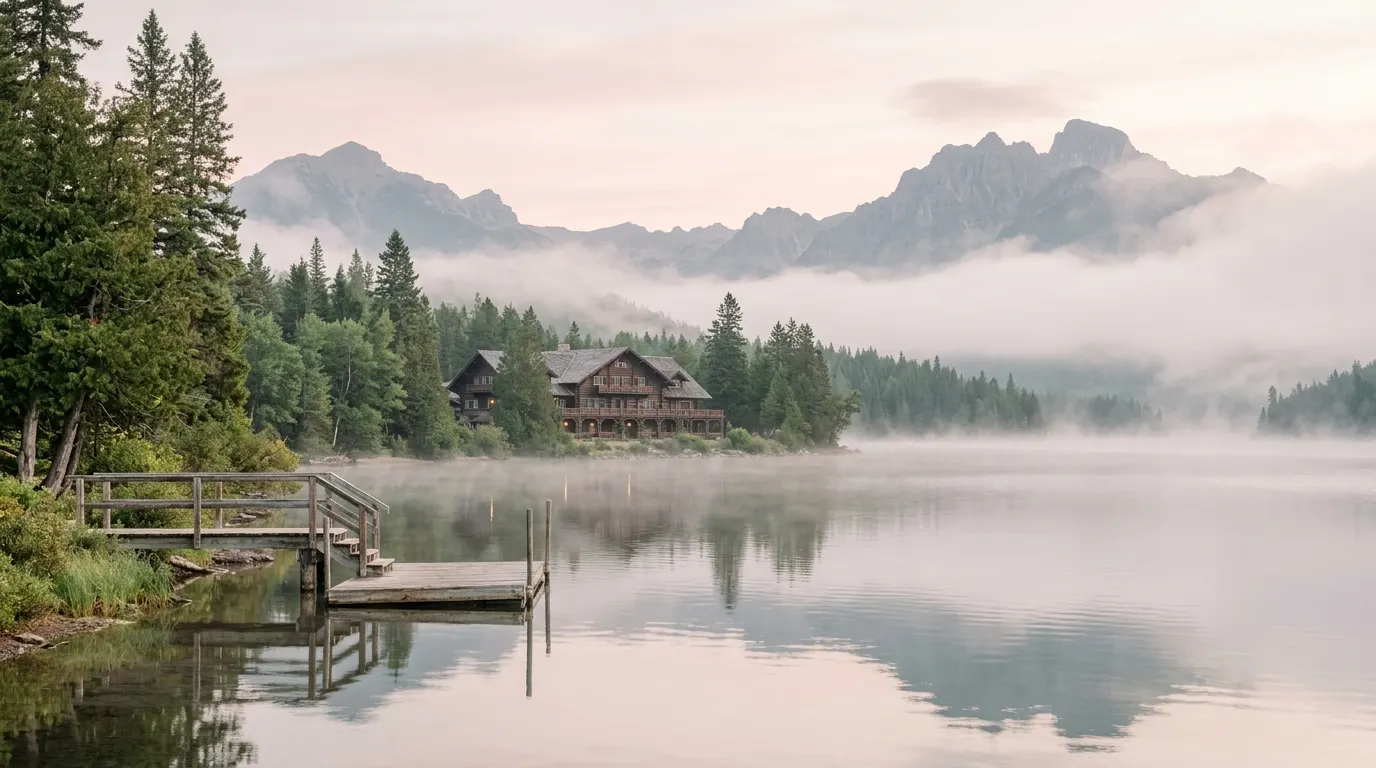
Kids and wildlife are a magical combination, but how you spot that wildlife differs wildly between the two regions.
Yellowstone's Mega-Fauna and Geysers
If your primary goal is to guarantee that your children will see large animals with minimal physical effort, Yellowstone is the undisputed champion. Bison herds literally walk down the highway. Elk lounge on the lawns at Mammoth Hot Springs. You have a very high chance of spotting bears from the safety of your vehicle in the Lamar or Hayden Valleys. Add to this the bubbling mud pots, shooting geysers, and neon-colored hot springs, and Yellowstone offers a sheer volume of accessible natural wonders that is hard to beat.
🎟️ Find family-friendly tours & activities →
Glacier's Alpine Lakes and Mountain Goats
Glacier’s nature is less about roadside oddities and more about breathtaking, sweeping alpine vistas. The water here is a vibrant, milky turquoise due to glacial flour. The wildlife spotting requires a bit more intentionality, but the encounters often feel more intimate.
The Logan Pass Visitor Center is the literal high point of the park and offers a front-row seat to alpine ecosystems. Families frequently spot mountain goats and bighorn sheep grazing right near the parking lot or along the adjacent trails. For a deeper dive into wildlife, head to the Many Glacier Campground area. Widely considered the wildlife capital of Glacier, this valley offers families the chance to spot moose wading in the lakes and bears foraging on the distant avalanche chutes (bring your binoculars!).
Best Family Basecamps and Accommodations
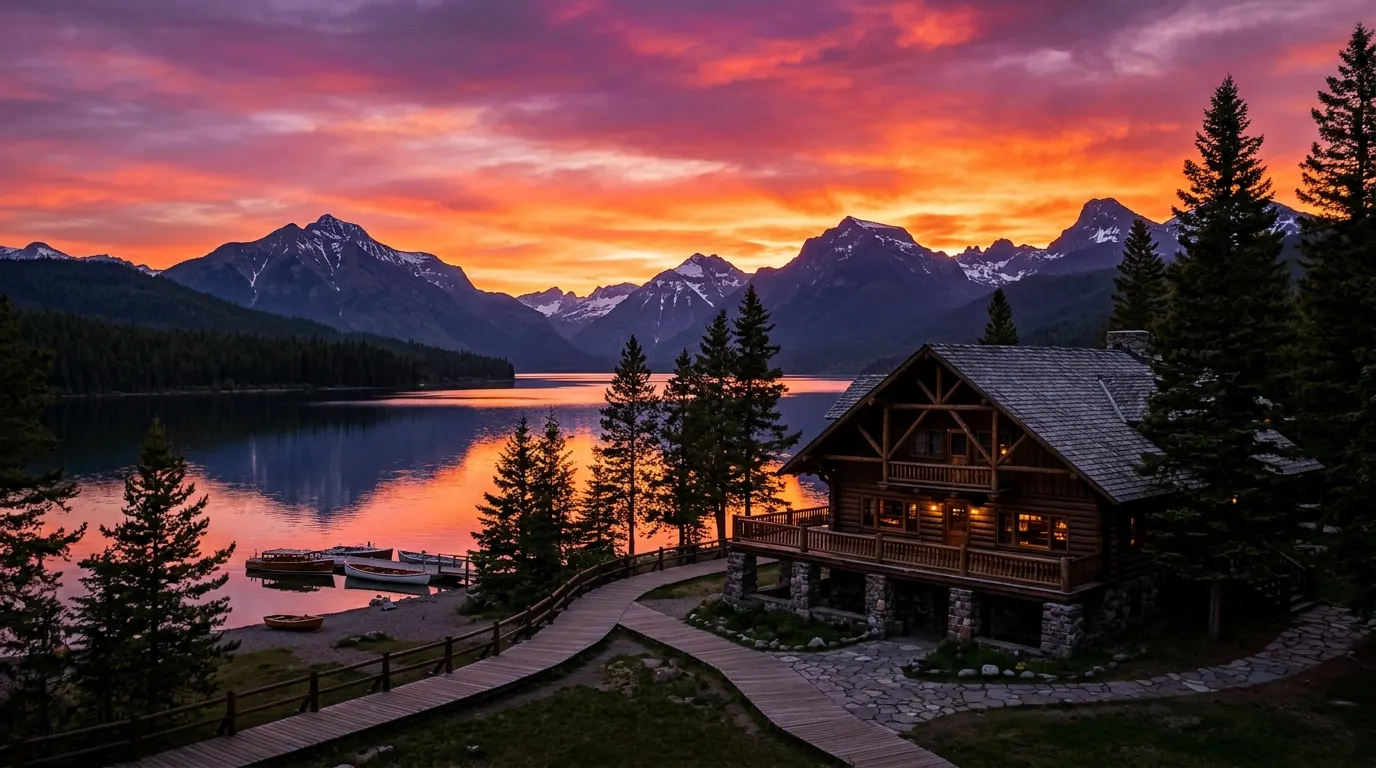
Where you sleep dictates how early you have to wake up to beat the crowds, which is a critical factor when traveling with children.
Staying in Glacier and Whitefish
Glacier offers a mix of historic in-park lodges and excellent gateway towns. If you want the ultimate historic basecamp, the Many Glacier Hotel is a Swiss-style lodge perched right on the edge of Swiftcurrent Lake. It is bustling, beautiful, and puts you right at the trailhead for some of the best family hikes. Over on the east side, the Glacier Park Lodge (East Glacier Park) is a 1913 railway hotel that feels like a cathedral made of massive Douglas fir trees.
If you prefer to stay outside the park with access to modern amenities, Whitefish is spectacular. For a true splurge that handles all the logistics for you, the Flathead Lake Lodge is an iconic, third-generation family-run dude ranch about 40 minutes south of Whitefish. It combines a high-end resort stay with authentic horseback riding, sailing, and a phenomenal kids' program, giving parents a true vacation while still being close enough for a day trip into Glacier.
🎟️ Book family tickets & skip-the-line tours →
Yellowstone and Teton Hubs
Yellowstone has massive in-park accommodation complexes (like Canyon Lodge or Old Faithful Inn), but they book up a year in advance and often lack modern amenities like air conditioning or reliable Wi-Fi. Many families choose to base themselves in West Yellowstone, Montana, which is heavily commercialized but highly convenient for park access. For Grand Teton, Jackson, Wyoming is a world-class (though very expensive) mountain town with incredible restaurants, a town square featuring elk antler arches, and an easy drive into the park.
Top Activities and Hikes for Kids in Glacier & Whitefish
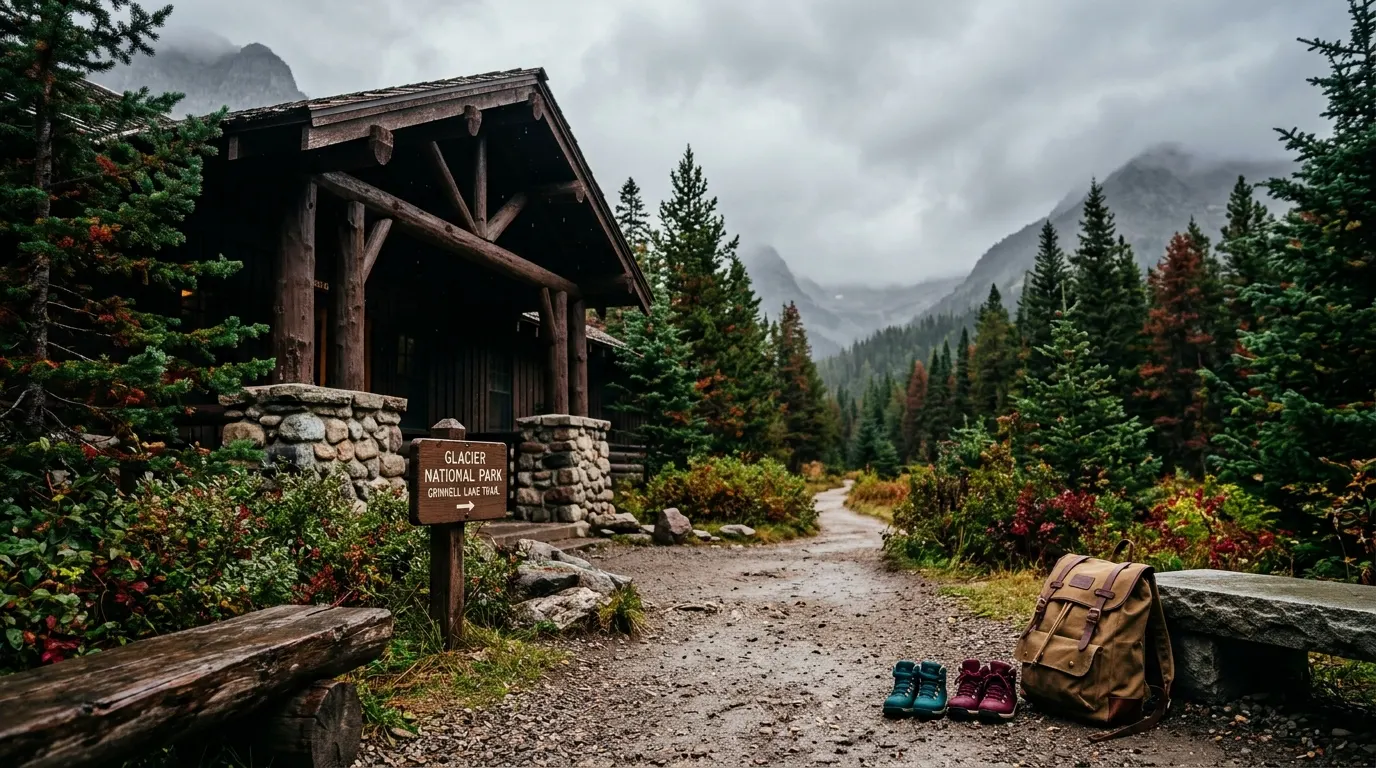
If you lean toward Montana, you need to know exactly where to take the kids to maximize the awe factor without pushing them to exhaustion.
Must-Do Easy Trails
The gold standard family hike in Glacier is the Avalanche Lake Trail. This 4.5-mile round-trip trail delivers a massive payoff. It starts on the Trail of the Cedars (which is flat, boardwalked, and stroller-accessible) before climbing gently through a lush, mossy forest to a stunning alpine lake fed by multiple cascading waterfalls. Plan for about 3 hours with kids, and pack a picnic for the lake shore.
Another incredibly rewarding option is the Virginia Falls Trail. This 3.1-mile round-trip hike hits two major waterfalls (St. Mary Falls and Virginia Falls). It offers kids the chance to feel the misty spray of the falls and dip their hands in icy, crystal-clear water. It is not stroller accessible, so bring a carrier for toddlers.
Iconic Sights and Water Adventures
You do not have to hike far to see world-class scenery. The Wild Goose Island Lookout is the most iconic postcard view in the park, featuring a tiny island surrounded by towering peaks. It is a simple pull-off on the Going-to-the-Sun Road and requires zero hiking, making it a perfect quick stop for families.
If your kids are getting tired of hiking, switch to the water. The Glacier Raft Company (West Glacier) offers a mix of adrenaline-pumping whitewater (great for older kids) and relaxing scenic floats along the border of the park. It is a fantastic way to see the scenery from a different vantage point while giving tired little legs a rest.
Age-By-Age Guide to Glacier National Park & Whitefish vs Yellowstone & Grand Teton with Kids
Choosing the right park often comes down to the exact ages of your children right now.
Toddlers (Ages 2-3)
Winner: Yellowstone & Grand Teton
Yellowstone’s extensive network of flat, wooden boardwalks around the geyser basins makes it incredibly stroller-friendly. You can roll a stroller right up to Old Faithful or Grand Prismatic. Glacier is much tougher for this age group; aside from the Trail of the Cedars, you will need a sturdy hiking carrier for almost every activity, and the steep drop-offs on some trails can be nerve-wracking for parents of unpredictable toddlers.
Preschoolers (Ages 3-5)
Tie
At this age, kids are capable of short hikes but still tire easily. Yellowstone remains fantastic because the constant roadside animal sightings keep them engaged during long drives. However, Glacier offers incredible tactical nature play. Preschoolers love throwing rocks into the glassy water of Lake McDonald or taking the free miniature train ride at the Great Northern Railway Museum in Whitefish.
School-Age (Ages 6-10)
Winner: Glacier National Park & Whitefish
This is the sweet spot for Glacier. Kids in this age range have the stamina for 3-to-5-mile hikes like Avalanche Lake or Virginia Falls. They are old enough to participate in the Junior Ranger program, appreciate the scale of the mountains, and safely navigate rocky terrain. While Yellowstone is still great, school-aged kids often get restless during the 4-hour drives between geyser basins, whereas Glacier's active, trail-based itinerary keeps them moving.
Tweens and Teens (Ages 11-14)
Winner: Glacier National Park & Whitefish
Teenagers want a challenge, and Glacier delivers. You can tackle legendary, longer hikes that offer massive bragging rights. If your teens are fit and motivated, the 10-mile roundtrip Iceberg Lake Trailhead hike leads to a dramatic alpine cirque where actual icebergs float in the water even in August. Alternatively, the Glacier National Park - Bearhat Mountain Trailhead (Hidden Lake Overlook) offers sweeping, cinematic views that look incredible on their camera rolls. Combine this with whitewater rafting and the cool-factor of downtown Whitefish, and you have a trip that will actually impress a 14-year-old.
🎟️ Find family-friendly tours & activities →
What to Skip in Glacier & Whitefish with Kids
Not everything in the brochures translates to a good time when you have a 7-year-old in tow. Protect your time, budget, and sanity by avoiding these family trip pitfalls.
- Hidden Lake Trail (to Hidden Lake) descent: While the 1.5-mile hike from Logan Pass to the Hidden Lake Overlook is a family classic, do not attempt the full descent down to the lakeshore itself with kids. It adds a grueling, steep drop in elevation that you then have to climb back up in the direct alpine sun. The view from the overlook is the best part anyway; save their legs and turn around there.
- Glacier Park Scenic Helicopter Tours (West Glacier): The astronomical cost of $200-$400 per person makes this a massive budget-buster for families. Beyond the price, the tours are relatively short, noise-canceling headsets prevent easy family conversation, and the true magic of Glacier is feeling the dirt under your boots and hearing the waterfalls, not hovering miles above it.
- North Fork Road (Glacier National Park access): Located in the remote northwest corner of the park leading to Bowman Lake, this is a long, unpaved, and bone-jarring dirt drive. It can take hours to cover relatively short distances. Unless you have a high-clearance vehicle, a very high tolerance for complaining from the backseat, and a full day to kill, stick to the paved Going-to-the-Sun Road corridors.
Pro Tips from Parents for a Seamless Trip
Navigating these massive parks requires strategy. Here is what veteran parents know to keep the trip running smoothly.
- Master the Shuttle System: Parking at Logan Pass in Glacier fills up by 6:30 AM in July. Instead of fighting for a spot, use the free park shuttles. Park at the Apgar Visitor Center or St. Mary Visitor Center and ride up. The Logan Pass Shuttle Stop (Glacier National Park Shuttle) is the essential gateway to the high country without the parking stress.
- Pack Your Own Lunches Every Day: Unlike Yellowstone, which has massive cafeterias and dining rooms scattered throughout the park, Glacier has very limited food options once you are on the Going-to-the-Sun Road. Buy a cooler in Whitefish, hit the grocery store, and pack sandwiches, heavy snacks, and tons of water.
- Understand the Costs: Both parks require an entrance fee (usually $35 per vehicle for a 7-day pass). If you plan to visit both on a massive road trip, or visit another federal land, buy the $80 America the Beautiful Annual Pass. It covers your whole car and pays for itself quickly.
- Time Your Hikes for the "Golden Window": With kids, aim to be at your trailhead by 8:00 AM. You will beat the intense midday heat, secure parking if you aren't shuttling, and finish your hike just in time for a picnic lunch when everyone is getting hangry.
- Embrace the Layers: Mountain weather is notoriously fickle. You might start a hike at Logan Pass in 45-degree fog wearing fleece jackets and end it in 80-degree blazing sun. Dress kids in multiple thin layers that can easily be stuffed into a daypack.
Conclusion
Ultimately, the choice of glacier national park & whitefish vs yellowstone & grand teton with kids comes down to the kind of vacation your family needs right now. If you want guaranteed wildlife, accessible boardwalks, and a sprawling geological wonderland that works beautifully for toddlers and grandparents alike, point your compass toward Yellowstone. But if your family is ready to lace up their hiking boots, embrace a slightly more rugged adventure, and stand in awe of dramatic, plunging alpine valleys, Glacier and Whitefish will deliver memories that will last a lifetime. Whichever you choose, the sheer scale of the American West is waiting to leave your kids completely spellbound.