Choosing the perfect Italian getaway for your family often comes down to two remarkably different styles of travel. The mainland pulls you toward the golden light, Renaissance art, and rolling hills of the central regions, while the Mediterranean islands tempt with crystal-clear turquoise waters and pristine white sand. Deciding on florence & tuscany vs sardinia with kids requires looking closely at the daily rhythm you want for your family. Are you seeking active, culturally immersive days filled with climbing medieval towers and hunting down the perfect scoop of artisanal gelato? Or are you dreaming of slow-paced mornings building sandcastles, followed by afternoon boat trips and fresh seafood by the water?
Both destinations offer incredible food, warm hospitality, and unforgettable memories, but they demand entirely different approaches to pacing, packing, and parenting on the road. By breaking down the logistics, the standout attractions, and the physical realities of navigating these regions with children in tow, you can make the best choice for your family's specific ages and interests.
The Core Vibe: Florence & Tuscany vs Sardinia with Kids
To understand which destination will work best for your family, it helps to look at what a typical Tuesday feels like in each location.
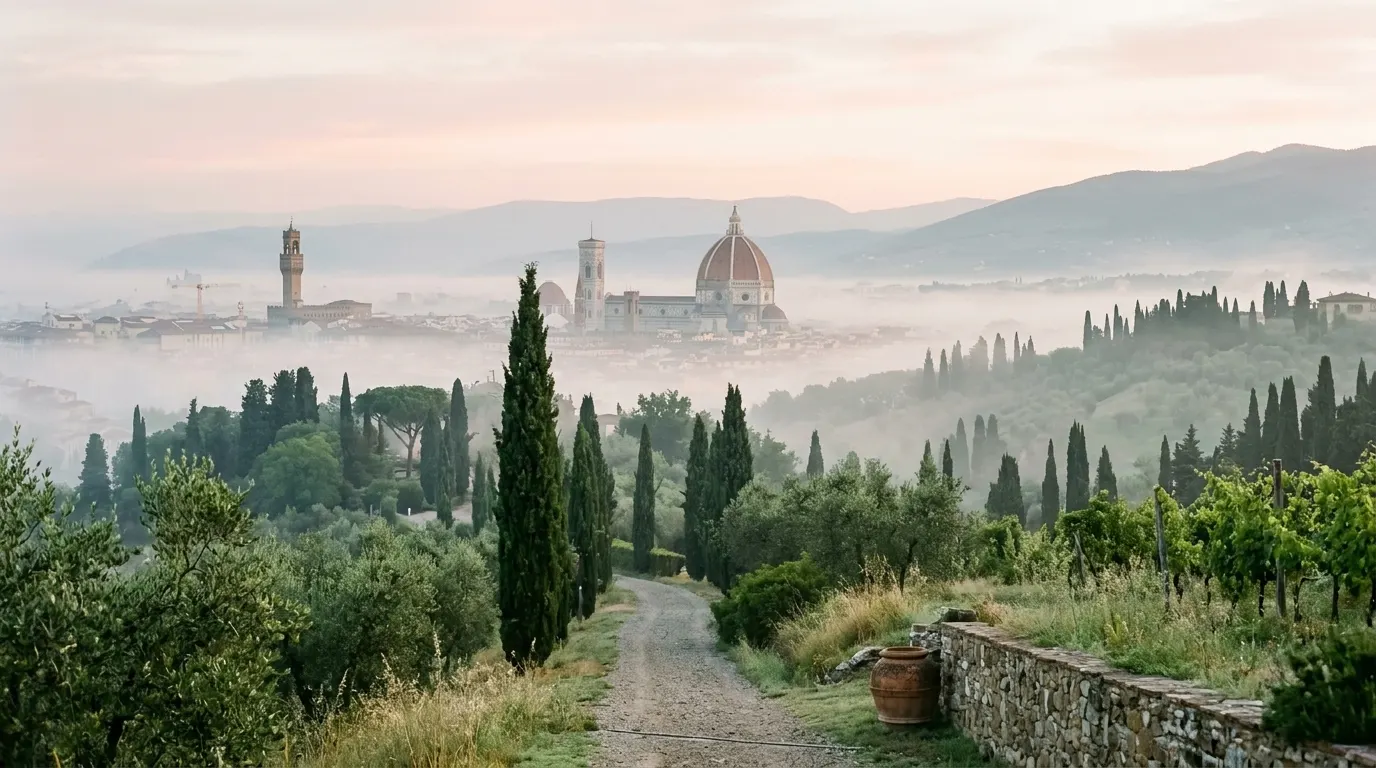
A trip to Florence & Tuscany is inherently active. You will walk—a lot. Your days will be built around exploring historic city centers, wandering through sprawling Renaissance gardens, and marveling at world-class art. The energy is vibrant and intellectually stimulating. You might spend the morning navigating the cobblestone streets of Florence, taking a midday break for schiacciata (Tuscan flatbread) sandwiches, and dedicating the afternoon to a hands-on museum or a run through a local piazza. It is a destination that rewards curiosity and rewards families who enjoy a bit of structure and itinerary planning.
By contrast, a family trip to Sardinia is defined by the natural environment. The island boasts some of the most spectacular beaches in Europe, with shallow, calm waters that are incredibly safe for young swimmers. A typical day here revolves around the sun and the sea. You might load up a rental car with beach gear, drive to a secluded cove, and spend hours swimming, snorkeling, and relaxing. The pace is distinctly slower, dictated by the heat of the midday sun and the rhythm of the tides. While Sardinia has fascinating Nuragic ruins and charming coastal towns, the primary draw is the breathtaking coastline.
Top Family Experiences: Cultural Wonders vs Coastal Freedom
When comparing these two regions, the types of activities you will fill your days with are starkly different. While Sardinia excels at offering endless stretches of sand and outdoor adventure, Tuscany counters with a mix of history, art, and unique open-air spaces that can capture a child's imagination just as effectively.
Climbing Domes and Exploring Gardens in Tuscany
One of the most thrilling physical challenges for older kids in Florence is conquering the Cupola del Brunelleschi (Cattedrale di Santa Maria del Fiore). This legendary 463-step climb takes you through the narrow, slanted inner shell of the world's largest masonry dome. It feels like a secret passageway and rewards you with sweeping views of the terracotta rooftops below. (Tickets are around €30 / $32 USD and must be booked well in advance).
🎟️ Book family tickets & skip-the-line tours →
For a completely different outdoor experience, drive out to the Giardino dei Tarocchi (Tarot Garden) in southern Tuscany. This surrealist wonderland features 22 massive, mosaic-covered sculptures representing the tarot cards. The best part for families? Kids can actually climb inside and explore these glittering, mirror-covered structures. It is a wildly imaginative space that feels worlds away from a traditional museum. Similarly, the Abbazia di San Galgano offers a magical, open-air history lesson. It is a breathtaking, roofless 13th-century Gothic cathedral where the sky serves as the ceiling and grass blankets the floor, giving kids the freedom to wander and wonder without the hushed constraints of an active church.
Art Without the Boredom
Taking kids to art museums can be daunting, but Florence offers ways to do it right. The Galleria dell'Accademia di Firenze is the ultimate "one-hit wonder" museum for families. It is home to Michelangelo's David. You can get in, marvel at the colossal scale of the masterpiece, and get out before anyone has a meltdown. It is highly recommended to book a timed entry ticket to bypass the notoriously long queues.
🎟️ Find family-friendly tours & activities →
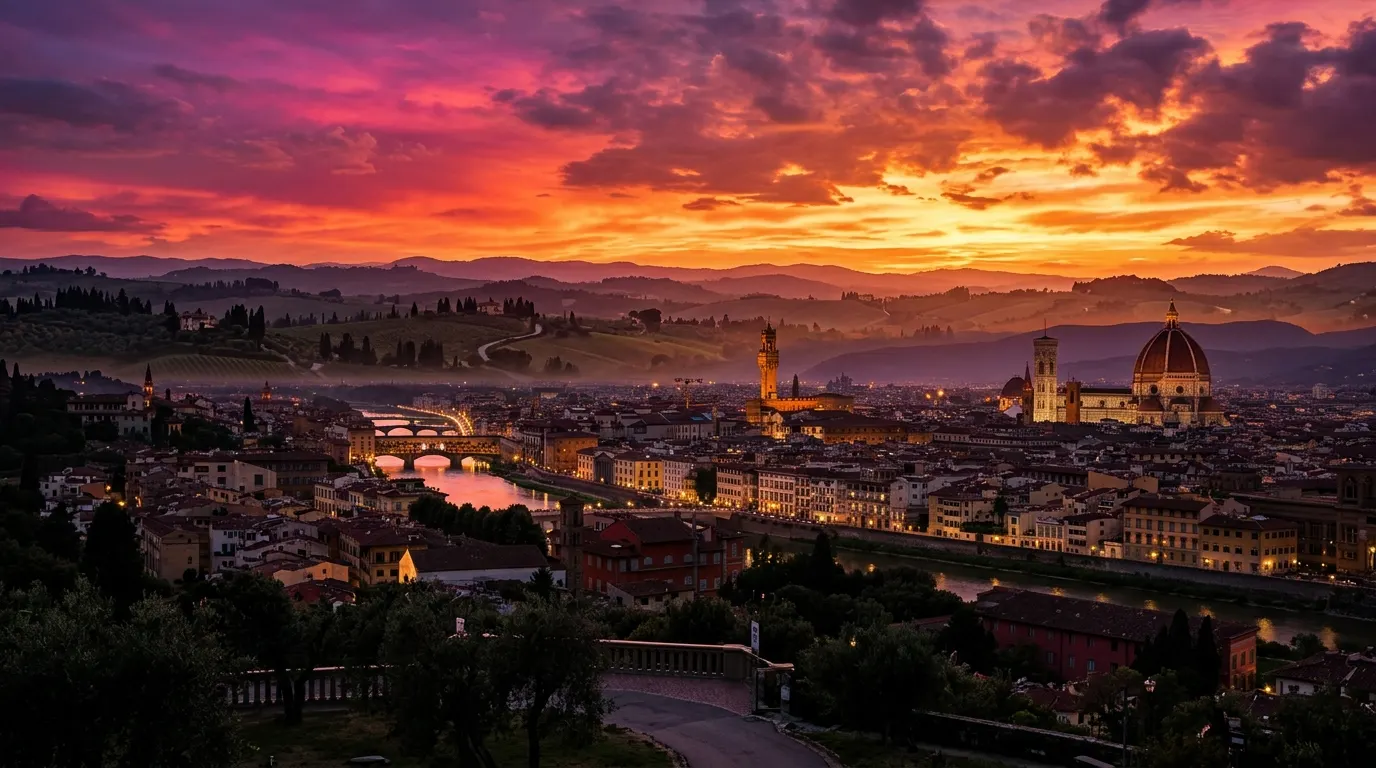
If you prefer to see art outdoors, hike up to Piazzale Michelangelo at sunset. Not only do you get the ultimate postcard view of Florence, but the sweeping terrace features a bronze replica of the David and plenty of space for kids to stretch their legs while you listen to local buskers playing music.
Farms and Open Spaces
Tuscany isn't just about crowded cities. Just 15 minutes from Florence's city center, you'll find the Fattoria di Maiano, a sprawling organic farm and botanical garden where kids can interact with animals and see olive oil production firsthand. Further afield, the Piazza del Campo, Siena acts as the city's medieval living room. This massive, shell-shaped square is pedestrian-only, allowing kids to safely run off energy while parents enjoy a coffee at the perimeter cafes. The nearby Siena Cathedral (Duomo di Siena) is a visually stunning Gothic masterpiece that keeps kids engaged with its bold, zebra-like black-and-white striped columns.
Age-by-Age Guide: Which Destination Wins?
Children of different ages require completely different environments to thrive on vacation. Here is how the two destinations stack up across different developmental stages.
Toddlers (Ages 2-3)
Winner: Sardinia
For the toddler crowd, Sardinia generally offers a much easier daily routine. The island is packed with shallow, zero-entry beaches with soft sand, meaning your two-year-old can splash safely at the water's edge while you relax nearby. Florence's historic center, conversely, is paved with "pietra forte" slabs and incredibly uneven cobblestones that will swallow the small wheels of an umbrella stroller. Pushing a toddler through crowded Florentine streets can be physically exhausting.
If you are in Florence with a toddler, seek out the Biblioteca delle Oblate. This former convent turned public library offers a rare, peaceful sanctuary for families right in the heart of the city, complete with a wonderful children's section and a rooftop cafe with stellar views of the Duomo.
Preschoolers (Ages 4-5)
Winner: Tie
Preschoolers are at a magical age where they can appreciate both environments, provided you pace the days correctly. In Sardinia, they will endlessly build sandcastles and hunt for seashells. In Tuscany, they will delight in daily gelato hunts and wide-open spaces. If you are in the Lucca area, the Villa Reale di Marlia is a fantastic option for this age group. This sprawling 16-hectare estate trades stuffy museum vibes for world-class gardens, a lake, and plenty of room to roam safely.
School-Age (Ages 6-10)
Winner: Florence & Tuscany
This is the sweet spot for Tuscany. Kids in early elementary school have the stamina for walking tours and the cognitive development to appreciate the history. Taking them into the heart of the Apuan Alps to the Cave di Marmo di Carrara (Fantiscritti) is an unforgettable adventure. You ride deep into the mountains in 4x4 vehicles to see exactly where Michelangelo sourced his bright white marble. Another incredible stop for this age is the Parco Archeologico di Baratti e Populonia, a massive open-air archaeological site overlooking the sea where kids can explore ancient Etruscan tombs that feel like "cities of the dead."
Tweens and Teens (Ages 11-14)
Winner: Florence & Tuscany
Teenagers often crave independence, culture, and unique experiences they can share with friends back home. Tuscany delivers on all fronts. Sports fans will love the high-octane energy of an Italian Serie A soccer match at the historic 1930s concrete Stadio Artemio Franchi. Science-minded teens should head to the Museo Leonardiano - Palazzina Uzielli, Vinci to explore Da Vinci’s fascinating scientific mind and engineering inventions. And if you happen to visit in late winter, the Carnevale di Viareggio is Italy's most spectacular carnival, featuring massive, satirical papier-mâché floats up to 20 meters tall that will leave older kids speechless.
What to Skip: Tourist Traps and Overhyped Spots in Florence
When traveling with kids, time and patience are your most valuable currencies. Not every famous spot in Florence is conducive to a good family experience. Here are a few places that are better left off the itinerary.
First, skip Il Latini. While this legendary steakhouse is famous worldwide, it is a nightmare for families with children. The chaotic communal seating, the famously strict door policy, and the incredibly rushed, loud environment make it overwhelming for kids and stressful for parents trying to manage them.
Similarly, Buca Mario, a historic 16th-century basement restaurant, is a logistical headache. Starting with the steep stairs to get down into the dining room (impossible with a stroller) and continuing with the tight quarters, it is not designed for family comfort. If you are looking for high-end dining, also skip Enoteca Pinchiorri and La Bottega del Buon Caffè. These are Michelin-starred temples of formal gastronomy where meals stretch for 3 to 4 hours and dinner services don't even begin until 7:30 PM, which is far too late for most children's natural sleep schedules.
On the attraction front, bypass the Gucci Garden (Gucci Museo) and the Museo Ferragamo (Museo Salvatore Ferragamo). These are essentially high-end brand experiences masquerading as museums. Unless you have a teenager who is intensely passionate about the technical history of footwear or luxury fashion branding, these will be incredibly boring for younger travelers.
Finally, while gelato is a daily requirement in Italy, skip the Grom Gelato (Via del Campanile) location. While the gelato itself is high quality, this specific storefront right next to the Duomo is a massive tourist magnet with lines that wrap around the block. You can find equally excellent, artisanal gelato on side streets without the hour-long wait.
Essential Logistics: Navigating the Regions
The physical reality of getting around these regions is a massive factor in choosing florence & tuscany vs sardinia with kids.
In Sardinia, a rental car is absolutely mandatory. The island is vast, public transportation is sparse, and the best beaches are often located down winding dirt roads. You will spend a significant amount of time in the car, so ensure your kids are comfortable with longer drives.
In Florence, a car is actually a liability. Florence’s city center is strictly monitored by ZTL (Zona Traffico Limitato) cameras that trigger automatic, hefty fines for unauthorized vehicles. Even if your GPS tells you to turn down a street, do not cross a ZTL boundary. Instead, rely on walking and public transit. If you are staying on the outskirts of Florence or arriving from the airport, the T1 and T2 tram lines are modern, clean, and entirely stroller-accessible, making them a parent's best friend.
When navigating Florence on foot, be prepared for the sidewalks. They are often incredibly narrow, sometimes disappearing entirely, forcing you to walk on the edge of the street. A rugged stroller with large, air-filled tires is highly recommended over a flimsy umbrella stroller, which will rattle your child (and your arms) over the historic paving stones.
Pro Tips from Parents for a Smoother Italian Vacation
To make your trip as seamless as possible, keep these hard-learned parent tips in mind:
- Adjust your dining clock: Most Florentine restaurants don't open for dinner until 7:30 PM, which is notoriously late for little ones. To bridge the gap, head to a local bar or cafe around 5:30 PM for aperitivo. You can order a spritz or wine, and it usually comes with a generous plate of snacks (focaccia, chips, olives) that can serve as an early, light dinner for toddlers.
- Seek out the artisans: Cross the Ponte Santa Trinita to the Oltrarno neighborhood (the "other side" of the Arno River). Here, the streets are slightly quieter, and kids can stand at workshop windows to watch marble paper being made, leather being stamped, or woodcarvers at work. It is free, fascinating entertainment.
- Hydrate for free: Florence has high-tech public water kiosks (fontanelli) scattered throughout the city that provide free, chilled still water and incredibly cheap (usually 5 to 10 cents) sparkling water. Bring your own reusable bottles and fill up throughout the day to save money and reduce plastic waste.
- Avoid the tourist menus: If you are walking down a street and see a restaurant with a sign advertising a "Menu Turistico" or displaying large, faded photos of pasta on a board outside, keep walking. The food is almost always mass-produced, overpriced, and frozen. Authentic spots rely on small, handwritten menus that change with the season.
- Pace your museum visits: The Uffizi and the Accademia are world-class museums, but they are massive and require hours of standing on hard floors. Attempting both in a single 24-hour period is a recipe for museum fatigue and cranky kids. Space them out, or choose just one.
Choosing between florence & tuscany vs sardinia with kids ultimately means choosing between two beautiful, but very different, types of family memories. If your family thrives on discovery, history, and staying active, the cobblestone streets and rolling hills of Tuscany will provide an enriching, unforgettable adventure. If your priority is decompression, building sandcastles, and soaking in the Mediterranean sun, the pristine shores of Sardinia will be your perfect sanctuary. Whichever path you choose, Italy’s deep-rooted love for children ensures that your family will be welcomed with open arms, extra scoops of gelato, and a warmth that makes traveling with kids truly worthwhile.