Choosing between the sun-drenched, art-filled piazzas of Italy and the dramatic, rugged fjords above the Arctic Circle is the ultimate travel dilemma. If you are currently weighing a florence & tuscany vs lofoten islands with kids itinerary, you are looking at two of the most spectacular, yet completely opposite, family vacation experiences on the planet.
One trip promises gelato hunts, climbing medieval castle walls, and unlocking Da Vinci's wonders. The other offers midnight suns, Viking history, and towering granite peaks rising straight out of icy, turquoise waters. Both require strategic planning when little legs and short attention spans are involved. Having navigated the labyrinthine cobblestone streets of Italian Renaissance cities and the winding coastal roads of Norwegian archipelagos with kids in tow, I know firsthand that what looks magical on a travel blog can sometimes translate to a logistical headache on the ground.
Whether you want to dive deep into our City Guide: /city/florence-tuscany or explore our City Guide: /city/lofoten-islands, this comprehensive breakdown will help you decide which destination aligns best with your family's travel style, energy levels, and ages.
Florence & Tuscany vs Lofoten Islands with Kids: The Vibe Check
Before diving into the logistics, it is crucial to understand the fundamental rhythm of each destination. These two regions demand entirely different parenting strategies and daily schedules.
The Italian Renaissance Playground
Florence and the surrounding Tuscan countryside are defined by culture, culinary indulgence, and history that you can literally reach out and touch. The vibe here is vibrant, loud, and deeply communal. Italians are famously welcoming to children; your toddler will be cooed over in restaurants, and a minor meltdown in a piazza is usually met with sympathetic smiles rather than glaring stares. A Tuscan trip involves balancing high-culture museum mornings with relaxed afternoons running around walled medieval hill towns or expansive gardens. You will spend your days admiring architecture, hunting for the best local pasta, and using gelato as a highly effective bribery tool.
The Norwegian Arctic Adventure
The Lofoten Islands operate on an entirely different frequency. The vibe here is raw, expansive, and deeply tied to nature. You are trading bustling piazzas for silent, awe-inspiring landscapes. A family trip to Lofoten is heavily dependent on the weather and revolves around outdoor exploration: hiking, beachcombing on Arctic shores, and ferry rides through dramatic fjords. The culture is quieter and more reserved, and the infrastructure is built for resilience rather than indulgence. If your family thrives on fresh air, wildlife spotting, and escaping the crowds, Lofoten provides an unparalleled sense of remote, end-of-the-world adventure.
Top Family Experiences in Florence & Tuscany
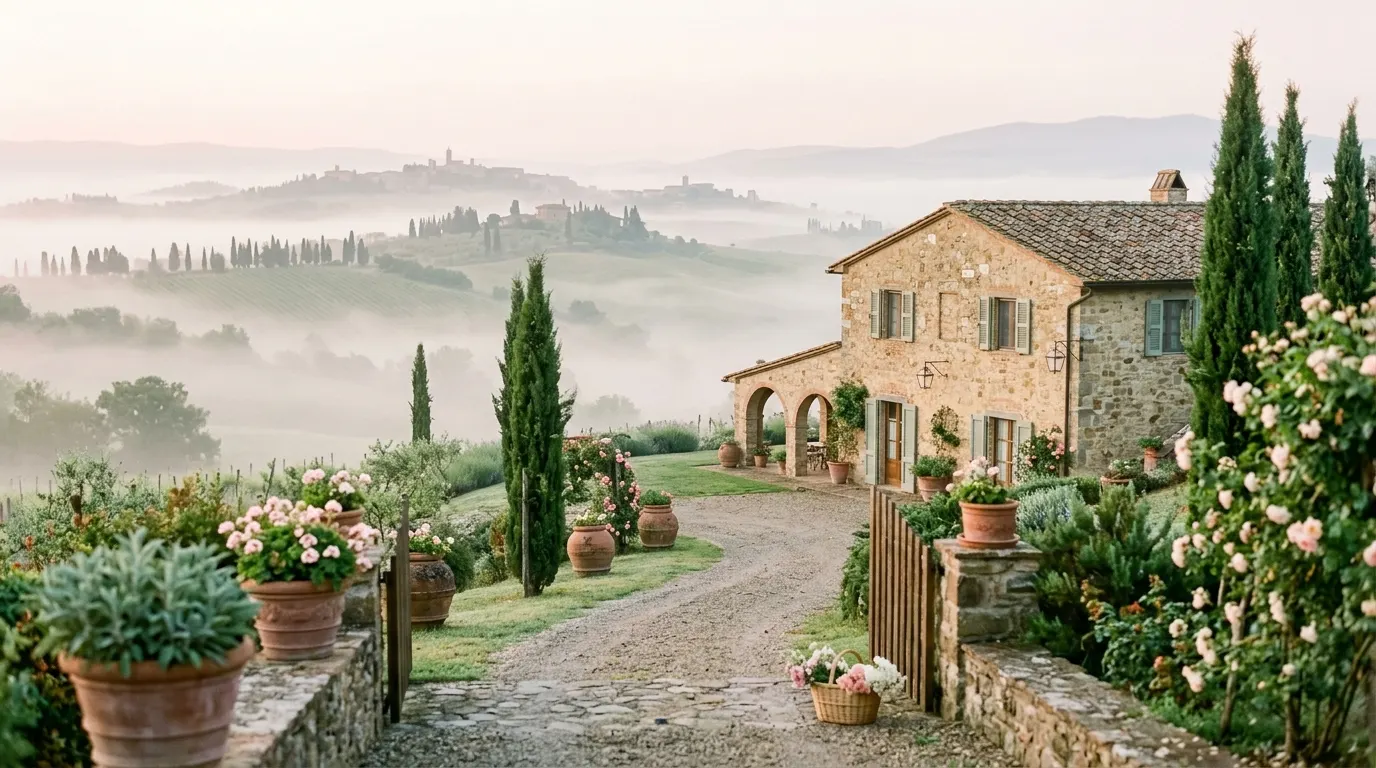
Florence might seem like an endless parade of "don't touch" art galleries, but beneath the surface, it is a highly interactive city for children.
Interactive Museums and Hidden Passages
While the massive art galleries can be exhausting, Florence has incredible niche museums that cater directly to curious minds. The Leonardo Interactive Museum is an absolute must. It provides a refreshing break from strict galleries, featuring over 50 full-scale, working wooden machines based on Da Vinci's codices. Kids can pull levers, turn cranks, and build bridges. For a dose of history that feels like an adventure, the Museo di Palazzo Vecchio is phenomenal. This isn't a dusty gallery; it is a fortress-palace where kids can explore hidden staircases and secret rooms tucked behind massive paintings.
🎟️ Book family tickets & skip-the-line tours →
Masterpieces and Epic Squares
You cannot visit Florence without seeing Michelangelo's David. The Galleria dell'Accademia di Firenze is perfect for families because it is essentially a 'one-hit wonder' museum. You can get in, marvel at the colossal statue, and get out before museum fatigue sets in. Afterward, head up to Piazzale Michelangelo for the ultimate postcard view of Florence, where kids can run around the bronze replica of David.
If you venture into Tuscany, Siena offers incredible open spaces. The Piazza del Campo, Siena is a massive, shell-shaped medieval square that acts as the city's living room. It is completely pedestrianized, allowing kids to safely run off energy while you enjoy a coffee. Just a short walk away is the Siena Cathedral (Duomo di Siena), a visually stunning Gothic masterpiece that keeps kids engaged with its bold black-and-white striped pillars that look like giant candy canes.
Magical Gardens and Outdoor Wonders
Tuscany is home to some truly surreal outdoor spaces. The Giardino dei Tarocchi (Tarot Garden) in southern Tuscany is a surrealist wonderland created by Niki de Saint Phalle, featuring 22 massive, mosaic-covered sculptures that kids can actually climb inside. Closer to Florence, the Giardino dell'Orticoltura is a beloved local escape featuring a magnificent 19th-century glass greenhouse and a dedicated playground. Further afield, the Abbazia di San Galgano is a breathtaking, roofless 13th-century Gothic cathedral where the sky serves as the ceiling and grass replaces the floor—it feels straight out of a fantasy novel.
Authentic Crafts and Unique Excursions
For a hands-on cultural experience, visit the Scuola del Cuoio (Leather School). It offers a rare chance for kids to see a real Renaissance-era craft in action inside the historic dormitories of Santa Croce. If you want to get out of the city, take a tour of the Cave di Marmo di Carrara (Fantiscritti). Driving deep into the heart of the Apuan Alps to see where Michelangelo sourced his bright white marble feels like entering a superhero's secret lair. And if you happen to visit in late winter, the Carnevale di Viareggio is Italy's most spectacular carnival, featuring massive, satirical papier-mâché floats up to 20 meters tall.
Top Family Experiences in the Lofoten Islands
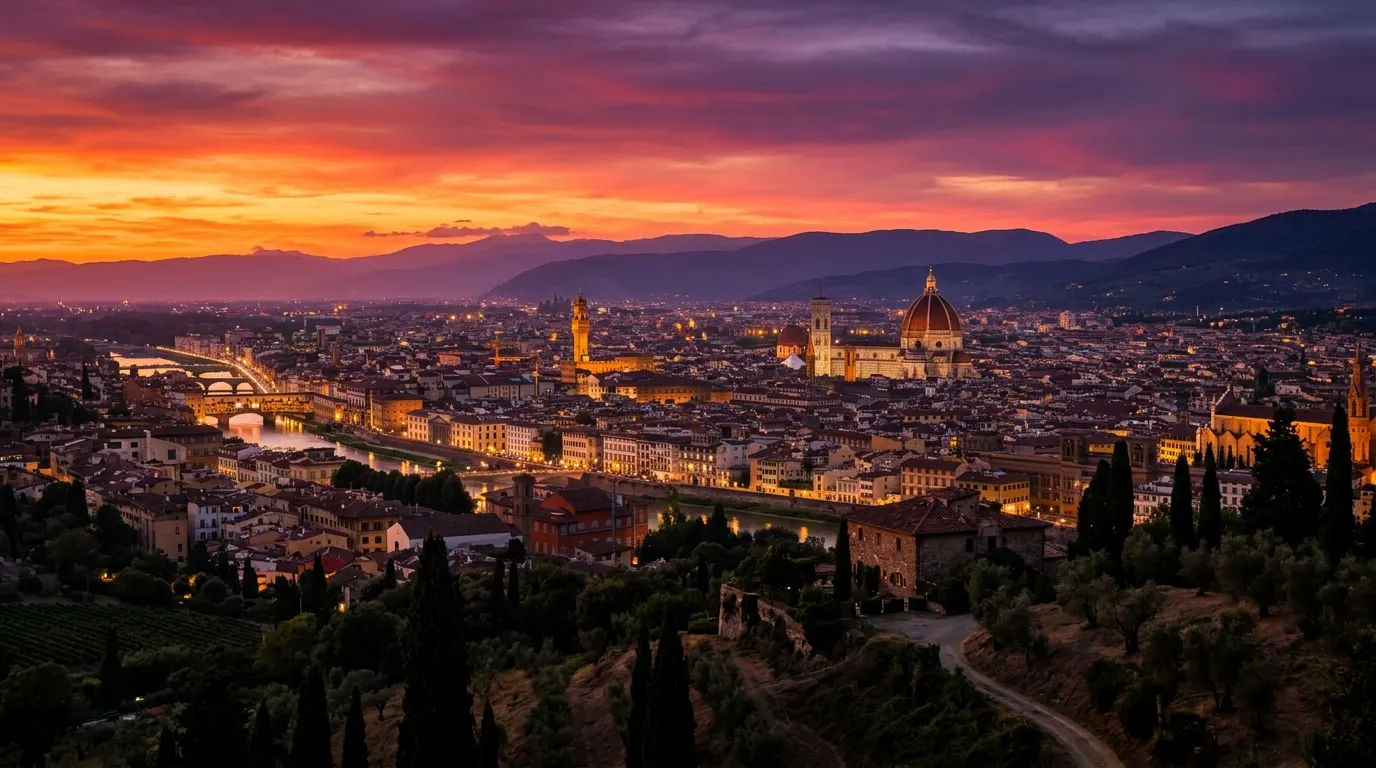
If Tuscany is about what humanity has built, Lofoten is about what nature has carved. The activities here are rugged, weather-dependent, and unforgettable.
Exploring Viking History
The Lofotr Viking Museum in Borg is arguably the best family attraction in the islands. It features a full-scale reconstruction of the largest Viking longhouse ever found. Kids can watch blacksmiths forge iron, try their hand at throwing axes (safely supervised, of course), and even row a replica Viking ship on the nearby fjord during the summer months. It is an immersive, tactile history lesson that brings the Norse sagas to life in a way no textbook ever could.
🎟️ Find family-friendly tours & activities →
Midnight Sun and Arctic Beaches
Lofoten is famous for its beaches, which look like they belong in the Caribbean until you dip your toes in the frigid Arctic water. Haukland Beach and Ramberg Beach boast powdery white sand and turquoise waters. While swimming is only for the exceptionally brave (or insulated), these beaches are incredible for sandcastle building, flying kites, and exploring tide pools. If you visit between late May and mid-July, your family will experience the Midnight Sun. There is something deeply magical—and slightly disorienting—about hiking up a small coastal hill at 11:30 PM in broad daylight.
Fishing Villages and Fjord Safaris
Staying in a traditional rorbu (a red or yellow fisherman's cabin built on stilts over the water) is an experience in itself. Villages like Nusfjord and Reine look like toy towns nestled at the base of dramatic granite peaks. Families can book rigid inflatable boat (RIB) safaris to Trollfjord, zipping across the water to spot massive white-tailed sea eagles swooping down to catch fish. Just be sure to bundle up; the wind chill on the water is significant even in July.
What to Skip: Tourist Traps and Overhyped Spots
Not everything famous is family-friendly. In fact, some of the most iconic spots can quickly turn a great day into a miserable one. Here is what to avoid, particularly in Italy.
Grueling and Claustrophobic Climbs
Climbing towers sounds fun until you are trapped in a medieval stairwell with a crying toddler and a line of impatient tourists behind you. Skip the Duomo Cupola Climb. The 463-step ascent is a grueling, one-way journey through narrow, airless corridors where turning back is physically impossible. You can admire the Cupola del Brunelleschi (Cattedrale di Santa Maria del Fiore) perfectly well from the ground. Similarly, avoid the Torre del Mangia in Siena, which is an equally claustrophobic 400-step climb with no elevator.
Dark Museums and Unsafe Landscapes
While history is fascinating, some places are too dark or demanding for kids. The Cappelle Medicee is a somber mausoleum where the atmosphere is strictly 'hushed whispers,' making it a high-stress environment for parents of energetic kids. In San Gimignano, skip the Museo della Tortura (San Gimignano), which focuses on graphic, sensationalist displays of medieval torture devices designed to shock rather than educate. If exploring the Tuscan countryside, avoid Le Balze di Volterra; these dramatic clay cliffs are actively eroding into the abyss and offer zero safety barriers or fences, making them a nightmare for parents of young children.
Chaotic Dining and Markets
Florence is famous for its leather and its steak, but approach both with caution. The San Lorenzo Leather Market is a high-stress gauntlet of aggressive vendors, narrow stroller-unfriendly aisles, and counterfeit goods. For dining, avoid famous spots like Trattoria Sostanza (Il Troia) and Il Latini. Both operate on rigid, chaotic communal seating systems and "seating waves" that are entirely incompatible with a family's need for flexibility, space, and timely meals.
Age-by-Age Guide: Florence & Tuscany vs Lofoten Islands with Kids
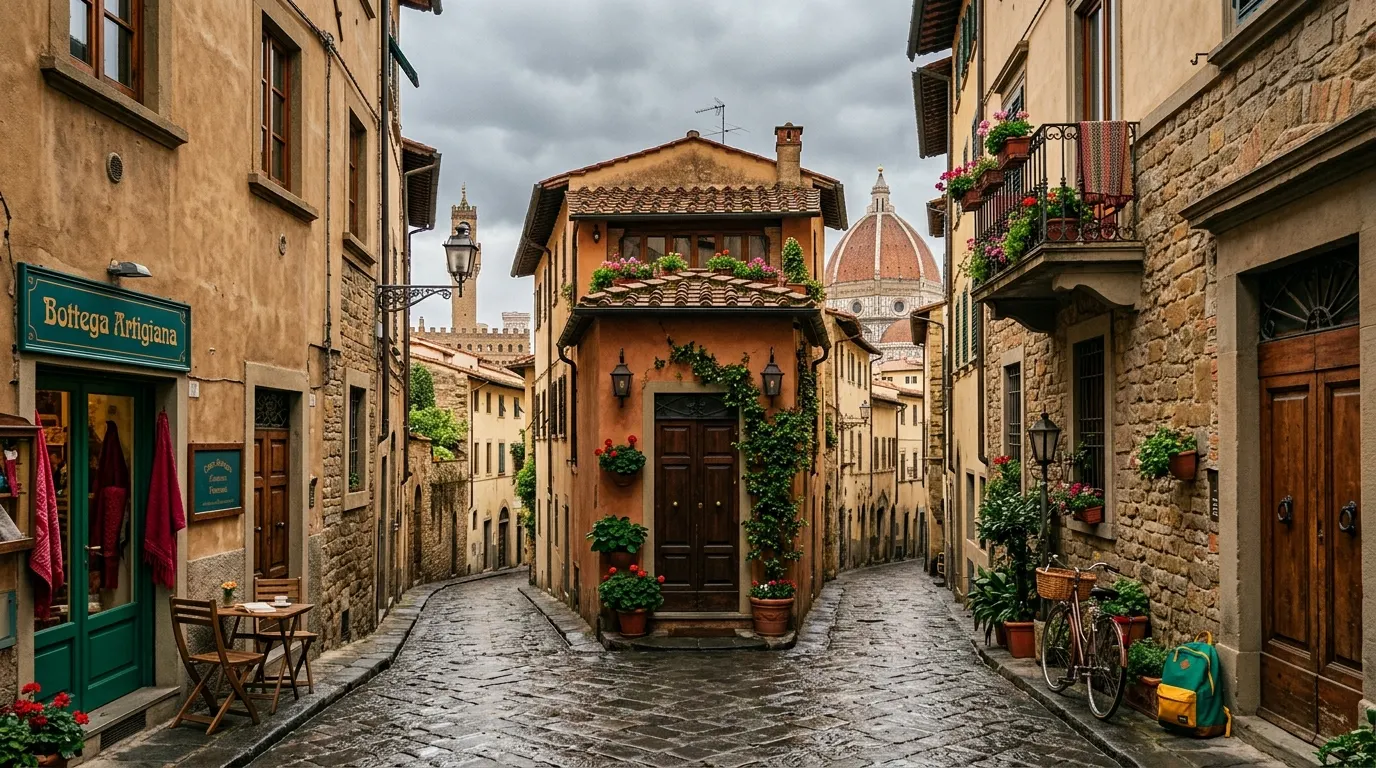
Different ages require different pacing. Here is how each destination stacks up depending on the ages of your children.
Toddlers (Ages 2-3)
Florence & Tuscany: This age is all about open spaces and sensory experiences. Toddlers will love chasing pigeons in Piazza della Signoria and tasting endless flavors of gelato. However, the uneven pietra forte slabs in Florence are brutal on travel strollers. You will want a sturdy stroller or a baby carrier. The Biblioteca delle Oblate, a former convent turned public library, offers a rare, peaceful sanctuary for families in the heart of the city, complete with a cafe overlooking the Duomo.
Lofoten: Toddlers will love playing in the sand at Haukland Beach and watching the drying fish racks (the smell is a sensory experience!). However, the long driving times between villages and the sheer drop-offs near the water require constant vigilance.
Preschoolers (Ages 3-5)
Florence & Tuscany: This is a golden age for the Leonardo Interactive Museum and running wild in the Giardino dei Tarocchi (Tarot Garden). Preschoolers are old enough to understand the concept of castles, making a day trip to a walled city like Monteriggioni incredibly fun.
Lofoten: The Lofotr Viking Museum is a massive hit for this age group. They can look at the farm animals, sit by the open fire in the longhouse, and wear Viking helmets. The midnight sun can heavily disrupt sleep schedules, so blackout curtains in your accommodation are a non-negotiable necessity.
School-Age Kids (Ages 6-10)
Florence & Tuscany: School-age kids have the stamina for real exploration. They will be fascinated by the secret passages in the Museo di Palazzo Vecchio and the massive trucks working inside the Cave di Marmo di Carrara (Fantiscritti). This is also the perfect age to book a family pizza or gelato-making cooking class.
Lofoten: This is where Lofoten really shines. Kids this age can handle beginner kayaking in calm fjords, easy coastal hikes, and RIB boat safaris to look for sea eagles. They will be thrilled by the sheer ruggedness of the environment.
Tweens and Teens (Ages 11-14)
Florence & Tuscany: Teens can finally appreciate the magnitude of the Uffizi Gallery and the Galleria dell'Accademia di Firenze. They will love the independence of exploring the vintage shops in the Oltrarno district and snapping photos from Piazzale Michelangelo at sunset.
Lofoten: Teens looking for adventure will be obsessed with Lofoten. They can try Arctic surfing at Unstad Beach, tackle more challenging hikes like Reinebringen (if they are experienced and sure-footed), and appreciate the moody, cinematic aesthetic of the fishing villages.
Practical Planning: Logistics, Food, and Getting Around
The day-to-day logistics of managing a family in these two destinations could not be more different.
Navigating Terrain and Transport
In Florence, the historic center is highly walkable but paved with uneven cobblestones that swallow small wheels. If you are staying on the outskirts or arriving from the airport, the T1 and T2 tram lines are modern, stroller-accessible, and highly efficient. Beware of renting a car to drive into Florence; the city center is strictly monitored by ZTL (Zona Traffico Limitato) cameras that trigger automatic, hefty fines for unauthorized vehicles.
In Lofoten, renting a car is absolutely essential. Public transport exists but is far too infrequent to rely on with kids. The E10 highway runs through the islands and is incredibly scenic, but it is also narrow and winding. You will need to build in extra time for driving, as you will frequently want to pull over for photos, or you might get stuck behind a slow-moving campervan.
Kid-Friendly Dining
Italian dining is famously wonderful, but the timing can be tough. Most Florentine restaurants do not open for dinner until 7:30 PM, which is late for little ones. Instead, head to a bar in the late afternoon for aperitivo—you buy a drink (Aperol for you, juice for them) and get access to a buffet of snacks that can easily serve as an early dinner. Also, if you see a sign for a 'Menu Turistico' or pictures of pasta on a board outside, the food is likely mass-produced and frozen; skip it and look for trattorias tucked down side streets.
In Lofoten, dining out is exceptionally expensive (budget in NOK, but expect meals to cost significantly more in USD than in Italy). The food scene is heavily focused on seafood, particularly dried cod (stockfish). If your kids are picky eaters, you will want to book a rorbu or apartment with a kitchen so you can cook meals using groceries from local supermarkets like REMA 1000 or Kiwi.
Pro Tips from Parents for Florence and Tuscany
To make your Italian adventure as smooth as possible, keep these parent-tested tips in your back pocket:
- Pace your museum days: The world-class museums like the Uffizi and Accademia are massive and require hours of standing. Attempting both in a 24-hour period is a recipe for a 'museum meltdown.' Do one, and spend the rest of the day outside.
- Utilize the water kiosks: Florence has brilliant, high-tech public water kiosks scattered around the city. They provide free chilled still water and very cheap (5-10 cents) sparkling water. Bring your reusable bottles!
- Cross the river: Escape the dense crowds around the Duomo by crossing the Ponte Santa Trinita to the 'other side' of the Arno (the Oltrarno). Here, kids can watch artisans making marbled paper or carving wood in open studio doorways.
- Embrace the Aperitivo: As mentioned, use the 6:00 PM aperitivo hour to feed hungry kids who cannot wait for the 7:30 PM restaurant openings.
- Respect the ZTL: Do not, under any circumstances, try to drive your rental car to your historic center hotel to drop off bags unless the hotel has explicitly registered your license plate. The camera fines will find you months later.
The Final Verdict
Deciding between florence & tuscany vs lofoten islands with kids ultimately comes down to what fills your family's cup. If you want a trip filled with rich culinary experiences, interactive history, and the warm, chaotic embrace of Italian culture, Florence and Tuscany will deliver memories that last a lifetime. If your family bonds best over shared outdoor challenges, dramatic natural beauty, and escaping the modern world, the Lofoten Islands will provide an epic, unforgettable adventure. Whichever you choose, pack a sense of humor, stay flexible, and enjoy the journey!