Taking your children on a safari is one of the most profound, deeply moving travel experiences a family can share. Watching a toddler’s eyes widen as a giraffe stretches for an acacia leaf, or seeing your teenager put down their phone to marvel at a herd of elephants crossing the plains, changes how your family views the world. When planning a trip to East Africa, you will quickly find that researching the best things to do in arusha & northern tanzania with kids requires navigating a maze of logistics, safety considerations, and endless lodge options. Arusha serves as the bustling gateway to the famed Northern Circuit, a route that promises up-close wildlife encounters, sweeping savannahs, and memories that will outlast any souvenir.
This comprehensive guide is designed to help you plan an unforgettable, safe, and wildly successful family safari. From choosing the right camps to knowing exactly which exhausting treks to avoid, here is everything you need to know about navigating the bush with kids in tow.
Why Northern Tanzania is the Ultimate Family Safari Destination
Arusha and the surrounding Northern Circuit—which encompasses Tarangire, Lake Manyara, Ngorongoro Crater, and the Serengeti—is widely considered the crown jewel of African wildlife viewing. Unlike destinations where animals are sparse or hidden in dense foliage, the wide-open plains of Northern Tanzania offer high-visibility game drives. This is crucial when traveling with children, whose attention spans can wane if they spend hours staring at empty bushes.
Beyond the sheer density of wildlife, Northern Tanzania is incredibly well-equipped for families. The infrastructure here has evolved to support travelers of all ages, with private safari vehicles, family-sized luxury tents, and guides who are exceptionally skilled at reading the moods of younger passengers. The region also offers a fascinating geographical diversity. Within a single week, your family can transition from the lush, elephant-filled woodlands of Tarangire to the dramatic, enclosed caldera of the Ngorongoro Crater, and finally to the seemingly endless grassy oceans of the Serengeti.
To get your bearings on the logistics of arriving and navigating the gateway city, bookmark our complete Arusha & Northern Tanzania city guide. It covers the essentials of flying into Kilimanjaro International Airport (JRO) and adjusting to the time zone before heading into the bush.
Top Things to Do in Arusha & Northern Tanzania with Kids
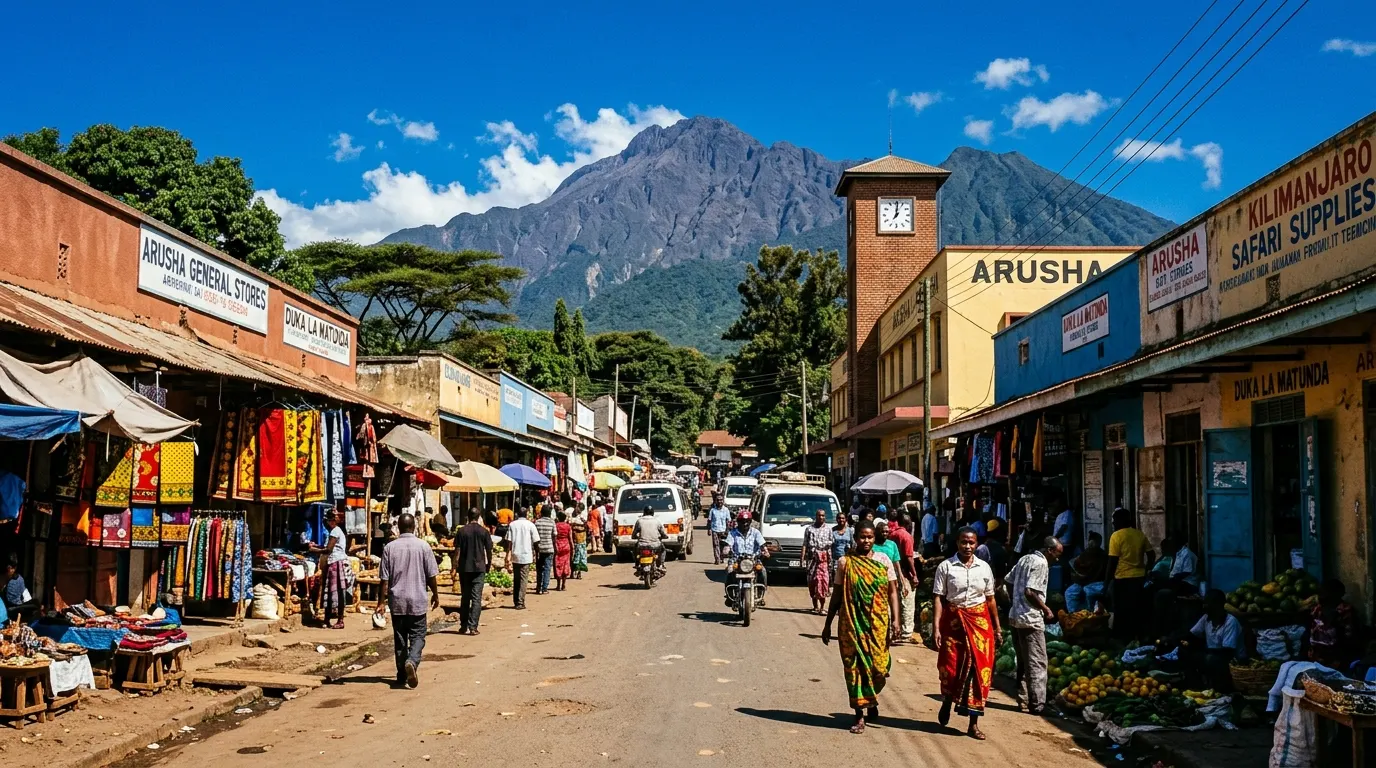
The Northern Circuit is vast, and trying to see every single corner will result in "safari fatigue" for both you and your children. Instead, focus your itinerary on areas that offer high-impact wildlife viewing and unique experiences.
Marvel at the Great Migration in the Serengeti
There is nothing quite like witnessing the Serengeti National Park - Great Migration Viewing (seasonal). Depending on the time of year, millions of wildebeest and zebras traverse the plains in search of fresh grass and water. The sheer scale of this event is mind-boggling for kids. If you visit between July and October, you might witness the dramatic river crossings in the north, though this requires patience. For families, the calving season (January to March) in the southern Serengeti is equally spectacular, as thousands of baby animals are born daily, bringing intense predator action.
For reliable predator sightings without driving all day, the Seronera River Valley (Central Serengeti) is an absolute must. Known as the 'Big Cat Capital' of the world, this area provides the best chance to see lions lounging on kopjes (rock outcroppings) and leopards resting in sausage trees. If you prefer to escape the central crowds, venture up to the Lobo Valley (Northern Serengeti). It features rugged, breathtaking landscapes and ancient granite formations that feel straight out of a movie set.
Get Up Close with Giants in Tarangire
Often overlooked in favor of the Serengeti, Tarangire National Park - Elephant Migration Corridors (general game drive areas) is arguably the most kid-friendly park in the region. Located just a couple of hours from Arusha, it requires less driving to reach. Tarangire is famous for its iconic, massive 'upside-down' baobab trees and some of the largest elephant herds in Africa. Elephants are universally captivating for children; they are constantly active, playing in the mud, stripping bark from trees, and interacting with their young.
🎟️ Book family tickets & skip-the-line tours →
Soar Above the Plains on a Balloon Safari
For families with older children (most operators require kids to be at least 7 years old and tall enough to see over the basket), a Serengeti Balloon Safari is the ultimate splurge. Waking up in the dark and driving out to the launch site under a canopy of stars is an adventure in itself. As the sun rises, you float silently over the savannah, watching herds of animals scatter below. The flight is typically followed by a white-linen bush breakfast right on the plains, complete with sparkling juice for the kids. It is an extraordinary way to grasp the immense scale of the Serengeti.
🎟️ Find family-friendly tours & activities →
Where to Stay: Family-Friendly Lodges and Camps
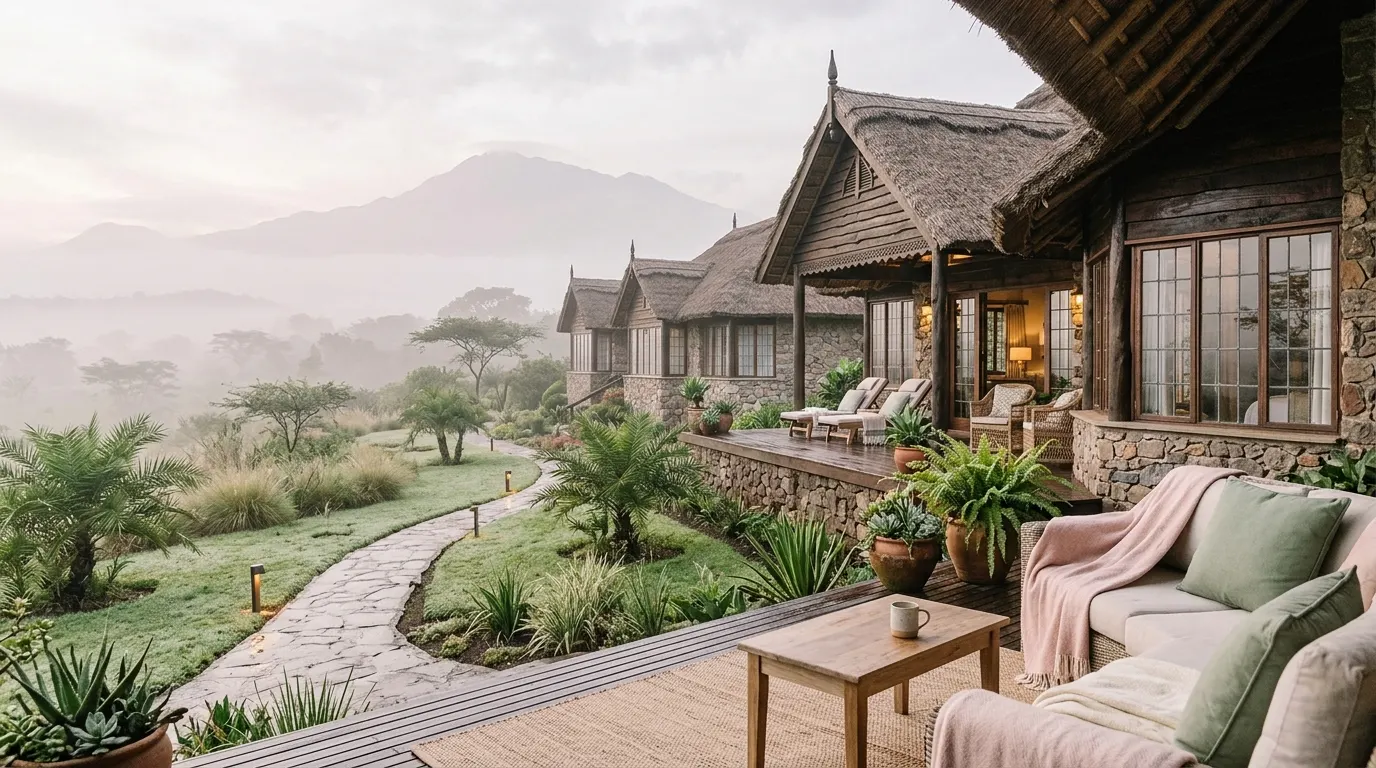
Where you sleep on safari is just as important as where you drive. Families need spaces where kids can safely stretch their legs, ideally with a pool for midday downtime, and staff who welcome the energy of young travelers.
For an exceptional basecamp experience, the Four Seasons Safari Lodge Serengeti solves many of the safety and boredom challenges of the bush. It features elevated wooden walkways (keeping kids safe from wandering wildlife), a fantastic kids' club, and a stunning infinity pool that overlooks an active animal watering hole. You can literally watch elephants drink while your kids splash in the water.
In the Tarangire region, Tarangire Treetops Lodge is a childhood dream brought to life. The massive luxury suites are built directly into the branches of ancient baobab and marula trees. Alternatively, Maramboi Tented Camp offers a luxury safari experience where zebras and wildebeests graze right outside your tented deck, separated only by a safe, raised platform.
When visiting the Ngorongoro Crater, the Ngorongoro Serena Safari Lodge is a fantastic, stone-built lodge perched directly on the crater rim, offering front-row views of the caldera below. For families traveling with teens who appreciate unique architecture, the Highlands Ngorongoro (Asilia Africa) features futuristic, eco-chic geodesic domes perched on the slopes of the Olmoti volcano.
For an authentic cultural immersion that doesn't feel performative, spend a night or two at Osiligilai Maasai Lodge (Ngorongoro area). This Maasai-owned lodge allows families to learn about local traditions, practice spear throwing, and sit around the fire listening to stories, providing a deeply educational layer to your trip.
If you are seeking mobile camps that follow the migration, Serengeti Under Canvas (Nomad Tanzania) and Ang'ata Migration Camp (Serengeti) offer authentic, canvas-walled experiences. For families with older girls, Dunia Camp (Serengeti) is particularly inspiring, as it is the only camp in the Serengeti run entirely by an all-female team. Finally, Sayari Camp (Serengeti) in the north manages to balance high-end luxury with an unpretentious, welcoming atmosphere for families.
Age-by-Age Guide to a Northern Tanzania Safari
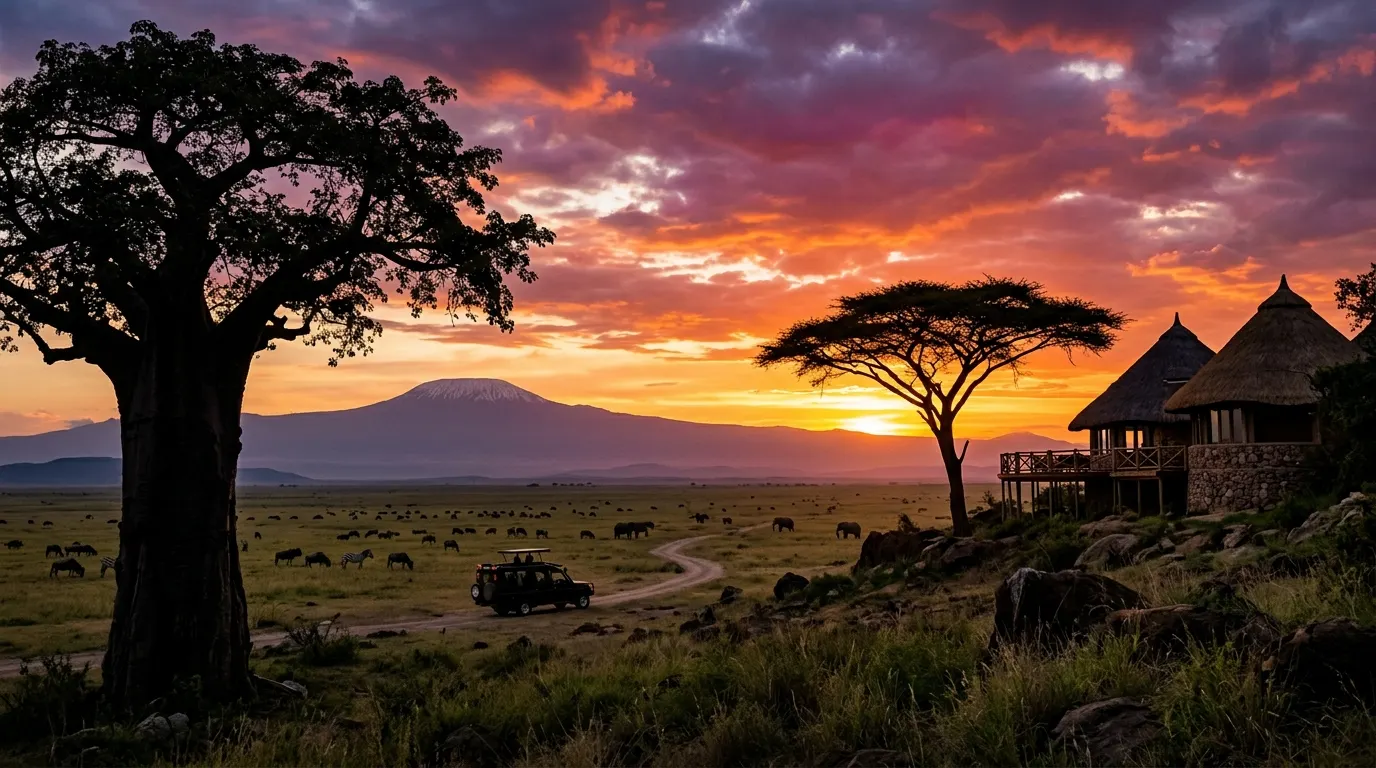
A safari is not a one-size-fits-all vacation. How you structure your days must align with the developmental stages of your children.
Toddlers (Ages 2-3)
Taking toddlers on a safari is entirely possible, but requires strict boundary-setting. At this age, children cannot go on walking safaris and must remain inside the vehicle at all times during game drives. Opt for closed-sided 4x4 vehicles rather than open-sided ones to prevent a toddler from leaning out. Keep game drives incredibly short—two hours maximum—and focus your itinerary on lodges with excellent pools, fenced-in areas, and reliable babysitting services so parents can occasionally venture out for longer drives.
Preschoolers (Ages 3-5)
Preschoolers will be thrilled by the sheer size of the animals, but their attention spans are still short. Tarangire is the perfect park for this age group because the elephants are large, constantly moving, and easy to spot without binoculars. Bring along animal checklist books and a pair of durable, kid-friendly binoculars to keep them engaged. Plan for a morning game drive, a long midday break at the lodge for swimming and napping, and a very short evening drive.
School-Age Kids (Ages 6-10)
This is the golden age for a family safari. Kids between six and ten have the stamina to handle longer, bumpier drives and the cognitive ability to truly appreciate the ecosystem. They will love learning about animal tracking, identifying bird calls, and understanding the predator-prey dynamics. Look for camps that offer "Junior Ranger" programs, where guides teach kids how to identify animal tracks, make bows and arrows, and learn basic Swahili phrases.
Tweens and Teens (Ages 11-14)
Teenagers can handle the full, grueling schedule of early morning wake-ups and full-day game drives. To keep them engaged (and off their devices, though Wi-Fi is wonderfully scarce in the bush), give them a role. Hand them a high-quality DSLR camera and make them the official family photographer, or task them with navigating using physical maps. Teens will also deeply appreciate the cultural visits, such as spending time at a Maasai boma, and are old enough to participate in guided walking safaris where permitted.
What to Skip: Tourist Traps and Exhausting Treks
Protecting your family's time, budget, and safety means knowing exactly what to cut from your itinerary. Northern Tanzania offers immense beauty, but some popular attractions are simply not suitable for children.
Avoid Simba Campsite (Ngorongoro Crater Rim) and Serengeti National Park Public Campsites (e.g., Seronera Public Campsite). While budget-friendly, these public campsites offer zero physical separation from wildlife. Hyenas, elephants, and lions frequently wander through the tents at night. For families, the stress of constantly monitoring children in these environments completely overrides the cost savings. Furthermore, the facilities are minimal, and the crater rim gets freezing cold at night.
Skip any high-altitude mountaineering. Kilimanjaro Summit Attempt with Children (Mount Kilimanjaro Uhuru Peak) is incredibly dangerous due to the risks of Acute Mountain Sickness (AMS), which is harder to detect in children. Similarly, Mount Meru Climb (Full Ascent) and the Mount Meru Summit involve steep 'knife-edge' ridges, sub-zero temperatures, and grueling multi-day conditions. Even more extreme is the Ol Doinyo Lengai Volcano, a grueling midnight ascent up an active volcano with loose ash that is miserable for adults, let alone kids.
In Arusha itself, bypass the Arusha Central Market. While culturally significant, it is a high-intensity sensory experience with tight crowds, aggressive touts, and overwhelming noise that usually results in stressed-out kids and frustrated parents. Finally, explicitly refuse to stop for Unregulated Roadside Animal Photo Props (Arusha outskirts). These opportunistic stops exploit sedated or chained wildlife, such as baby monkeys, teaching children poor ethical boundaries regarding animal welfare.
Practical Details for Safari Travel with Kids
Cost Expectations: Safari travel is expensive, and families should budget accordingly. Park conservation fees alone are substantial—expect to pay roughly $70-$90 USD per adult and $20-$30 USD per child per day, just to enter the parks. When factoring in private vehicle hire, a guide, and lodge accommodations, a comfortable family safari typically ranges from $400 to over $1,200 USD per person, per night. Most lodges quote in USD, and crisp, newer US dollars (printed after 2013) are widely accepted for tips.
Stroller Accessibility: Leave the stroller at home. The terrain in the parks, around the camps, and even in Arusha is rugged, dusty, and entirely unpaved. For toddlers, a high-quality, ergonomic baby carrier is essential for moving around airports, lodges, and transition points.
Food and Dining: The food at safari lodges is generally exceptional, blending international cuisine with local flavors, and chefs are usually very accommodating to children's dietary needs (think plain pasta, grilled chicken, or fresh fruit). However, game drives can be long and mealtimes in the bush can be unpredictable. Always pack familiar, non-melting snacks from home (granola bars, crackers, fruit snacks) to keep blood sugar stable in the vehicle.
Best Time to Visit: The dry season, from late June to October, is widely considered the best time for a family safari. The lack of rain means vegetation is sparse, making it much easier for kids to spot animals. The roads are also dry and less prone to getting vehicles stuck in the mud. However, mornings and evenings during these months can be surprisingly cold, necessitating good layers.
Ideal Duration: For families, a 7 to 10-day itinerary is the sweet spot. Anything shorter feels rushed given the long travel times to get to Tanzania, while anything longer often leads to kids getting bored of sitting in a vehicle.
Pro Tips from Parents for a Smooth Safari
- Book a Private Vehicle: This is the single most important piece of advice for families. Sharing a vehicle with strangers means you are bound to their schedule. With a private vehicle, if your toddler is having a meltdown or your tween urgently needs a bathroom break, your guide can immediately pivot and head back to camp without ruining anyone else's trip.
- Master the Art of Layering: The African savannah is freezing at 6:00 AM and scorching by 1:00 PM. Dress your kids in layers that can be easily peeled off in the vehicle. A warm fleece jacket, a long-sleeve t-shirt, and zip-off pants work perfectly.
- Bring Dust Protection: The roads in Northern Tanzania, particularly heading toward the Serengeti, are incredibly dusty. Bring a lightweight neck gaiter or bandana for each family member to pull over their nose and mouth when another vehicle speeds past. Eye drops and saline nasal spray are also lifesavers at the end of a dusty day.
- Prepare for "Bush Toilets": Bathrooms in the national parks are few and far between, and often lack toilet paper. Teach your kids how to use a "bush toilet" (going to the bathroom behind the tire of the safari vehicle, while the guide keeps watch) before you arrive. Always pack a roll of toilet paper, wet wipes, and hand sanitizer in your day bag.
- Download Audio Entertainment: You will spend hours traversing bumpy, monotonous roads between parks (the drive from Ngorongoro to the central Serengeti can take 3-4 hours). Pre-download family-friendly audiobooks, podcasts, or music to a tablet or phone. It provides a much-needed mental break for kids when the scenery outside isn't yielding any animal sightings.
Taking your family to East Africa requires meticulous planning, a healthy budget, and a spirit of adventure. But the reward is unparalleled. By choosing the right mix of accommodations, pacing your days appropriately, and leaning into the expertise of local guides, researching things to do in arusha & northern tanzania with kids transforms from a daunting task into the blueprint for the trip of a lifetime. The memories of watching a fiery red sun set over the Serengeti plains alongside your children will stay with your family forever.