Traveling with children is an incredible privilege, but watching travel costs multiply by three, four, or five can quickly turn dream trip planning into a stressful spreadsheet exercise. Navigating family travel on a budget requires moving past the standard advice of simply booking flights early or packing your own snacks. True savings come from strategic choices about where you go, how you structure your days, and knowing exactly what genuinely delights children versus what merely drains your wallet.
The Foundation of Family Travel on a Budget: Rethinking Your Destination
The single biggest factor in your travel expenses is your destination choice. While major capitals are wonderful, they are designed to extract maximum currency from visitors. Shifting your gaze just slightly off the beaten path yields massive dividends for your daily budget.
Embrace Second-City Travel
Instead of automatically booking a trip to Paris, consider Lyon. Instead of London, look at York or Bristol. Second cities offer the same cultural immersion, incredible food, and historical architecture, but often at a 30% to 40% discount on accommodation and dining. Because these cities cater more to locals than tourists, the infrastructure is inherently more affordable. You will find that municipal museums are often cheaper or free, local parks are beautifully maintained, and restaurants don't artificially inflate their menus for a transient tourist crowd. Check out our Lyon family guide for proof of how magical and affordable a second city can be.
The Shoulder Season Strategy
Traveling during the peak summer months means paying premium prices for flights, hotels, and even rental cars. If your children are not yet tied to a strict school calendar, traveling in late September, October, April, or May is a financial game-changer. Even for school-aged children, tagging a few days onto a long holiday weekend in November or February can dramatically reduce costs. Beyond the financial savings, shoulder season travel means milder weather—which translates to fewer toddler meltdowns from heat exhaustion—and significantly smaller crowds, allowing you to move at your family's natural pace.
Mastering the Art of Affordable Family Accommodation
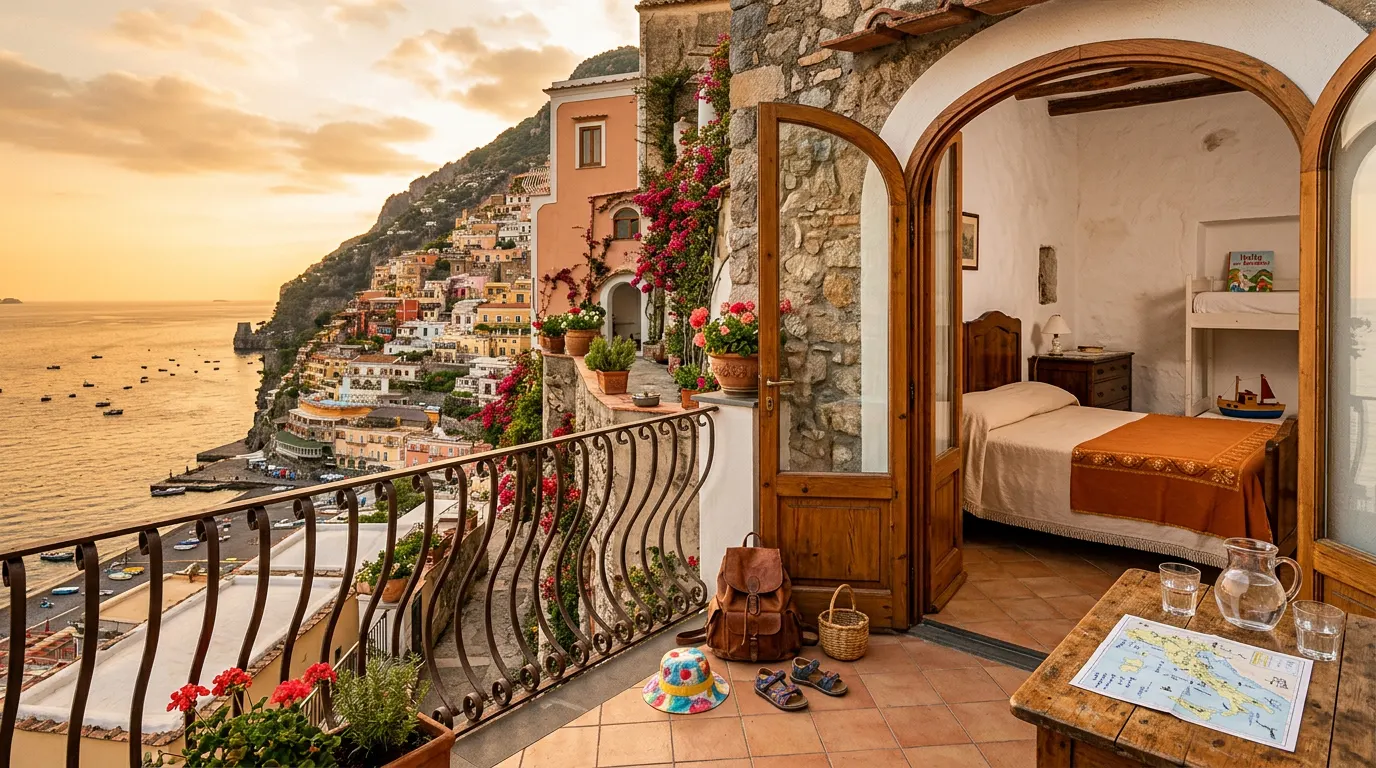
Where you sleep eats up a massive portion of your budget. Traditional hotels, while convenient, are rarely optimized for family wallets. Booking two adjoining rooms or upgrading to a family suite can easily double your daily spend.
Aparthotels and Vacation Rentals
Renting an apartment or staying in an aparthotel is non-negotiable for serious budget optimization. Having a separate sleeping area means parents don't have to sit silently in the dark at 7:30 PM after the kids go to bed. More importantly, having a kitchen or kitchenette allows you to control your food costs. Aparthotels are particularly brilliant because they offer the space and kitchen facilities of a rental, but maintain the 24/7 reception and luggage storage of a hotel—crucial when you arrive at 10:00 AM with exhausted kids and nowhere to put your bags.
Location vs. Price Trade-offs
Staying directly across from a major monument sounds magical, but you pay a premium for that view. The secret to affordable accommodation is staying in residential neighborhoods located just one or two transit stops outside the main tourist zones. Not only will your nightly rate plummet, but the neighborhood bakeries, grocery stores, and cafes will charge local prices rather than tourist premiums. When researching, prioritize proximity to a major subway or tram line over proximity to specific tourist attractions.
Free and Low-Cost Attractions That Actually Entertain Kids
You do not need to spend hundreds of dollars a day on admission tickets to build a memorable itinerary. Many of the world's best family experiences cost absolutely nothing.
Municipal Parks and World-Class Playgrounds
European and major North American cities invest heavily in public spaces. A morning spent at a sprawling, imaginatively designed public playground offers a vital chance for kids to burn off energy, interact with local children, and take a break from rigid sightseeing.
Example: Diana Memorial Playground, London
- Opening Hours: 10:00 AM to 5:45 PM (varies slightly by season).
- Rough Costs: Free (£0 / $0 USD).
- Stroller Accessibility: Highly accessible pathways, though strollers must be left at the designated parking area just inside the gate.
- Nearest Food Options: The Broad Walk Cafe is just steps away for coffee and pastries, though bringing a picnic from a local grocery store is far more budget-friendly.
- Best Time of Day to Visit: Right at opening to avoid the massive queues that form by midday.
- How Long to Spend: 2 to 3 hours.
Free Museum Days and Cultural Institutions
Many world-class museums offer free entry entirely, or host specific free evenings. Planning your itinerary around these windows saves massive amounts of money. In cities like London, the major museums are completely free every day, meaning you can drop in for just an hour to see the dinosaurs without feeling pressured to spend the whole day to "get your money's worth."
Example: Natural History Museum, London
- Opening Hours: 10:00 AM to 5:50 PM daily.
- Rough Costs: Free entry (£0 / $0 USD), though a £5 ($6.50 USD) donation is encouraged.
- Stroller Accessibility: Fully accessible with ramps and large elevators throughout.
- Nearest Food Options: The T-Rex Grill inside is convenient but pricey. We highly recommend grabbing sandwiches at a nearby Pret A Manger before entering.
- Best Time of Day to Visit: Weekday mornings before 11:00 AM.
- How Long to Spend: 3 to 4 hours.
🎟️ Book family tickets & skip-the-line tours →
Example: Central Park, New York City
- Opening Hours: 6:00 AM to 1:00 AM daily.
- Rough Costs: Free ($0 USD).
- Stroller Accessibility: Excellent. Paved paths cover almost the entire park.
- Nearest Food Options: Hot dog and pretzel carts are everywhere (approx. $3-$5 USD), but for a budget sit-down meal, grab bagels from a shop outside the park boundaries before entering.
- Best Time of Day to Visit: Early morning for quiet walks, or late afternoon to watch the local community gather.
- How Long to Spend: Half a day easily, exploring the various playgrounds, rocks to climb, and open lawns.
🎟️ Find family-friendly tours & activities →
Eating Well Without Draining Your Wallet
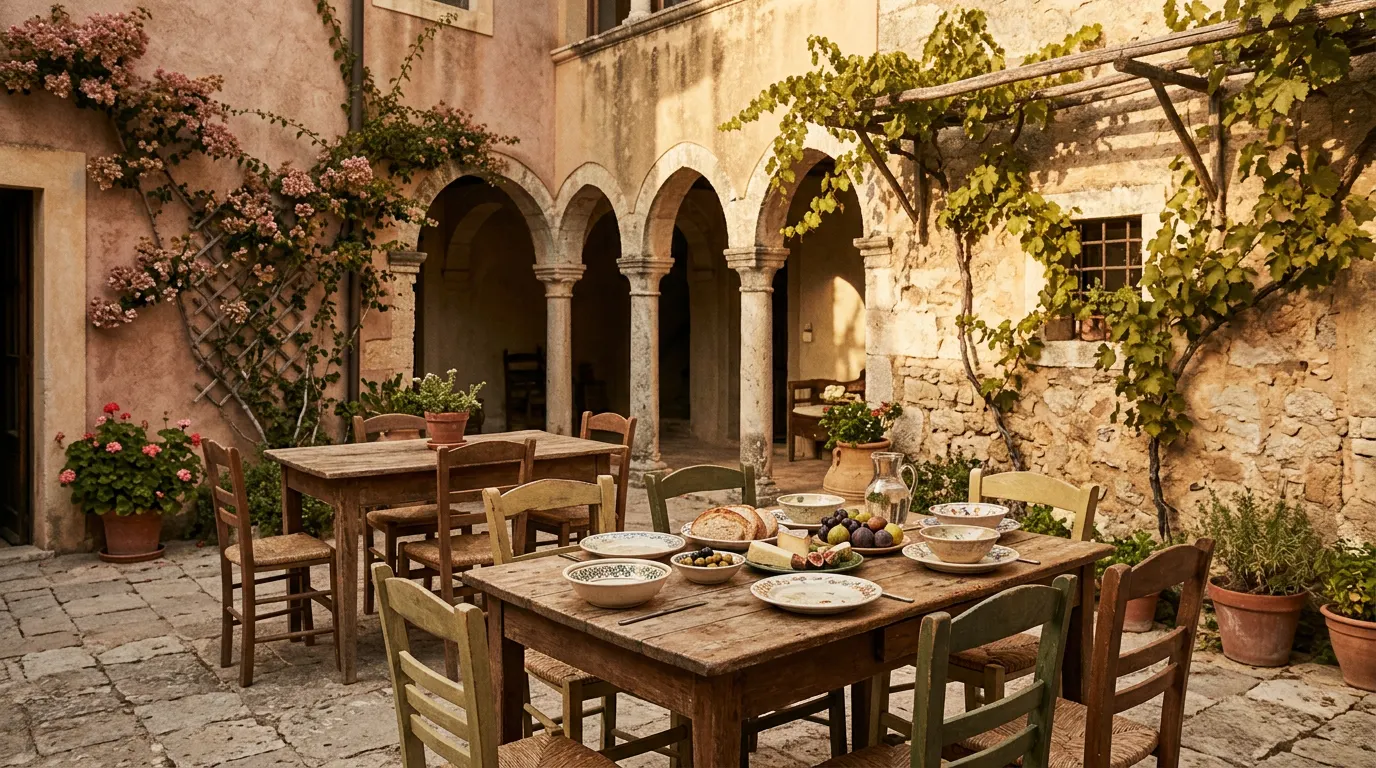
Feeding a family of four or five three times a day at restaurants will decimate your travel budget faster than anything else. You have to be strategic about how and when you dine out.
The Strategic Grocery Run
Make a local supermarket your very first stop after checking into your accommodation. Stock up on breakfast items (yogurt, fruit, cereal), portable snacks, and bottled water. Eating breakfast in your rental before hitting the streets saves an average of $40 to $60 USD per day for a family. Navigating a foreign grocery store is also a genuinely fun cultural experience for kids—discovering new flavors of potato chips or uniquely shaped pastas is an adventure in itself.
Make Lunch the Main Meal
If you want to experience local cuisine at a restaurant, do it at 1:00 PM, not 7:00 PM. Many restaurants across Europe and the Americas offer a "menu del dia," "formule," or fixed-price lunch special that provides the exact same quality of food as the dinner menu for half the price. A hearty lunch also gives kids the energy they need for afternoon sightseeing. By dinnertime, when everyone is exhausted, you can opt for a simple, cheap meal like grabbing a slice of pizza, picking up savory crepes from a street vendor, or making simple pasta in your rental apartment.
The Art of the Picnic
Never underestimate the power of a scenic picnic. Sourcing fresh bread, local cheeses, cured meats, and seasonal fruit from a local market costs a fraction of a restaurant meal. Taking these supplies to a park or a scenic plaza allows kids to eat freely without the constraints of restaurant manners, and provides parents with a stunning backdrop that no budget restaurant could ever match.
Age-Specific Strategies for Family Travel on a Budget
What saves you money with a three-year-old is very different from what saves you money with a thirteen-year-old. Tailoring your budget strategies to your children's developmental stages is key.
Toddlers (Ages 2-3)
At this age, children do not care about the historical significance of a building or the rarity of a painting. They want open space, stairs to climb, and pigeons to chase. Save your money and entirely skip expensive guided tours or premium attraction tickets. Build your days around free public squares, local parks, and botanical gardens. Your biggest expense with toddlers will be snacks and convenience items, so always pack an insulated bag with familiar foods from home to avoid buying overpriced emergency snacks at tourist kiosks.
Preschoolers (Ages 3-5)
Preschoolers are easily enchanted by the mechanics of the world. For them, transportation is the attraction. Instead of booking a $100 family river cruise, take a local commuter ferry for $5. Instead of a pricey vintage train ride, ride the local subway system or sit at the front of a double-decker public bus. They will be just as thrilled, and you will spend almost nothing. Read more about leveraging transit in our Rome with kids guide.
School-Age Kids (Ages 6-10)
This is the age of the "gimmies." Souvenir shops at the exit of every museum are budget landmines. The best strategy here is the "Fixed Allowance." Hand your child a physical envelope with a set amount of local currency (e.g., €20 or $25) at the start of the trip. Explain that this is their total souvenir budget. It completely stops the begging. Suddenly, they become incredibly frugal, carefully analyzing whether a cheap plastic toy is really worth their precious funds. It teaches currency conversion, budgeting, and saves parents immense frustration.
Tweens and Teens (Ages 11-14)
Older kids have higher stamina and crave independence, but feeding them becomes significantly more expensive. Lean heavily into street food markets and local food halls where they can independently choose their meals without the markup of a sit-down restaurant. For entertainment, skip expensive private tour guides. Instead, download high-quality, free or cheap audio walking tours on their smartphones. Give them one earbud, take the other yourself, and let them navigate the route. It gives them a sense of control and saves hundreds of dollars on guided excursions.
Transportation Tricks to Maximize Your Itinerary
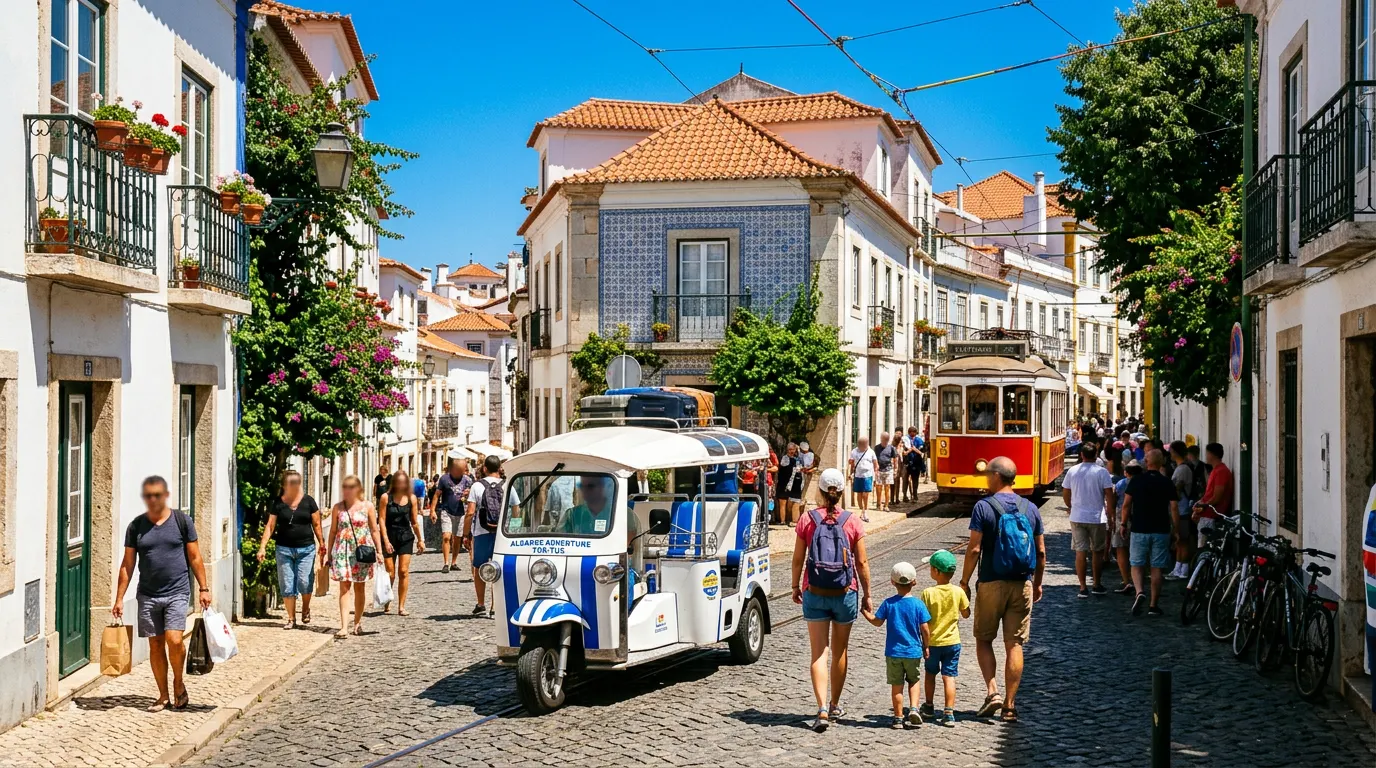
Getting from point A to point B efficiently without relying on expensive taxis requires a bit of pre-trip research, but the financial payoff is massive.
Public Transit over Rideshares
Rideshares and taxis require car seats for younger kids, which is a logistical nightmare, and the costs add up incredibly fast. Embrace local public transit. In many major cities, children under a certain age travel completely free with a paying adult. Always look for multi-day tourist transit passes or family group tickets. A weekly family transit card often pays for itself by day three.
Walking Strategies for Little Legs
Walking is free, but young children tire easily. If you are traveling with a child under five, a lightweight travel stroller is essential—even if they rarely use one at home. Having a stroller allows you to walk miles across a city, saving transit fares, while the child rests. For older kids, break up long walks with strategic stops for cheap local treats—a $3 gelato or a $2 pastry is a small price to pay to keep morale high and avoid a $30 taxi ride back to the hotel.
🎟️ Book family tickets & skip-the-line tours →
What to Skip: Budget-Draining Traps to Avoid
Part of mastering a budget is knowing exactly what not to do. Many heavily marketed family activities offer terrible return on investment.
Hop-On Hop-Off Buses
These bright, open-top buses seem like an easy way to see a city with kids, but they are incredibly expensive (often $100+ for a family ticket). Worse, they get stuck in the exact same traffic as regular cars, meaning you spend hours breathing exhaust fumes while moving at a crawl. Children get bored quickly. What to do instead: Map out the local public bus routes. In London, the standard Route 15 double-decker bus passes major sights like St. Paul's Cathedral and the Tower of London for just £1.75 per adult, and kids under 11 ride free.
Overpriced "Kid-Friendly" Themed Restaurants
Establishments heavily themed around rainforests, dinosaurs, or cartoon characters are notorious budget traps. The food is almost universally frozen, deep-fried, and incredibly expensive, and the loud environments often overstimulate tired children rather than entertain them. What to do instead: Seek out bustling, authentic local spots—like a busy pizzeria or a vibrant neighborhood noodle shop. Local restaurants with a bit of ambient noise are naturally kid-friendly because you don't have to worry about your children being perfectly silent, and the food will be fresher, cheaper, and culturally enriching.
Observation Decks in Major Towers
Taking an elevator to the top of a city's tallest building usually costs a small fortune, and the experience is over in 20 minutes. Young kids often can't see over the ledges, and older kids lose interest after snapping one photo. What to do instead: Look for free rooftop gardens, public library top floors, or hike up a local hill or park monument. In cities like London, the Sky Garden offers spectacular, sky-high views for absolutely free, provided you book your entry ticket online a few weeks in advance.
Pro Tips from Parents
- Pack reusable water bottles: Buying bottled water at tourist sites can easily cost $15-$20 a day for a family. Bring quality stainless steel bottles and fill them at hotel sinks or public fountains.
- Utilize local pharmacies: In Europe, pharmacies are excellent places to find high-quality, inexpensive baby food, formula, and toddler snacks that are much healthier than convenience store options.
- Seek out university campuses: If you need a cheap, hearty meal and safe open space for kids to run, head to the local university district. The cafeterias and surrounding cafes are heavily subsidized and priced for broke students, making them perfect for budget-conscious families.
- Leverage free walking tours: Many cities offer tip-based walking tours. These are excellent for older kids and teens. You simply tip the guide what you feel the tour was worth at the end, allowing you to control the expense based on your budget and how engaged your family was.
- Bring your own basic medical kit: Buying children's ibuprofen, band-aids, or motion sickness medicine in a foreign tourist zone comes with a huge markup. Packing a small ziplock bag of essentials saves money and frantic late-night pharmacy hunts.
Making the Most of Your Family Adventure
Successfully navigating family travel on a budget doesn't mean you have to say no to everything or endure a grueling, bare-bones vacation. It simply means allocating your resources where they matter most. By skipping the overpriced tourist traps, embracing local grocery stores, and prioritizing immersive, low-cost experiences like magnificent public parks and vibrant neighborhoods, you actually end up having a more authentic and relaxed trip. Remember, your children won't remember how much the hotel cost or whether you ate at a Michelin-starred restaurant. They will remember the time you all got caught in the rain and ate cheap pizza on a stoop, or the afternoon spent chasing each other through a sprawling, free botanical garden. With a little strategy, you can build a lifetime of these memories without breaking the bank.