Traveling the world with your kids offers them an unparalleled education, but the mounting costs of airfare, extra beds, and constant meals can quickly feel overwhelming. You do not need a trust fund or a lottery win to make meaningful global memories with your children. Mastering family travel on a budget is entirely possible when you know how to strategically allocate your funds toward experiences that matter while ruthlessly cutting expenses that do not add value to your trip.
The Foundation of Family Travel on a Budget
Creating a trip that is both financially manageable and deeply enriching starts long before you pack your suitcases. The most significant savings are realized during the initial planning stages, where flexibility and strategic thinking pay massive dividends.
Shifting Your Travel Mindset
The traditional approach to vacationing often involves picking a destination, requesting time off, and then booking whatever flights are available. To save money, this process must be reversed. Start by monitoring flight deals across multiple destinations using tracking tools, and let the deals dictate where your family goes. A deeply discounted flight to a city you had not previously considered often leads to the most memorable adventures. Embrace the idea that you do not need to check off every major tourist monument to have a successful trip. Sometimes, simply living the daily rhythm of a new culture—visiting local bakeries, navigating a new transit system, and playing in neighborhood parks—provides more lasting memories than a rushed, expensive sightseeing checklist.
Timing is Everything: The Shoulder Season Strategy
Traveling during peak school holidays (July, August, and the week between Christmas and New Year's) guarantees you will pay top dollar for flights and accommodations. Whenever your school district's schedule allows, target the "shoulder seasons"—late April through May, and late September through October. During these windows, the weather is generally mild, crowds are significantly thinner, and prices for flights and lodging can drop by 30% to 50%. If you must travel during peak summer, look toward secondary cities rather than major capitals. Instead of paying premium summer rates in central Rome or Paris, consider regional towns where domestic tourists go, which often feature much lower price points for family accommodations.
Mastering Accommodation Savings for Families

Where you sleep consumes a massive portion of any travel budget. While traditional hotels offer convenience, they are rarely designed with cost-conscious families in mind.
Apartment Rentals vs. Traditional Hotels
Booking a single hotel room for a family of four or five quickly becomes a logistical nightmare of fold-out couches and cramped quarters, while booking two adjoining rooms instantly doubles your lodging budget. Renting a residential apartment or an apart-hotel is the single most effective way to protect your budget. Having access to a kitchen allows you to store milk, make morning coffee, and prepare simple breakfasts and dinners, slashing your daily food costs. Furthermore, having a separate bedroom means parents can stay awake, talk, and plan the next day after the kids go to sleep, rather than sitting silently in a dark hotel room.
Location, Location, Location
Staying right next to major tourist landmarks commands a massive premium. You can save hundreds of dollars a week by staying in a residential neighborhood located just 15 to 20 minutes outside the immediate city center, provided it is well-connected by public transit.
Case Study in Budget Accommodations:
When planning a trip using our London city guide, skip the exorbitant prices of West End hotels. Look for apart-hotels in zones 2 or 3, such as near the Earl's Court or Gloucester Road stations.
- Rough Cost Difference: Central hotels often run £300+ ($380+ USD) per night for a family room. Zone 2 apartments often sit closer to £150-£180 ($190-$230 USD) per night.
- Stroller Accessibility: When booking outside the center, always check the local transit map. Ensure your nearest station has step-free access (elevators) so you are not hauling a stroller up massive flights of stairs every morning.
- Nearest Food Options: Residential neighborhoods naturally feature local grocery stores (like Tesco or Sainsbury's) where you can buy inexpensive breakfast provisions immediately upon arrival.
Feeding the Crew Without Breaking the Bank
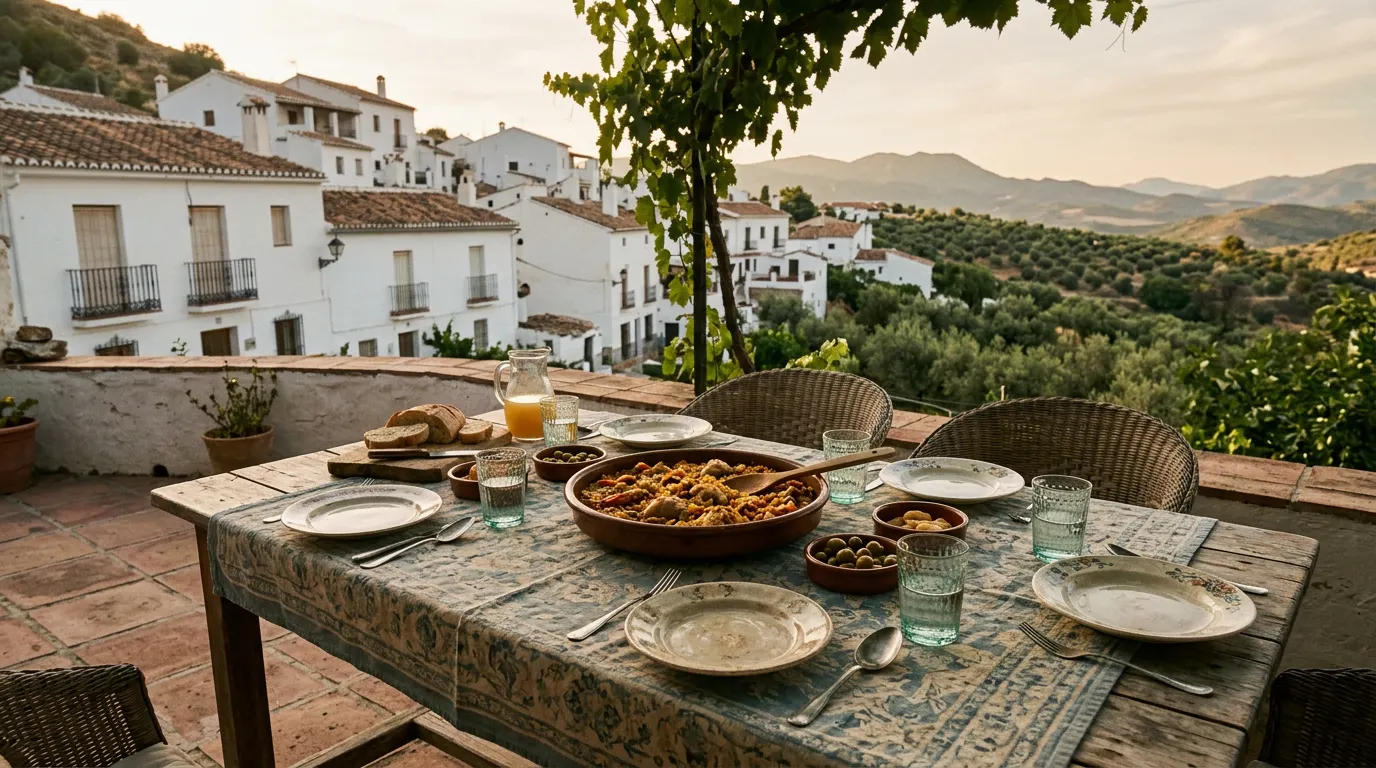
Food costs can spiral out of control faster than any other travel expense when you are relying on restaurants for three meals a day, plus snacks for growing kids.
The Grocery Store Advantage
The first stop after dropping your bags at your accommodation should always be a local supermarket. Treat the grocery store as an attraction in itself—kids love seeing foreign snack brands, unusual produce, and different types of baked goods. Stock up on heavy, bulky items like bottled water, fresh fruit, yogurt, and easy breakfast items. By feeding your family breakfast in your apartment before heading out for the day, you eliminate a costly, time-consuming restaurant visit and get out the door much faster. Pack a daily bag with familiar-looking snacks purchased locally to ward off mid-afternoon meltdowns without having to stop at an expensive tourist-trap cafe.
Strategic Dining Out
You absolutely should enjoy local cuisine, but do so strategically. Make lunch your primary restaurant meal of the day. In many European and Asian cities, restaurants offer heavily discounted lunch specials or "menus of the day" that feature the exact same dishes served at dinner for a fraction of the price.
Case Study in Strategic Dining:
When utilizing our Rome city guide, avoid sitting down at a formal restaurant near the Colosseum.
- The Strategy: Opt for pizza al taglio (pizza by the slice sold by weight) at a local bakery.
- Rough Costs: A massive, high-quality slice of pizza and a drink will cost around €5-€7 ($5.50-$7.50 USD) per person, compared to a €25 ($27 USD) per person sit-down meal with table service charges (coperto).
- Best Time of Day to Visit: Hit popular slice shops around 11:45 AM, just before the local office crowds descend for lunch, ensuring you get fresh food and a place to stand or sit.
Age-By-Age Guide to Family Travel on a Budget
How you save money depends heavily on the developmental stage of your children. Tailoring your budget strategies to their specific ages prevents you from paying for experiences they will not appreciate.
Toddlers (Ages 2-3)
At this age, children are incredibly inexpensive to entertain, yet parents often overspend trying to create "magical" moments. Toddlers do not understand the historical significance of expensive monuments; they simply want space to move and things to touch.
- Budget Strategy: Leverage their free status. Most transit networks, museums, and attractions are completely free for children under 3 or 4. Do not buy them their own expensive meals; simply ask for an extra plate and share from the adult portions. Focus entirely on free public parks, chasing pigeons in open plazas, and riding basic public transportation (buses and trains), which toddlers often view as thrilling amusement park rides.
Preschoolers (Ages 3-5)
Preschoolers have more stamina but are still highly susceptible to sensory overload. They begin to form preferences but are easily satisfied with simple, low-cost activities.
- Budget Strategy: Skip the massive, expensive theme parks that cost hundreds of dollars in entry fees. Instead, seek out local municipal attractions. A neighborhood splash pad, a local botanical garden, or a small community farm will provide hours of entertainment for mere dollars. Utilize local libraries in the cities you visit; many offer free story times or quiet, air-conditioned spaces with toys where a preschooler can decompress for zero cost.
School-Age Kids (Ages 6-10)
This is the golden age for travel. They are old enough to retain memories, walk longer distances, and engage with the destination, but young enough to still be easily amazed.
- Budget Strategy: Introduce gamification to avoid paying for expensive guided tours. Create your own free scavenger hunts for major museums or historic neighborhoods. Give them a cheap disposable or digital camera and task them with photographing specific items (e.g., "Find three statues of lions today"). This keeps them highly engaged during free walking tours or while exploring open-air markets without requiring paid entertainment.
Tweens and Teens (Ages 11-14)
Older kids eat like adults and often require adult-priced tickets, making them the most expensive age group to travel with. However, they are also capable of understanding financial concepts.
- Budget Strategy: Give them a set daily allowance in the local currency for their snacks, souvenirs, and extra drinks. Once the money is gone, it is gone. This completely eliminates the constant nagging for ice cream or trinkets and teaches them how to budget. Task them with researching and finding one cheap, highly-rated local street food spot for the family to try; they will be far more enthusiastic about a meal they selected themselves.
Free and Low-Cost Attractions That Deliver High Value
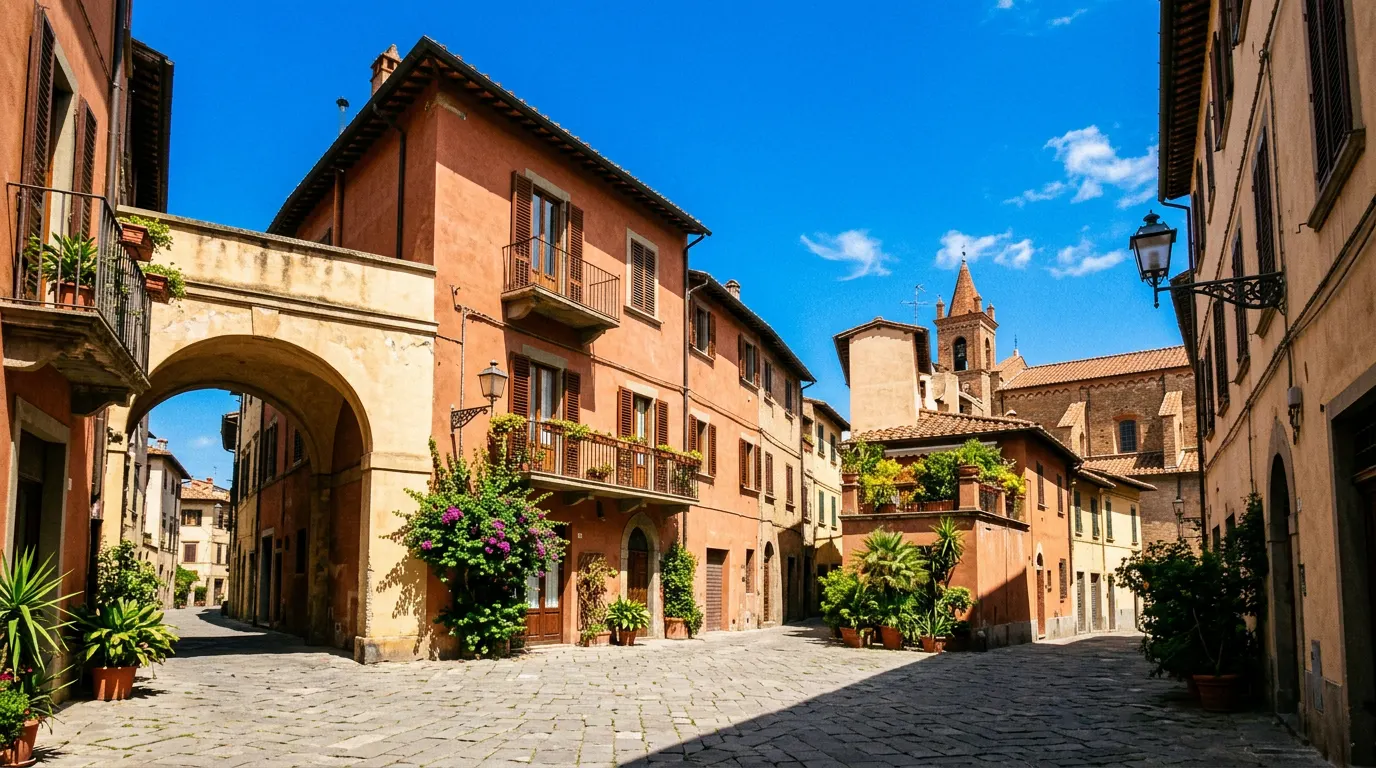
Every major city has a wealth of free or heavily subsidized attractions that rival the expensive tourist hotspots. Building your itinerary around these anchors allows you to splurge occasionally without guilt.
Maximizing Public Parks and Playgrounds
Never underestimate the power of a world-class public playground. They are free, they allow kids to burn off energy, and they offer parents a chance to sit down and observe local family life.
Case Study in High-Value Free Attractions:
When exploring with our Paris city guide, the Jardin du Luxembourg is an absolute must-do that costs next to nothing.
- Opening Hours: Opens between 7:30 AM and 8:15 AM depending on the season, closing around sunset.
- Rough Costs: Park entry is completely free (€0 / $0 USD). The historic wooden carousel costs around €3 ($3.25 USD) per ride, and pushing the vintage wooden sailboats in the fountain costs roughly €5 ($5.50 USD) for 30 minutes.
- Stroller Accessibility: The wide, flat gravel paths are perfectly suited for all types of strollers.
- Nearest Food Options: There are small kiosks inside the park selling crêpes and coffee, but for better value, grab fresh baguettes and cheese from a boulangerie on Rue Vavin before entering the park for a world-class, low-cost picnic.
- Time to Spend: Easily 2 to 3 hours.
🎟️ Book family tickets & skip-the-line tours →
City Passes and Museum Days
If you do plan to visit paid attractions, research carefully. Many world-class museums offer free entry on specific days of the month (often the first Sunday). If your dates align, take advantage, but arrive early to beat the crowds. Alternatively, if your family moves quickly and wants to see multiple paid sites, calculate the cost of a bundled City Pass. If you cluster your paid sightseeing into a 48-hour window using a pass, and spend the rest of the week doing free activities, you can significantly reduce your overall ticket expenditures.
What to Skip: Budget-Draining Tourist Traps
Knowing what not to do is just as important as knowing where to find deals. Many heavily marketed family activities offer an incredibly poor return on investment. Protect your budget by completely avoiding these three common traps.
1. Hop-On Hop-Off Buses
At first glance, these bright double-decker buses seem like an easy way to see a city with kids. In reality, they are exorbitantly expensive (often costing upwards of $150 USD for a family of four), agonizingly slow due to city traffic, and a nightmare to navigate with a stroller, which must be folded and hauled up narrow stairs. Kids quickly become bored sitting in traffic. You are far better off mapping out a route on standard public transit. Sitting on the top floor of a standard red public bus in London offers the exact same view for a tiny fraction of the cost, and you are traveling alongside locals rather than sitting in a tourist bubble.
2. Expensive Observation Decks
Every major city has a towering structure offering panoramic views for a premium price. Whether it is the Shard in London, the Empire State Building in New York, or various TV towers across Europe, the experience is almost universally the same: you pay well over $100 USD for your family, wait in a long security line, ride a fast elevator, and look out a window. Children generally lose interest in looking at tiny buildings from above after about five minutes. Save your money and seek out free viewpoints. Many cities have elevated public parks, free rooftop gardens, or hills that offer stunning vistas without the premium price tag.
3. Dedicated "Kids" Museums in Major Historic Cities
If you are visiting a city renowned for its history, art, or natural wonders, skip the generic, paid indoor children's museums. While these facilities are wonderful at home on a rainy Tuesday, they are expensive and rarely offer anything culturally unique to the destination you traveled so far to see. A water table or a foam building block area looks the same in Chicago as it does in Berlin. Spend your limited budget on experiences that are distinct to your destination, and use free local parks when the kids just need to play.
Transportation Hacks for Cost-Conscious Parents
Getting around an unfamiliar city can lead to a slow leak in your travel budget if you constantly rely on the path of least resistance.
Navigating Airport Transfers
The moment you land, you will be tired, the kids will be cranky, and the temptation to hail a private cab will be immense. However, airport taxis are notoriously expensive. Before you leave home, map out the exact public transit route from the airport to your accommodation. Most major international airports have dedicated, fast rail links to the city center that are vastly cheaper than private cars.
Case Study in Airport Transfers:
- The Route: Fiumicino Airport to central Rome.
- The Cost: A private taxi is a flat rate of €50 ($54 USD), but the Leonardo Express train is €14 ($15 USD) per adult, and critically, children under 12 ride completely free with a paying adult. For a family of four with two young kids, the train costs €28 ($30 USD) total, saving you nearly half the cost of a cab while avoiding unpredictable Roman traffic.
Public Transit over Rideshares
Delete your rideshare apps or bury them in a folder on your phone while traveling. Relying on Ubers or taxis for daily sightseeing will destroy a budget. Embrace the local subway, tram, or bus network. Buy multi-day family transit passes, which pay for themselves after just a few rides. Navigating transit is a wonderful learning experience for children, teaching them map reading and spatial awareness.
🎟️ Find family-friendly tours & activities →
Pro Tips from Parents
To squeeze the absolute most out of your travel funds, integrate these road-tested habits into your daily routine:
- Pack a Collapsible Cooler Bag: Bring a soft-sided, flat-packing cooler bag in your luggage. Use it daily to carry grocery store sandwiches, cheese, and cold drinks, completely eliminating the need to buy overpriced food near major monuments.
- Carry Reusable Water Bottles: Buying bottled water at tourist sites can easily cost a family $15 to $20 a day. Bring lightweight, reusable bottles and fill them at hotel sinks or public drinking fountains, which are safe and ubiquitous in most major travel destinations.
- Do Laundry on the Road: Instead of paying for checked baggage fees for massive suitcases, pack only four days' worth of clothing in carry-ons. Book an apartment with a washing machine, or visit a local laundromat. The small cost of detergent is vastly cheaper than airline baggage fees, and navigating transit is much easier with less luggage.
- Buy Souvenirs at the Supermarket: Skip the cheap, plastic trinkets sold at tourist stalls. Take your kids to the local grocery store and let them pick out regional candies, unique cookies, or local hot chocolate mixes to bring home to friends. It is cheaper, authentic, and consumable.
- Track Daily Expenses: Use a simple budgeting app or the notes app on your phone to record every purchase. When you see your daily spending tally in real-time, you are much less likely to make impulsive, unnecessary purchases.
Mastering family travel on a budget does not mean sacrificing the quality of your vacation; it means being intentional with every dollar you spend. By prioritizing comfortable but affordable lodging, leaning heavily into local grocery stores, avoiding overpriced tourist traps, and embracing the wealth of free public spaces available globally, you can show your children the world without compromising your family's financial future. The memories they keep will be of the time spent exploring together, not the price tags attached to the activities.