Choosing a Caribbean destination for your family vacation often comes down to the famous ABC islands, leaving many parents stuck in the ultimate debate over curaçao vs aruba with kids. Both islands sit outside the hurricane belt, boast incredible year-round weather, and offer beautiful turquoise waters, but their similarities largely end there. Aruba is renowned for its seamless, Americanized resort experience and wide, powdery beaches, making it an incredibly easy destination for families seeking pure relaxation. Curaçao, on the other hand, presents a rich blend of European architecture, rugged landscapes, and hidden cove beaches that require a bit more navigation but reward you with spectacular, uncrowded natural beauty. Figuring out which island is the better fit depends entirely on your family's travel style, the ages of your children, and what you want to get out of your time in the sun.
The Vibe Check: Curaçao vs Aruba with Kids
When you start planning a trip and looking at a Curaçao family guide alongside an Aruba family guide, the first thing you need to evaluate is the overall atmosphere and daily rhythm of each island.
Aruba: The Easy Breezy Resort Life
Aruba is built for tourism, and it shows in the absolute ease of navigating the island. The main hotel zones—Palm Beach and Eagle Beach—are lined with high-rise and low-rise resorts that cater heavily to North American travelers. You will find familiar restaurant chains, massive grocery stores stocked with your toddler's favorite snacks, and wide, paved sidewalks that make pushing a double stroller effortless. If your ideal vacation involves checking into a resort, unpacking once, and spending six days walking directly from your room to the beach and back to the pool, Aruba is unmatched. English is spoken everywhere, the US Dollar is accepted universally, and the infrastructure is incredibly polished.
Curaçao: The Colorful Cultural Adventure
Curaçao feels distinctively more European and authentic. Willemstad, the capital, is a UNESCO World Heritage site filled with vibrant Dutch colonial architecture painted in pastel hues. The island does not rely on massive, all-inclusive mega-resorts clustered on a single strip of sand. Instead, the best accommodations, beaches, and restaurants are spread out across the island, meaning you will almost certainly need to rent a car to truly experience it. The vibe here is slower, a bit more rugged, and heavily influenced by its rich history. For families who get restless sitting at the same resort pool every day and prefer to pack up the rental car to discover a new hidden beach or local food stand every morning, Curaçao offers a far more dynamic and culturally immersive experience.
Beach Showdown: Which Island Has Better Sand for Families?
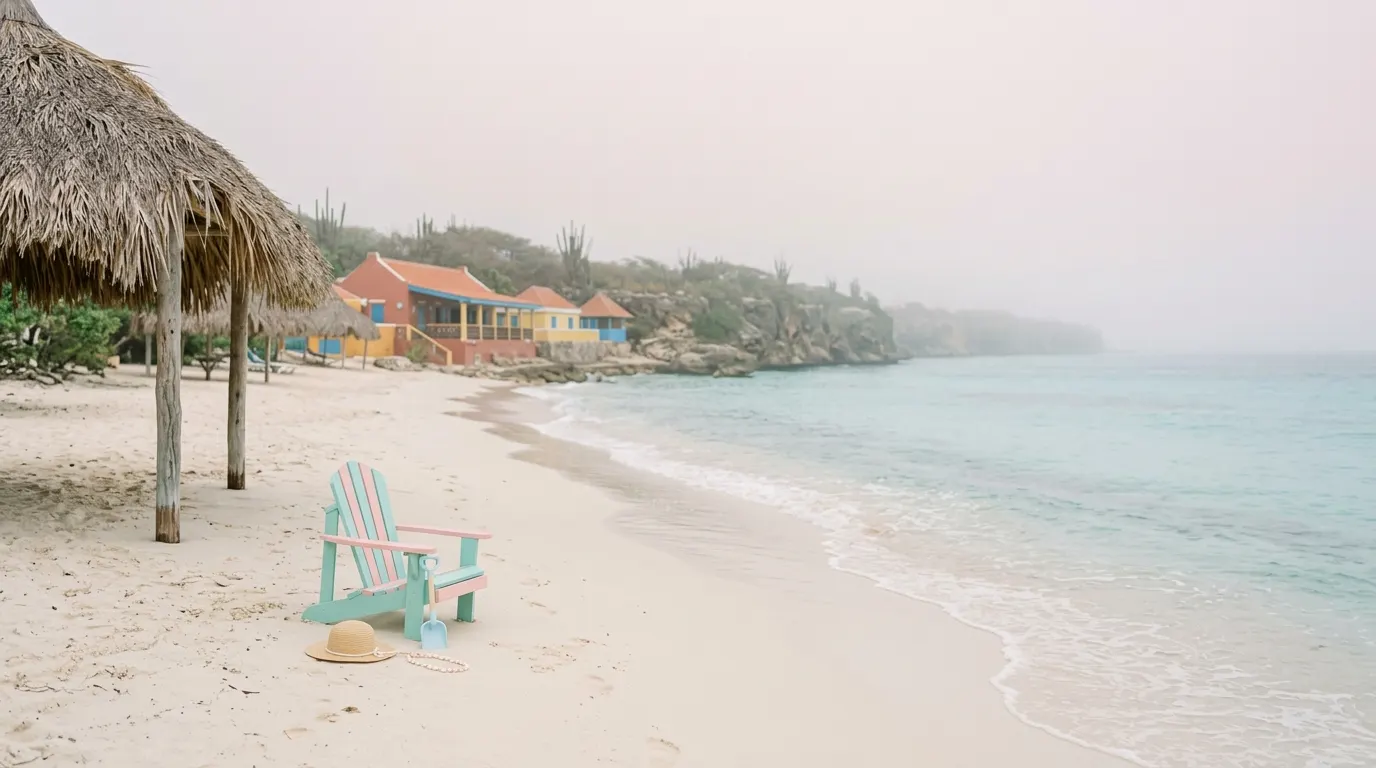
When comparing curaçao vs aruba with kids, the beach experience is entirely different, and this single factor often makes or breaks the decision for parents.
Aruba's Wide Open Strands
Aruba is famous for long, continuous stretches of blindingly white, powdery sand. Eagle Beach and Palm Beach are vast, meaning there is plenty of room for kids to run, build massive sandcastles, and play without bumping into neighboring sunbathers. The water entry is generally very gentle, flat, and free of rocks, which is a massive relief for parents of toddlers and preschoolers who are just getting comfortable in the ocean. The trade-off is the wind. Aruba is exceptionally windy, which feels great in the heat but can whip sand into little eyes on particularly gusty days.
Curaçao's Hidden Coves
Curaçao does not have miles of uninterrupted sand. Instead, its coastline is dotted with "bocas" or coves. These are small, protected inlets carved into the coral rock, and they are visually stunning. Playa Kenepa Grandi (Grote Knip) is widely considered the most beautiful beach on the island, featuring electric-blue water framed by rugged green cliffs. Entry is free, and you can rent lounge chairs for around $5 USD (9 ANG). However, the sand here is coarser, and the water entry often has a ledge of coral rubble, meaning water shoes are an absolute must for little feet.
Another excellent family option is Kokomo Beach, a picturesque, managed cove famous for its over-water swing. It offers a restaurant, clean restrooms, and crystal-clear snorkeling right from the shore. Because these beaches are nestled in coves, they are naturally protected from the wind and heavy surf, making the water incredibly calm. However, they are smaller, meaning they can feel crowded on weekends when locals flock to the shore.
Activities and Adventures for Active Families
If your family prefers an itinerary packed with unique excursions, the balance of activities shifts depending on how adventurous your children are.
Top Family Experiences in Curaçao
Curaçao shines when it comes to unique, slightly offbeat adventures that older kids and teens will genuinely boast about back home. For families with deep pockets and a love for marine biology, Substation Curaçao is a world-class deep-sea exploration experience where you descend up to 1,000 feet in a certified scientific submarine. It is a massive splurge (prices start around $800 USD per person), but it is a once-in-a-lifetime journey to the twilight zone of the ocean.
For something a bit more accessible but equally unique, Aquafari Curaçao offers an underwater scooter experience where you wear a submersible helmet that allows you to breathe normally while cruising the reef. It requires no scuba certification and is perfect for kids ages 10 and up.
If you have teens craving adrenaline, Eric's ATV Adventures provides a high-octane way to explore Curaçao’s rugged north and east coasts, taking you off-road to places rental cars simply cannot go. You can also drive to Boka Tabla, a dramatic sea cave within Shete Boka National Park where massive waves from the north coast crash into underground caverns. The viewing platforms are safe, but hold tight to little hands as the terrain is uneven volcanic rock.
For a full day of isolation and stunning beauty, book the Klein Curaçao (day trip). This remote, uninhabited island paradise features blindingly white sand, an abandoned lighthouse to explore, and a high likelihood of swimming with sea turtles. The boat ride can be very choppy, so motion sickness medication is highly recommended for kids.
🎟️ Find family-friendly tours & activities →
What Aruba Brings to the Table
Aruba's activities lean heavily toward accessible, easy-to-book resort excursions. You will find endless pirate ship snorkeling cruises, banana boat rides, and calm catamaran sunset sails. Aruba also features the Arikok National Park, which covers nearly 20% of the island and offers caves and natural pools, though reaching the natural pool requires a very bumpy 4x4 ride that can be jarring for young children. Overall, Aruba's activities are highly commercialized and polished, while Curaçao's require a bit more independence.
Animal Encounters and Underwater Worlds
Both islands offer incredible marine life, but the accessibility of the underwater world is a major differentiator.
Snorkeling in Curaçao
Curaçao is a snorkeling paradise because the reef drop-off is often located just a few dozen yards from the beach. You do not need to book an expensive boat tour to see incredible marine life; you just need your own mask and snorkel.
The crown jewel for families is Playa Piskadó (Fisherman's Beach). This is a working fishing harbor where sea turtles gather just feet from the shore to feast on scraps from the local fishermen cleaning their daily catch. It is entirely free to visit. The beach itself is rocky and not ideal for lounging, but getting into the water and immediately seeing massive sea turtles swimming past your children's legs is purely magical. Arrive before 10:00 AM to beat the tour buses.
If you prefer a structured experience, booking Curaçao Snorkel Adventures (Guided Snorkel Tour) is a stress-free way for families to explore the underwater world without the guesswork of finding the best reefs or dealing with rental gear logistics.
🎟️ Book family tickets & skip-the-line tours →
Aruba's Animal Attractions
Aruba's snorkeling generally requires a boat trip to reach the best spots, such as the Antilla Shipwreck (which is often too deep and rough for young kids to enjoy from the surface) or Boca Catalina. However, Aruba excels in land-based animal encounters that are perfect for toddlers, including a wonderful Butterfly Farm, a Donkey Sanctuary, and an Ostrich Farm that offer highly supervised, stroller-friendly animal interactions.
Culture and Dining for Families
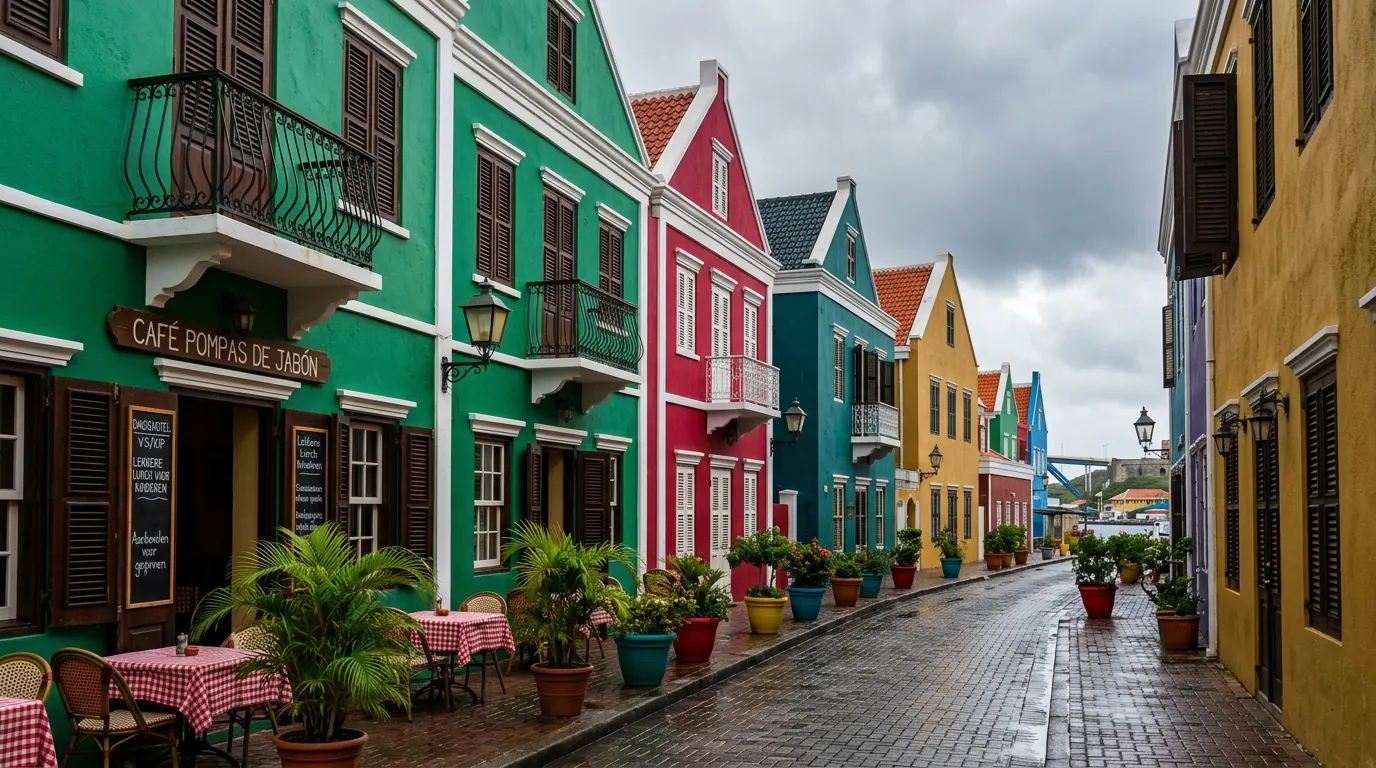
If you want your kids to experience a different culture rather than just a different beach, Curaçao holds a distinct advantage.
Exploring Willemstad
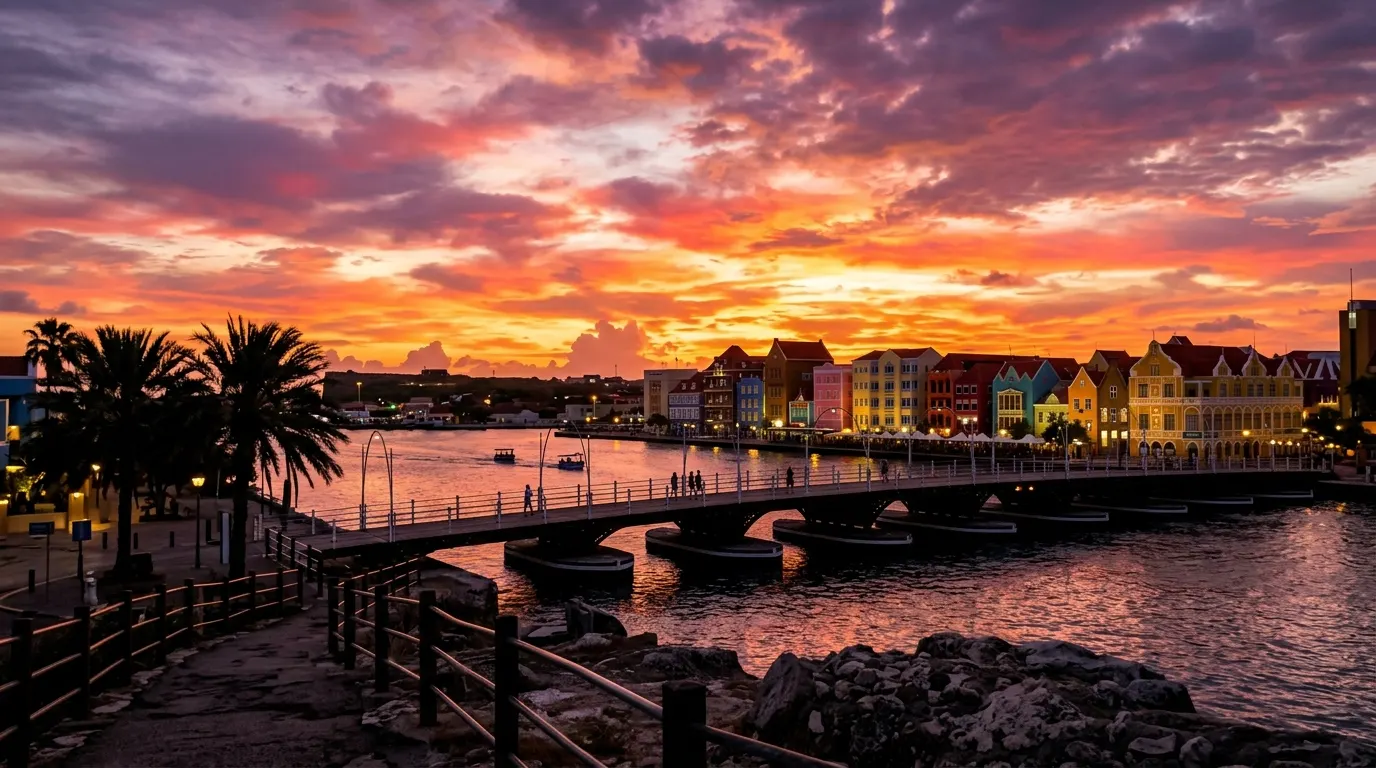
Willemstad is a vibrant, bustling city divided by a waterway. The centerpiece is the Queen Emma Bridge, known affectionately as the 'Swinging Old Lady.' This historic floating pontoon bridge is a Willemstad icon that links the Punda and Otrobanda neighborhoods. Kids are endlessly fascinated by standing on the bridge as it detaches from the shore and literally swings open using boat motors to let massive cargo ships pass. It is free, highly stroller-accessible, and a great way to spend an evening.
To dive deeper into the local culture, book the Kurá di Bario (Neighborhood Walk Otrobanda). This authentic, community-led walking tour takes you through the heart of Otrobanda where local residents share the history behind the neighborhood's stunning street art and restored alleys. It is engaging enough for older kids and entirely stroller-friendly for the little ones.
For educational days, Curaçao offers excellent museums. The Kura Hulanda Museum is a world-class institution located on the site of a former slave wharf, offering a deep and often visceral look into the transatlantic slave trade. It is incredibly well done, though best suited for middle schoolers and up due to the heavy subject matter. For a lighter cultural afternoon, visit Landhuis Bloemhof, a vibrant cultural hub set on a historic plantation featuring indoor galleries and sprawling outdoor sculpture gardens where kids can safely roam. You can also explore the Jewish Cultural Historical Museum, which offers a beautifully curated look into one of the oldest Jewish communities in the Americas.
Family Dining
While Aruba is packed with familiar American chains and high-end steakhouses, Curaçao offers a more localized culinary scene. A must-visit with kids is Pop's Place. This is an unpretentious, open-air local gem located right on the waterfront at Caracasbaai. The vibe is incredibly relaxed, the prices are reasonable (most mains under $20 USD), and they serve excellent local dishes like Keshi Yena (stuffed cheese) alongside kid-friendly staples like grilled chicken and fries.
Age-by-Age Guide: Curaçao vs Aruba
To make the best choice, consider the current ages and stages of your children.
Toddlers (Ages 2-3): Aruba Wins
At this age, logistics dictate your happiness. Aruba’s wide, flat beaches with zero rocks, easy access to familiar foods, and massive resort pools with zero-entry wading areas make traveling with toddlers significantly easier. You do not have to pack them in and out of a hot rental car every day to find a beach.
Preschoolers (Ages 3-5): Tie
Preschoolers will love the calm, pool-like waters of Curaçao’s protected bocas, but the rocky entries require vigilance and water shoes. Aruba’s Butterfly Farm and easy beach access remain highly appealing. The deciding factor here is whether parents want resort convenience (Aruba) or are willing to drive for unique experiences (Curaçao).
School-Age (Ages 6-10): Curaçao Wins
This is the sweet spot for Curaçao. Kids this age are strong enough swimmers to handle snorkeling right off the beach, they will be thrilled by the sea turtles at Playa Piskadó, and they have the stamina to explore Willemstad’s forts and floating bridge.
Tweens and Teens (Ages 11-14): Curaçao Wins
Teens can easily get bored sitting on a flat beach in Aruba. Curaçao offers ATV tours, underwater scooters, rich street art, distinct European culture, and a sense of rugged exploration that makes excellent content for their inevitable social media posts.
What to Skip: Overhyped Traps in Curaçao
If you do choose Curaçao, not every spot is a winner for families. Protect your time and wallet by skipping these spots:
- Playa Forti: The main 'attraction' here is a 40-foot cliff jump that is far too dangerous for children, and the beach itself is incredibly rocky and lacks basic facilities. Skip it and head to Grote Knip instead.
- Curaçao Sea Aquarium Park - SCUBA Diving Programs: At over $150 per person for a mere 20 minutes of underwater time, this experience is an expensive photo op rather than a genuine diving lesson. Stick to free snorkeling at the local beaches.
- Mikvé Israel-Emanuel Synagogue: While historically fascinating, the synagogue’s most famous feature—a floor completely covered in sand—is an irresistible magnet for young children who will immediately want to dig and play, leading to stressful shushing and reprimands in a sacred space.
- Mambo Beach Pier (Mambo Beach area): Mambo Beach is heavily commercialized, and while the pier looks like a fun jumping spot for older kids, it is often slippery, completely unmonitored, and can be dangerous due to submerged rocks and boat traffic.
- Netto Bar: You will see this historic dive bar mentioned in many guidebooks for its famous 'Ròm Bèrdè' (green rum). However, it is entirely adult-oriented, cramped, and features no space or tolerance for energetic children.
Pro Tips from Parents for Island Hopping
- Rent a Car in Curaçao: You simply cannot rely on public transit or taxis to see the best of Curaçao. Rent a car at the airport. The roads are generally well-maintained, though local drivers can be aggressive. Download offline Google Maps before you arrive.
- Currency Quirks: In Aruba, USD is accepted literally everywhere, and change is given in USD. In Curaçao, USD is widely accepted, but you will almost always receive change in the local currency (Antillean Guilder/ANG). Bring a credit card with no foreign transaction fees and use it for everything possible to avoid bringing home useless coins.
- Pack Water Shoes: Do not just pack water shoes; pack high-quality, thick-soled water shoes for everyone in the family if visiting Curaçao. The coral rubble on the beaches is sharp, and a cut foot on day one will ruin the rest of the trip.
- Bring Your Own Snorkel Gear: While you can rent gear at some managed beaches, having your own high-quality, well-fitting masks for your kids ensures they are comfortable and ready to jump in whenever you spot a great reef.
- Sun Protection is Critical: Both islands are situated very close to the equator. The sun here is significantly stronger than in Florida or the Bahamas. Pack UPF 50+ long-sleeve rash guards for the kids; relying solely on sunscreen usually results in sunburns by day three.
Deciding between curaçao vs aruba with kids doesn't have to be a stressful choice, as both islands guarantee beautiful weather and pristine Caribbean waters. If your priority is maximum relaxation, effortless logistics, and wide sandy beaches where toddlers can safely splash, Aruba is the easy answer. But if your family views travel as an opportunity for cultural immersion, rugged exploration, and snorkeling with sea turtles just steps from the shore, Curaçao will provide a more enriching, adventurous, and unforgettable family vacation.