Choosing between Central Europe’s two most spectacular capitals is a wonderful problem to have. Both cities offer towering spires, winding rivers, hearty comfort food, and an atmosphere that feels plucked straight from a storybook. However, when evaluating budapest vs prague with kids, the nuances of daily travel—like navigating cobblestones with a stroller, finding a playground when your toddler hits a wall, or keeping a teenager engaged—become the deciding factors.
While Prague is often hailed for its compact, incredibly well-preserved medieval core, Budapest surprises many families with its sprawling green spaces, world-class modern playgrounds, and wide, stroller-friendly boulevards. Both destinations are entirely doable and highly rewarding for families, but they cater to different travel styles and energy levels. This guide breaks down the logistics, the highlights, and the honest realities to help you decide which city is the right fit for your family's next adventure.
The Vibe: Budapest vs Prague with Kids
When comparing these two cities, it helps to understand their fundamental layouts and atmospheres.
Prague feels like a dense, historic labyrinth. Its historic center (Staré Město) and the Lesser Town (Malá Strana) are incredibly atmospheric, characterized by narrow, winding cobblestone streets, hidden courtyards, and architecture that survived centuries untouched. It is visually stunning, but the crowds in peak season are concentrated into very specific, tightly packed zones. Navigating a double stroller through the crowds near the Astronomical Clock or up the steep paths to Prague Castle requires patience and strong calf muscles.
Budapest, on the other hand, feels grander and more spread out. Divided by the wide Danube River into hilly, historic Buda and flat, bustling Pest, the city feels more like Paris or Vienna in its layout. The avenues are wide, the public transit is incredibly efficient (and above ground, offering great views), and the green spaces are massive. Because the attractions in Budapest are spread across a larger footprint, the crowds rarely feel as suffocating as they do in Prague’s medieval center. For families who need space for kids to run, or who rely heavily on strollers, Budapest often provides a slightly more relaxed daily rhythm.
Top Attractions in Budapest for Families
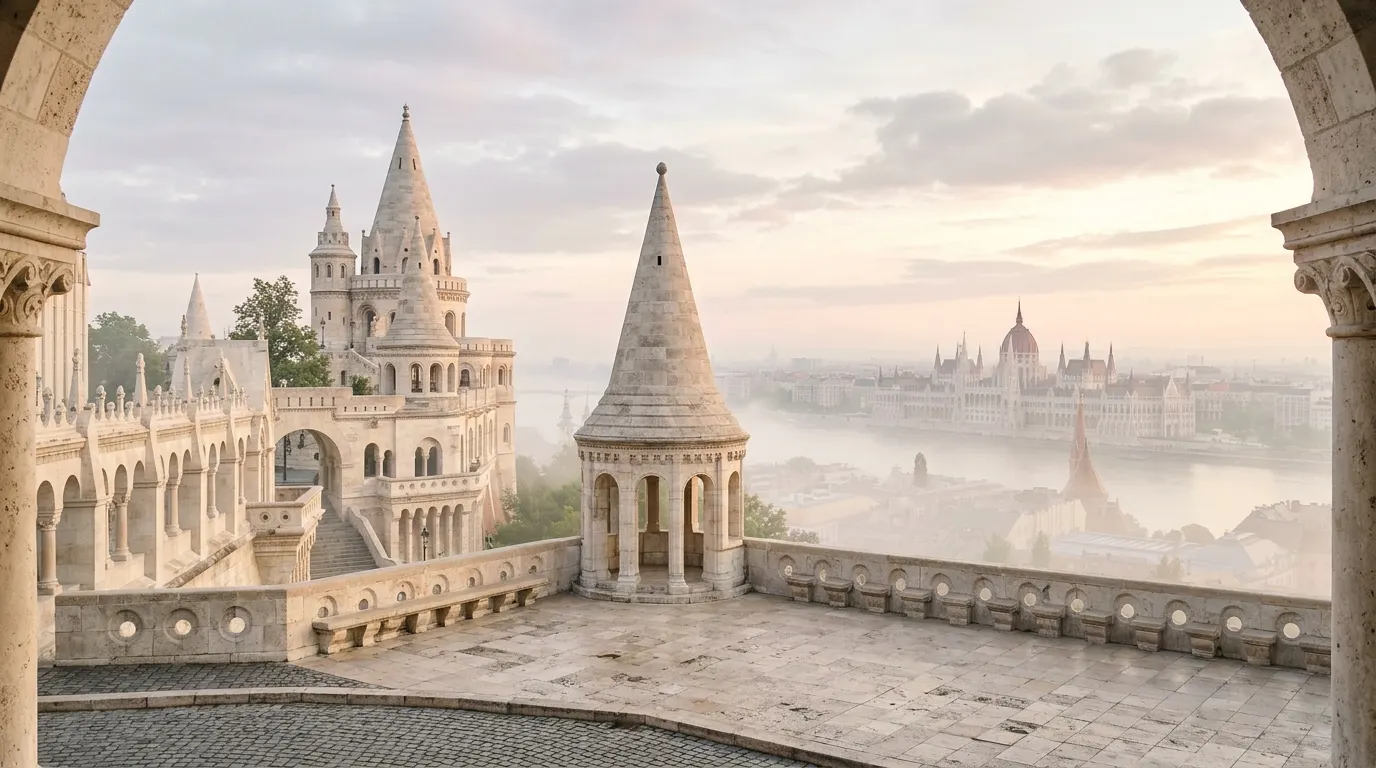
Budapest excels at blending grand historical architecture with genuinely kid-centric activities. You rarely have to drag your children through a boring museum here; instead, the city’s history is interactive and expansive.
Start your mornings on the Buda side of the river. The Fisherman's Bastion (Halászbástya) is an absolute must-do. This neo-Gothic terrace looks exactly like a Disney castle, complete with fairytale turrets and sweeping stone staircases. The absolute best views of the Parliament building across the river are found here. Arrive by 8:30 AM to beat the tour groups. The lower terraces are completely free to explore, and the wide walkways are perfect for toddlers who want to run safely away from traffic. Expect to spend about an hour here before the kids get restless.
For active families, Margaret Island is a verdant, car-free oasis sitting right in the middle of the Danube. Rent a multi-person pedal cart at Bringóhintó Margaret Island to explore the lush pathways at your own pace. The rental costs around 4,500 HUF ($12 USD) for an hour, which is plenty of time to pedal up to the Japanese Garden and back. Keep an eye out for the musical fountain near the island's entrance; it performs every hour, but the 6:00 PM and 9:00 PM shows are the most magical, featuring lights and a surprisingly modern playlist.
🎟️ Book family tickets & skip-the-line tours →
Over on the Pest side, City Park (Városliget) is the crown jewel of family travel in Budapest. In the winter months, the City Park Ice Rink (Városligeti Műjégpálya) opens up. It is a stunning, historic outdoor ice rink set against the fairytale backdrop of Vajdahunyad Castle. Skating here as the sun sets and the castle lights up is a core memory for older kids and teens. During the summer, this same area transforms into a boating lake.
Just a short walk away within the same park is the House of Music Hungary (Magyar Zene Háza). This stunningly designed interactive museum is a massive hit with school-aged kids. They can literally play with sound, stepping on floor pianos, experimenting with acoustics, and walking through immersive soundscapes. Tickets are around 3,900 HUF ($11 USD) for adults, with discounts for children, and you should budget at least two hours for the interactive exhibits.
Top Attractions in Prague for Families
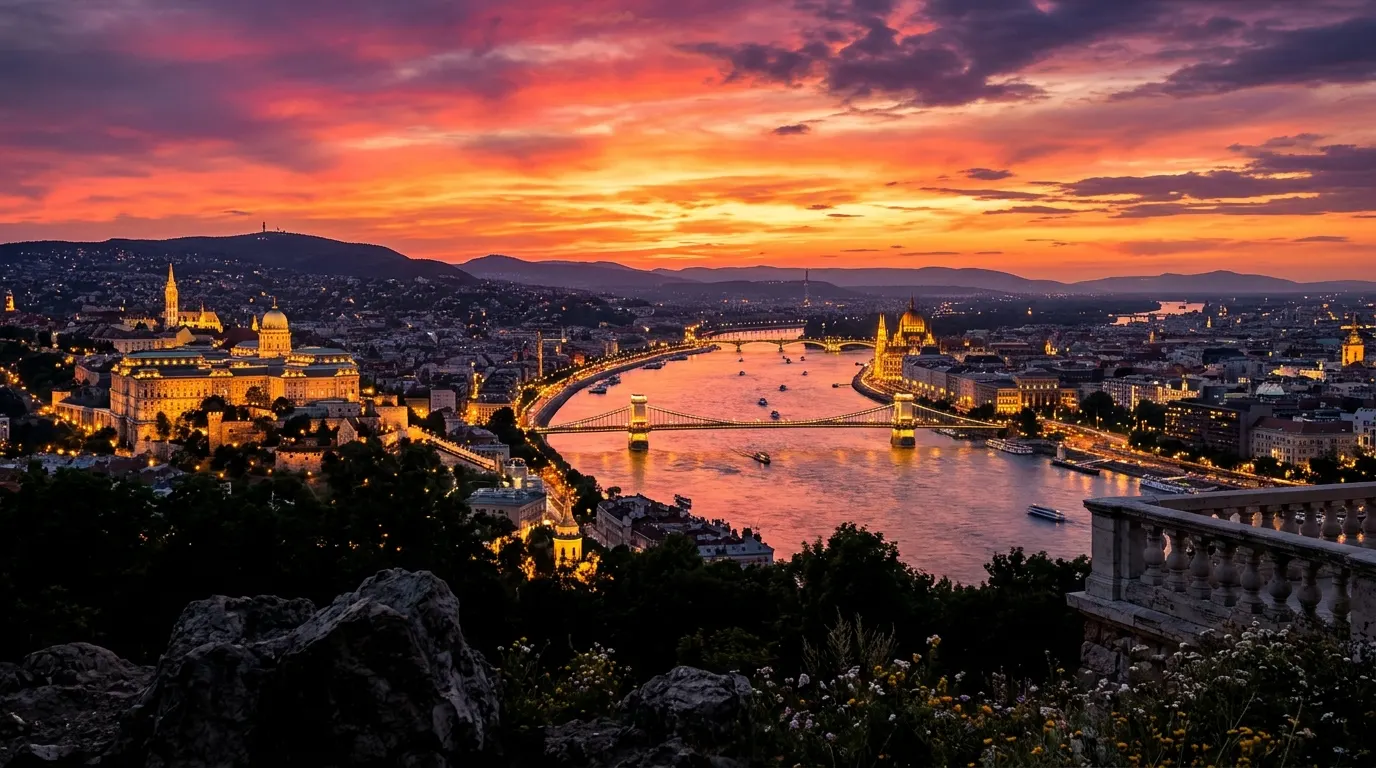
Prague’s magic lies in its atmosphere. It is a city of knights, alchemists, and legends, which plays perfectly into the imaginations of school-aged children and tweens.
Prague Castle is the obvious starting point. Rather than a single building, it is a massive complex of palaces, churches, and courtyards. Kids usually love the Changing of the Guard at the main gates (happening daily at noon with fanfare, though hourly on a smaller scale). Walking down Golden Lane—a tiny street of miniature, brightly colored houses where castle guards and goldsmiths once lived—feels like stepping into an elf village. The doorways are so low that even a ten-year-old will feel like a giant. Keep in mind that the walk up to the castle is steep; take the tram (Line 22) up to the Pražský hrad stop to save little legs, and enjoy the downhill walk back into town.
🎟️ Find family-friendly tours & activities →
The Charles Bridge is iconic, but tackling it with kids requires strategy. By 10:00 AM, it is a wall of tourists, portrait artists, and vendors. If you want a magical family experience, you must go before 8:30 AM. The early morning mist off the Vltava River and the towering blackened statues make it feel incredibly cinematic, and your kids can actually run along the bridge without losing you in a crowd.
For a break from the dense medieval streets, take the funicular railway up Petrin Hill. The ride itself is a thrill for toddlers and preschoolers. At the top, you’ll find expansive gardens, an observation tower that looks like a miniature Eiffel Tower (great for older kids who want to climb), and a wonderfully disorienting Mirror Maze that provides a solid 20 minutes of giggles for a few dollars.
Playgrounds and Parks: Where Do Kids Run Free?
When analyzing budapest vs prague with kids, playgrounds are a major differentiator. Budapest has invested heavily in world-class, modern play spaces over the last few years, giving it a distinct edge for families with children under ten.
Budapest’s Városliget Playground (Nagyjátszótér) is arguably one of the best public playgrounds in Europe. Located in the heart of City Park, this massive, multi-acre space features a centerpiece hot air balloon climbing structure, in-ground trampolines, water play zones, and dedicated areas for different age groups. It is entirely fenced in, features pristine public restrooms, and has a cafe right at the entrance.
If you are exploring the downtown Pest area, the Városháza Park Playground is a sleek, modern playground located in the heart of the newly pedestrianized City Hall area. It’s perfect for a 30-minute break between sightseeing. For a quirkier experience, hike up Gellért Hill to find the Cerka-firka Playground. This is a whimsical, pencil-themed playground tucked away in the trees where climbing frames and balance beams look like giant colored pencils.
Prague also has excellent green spaces, though the playgrounds tend to be a bit more traditional. The Franciscan Gardens (Františkánská zahrada) offer a hidden, peaceful playground right in the middle of the bustling New Town, perfect for a quick swing and slide break. Stromovka Park, a massive former royal hunting ground, is Prague’s answer to Central Park. It features flat, paved paths perfect for strollers and scooters, several duck ponds, and plenty of open grass for a family picnic away from the heavy tourist zones.
Age-by-Age Guide: Budapest vs Prague with Kids
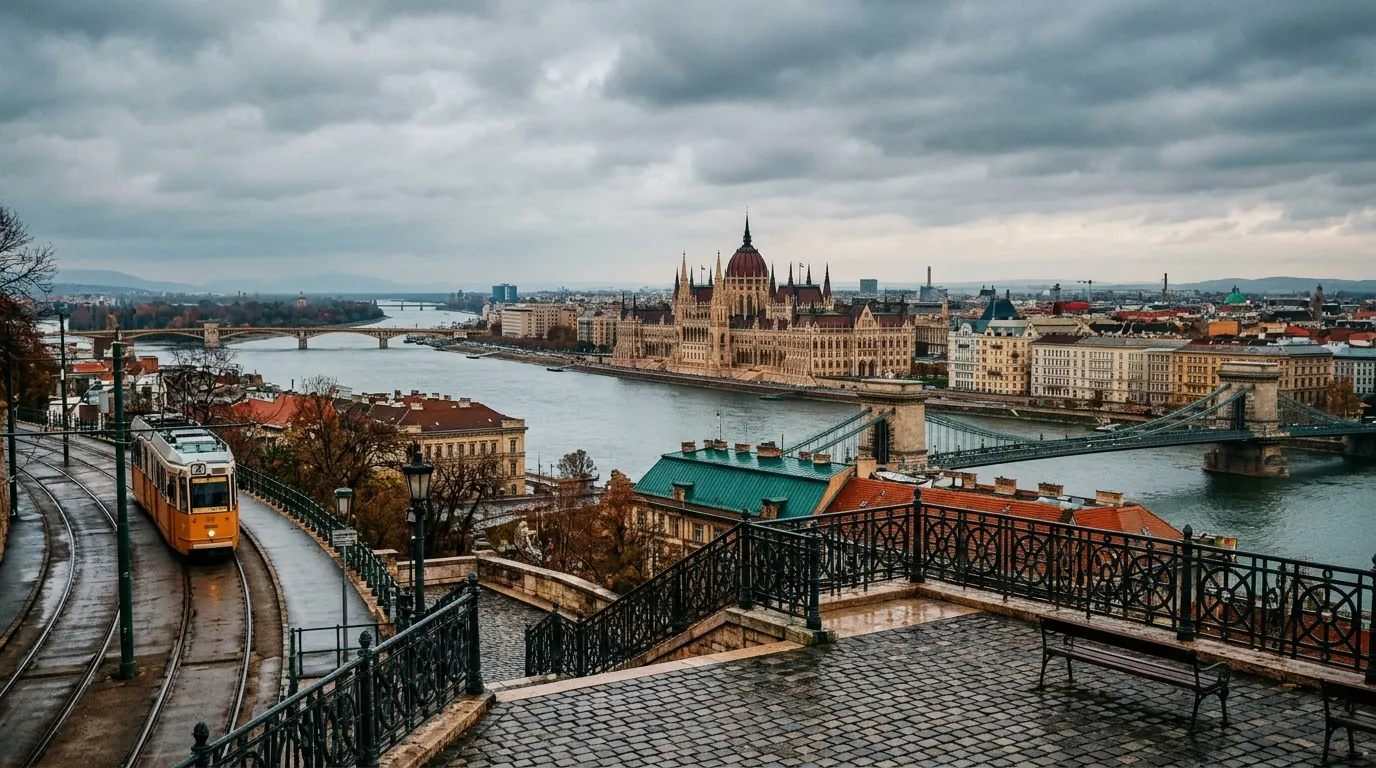
Children interact with cities differently depending on their developmental stage. Here is how both cities stack up for different age groups.
Toddlers (Ages 2-3)
Budapest takes the win for this age group, primarily due to the walkability and playground infrastructure. Pushing a stroller over Prague’s heavy cobblestones for several days can be exhausting. In Budapest, the wide sidewalks of Andrássy Avenue and the flat expanse of the Pest side are a breeze. When your toddler needs to burn off steam in Budapest, the Klauzál téri Játszótér is a newly renovated urban oasis in the heart of the Jewish Quarter featuring high-quality German-made climbing structures and soft rubber flooring.
Preschoolers (Ages 3-5)
Both cities offer magic for this age. In Prague, preschoolers will love watching the swans on the Vltava River or riding the historical trams. In Budapest, the absolute highlight is the Fővárosi Állat- és Növénykert – Holnemvolt Park. This is a charming fairy-tale-themed expansion of the Budapest Zoo featuring massive wooden play structures, gentle rides, and interactive animal encounters. It is specifically designed for the preschool and early elementary crowd.
School-Age (Ages 6-10)
This is a tie. Ten-year-olds will be captivated by the creepy, historical allure of Prague’s medieval towers, the astronomical clock, and the city's dungeon tours. In Budapest, science and interactivity rule. The Csopa – Centrum of Scientific Wonders is a massive, four-floor interactive science hub featuring over 100 hands-on experiments ranging from physics puzzles to giant magnetic walls. It’s the perfect indoor escape on a rainy or overly hot day.
Tweens and Teens (Ages 11-14)
Prague’s slightly edgy, Gothic vibe appeals heavily to teens. Evening ghost tours that delve into the alchemy and legends of the city are a massive hit with this age bracket. However, Budapest holds its own with highly visual, engaging spaces. The Museum of Illusions Budapest is a compact, highly interactive space filled with optical illusions, mirrors, and physics-defying rooms that teens will love photographing. Furthermore, Budapest’s thermal baths (like Gellért or Széchenyi) offer a sophisticated but fun activity that feels incredibly grown-up.
Food: Chimney Cake vs Trdelník
Feeding kids in Central Europe is generally quite easy. Both Hungarian and Czech cuisines lean heavily on comfort food: roasted meats, potatoes, rich gravies, and dumplings.
In Budapest, Goulash (Gulyás) is served as a hearty soup rather than a thick stew, and it is usually very mild and kid-approved. For a fantastic family meal, head to Kispiac Bisztró. This cozy, high-quality bistro near Liberty Square serves elevated Hungarian comfort food without the stiffness of formal dining. For dessert, you cannot miss Kürtőskalács (Chimney Cake). It is the ultimate Budapest kid snack—sweet dough wrapped around a wooden cylinder, roasted over coals until crispy, and rolled in cinnamon sugar. Skip the sit-down cafes and look for the small wooden street stalls; they serve the freshest, warmest cakes. On a hot day, stop by Gelarto Rosa, a charming gelato shop near St. Stephen's Basilica famous for its artisanal ice cream meticulously shaped into beautiful, highly photogenic roses.
Prague offers a similar street-food treat called Trdelník, which is essentially the same concept as Chimney Cake, though locals will quickly point out it is a modern tourist invention rather than a historical Czech staple. Regardless, kids love them, especially when filled with soft-serve ice cream. For meals in Prague, look for traditional pubs (Lokál is a great, loud, kid-friendly chain) where you can order fried cheese (Smažený sýr) or roasted pork with soft bread dumplings—both guaranteed hits with picky eaters.
What to Skip in Budapest and Prague with Kids
Not every famous attraction translates well to a family trip. When planning your itinerary, be mindful of places that might drain your family's energy or prove inappropriate for young travelers.
In Budapest, the House of Terror (Terror Háza) is heavily promoted in guidebooks. However, this is a deeply moving but profoundly disturbing museum documenting the torture, interrogation, and atrocities committed by fascist and communist regimes. It is absolutely not suitable for children or young teens.
You should also skip the famous ruin bars if you have kids in tow. Szimpla Kert is Budapest's most famous ruin bar, but it is fundamentally a loud, crowded nightlife venue. While some people pop in during Sunday morning farmers markets, its true nature is a drinking establishment. Similarly, Madhouse Budapest (Öntödei Múzeum area) is a classic 'Instagram trap' where the novelty of inverted rooms wears off in about 15 minutes, leaving you feeling like you wasted your money.
If you are looking for upscale dining, bypass Gundel Étterem. It is a high-stakes, formal dining institution where the white-tablecloth atmosphere and slow, methodical service will have kids squirming in their seats. Finally, do not promise your space-loving kids a trip to the Budapest Planetarium (Magyar Tudományos és Technika Háza Planetárium). It has faced chronic closures and inconsistent public hours in recent years, making it an unreliable itinerary addition.
In Prague, the biggest "skip" or "manage expectations" moment is the Astronomical Clock performance on the hour. Crowds pack into the Old Town Square shoulder-to-shoulder. If you have a stroller, you will be trapped in a sea of legs. The show itself lasts less than a minute and features small wooden figures rotating in windows. Most kids under eight find it incredibly anti-climactic. See the clock as you walk by, but don't camp out for 30 minutes waiting for the chime.
Pro Tips from Parents for Central Europe
To make your trip as seamless as possible, keep these parent-tested logistical tips in mind:
- Master the transit passes: In Budapest, if you are a family of up to five, the 'Budapest 24-hour group travel card' is significantly cheaper than individual tickets and covers all trams, buses, and metros. It saves you from fumbling with ticket machines while wrangling toddlers.
- Bathhouse logistics: If you visit thermal baths like Palatinus or Gellért, renting towels is expensive and involves long deposit lines. Bring your own lightweight travel towels or borrow extras from your hotel.
- Skip the funicular queues: The Budavári Sikló (Castle Hill Funicular) in Budapest is charming but often has 40-minute queues for a 2-minute ride in the hot sun. Instead, hop on the 16 or 16A 'Castle bus' from Clark Ádám tér; it takes you to the exact same spot in five minutes using standard transit tickets.
- Rethink the Ferris wheel: While the Budapest Eye Ferris wheel in Erzsébet Square is tempting to kids, it is quite expensive for families. For a superior and completely free panoramic view, take the elevator up to the rooftop garden of the modern Etele Plaza, or just enjoy the sweeping vistas from Fisherman's Bastion.
- Avoid the tourist traps: In Budapest, Váci utca is a famous pedestrian street notorious for overpriced, mediocre food and aggressive touts. Walk just three blocks away toward the Jewish Quarter or Liberty Square to find genuinely fantastic, family-friendly local dining.
Ultimately, the debate of budapest vs prague with kids comes down to your family's travel rhythm. If you want dense, walkable fairytale streets and medieval history at every turn, Prague is a magnificent choice. If you prefer wider boulevards, unparalleled modern playgrounds, sprawling green spaces, and a slightly more relaxed pace, Budapest is likely your winner. Whichever you choose, Central Europe offers a rich, incredibly rewarding backdrop for your family's memories.