Deciding between a central European getaway filled with medieval castles, endless chocolate, and charming canals, or an alpine adventure packed with mountain trains, pristine lakes, and soaring peaks is a wonderful dilemma to have. When you are looking at brussels & bruges vs zürich & swiss alps with kids, you are essentially choosing between two very different, but equally magical, styles of family travel. One offers a storybook immersion into history and culinary delights, while the other serves up unparalleled outdoor adventures and world-class efficiency. As a parent who has navigated the logistics of dragging strollers over cobblestones and wrangling toddlers onto mountain cable cars, I want to help you make the best decision for your family’s unique travel style.
Brussels & Bruges vs Zürich & Swiss Alps with Kids: The Vibe Check
Understanding the fundamental atmosphere of these two destinations is the first step in planning your family vacation. Both regions are incredibly safe, welcoming to children, and easy to navigate, but they cater to very different energy levels and interests.
The Magic of Belgium (Brussels & Bruges)
If you dive into our Brussels & Bruges City Guide, you will quickly see that Belgium is all about sensory indulgence and fairytale architecture. Brussels is a vibrant, bustling capital where monumental golden squares meet quirky comic book murals. It feels slightly chaotic but incredibly charming. Bruges, on the other hand, is a slower, pedestrian-friendly dreamscape of swans, canals, and stepped-gable houses. A trip here is culturally rich, highly walkable, and heavily focused on museums, historic sites, and food. It is ideal for families who love city breaks, art, and history, but prefer a relaxed pace.
The Majesty of Switzerland (Zürich & Swiss Alps)
By contrast, our Zürich & Swiss Alps City Guide highlights a trip defined by breathtaking natural beauty and clockwork precision. Zürich is a pristine, lakeside financial hub that transitions seamlessly into family-friendly swimming spots and interactive science museums. The true draw, however, is the Alps. Switzerland with kids is an active, outdoorsy vacation. You will spend your days riding funiculars up to alpine playgrounds, hiking well-marked trails with bells ringing on cows in the distance, and marveling at glaciers. It is a premium, high-budget destination that rewards families who want to be out in nature from dawn until dusk.
Top Family Highlights in Brussels & Bruges
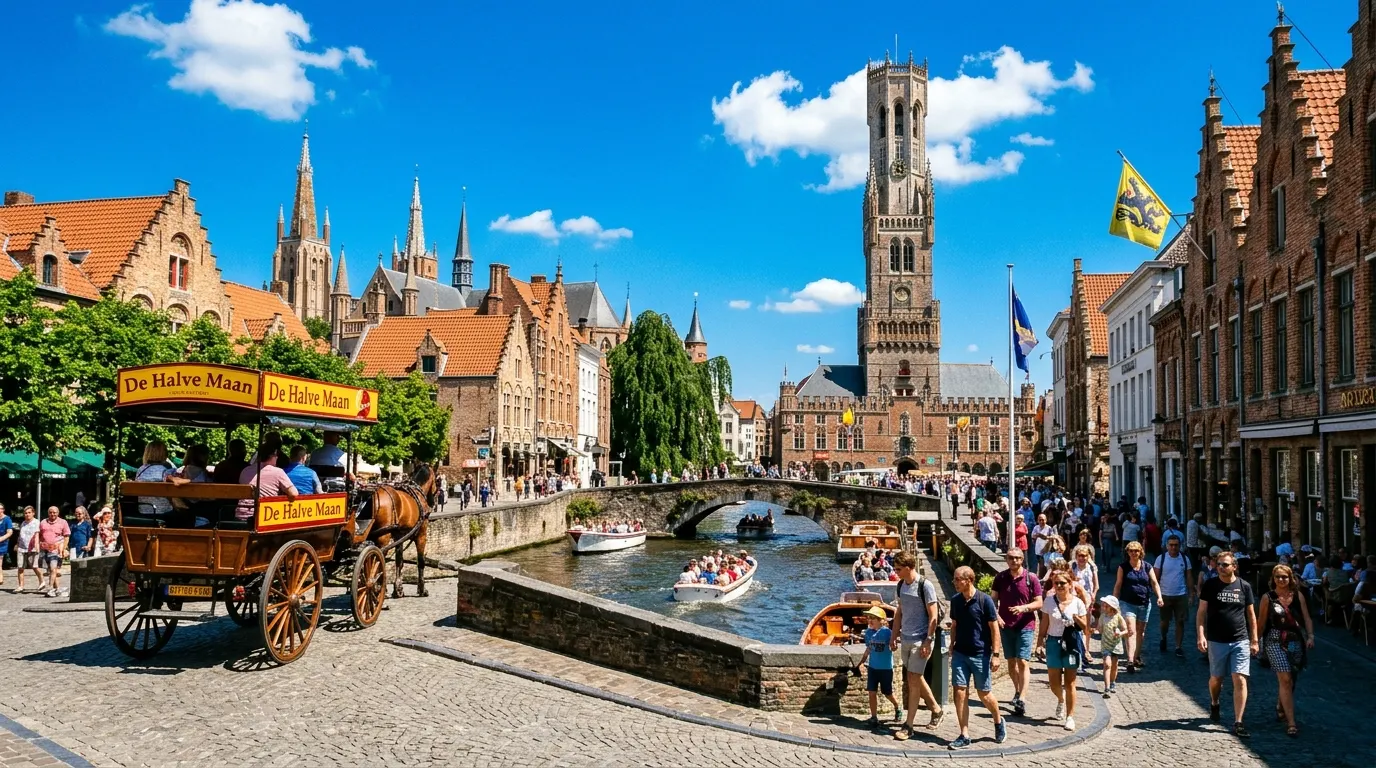
Belgium punches far above its weight when it comes to keeping children entertained without sacrificing adult interests. The country seamlessly blends world-class architecture with playful attractions.
Unmissable Spots for Kids in Belgium
You cannot visit Brussels without standing in the center of the Grand Place (Grote Markt) Brussels. This jaw-dropping, car-free square is surrounded by ornate, gold-trimmed guild houses that look like they belong in a Disney movie. Because it is closed to traffic, younger kids can safely wander while you take in the views.
For animal lovers, you must dedicate a full day to Pairi Daiza. Located outside the city, this is consistently ranked as the best zoo in Europe. It is a massive 65-hectare botanical garden and animal sanctuary where habitats are seamlessly integrated into ancient abbey ruins and authentic cultural pavilions. Expect to spend 6 to 8 hours here; tickets run about €40 ($43 USD) for adults and €35 ($38 USD) for kids, but it is worth every penny.
If the weather turns rainy, head to the LEGO® Discovery Centre Brussels (in Docks Bruxsel). This immersive indoor LEGO playground features interactive build zones and a 4D cinema that will easily consume three hours of your afternoon. Alternatively, indulge your sweet tooth at Choco-Story Brussels, a multi-sensory museum that traces the history of cocoa from the Mayans to modern Belgian pralines, complete with generous tasting sessions.
🎟️ Book family tickets & skip-the-line tours →
To burn off energy, follow the Comics Art Museum (Mural Route). Brussels is the capital of the Ninth Art, and instead of a stuffy museum, you can embark on a city-wide scavenger hunt featuring over 60 massive comic strip murals painted on the sides of buildings. It is completely free and a fantastic way to keep kids motivated while walking between neighborhoods.
Top Family Highlights in Zürich & Swiss Alps
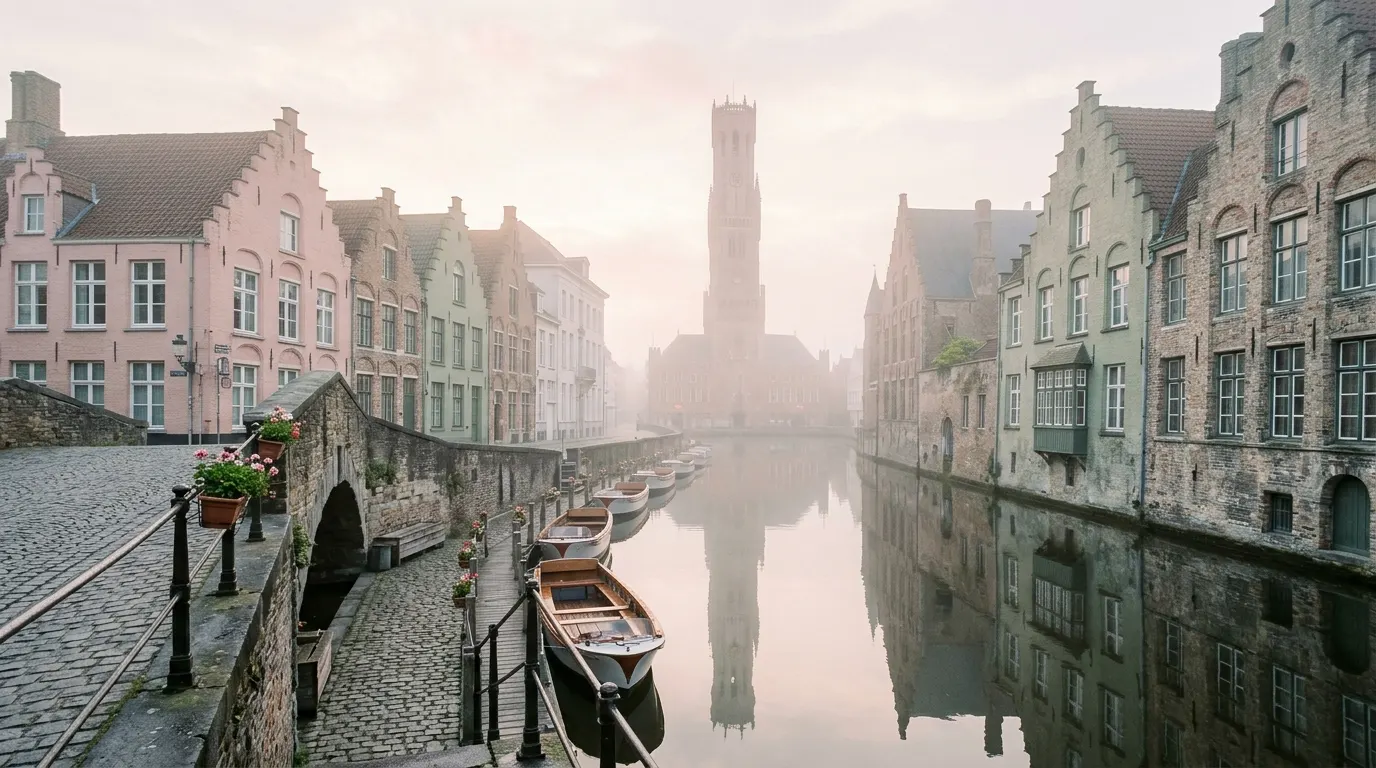
Switzerland requires a larger budget, but it delivers an unparalleled, frictionless travel experience. The public transportation network is so efficient and scenic that the travel itself becomes a highlight for children.
Alpine Adventures for Kids
Starting in Zürich, families should prioritize the Lindt Home of Chocolate, which features a spectacular 9-meter-tall chocolate fountain and highly interactive exhibits detailing the Swiss chocolate-making process. From the city, it is incredibly easy to take a train directly into the Alps, which you can read more about in our Zürich & Swiss Alps City Guide.
🎟️ Find family-friendly tours & activities →
Once in the mountains, regions like the Jungfrau or Zermatt offer infrastructure specifically designed for families. You will find cable cars that transport you to massive alpine playgrounds featuring wooden castles, water play areas, and mountain coasters. The Swiss Museum of Transport in Lucerne (an easy day trip from Zürich) is another absolute must-do. It is a sprawling, hands-on complex covering trains, planes, and automobiles that will captivate kids of any age for a full day.
What to Skip in Brussels & Bruges: Overhyped Tourist Traps
Not every famous landmark is suited for a family itinerary. When traveling with children, managing energy levels means knowing exactly what to cut. Here are a few places in Belgium that look great on paper but often result in meltdowns.
First, skip the Belfry of Bruges (Belfort). While the views from the top are iconic, the 366-step climb is notoriously narrow, steep, and claustrophobic. It becomes a physical ordeal rather than a fun activity, especially if you have a child who decides they want to be carried halfway up. Instead, visit the Huisbrouwerij De Halve Maan Rooftop, a family-run brewery offering a much more accessible alternative for panoramic views of Bruges.
Art-loving parents might be tempted by the Magritte Museum, but this is a somber, academic space that prioritizes silence and scholarly contemplation over engagement. It is very strict on noise, making it a highly stressful environment for parents with energetic kids.
Similarly, avoid planning your trip around the Royal Greenhouses of Laeken. Open for only three weeks a year, this attraction triggers a frantic ticket scramble and attracts massive, slow-moving crowds that are frustrating to navigate with a stroller.
Age-by-Age Guide for Both Destinations
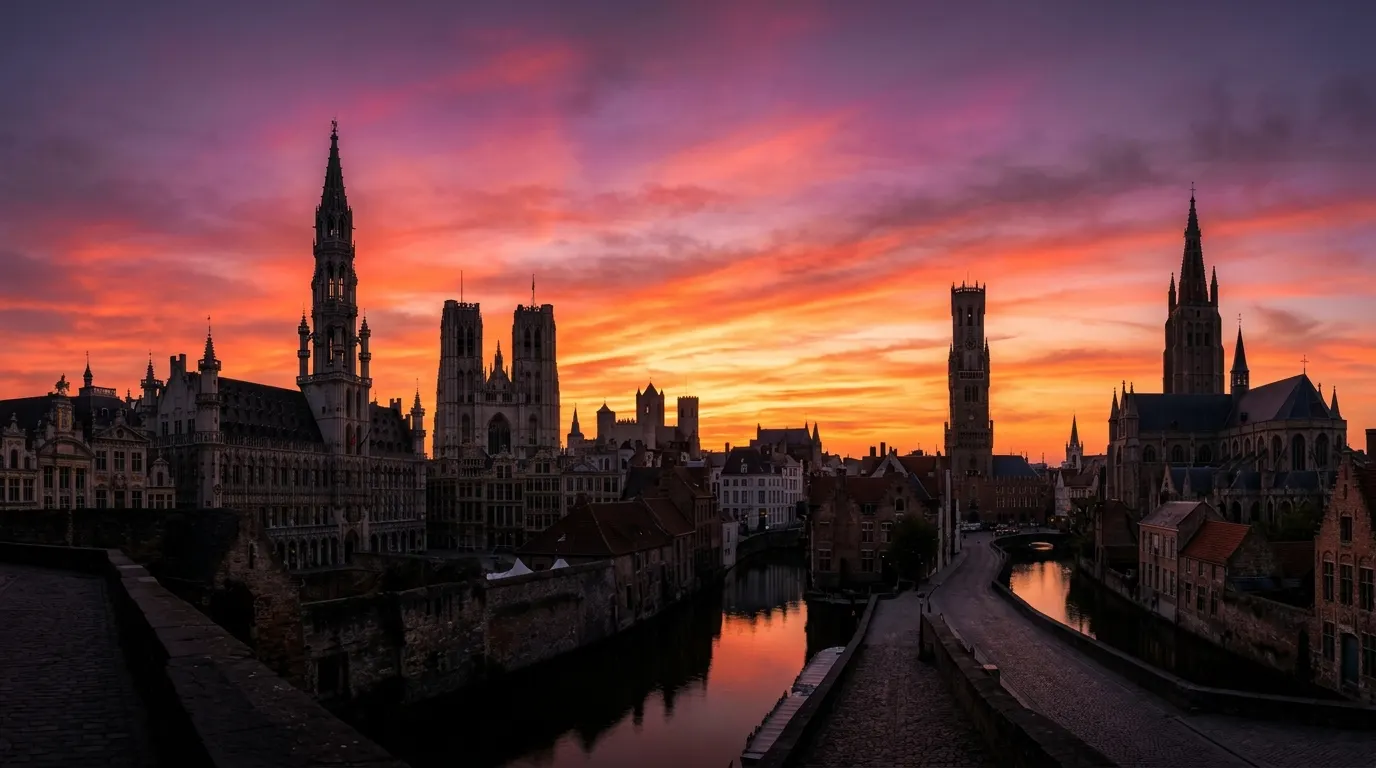
Tailoring your itinerary to your children’s developmental stages is the secret to a successful trip. Here is how both regions cater to different age brackets.
Toddlers (2-3 Years)
In Switzerland, toddlers will be mesmerized by the smooth, quiet train rides and the gentle boat cruises on Lake Zürich or Lake Thun. Swiss playgrounds are legendary, often featuring safe, natural materials and incredible views.
In Belgium, toddlers will love the open spaces of the Grand Place and the gentle Bruges Canal Boat Tours (Rederij De Meulemeester). This classic 30-minute open-air boat ride through Bruges' medieval canals offers a much-needed break for tired little legs. However, a major warning: the medieval cobblestones in Bruges are notoriously bumpy and will rattle small umbrella strollers to pieces. Opt for a sturdy carriage with large air-filled tires, or use a baby carrier.
Preschoolers (3-5 Years)
Preschoolers thrive on fairytales, making Bruges a massive hit. You can rent equipment from Bruges Bike Rental - Fietsen Popelier, a family-run shop perfectly positioned for exploring the flat, cobblestone-free canal paths outside the city center. Ride out to Damme, a storybook medieval village just 7km from Bruges, perfect for escaping the city crowds via a scenic, safe bike path.
In the Swiss Alps, preschoolers will love the interactive "theme trails" (like the Lieselotte Trail in Grindelwald) where they hike short distances between fun, tactile play stations.
School-Age Kids (6-10 Years)
This age group has the stamina for deeper exploration. In Brussels, school-age kids will love hunting down the comic strip murals and exploring the Forêt de Soignes, a massive UNESCO-protected ancient beech forest that feels like a natural cathedral on the edge of the city. In Bruges, take them to the Sint-Janshuismolen, a rare opportunity to climb inside a functioning 18th-century windmill that still grinds grain today.
In Switzerland, this is the perfect age for introductory mountain biking, riding open-air funiculars, and exploring accessible glacier ice caves.
Tweens and Teens (11-14 Years)
Teens want autonomy and unique experiences. In Brussels, treat them to a performance at the Royal Theatre La Monnaie / De Munt, a world-class opera house featuring a stunning neoclassical facade. In the summer, Bruges offers the Waterfront (Bruges), a seasonal transformation of the historic canals into a public swimming zone with floating platforms—a huge hit with teens.
In Switzerland, teens will be drawn to high-adrenaline activities like zip-lining, mountain carting, and suspension bridges strung between alpine peaks.
Food: Waffles and Fries vs. Fondue and Roesti
Food is a major component of any family trip, and both destinations offer extremely kid-friendly, albeit heavy, cuisines.
In Belgium, you will be eating a lot of potatoes, waffles, and chocolate. For the most authentic Belgian fries, look for a standalone 'Fritkot' (fry shack). We highly recommend Maison Antoine in Place Jourdan, a legendary Brussels institution serving what many consider the city's best double-fried Belgian fries. Expect to pay around €4-€5 ($4.50-$5.50 USD) for a massive paper cone. For dessert, visit The Chocolate Line Brugge. This isn't your average stuffy Belgian praline shop; it’s a high-energy 'chocolate theater' where kids can watch chocolatiers work behind glass.
In Switzerland, the cuisine is hearty and cheese-forward. Fondue is a fun, interactive meal for older kids, though the distinct smell of gruyere can sometimes overwhelm younger palates. Roesti (crispy pan-fried shredded potatoes) is universally loved by children and serves as a great side dish or main course. Keep in mind that dining out in Switzerland is exceptionally expensive. A basic family dinner at a casual restaurant can easily exceed 100 CHF ($115 USD), so many families opt for picnics sourced from local Coop or Migros supermarkets.
Pro Tips from Parents for Either Trip
Navigating these destinations requires a bit of insider knowledge to keep your days running smoothly.
If you are traveling in Belgium:
- Train travel hacks: If you are day-tripping between Brussels and Bruges, travel between Friday 7:00 PM and Sunday. The SNCB 'Weekend Ticket' offers a 50% discount on return fares, which adds up significantly for a family.
- Restroom readiness: Public restrooms in Brussels train stations and malls almost always require a small fee (usually €0.50 to €1.00), paid to an attendant known as "Madame Pipi." Always keep a stash of euro coins in your pocket, as very few accept cards, and when a toddler has to go, they have to go now.
- Avoid the chocolate traps: Many shops around Brussels' Grand Place sell pre-packaged, mass-produced chocolate boxes that are often stale or low quality. Skip these and head to dedicated, single-brand chocolatiers where pieces are selected fresh from behind a glass counter.
- Dinner locations: Skip the tourist menus near the Grand Place and head to the Sainte-Catherine neighborhood for dinner. It’s a vibrant, family-friendly area with excellent seafood and much more authentic local energy.
If you are traveling in Switzerland:
- Invest in the Swiss Travel Pass: While the upfront cost causes sticker shock, this pass covers almost all trains, buses, and boats, and includes free entry to hundreds of museums. More importantly, children under 16 travel entirely for free with a parent holding a pass via the complimentary Swiss Family Card.
- Pack layers: Alpine weather is notoriously fickle. Even in July, you can experience an 80°F (27°C) day in Zürich and require a winter jacket when visiting the Jungfraujoch ice palace a few hours later.
The Final Verdict: Brussels & Bruges vs Zürich & Swiss Alps with Kids
Choosing between brussels & bruges vs zürich & swiss alps with kids ultimately comes down to your family’s pacing and budget. If you want a vacation filled with rich history, stunning medieval architecture, world-class museums, and culinary treats at a more moderate European price point, Belgium will capture your hearts. It offers a beautiful, walkable city break that engages kids through art, chocolate, and storybook charm. However, if your family craves fresh mountain air, active outdoor exploration, and the ease of the world’s best transit system—and you are comfortable with a premium price tag—Switzerland provides an alpine playground that is truly second to none. Whichever you choose, you are setting the stage for unforgettable family memories.