Teenagers require a different kind of travel strategy. The days of being easily entertained by a hotel pool and a bucket of sand are largely in the rearview mirror. But rolling up to an active volcano, strapping into a high-speed ocean raft, or night-snorkeling with giant marine life? That usually does the trick. Planning a trip to the big island, hawaii with teens means leaning into raw, unfiltered adventure. It is a destination that demands participation and rewards it with the kind of high-stakes, deeply engaging thrills that get older kids to finally put their phones away.
This island is vastly different from its neighbors. It is rugged, massive, and entirely unique, offering landscapes that shift from black sand beaches to snow-capped peaks in a single drive. If you want to dive deeper into everything this incredible destination has to offer families, check out our full City Guide: /city/big-island-hawaii. Here is how to build an itinerary that older kids will actually enjoy.
Why Traveling to the Big Island, Hawaii with Teens is a Game Changer
When traveling with toddlers, the goal is often containment and convenience. With teens and tweens, the goal shifts to shared experiences and pushing boundaries just enough to create lasting memories. The Big Island is perfectly suited for this phase of parenting. It is the youngest Hawaiian island, still actively growing, and it feels wilder than Maui or Oahu.
For older kids, the appeal lies in the authenticity of the experiences. They aren't walking through curated theme parks; they are navigating 500-year-old subterranean lava tubes. They aren't watching marine life through aquarium glass; they are floating in the dark ocean while massive manta rays barrel roll inches from their faces. It requires stamina, curiosity, and a willingness to get a little dirty, which aligns perfectly with the energy levels of kids ages 11 to 14.
Top High-Adrenaline Adventures for Older Kids
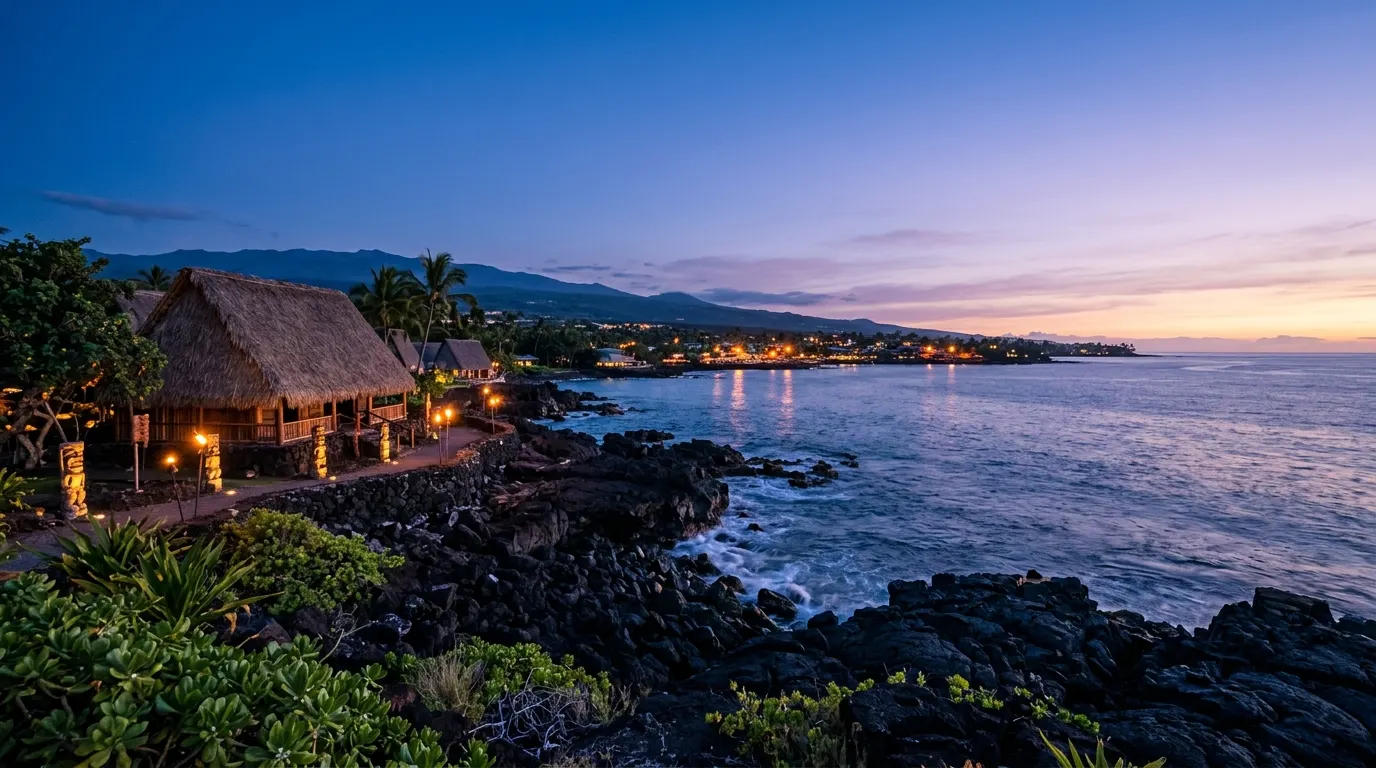
If you want to immediately grab your teenager's attention, start with speed and elevation. The Big Island offers incredible ways to experience its dramatic topography.
Ziplining Through the Canopy
For high-altitude thrills, Hawaiʻi Zipline Tours (Hakalau) delivers an exceptional experience. This 7-line course glides over lush tropical gardens and the massive 250-foot Kolekole waterfall. It is fast-paced, visually stunning, and requires just enough bravery to keep teens fully engaged. Expect to spend about $200 USD per person, and plan for a 2.5 to 3-hour experience.
Alternatively, the Kohala Zipline offers a high-canopy adventure featuring eight quiet 'WhisperLines,' suspension bridges, and a final rappel. It feels deeply immersive, as you spend the majority of the tour entirely off the ground in the trees. Both options have strict weight requirements (usually a minimum of 70 lbs), making them ideal for tweens and teens rather than younger siblings.
🎟️ Find family-friendly tours & activities →
High-Speed Ocean Rafting
A slow, crowded catamaran cruise can sometimes feel tedious to an impatient teenager. Swap it for Sea Quest Hawaii. These high-speed raft adventures whisk families to the Big Island's most remote snorkel spots, including sea caves and rugged coastlines that larger boats simply cannot access. The ride itself is half the fun—bouncing over the Pacific swells at high speeds. Tours run roughly $120 to $140 USD per person. Bring plenty of reef-safe sunscreen and a secure hat, as the open rafts offer minimal shade.
Unforgettable Nighttime and Marine Experiences
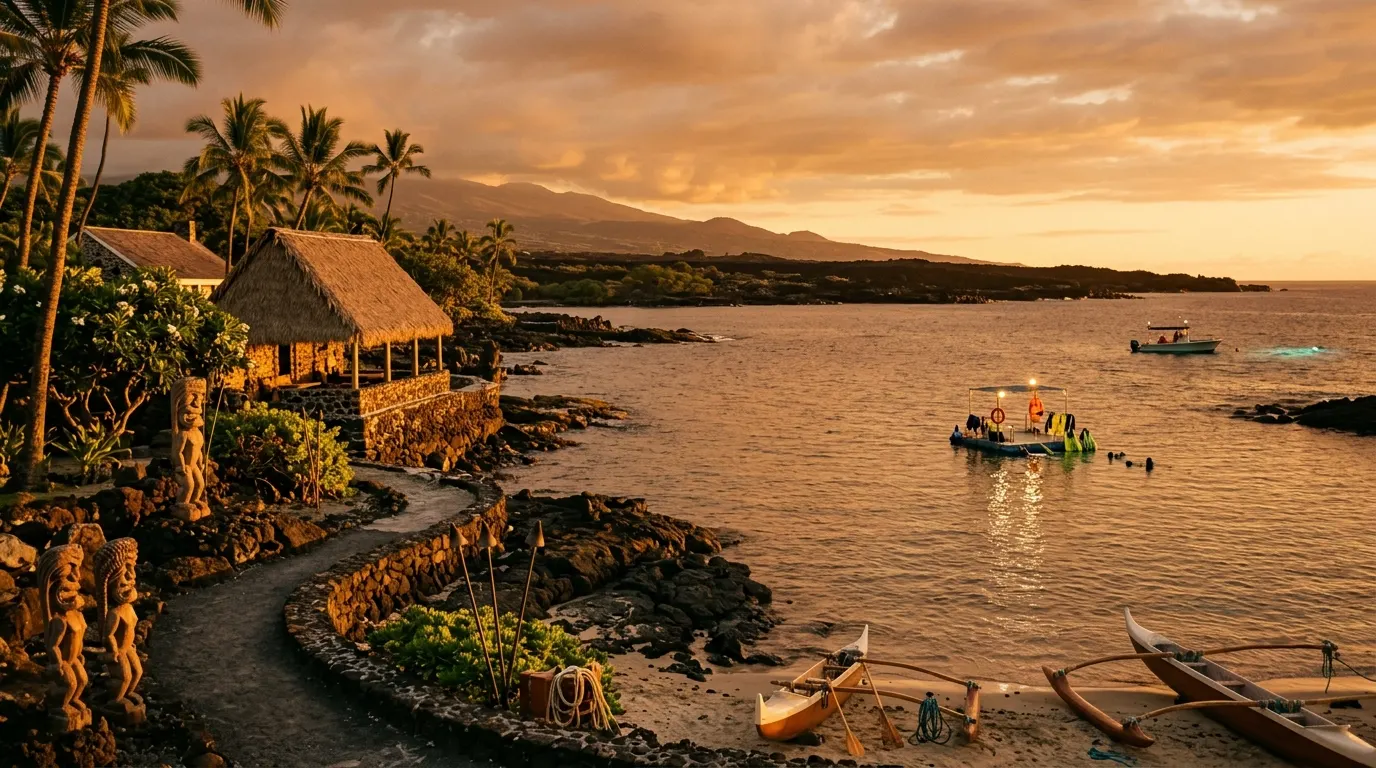
The Big Island truly shines after the sun goes down, offering two of the most spectacular nocturnal activities in the world.
Manta Ray Night Snorkeling
This is frequently cited by parents as the absolute highlight of their trip. Booking a Manta Ray Night Snorkel/Dive (various operators off Keauhou Bay) is an awe-inspiring adventure. You don a wetsuit, take a short boat ride into the dark ocean, and float on the surface holding onto a large, illuminated raft. The lights attract plankton, which in turn attracts giant manta rays with wingspans up to 16 feet.
The rays glide up from the dark depths, performing graceful barrel rolls just inches from your mask. It is entirely safe—manta rays have no stingers and no teeth—but the sheer size of them in the dark water is an incredible rush. Tours typically cost between $120 and $140 USD.
🎟️ Book family tickets & skip-the-line tours →
Stargazing at the Summit
Because of its extreme altitude and lack of light pollution, Mauna Kea is one of the premier astronomical sites on Earth. A Mauna Kea Stargazing (tour from Kona/Waimea) takes the logistical headache out of the journey. Guides provide heavy parkas, four-wheel-drive transportation, and professional telescopes.
If you prefer to drive yourself (check your rental car agreement, as many prohibit the summit road), you can safely take your family to the Mauna Kea Visitor Information Station (Onizuka Center). Perched at 9,200 feet, this is the highest point on the mountain safe for families (children under 13 are strongly discouraged from going to the actual summit due to altitude sickness risks). The visitor center offers world-class stargazing right from the parking lot. Dress in heavy winter layers; temperatures plummet near freezing at night.
Exploring Otherworldly Landscapes
The geological diversity of the Big Island is a massive draw, providing a stark contrast to standard beach vacations.
Volcanoes and Subterranean Tunnels
A visit to Hawaii Volcanoes National Park is mandatory. This isn't a tropical beach day; it's a raw, high-altitude lunar landscape where kids can walk through steam vents and across hardened lava lakes. Entry is $30 USD per vehicle, valid for seven days.
Make sure to walk through Nāhuku (Thurston Lava Tube), a 500-year-old subterranean tunnel formed by a river of molten lava, accessible via a short, paved walk through a lush rainforest. If your teens are highly inquisitive and you want to skip the stress of navigating the massive park yourself, book an expedition with Hawaiʻi Forest & Trail. Their high-end guided nature tours provide expert geology insights, access to private lands, and fantastic meals.
🎟️ Find family-friendly tours & activities →
Cloud Forests and Scenic Drives
For a completely different ecosystem, drive up to the Kona Cloud Forest Sanctuary. This private, high-altitude sanctuary allows families to literally walk through a cloud, surrounded by prehistoric ferns and rare birds. It is serene, highly photogenic, and a great way to escape the midday coastal heat.
If you have a rental car, dedicate an afternoon to the Kohala Mountain Road (Highway 250). This stunning 20-mile high-altitude drive winds through emerald-green ranch lands and ironwood trees, offering sweeping views of the coastline below. It feels more like the Scottish Highlands than Hawaii, highlighting the island's incredible microclimates.
The Best Beaches and Water Encounters for Older Kids
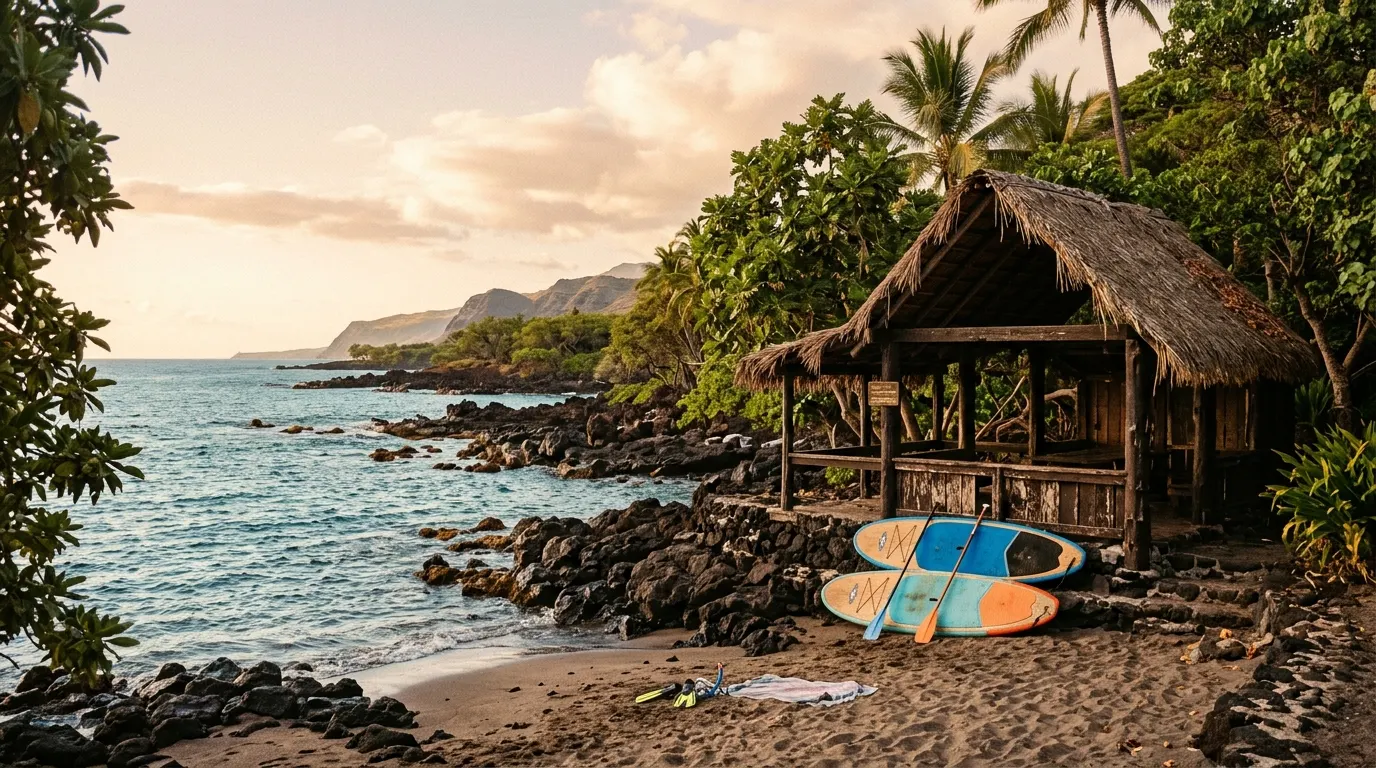
While the Big Island is known for its rugged coast, it still boasts incredible spots for classic water days.
Powdery Sand and Boogie Boarding
When your teens just want to crash into some waves, head to Hāpuna Beach State Recreation Area. Consistently ranked as one of the best beaches in the world, this half-mile stretch of powdery white sand offers excellent boogie boarding in the winter and calm swimming in the summer. There is a $10 USD parking fee and a $5 USD per person entry fee for non-residents. Arrive before 9:00 AM to secure parking and grab a spot with natural shade.
Pristine Snorkeling at Kealakekua Bay
For a highly organized, family-oriented snorkeling excursion, book with Fair Wind Cruises. They sail down to the pristine, protected waters of Kealakekua Bay. Older kids love the high-dive platforms and water slides built right into the boat, while parents appreciate the top-tier snorkeling gear, excellent onboard food, and attentive crew. Expect to pay around $160 USD per person.
What to Skip on the Big Island with Teens
Not every famous attraction translates to a great family experience. Protect your time and budget by avoiding these common pitfalls.
- Captain Cook Monument Trail: Many travel blogs recommend hiking down to Kealakekua Bay. What they downplay is that this is a 'backwards' hike. You descend 1,300 feet to the water, meaning the grueling, steep climb back up happens in the dead heat of the afternoon after you are exhausted from snorkeling. Take a boat tour instead.
- South Point (Ka Lae) Cliff Jumping: You will see videos of people jumping off the southernmost tip of the United States. Skip it. This is a high-risk, 40-foot cliff jumping spot with no safety infrastructure, extreme winds, and treacherous ocean currents.
- Dolphin Quest Hawaii: This is a high-cost, highly structured encounter in a resort lagoon. Many families find it ethically uncomfortable to interact with captive dolphins when the Big Island offers so many incredible, natural ways to see marine life in the wild.
- Pohoiki (Waiʻōpae) Warm Springs: While geothermally heated ponds sound like a dream, the reality is often murky, stagnant water that can harbor bacteria. Stick to the ocean.
- Doorless Helicopter Tours: While they sound thrilling, the high-altitude winds and intense engine noise in doorless models are often distressing for children and make communication impossible. If you do a flight, book a traditional, enclosed helicopter.
- Makalei Golf Club (for the drive, not golf): Some blogs suggest driving up here for the views. It is a private golf course where non-golfers are not welcome to simply wander the grounds.
- Hilo Town Tavern: While the food gets rave reviews, this is a local dive bar first and a restaurant second. It is not an ideal environment for a family dinner.
- Hōlualoa Village: This is a sophisticated art colony where the primary activity is browsing high-end galleries filled with fragile items. Teens will likely be bored in ten minutes.
- Late-Night Boat Departures: While iconic, late-night boat departures (often 8 PM or later) into choppy Pacific swells are frequently terrifying for kids. Stick to early evening tours for night snorkeling.
Age-Specific Tips for Family Travel on the Big Island
If you are traveling with a mixed-age group, it helps to know how to cater to different developmental stages across the island.
Toddlers (2-3 years)
The ruggedness of the Big Island can be tough on toddlers. For families with very young children, the Waikoloa Beach Resort area is a fantastic 'bubble' with a grocery store (Island Gourmet), paved stroller-friendly paths, and calm resort pools. For a great outdoor excursion, head to Hilo and visit Coconut Island (Moku Ola). It is a tiny, palm-fringed island in Hilo Bay reached by a scenic pedestrian bridge, offering calm tide pools perfectly sized for toddlers to safely splash in.
Preschoolers (3-5 years)
Preschoolers do beautifully with cultural experiences that allow for movement. The Keiki (Children's) Hula Shows at Resort Hotels along the Kohala Coast offer a low-stakes, high-reward way to experience Hawaiian culture. They can sit on the grass, watch kids their own age perform, and leave whenever their attention span wanes, unlike a rigid three-hour commercial luau.
School-Age (6-10 years)
Kids in elementary school thrive on the Big Island's tactile experiences. They will love the boat slides on the Fair Wind Cruise and walking through the Thurston Lava Tube. When stopping for treats, embrace the local culture: when ordering shave ice at local spots like Scandinavian Shave Ice, always ask for a 'Snow Cap' (sweetened condensed milk poured over the top). It is a local staple that kids adore.
Tweens and Teens (11-14 years)
This age group wants autonomy and excitement. Give them a waterproof camera for the manta ray snorkel, let them navigate the trail maps at Volcanoes National Park, and challenge them on the zipline courses. They are old enough to handle the physical demands of the island, so book the longer hiking tours and the faster boat rides.
Pro Tips from Parents for the Big Island, Hawaii with Teens
Navigating this massive island requires a bit of insider knowledge. Here is what veteran parents know:
- Understand the Scale: The Big Island is larger than all other Hawaiian islands combined. Do not underestimate driving times. Driving from Kona to Hilo via Saddle Road takes nearly two hours, and coastal routes take even longer. Group your activities by region (Kona side vs. Hilo side) to avoid spending half your vacation in a rental car.
- Watch the Vog: If your children have asthma or respiratory sensitivities, check the VMAP (University of Hawaii) dashboard daily. Volcanic emissions (known locally as vog) often blow toward the Kona coast and can cause coughing and eye irritation on heavy days.
- Footwear is Critical: Do not attempt off-path beach treks in flip-flops. The trek to the turquoise 'Blue Lagoon' at Kiholo Bay, for example, involves walking over jagged, loose a'a lava that will absolutely shred thin shoes and bare feet. Sturdy closed-toe shoes are a must for exploring.
- Find the Best Local Snacks: Skip the overpriced resort fruit. Drive the Māmalahoa Highway (Route 180) through Holualoa to find roadside stands selling lilikoi (passionfruit) and apple bananas. These operate on an honor system (bring small cash bills) and offer the best, most authentic snacks on the island.
Conclusion: Making the Most of the Big Island, Hawaii with Teens
Taking your family to this uniquely rugged corner of the Pacific requires a bit more planning and energy than a standard resort vacation, but the payoff is immense. You are trading predictable days by the pool for stories about glowing lava, dark ocean encounters, and walks through the clouds. By focusing on active, immersive experiences and skipping the exhausting tourist traps, exploring the big island, hawaii with teens becomes less about managing their boredom and more about watching them discover the raw beauty of the world alongside you. Pack your hiking boots, grab your snorkel gear, and get ready for an unforgettable adventure.